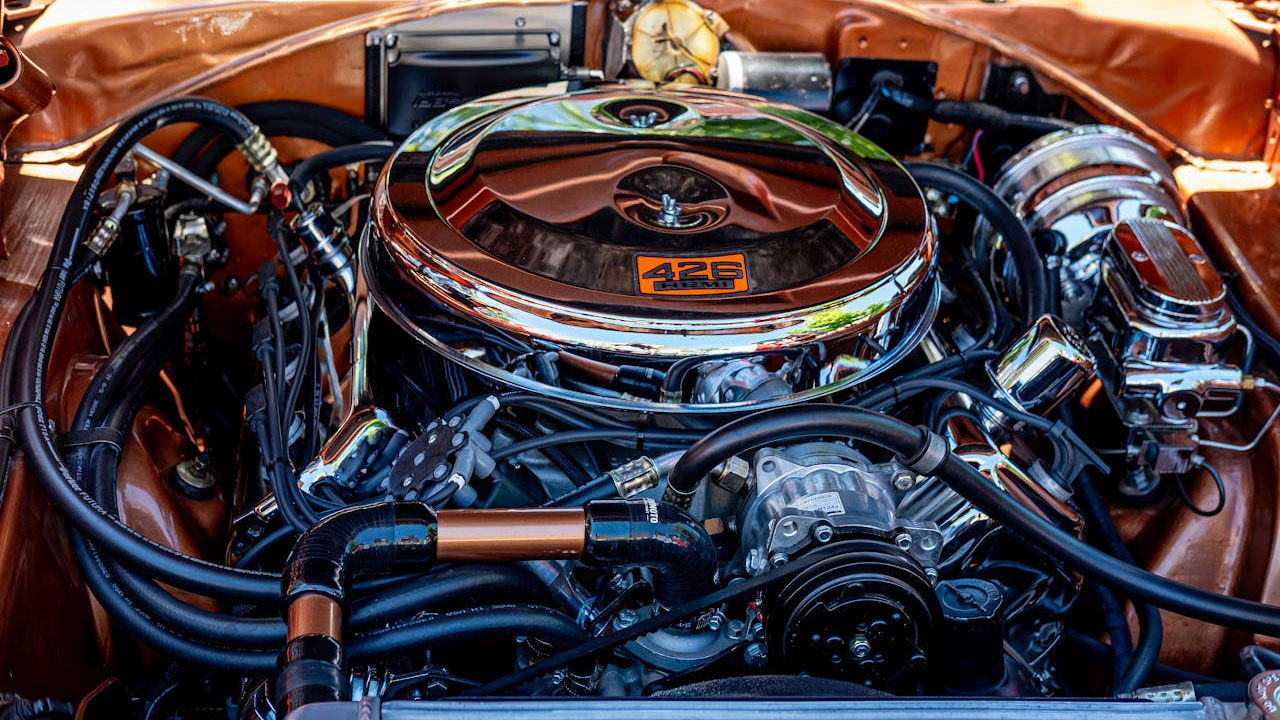
The world of racing has been forever transformed by the introduction of big-block engines. These powerhouses have not only dominated the racetrack but have also become iconic symbols of automotive engineering excellence. Let’s delve into six big-block engines that have left an indelible mark on racing history.
Chevrolet 427 V8
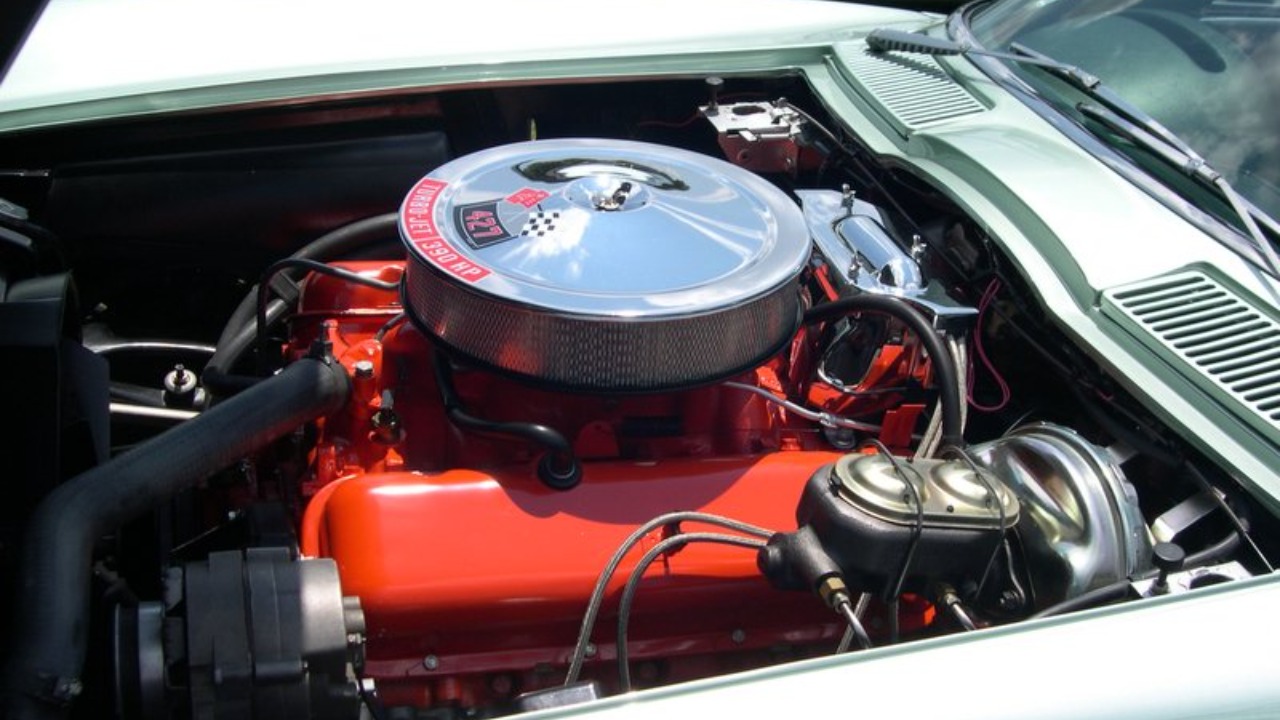
The Chevrolet 427 V8 is a legendary powerhouse that first appeared in the mid-1960s. Known for its robust performance, it became a favorite in NASCAR and drag racing. One of its most famous applications was in the 1966 Chevrolet Corvette, where it delivered exhilarating speed and power. The 427 V8 also found success in endurance racing, most notably in the Chevrolet-powered Chaparral 2F, which competed in the 1967 World Sportscar Championship. Its capability to produce high horsepower and torque made it a staple in the racing community.
The engine’s success on the track translated to popularity off the track as well, becoming a coveted option for muscle car enthusiasts. Its versatility and performance capabilities have solidified the Chevrolet 427 V8’s status as a transformative force in the world of racing engines.
Ford 427 FE V8
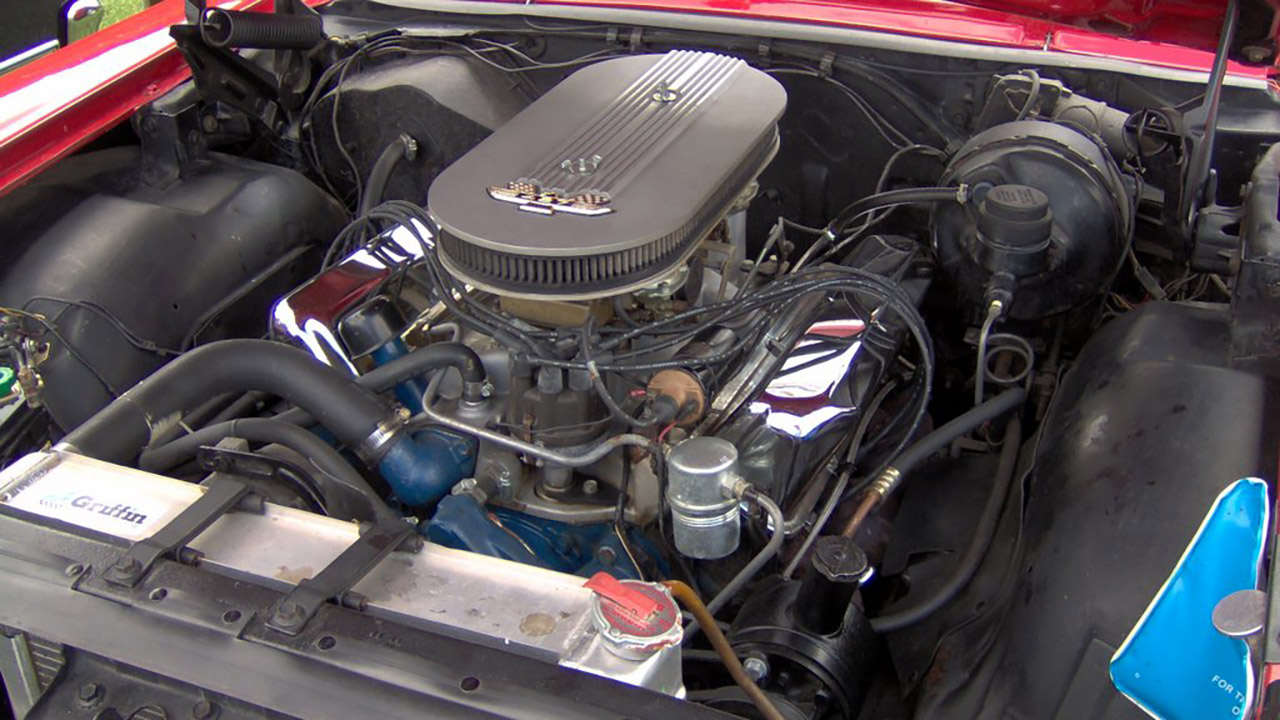
The Ford 427 FE V8 was introduced in the early 1960s and quickly became a dominant force in racing. Under the hood of the Ford GT40, it achieved legendary status by helping the car secure a victory at the 24 Hours of Le Mans in 1966, ending Ferrari’s reign at the event. The engine’s exceptional durability and power output made it a favorite among racers and enthusiasts alike.
Beyond endurance racing, the 427 FE V8 also made a significant impact in drag racing, where its raw power was a key asset. The engine was used in various competition vehicles, including the Ford Fairlane Thunderbolt, further establishing its reputation as a versatile and formidable racing engine.
Chrysler 426 Hemi
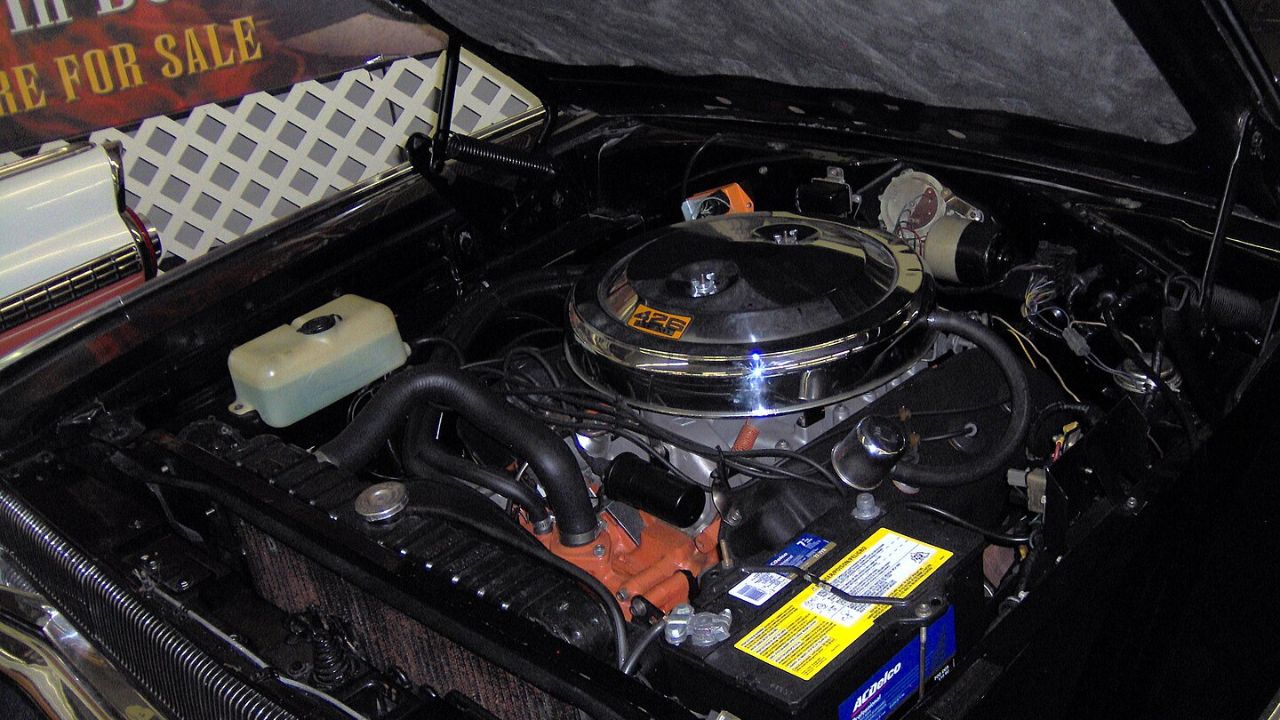
The Chrysler 426 Hemi, often referred to simply as the “Hemi,” is one of the most iconic engines in racing history. Debuting in 1964, it was designed specifically for NASCAR competition. Its hemispherical combustion chamber design allowed for superior airflow, resulting in unmatched power and efficiency. The Hemi’s dominance in NASCAR was solidified with Richard Petty’s notable win at the 1964 Daytona 500.
The 426 Hemi’s influence extended beyond stock car racing, making a significant impact in drag racing as well. Vehicles like the Plymouth Barracuda and Dodge Charger, equipped with the Hemi, became synonymous with high performance and speed, earning the engine a legendary status among racing aficionados.
Pontiac 421 Super Duty
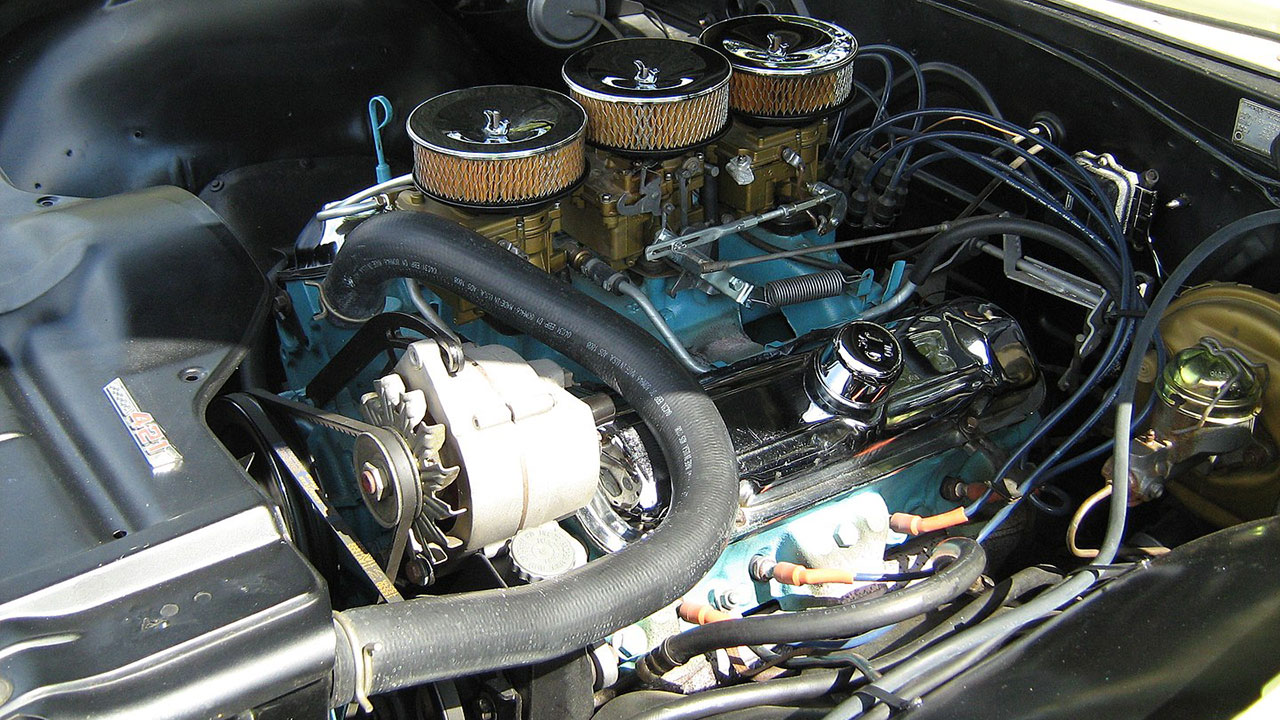
The Pontiac 421 Super Duty was a powerhouse engine that played a crucial role in the early 1960s racing scene. Developed for high-performance applications, it was a key player in drag racing and stock car racing. Pontiac’s Catalinas and Tempests, equipped with the 421 Super Duty, were formidable competitors on the track.
One of the most notable moments for the 421 Super Duty was in 1962 when it helped Pontiac achieve significant success in NASCAR. Its robust design and high-output capabilities made it a favorite among racers, contributing to Pontiac’s reputation for performance and innovation during this era.
Oldsmobile 455 Rocket
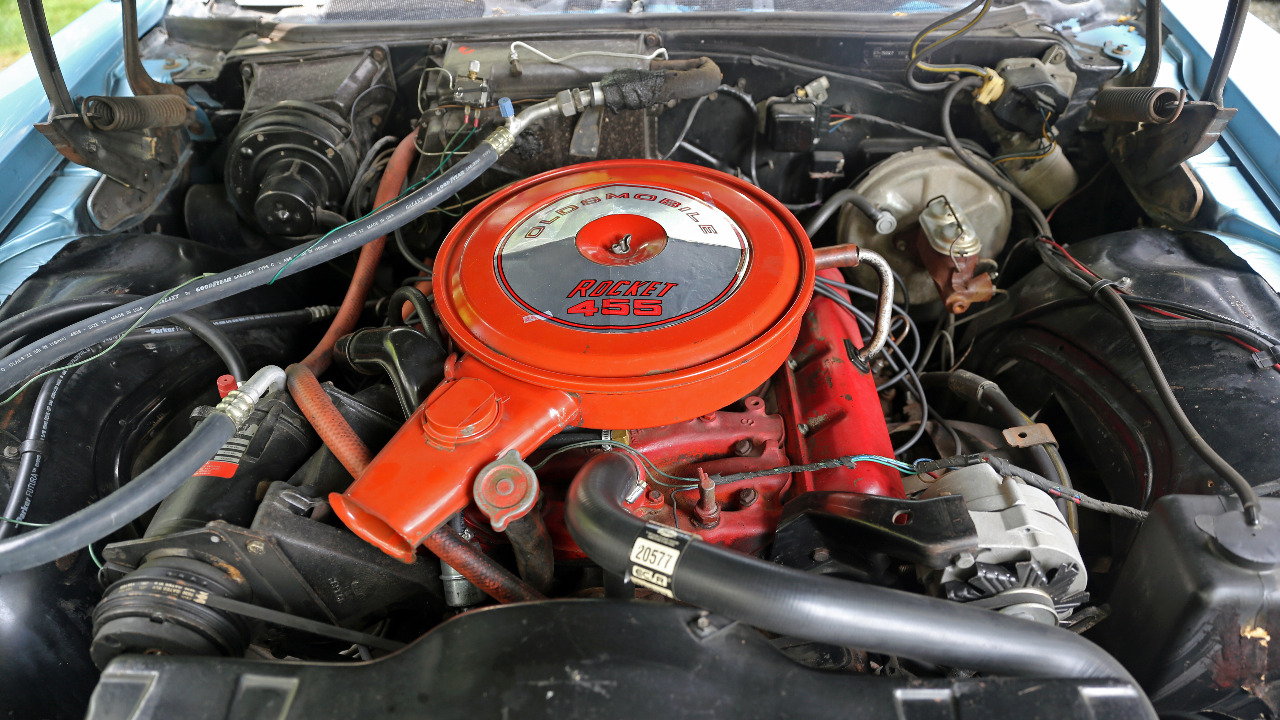
The Oldsmobile 455 Rocket made its mark in the 1970s as a powerful engine that was ideal for both racing and muscle cars. Known for its significant displacement and torque, it was a popular choice for drag racing. The engine was notably used in the Oldsmobile 442, a vehicle that became emblematic of the muscle car era.
The 455 Rocket’s ability to deliver impressive power while maintaining reliability made it a favorite among racers. Its impact is still felt today, as enthusiasts continue to seek out this engine for its historic significance and performance potential.
Buick 455 Stage 1
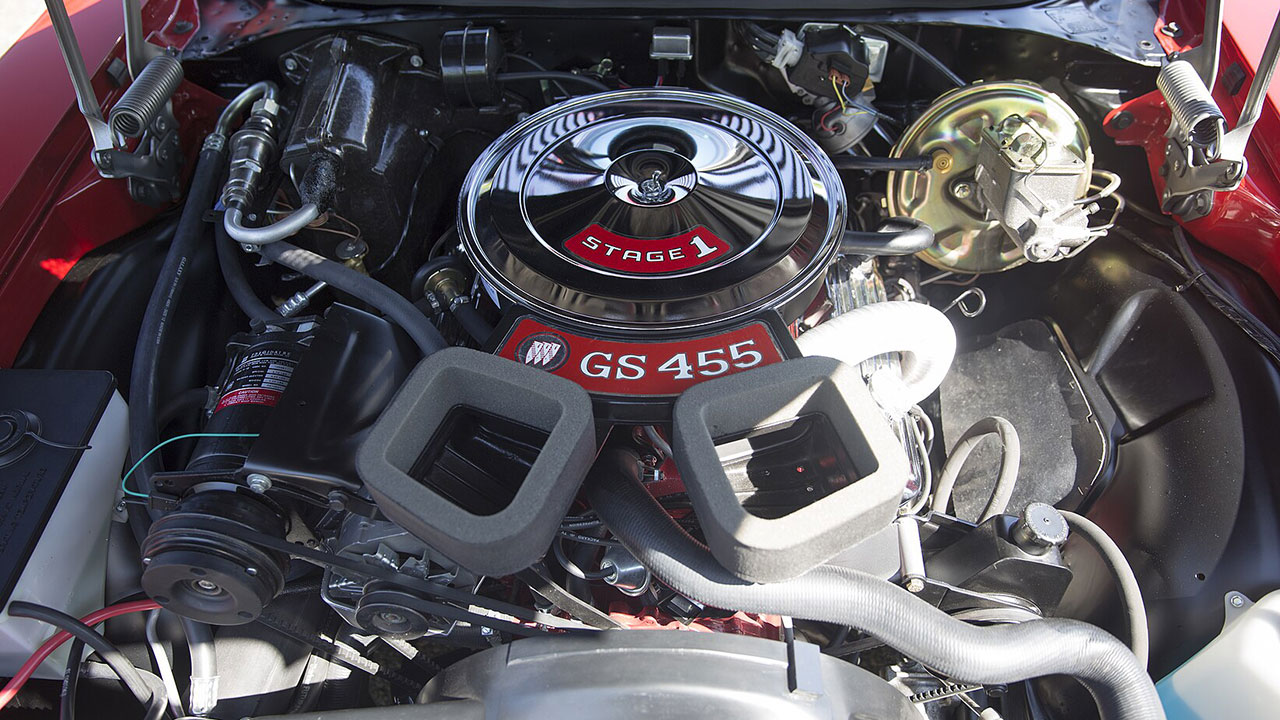
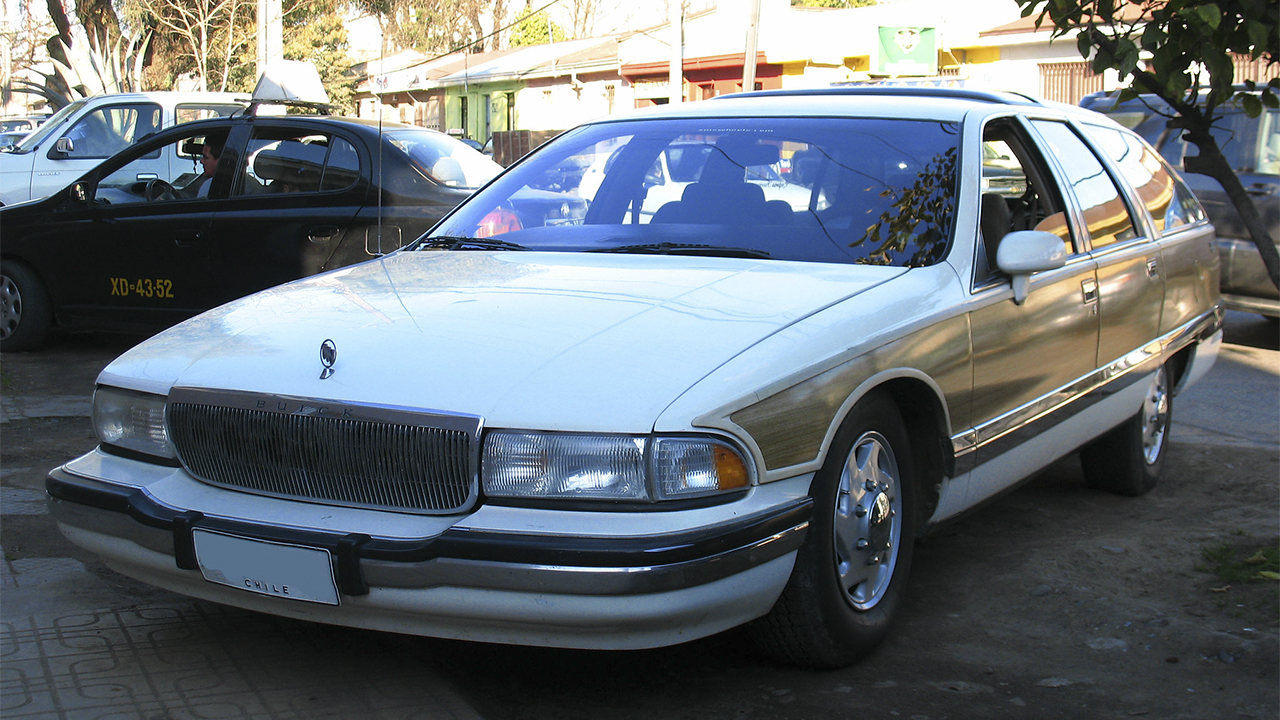
The Buick 455 Stage 1 engine emerged in the 1970s as a formidable contender in the muscle car and racing scenes. It was renowned for producing high horsepower and torque, making it a sought-after option for those seeking performance excellence. The engine found its home in the Buick GSX, a car that became a symbol of speed and power.
Despite facing stiff competition from other manufacturers, the 455 Stage 1 held its ground thanks to its balanced design and performance capabilities. It remains a beloved engine among collectors and racers, representing an era of automotive history where power was paramount.
Like Fast Lane Only’s content? Be sure to follow us.
Here’s more from us:
*Created with AI assistance and editor review.