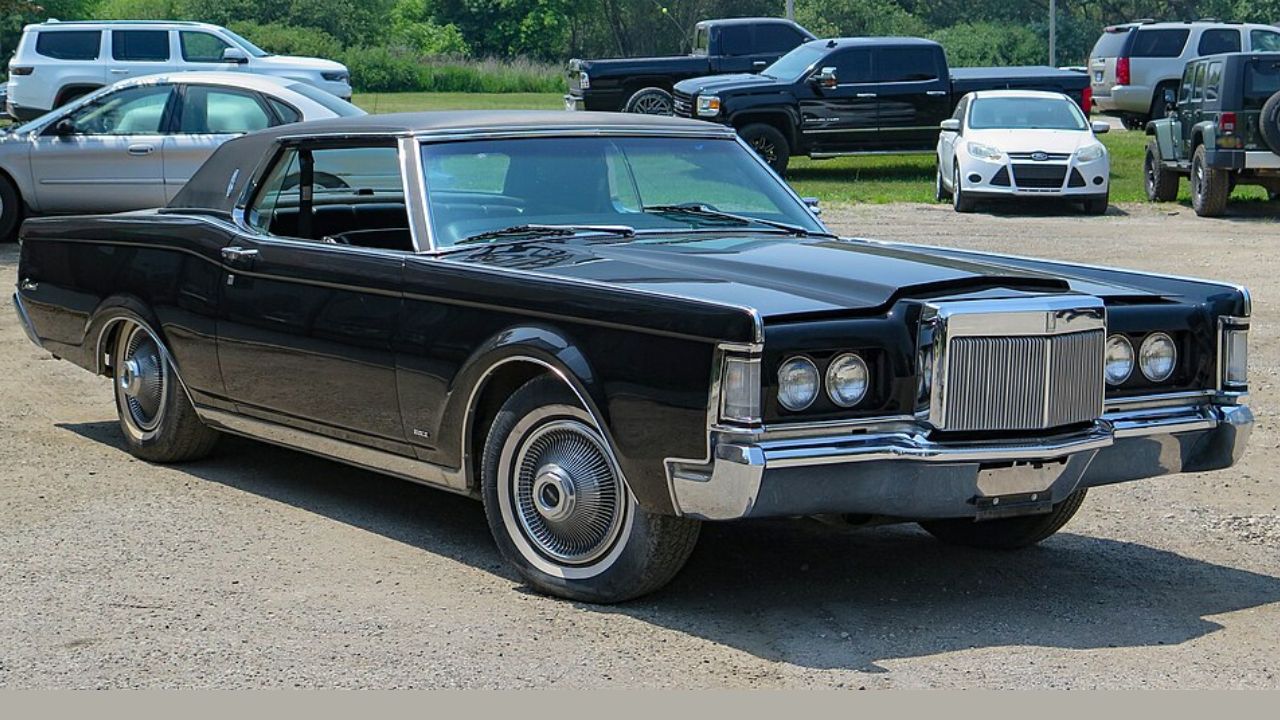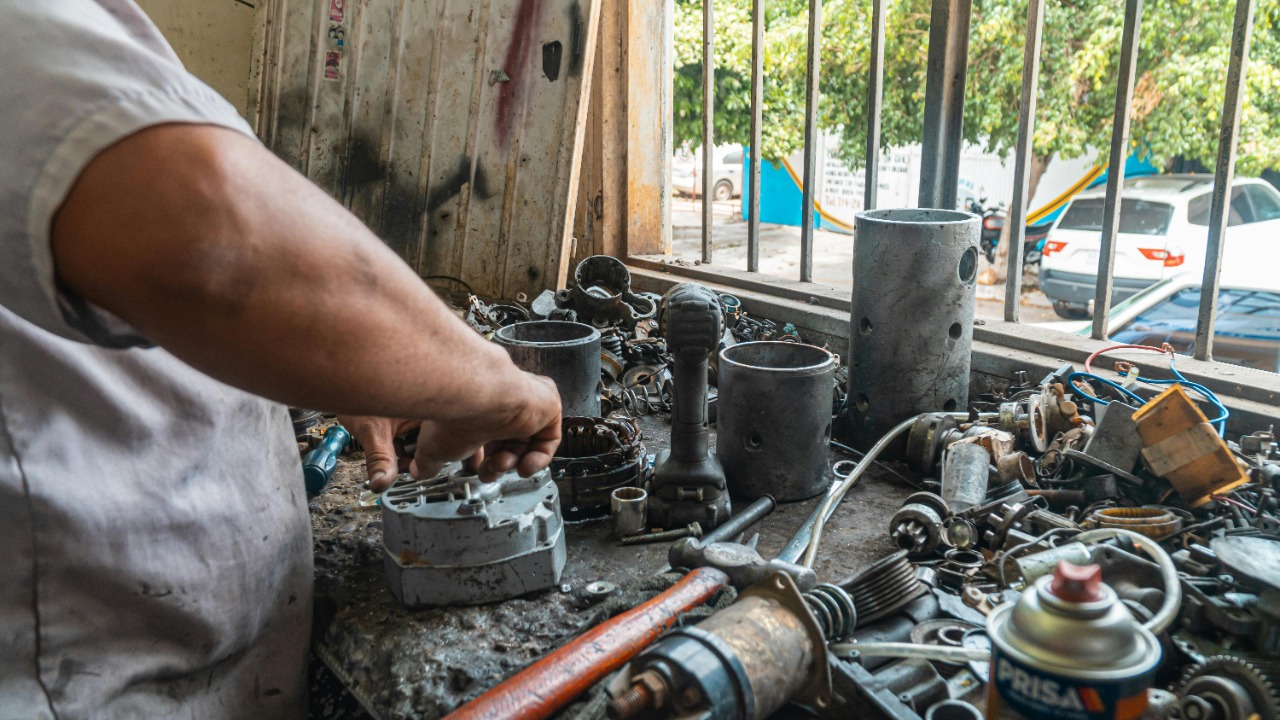
As technology continues to advance, the debate between old school craftsmanship and modern precision becomes increasingly relevant. I find myself drawn to this discussion, particularly when it comes to the world of automobiles. Classic cars embody artisanal skill and attention to detail, while modern vehicles showcase the efficiency and consistency of cutting-edge technology. By exploring the strengths and weaknesses of both approaches, we can better understand which truly stands the test of time.
The Essence of Old School Craftsmanship
Old school craftsmanship refers to the traditional methods of manufacturing that prioritize artisanal skill and personal touch. Historically, these methods were the backbone of industries long before the advent of automation and mass production. Craftsmen, often working in small shops or as independent artisans, took pride in their creations, pouring hours of labor and expertise into each product. This has led to a legacy of vehicles that not only perform well but also tell a story through their design and construction.
Key characteristics of old school craftsmanship include meticulous attention to detail and a dedication to quality over quantity. For example, classic cars like the Ford Model T or the Jaguar E-Type were built by hand, allowing for unique features that reflect the individual craftsmanship of the builders. Traditional crafts such as woodworking, metalworking, and textiles all share a common thread in their commitment to quality and durability, representing an era where products were made to last.
The Rise of Modern Precision
With the evolution of technology, modern precision manufacturing has transformed the automotive industry. The introduction of automated processes, such as Computer Numerical Control (CNC) machines and laser cutting, has allowed for unprecedented levels of efficiency and consistency. These tools enable manufacturers to produce vehicles that meet high standards of precision, reducing variability and enhancing quality control.
Modern precision is characterized by its use of advanced materials and techniques that can significantly improve performance and safety features. For instance, the Tesla Model 3 utilizes 3D printing technology to create complex components that would be difficult to fabricate using traditional methods. This approach not only streamlines production but also allows for innovative designs that push the boundaries of what’s possible in automotive engineering.
Durability: A Comparison
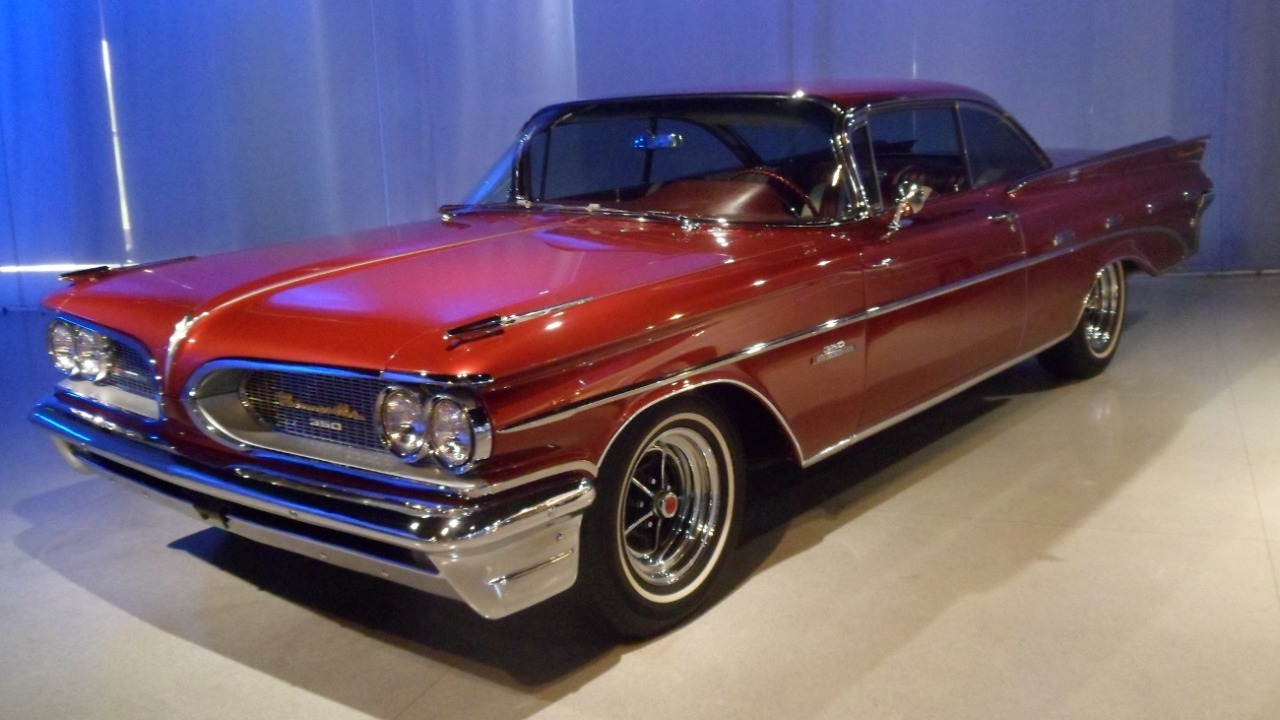
When comparing the durability of products created through old school craftsmanship versus modern manufacturing, the materials used play a crucial role. Classic cars were often made with robust materials like steel and heavy-duty leather, ensuring their longevity. For example, a 1967 Ford Mustang is renowned for its solid construction and can withstand the test of time if properly maintained.
On the other hand, modern vehicles often incorporate lighter materials like aluminum and composite plastics to improve fuel efficiency. While these materials can be strong, they may not offer the same longevity as their traditional counterparts. A case study to consider is the BMW i3, which, while innovative and efficient, has faced criticism for its durability compared to older models. Ultimately, the method of production significantly influences the lifespan of a vehicle.
Aesthetic Appeal: Form vs. Function
The aesthetic qualities of vehicles produced through old school craftsmanship often reflect unique designs that are hard to replicate. Handcrafted cars, like the Aston Martin DB5, boast sleek lines and intricate details that evoke a sense of nostalgia and emotional connection. The artistry involved in their creation adds an intangible value that many enthusiasts cherish.
In contrast, modern precision manufacturing tends to favor standardized outputs, which can sometimes lack the character of their handcrafted predecessors. However, this does not mean that modern vehicles are devoid of aesthetic appeal. Brands like Audi and Lexus have developed design languages that prioritize sleekness and functionality. Consumer preferences are shifting, with many appreciating both the charm of classic cars and the polished aesthetic of modern designs, leading to a diverse market.
Sustainability and Environmental Impact
The sustainability of manufacturing methods is becoming increasingly important, particularly in the automotive industry. Old school craftsmanship often emphasizes local sourcing and sustainable materials, leading to a smaller carbon footprint. Many artisans strive to minimize waste and use environmentally friendly practices, reflecting a deep respect for the materials they work with.
In contrast, modern precision manufacturing typically relies on global supply chains, which can increase resource consumption and waste. However, advancements are being made in this area. Companies like Ford are developing electric vehicles and exploring ways to recycle materials more effectively. The push for sustainability is prompting a re-evaluation of both craftsmanship and precision, encouraging innovations that benefit the environment.
Cost Considerations: Investment vs. Affordability
When it comes to pricing dynamics, handcrafted items often come with a higher price tag due to the time and skill involved in their creation. For example, a custom-built car from a manufacturer like Morgan Motor Company can cost significantly more than a mass-produced vehicle. However, many consumers view these handcrafted models as long-term investments, appreciating their unique qualities and potential for appreciation over time.
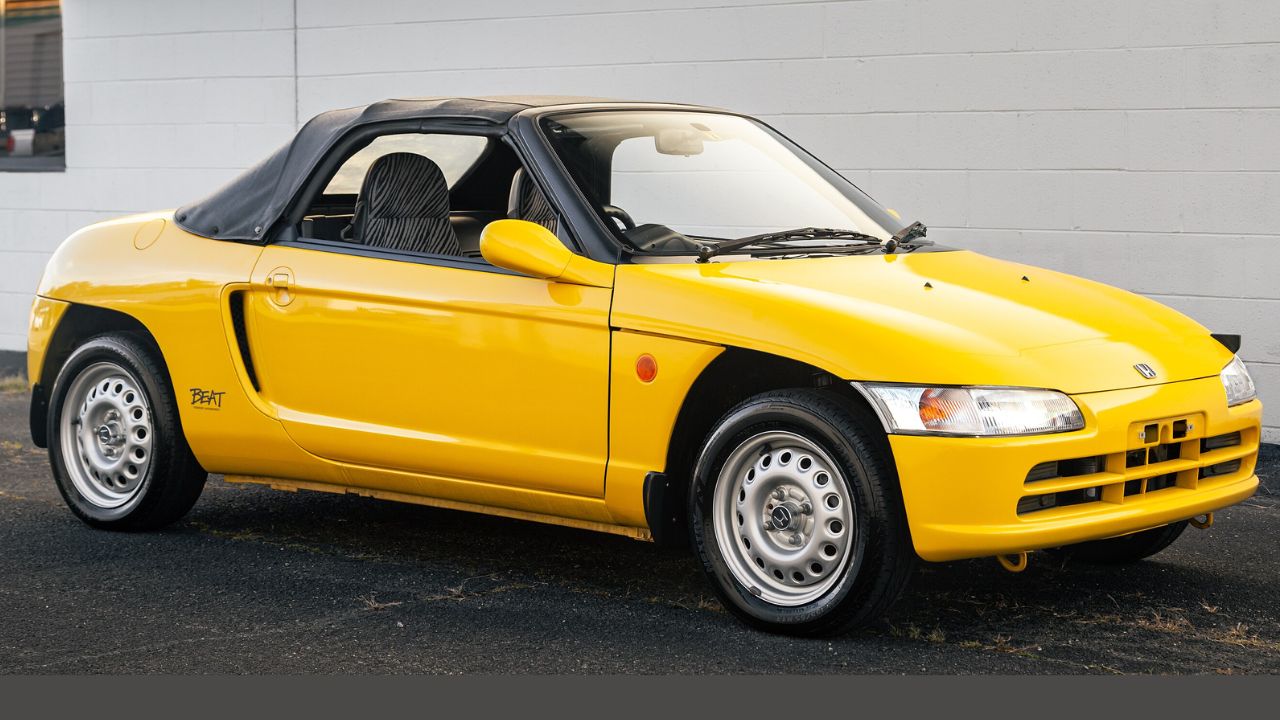
On the other hand, precision-manufactured goods are often more affordable and accessible to a wider audience. Brands like Honda and Toyota have mastered the art of producing reliable vehicles at competitive prices. However, the trade-off often lies in longevity and repairability. While a modern car may be cheaper upfront, its long-term value can diminish if it lacks the durability of a classic model, leading consumers to reconsider their purchasing decisions.
The Role of Skill and Training
The learning curve associated with old school craftsmanship is steep, requiring years of training and experience to master. Traditional skills such as metal shaping and woodworking are often passed down through generations, creating a rich heritage of knowledge. As someone interested in craftsmanship, I admire the dedication required to produce high-quality vehicles by hand.
Conversely, modern precision manufacturing often emphasizes technical training and education, focusing on operating advanced machinery and software. Programs like those offered by technical colleges prepare students for careers in automotive engineering and manufacturing, ensuring a skilled workforce equipped to handle the demands of today’s industry. The impact of skill level on the quality of the final product is undeniable, with both approaches relying on expertise to achieve outstanding results.
Cultural Significance and Heritage
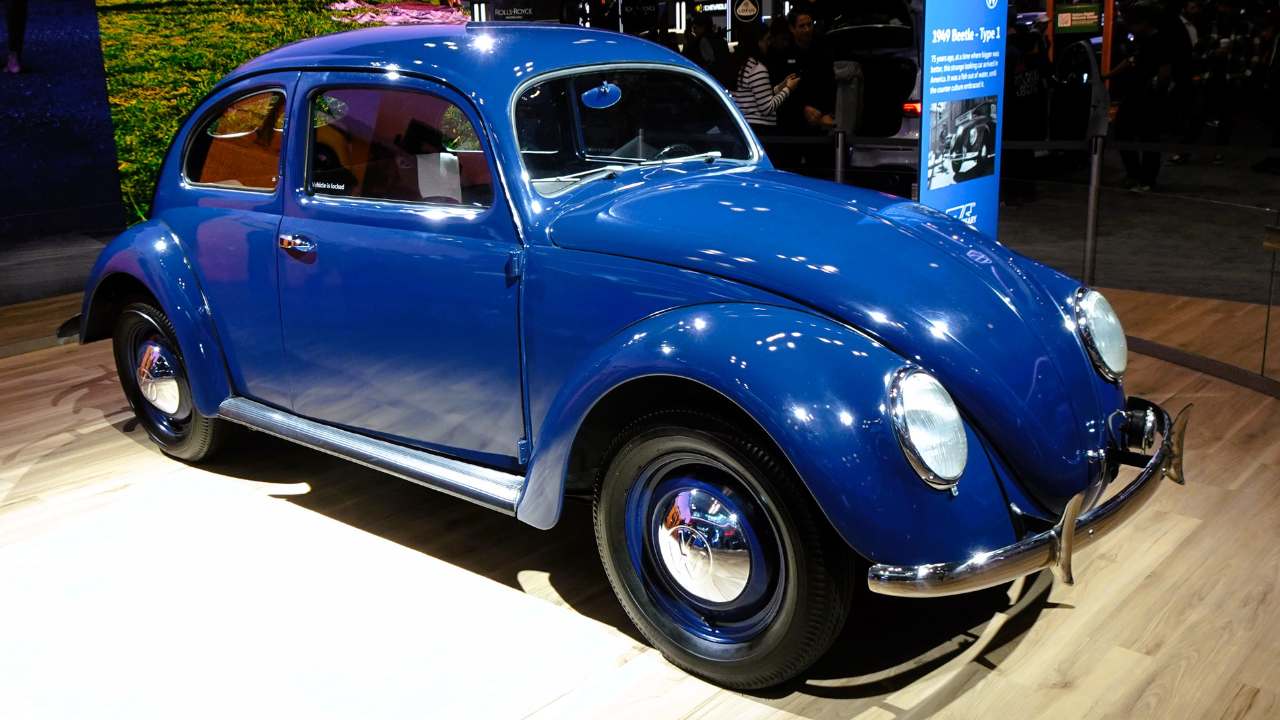
Old school craftsmanship plays a critical role in preserving cultural identity and traditions. Classic cars often represent a significant part of a region’s history, embodying the values and aesthetics of the time. The Volkswagen Beetle, for example, is not just a car; it symbolizes an era of accessibility and innovation that resonates with enthusiasts around the world.
Modern precision, while focused on efficiency, also shapes contemporary culture and industry. Vehicles like the Tesla Model S have redefined what it means to be an environmentally friendly and technologically advanced car. The potential for hybrid approaches that blend both methods is exciting, as artisans and engineers collaborate to create vehicles that honor tradition while embracing the future.
Future Trends: The Evolution of Craftsmanship and Precision
The future of craftsmanship in an increasingly automated world is a topic of much speculation. As automation continues to rise, there is a growing movement towards the maker culture and DIY projects. Enthusiasts are rediscovering the joys of building and customizing their own vehicles, harkening back to a time when cars were personal expressions of creativity.
Predictions for the automotive landscape suggest a collaborative future where traditional artisans work alongside modern technology. Innovations like augmented reality design tools could allow craftsmen to visualize their creations in real-time, merging the old with the new. The automotive world is ripe for transformation, and as we move forward, the interplay between old school craftsmanship and modern precision will undoubtedly shape the vehicles of tomorrow.
More from Fast Lane Only
- Unboxing the WWII Jeep in a Crate
- 15 rare Chevys collectors are quietly buying
- 10 underrated V8s still worth hunting down
- Police notice this before you even roll window down
*Research for this article included AI assistance, with all final content reviewed by human editors.