Some classic cars seem frozen at the exact moment when form and function aligned, while their rivals now look trapped in a particular decade. I look at six icons whose styling has aged more gracefully than their period competitors, using contemporary design analysis to explain why their lines still feel fresh.
The Timeless Jaguar E-Type’s Enzo Ferrari Seal of Approval

The Jaguar E-Type (1961–1975) earned an extraordinary endorsement when Enzo Ferrari reportedly called it “the most beautiful car ever made” in a 1960s interview. Its impossibly long hood, short rear deck, and uninterrupted curves give it a lithe, almost organic stance that still reads as modern sculpture. That purity of proportion, combined with minimal ornamentation, lets the E-Type transcend the styling fads that surrounded it in period showrooms.
By contrast, the 1958–1966 Ford Thunderbird evolved into a heavier, boxier shape that a later retrospective described as aging into dated bulkiness. Stacked headlights, thick pillars, and swelling body sides locked the Thunderbird into late‑1950s excess, while the E-Type’s low cowl and tapering tail still influence modern sports cars. For collectors and designers, that divergence illustrates how disciplined surfacing can outlast fashionable chrome and exaggerated volume.
Porsche 911’s Enduring Silhouette by Butzi Porsche
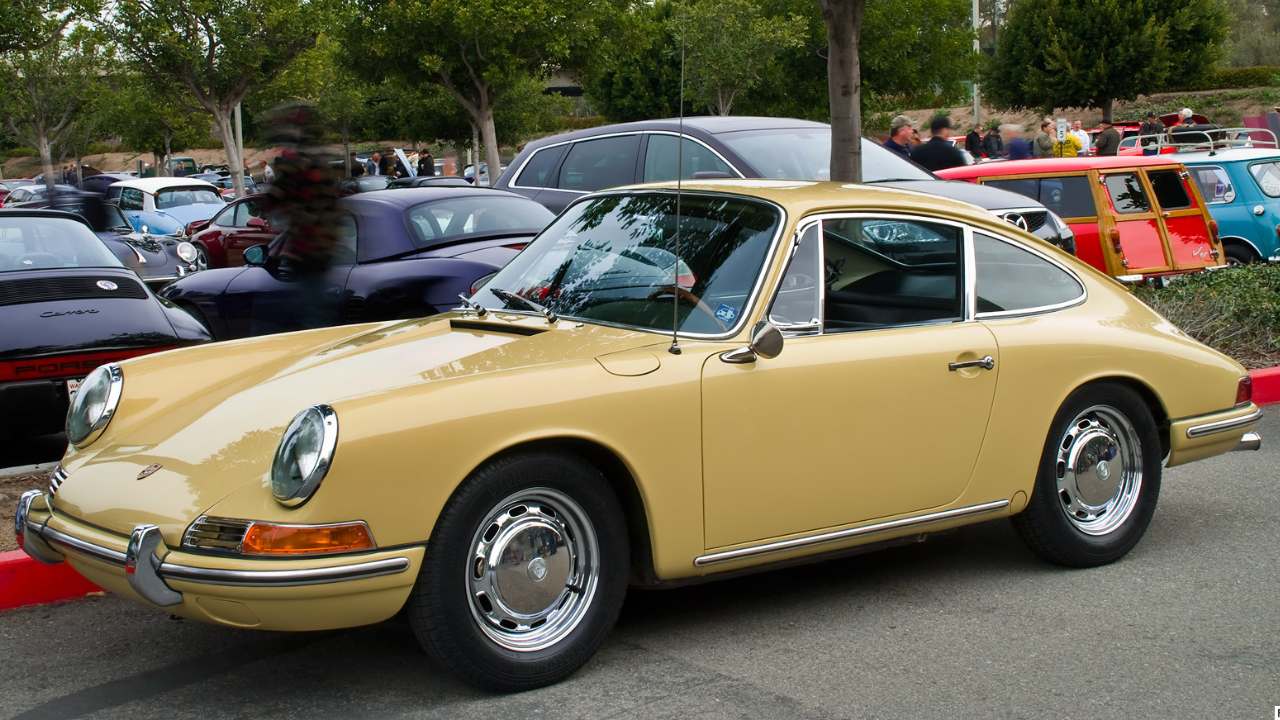
The Porsche 911, introduced in 1963, is defined by Ferdinand “Butzi” Porsche’s rear-engine layout and sloping roofline, a profile that has remained visually consistent for more than 60 years. The basic teardrop form, upright headlights, and clean fenders have been carefully updated rather than reinvented, so even a recent 911 is instantly linked to the original. That continuity helps the design feel timeless, because it has evolved within a narrow, recognizable template instead of chasing short-lived trends.
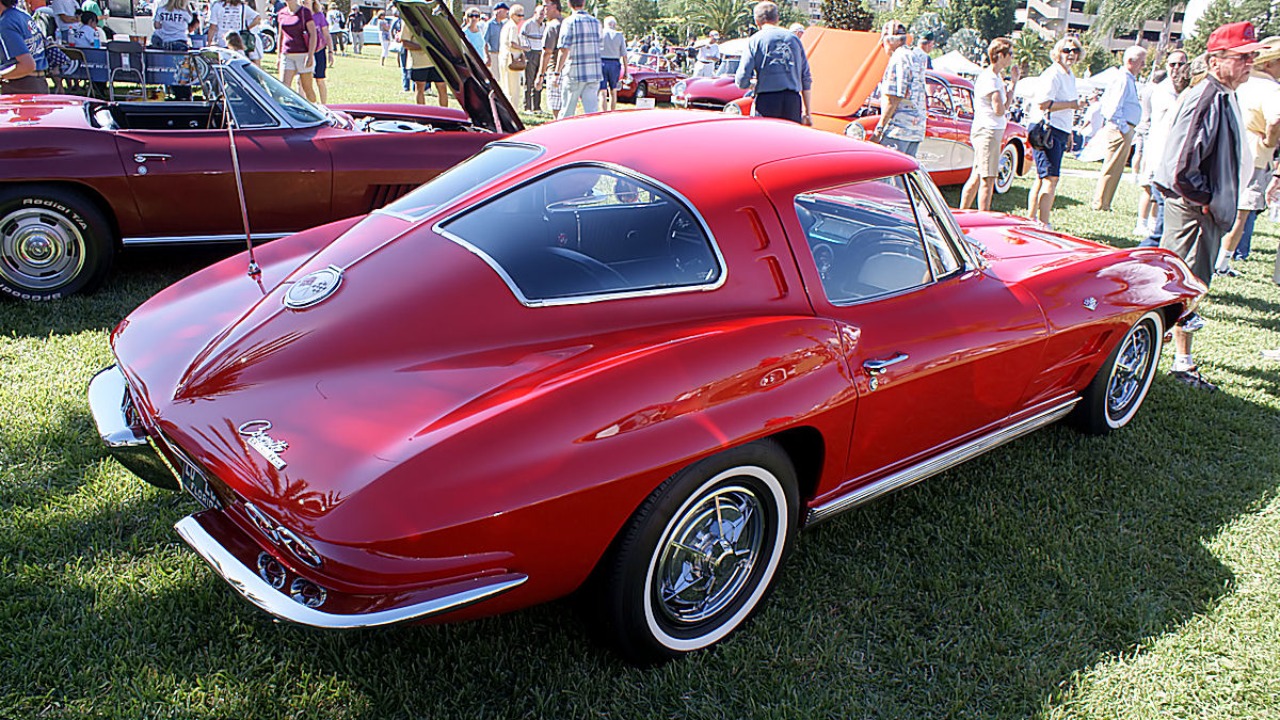
Period rival Chevrolet went in a different direction with the 1962–1967 Corvette C2, whose sharp creases and angular haunches were later described as “awkwardly proportioned” by the 1980s. As tastes shifted away from overtly aggressive forms, the C2’s split-window drama began to look like a specific 1960s statement, while the 911’s rounded roof and compact tail stayed relevant. For performance buyers and brand strategists, the 911 proves that evolutionary design can build enduring equity and visual longevity.
Ford Mustang’s Iconic Fastback That Defined a Generation
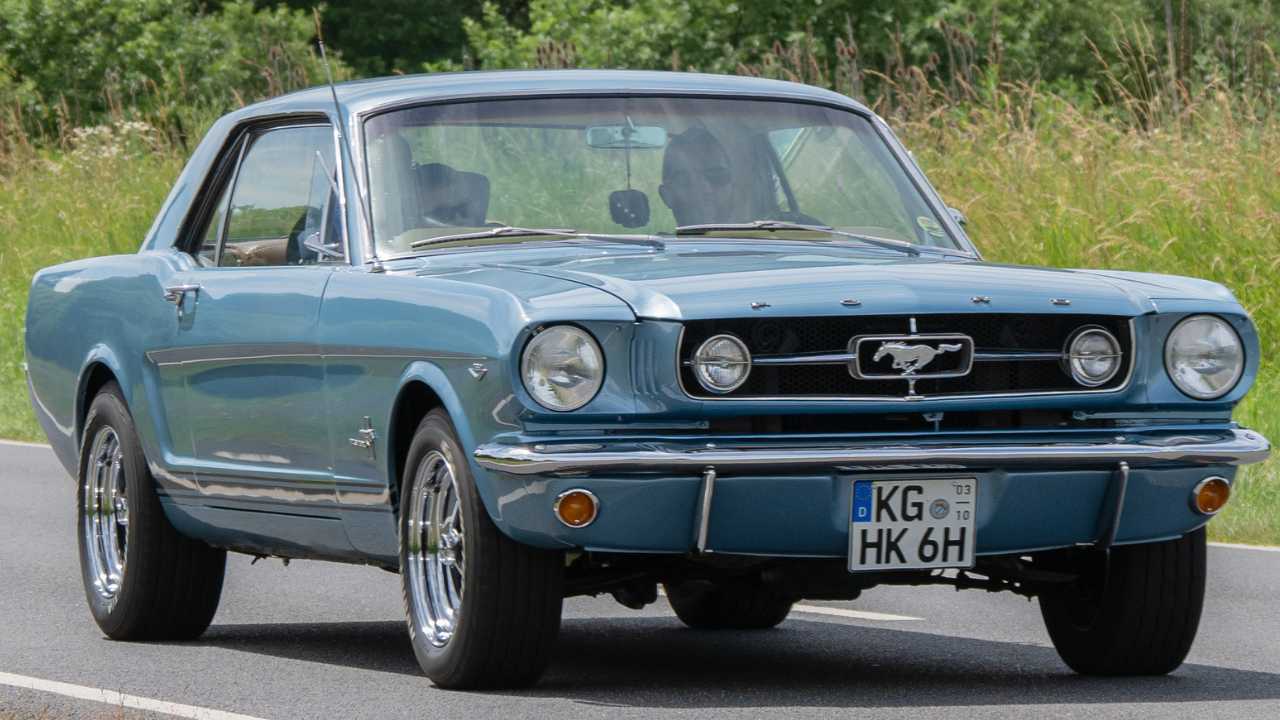
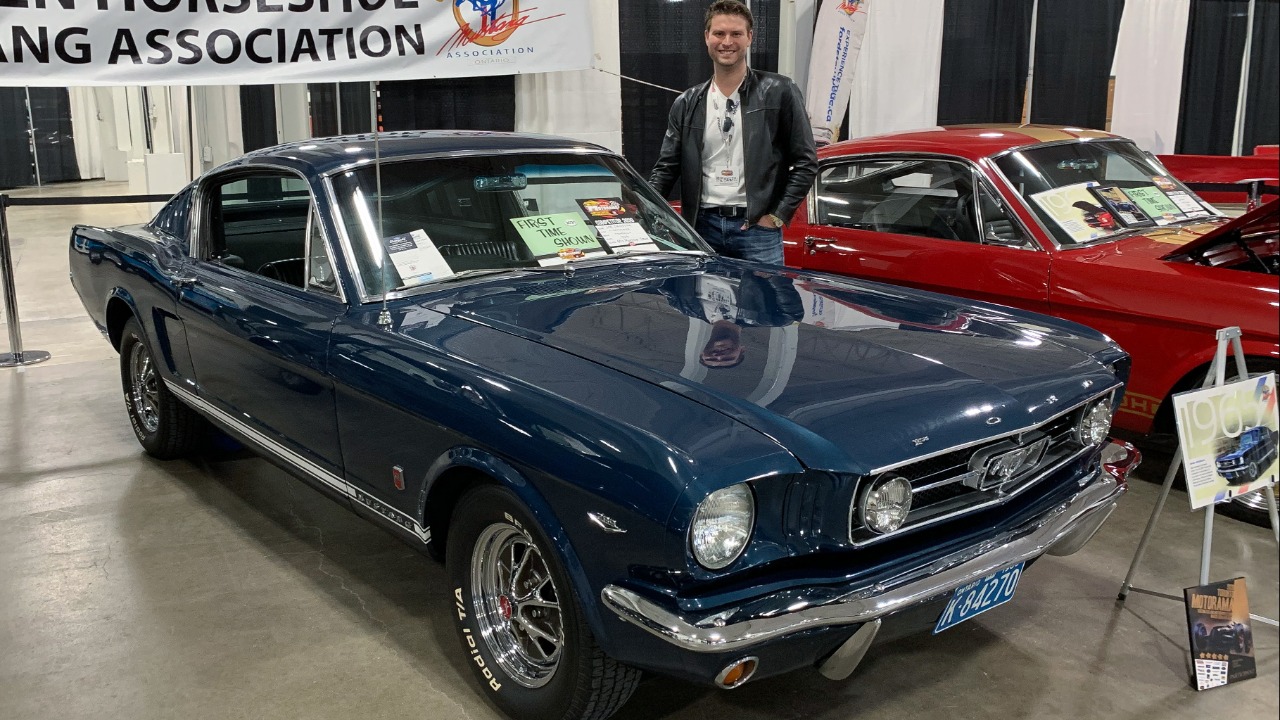
The original Ford Mustang, launched in 1964, used a fastback silhouette influenced by Gene Bordinat’s sketches to create a sporty yet approachable shape. Its long hood, short rear deck, and crisp side sculpting gave the car a purposeful stance without excessive ornament. That basic proportion has been echoed in later Mustang generations, helping the first‑generation cars feel like the starting point of an ongoing lineage rather than a relic of the 1960s.
In the same pony-car era, the 1964–1974 Plymouth Barracuda adopted a more extreme, “fish-like” front end that period analysts say dated quickly after the 1970 oil crisis. As fuel concerns and insurance costs rose, flamboyant noses and exaggerated glass areas began to look out of step with new priorities. The Mustang’s cleaner fastback profile, by comparison, adapted more easily to changing expectations, which is why early Mustangs still anchor modern retro-inspired designs and remain strong in enthusiast markets.
Mercedes-Benz 300 SL Gullwing’s Aerodynamic Masterpiece
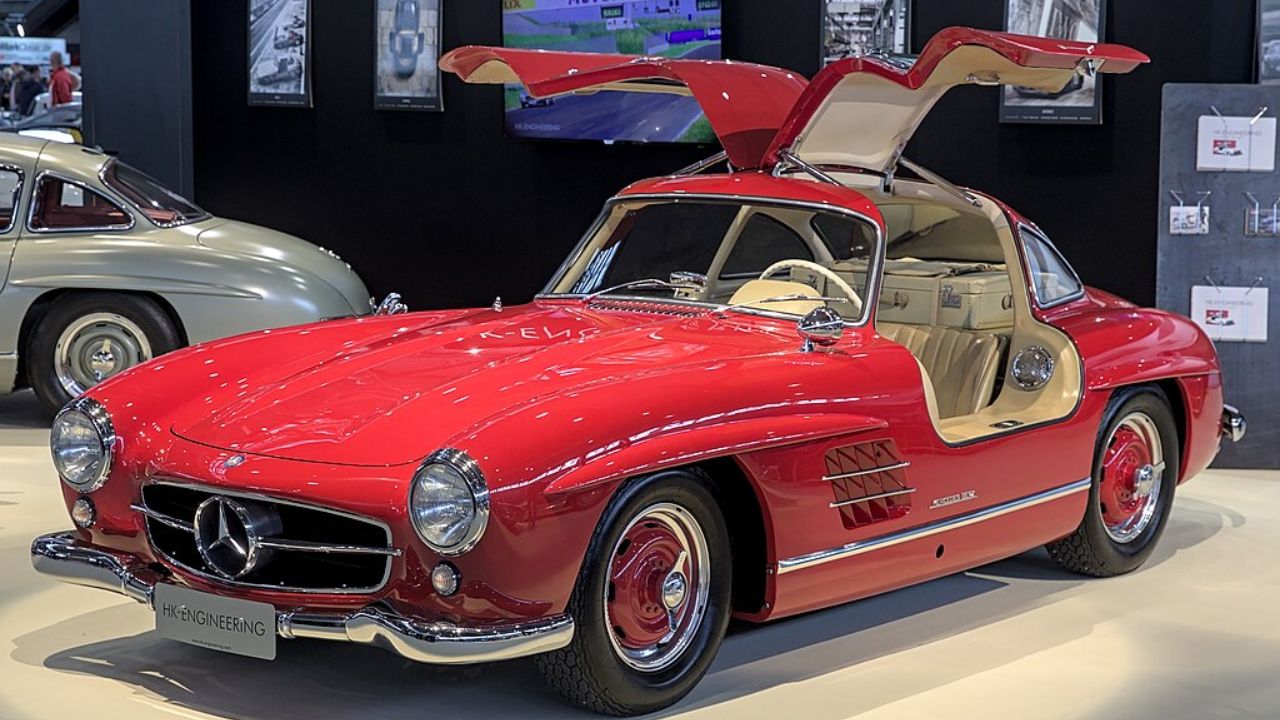
The Mercedes-Benz 300 SL Gullwing (1954–1957) pairs its famous upward-opening doors with an aerodynamic coupe body shaped under Friedrich Geiger. Low, flowing fenders, a slim greenhouse, and tightly drawn surfaces give the car a purposeful, almost aircraft-like presence that still feels advanced. The gullwing doors are not just theatrical, they visually emphasize the car’s lightweight spaceframe engineering, tying form directly to function in a way that continues to resonate with design students and collectors.
Its contemporary rival, the 1956–1959 BMW 507, suffered from “overly ornate fenders” that later commentators argue aged poorly. Decorative sweeps and heavier detailing made the 507 look more like a traditional roadster, rooted in 1950s styling conventions rather than pointing forward. The contrast highlights how the 300 SL’s restrained surfaces and integrated aerodynamics anticipated later sports-car design, giving it a timeless quality that supports its sky-high valuations and museum prominence.
The Volkswagen Beetle’s Simple Curves That Conquered the World
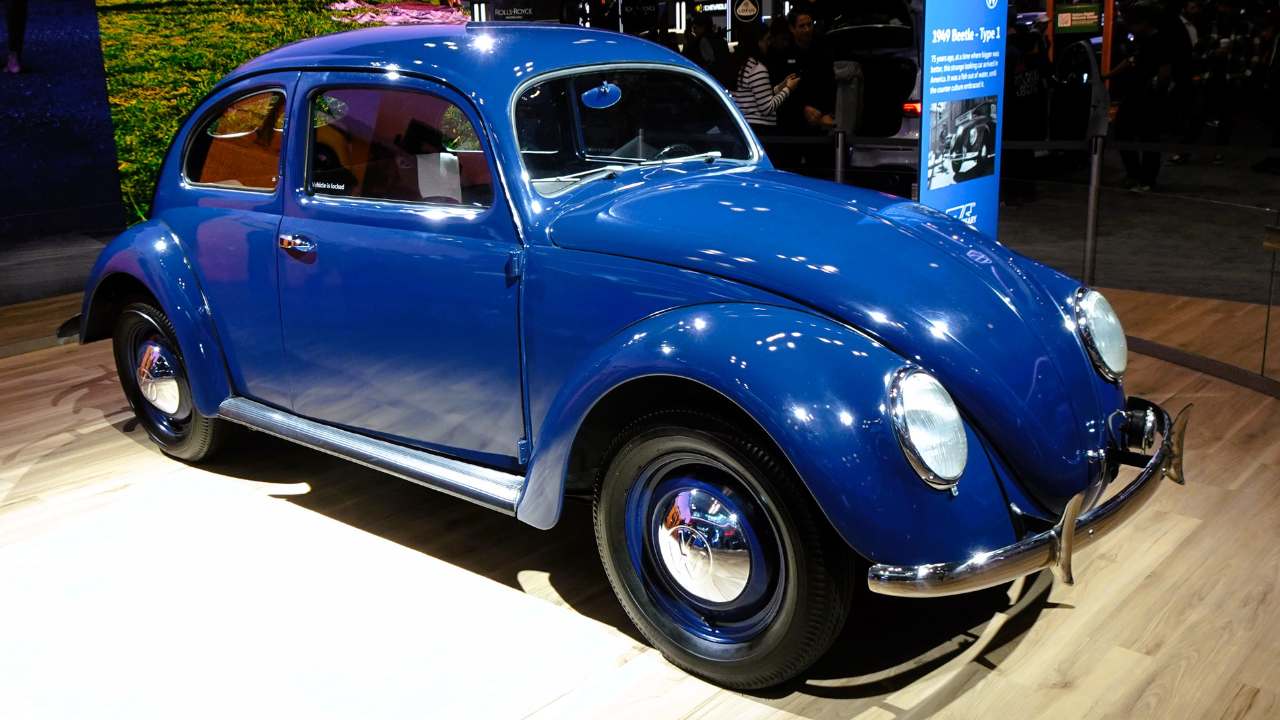
The Volkswagen Beetle, produced from 1938 to 2003, relies on rounded, simple curves laid out by Erwin Komenda. Its domed roof, gently flared fenders, and minimal brightwork create a friendly, almost cartoon-like shape that proved remarkably resistant to fashion cycles. Because the Beetle’s form was driven by packaging and simplicity rather than ornament, it could span decades and continents without looking self-consciously retro during its main production run.
By comparison, the angular Citroën 2CV (1948–1990) used an “umbrella-like” asymmetrical profile that analysts say felt quaintly obsolete by the 1980s. Its exposed seams, corrugated panels, and tall, narrow stance began to read as utilitarian throwbacks in an era of smoother hatchbacks. The Beetle’s cohesive curves, however, transitioned more easily into nostalgia and brand icon status, shaping how automakers now think about approachable, globally recognizable design.
Alfa Romeo Spider’s Elegant Boat-Tail Roadster

The Alfa Romeo Spider (1966–1993) in its Pininfarina form is anchored by a distinctive boat-tail rear and airy open-top proportions. With a low beltline, delicate chrome, and gently tapering tail, it presents a light, elegant profile that remained attractive across multiple series updates. The design’s Italianate restraint, avoiding heavy bumpers or exaggerated flares in its early years, helps the Spider look like a classic roadster template rather than a period curiosity.
Its British rival, the 1962–1980 MG MGB, gradually shifted into “uninspired 1970s lines” as safety and bumper regulations added visual bulk. Squarer edges and heavier detailing dulled the original MGB’s charm, making later examples feel more compromised. The Spider’s ability to absorb regulatory changes while preserving its boat-tail character shows why it remains a favorite in vintage roadster markets and a reference point for modern compact convertibles.
More from Fast Lane Only