Modern performance cars are already being tracked like blue-chip stocks, with a handful of recent models showing the value patterns of future classics. I focus here on five factory-fresh heroes whose prices, production stories, and driving character are convincing collectors to buy now and hold long term.
The Ford Focus RS’s Rapid Value Surge

The 2016 to 2018 Ford Focus RS has moved from hot hatch to serious asset, with valuation data showing used prices up 25 percent since 2020. That same data reports low-mileage cars now trading above 40,000 dollars, a striking figure for a compact that originally targeted everyday buyers. The combination of a turbocharged engine, all-wheel drive, and a short three-year production run is already limiting supply in the enthusiast market.
Analysts describe the Focus RS as still undervalued relative to its performance, which suggests further upside as clean examples disappear into private collections. I see the car’s rally-bred character and factory “Drift Mode” as key reasons buyers are willing to pay ahead of traditional depreciation curves. For younger collectors in particular, it represents a rare chance to own a modern, practical performance car that is already behaving like a future classic.
Honda Civic Type R’s Enthusiast Premium

The 2017 to 2020 Honda Civic Type R (FK8) is another recent model that has broken the usual used-car rules. Market analysis shows these cars commanding premiums of up to 50 percent over original MSRP, a clear sign that demand has overwhelmed the limited production run. That premium is being paid for a 306 horsepower turbocharged engine, a six-speed manual, and a chassis tuned specifically for track work.
According to detailed market value reporting, buyers are treating the FK8 as a benchmark front-drive performance car, not just another Civic variant. I read that as a signal that the car’s Nürburgring lap times and motorsport links are already baked into its collectability story. For investors and enthusiasts alike, the willingness to pay well above sticker today suggests the FK8 is being locked in as a future classic rather than a disposable daily driver.
Porsche 718 Cayman GT4’s Collectible Trajectory
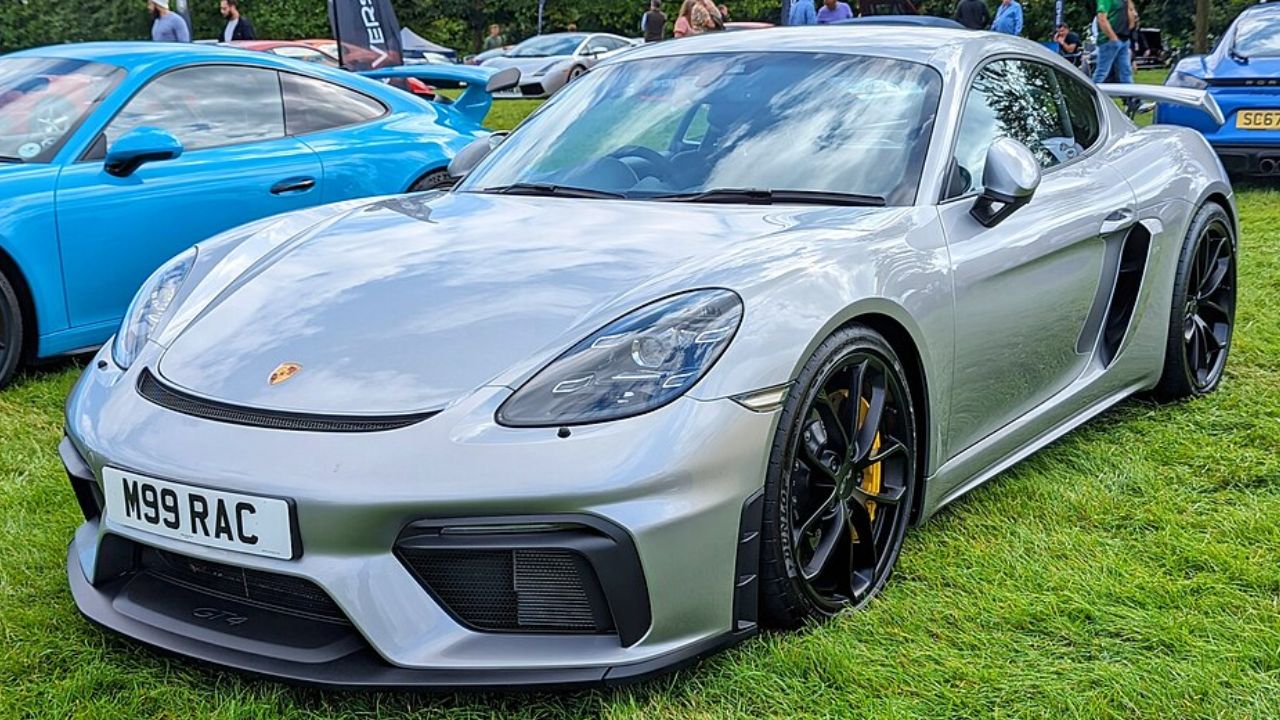
The Porsche 718 Cayman GT4, introduced for 2019, is appreciating at roughly 15 percent per year, a rate more typical of established classics than current showroom models. Experts reviewing the car point to its naturally aspirated flat-six, paired exclusively with a manual gearbox, as the core of its appeal. That specification delivers an intentionally analog driving experience at a time when many rivals are moving to smaller turbo engines and dual-clutch transmissions.
Specialists quoted in the same evaluation predict the GT4 will mature into a blue-chip collectible, placing it alongside historically significant Porsche models. I see that forecast as rooted in the car’s motorsport-derived suspension, limited allocation, and purist-focused configuration. For buyers who missed earlier GT-badged Caymans, the 718 GT4 is already functioning as a store of value, with appreciation trends reinforcing its status as a modern classic in the making.
Chevrolet Corvette C8’s Immediate Value Retention
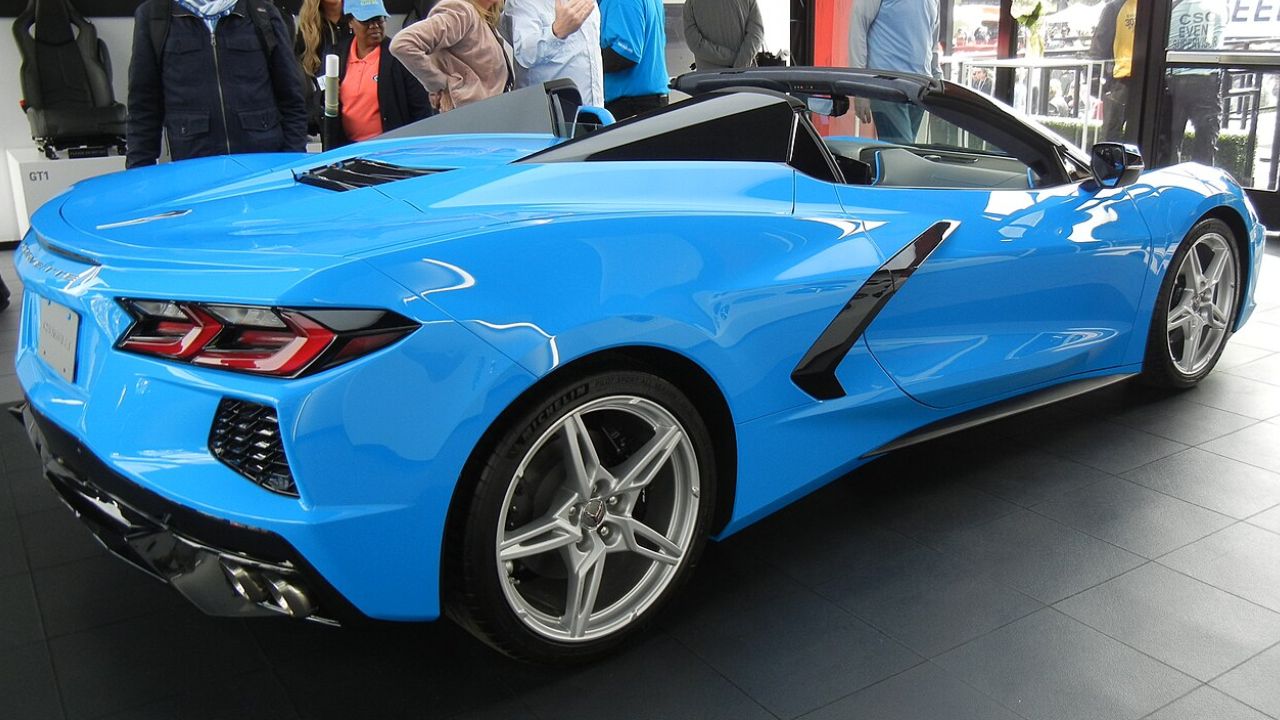
The Chevrolet Corvette C8 Stingray has rewritten expectations for American sports cars by moving to a mid-engine layout, and the market response has been immediate. Depreciation data shows early 2020 models holding about 90 percent of their value after three years, a retention rate that outperforms many traditional rivals. That resilience reflects both strong demand and constrained supply for the first mid-engine Corvette in the nameplate’s long history.
Detailed depreciation trends indicate that buyers are treating launch-year C8s as historically significant, not just as another generation change. I interpret that behavior as early evidence of collector thinking, with some owners effectively parking their cars as long-term bets on the model’s landmark status. For the broader market, the C8’s value retention signals that American performance icons can now compete with European exotics in both engineering ambition and long-term desirability.
BMW M2 Competition’s Engine-Driven Resale Boom
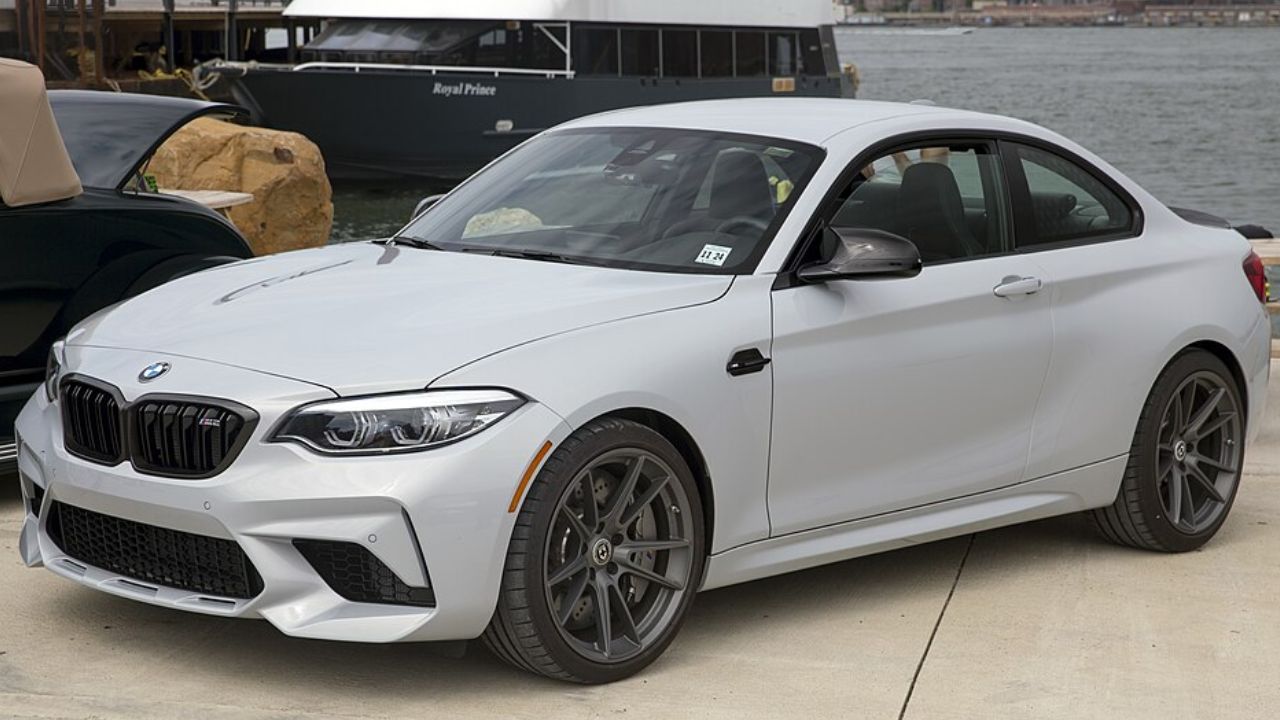
The 2019 to 2021 BMW M2 Competition has also begun to trade like a future collectible, with resale values for base cars now exceeding 60,000 dollars. That is higher than the original 58,900 dollar MSRP cited in a detailed long-term ownership review, meaning some owners could sell at a profit despite several years of use. At the center of this performance is the twin-turbocharged inline-six, a configuration that is becoming rarer as emissions rules tighten.
In that same ownership analysis, testers highlight the M2 Competition’s compact footprint, rear-wheel drive layout, and manual transmission availability as reasons it feels like a throwback to classic M cars. I see those traits, combined with the engine’s reputation, as key drivers of its resale strength. For enthusiasts worried that future M models will be heavier or more electrified, the M2 Competition is already being treated as a last-of-its-kind performance car worth paying a premium to secure.
More from Fast Lane Only