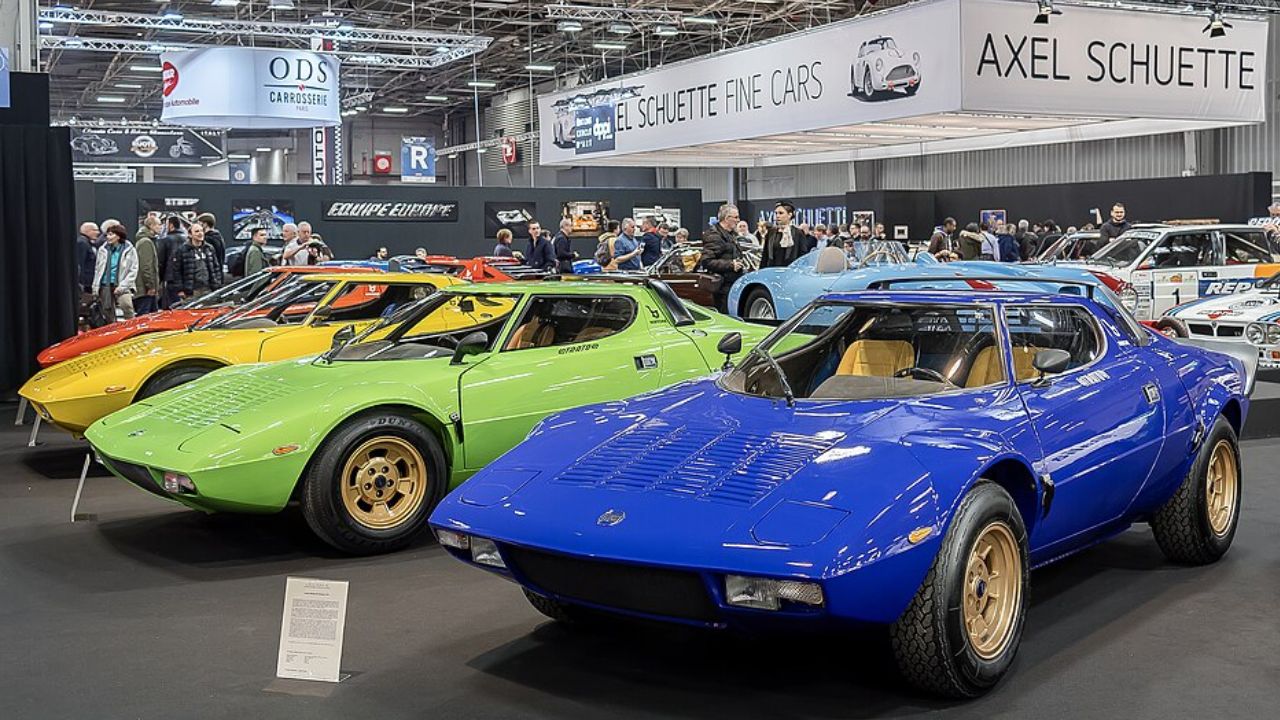
Homologation specials sit at the strange intersection of showroom and service park, built in just enough numbers to satisfy rulebooks rather than market demand. I look at seven largely forgotten examples that existed primarily so their racing counterparts could dominate rally stages and touring car grids, each one produced in specific quantities and timeframes to unlock eligibility under strict FIA regulations.
Lancia Stratos HF Stradale
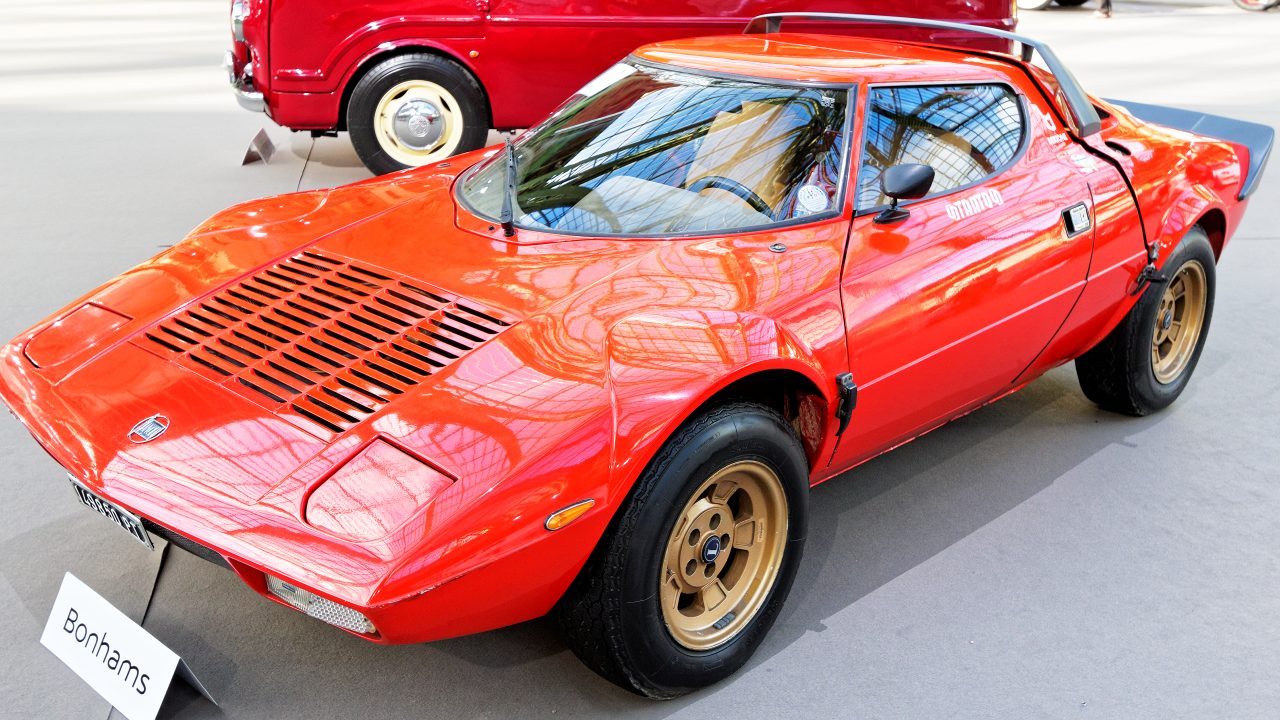
The Lancia Stratos HF Stradale is a textbook case of a road car created almost entirely for competition. Lancia built exactly 492 Stratos HF Stradale road cars between 1973 and 1975 so the radical mid‑engined coupé could be homologated for FIA Group 4 rally use, as detailed in period Stratos production records. That production run cleared the 400‑car threshold and allowed the Stratos to enter the World Rally Championship starting in 1974, turning a low‑volume curiosity into a title‑winning weapon.
Because the Stradale existed to serve the rally car, its specification was shaped by stage needs rather than everyday usability. The compact footprint, mid‑mounted engine and short wheelbase made it agile on tight European rallies, while the distinctive wedge profile improved visibility for drivers threading through Alpine passes. For manufacturers, this approach showed how a purpose‑built homologation car could transform brand image, even if the showroom version was too uncompromising for most buyers.
Porsche 911 Carrera RS 2.7
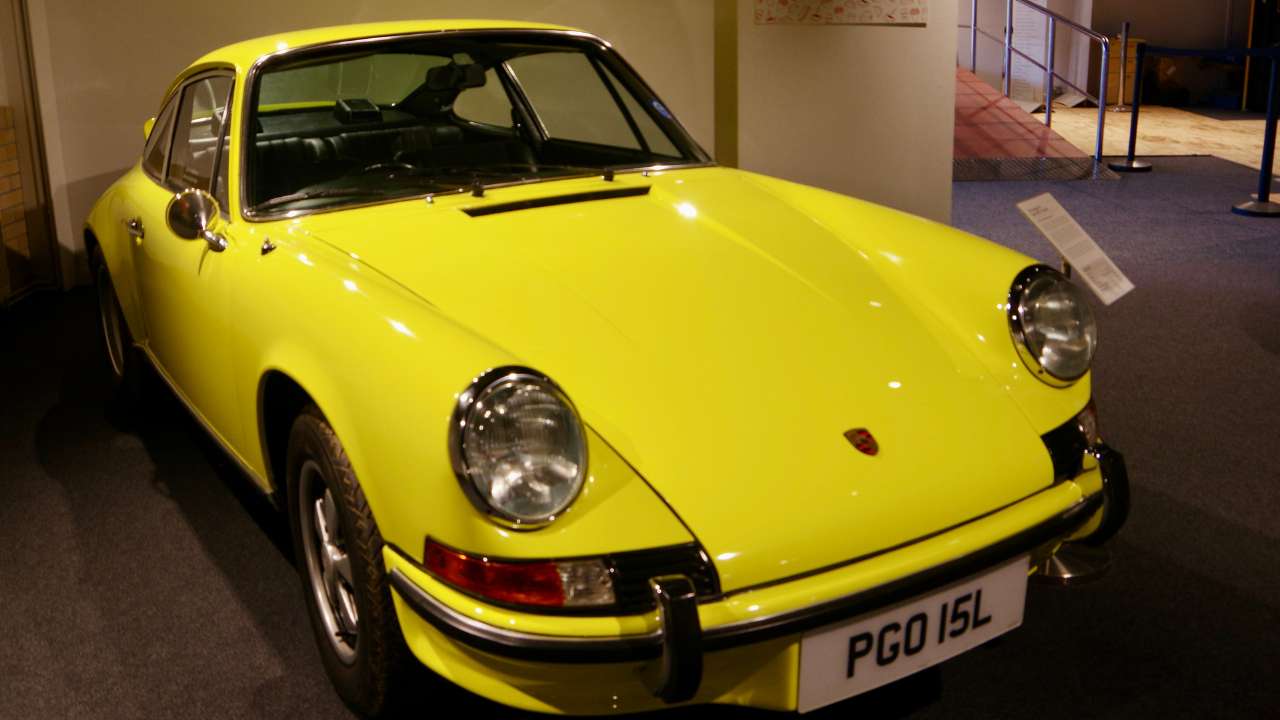
Porsche’s 911 Carrera RS 2.7 is often celebrated today, but its origins were firmly rooted in homologation arithmetic. To meet FIA Group 4 requirements for the European Touring Car Championship, Porsche produced 1,580 units of the 911 Carrera RS 2.7 from 1973 to 1974, including lightweight “M471” variants, according to detailed Carrera RS production data. Building far more than the minimum ensured eligibility while also giving privateer teams a robust base car for endurance racing.
The RS 2.7’s signature ducktail spoiler, wider rear arches and weight‑saving measures were all conceived with circuit performance in mind. In M471 form, thinner body panels and pared‑back interiors reduced mass, improving acceleration and braking on long European tracks. I see this car as a turning point where a homologation special not only met regulations but also created a new performance sub‑brand, shaping how Porsche would market track‑focused 911s for decades.
BMW 3.0 CSL “Batmobile”
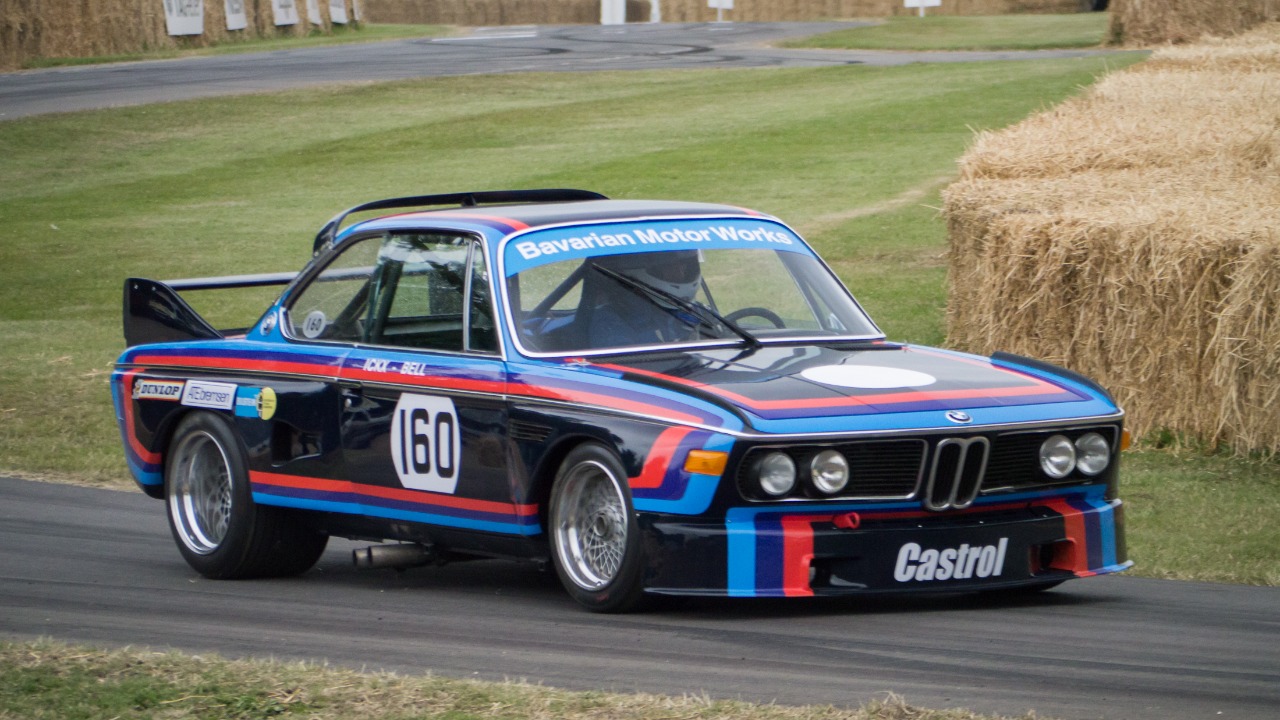
The BMW 3.0 CSL “Batmobile” shows how far a manufacturer would go to bend a luxury coupé toward racing rules. BMW manufactured 1,265 examples of the 3.0 CSL between 1971 and 1972, removing bumpers and using lightweight materials to satisfy Group 2 touring car regulations for the European Touring Car Championship, as recorded in official CSL homologation history. Those changes helped the big E9‑based coupé shed significant weight compared with the standard 3.0 CS.
The most extreme road cars gained dramatic aerodynamic add‑ons that earned the “Batmobile” nickname, but the core homologation logic was simple, reduce mass and improve stability at racing speeds. By stripping out comfort equipment and revising bodywork, BMW turned a grand tourer into a title‑contending racer. For the brand, the CSL program underlined how touring car success could reinforce a performance image, even if the road‑going specials were built in relatively modest numbers.
Ford Escort RS1800
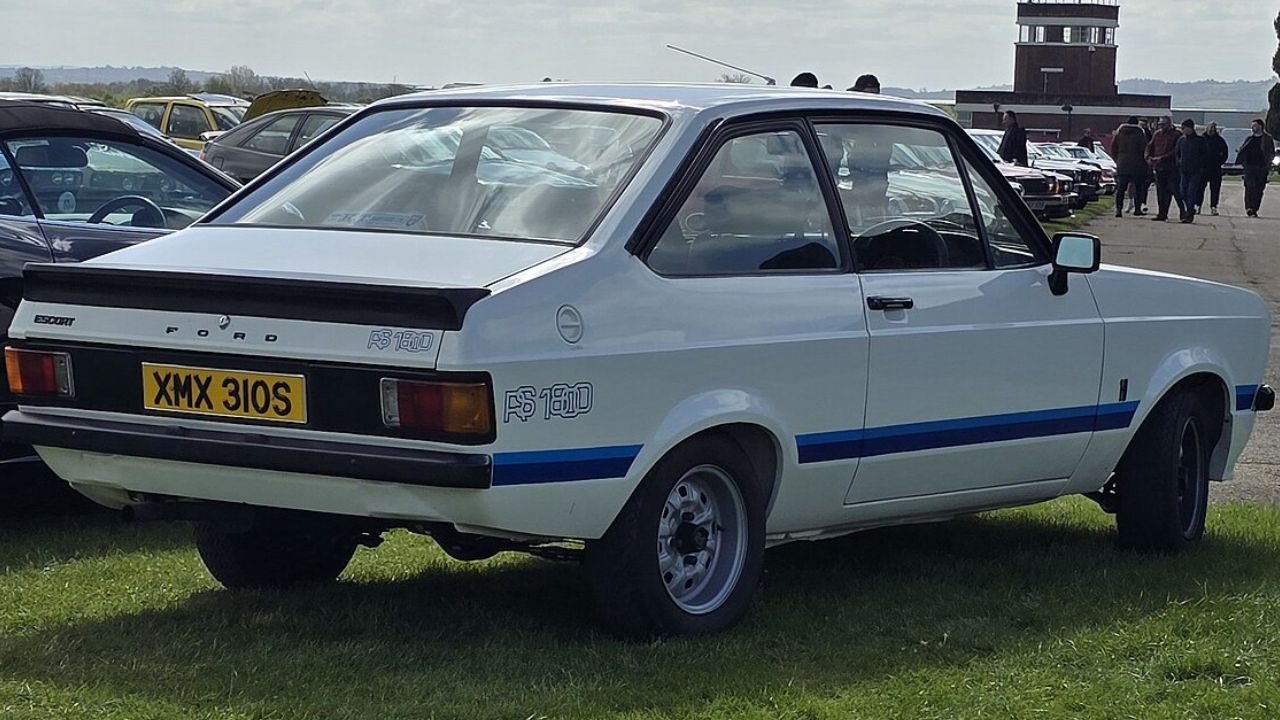
The Ford Escort RS1800 was engineered with gravel stages and forest tracks as its primary environment. Ford created 500 units of the Escort RS1800 in 1978 and 1979, fitting a 1,776 cc Cosworth BDA engine so the model could be homologated for FIA Group 4 rally events such as the RAC Rally, as confirmed by contemporary RS1800 production records. That engine choice linked the humble Escort shell to proven racing technology.
On the road, the RS1800’s high‑revving four‑cylinder and strengthened shell made it far more focused than regular Escorts, but those compromises were acceptable because the real objective was stage performance. Privateer teams benefited from a car that was both homologated and relatively straightforward to maintain, reinforcing Ford’s presence in national and international rallying. I see the RS1800 as a reminder that homologation cars often served grassroots competitors as much as factory teams.
Fiat 131 Abarth
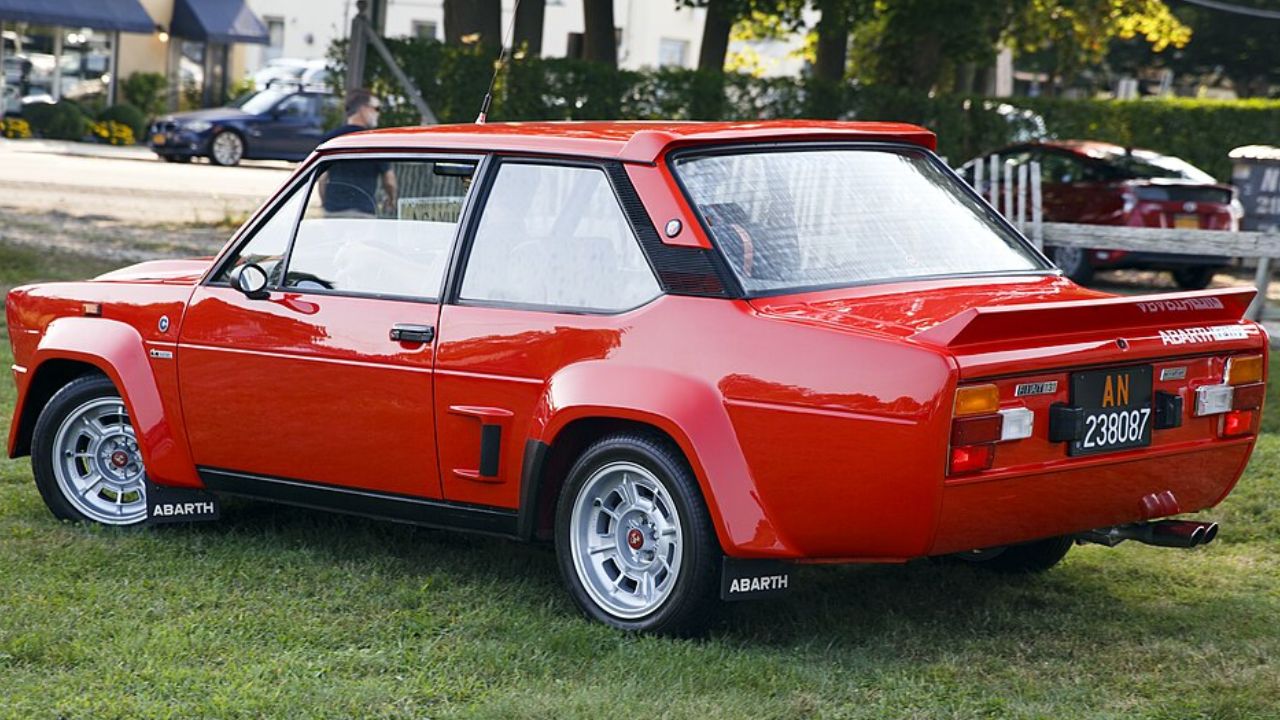
Fiat’s 131 Abarth turned a sensible family saloon into a rally‑winning specialist. To comply with Group 4 production requirements for the European Rally Championship, Fiat produced 400 Abarth 131 rally cars in 1975 and 1976, each equipped with a 2,490 cc DOHC engine, according to detailed 131 Abarth records. That twin‑cam unit, developed with competition in mind, gave the boxy sedan the power and responsiveness needed on mixed‑surface events.
Beyond the engine, the homologation cars incorporated suspension and bodywork changes that could be further developed on works rally machines. For Fiat, meeting the 400‑car threshold was a strategic investment, turning a mainstream model into a motorsport flagship that could challenge established rivals. The 131 Abarth illustrates how a manufacturer could leverage a regulation‑driven special to inject excitement into an otherwise conservative product line.
Opel Ascona 400
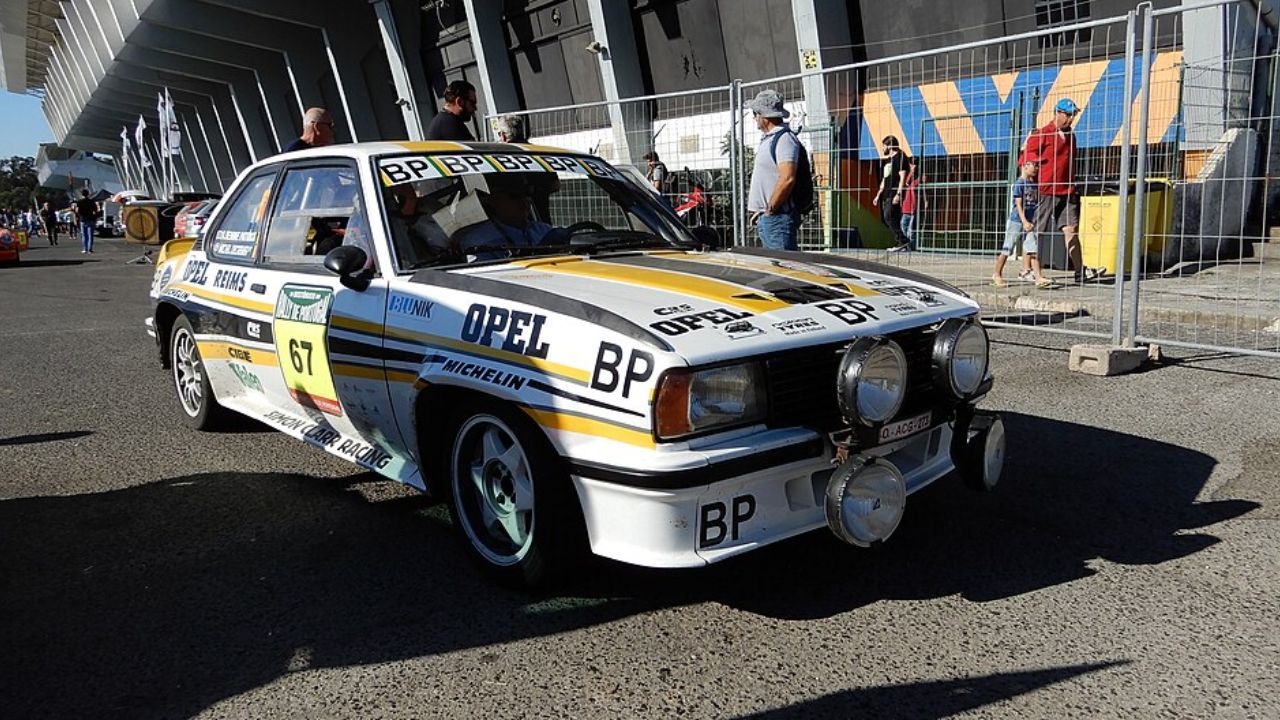
The Opel Ascona 400 was conceived as a bridge between showroom practicality and World Rally Championship ambitions. Opel built 400 Ascona 400 models from 1979 to 1980, each fitted with a 2.4‑liter engine that produced 250 hp in rally specification, in order to meet Group 4 homologation rules for the WRC, as outlined in official Ascona 400 documentation. The road versions provided the legal foundation for far more powerful and specialized works cars.
In practice, the Ascona 400’s robust drivetrain and rear‑wheel‑drive layout made it a favorite among privateers tackling rough events. The homologation run also signaled Opel’s commitment to top‑level rallying at a time when competition was intensifying across Europe. I view the Ascona 400 as a strategic stepping stone that helped Opel refine its approach before the arrival of more radical machinery in the early 1980s.
Talbot Sunbeam Lotus
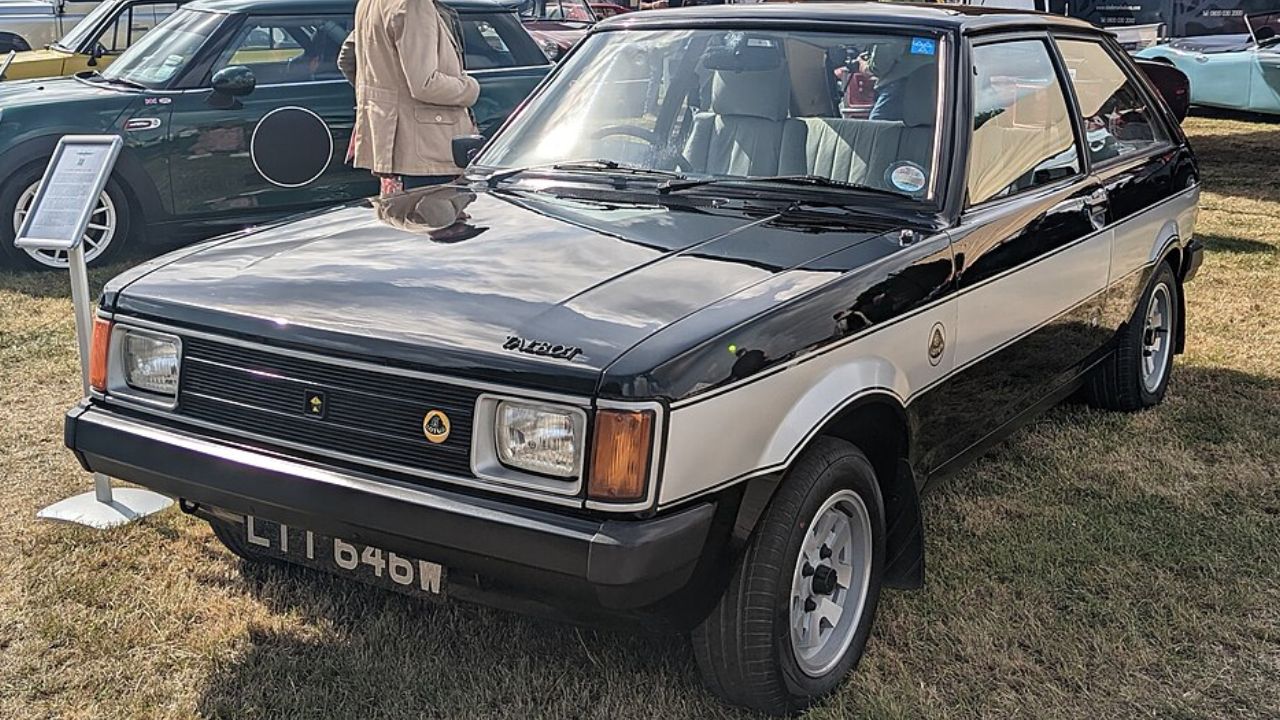
The Talbot Sunbeam Lotus combined a compact hatchback shell with serious performance hardware to target national rally titles. Talbot assembled 2,300 Sunbeam Lotus variants between 1979 and 1981, including 500 “homologation specials” powered by a 2.2‑liter Lotus engine, to qualify for Group 2 rally competition in the British Rally Championship, as detailed in period Sunbeam Lotus records. Those 500 cars were crucial for satisfying the production criteria that governed Group 2 entries.
By pairing the lightweight Sunbeam body with a tuned Lotus powerplant, Talbot created a nimble, powerful package that excelled on tight British stages. The homologation specials also offered enthusiasts a road‑legal link to the works rally cars that would go on to claim major victories. For a relatively small player, this strategy showed how targeted homologation efforts could deliver outsized competitive and marketing returns.
More from Fast Lane Only