Acceleration has always mattered, but certain cars turned 0–60 mph into the number everyone quoted first. These weren’t just quick for their era—they reset expectations and made stopwatch figures part of everyday conversation. Automakers began chasing the metric aggressively because of them. Each of these machines helped transform a simple performance test into a defining badge of honor.
Lamborghini Miura
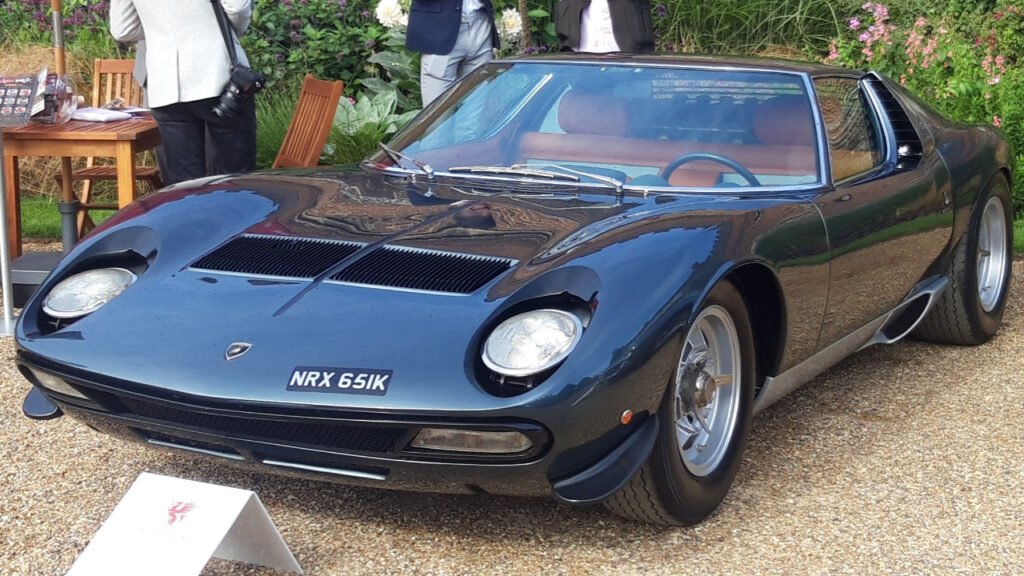
The Lamborghini Miura stunned the automotive world in the late 1960s with its mid-engine layout and explosive acceleration. Its 0–60 mph time hovered around the six-second mark, extraordinary for a road car of its era. More importantly, it helped establish acceleration figures as bragging rights among exotic manufacturers. Performance suddenly became measurable in bold, headline-worthy numbers rather than just top speed claims.
Ferrari F40
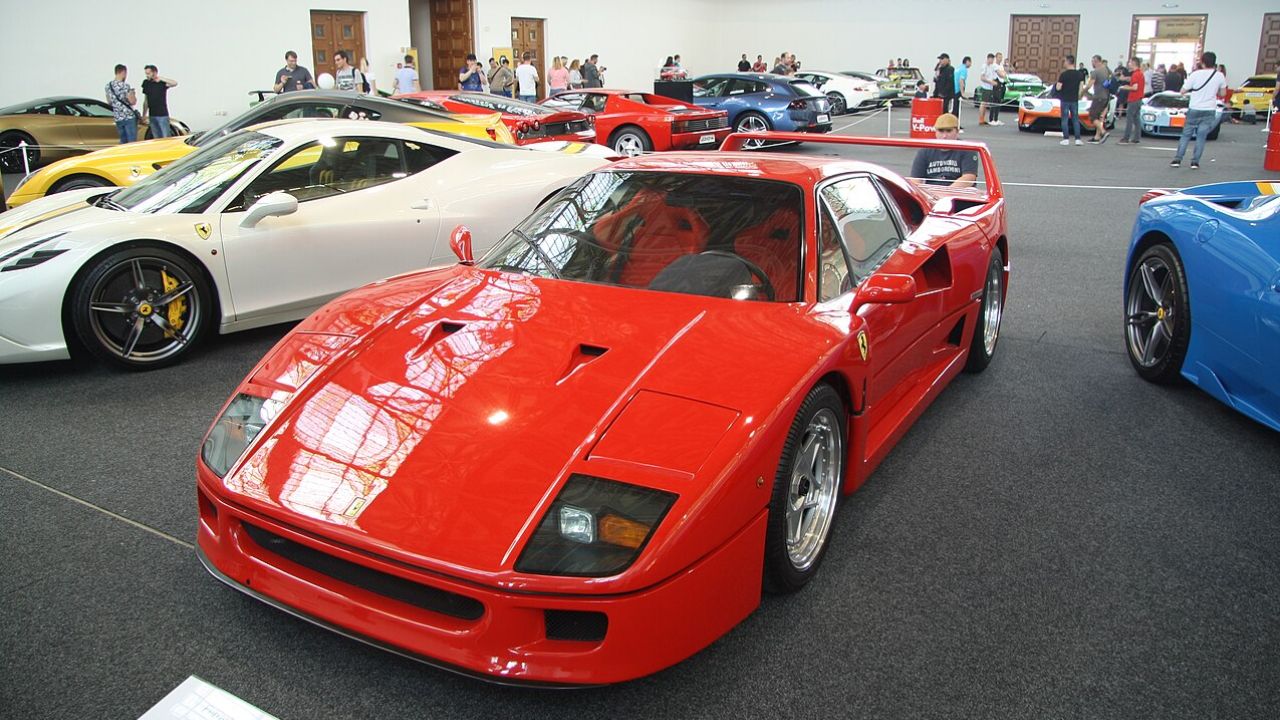
When the Ferrari F40 debuted, its sub-four-second sprint to 60 mph became part of its legend. Twin turbochargers and lightweight construction combined to deliver raw, violent acceleration. Media outlets emphasized its 0–60 time repeatedly, helping cement the benchmark in enthusiast culture. The F40 didn’t just chase numbers—it made them central to its identity and global reputation.
Dodge Viper GTS
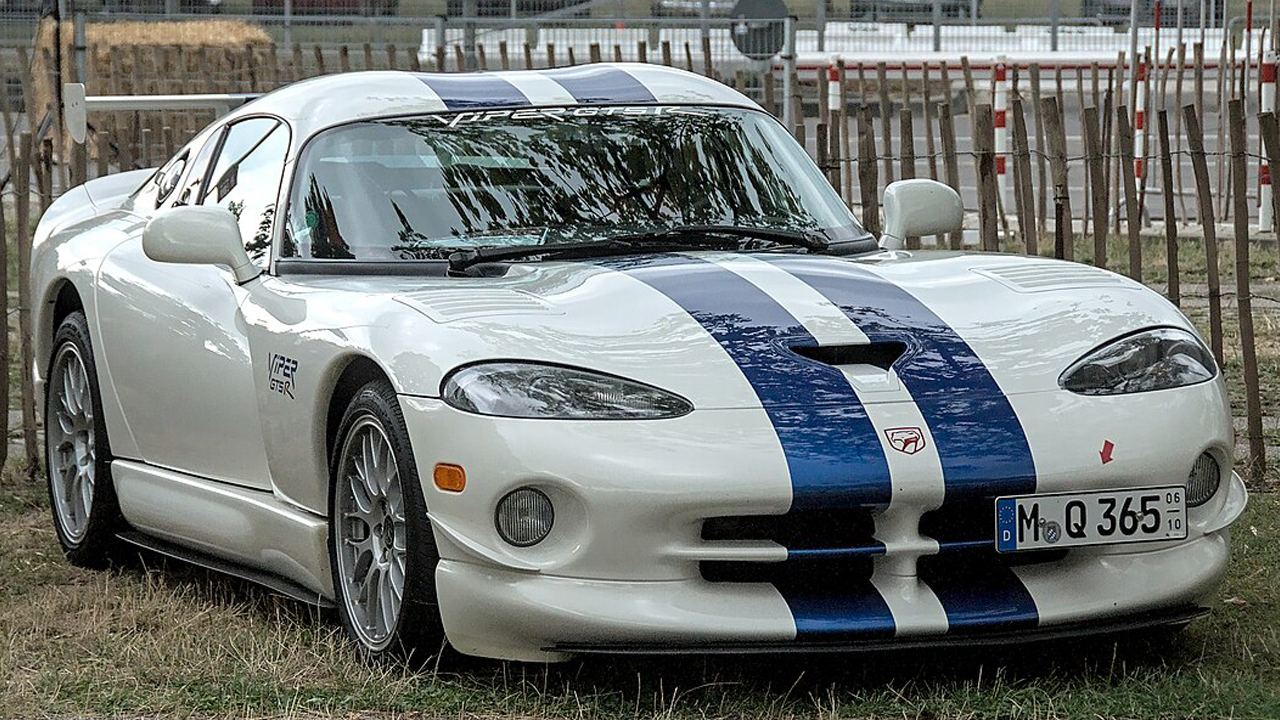
The Dodge Viper GTS brought massive V10 power and dramatic styling to the 1990s performance scene. Its brutal 0–60 mph capability in the low four-second range forced American rivals to respond. Reviewers constantly cited the number as proof that Detroit could compete globally. The Viper helped make straight-line acceleration a defining statistic during the modern muscle resurgence.
Nissan GT-R (R35)
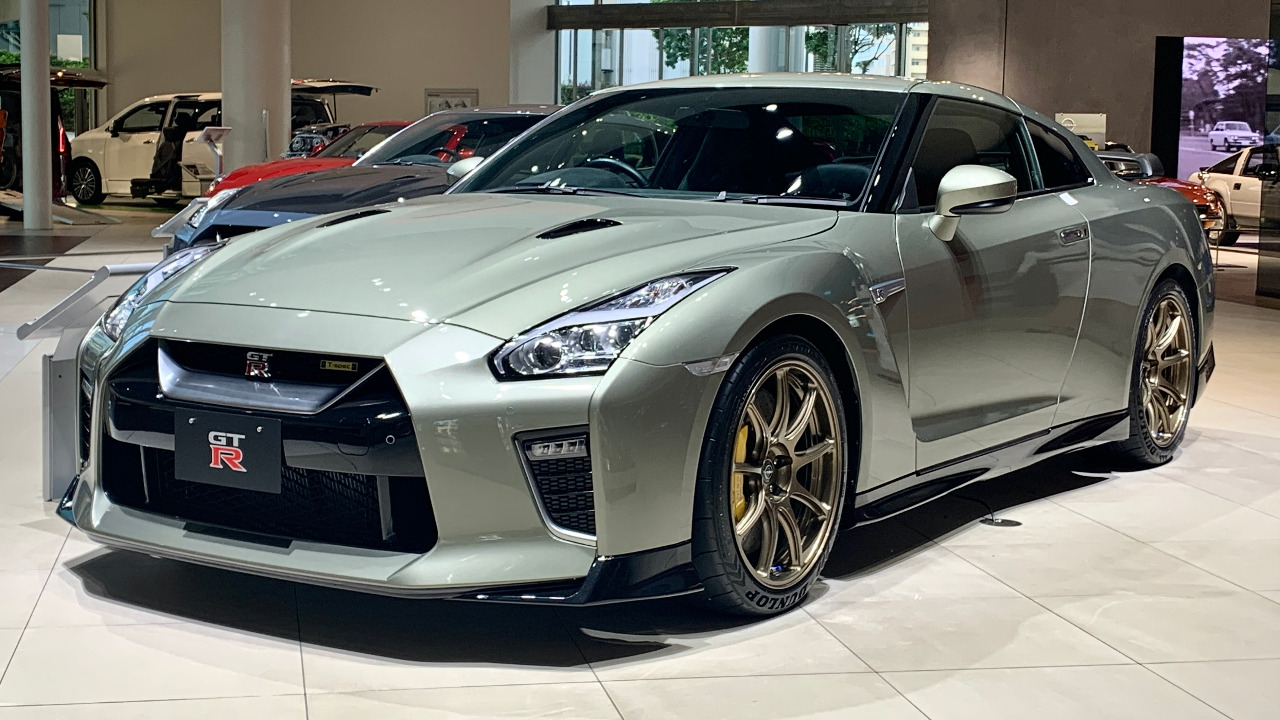
The Nissan GT-R (R35) shocked the industry with repeatable sub-three-second 0–60 mph runs using advanced launch control. Suddenly, acceleration numbers became a technological arms race rather than just a horsepower contest. Its consistency and affordability relative to exotics magnified the impact. The GT-R proved that software, traction systems, and engineering precision could redefine how quickly production cars reached 60 mph.
Bugatti Veyron 16.4
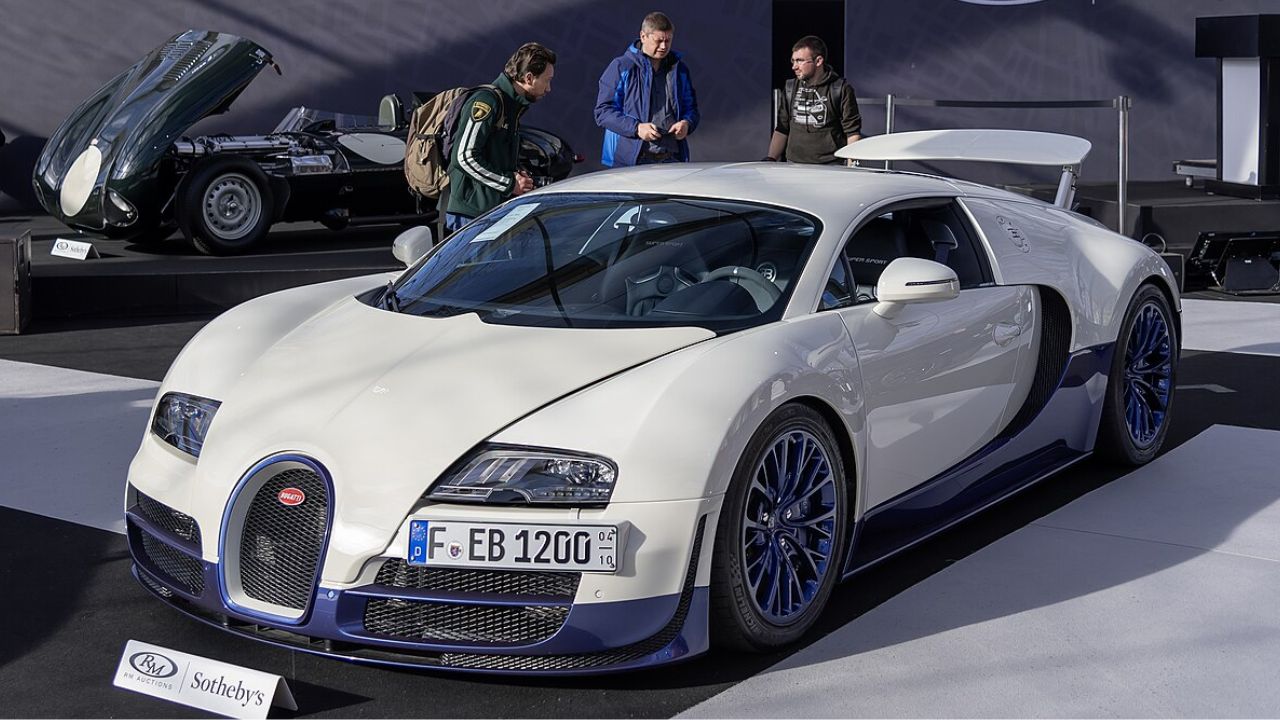
The Bugatti Veyron 16.4 pushed 0–60 mph times into hypercar territory, dipping into the mid-two-second range. With quad turbochargers and immense engineering complexity, it redefined what was physically possible for a production car. Media coverage relentlessly focused on its acceleration and top speed statistics. The Veyron elevated 0–60 performance from impressive to almost surreal, turning benchmarks into global headlines.
Tesla Model S P100D
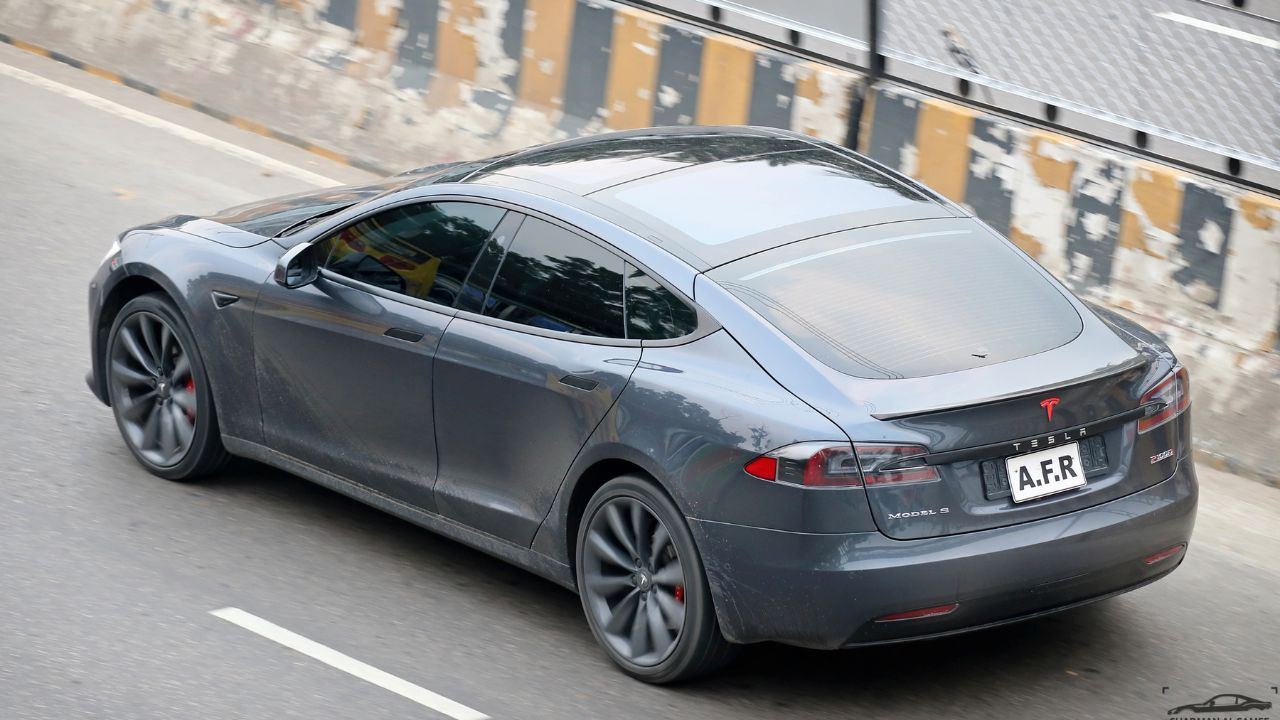
The Tesla Model S P100D shifted the acceleration conversation by delivering sub-three-second 0–60 mph times in a luxury sedan. Instant electric torque made launches brutally effective and remarkably repeatable. Traditional engine drama gave way to silent, neck-snapping thrust. Its performance forced even supercar makers to reconsider how quickly road cars could accelerate in everyday conditions.
Chevrolet Corvette Z06 (C7)
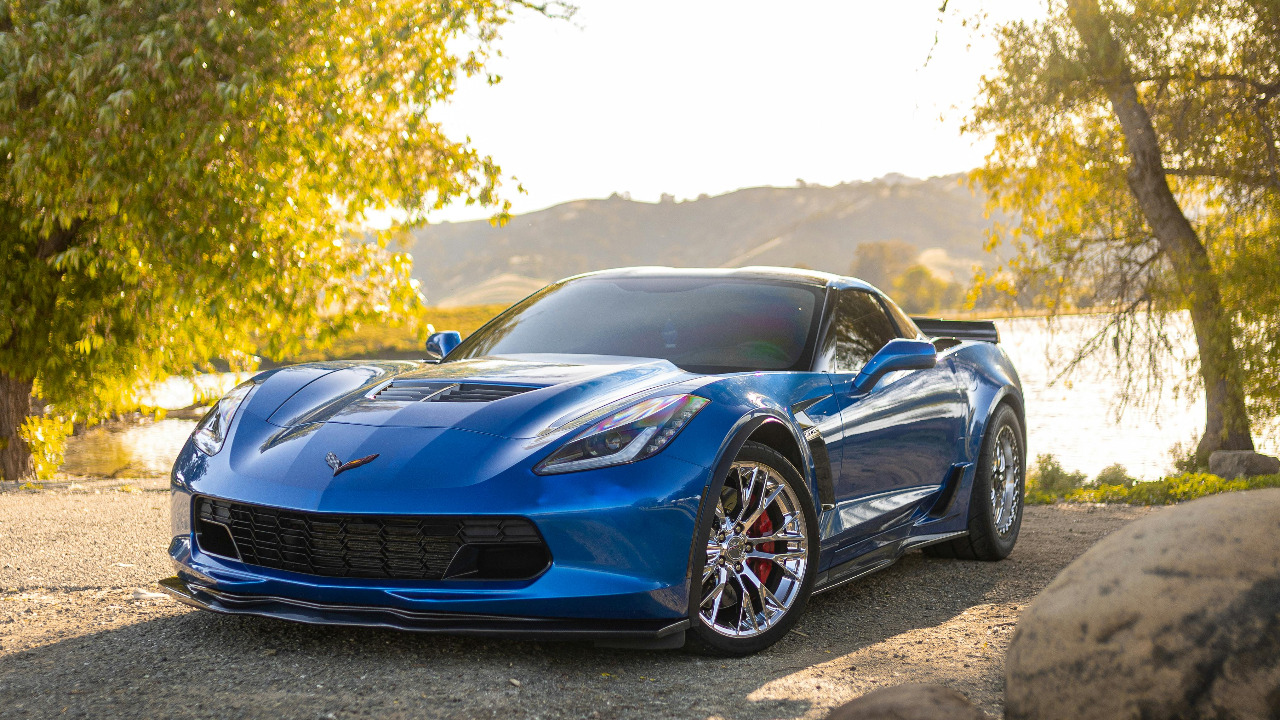
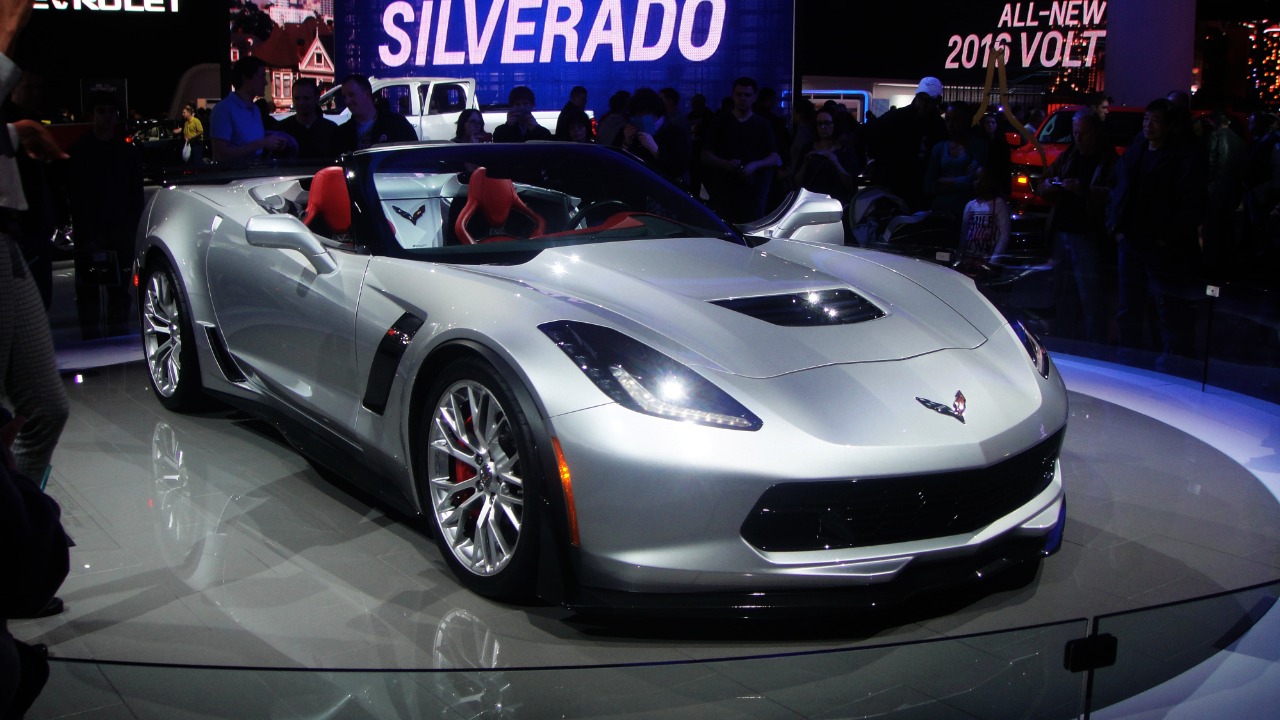
The Chevrolet Corvette Z06 (C7) showcased how modern American engineering could produce sub-three-second 0–60 mph performance at a comparatively attainable price. A supercharged V8 delivered immense torque, while advanced traction systems maximized grip. Reviewers highlighted its acceleration figures as a primary selling point. It reinforced the idea that 0–60 times had become one of the most powerful and defining metrics in performance car culture.
More from Fast Lane Only