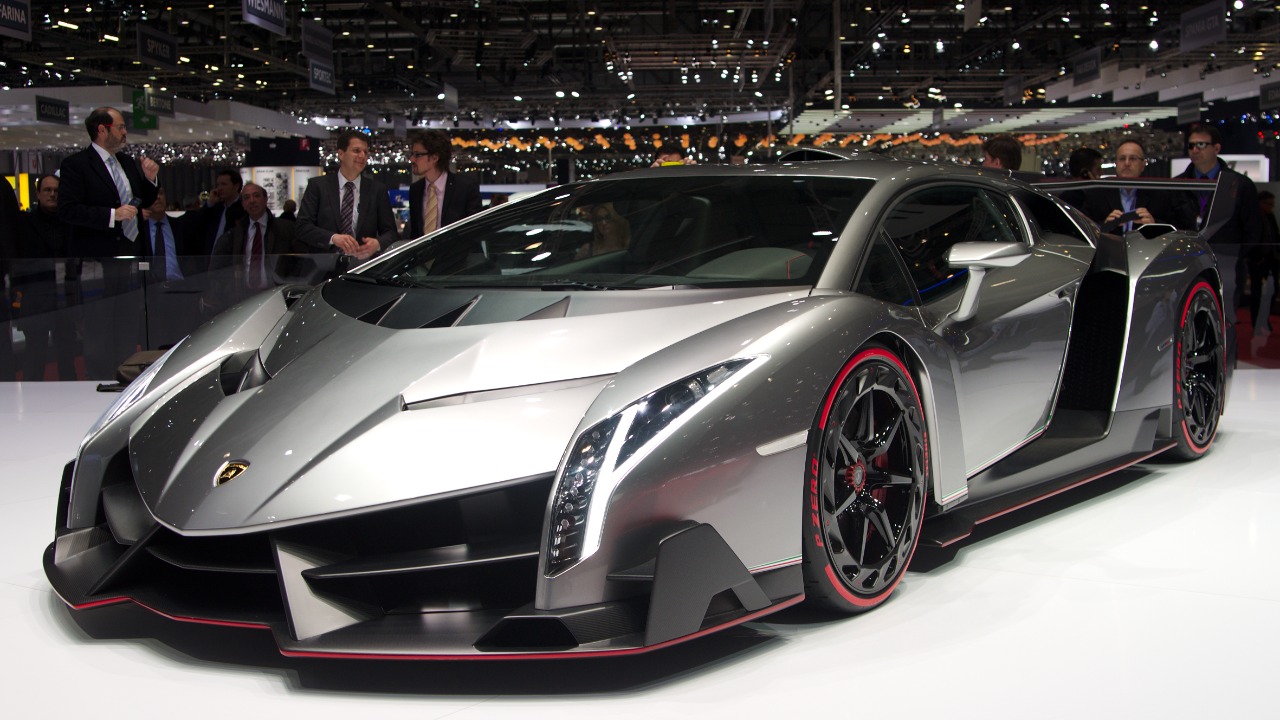
From the beginning, Lamborghini rejected subtlety. Sharp angles, dramatic proportions, and theatrical details became part of its DNA just as much as V12 engines. These cars didn’t just perform — they made statements before they even moved. Over decades, certain models transformed extreme design into the brand’s unmistakable identity.
Lamborghini Miura
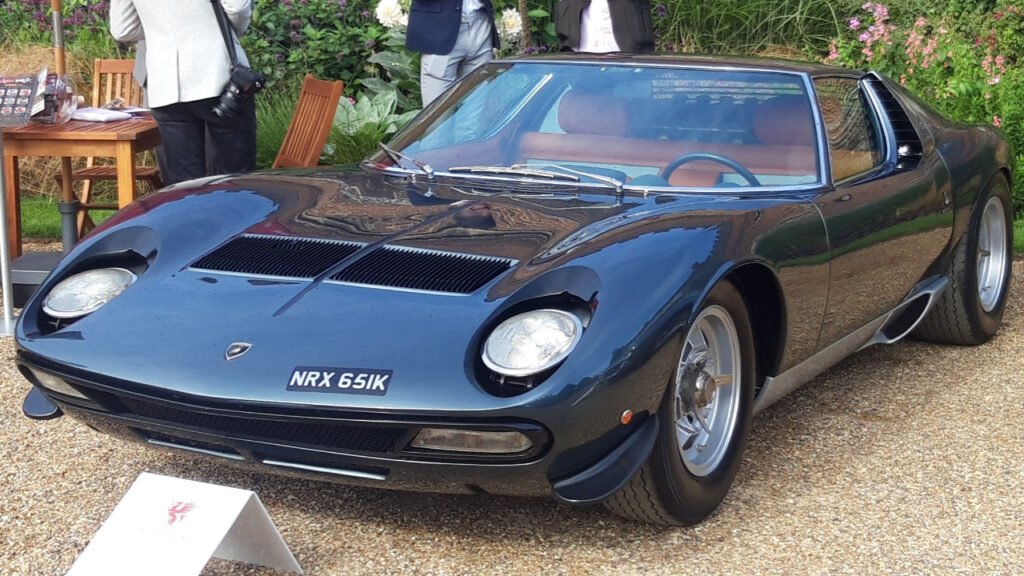
The Lamborghini Miura shocked the world in the 1960s with its low, flowing shape and mid-engine layout. It looked more like a concept car than a production vehicle. Its wide stance and dramatic curves helped define the supercar silhouette. Lamborghini proved early that bold design could lead performance.
Lamborghini Countach
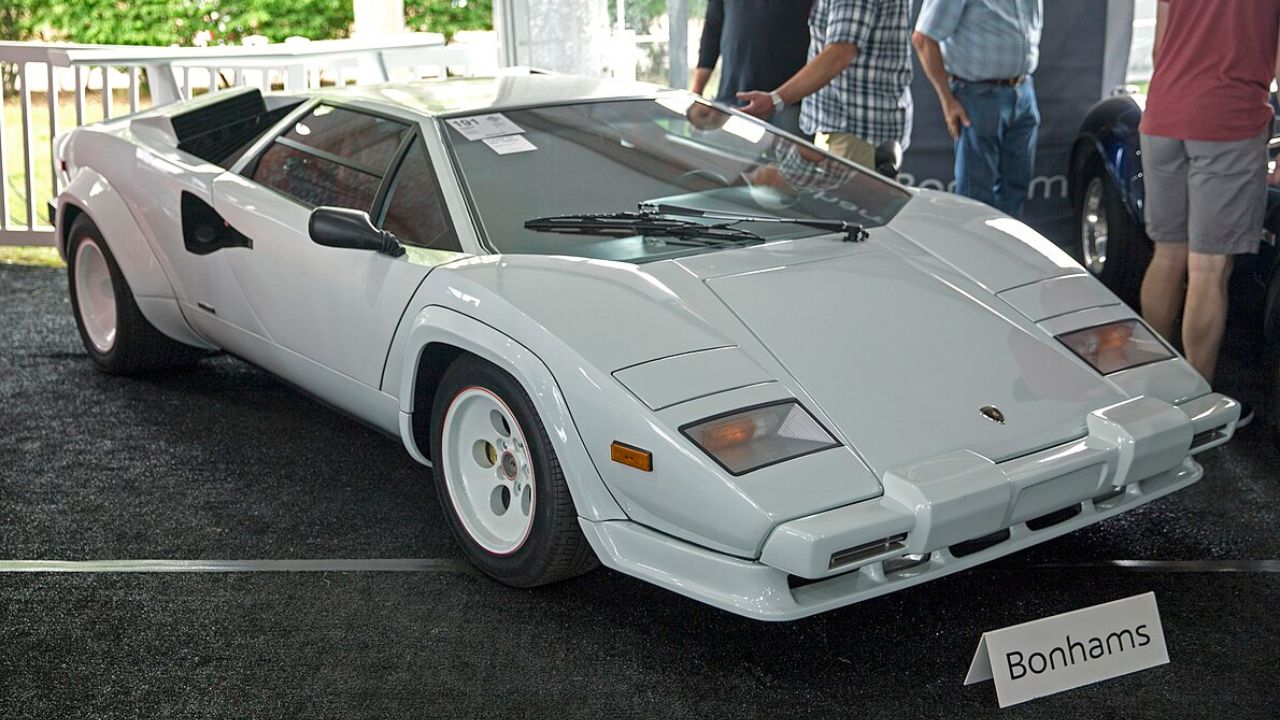
The Lamborghini Countach redefined automotive excess with wedge styling and scissor doors. Sharp lines, wide rear arches, and dramatic intakes made it look futuristic for its time. It became a poster car for an entire generation. The Countach cemented outrageous design as Lamborghini’s calling card.
Lamborghini Diablo

The Lamborghini Diablo carried the Countach philosophy into the 1990s with smoother but still aggressive lines. Massive side intakes and a wide rear stance emphasized power. It blended supercar performance with unmistakable presence. The Diablo ensured the brand’s dramatic styling never softened.
Lamborghini Murciélago
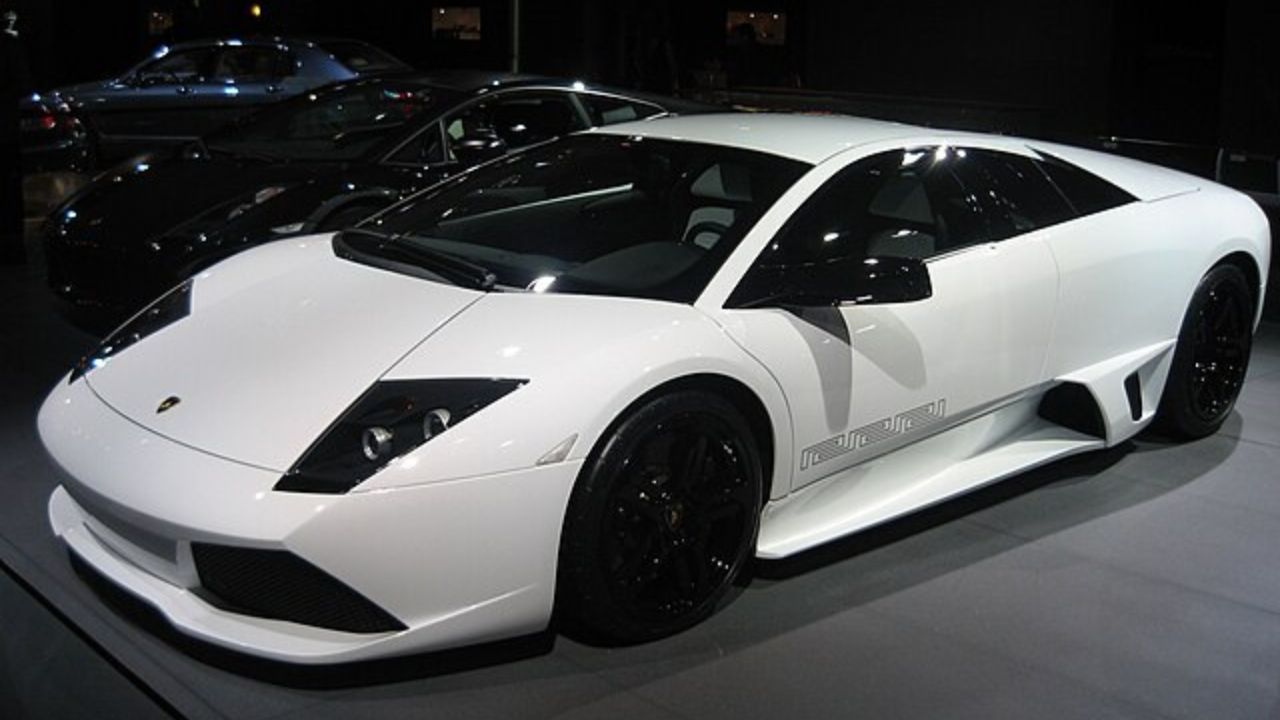
The Lamborghini Murciélago introduced a more refined yet still theatrical design language. Large air scoops and sharp front styling kept the visual drama alive. It was modern but unmistakably Lamborghini from every angle. The Murciélago bridged classic excess with contemporary engineering.
Lamborghini Aventador
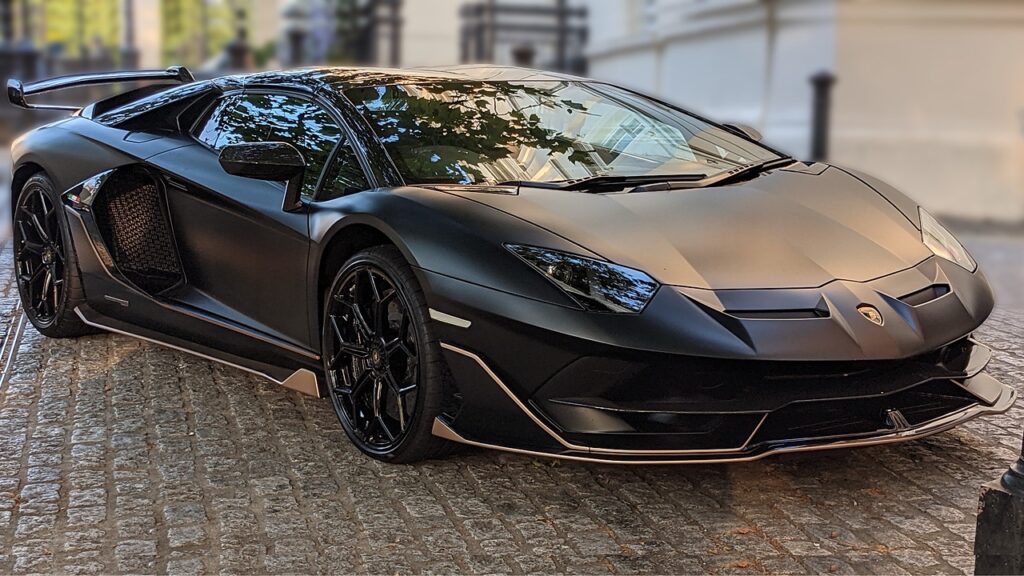
The Lamborghini Aventador took angular design to another level. Its sharp creases, Y-shaped lighting elements, and fighter-jet inspiration created instant visual impact. The massive V12 matched the aggression of its appearance. It became the definitive Lamborghini look of the 2010s.
Lamborghini Gallardo

The Lamborghini Gallardo brought exotic styling to a slightly smaller platform. While more compact than its V12 siblings, it retained sharp edges and low-slung proportions. It expanded the brand’s reach without diluting its bold design identity. The Gallardo proved outrageous styling could scale.
Lamborghini Reventón

The Lamborghini Reventón pushed design toward pure concept-car territory. Inspired by stealth fighter jets, it featured extreme angles and unique lighting signatures. Production numbers were extremely limited, increasing its mystique. It reinforced Lamborghini’s willingness to prioritize drama over convention.
Lamborghini Sesto Elemento
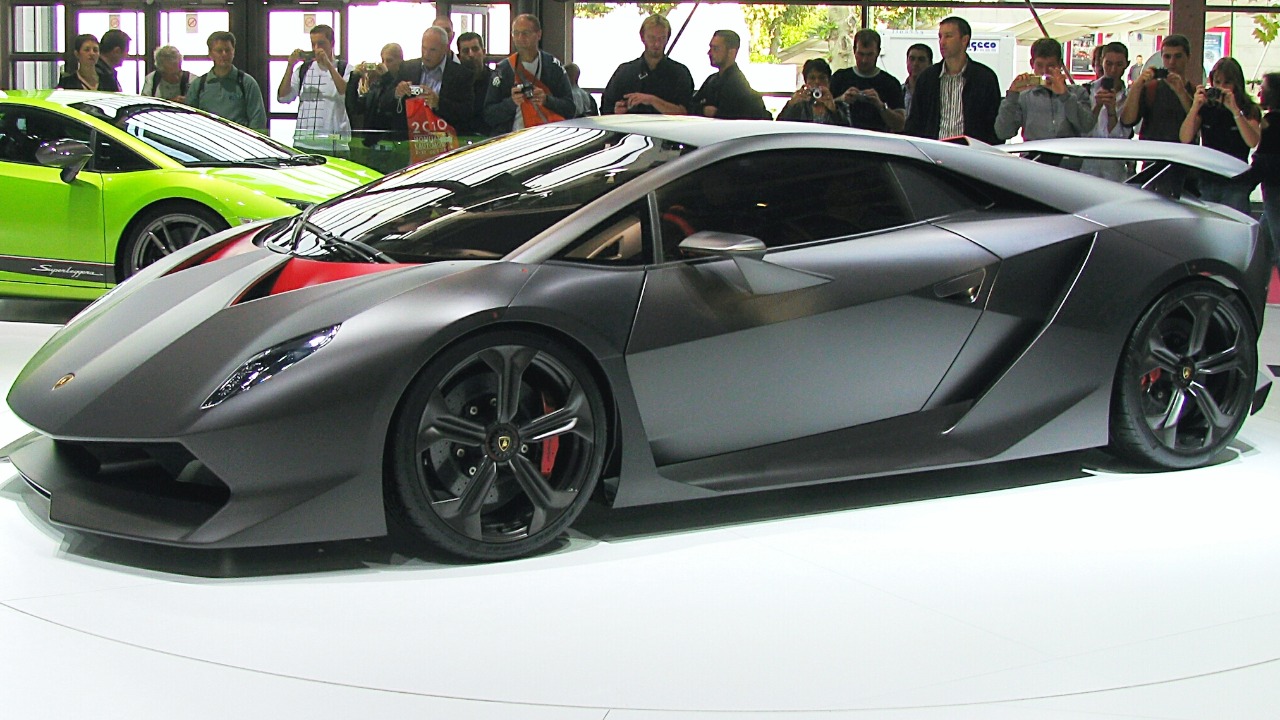
The Lamborghini Sesto Elemento looked almost alien with its exposed carbon fiber and radical vents. Its lightweight construction influenced both performance and aesthetics. The aggressive shapes appeared sculpted for speed rather than comfort. It showed how far Lamborghini would go in pursuit of visual shock.
Lamborghini Huracán
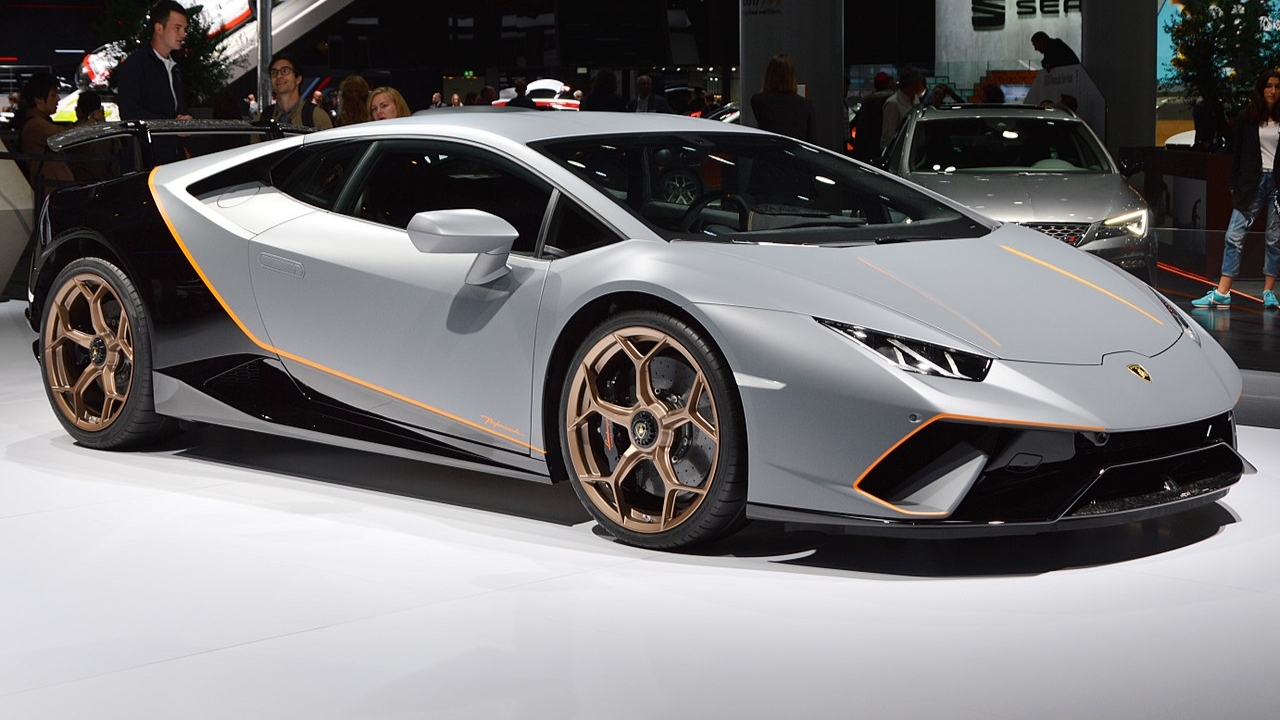
The Lamborghini Huracán refined the Gallardo formula with sharper lines and more technical detailing. Angular headlights and pronounced air channels emphasized performance. It balanced everyday usability with unmistakable presence. The Huracán kept Lamborghini’s bold styling accessible to a wider audience.
Lamborghini Veneno

The Lamborghini Veneno pushed theatrical design to an extreme rarely seen in production cars. Massive fins, vents, and aerodynamic elements dominated every surface. It looked closer to a race prototype than a street machine. The Veneno turned outrage itself into a defining brand statement.
More from Fast Lane Only