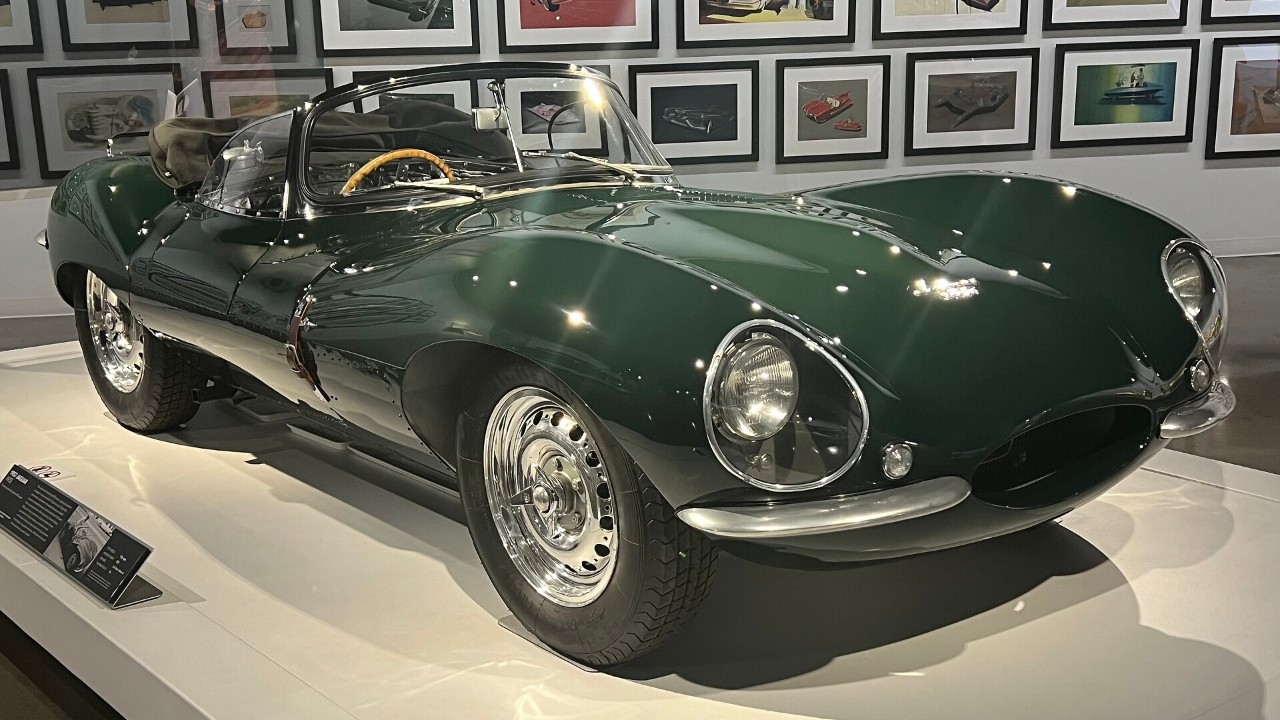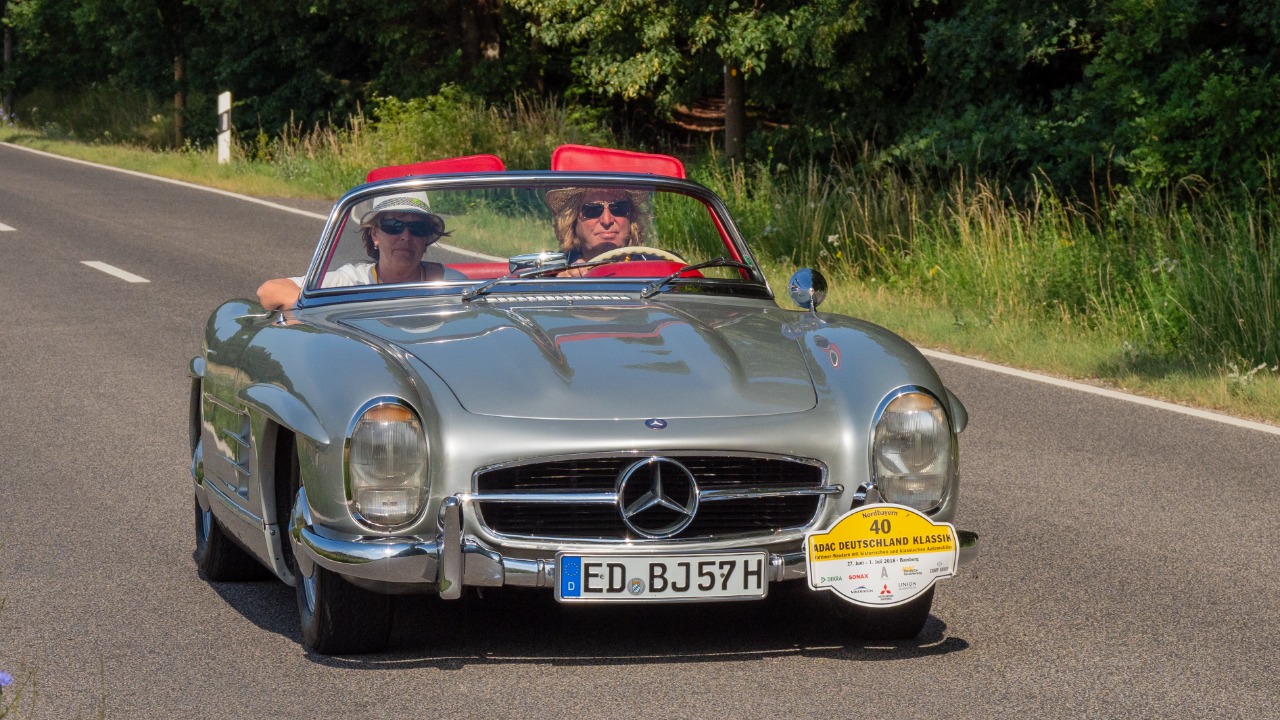
Some classic cars were once ordinary purchases that families could afford without much thought. Years later, the surviving examples became valuable collectibles, sometimes transforming an overlooked car sitting in a garage into a surprisingly valuable asset. These seven classics demonstrate how changing tastes, rarity, racing connections, and enthusiast demand can completely rewrite a car’s financial story.
Toyota 2000GT
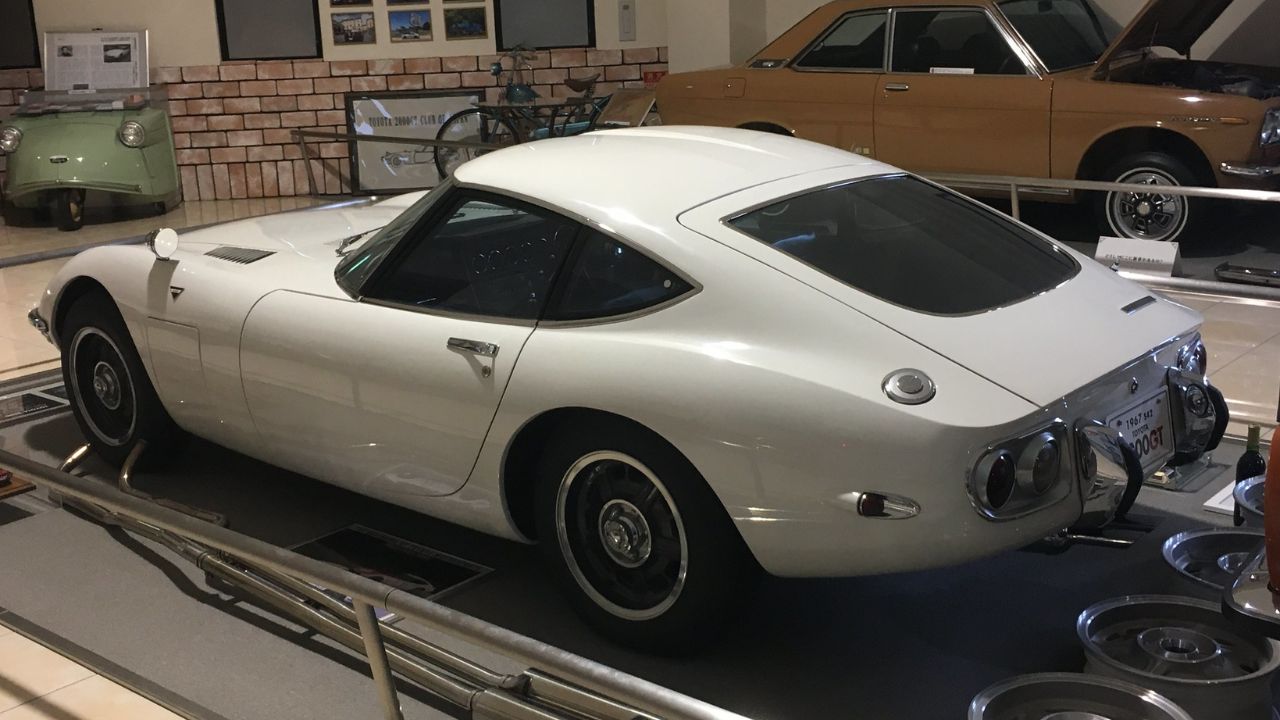
The Toyota 2000GT was never an ordinary Japanese sports car, but its importance has grown dramatically with time. Its elegant proportions, sophisticated engineering, and limited production helped establish it as a landmark in Japan’s automotive history. Well-preserved examples are now highly coveted by collectors. Owners who managed to keep one in good condition found themselves sitting on one of the most valuable Japanese classics.
BMW 3.0 CSL
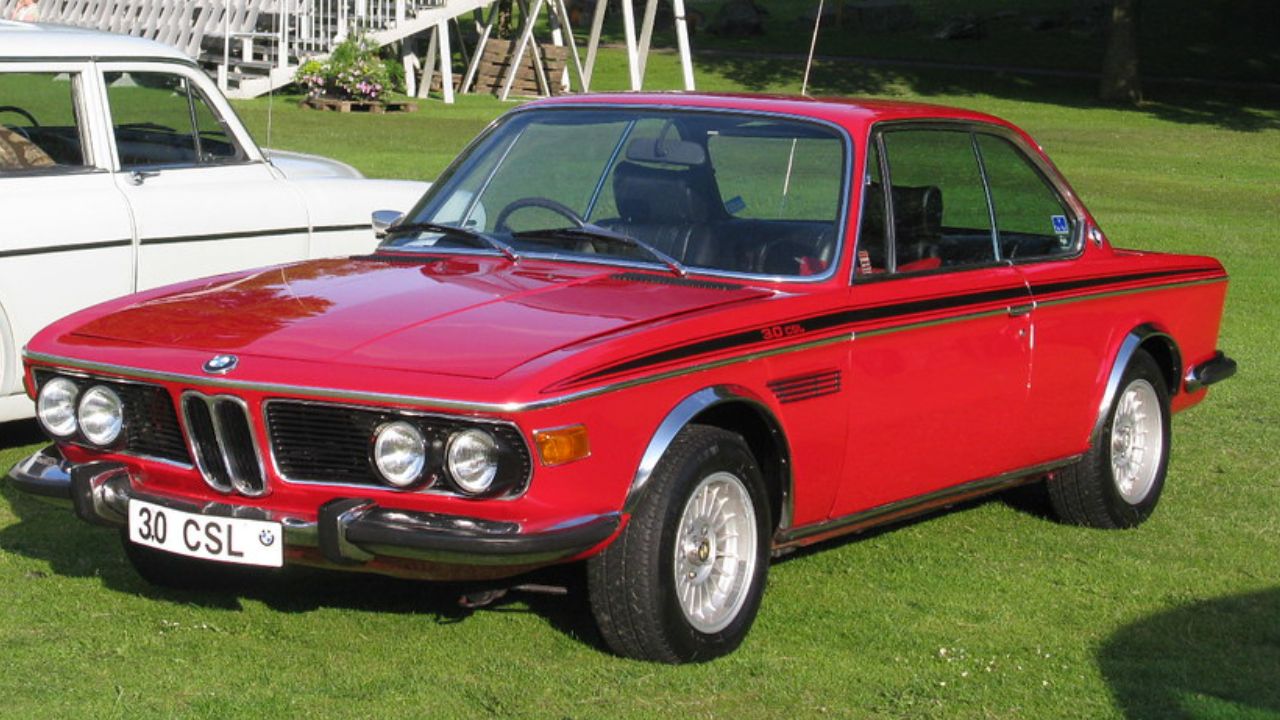
The BMW 3.0 CSL combined lightweight construction, distinctive styling, and genuine motorsport credentials. Its connection to BMW’s racing program helped give the model an important place in performance history. As interest in historic competition cars grew, clean examples became increasingly desirable. A car that once represented a specialized performance purchase could eventually become a major collector asset.
Porsche 356 Speedster
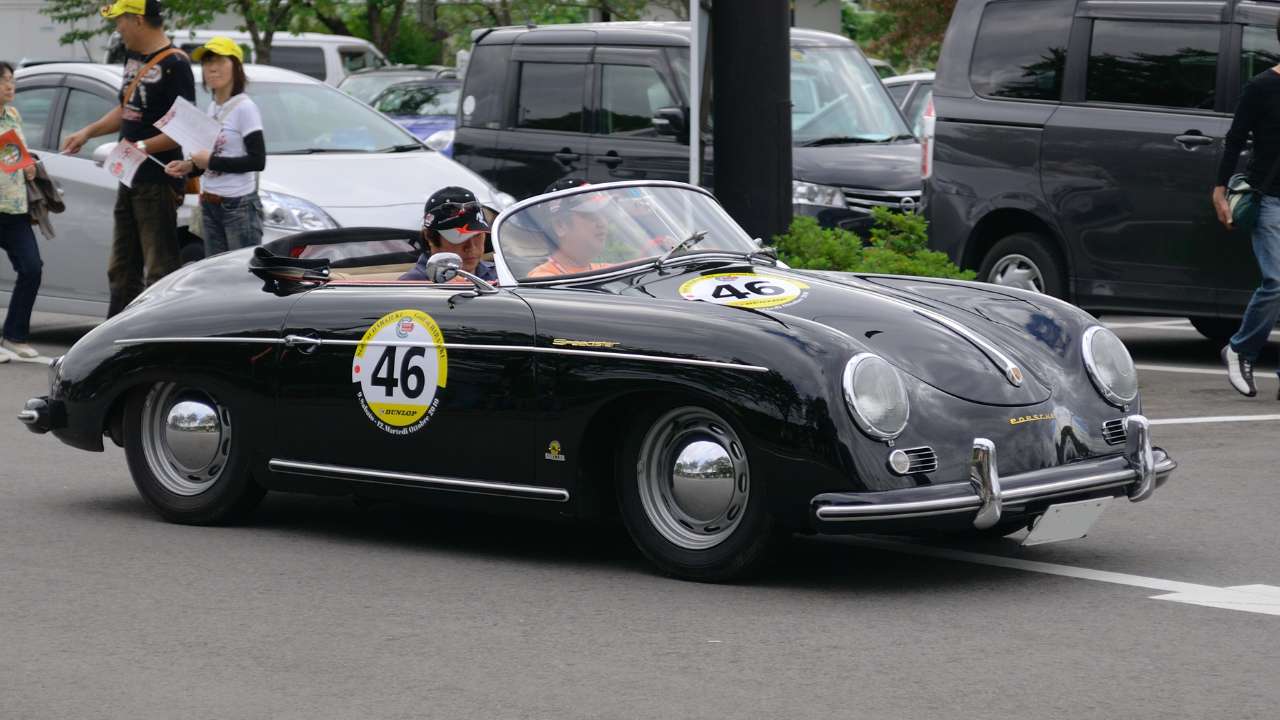
The Porsche 356 Speedster has long been admired for its simple, elegant sports-car design, but its scarcity has made it particularly valuable to collectors. Low production numbers, open-top styling, and Porsche’s growing reputation all contributed to its desirability. Owners who preserved original examples rather than heavily modifying them have benefited from decades of increasing collector interest.
Ferrari 250 GT
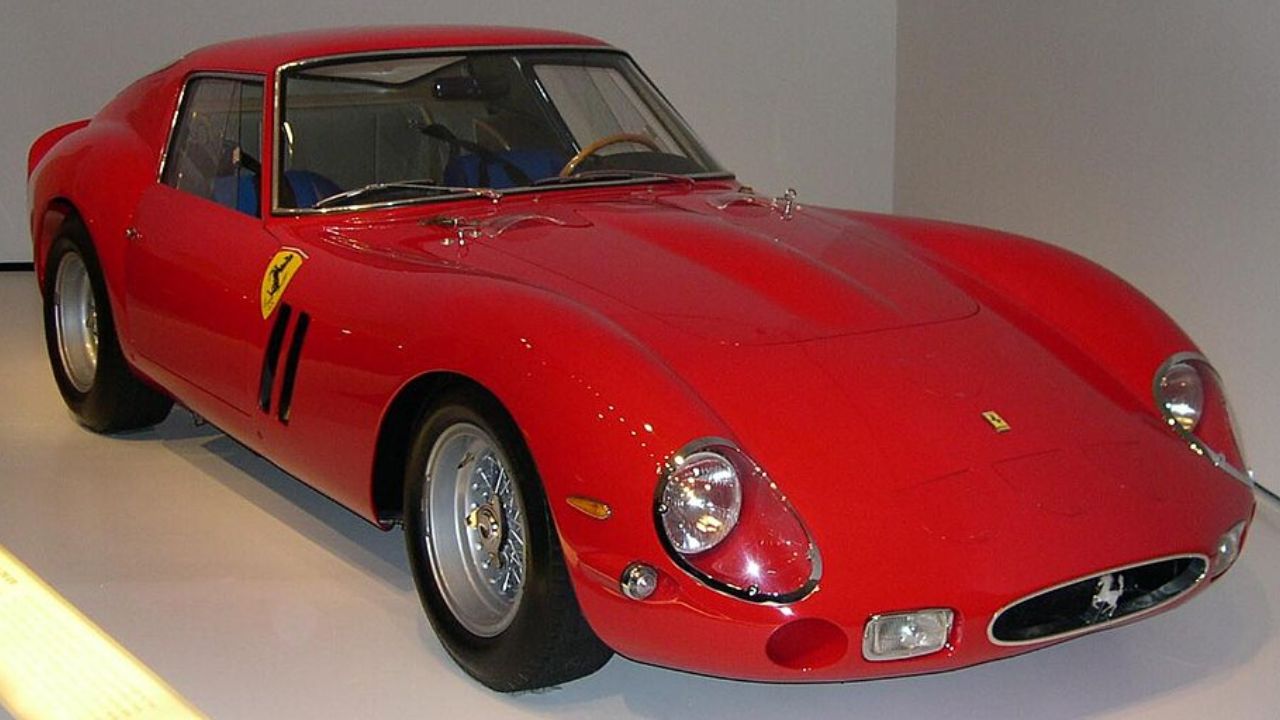
The Ferrari 250 GT represents the kind of classic that moved far beyond ordinary collector-car status. Its beautiful design, racing heritage, and limited production created an extraordinary combination of rarity and desirability. Values have risen dramatically as Ferrari’s historical importance became more widely recognized. A well-preserved example can represent a staggering fortune compared with its original position in the market.
Mercedes-Benz 300 SL
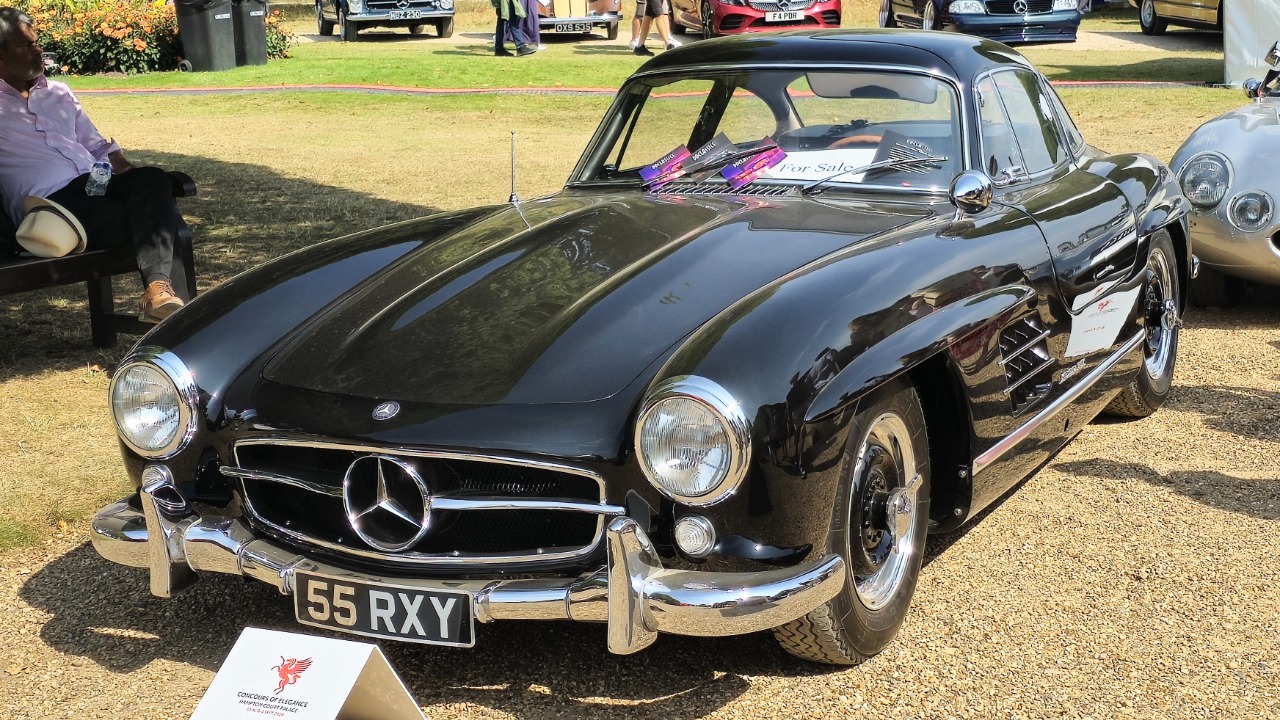
The Mercedes-Benz 300 SL became famous for its gullwing doors, advanced engineering, and exceptional performance. Its unusual design made it memorable from the beginning, while its limited production ensured that surviving examples remained special. Over time, collectors increasingly valued its engineering significance and visual identity. Owners fortunate enough to have preserved one could see an ordinary garage become home to a multimillion-dollar asset.
Jaguar E-Type
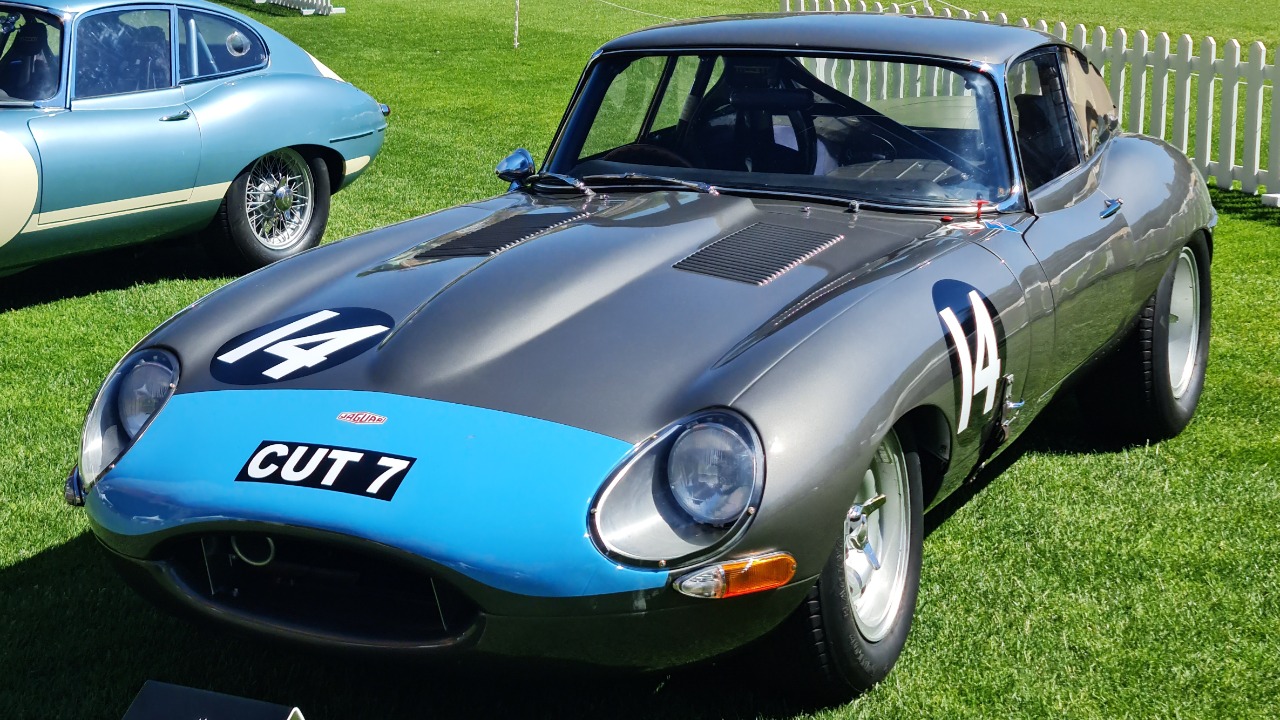
The Jaguar E-Type was praised for its styling and performance when new, but its reputation as a collectible grew considerably over the decades. Early cars with desirable specifications and strong originality became particularly sought after. The combination of elegant design, British sports-car heritage, and relatively limited survival has helped push top examples into serious collector territory.
Shelby Cobra
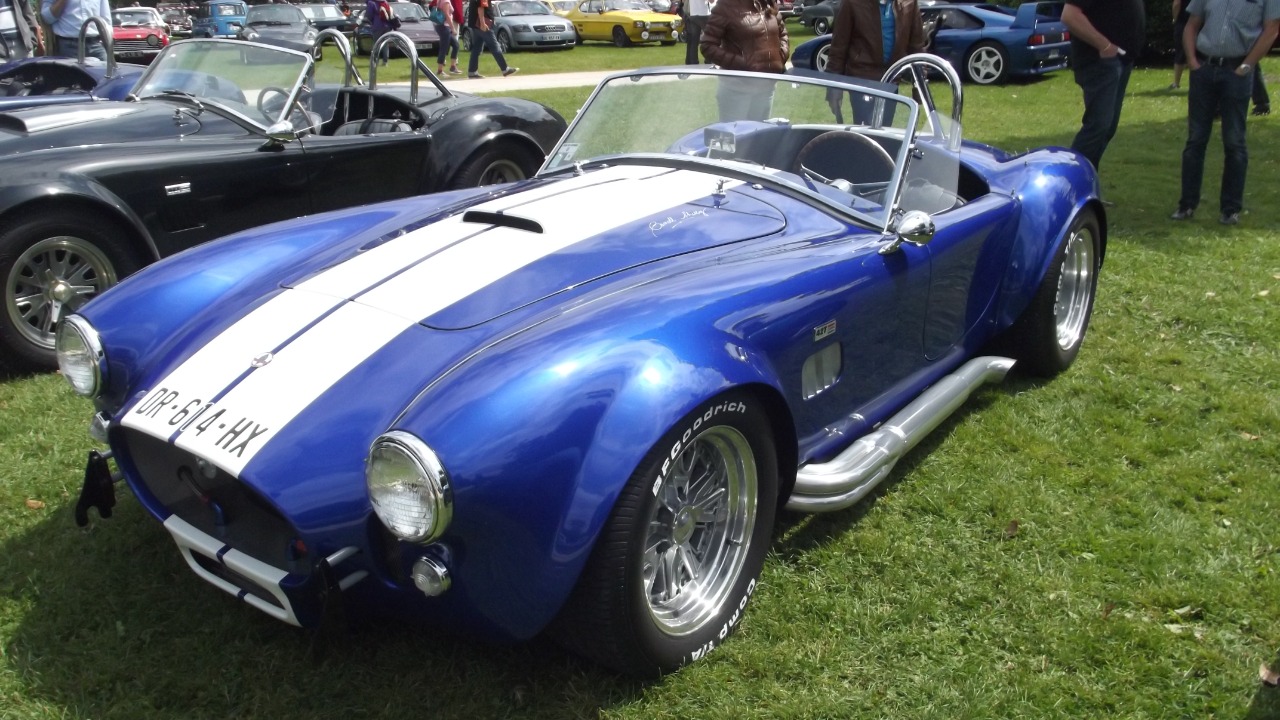
The Shelby Cobra combined an exceptionally light sports-car body with powerful American V8 performance, creating one of the most memorable performance formulas of its era. Genuine examples were produced in limited numbers, and their competition history added another layer of desirability. As the market for historic performance cars expanded, authentic Cobras became extraordinarily valuable. A carefully preserved example could turn an ordinary garage into a remarkable financial windfall.
More from Fast Lane Only
- Unboxing the WWII Jeep in a Crate
- 15 rare Chevys collectors are quietly buying
- 10 underrated V8s still worth hunting down
- Police notice this before you even roll window down
*Research for this article included AI assistance, with all final content reviewed by human editors