Some classic cars made a huge impact when they launched, then quietly faded into the background. Others never got their due in the first place. But every so often, you come across a model that makes you wonder—why hasn’t anyone brought this back yet?
Whether it was the styling, the hardware, or just the attitude, these cars had something that made them special. And with the right modern touch, they could make just as much noise today as they did in their prime. Here are 7 classic cars that deserve a second shot.
1969 Mercury Cougar Eliminator
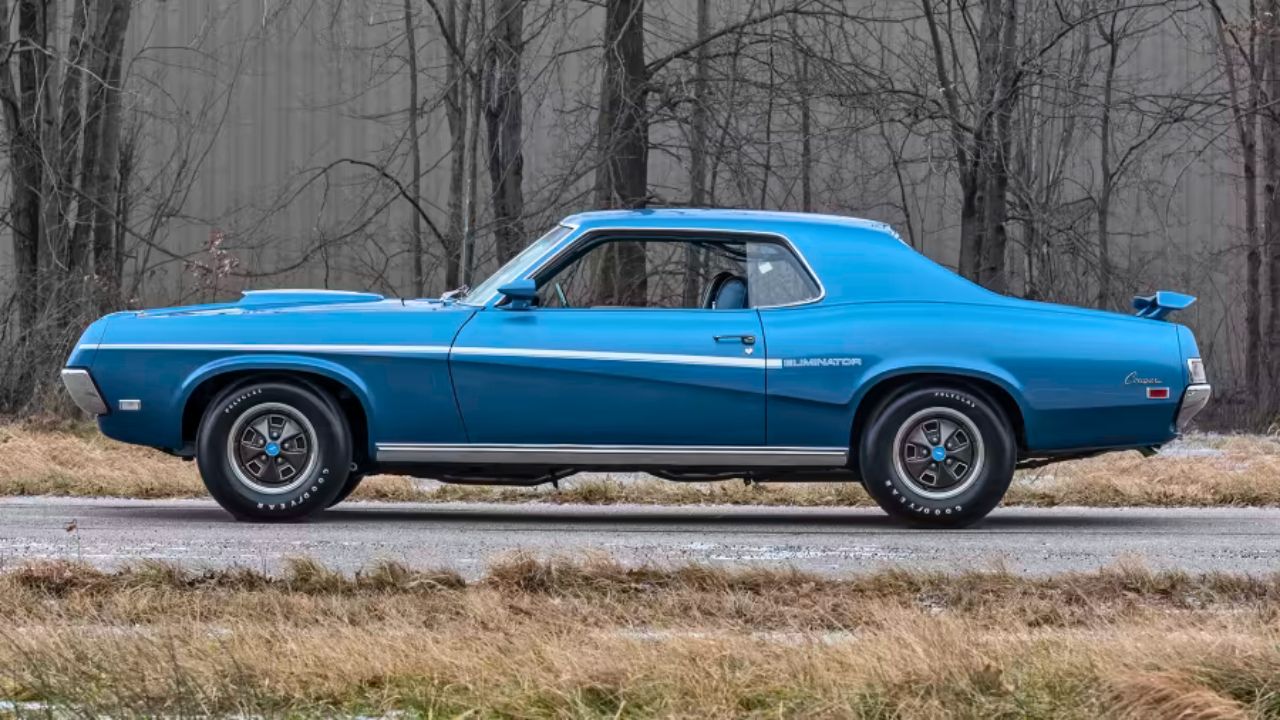
The Cougar always sat in the Mustang’s shadow, but the Eliminator was Ford’s way of giving it claws. It came with high-impact colors, a rear wing, and engine choices that included the 428 Cobra Jet and Boss 302.
With its longer wheelbase and luxury touches, it had a different vibe than its pony car cousin. It could be the perfect base for a modern resurrection—a refined, fastback-styled coupe with real muscle under the hood and proper street manners.
1974 Plymouth Duster 360
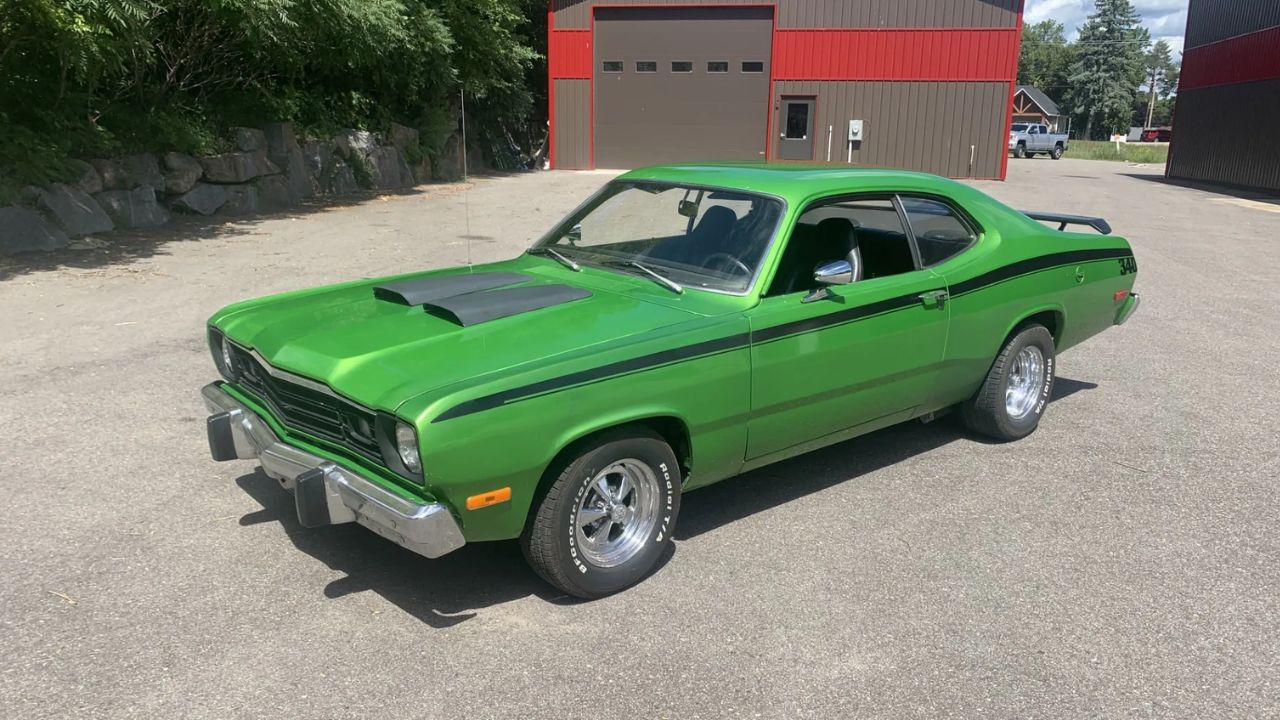
The Duster started life as a budget-friendly compact, but when you dropped the 360 into it and added a bit of Mopar tuning, it turned into a street brawler. It was light, quick, and just the right kind of rough around the edges.
Unlike its more expensive B-body siblings, the Duster had an everyman appeal. Bringing it back today—maybe as a compact rear-wheel-drive coupe with modern suspension and a factory-tuned V8—could fill the hole left by the muscle car downsizing we’re seeing now.
1963 Studebaker Avanti R2

The Avanti R2 came with a supercharged 289 V8 and styling that looked like nothing else on the road. It was ahead of its time—offering disc brakes, a built-in roll bar, and aerospace-inspired design cues before most automakers were even thinking that way.
While Studebaker disappeared, the Avanti name lived on for a while in low-volume continuation models. Still, a true factory resurrection—maybe as a lightweight EV with throwback looks—could introduce a whole new generation to one of the most daring American designs of the ’60s.
1971 AMC Javelin AMX
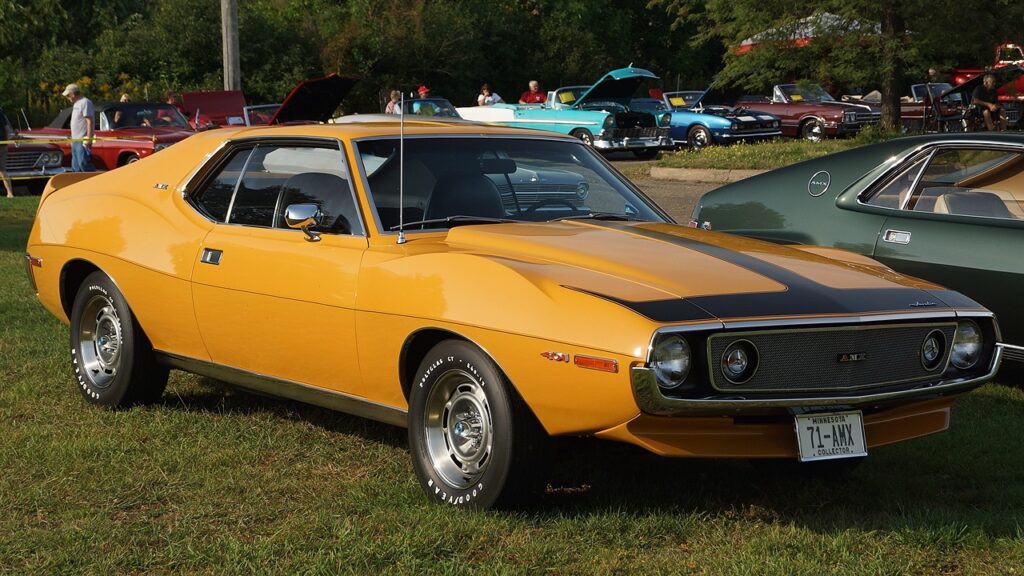
AMC knew it couldn’t out-muscle the Big Three on volume, so it went bold with design. The second-gen Javelin AMX had flared fenders, a high-rise spoiler, and a 401 V8 under the hood. It even served as a legit pace car in Trans Am racing.
If you’re going to bring something back, you want it to stand out. The Javelin AMX did exactly that. It could easily come back as a niche performance car with aggressive styling, all-wheel drive, and a punchy twin-turbo powertrain.
1957 DeSoto Adventurer

In 1957, the Adventurer offered 345 horsepower from a dual-quad HEMI and wrapped it in chrome-heavy styling with gold accents. It was big, flashy, and fast—pure late-’50s swagger that could still run with early muscle cars.
A modern revival would have to lean into that attitude: wide stance, rear-drive, big power, and an unapologetic look. There’s room in today’s market for a performance-focused luxury coupe with a throwback vibe—and this one has the right history to pull it off.
1970 Ford Torino Cobra
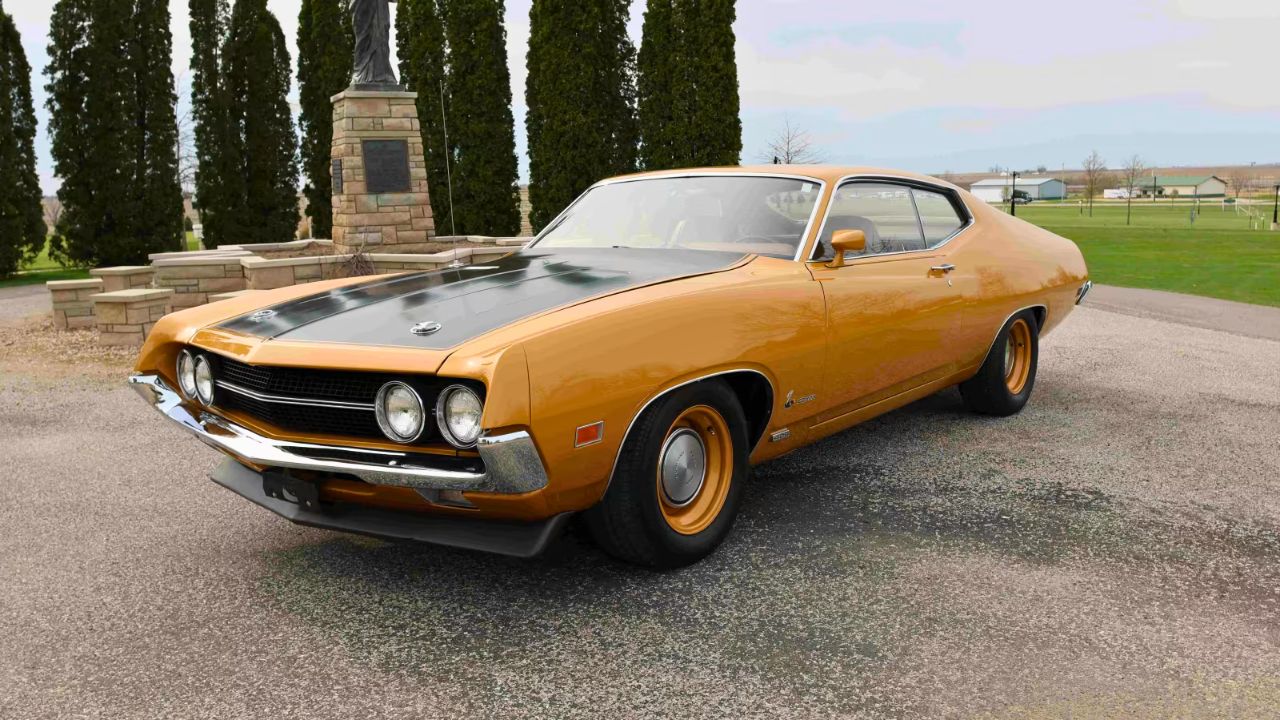
The Torino Cobra didn’t get the love the Mustang did, but with a 429 Cobra Jet and a factory 4-speed, it was all business. It had a wider track than most mid-size cars and serious straight-line credibility.
It also had great lines—long hood, fastback roofline, and just enough chrome. Ford could easily turn this into a big two-door coupe with modern underpinnings and slot it between the Mustang and something like a Charger. With the right powerplant, it could take that name off the shelf and make it mean something again.
1966 Oldsmobile 442
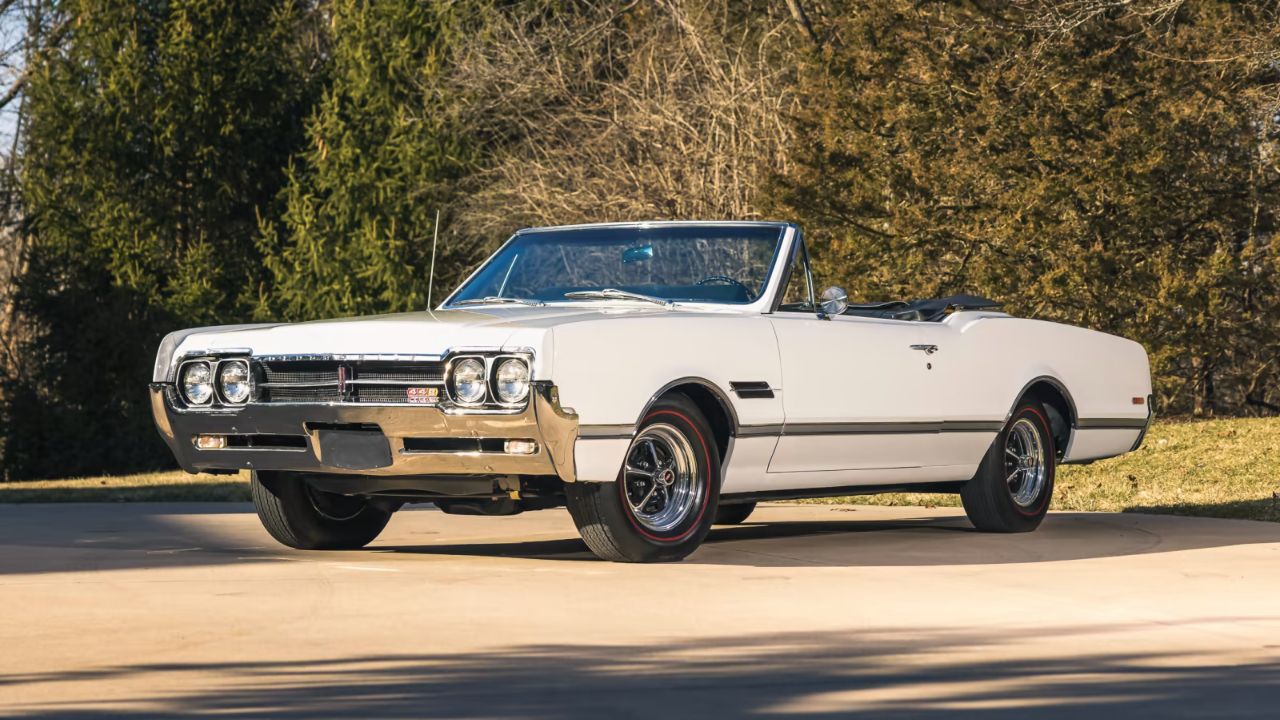
The 442 didn’t shout at you, it just delivered—originally meaning 4-barrel, 4-speed, dual exhaust. By 1966, it had 400 cubes under the hood and a factory Muncie 4-speed that made it one of the more balanced muscle cars of its time.
A modern 442 revival wouldn’t need to be flashy—just refined, powerful, and focused. Think naturally aspirated V8 or high-output turbo six, sport-tuned chassis, and clean design. In a market full of badge-engineered noise, the 442 could bring back understated muscle.
*This article was hand crafted with AI-powered tools and has been car-fully, I mean carefully, reviewed by our editors.