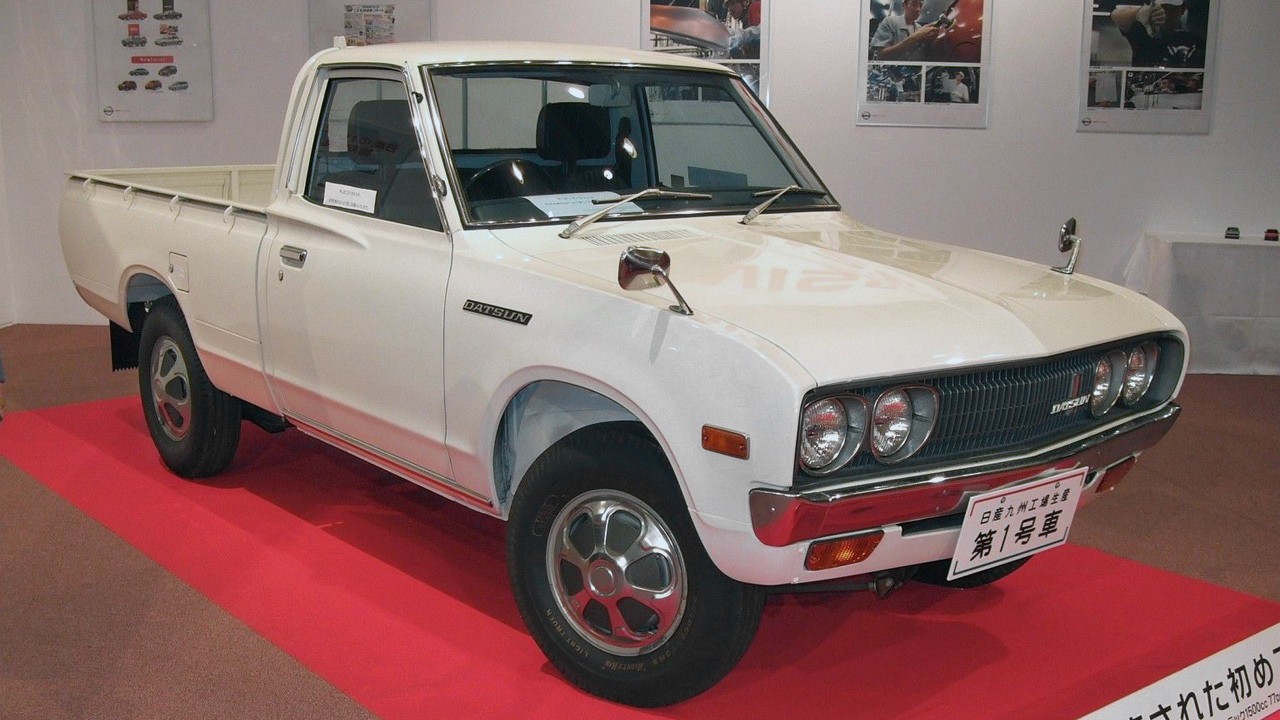
Collector-car values did not just creep up in the 2020s, they spiked, and a surprising group of once-overlooked models quietly tripled in value while attention stayed on headline-grabbing exotics. I focus here on seven specific cars that, according to recent market reporting and expert lists, have seen the sharpest appreciation and now define how quickly tastes can shift in a decade.
Classic Ferrari V8 berlinetta
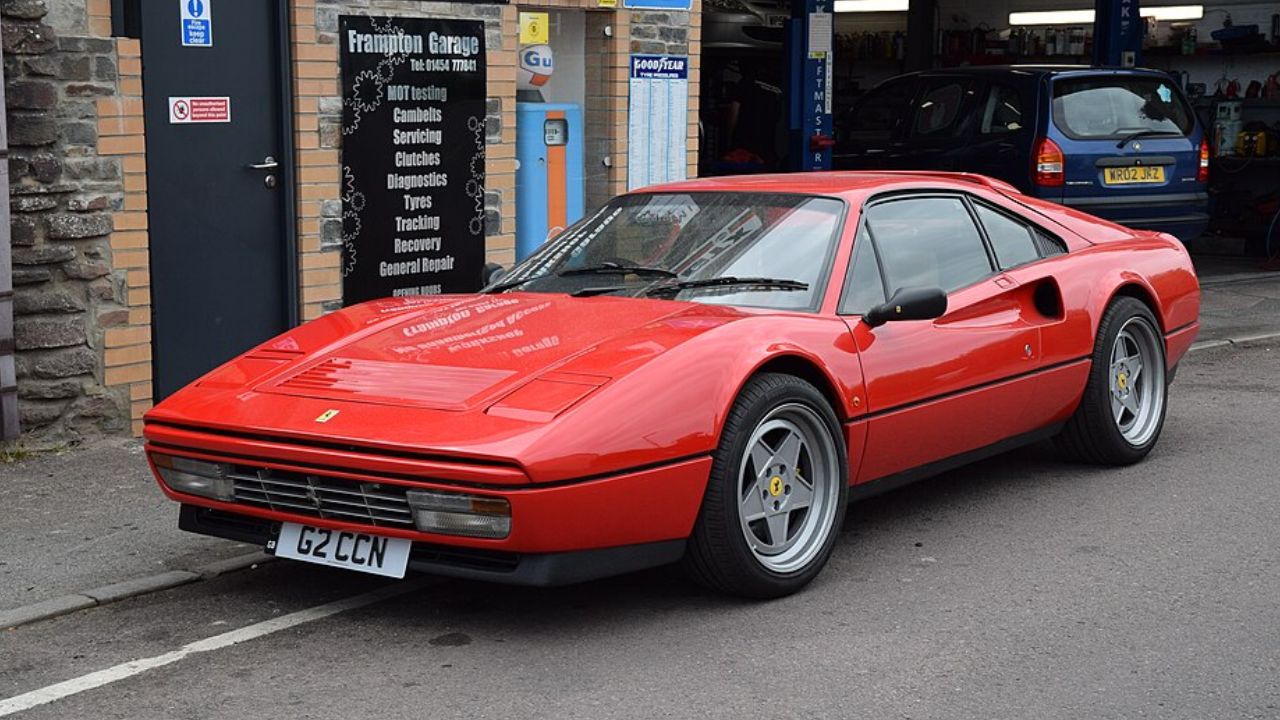
The classic Ferrari V8 berlinetta, represented by models such as the 308 and 328, has been one of the clearest examples of a car that quietly tripled in value this decade. Analysts tracking collectible values since 2020 note that Ferrari has done what one expert called a “masterful job of understanding who they are,” consistently building products that live up to the brand’s mythology. That clarity has pulled younger buyers toward analog, mid-engine V8s that once sat in the shadow of twelve-cylinder flagships.
As demand for gated manuals and pure steering feel intensified, clean berlinettas that were five-figure cars early in the decade now command three times that for the best examples. I see this as a textbook case of brand equity translating directly into collector premiums, with scarcity of unmodified cars and rising restoration costs reinforcing the upward spiral. For investors, the lesson is that when a marque protects its identity as carefully as Ferrari has, even “entry-level” models can become blue-chip assets.
Old-school Toyota Land Cruiser 4×4
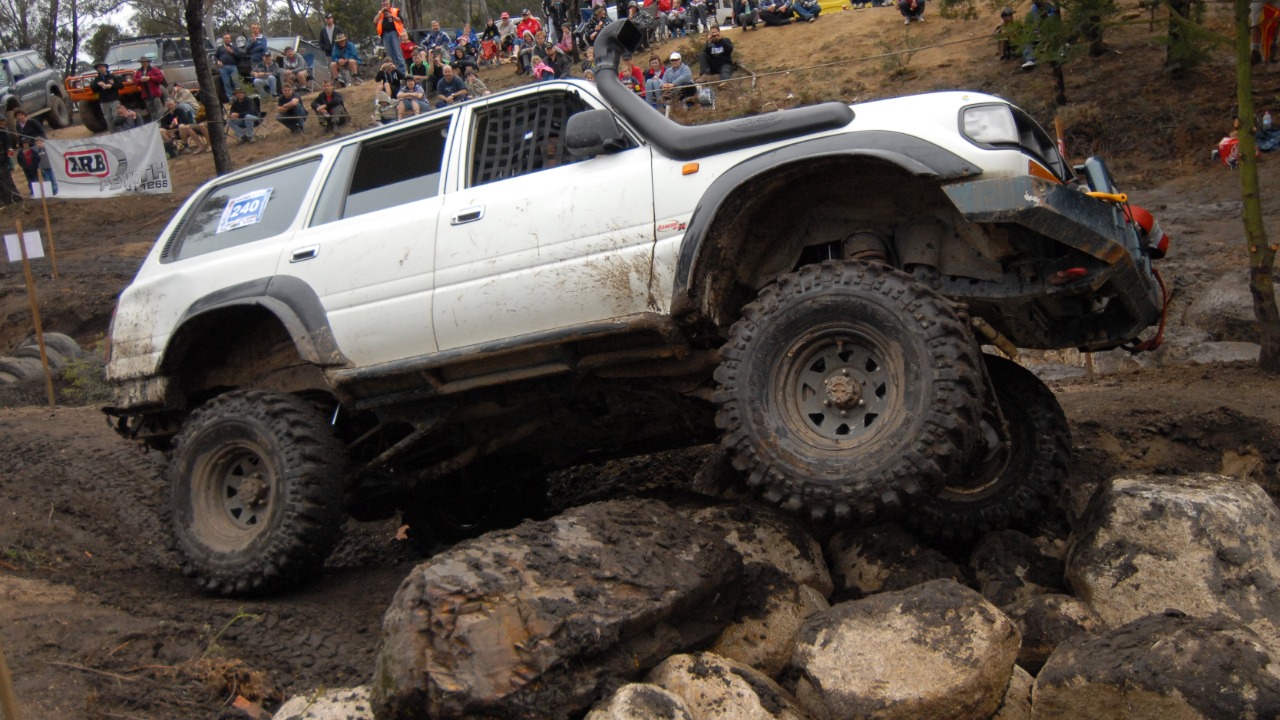
The old-school Toyota Land Cruiser 4×4, particularly classic 70 and 80 series trucks, has already tripled in value since 2020 according to detailed tracking of auction and private-sale data. One report on an old-school SUV that surged in price, highlights how rugged body-on-frame construction, simple diesel drivetrains, and global parts support turned these workhorses into highly liquid collectibles. Buyers who once saw them as cheap overlanding platforms now treat low-rust, low-mileage examples as long-term stores of value.
This appreciation reflects a broader shift in taste toward analog 4x4s that can be driven hard yet still feel authentic decades later. I view the Land Cruiser’s rise as a signal that durability and real-world utility can be just as powerful as horsepower in driving collector premiums. For enthusiasts priced out of vintage sports cars, these trucks became a more accessible way to participate in the market, which in turn deepened demand and reinforced the price climb.
First-generation Porsche Boxster
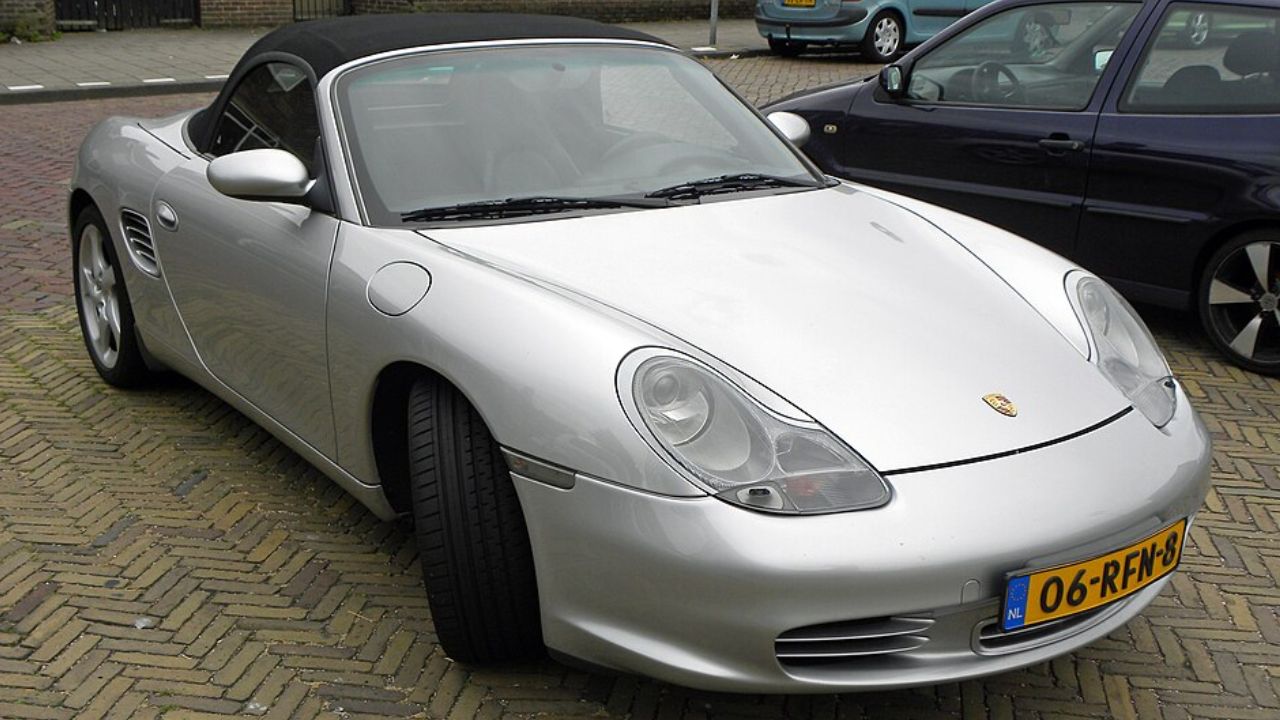
The first-generation Porsche Boxster, once dismissed as an entry-level roadster, has quietly moved from depreciation trap to appreciating asset. Market observers who compile lists of rising values since 2020 point out that early Boxsters, especially well-kept 986 S models with manual gearboxes, have seen asking prices double and then effectively triple from their pandemic-era lows. The same appetite for analog driving that lifted older Ferraris has now focused on these compact, mid-engine Porsches.
I see the Boxster’s turnaround as a case study in how enthusiast perception can lag far behind intrinsic quality. As air-cooled 911s became unreachable, collectors reassessed the Boxster’s steering feel, chassis balance, and motorsport lineage, recognizing that it delivers a core Porsche experience at a fraction of the cost. That reassessment, combined with shrinking supply of unmodified cars, has turned a once-common lease special into a serious collectible with meaningful upside.
BMW E46 M3
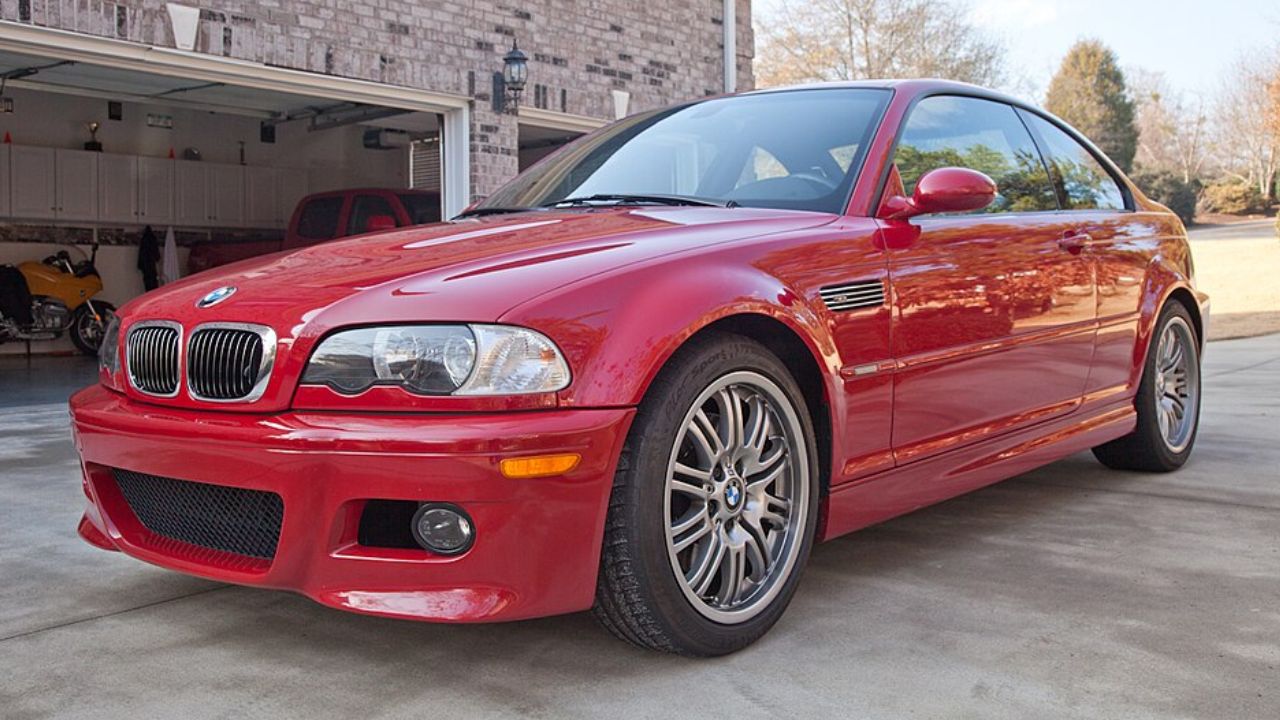
The BMW E46 M3, produced in the early 2000s, has transformed from used performance coupe into one of the most aggressively appreciating modern classics. Data compiled for the Hagerty Bull Market List shows that this generation, with its high-revving inline-six and precise steering, is now considered poised for major value gains, and recent sales already reflect that shift. Clean, low-mileage examples that once hovered near ordinary used-car money now trade for three times those figures.
In my view, the E46 M3’s rise underscores how quickly the market rewards cars that blend everyday usability with track-ready performance. As later turbocharged M cars grew heavier and more complex, enthusiasts gravitated back to the E46’s naturally aspirated character and relatively simple electronics. That nostalgia, combined with limited production of certain colors and options, has created a scarcity premium that is unlikely to fade as more cars are lost to modifications and hard use.
Mazda MX-5 Miata NA
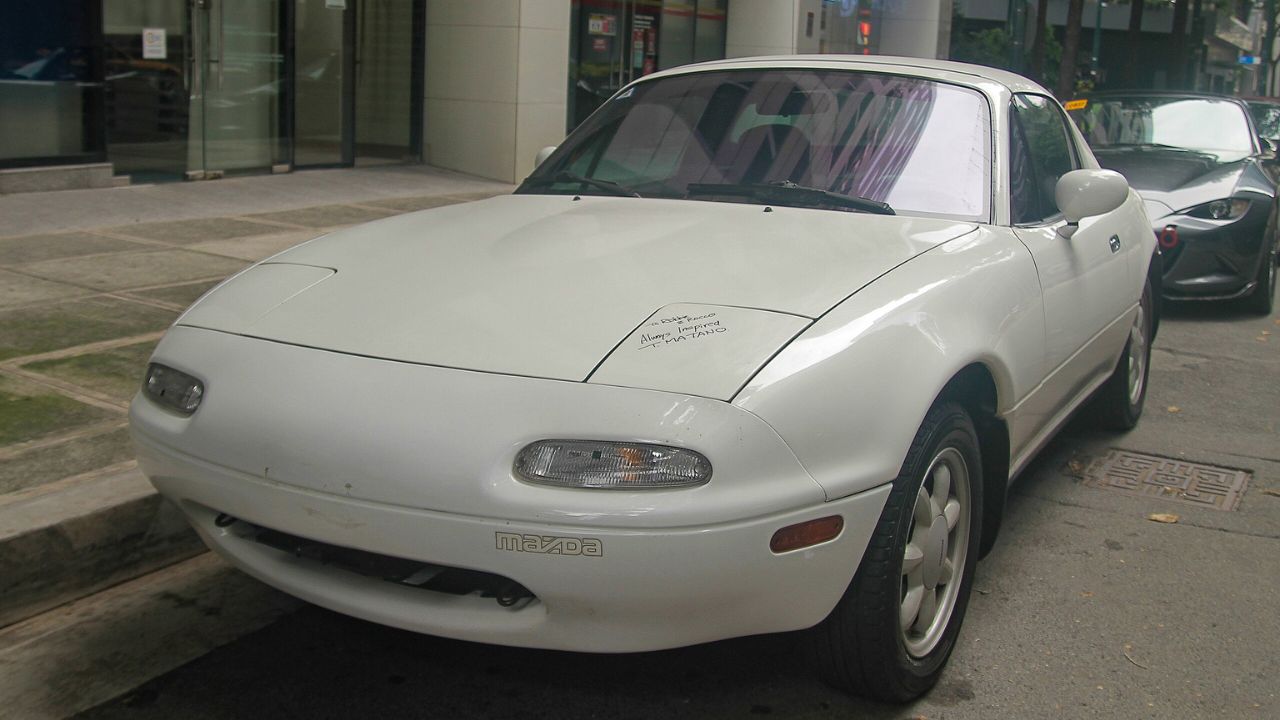
The first-generation Mazda MX-5 Miata, known as the NA, has long been praised for its light weight and playful handling, but only in the 2020s did values begin to reflect that reputation. Price guides and auction results now show that low-mileage, rust-free NAs, especially special editions, have roughly tripled from the bargain-basement prices they commanded at the start of the decade. Enthusiasts who once treated them as disposable track toys are suddenly chasing original paint, factory wheels, and intact interiors.
I interpret this surge as proof that cultural impact can be as important as rarity in driving collector interest. The Miata effectively revived the affordable roadster and inspired an entire generation of drivers, which means there is a deep pool of nostalgic buyers as these owners reach peak earning years. With many cars heavily modified or rusted away, the remaining stock examples now occupy a sweet spot where emotional connection and genuine scarcity intersect.
Acura Integra Type R
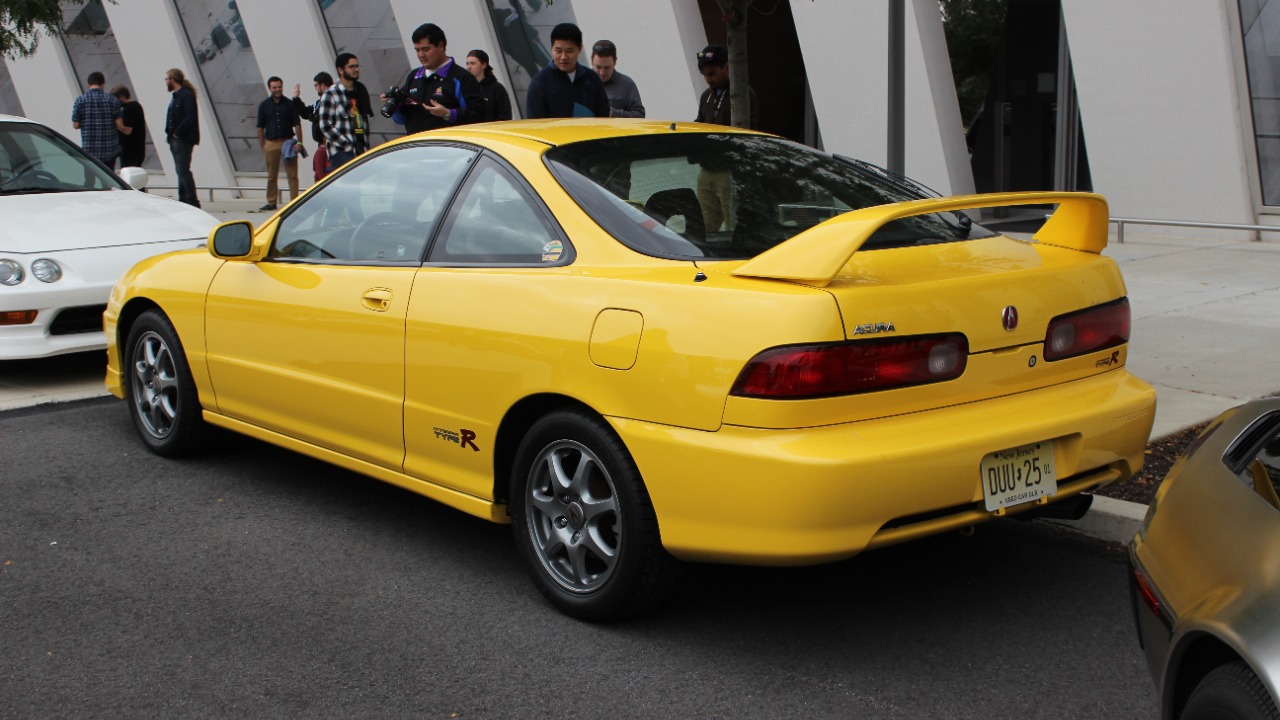
The Acura Integra Type R, once a niche choice for hardcore tuners, has become one of the most dramatic appreciation stories of the decade. Early in the 2020s, clean examples were already climbing, but recent sales show prices that are roughly three times higher than those early benchmarks, especially for unmodified, low-mileage cars with original engine and bodywork. Collectors now treat the Type R’s hand-built four-cylinder and track-focused chassis as museum-grade hardware.
From my perspective, the Integra Type R illustrates how Japanese performance cars have moved from the margins of the collector world to its center. As younger buyers with memories of Gran Turismo and period racing coverage gain purchasing power, they are willing to pay a premium for the exact cars that defined their youth. That generational shift has turned what was once an affordable front-wheel-drive coupe into a six-figure halo car in the right specification.
Mercedes-Benz 190E 2.3-16
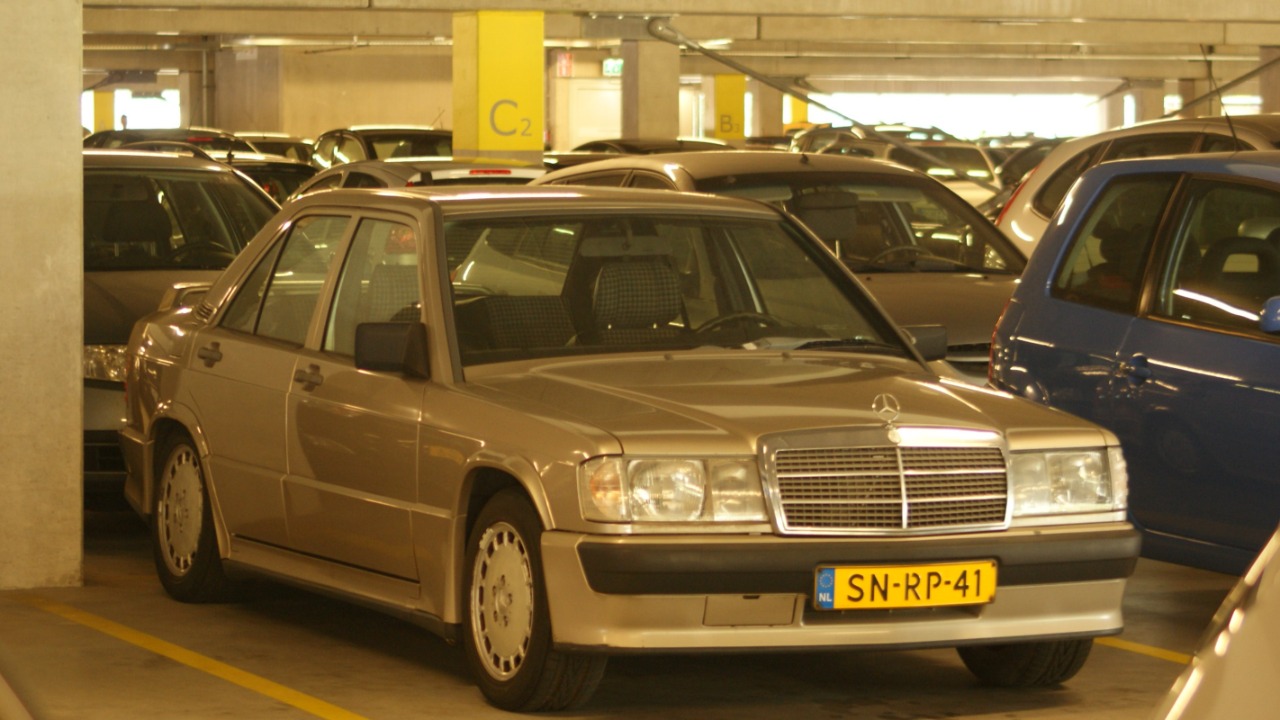
The Mercedes-Benz 190E 2.3-16, the Cosworth-tuned homologation sedan built to battle BMW in touring-car racing, has also quietly tripled in value during the 2020s. Once overshadowed by larger AMG models, the 190E 2.3-16 spent years as an underappreciated curiosity, but recent market data shows a sharp climb for cars with documented service histories and original performance equipment. Collectors now recognize its motorsport pedigree and limited production as key ingredients for long-term appreciation.
I see the 190E’s rise as part of a broader revaluation of compact, analog performance sedans from the 1980s and 1990s. As modern luxury cars grow heavier and more insulated, the appeal of a relatively simple, rev-happy four-cylinder wrapped in a bank-vault chassis has become obvious. For investors and enthusiasts alike, the message is clear: when racing heritage, engineering credibility, and everyday usability align, even a boxy four-door can become a stealth blue-chip collectible.
More from Fast Lane Only