Factory horsepower numbers were never the full story for the wildest American muscle cars. Insurance pressure, racing politics and marketing games meant some of the fiercest V8s carried ratings that enthusiasts simply did not believe. I will walk through 11 muscle machines whose official power figures were treated with suspicion from day one, and explain why their real output made those factory claims look like fiction.
1969 Pontiac GTO Judge (400 V8)

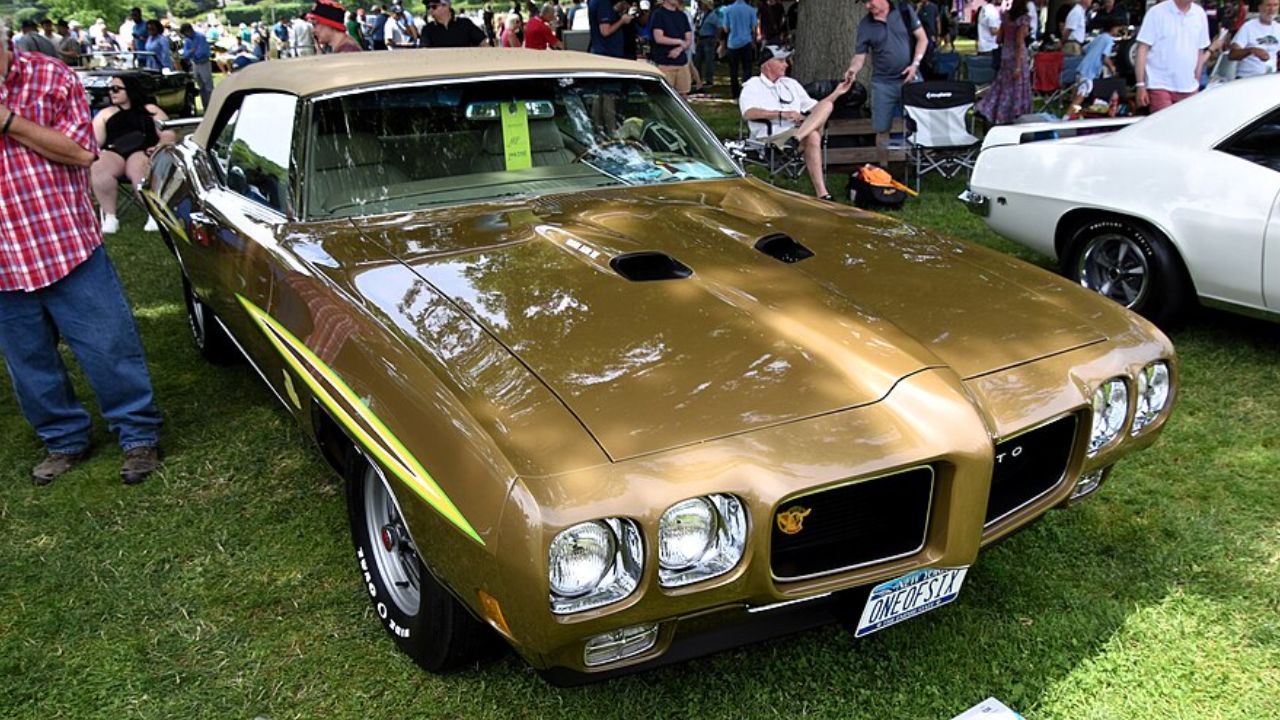
The 1969 Pontiac GTO Judge is a textbook case of a muscle car whose factory power rating raised eyebrows. Today, the 69 G GTO Judge is described as one of the most desirable American V8 classics in part because its 400 cubic inch engine is reported to make at least 400 horsepower in gross terms. That figure already sounded aggressive for the era, yet period performance suggested the engine was even healthier.
Quarter mile times and street racing lore quickly convinced owners that Pontiac’s official numbers were conservative. The way the GTO Judge pulled at higher rpm, combined with its strong midrange torque, hinted at airflow and cam timing closer to a race package than a street cruiser. For collectors and restorers, the implication is clear: this American icon delivers more real-world thrust than its paperwork suggests, which helps explain why clean examples command such intense attention at auctions.
1970 Buick GS Stage 1

The 1970 Buick GS Stage 1 shows how corporate rules and insurance fears distorted factory power ratings. Reporting on a prominent auction notes that when GM rescinded its unwritten ban on intermediates with less than 10 pounds per horsepower, Buick responded with its big 455 and a Stage 1 package that insiders say was “misquoted by the factory for insurance purposes.” That phrase captures the skepticism around the official horsepower figure.
Owners and tuners quickly realized the GS Stage 1 behaved like a car with far more power than its rating implied, especially given its deep-breathing cylinder heads and aggressive torque curve. In practical terms, that meant a comfortable, upscale intermediate that could embarrass lighter rivals at the drag strip. For the broader muscle market, the GS Stage 1 proved that luxury badges could hide some of the most underrated performance hardware of the era, reshaping how enthusiasts viewed Buick’s role in the horsepower wars.
1969 ½ Dodge Super Bee A12 (440 Six Pack)

The 1969 ½ Dodge Super Bee A12 is often cited as a classic case of factory understatement. This special mid-year model carried a 440 cubic inch V8 with three two-barrel Holley carburetors, the famous Six Pack setup, officially rated at 390 horsepower and 490 lb-ft of torque. Yet one detailed account of the A12 package notes that a similar combination on a 1969 Dodge Super Bee boosted a Hemi’s output to an underrated 425 horsepower.
That context helps explain why many enthusiasts never believed the 390 figure for the A12 cars. Period tests showed these Super Bees running quarter miles in the 13 second range straight off the showroom floor, performance that lined up more closely with the higher estimate. For collectors, the implication is that the A12 is not just a rare production oddity but a serious performance benchmark, illustrating how Mopar quietly delivered race-ready power while keeping official numbers within politically acceptable limits.
Mustang Boss 429
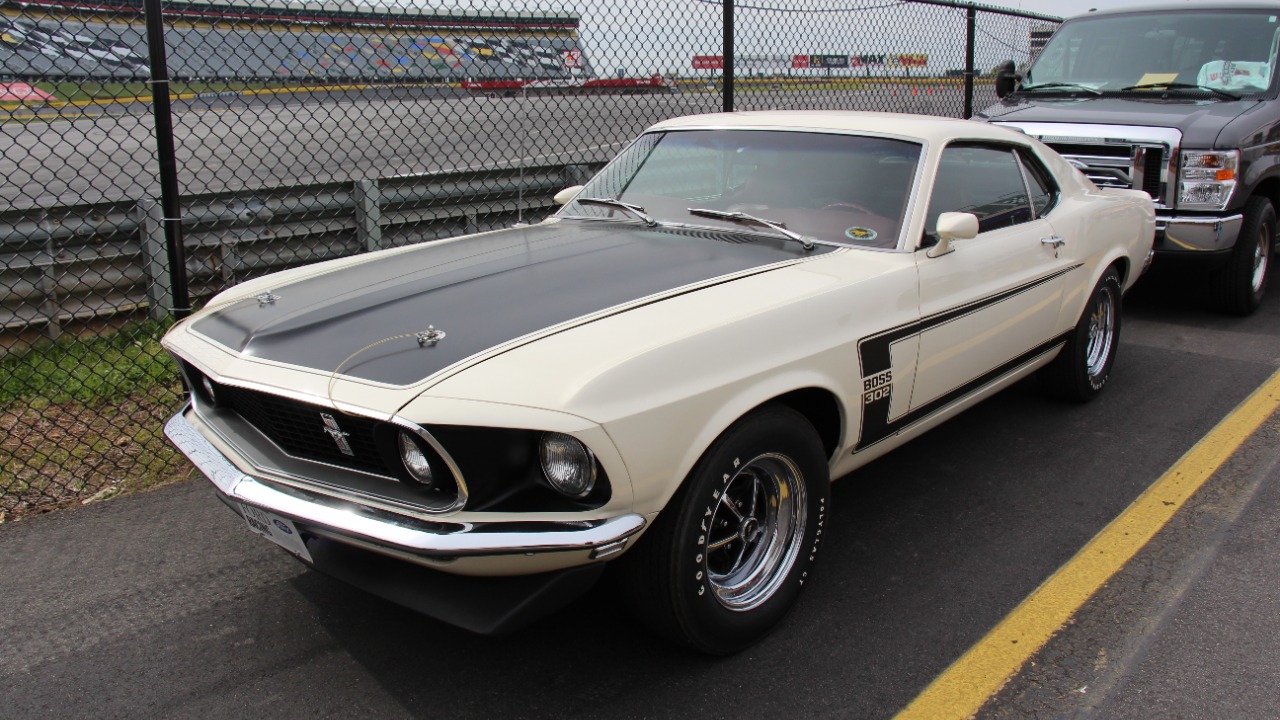
The Boss 429, often written as Mustang Boss 429, is one of the most famous examples of a factory rating that enthusiasts dismissed almost immediately. Contemporary coverage explains that The Boss 429 engine was conservatively rated at 375 horsepower when it arrived in 1969, largely to keep insurance costs manageable. The same reporting notes that with relatively simple tweaks, output could approach 600 horsepower, a staggering gap between paperwork and potential.
That discrepancy made the official 375 figure hard to take seriously among racers and tuners who saw the Boss 429 as a detuned NASCAR engine in a street shell. For Ford, the strategy allowed homologation of a competition powerplant while avoiding the worst of the insurance backlash. For today’s buyers, it means any genuine Mustang Boss 429 carries not just rarity but also the knowledge that its factory rating barely hints at what the big 429 can deliver when uncorked.
1970 AAR Cuda 340 Sixpack

The 1970 AAR Cuda with the 340 Sixpack is another muscle car whose official numbers never quite matched its reputation. Reporting on underrated muscle notes that the AAR Cuda and its Challenger T/A cousin used a 340 cubic inch small block with triple two-barrel carburetors, with power listed at 275 HP in factory trim versus an estimated ~320 HP in real output. That 340, 275, 320 spread captures why owners doubted the brochure.
On the street, the high winding 340 Sixpack felt far stronger than a mid-200s rating would suggest, especially at higher rpm where the induction system and cam profile came alive. For Plymouth and Dodge, the conservative figure helped keep the AAR and Challenger T/A insurable while still meeting the needs of SCCA Trans-Am homologation. For modern enthusiasts, those understated numbers mean these cars often outperform expectations at track events, reinforcing their status as some of the sharpest small block muscle machines of their time.
1970 Challenger T/A 340 Sixpack

The 1970 Challenger T/A shared its heart with the AAR Cuda, and its factory rating drew the same skepticism. Documentation on underrated muscle cars lists the Challenger T/A’s 340 Sixpack with power given as 275 HP in official form and roughly 320 HP in practice, using the same 340, 275, 320 figures. Drivers quickly realized the car’s real performance lined up with the higher estimate.
In period road tests, the Challenger T/A’s acceleration and trap speeds rivaled or exceeded cars with much larger advertised horsepower numbers. That mismatch between rating and reality highlighted how small block race-bred engines could embarrass big block rivals once traction and gearing were factored in. For Dodge, the understated rating helped position the T/A as a streetable homologation special rather than an insurance pariah, while for collectors it adds another layer of intrigue to a model already prized for its limited production and competition pedigree.
1970 AAR Cuda (Factory Vs. Actual)
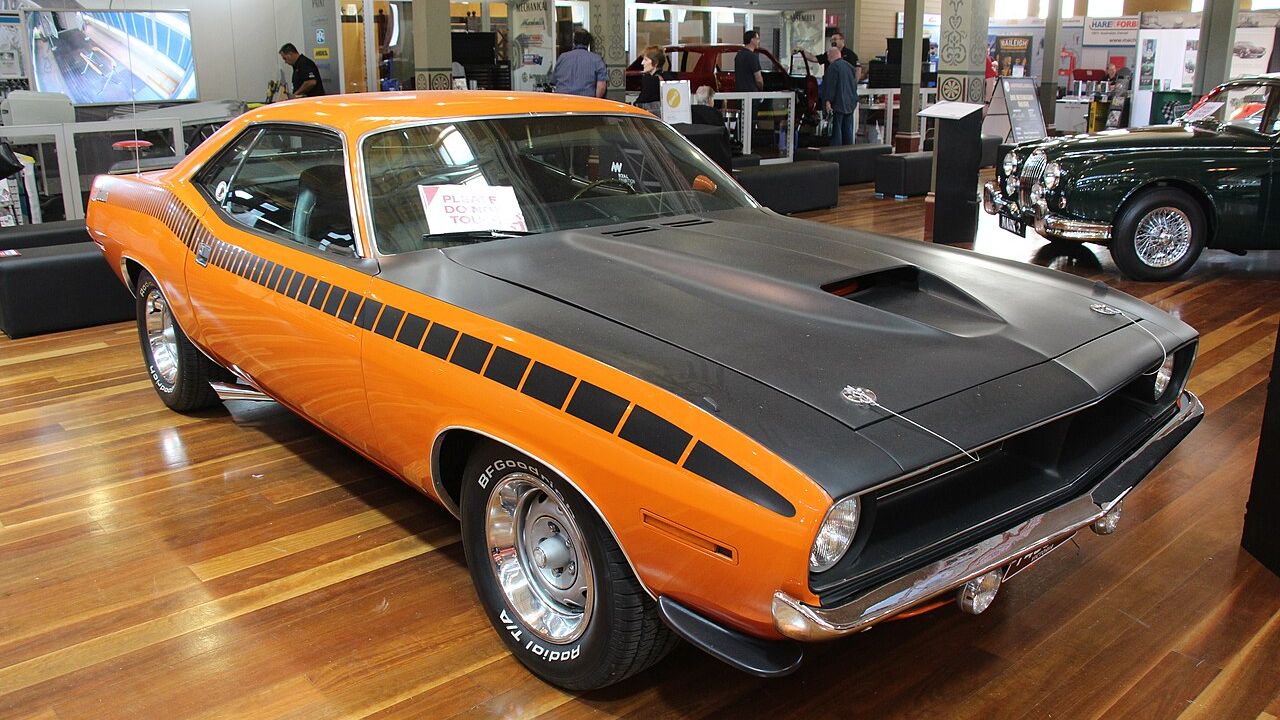
The 1970 AAR Cuda also appears in reporting that explicitly contrasts factory vs actual horsepower, underscoring how little faith enthusiasts placed in the official figure. The same analysis that lists the AAR and Challenger T/A notes the 340 Sixpack combination with power at 275 HP versus an estimated ~320 HP, again using the 340, 275, 320 spread. That explicit comparison makes the underrating impossible to ignore.
For owners, the gap between factory vs real output meant the AAR Cuda often surprised rivals at the drag strip, especially when tuned for optimal jetting and ignition. It also illustrates a broader trend in the period, where manufacturers balanced marketing bravado with the need to keep official numbers within acceptable insurance brackets. In the collector market, that history adds value, since buyers know they are getting a car whose performance heritage is stronger than its original paperwork suggests.
1971 Plymouth Hemi ’Cuda

The 1971 Plymouth Hemi ’Cuda is best known for its rarity, but its power rating also drew skepticism. A survey of the rarest American muscle cars notes that the 1971 Plymouth Hemi ’Cuda is among the most coveted, with only 7 sold to the public, a figure that has turned each surviving example into a blue-chip collectible. While the classic 426 Hemi carried a well-publicized rating, many racers believed the real output exceeded the official figure by a comfortable margin.
That belief was fueled by the Hemi’s dominance in competition and its ability to respond dramatically to relatively minor tuning changes. For stakeholders in the high-end collector market, the combination of extremely low production and a legendary, likely underrated engine has pushed Hemi ’Cuda values into the stratosphere. The car’s story reinforces how factory ratings often served more as political compromises than precise engineering statements, especially when insurance companies and racing regulators were watching closely.
1970 Buick GSX 455
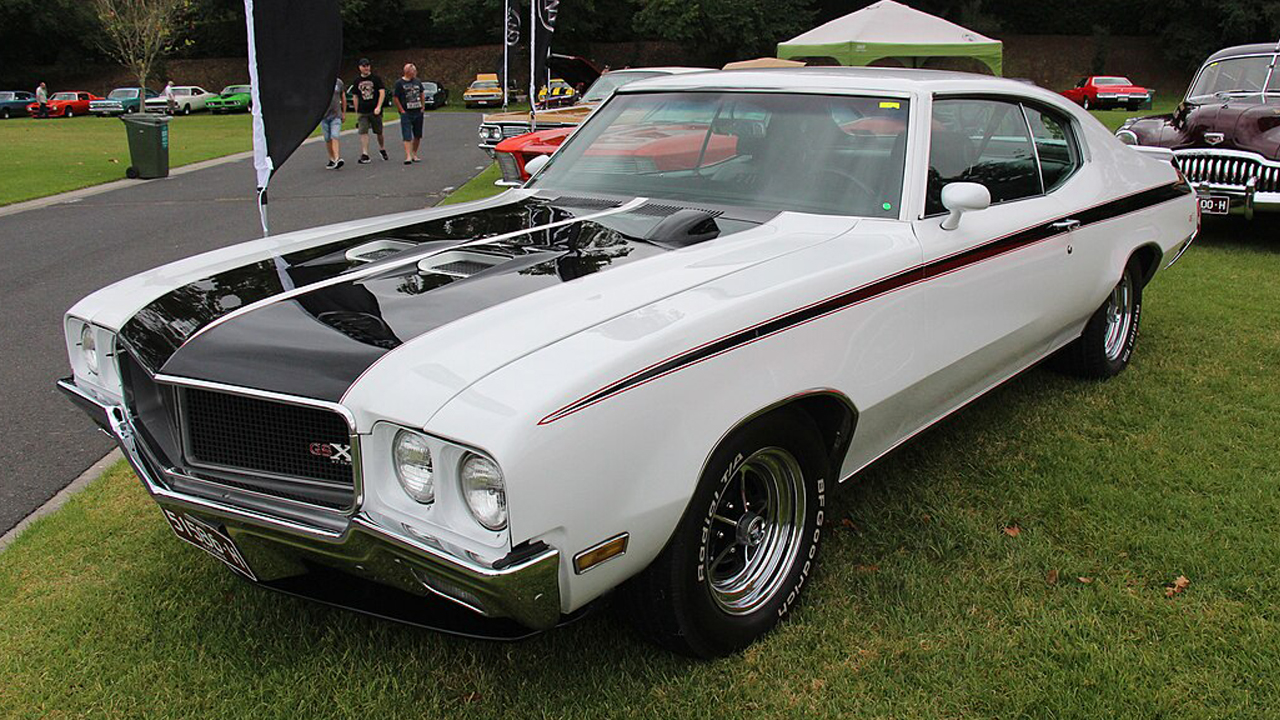
The 1970 Buick GSX 455 extends the theme of understated power within Buick’s performance lineup. Coverage of underrated muscle cars points out that the Buick GSX may be one of the most underestimated big block machines, with its 455 engine capable of producing around 390 horsepower in reality, despite more modest official claims. That assessment positions the GSX as a sleeper even within the already potent GS Stage 1 family.
On the road, the GSX’s combination of torque, traction and relatively refined chassis tuning allowed it to run with or ahead of more loudly advertised rivals. For Buick, the strategy preserved the brand’s upscale image while quietly delivering some of the fiercest acceleration of the era. For enthusiasts and investors, the GSX 455’s underrated status has become part of its appeal, proving that luxury-oriented divisions could hide some of Detroit’s most serious performance hardware.
1969 GTO Judge Ram Air III

The standard 1969 GTO Judge with the Ram Air III engine also suffered from disbelief around its official rating. While today the 69 GTO Judge is celebrated for its 400 cubic inch V8 and at least 400 gross horsepower, period observers suspected that even the mid-level Ram Air III versions were stronger than Pontiac admitted. The car’s consistent quarter mile performance and strong midrange pull suggested careful factory sandbagging.
For Pontiac, slightly conservative ratings helped keep the Judge within acceptable insurance brackets while still delivering the performance image the brand needed. For modern owners, that history means even non-Ram Air IV cars can feel surprisingly quick, narrowing the gap between trim levels in real-world driving. It also underscores how the GTO nameplate, and the Judge in particular, became a focal point for debates about honest horsepower figures in the late 1960s.
1970 Buick GS Stage 1 (Insurance Games)
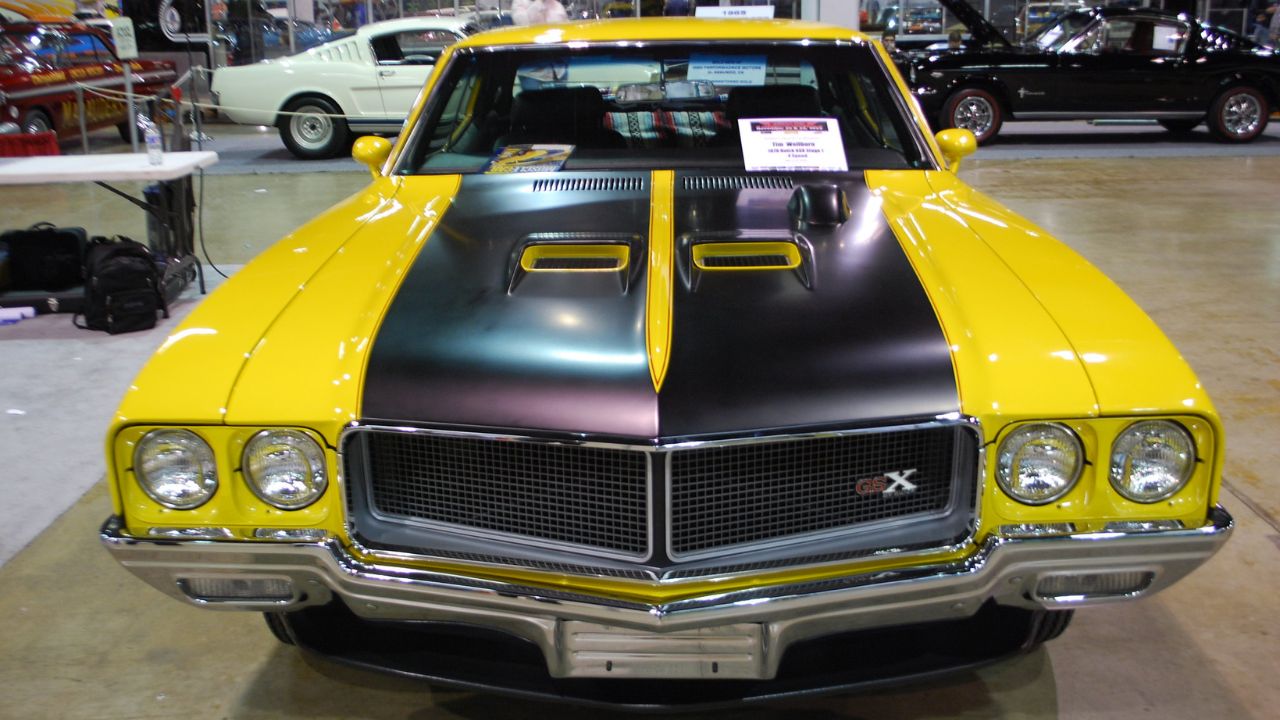
The 1970 Buick GS Stage 1 appears again in discussions of how manufacturers manipulated ratings to satisfy insurers. A detailed auction description explains that GM’s decision to drop its ban on intermediates with less than 10 pounds per horsepower opened the door for Buick to install its big 455, then have the engine’s output “misquoted by the factory for insurance purposes.” That candid phrase confirms what many enthusiasts already suspected about the GS Stage 1’s official numbers.
In practice, the car’s performance placed it among the quickest factory muscle machines of its day, despite relatively restrained brochure figures. For the industry, this kind of rating strategy became a way to maintain a level playing field while still pushing the performance envelope. For collectors, it adds a layer of intrigue, since owning a GS Stage 1 means possessing a car whose true capabilities were intentionally obscured from regulators and insurers.
More from Fast Lane Only