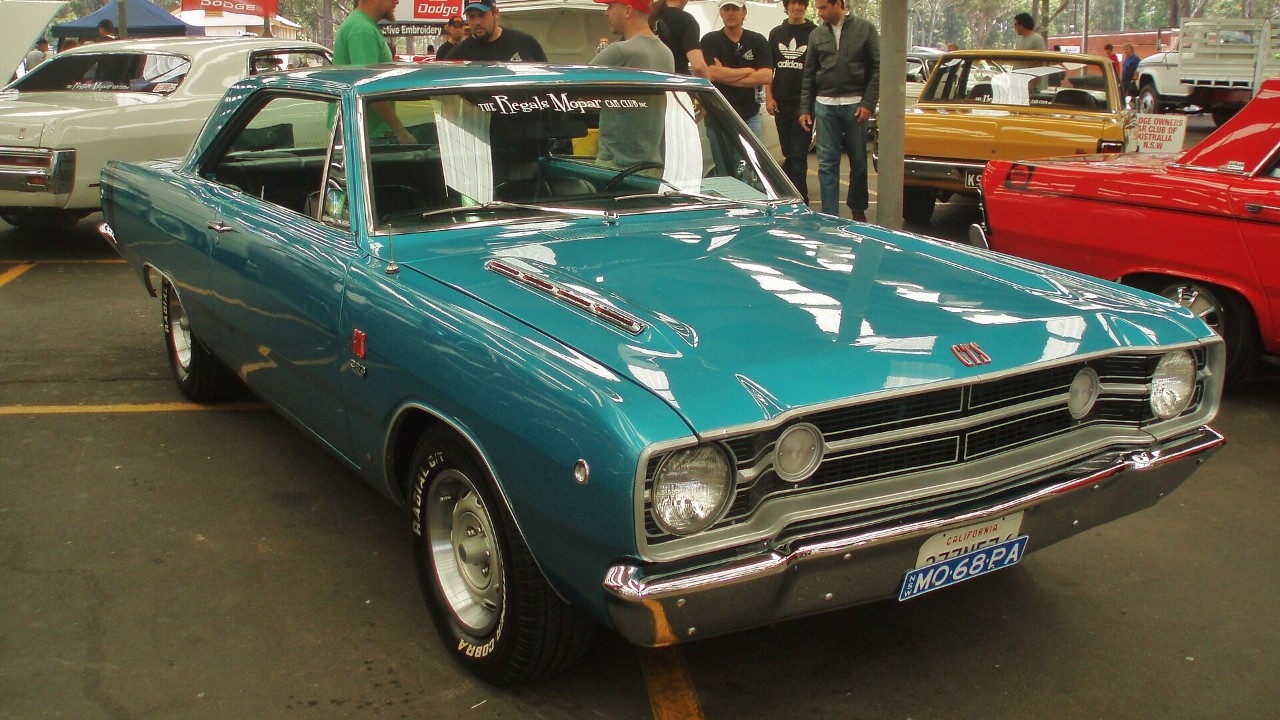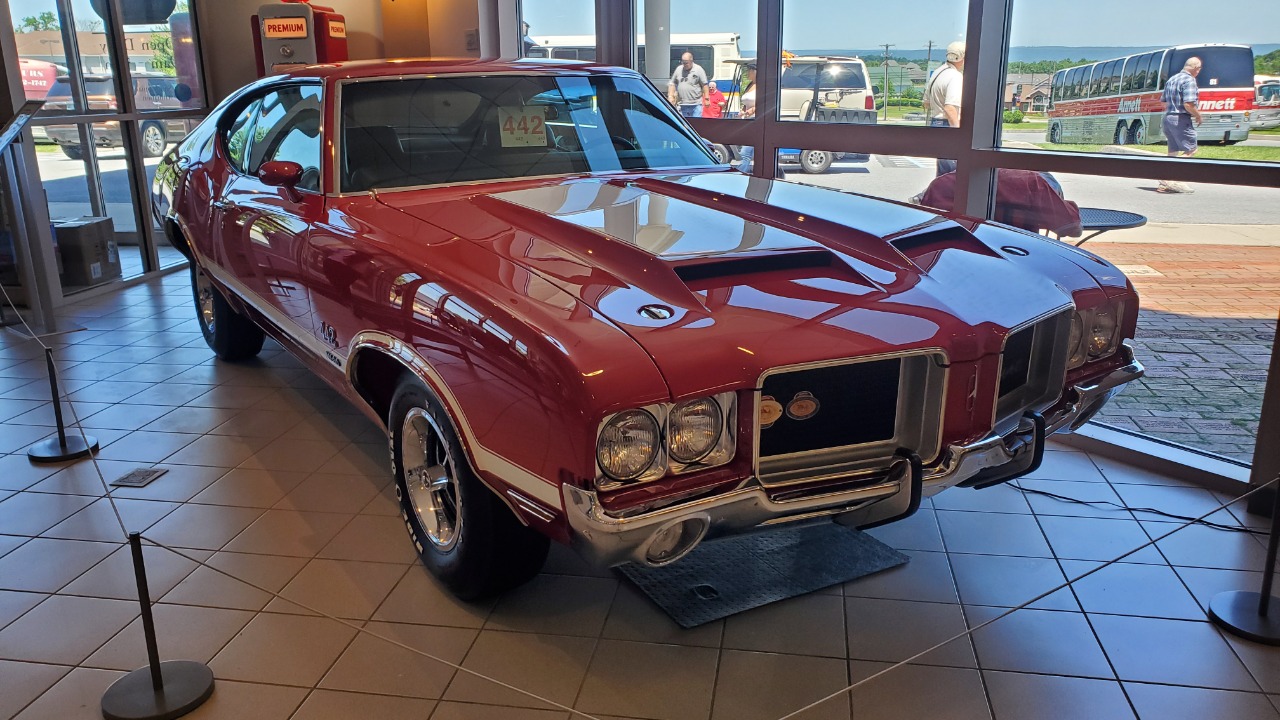
The muscle-car explosion of the 1960s created an all-out horsepower war where massive V8 engines became the ultimate badge of performance. Automakers competed fiercely to build louder, faster, and more intimidating street machines powered by enormous big blocks. These cars didn’t just dominate drag strips—they shaped American performance culture and turned big-cubic-inch engines into legends that enthusiasts still celebrate today.
Oldsmobile 442 W30
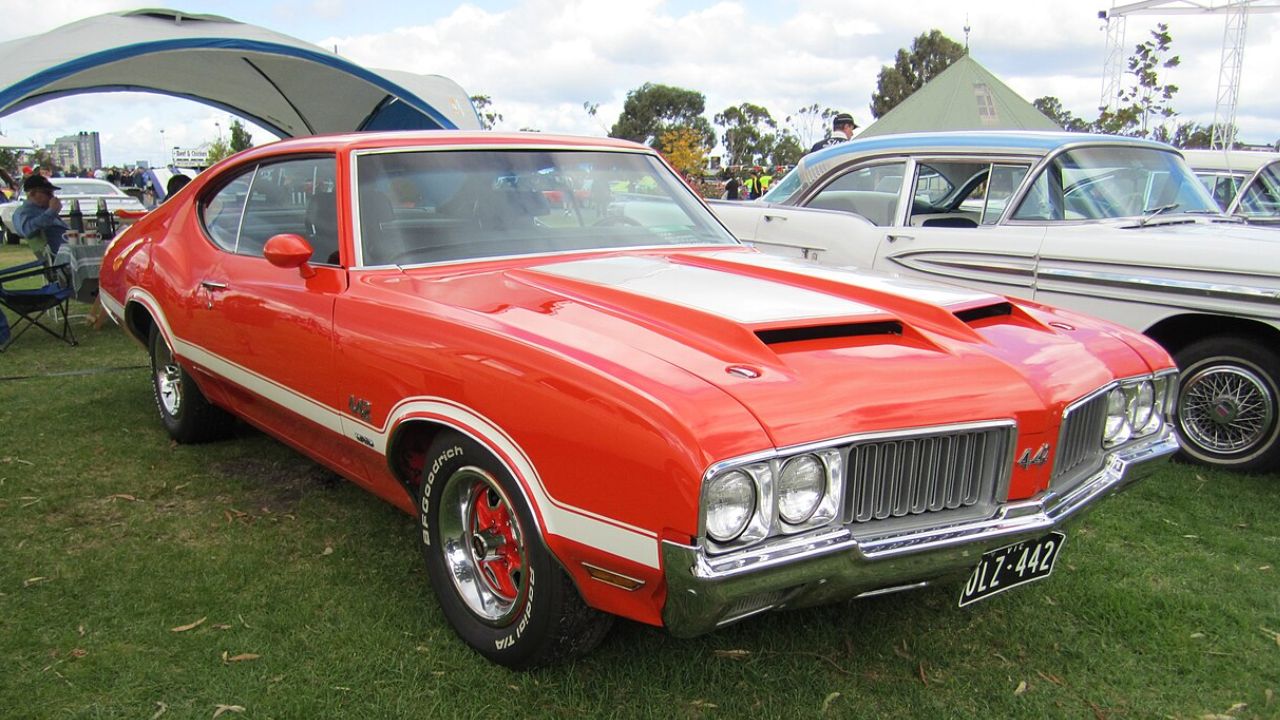
The Oldsmobile 442 W30 became one of the era’s most respected big-block machines thanks to its powerful V8 and surprisingly refined engineering. The W30 package improved airflow and performance, allowing the 442 to deliver brutal acceleration while maintaining strong street manners. Unlike some competitors that focused purely on raw aggression, the Oldsmobile balanced comfort with serious muscle. Its combination of torque-heavy power and understated styling helped establish it as one of the smartest big-block performers of the decade.
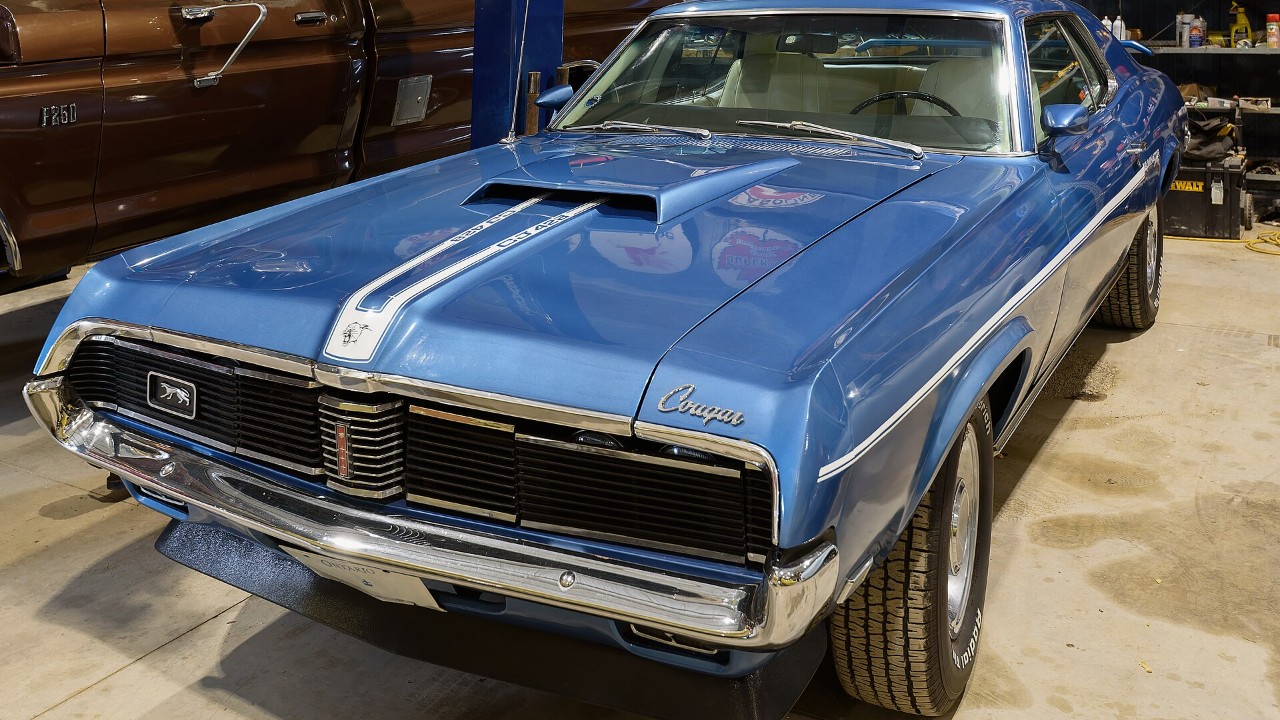
Mercury Cyclone Spoiler 429
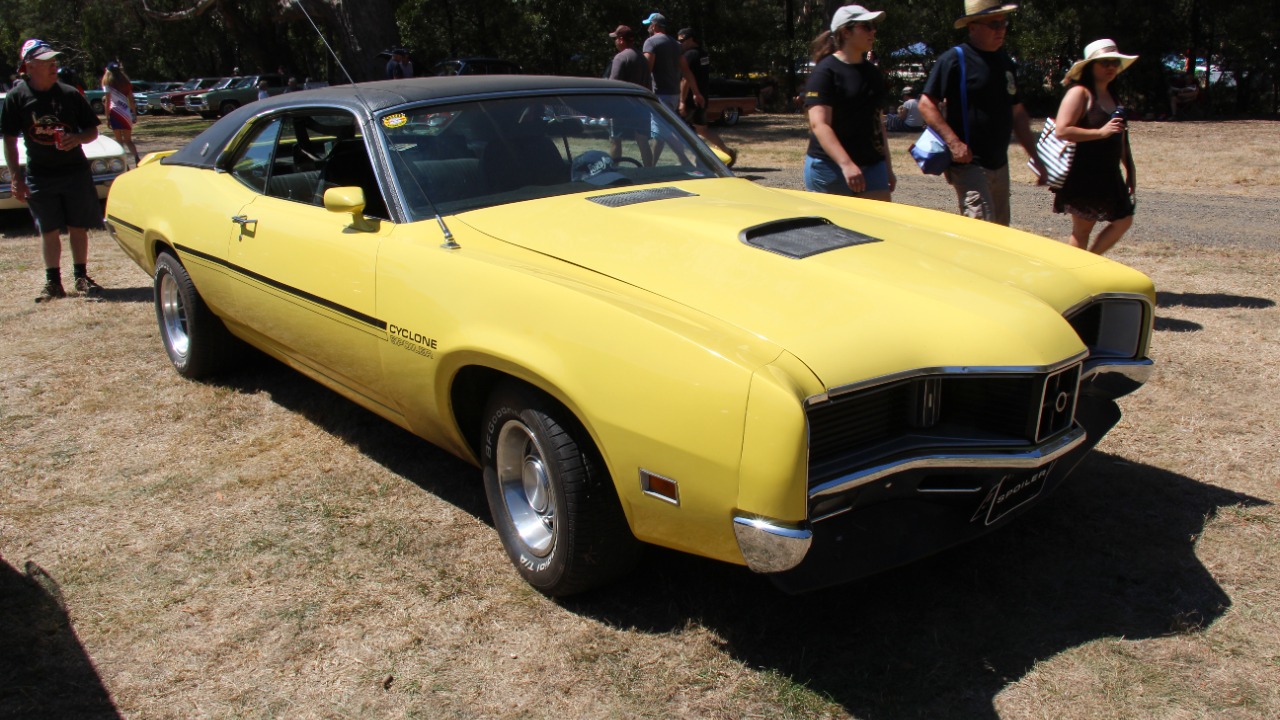
The Mercury Cyclone Spoiler 429 brought NASCAR-inspired attitude to the muscle-car world with aggressive styling and massive 429 cubic-inch power. Built during the peak of Ford’s performance wars, the Cyclone Spoiler delivered intimidating straight-line acceleration and strong high-speed capability. Its sleek fastback design gave it a unique appearance compared to more traditional muscle coupes. Though often overshadowed by Mustang models, the Cyclone proved Mercury could build serious big-block performance machines worthy of respect.
Chevrolet Biscayne 427

The Chevrolet Biscayne 427 shocked drivers by hiding enormous big-block power inside a relatively plain full-size sedan body. Equipped with Chevrolet’s legendary 427 V8, the Biscayne became a true sleeper capable of humiliating flashier muscle cars at stoplights and drag strips. Buyers who understood performance recognized it as one of the most dangerous factory sleepers of the 1960s. Its stripped-down approach emphasized raw speed over appearance, helping cement the 427 engine’s fearsome reputation.
Dodge Coronet Super Bee 440
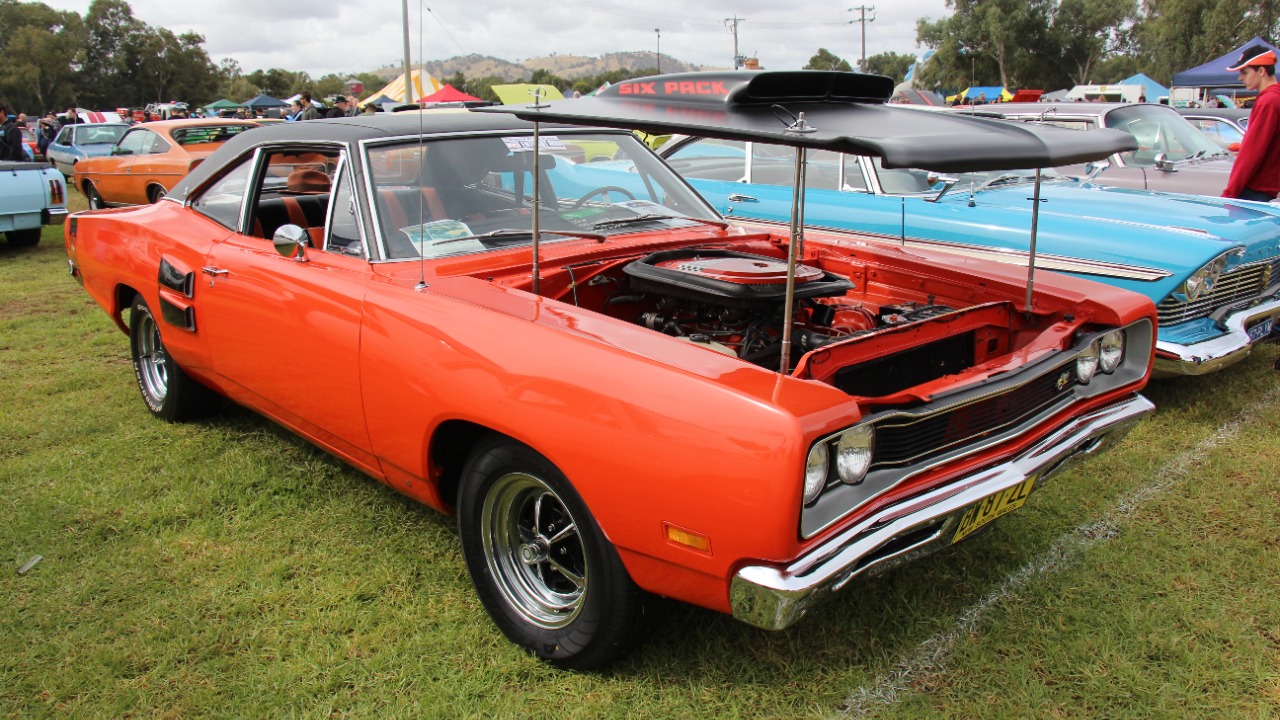
The Dodge Coronet Super Bee 440 helped make big-block performance more accessible by delivering enormous V8 power at a lower price than many rivals. The 440 Magnum engine produced massive torque that made the Super Bee devastating in straight-line acceleration. Bold graphics and aggressive styling reinforced its street-racing personality. The car became popular among younger buyers who wanted maximum horsepower without paying premium muscle-car prices, strengthening Dodge’s image during the height of the horsepower wars.
Pontiac Catalina 421 Super Duty

The Pontiac Catalina 421 Super Duty showed how serious Pontiac became about big-block performance during the early 1960s. Although based on a full-size platform, the Catalina’s lightweight construction and powerful 421 Super Duty engine turned it into a feared drag racing machine. It demonstrated that huge American sedans could still dominate quarter-mile competition when equipped with enough displacement and engineering focus. The car helped establish Pontiac as an early force in the muscle-car movement.
Ford Galaxie 427 Lightweight
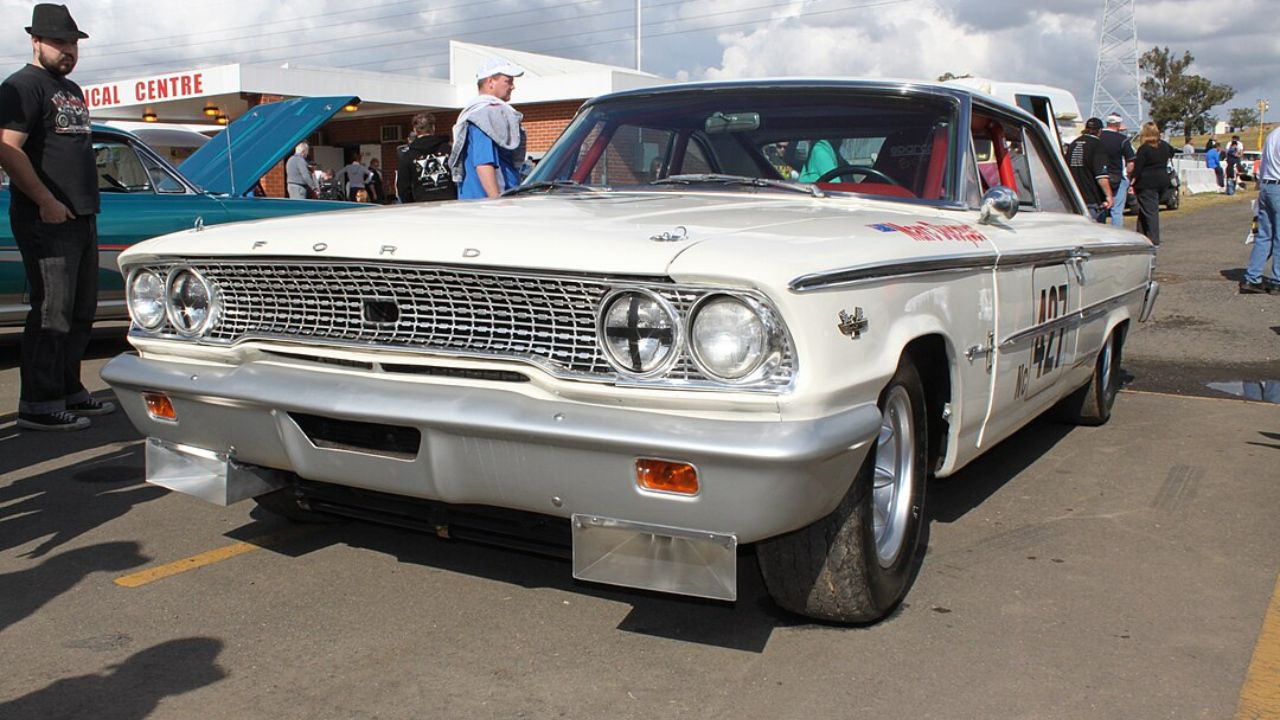
The Ford Galaxie 427 Lightweight became legendary because Ford stripped unnecessary weight from its full-size Galaxie platform and paired it with the brutal 427 V8. Built primarily for drag racing success, the Lightweight Galaxie delivered shocking acceleration despite its large dimensions. Aluminum body panels and racing-focused engineering gave it an edge against many rivals. Its existence proved Ford would push extreme measures to ensure the 427 engine dominated during the peak years of factory performance competition.
Buick Wildcat 430
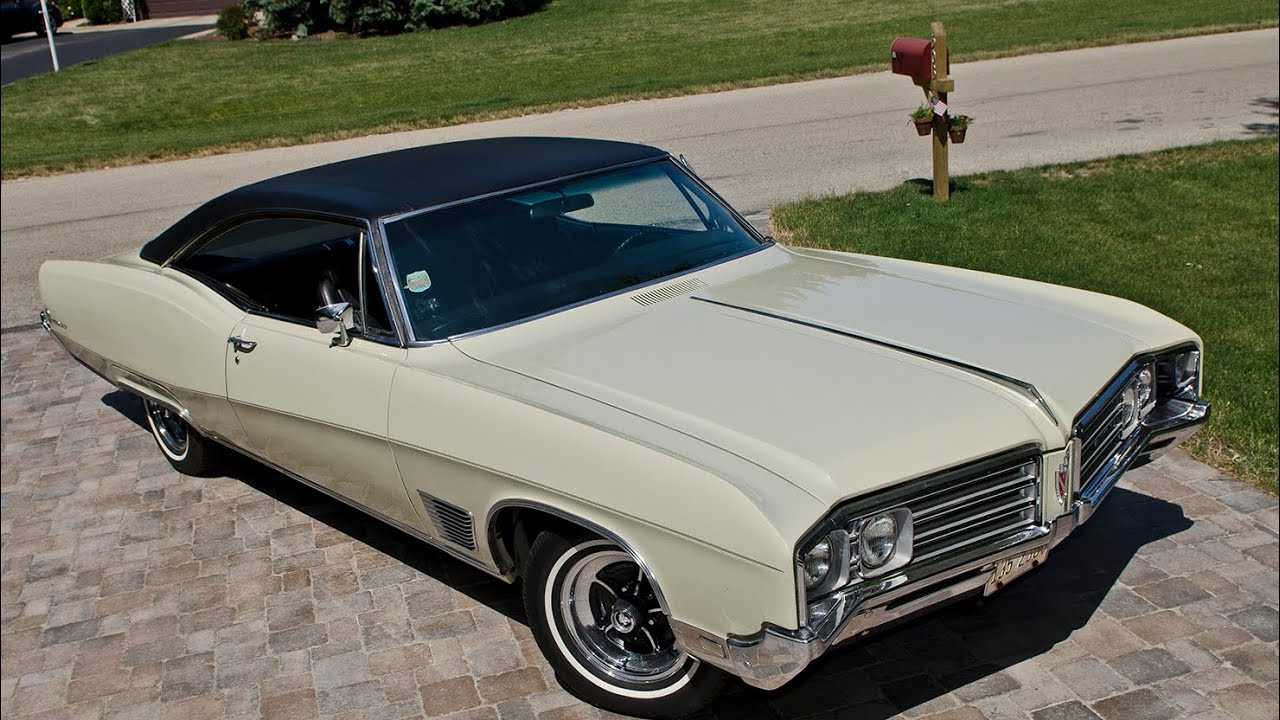
The Buick Wildcat 430 offered a different interpretation of muscle-car performance by combining premium comfort with enormous big-block torque. Powered by Buick’s strong 430 cubic-inch V8, the Wildcat delivered effortless acceleration and impressive highway speed while maintaining a smoother ride than many rivals. Its full-size dimensions and upscale interior gave it grand touring appeal, yet the massive engine ensured it still carried genuine muscle-car credentials during the late 1960s performance boom.
More from Fast Lane Only