As technology advances at a rapid pace, cars are becoming increasingly sophisticated. However, with new tech features come unexpected consequences, particularly in terms of vehicle reliability. From touchscreen controls to sensor-heavy technology, these features can sometimes do more harm than good. Let’s explore how these modern marvels are affecting the dependability of today’s vehicles.
1. Over reliance on Touchscreen Controls

Touchscreen controls have revolutionized car interiors, but their complexity can be a double-edged sword. When essential functions are embedded in touchscreens, any glitch can compromise driver safety and usability. As these systems become more advanced, software bugs and hardware malfunctions are becoming more frequent, leaving drivers stranded or frustrated. While they offer a sleek, modern look, the lack of tactile feedback can also distract drivers, potentially leading to accidents.
2. Advanced Driver-Assistance Systems (ADAS) Complexities

Advanced Driver-Assistance Systems (ADAS) are designed to enhance safety, but they can also introduce new complexities. These systems rely on multiple sensors and cameras, which can be prone to failure. Calibration issues or sensor malfunctions can lead to inaccurate readings, causing the system to behave unpredictably. According to industry experts, these complexities can significantly affect a vehicle’s reliability and lead to costly repairs.
3. Over-the-Air Software Updates Gone Wrong

While over-the-air (OTA) updates offer convenience, they can also cause unexpected problems. A botched update can lead to software glitches or even render a car inoperable. Issues such as battery drain and performance degradation can occur if an update does not install correctly. Although OTA updates allow manufacturers to fix bugs remotely, they also introduce new points of failure that can compromise vehicle reliability.
4. Integration of Biometric Access

Biometric access systems promise enhanced security, but they can also be unreliable. Issues like fingerprint sensor failures or facial recognition errors can leave drivers locked out of their vehicles. Environmental factors such as temperature and lighting can further complicate the reliability of these systems. While they offer a glimpse into the future of car security, the current technology is not foolproof and can lead to frustrating experiences.
5. Fragile Infotainment Systems

Infotainment systems have become a central feature in modern cars, but their complexity can often lead to reliability issues. These systems are prone to freezing, crashing, or developing bugs, making them a common source of driver frustration. As manufacturers pack more features into infotainment systems, the risk of malfunction increases, affecting everything from navigation to connectivity features. The fragile nature of these systems often results in costly repairs and decreased user satisfaction.
6. Electric Vehicle Battery Management Issues

The shift towards electric vehicles introduces new reliability challenges, particularly in battery management. Issues such as overheating, rapid degradation, and charging problems can plague electric vehicle owners. An intricate balance between performance and battery life is essential, but achieving this can be challenging. Battery management systems are crucial for maintaining efficiency, but their complexity can lead to unexpected failures, affecting the overall reliability of electric vehicles.
7. Sensor-Heavy Autonomous Driving Technology
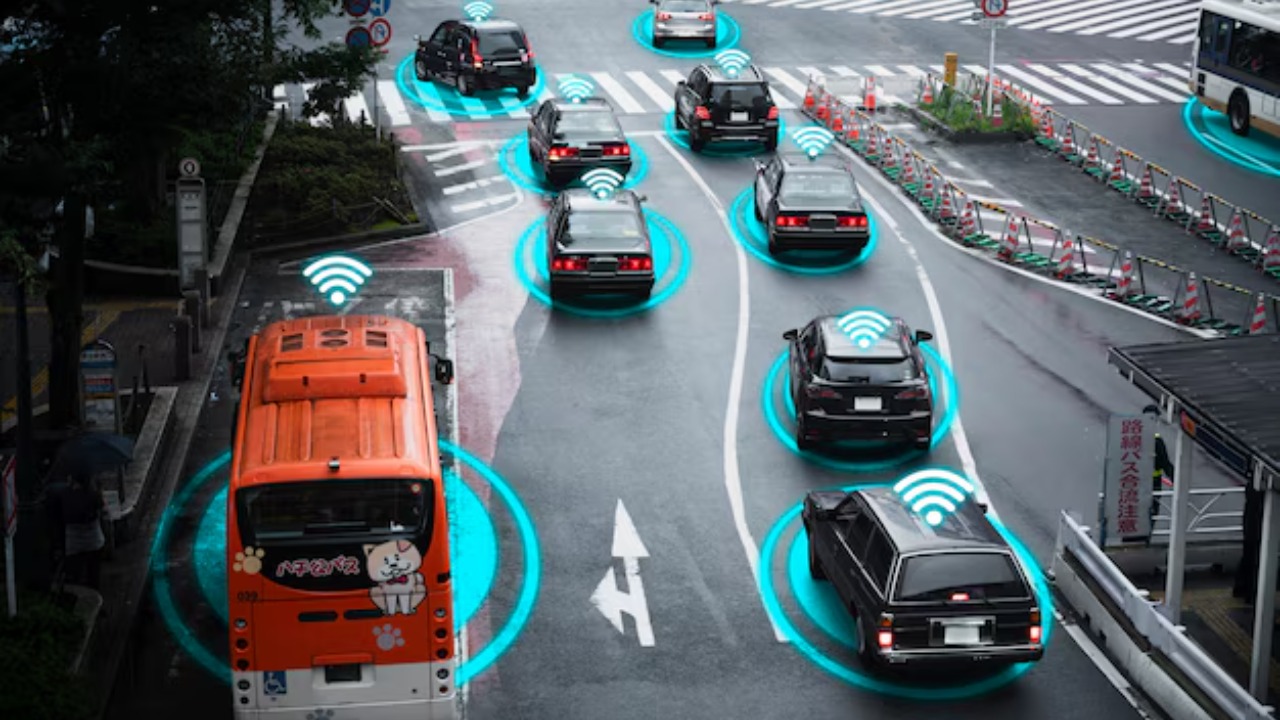
Autonomous driving technology relies heavily on sensors and cameras, which are susceptible to failure. Environmental factors such as weather conditions can compromise the accuracy of these sensors, leading to unreliable system performance. The complex network of interconnected systems required for autonomous driving increases the risk of malfunction. As this technology continues to develop, ensuring the reliability of these sensor-heavy systems will be crucial for widespread adoption.