In the world of automotive history, some models fade into obscurity despite their impressive performance and groundbreaking engineering. One such forgotten model, the De Tomaso Pantera, shared remarkable characteristics with some of the fastest cars of its time. This exploration delves into the innovations and performances that set it apart from its contemporaries.
The Forgotten Model: An Overview
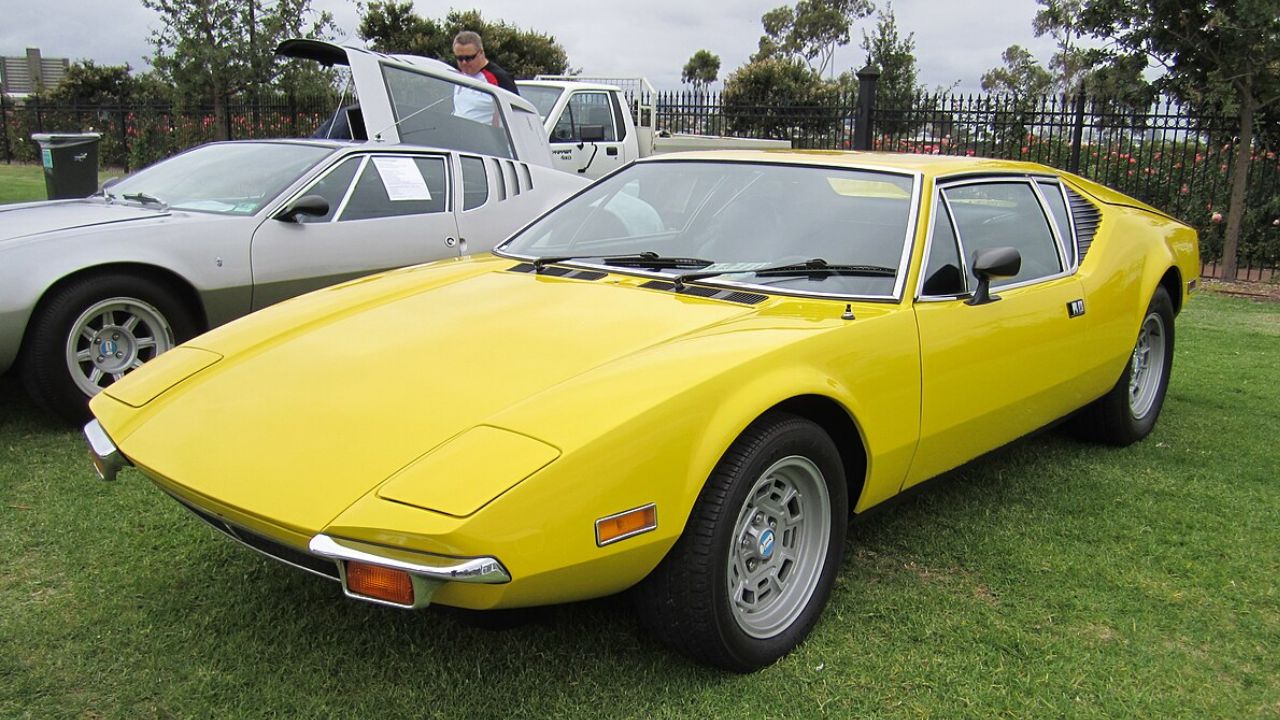
The De Tomaso Pantera, produced from 1971 to 1992, was born out of a collaboration between Argentine-born Italian designer Alejandro De Tomaso and Ford Motor Company. Initially meant to rival the Ferrari and Lamborghini models of the era, the Pantera was a unique blend of American muscle and Italian styling. Its design was primarily influenced by the desire to create a high-performance sports car that could compete on various levels, from street racing to motorsport competitions.
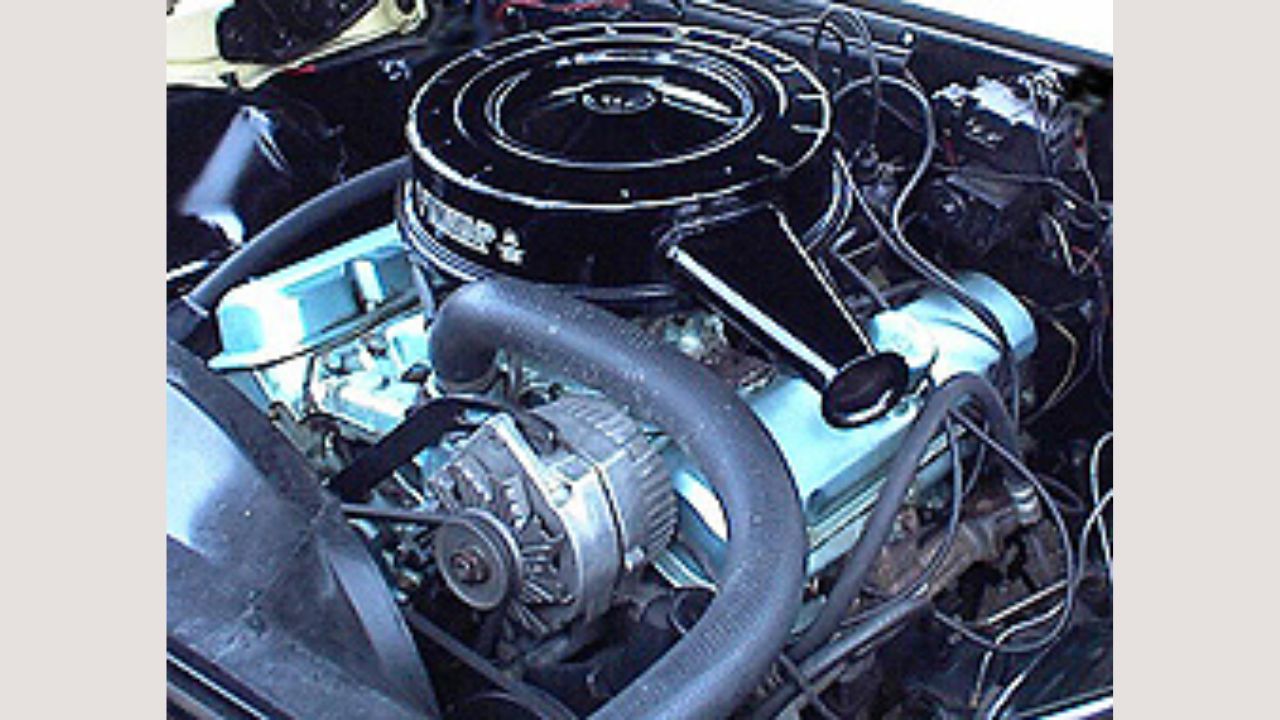
Under the sleek, angular exterior, the Pantera housed a formidable 5.8-liter Ford Cleveland V8 engine, which produced approximately 330 horsepower. This power enabled the car to accelerate from 0 to 60 mph in just under six seconds, a competitive time for its period. Its lightweight construction, thanks to a combination of steel and fiberglass, allowed for a favorable power-to-weight ratio, enhancing its performance capabilities. The Pantera’s design and engineering reflected the automotive landscape of the early 1970s, where power and speed were paramount.
Performance Metrics
The Pantera’s performance was impressive for its time, especially when compared to contemporary supercars. With its robust V8 engine, the Pantera reached a top speed of around 150 mph, placing it in the upper echelon of performance vehicles. For context, the Chevrolet Corvette of the same era, known for its speed and performance, was only slightly faster, making the Pantera a worthy competitor. Furthermore, the Pantera’s acceleration times were comparable to those of the iconic Lamborghini Miura, showcasing the effectiveness of its engineering.
In addition to its impressive speed and acceleration figures, the Pantera also made a name for itself in motorsport, achieving notable success in racing events during the 1970s. Its combination of power and lightweight design allowed it to compete effectively in various racing series, further solidifying its reputation. Innovations in engine technology, such as the use of aluminum in critical components, contributed to its impressive performance metrics and longevity as a classic sports car.
Design and Aesthetics
The design philosophy behind the De Tomaso Pantera was heavily influenced by the aesthetics of the era. The car’s low profile, aggressive stance, and distinctive lines were hallmarks of 1970s automotive design. The front-end styling, characterized by sharp angles and a wide grille, was reminiscent of other high-performance vehicles of the time, such as the Ferrari Daytona. I often find myself admiring how the Pantera’s unique silhouette still holds a captivating allure, even decades after its production.
Aerodynamics played a significant role in the Pantera’s design, as it was engineered to minimize drag and enhance stability at high speeds. The car featured a rear spoiler that improved downforce and contributed to its sporting credentials. When compared to other high-speed vehicles from the same era, such as the Porsche 911, the Pantera’s design was strikingly different, yet equally effective in terms of performance. The aesthetic appeal of the Pantera continues to resonate with enthusiasts, making it a sought-after model among collectors today.
Technological Innovations
The De Tomaso Pantera was equipped with several advanced engineering features that set it apart from its contemporaries. For instance, the use of a mid-engine layout not only improved weight distribution but also enhanced handling characteristics. This innovative design aspect was ahead of its time and has since become a standard in modern supercar design. The suspension system, which utilized independent coil springs and shock absorbers, further contributed to the car’s agility and ride comfort.
In comparison to competing models, the Pantera also incorporated cutting-edge technologies such as power-assisted steering and disc brakes, which were not universally available in vehicles of its time. These features not only improved the driving experience but also established the Pantera as a forward-thinking model in terms of engineering. The legacy of these innovations is evident in many modern performance cars, which continue to draw inspiration from the Pantera’s engineering prowess. You can read more about similar technological advancements in vintage models from the past in this article.
The Market and Reception
Upon its release, the De Tomaso Pantera garnered significant attention from both the public and automotive critics. Its combination of Italian design and American muscle created a unique appeal that captured the imagination of car enthusiasts. However, despite its initial success, the Pantera faced challenges in maintaining its popularity. Factors such as rising fuel prices in the late 1970s and the introduction of more fuel-efficient models led to a decline in demand for high-performance sports cars.
Moreover, the Pantera’s market positioning was somewhat complicated by its association with Ford, which provided the engine and other components. While this partnership initially bolstered the car’s credibility, it also meant that the Pantera was often overshadowed by other Ford models that were more accessible to the average consumer. The combination of these factors contributed to the Pantera’s eventual obscurity, despite its impressive performance and design.
Racing Heritage
The Pantera’s involvement in motorsport played a crucial role in shaping its reputation as a performance vehicle. Throughout the 1970s, the car participated in various racing events, including the FIA International Championship for Manufacturers. Its racing pedigree not only demonstrated its capabilities on the track but also influenced the development of subsequent models. The feedback from racing experiences helped refine the Pantera’s performance attributes, making it a better vehicle for both track and road use.
Additionally, the Pantera’s success in motorsport helped elevate its status among automotive enthusiasts. The connection to racing provided a sense of authenticity and excitement that many collectors and fans sought. The legacy of the Pantera in racing can still be felt today, as many vintage racing events feature this iconic model, allowing a new generation of enthusiasts to appreciate its performance and heritage. For a closer look at its racing history, check out this video showcasing its capabilities.
Cultural Impact
The De Tomaso Pantera’s cultural significance extends beyond its performance metrics and design. The car has made appearances in various films and media, often representing the epitome of cool and sophistication. From its inclusion in action movies to its presence in car enthusiast magazines, the Pantera has remained a symbol of 1970s automotive culture. Its unique styling and powerful performance have made it a favorite among collectors and enthusiasts alike.
Moreover, the Pantera has influenced car enthusiasts over the decades, inspiring a sense of nostalgia for the era of raw performance and distinctive design. Collectors often seek out well-preserved models, and restoration projects for the Pantera have become popular among automotive enthusiasts. Its impact on the automotive culture is evident, as it stands alongside other iconic models that have maintained their cultural relevance, like the Chevrolet Corvette and the Porsche 911.
Modern Revival and Interest
In recent years, there has been a resurgence of interest in vintage car restoration and appreciation, with the De Tomaso Pantera at the forefront of this trend. Car shows and gatherings dedicated to classic models have seen a growing number of Panteras, showcasing the model’s enduring appeal. Enthusiasts are increasingly drawn to the Pantera for its unique blend of Italian flair and American muscle, making it a desirable addition to any classic car collection.
As the automotive community continues to celebrate the legacy of the Pantera, collectors and historians alike are recognizing its significance in the history of performance cars. Events dedicated to the model have begun to emerge, where enthusiasts can share their passion and knowledge about this iconic vehicle. The Pantera’s revival is a testament to its lasting impact and the appreciation for the engineering innovations it brought to the automotive world.
Lessons Learned from Automotive History
The story of the De Tomaso Pantera serves as a reminder of the complexities within automotive history. While some models achieve legendary status, others fade into obscurity despite their groundbreaking contributions. The Pantera’s journey highlights the importance of innovation and adaptability in the automotive industry. Vehicles that embrace new technologies and design philosophies often stand the test of time, while others may be forgotten in the ever-evolving market.
Reflecting on the Pantera’s features and advancements provides valuable insights into what future automotive designs should consider. From aerodynamics to engine technology, the lessons learned from this forgotten model can inform the next generation of performance cars. As the automotive landscape continues to evolve, the legacy of the Pantera will serve as a benchmark for excellence and a reminder of the importance of blending performance with innovative design.
More from Fast Lane Only