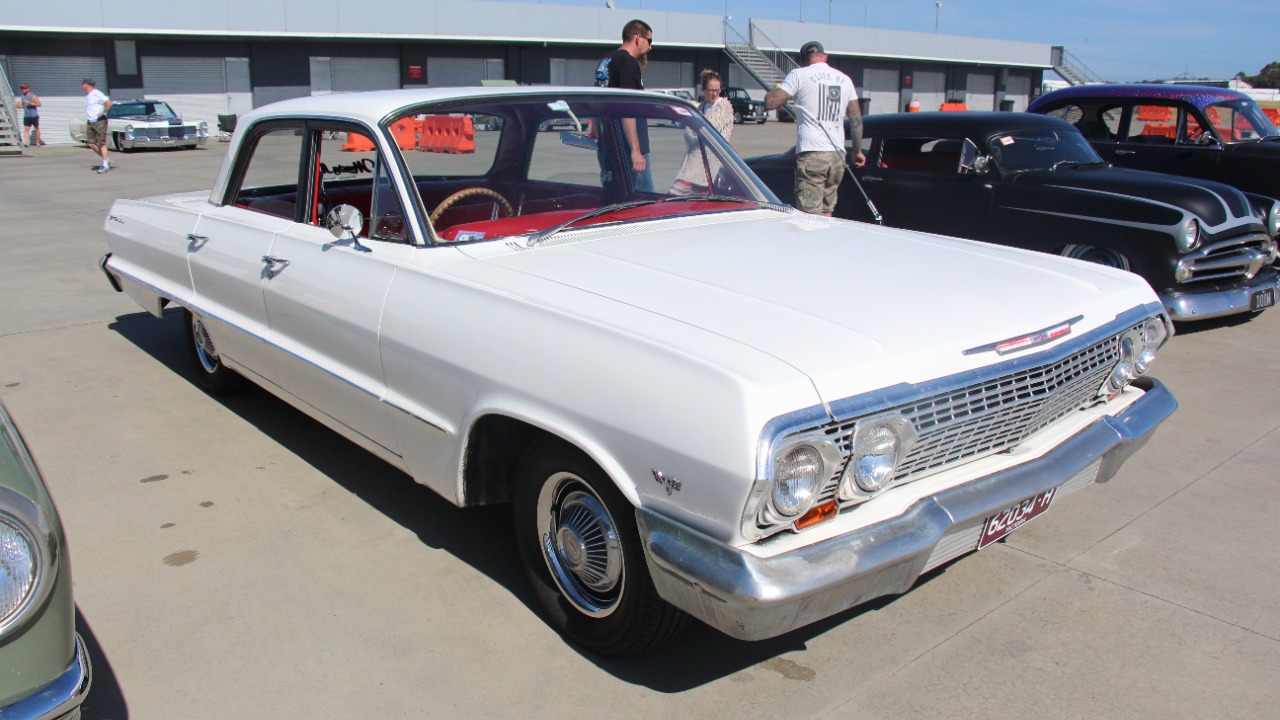
Some of the most influential vehicles in automotive history came remarkably close to never reaching production. Budget concerns, uncertain markets, and corporate hesitation nearly ended these projects before they began. Fortunately, these automobiles survived the odds and went on to become some of the industry’s greatest success stories.
Ford Mustang
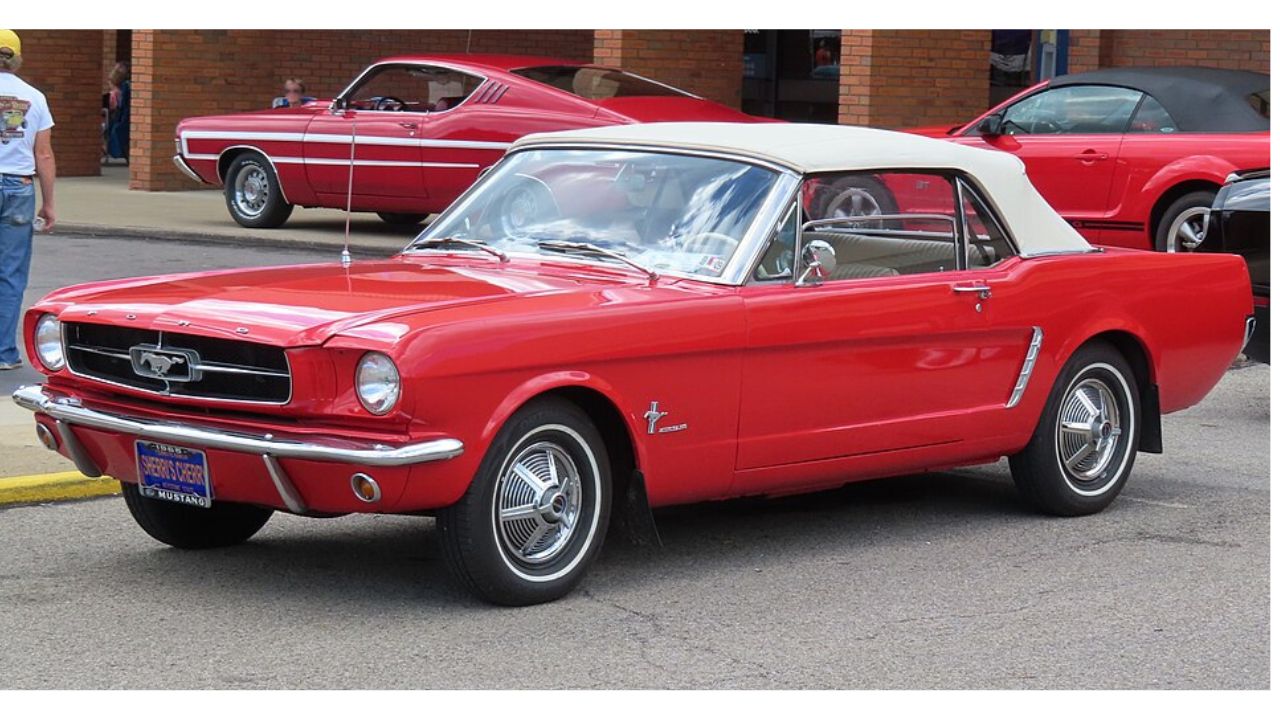
The Ford Mustang was developed under tight deadlines and uncertain expectations, with many questioning whether a sporty, affordable coupe could attract enough buyers. When it debuted in 1964, demand exceeded nearly every forecast. Its extraordinary success created the pony car segment and reshaped the American automotive market for decades.
Jeep CJ-2A
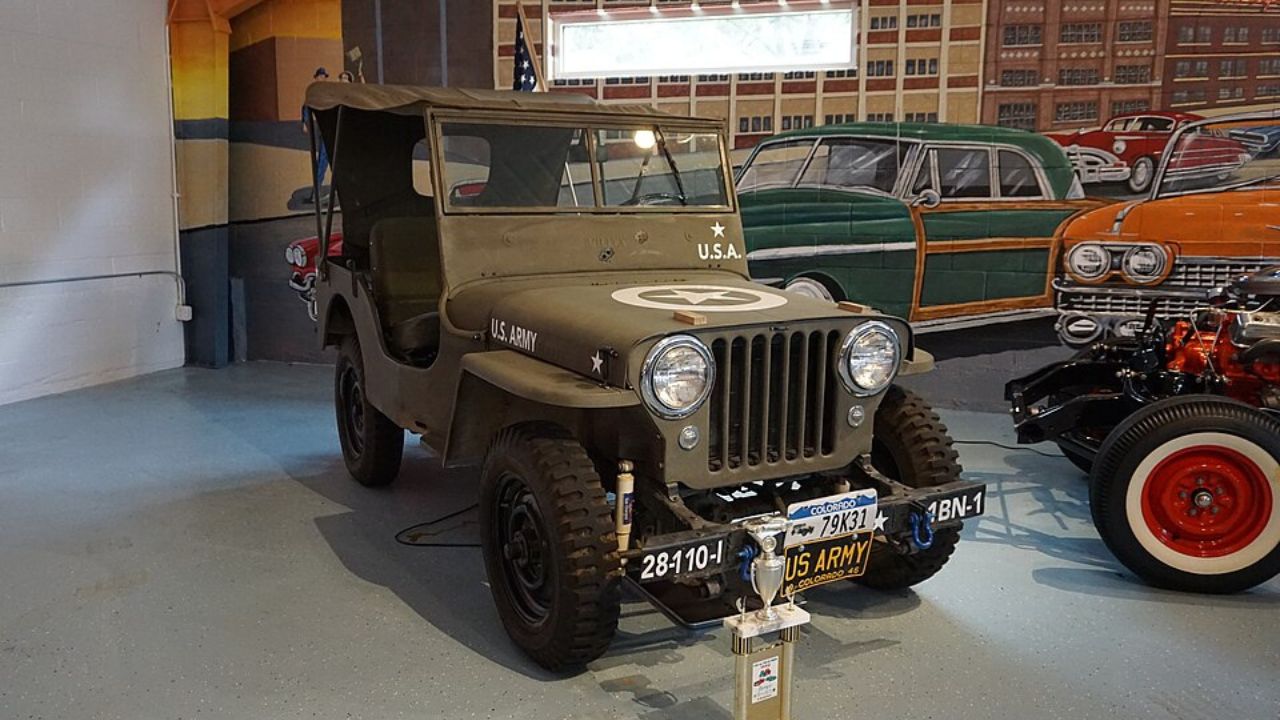
Following World War II, there was considerable uncertainty about whether a civilian version of the military Jeep could find enough customers. The CJ-2A proved those concerns unfounded by becoming a favorite among farmers, ranchers, and outdoor enthusiasts. Its success established Jeep as a lasting civilian automotive brand.
Chrysler Minivan

The front-wheel-drive Chrysler minivan faced skepticism before production, with some executives questioning whether families would embrace an entirely new type of vehicle. Once introduced, its spacious interior and practical design transformed family transportation. The minivan’s success helped secure Chrysler’s future while inspiring competitors to develop similar vehicles.
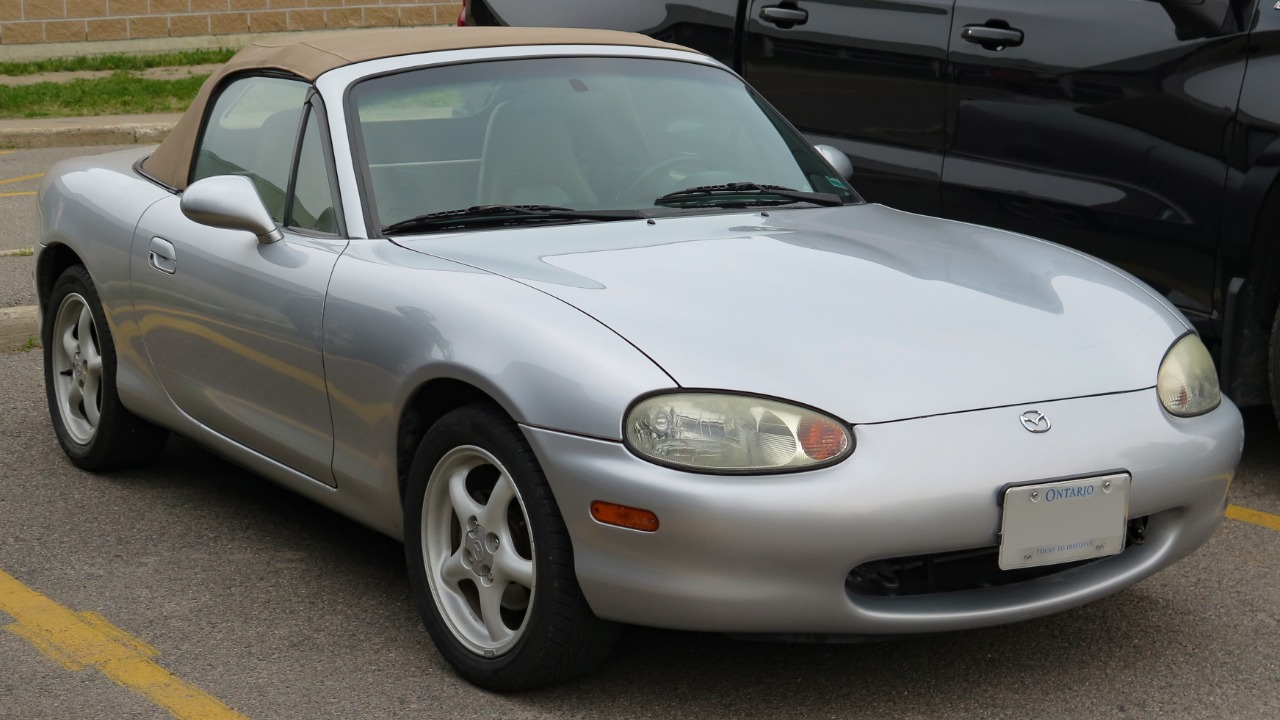
Mazda MX-5 Miata
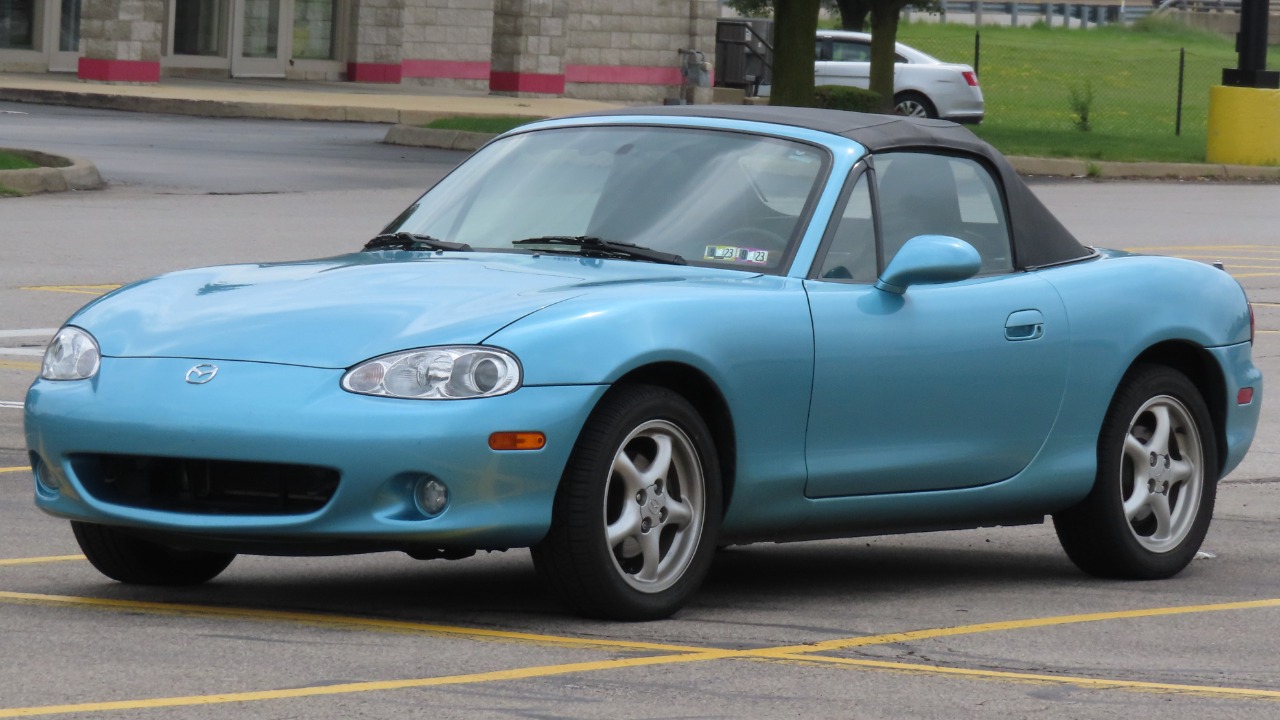
Many believed lightweight roadsters had little future by the late 1980s, making the Mazda MX-5 Miata a risky investment. Instead, it revived enthusiasm for affordable open-top sports cars through simplicity, reliability, and engaging handling. Its popularity encouraged renewed interest in driver-focused roadsters worldwide.
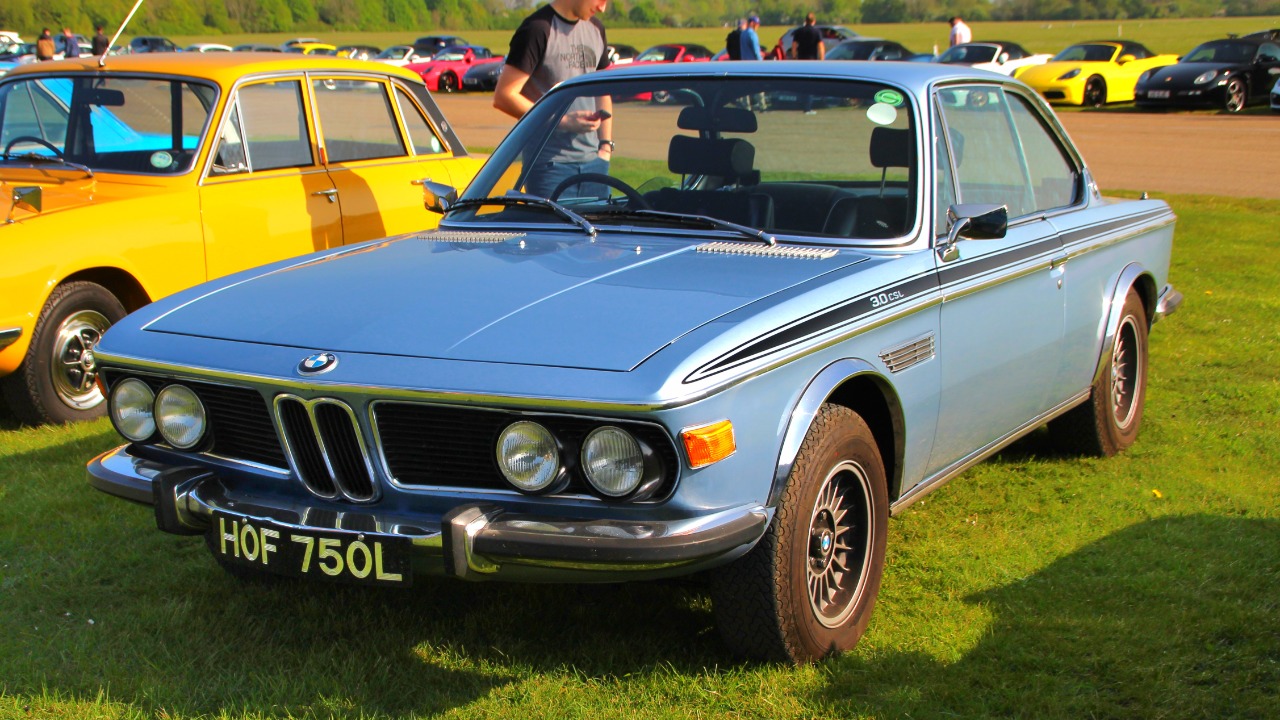
BMW 2002
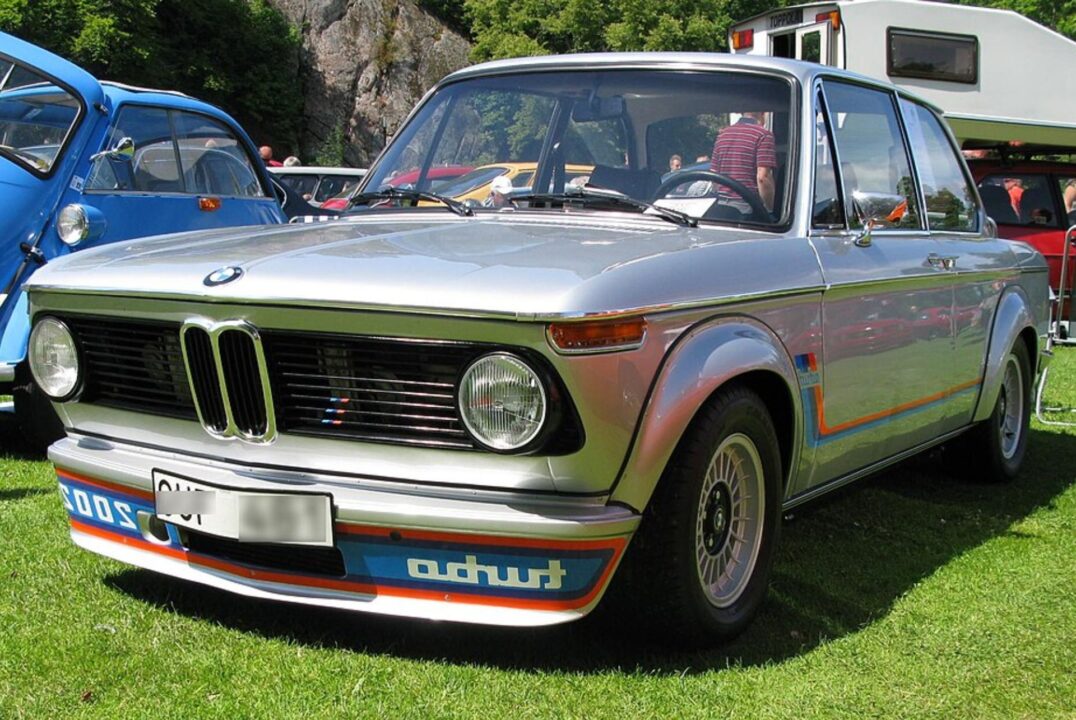
The BMW 2002 emerged after combining an existing compact chassis with a larger engine, creating a balanced sports sedan almost by accident. Originally viewed as a niche product, it quickly became one of BMW’s defining models. Its success established the company’s reputation for building practical cars with exceptional driving dynamics.
Dodge Viper
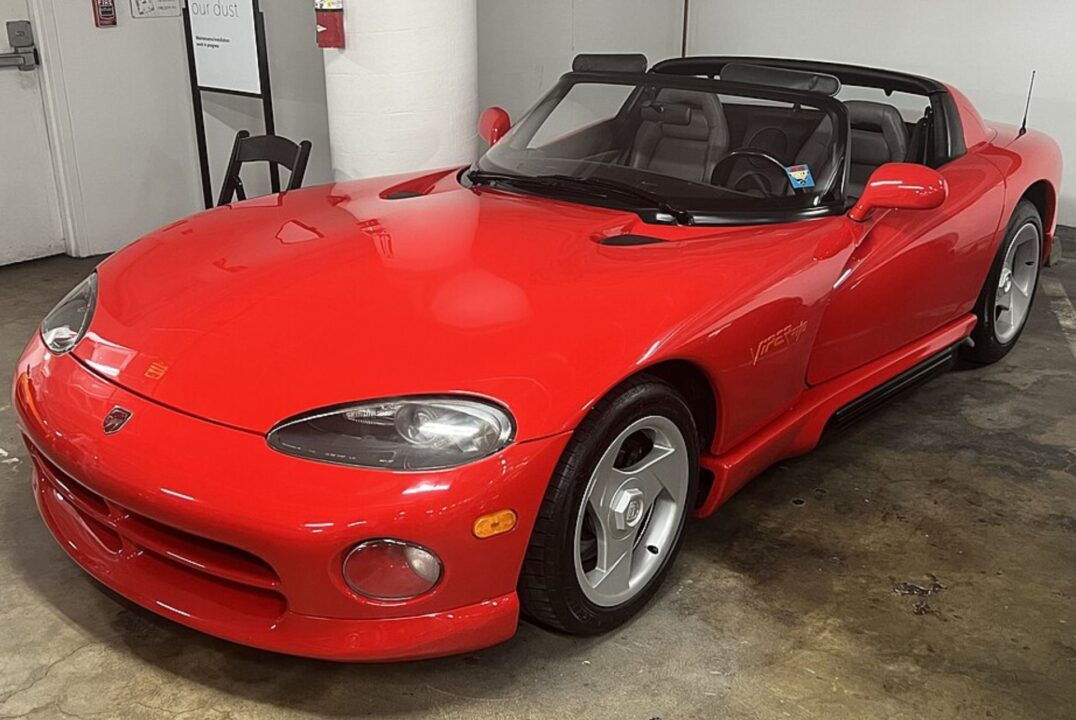
The Dodge Viper nearly remained a concept car before receiving approval for production. Its uncompromising approach to performance, minimal electronic assistance, and dramatic styling challenged conventional wisdom. Enthusiast demand ultimately justified the project, allowing the Viper to become one of America’s most recognizable modern performance cars.
Toyota Prius
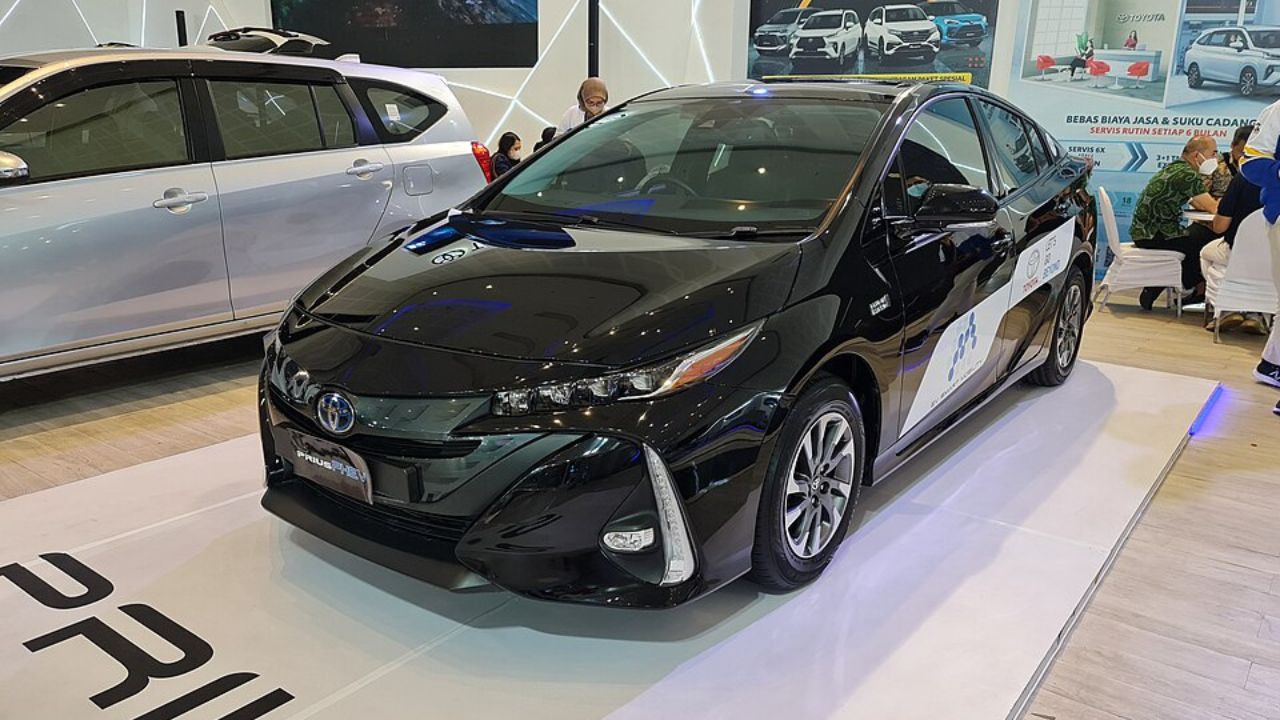
The Toyota Prius required enormous investment at a time when hybrid technology remained largely unproven. Questions surrounded both consumer demand and long-term viability, yet Toyota continued development. The Prius eventually became the world’s best-known hybrid, encouraging widespread investment in fuel-saving technologies across the automotive industry.
Tesla Model S

The Tesla Model S arrived when many observers doubted an electric luxury sedan could compete with established premium brands. By combining impressive range, rapid acceleration, advanced software, and everyday practicality, it exceeded expectations. Its success accelerated the automotive industry’s transition toward electrification and permanently changed how manufacturers approached electric vehicles.
More from Fast Lane Only
- Unboxing the WWII Jeep in a Crate
- 15 rare Chevys collectors are quietly buying
- 10 underrated V8s still worth hunting down
- Police notice this before you even roll window down
*Research for this article included AI assistance, with all final content reviewed by human editors