Horsepower figures often dominate automotive conversations, but they don’t tell the whole story. Throughout history, some cars managed to outperform rivals that appeared superior on paper. Through lighter weight, better handling, smarter engineering, or more efficient power delivery, these vehicles proved that winning wasn’t always about having the biggest engine.
Lotus Elise
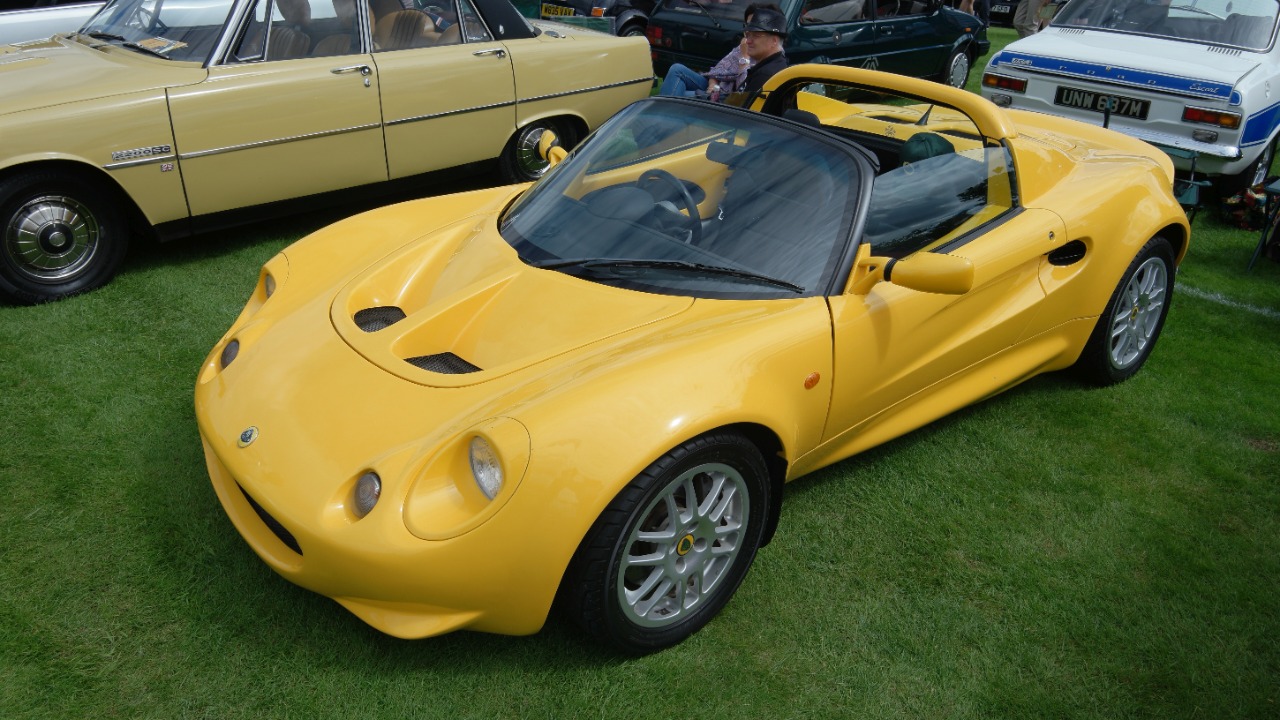
The Lotus Elise never relied on massive horsepower to make its point. Its lightweight construction and razor-sharp handling allowed it to outrun and out-corner far more powerful sports cars on challenging roads and race tracks. Drivers quickly discovered that the Elise’s low weight and balanced chassis made every horsepower count, creating a performance experience that routinely embarrassed heavier and more powerful rivals.
Acura Integra Type R
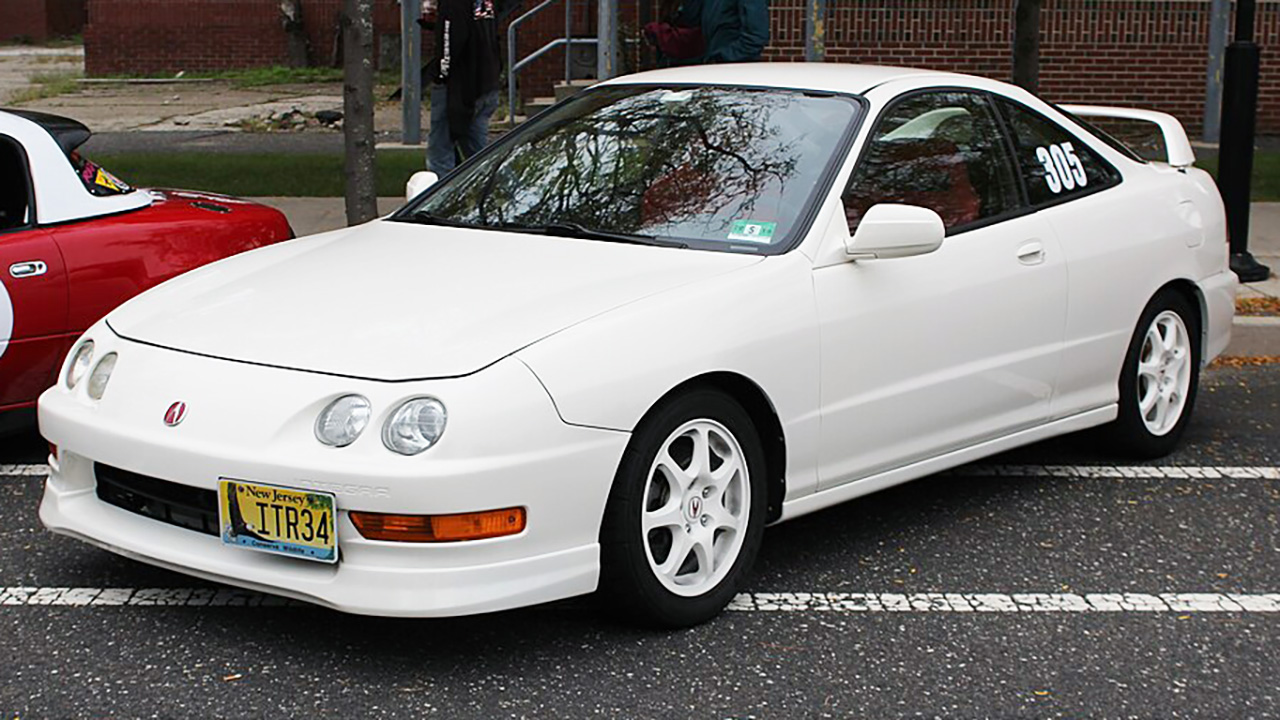
The Acura Integra Type R became legendary for extracting extraordinary performance from a relatively modest engine. While competitors often boasted larger displacement and higher power figures, the Integra’s lightweight design, responsive chassis, and precise handling helped it deliver exceptional real-world speed. Many enthusiasts considered it one of the best-driving front-wheel-drive cars ever built, regardless of horsepower ratings.
BMW 2002
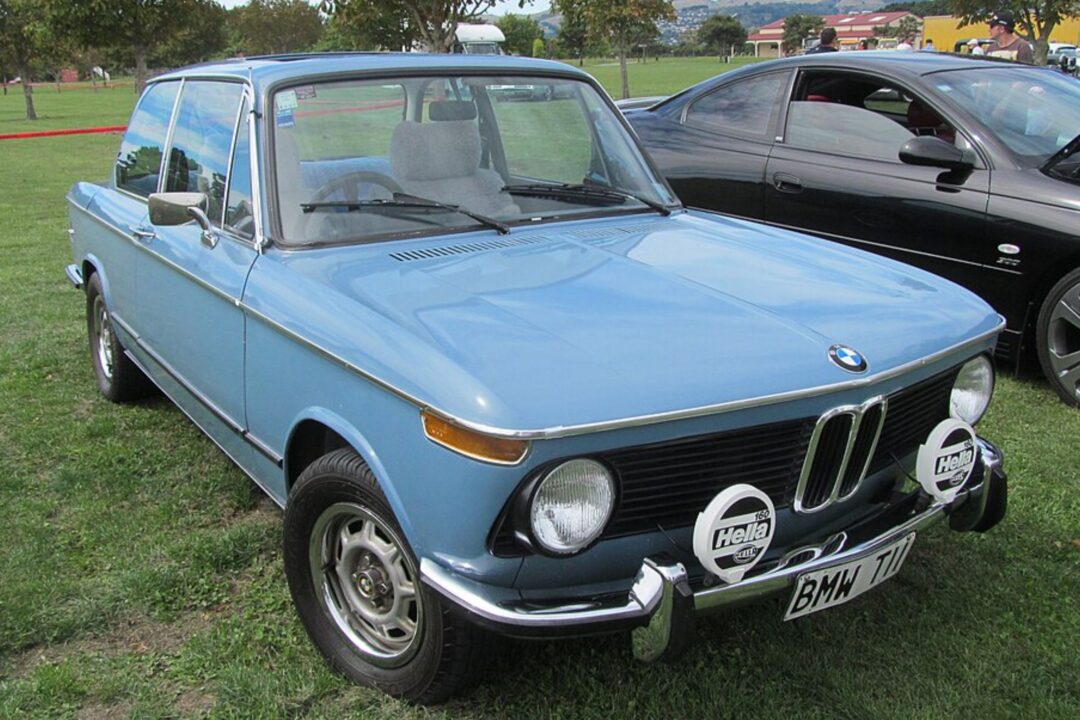
The BMW 2002 helped establish the sports sedan formula by proving that balance could be more important than brute force. Its nimble handling and lightweight design allowed it to challenge larger, more powerful competitors. Drivers appreciated its responsiveness and agility, qualities that frequently enabled the 2002 to outperform cars that seemed superior when judged solely by engine specifications.
Mazda MX-5 Miata
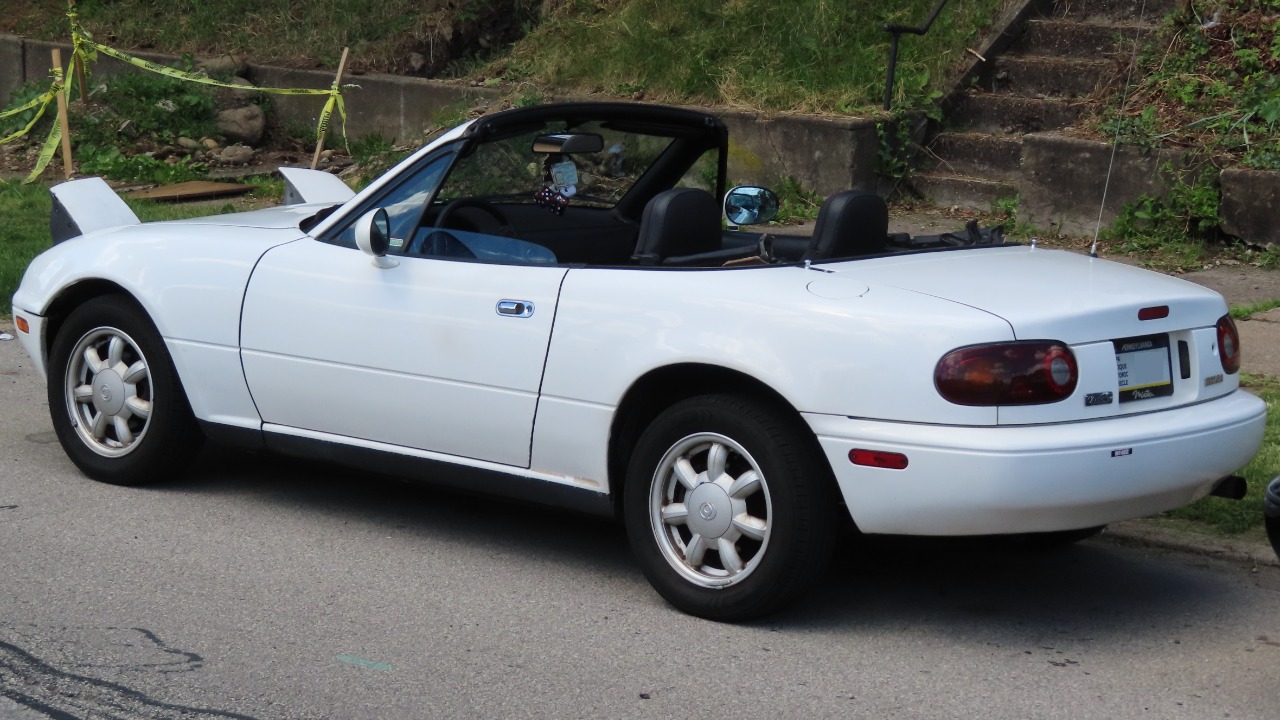
The Mazda MX-5 Miata has spent decades demonstrating that driving enjoyment doesn’t require enormous horsepower. Its lightweight construction and exceptional balance allow it to carry speed through corners that many more powerful cars struggle to match. On winding roads, the Miata often surprises drivers accustomed to judging performance by horsepower alone, earning a reputation as a giant killer.
Renault Clio V6
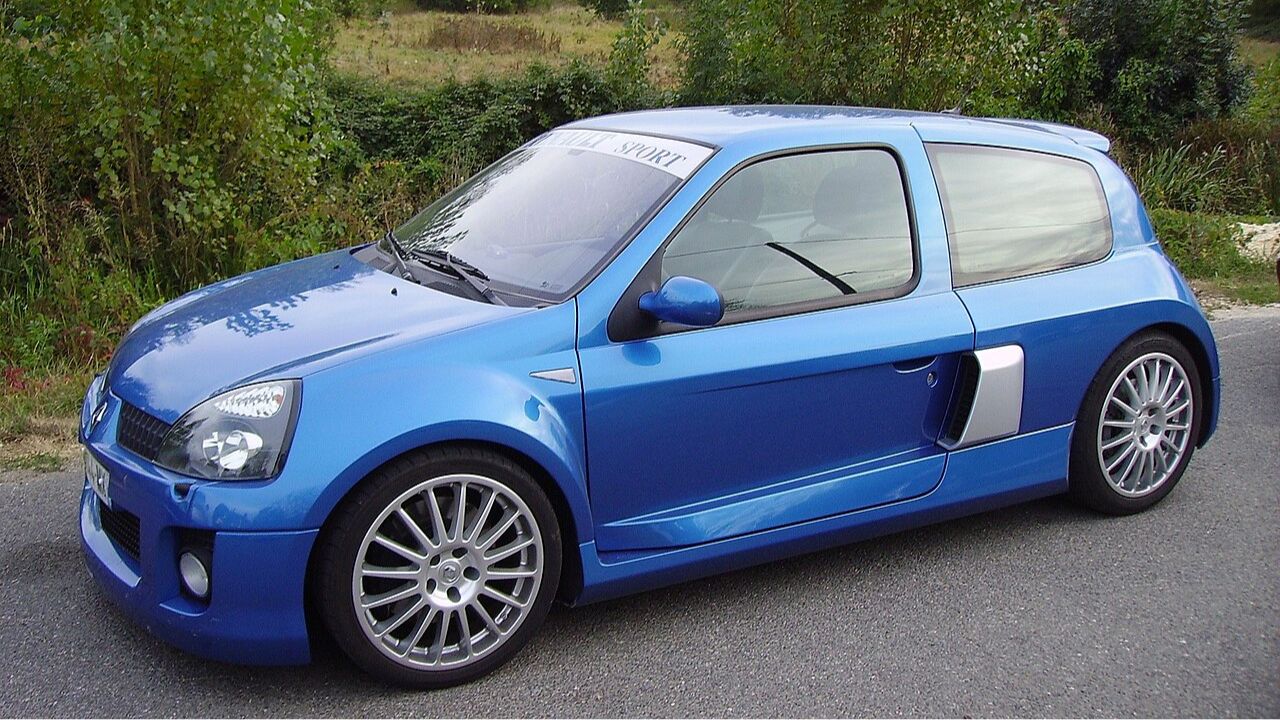
Despite having less power than many contemporary sports cars, the Renault Clio V6 offered a unique mid-engine layout and remarkable agility. Its compact dimensions and responsive handling allowed it to challenge rivals with significantly larger engines. The Clio V6 demonstrated how intelligent packaging and chassis development could compensate for horsepower deficits and create a truly memorable performance car.
Porsche 944
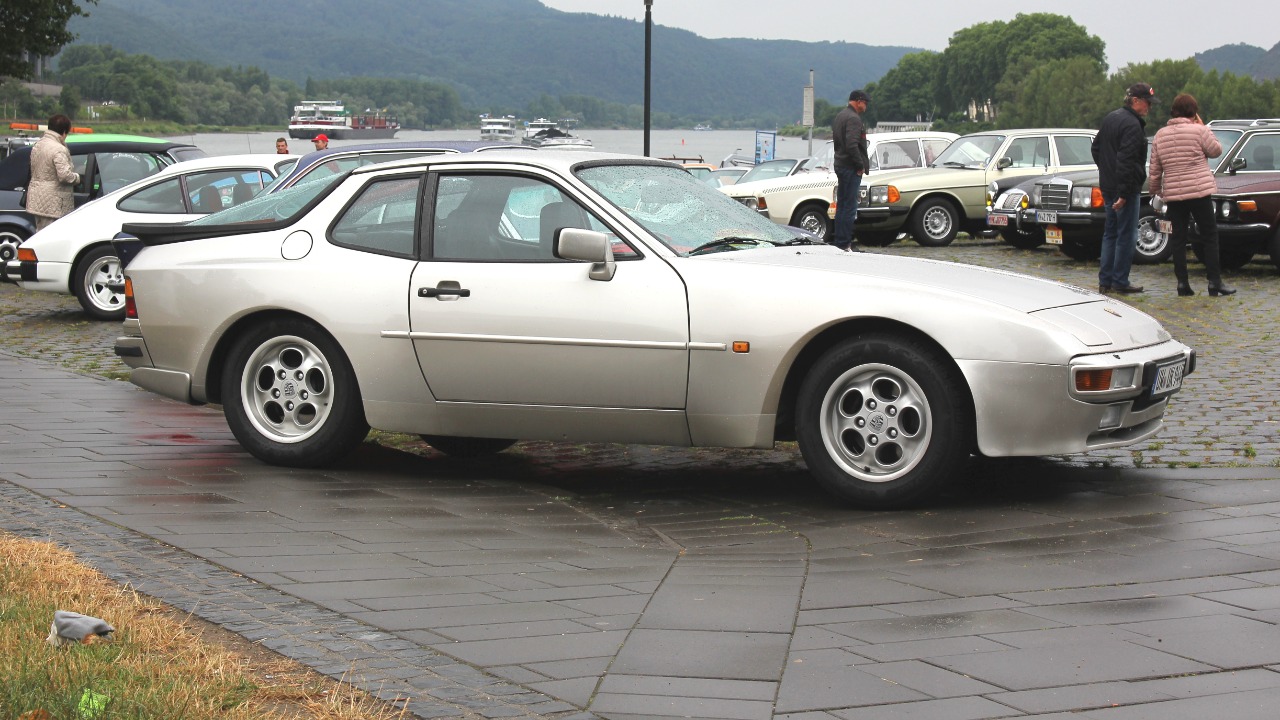
The Porsche 944 frequently found itself compared against vehicles boasting significantly more horsepower. Yet its near-perfect weight distribution and exceptional handling often allowed it to keep pace with or outperform them. Drivers praised the 944’s confidence-inspiring dynamics and precision. Its ability to maximize every available horsepower helped it earn respect throughout the sports-car world.
Mini Cooper S
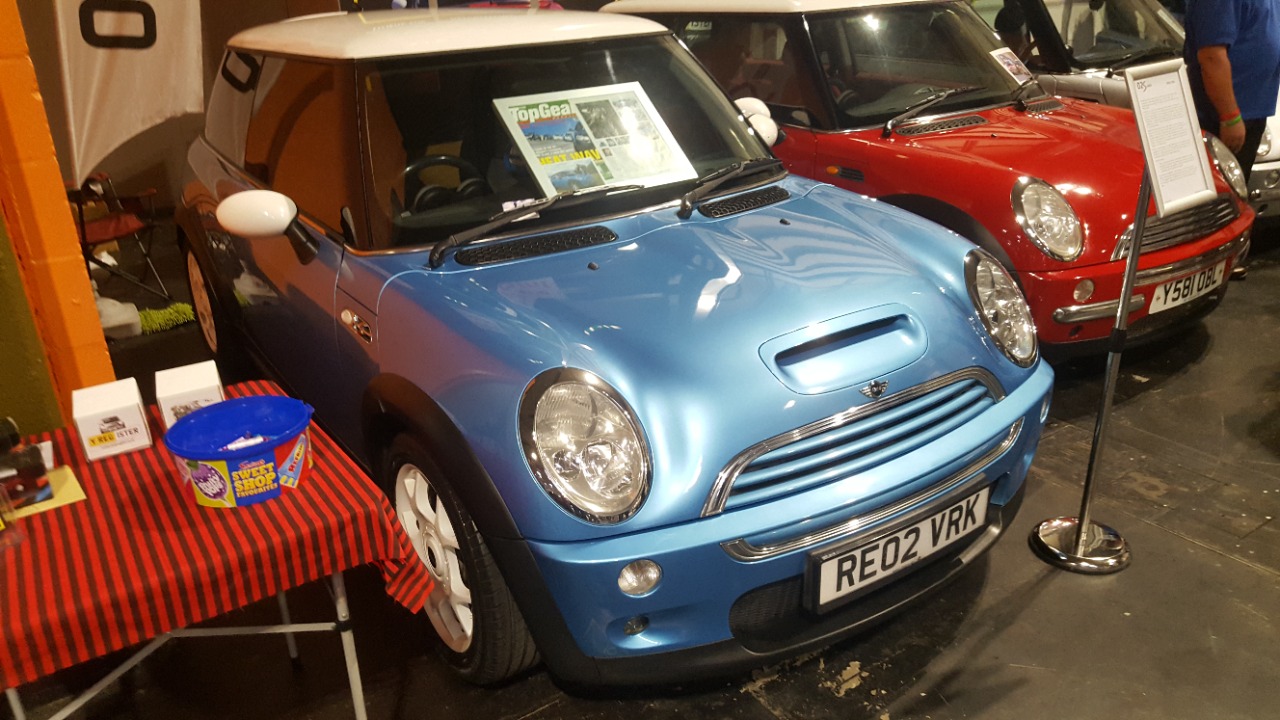
The modern Mini Cooper S used turbocharged efficiency, low weight, and sharp handling to deliver performance beyond what its specifications suggested. While competitors often advertised larger engines and greater horsepower, the Mini’s agility and responsiveness made it surprisingly effective in real-world driving. Owners frequently discovered that it could challenge much more powerful vehicles on tight and technical roads.
Toyota GR86

The Toyota GR86 continues the tradition of proving that balance matters more than raw numbers. With modest horsepower by modern performance-car standards, it relies on lightweight construction, excellent chassis tuning, and driver engagement. The result is a sports car capable of keeping pace with far more powerful machines in the right conditions, reminding enthusiasts that performance is about much more than horsepower alone.
More from Fast Lane Only
- Unboxing the WWII Jeep in a Crate
- 15 rare Chevys collectors are quietly buying
- 10 underrated V8s still worth hunting down
- Police notice this before you even roll window down
*Research for this article included AI assistance, with all final content reviewed by human editors