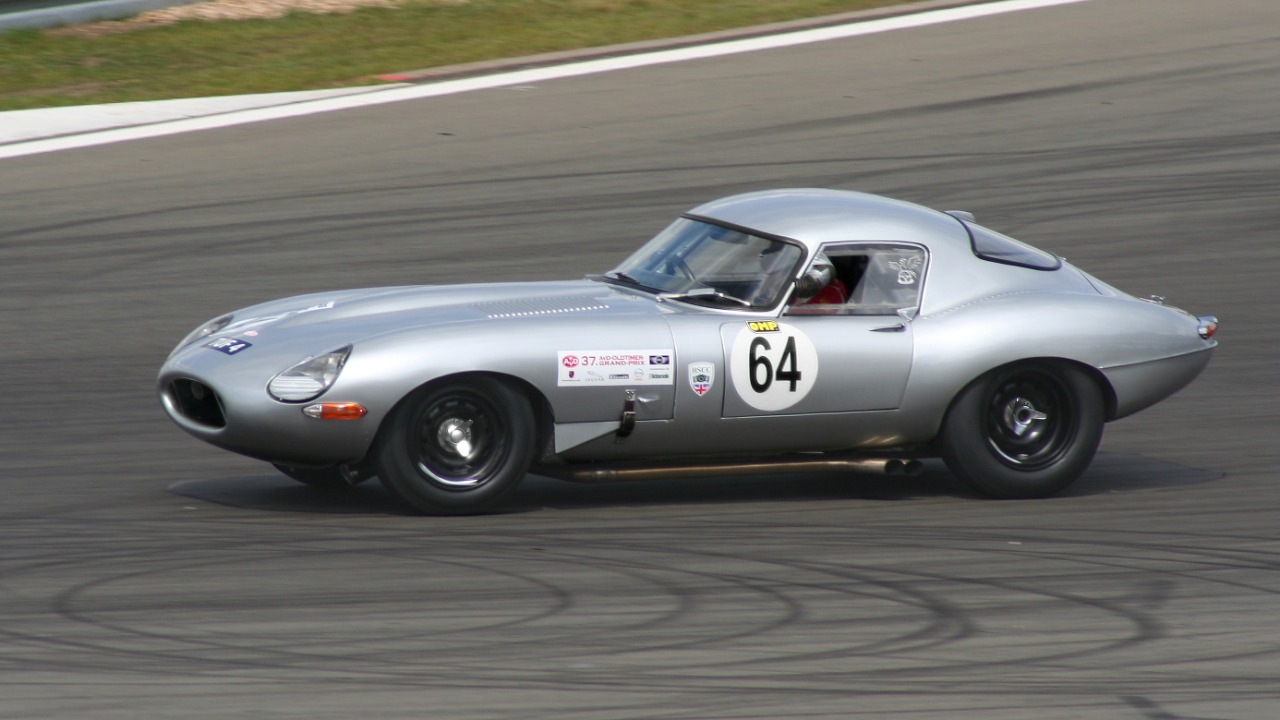
Many enthusiasts enjoy personalizing their vehicles, but some cars arrive from the factory so complete and well-balanced that modifications feel unnecessary. Whether because of exceptional design, historical importance, engineering excellence, or strong collector appeal, these vehicles often reward owners who leave them alone. While upgrades are always possible, many enthusiasts eventually conclude that the original package already delivers exactly what made the car special in the first place.
Porsche 911 Carrera (997)
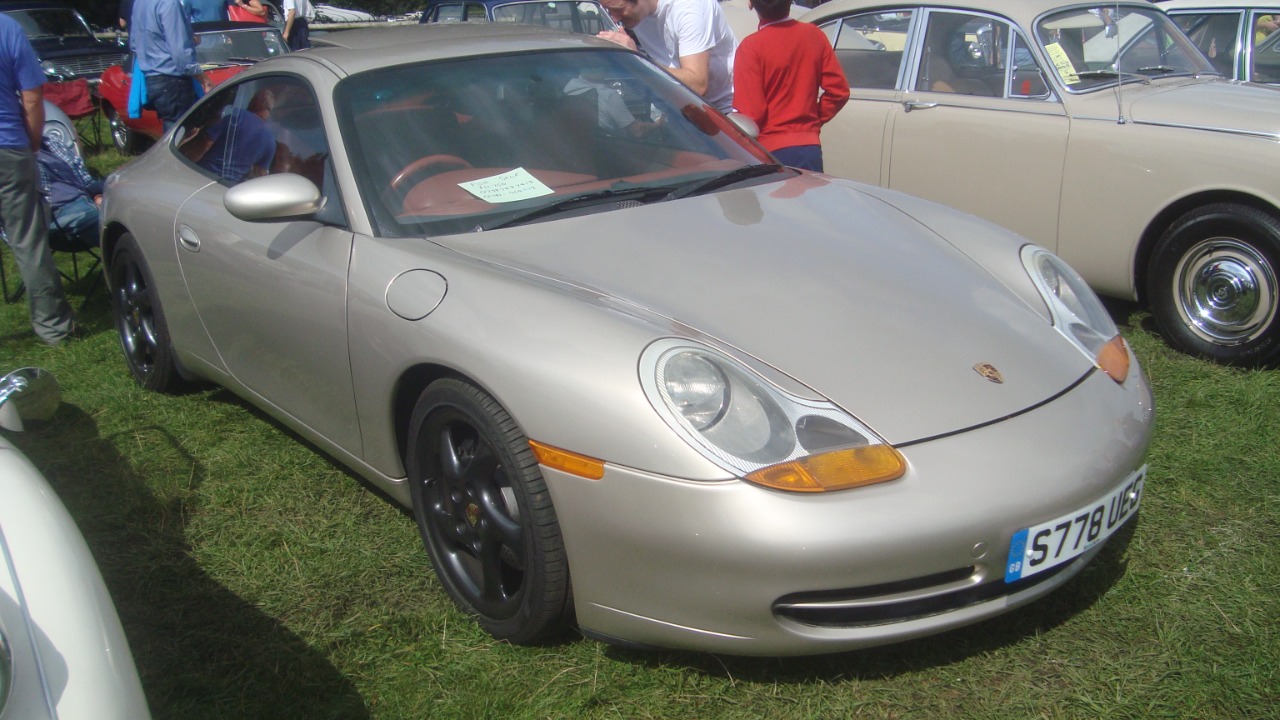
The Porsche 911 Carrera of the 997 generation is often praised for striking an ideal balance between performance, comfort, and driver involvement. Owners frequently discover that the factory suspension, steering, and powertrain work together exceptionally well. While aftermarket upgrades are plentiful, many enthusiasts find little reason to alter a car that already delivers such a rewarding driving experience. Its timeless styling and increasingly respected status further strengthen the case for preserving originality whenever possible.
Acura NSX (First Generation)
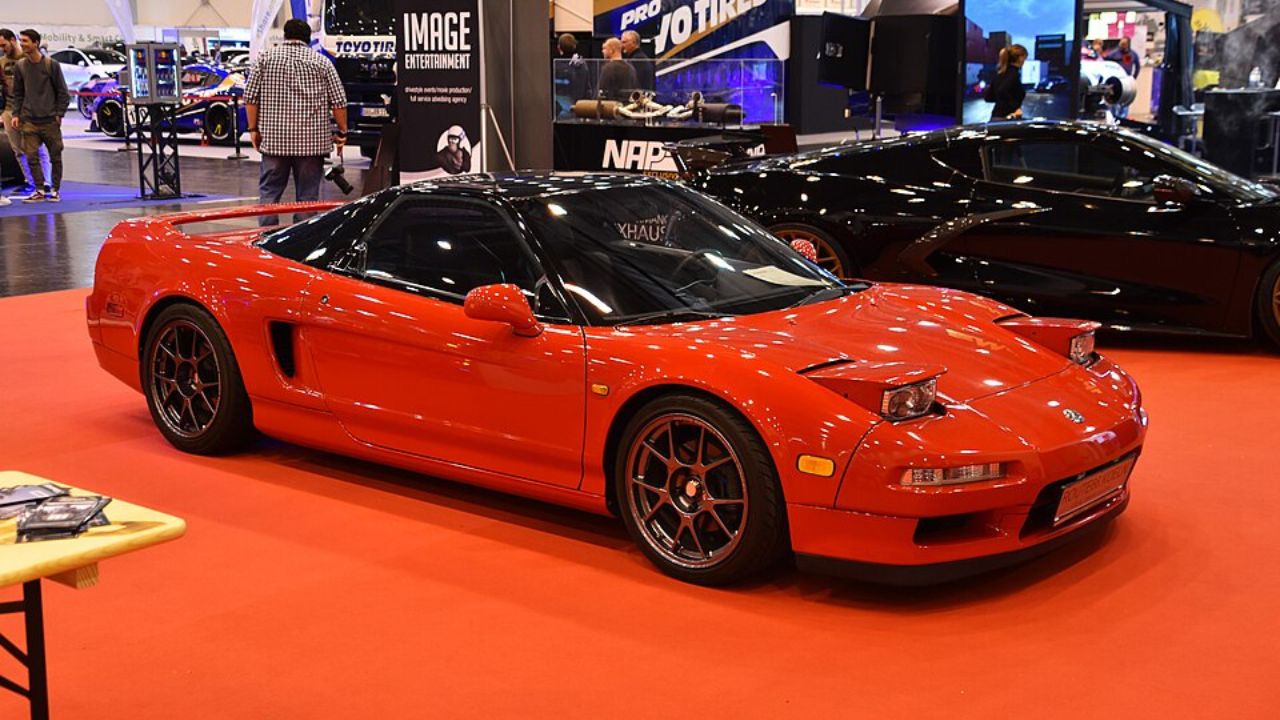
The first-generation Acura NSX was developed with extraordinary attention to balance and usability. Its lightweight construction, responsive handling, and reliable performance created a sports car that felt complete from day one. Owners often appreciate how effectively it combines excitement with everyday drivability. Because the NSX was engineered so carefully, modifications can sometimes disrupt the qualities that made it famous. Preserved examples continue to earn admiration for remaining faithful to the original vision.
Chevrolet Corvette Z06 (C5)
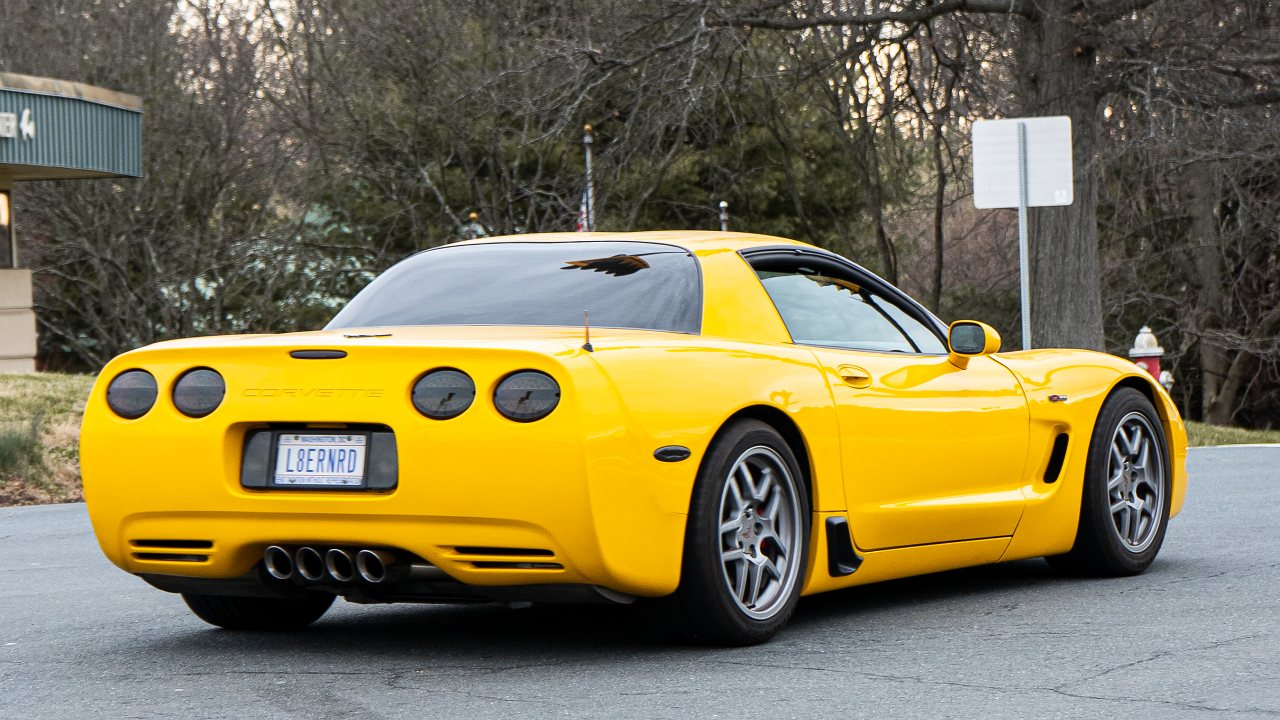
The C5 Corvette Z06 arrived from the factory with a focused performance package that required very few compromises. Its combination of power, handling, and durability helped establish it as one of the most capable American performance cars of its era. While some owners pursue additional horsepower, many discover that the original package already provides more performance than they can fully utilize. As collector interest grows, maintaining factory specifications becomes increasingly attractive.
BMW M3 (E46)
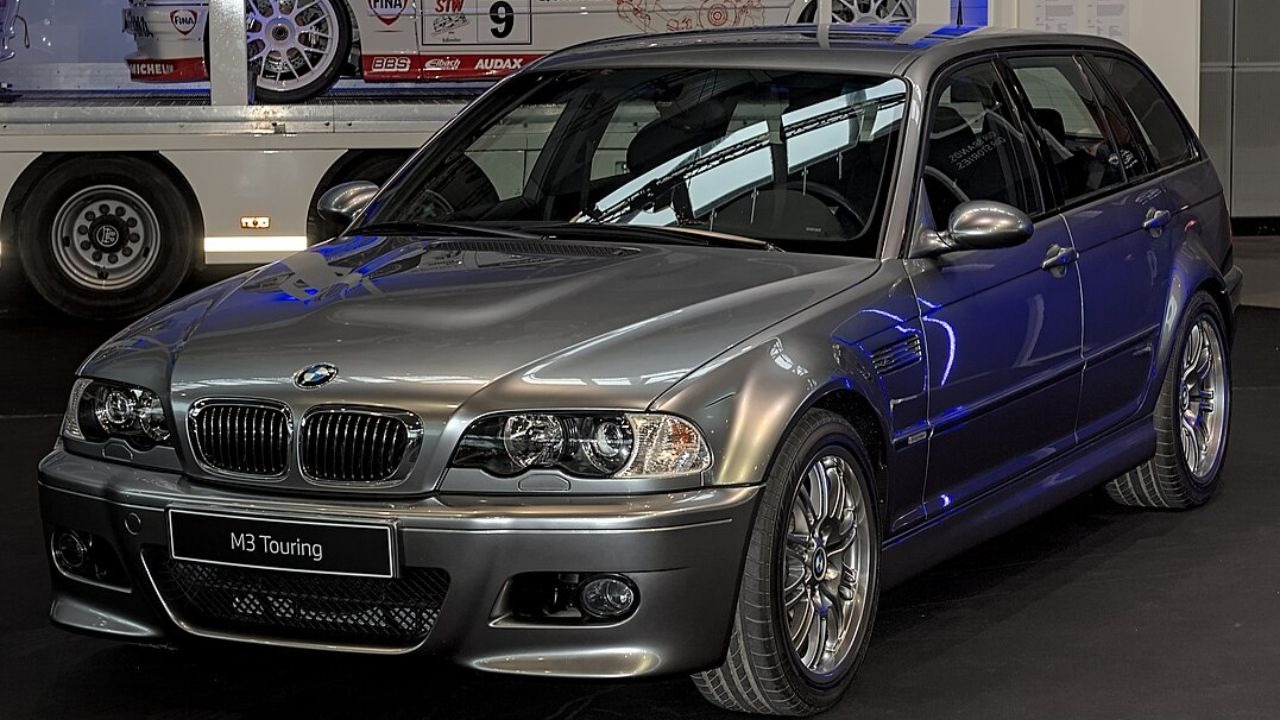
The BMW M3 E46 is widely regarded as one of the best-balanced performance cars ever produced. Its naturally aspirated engine, precise handling, and everyday usability create a driving experience that remains highly respected decades later. Owners often find that the factory setup delivers exactly the blend of comfort and performance they want. While modifications are common, many enthusiasts ultimately prefer stock examples because they preserve the characteristics that established the model’s reputation.
Mazda MX-5 Miata (ND)
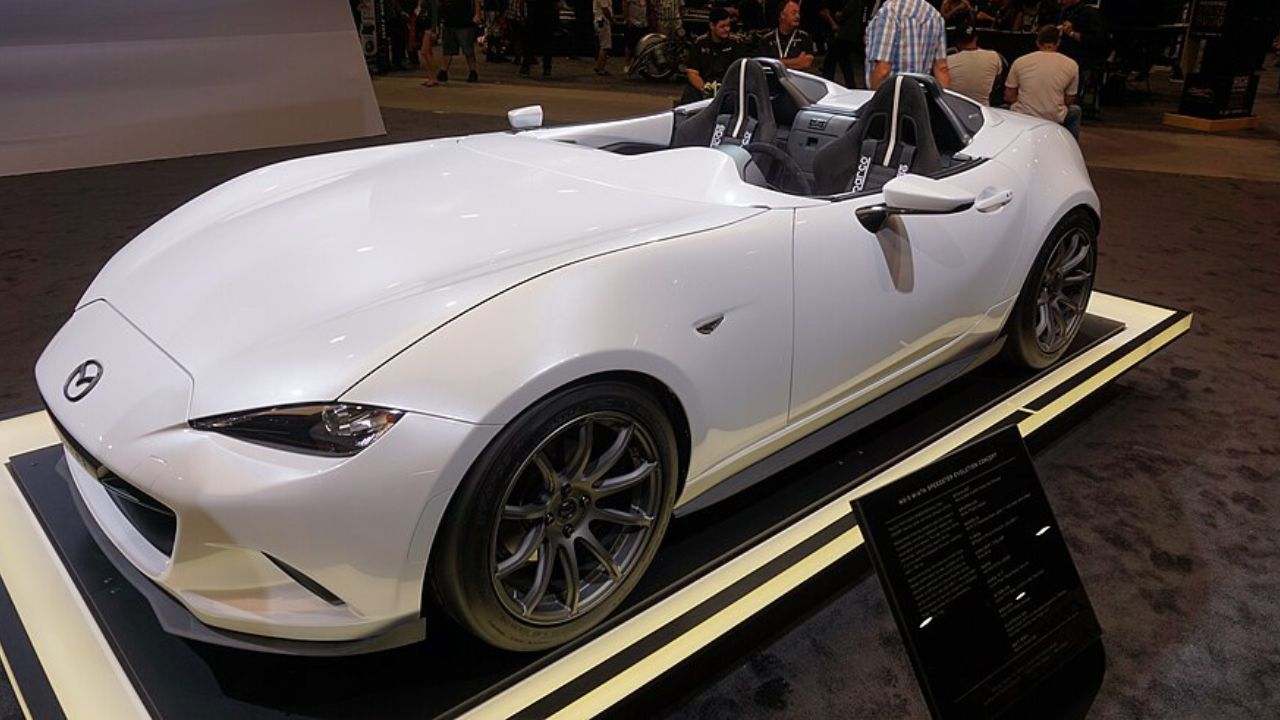
The ND-generation Mazda MX-5 Miata demonstrates how effective simplicity can be. Lightweight construction, responsive controls, and balanced handling provide enjoyment without requiring massive power increases or suspension changes. Owners frequently discover that the car already fulfills its purpose exceptionally well. Because the Miata’s appeal is rooted in harmony rather than outright speed, extensive modifications can sometimes detract from the experience. Many enthusiasts find the original formula difficult to improve upon.
Jaguar E-Type

The Jaguar E-Type remains one of the most admired automotive designs ever created. Its graceful styling and historical significance make modifications difficult to justify for many owners. While modern upgrades can improve convenience or reliability, altering the appearance often risks diminishing what made the car iconic. Enthusiasts typically view themselves as caretakers of a design masterpiece. As a result, preserving originality frequently feels more rewarding than attempting to personalize an already celebrated classic.
Lexus LS400

The Lexus LS400 earned its reputation through refinement, reliability, and meticulous engineering. Owners often appreciate how smoothly every component works together, from the quiet V8 engine to the comfortable ride quality. Because the vehicle was designed with such attention to detail, modifications can sometimes upset the balance that made it successful. Many enthusiasts prefer preserving stock examples that showcase the qualities that helped redefine expectations for luxury automobiles during the 1990s.
Mercedes-Benz 300SL Gullwing

The Mercedes-Benz 300SL Gullwing is so historically significant that modifications rarely make sense from either a collector or enthusiast perspective. Its innovative engineering, distinctive doors, and racing heritage already provide everything that makes it special. Owners generally focus on preservation rather than personalization, recognizing the importance of maintaining authenticity. Because originality is closely tied to both historical value and desirability, the Gullwing stands as one of the clearest examples of a car best appreciated exactly as it was built.
More from Fast Lane Only
- Unboxing the WWII Jeep in a Crate
- 15 rare Chevys collectors are quietly buying
- 10 underrated V8s still worth hunting down
- Police notice this before you even roll window down
*Research for this article included AI assistance, with all final content reviewed by human editors