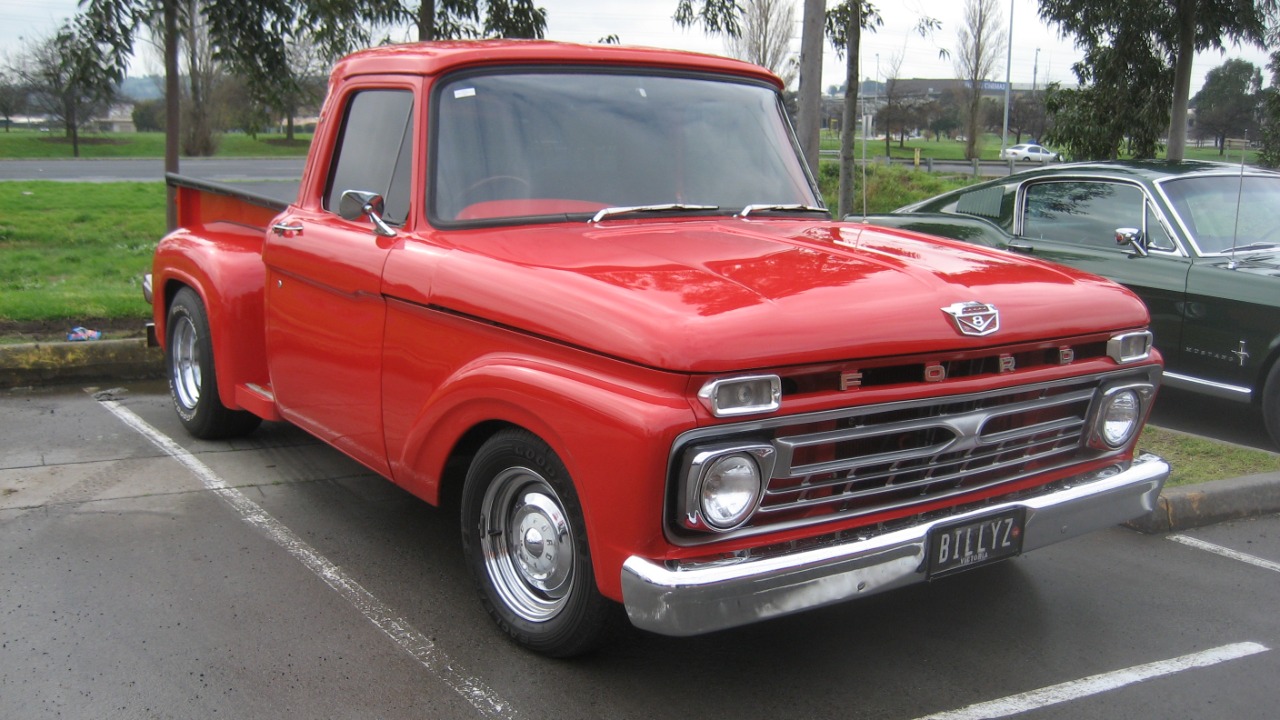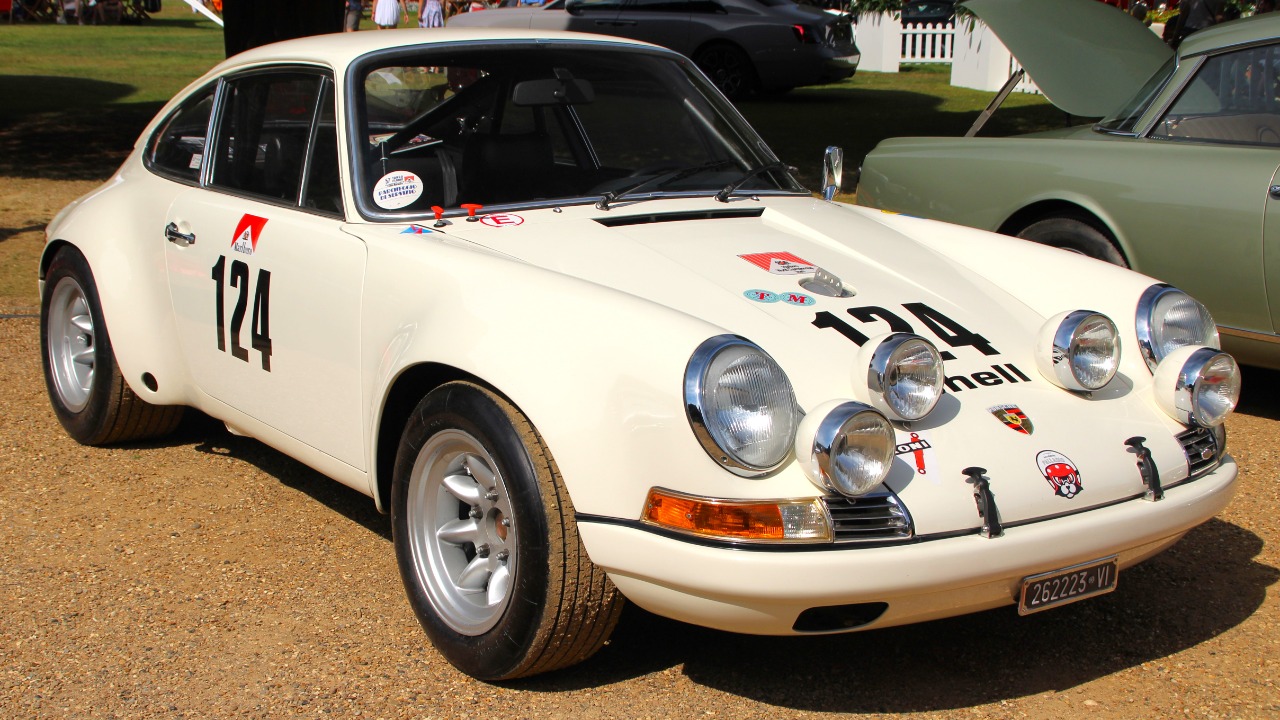
Classic cars hold a special place in the hearts of many enthusiasts, often representing not just a mode of transport but a rich history and culture. For numerous owners, parting with these beloved machines is simply not an option. Each vehicle tells a story, encapsulating a unique blend of nostalgia, craftsmanship, and personal connection. Below, I delve into eight classic cars that owners refuse to let go of, each with its own reasons and charm.
1964 Ford Mustang
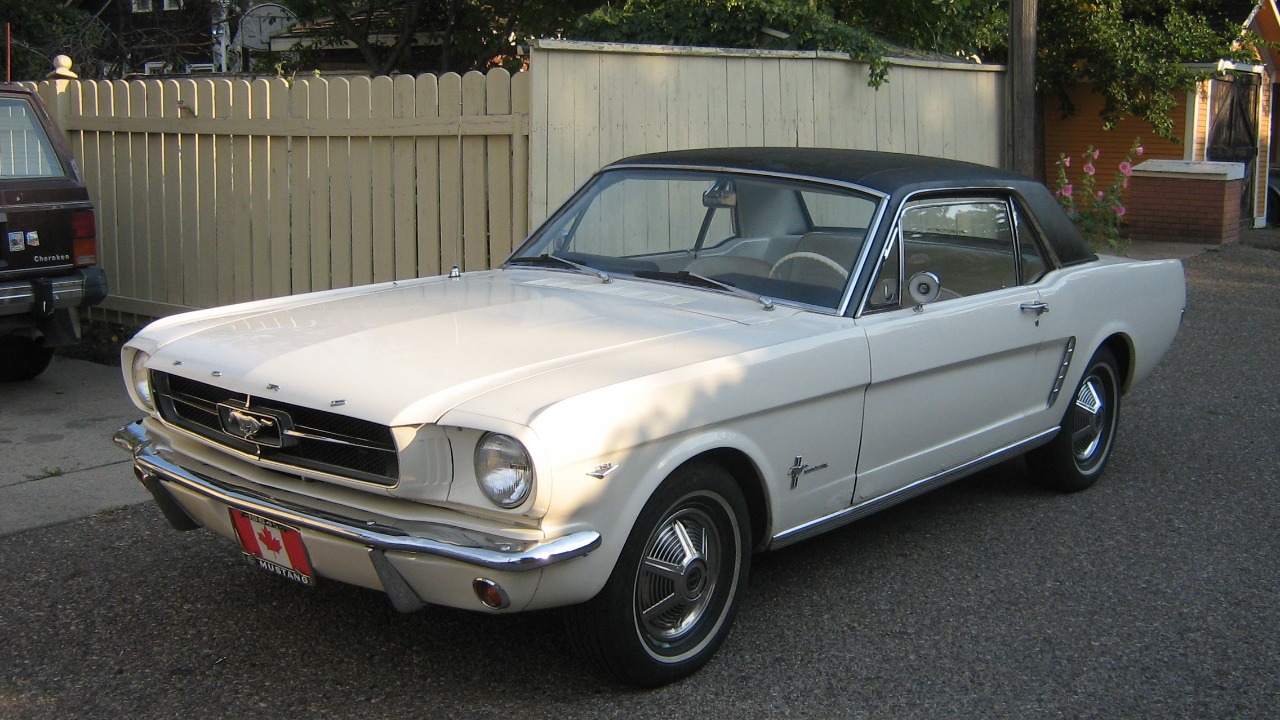
The 1964 Ford Mustang is often celebrated as the car that ignited the muscle car revolution. When I think of this model, I remember its classic design and the roar of its engine that still echoes through car shows today. With its long hood and short rear deck, the Mustang’s style is timeless. Many owners cherish their Mustangs not just for their performance but also for the memories they’ve created while driving them. The Mustang has developed a loyal following, and enthusiasts often gather at events to showcase their beloved vehicles. The Mustang’s legacy continues to thrive, making it a car that owners simply won’t part with.
Beyond its aesthetic appeal, the 1964 Mustang represents freedom and adventure. It’s a car that many people associate with their youth, making it difficult to let go. The vibrant community surrounding Mustang ownership also plays a crucial role. From custom modifications to classic restorations, the Ford Mustang is not just a vehicle; it’s a lifestyle. Many owners find solace in sharing their passion with fellow enthusiasts, reinforcing the bond between car and owner. For those who may be curious about the challenges of driving classic cars today, there are insights available that explore the unique experiences of classic car owners.
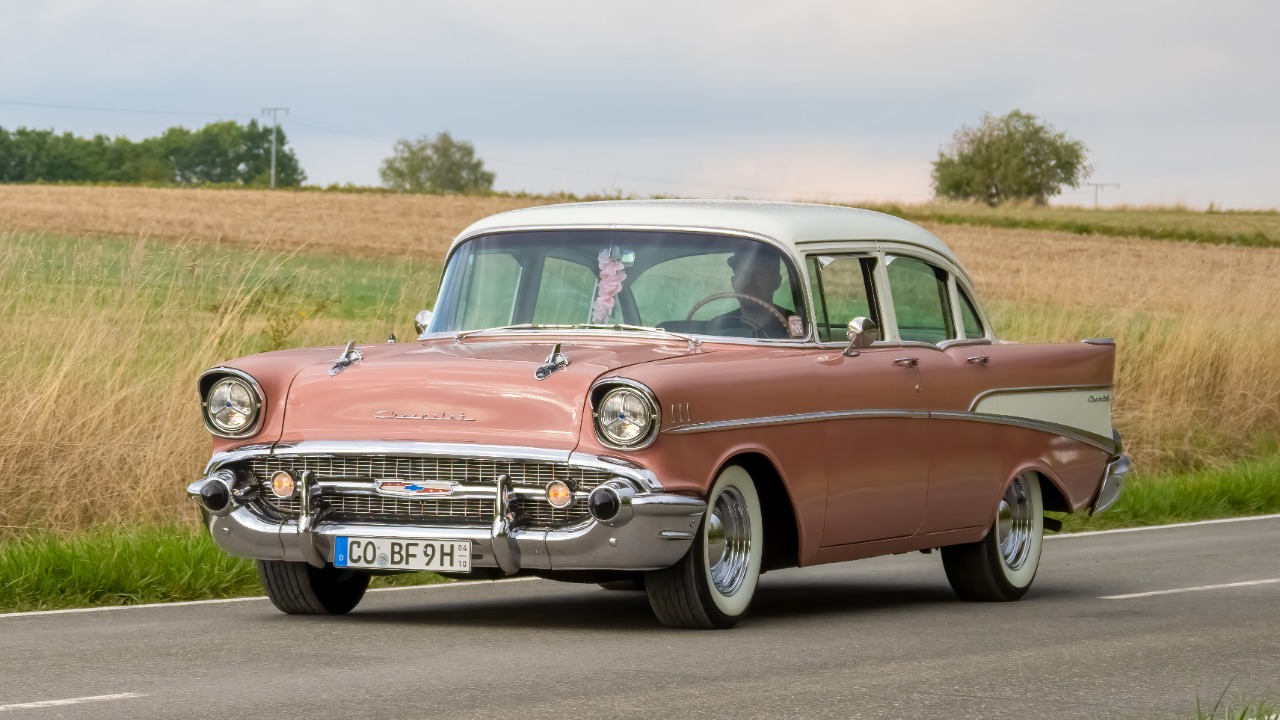
1957 Chevrolet Bel Air
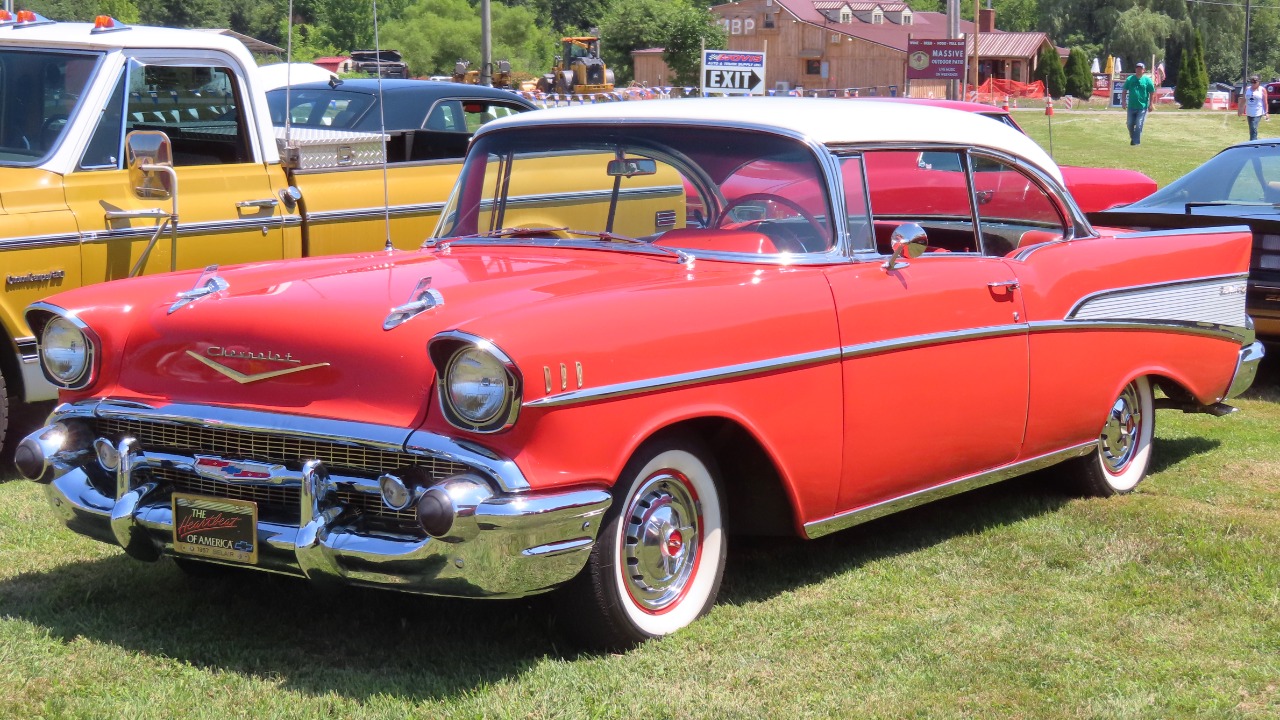
The 1957 Chevrolet Bel Air stands as an icon of American automotive history. Its distinctive tailfins and chrome detailing symbolize an era of post-war optimism and prosperity. As a car enthusiast, I appreciate how the Bel Air captures the essence of the 1950s, making it a prized possession for many owners. Whether it’s the classic two-door coupe or the elegant four-door sedan, each variation has its charm. Owners of this classic car often share stories of family road trips and summer days spent cruising down the boulevard, making it a vehicle rich in personal history.
In addition to its nostalgic value, the Bel Air is a testament to Chevrolet’s engineering excellence. Its powerful V8 engine provides an exhilarating driving experience, further endearing it to those who get behind the wheel. Many owners are also involved in restoration projects, ensuring these beauties remain roadworthy for years to come. The community surrounding the Bel Air is vibrant and supportive, with enthusiasts often participating in shows and gatherings. For those interested in the sociological aspects of car culture, research highlights the connections formed within these communities.
1969 Dodge Charger
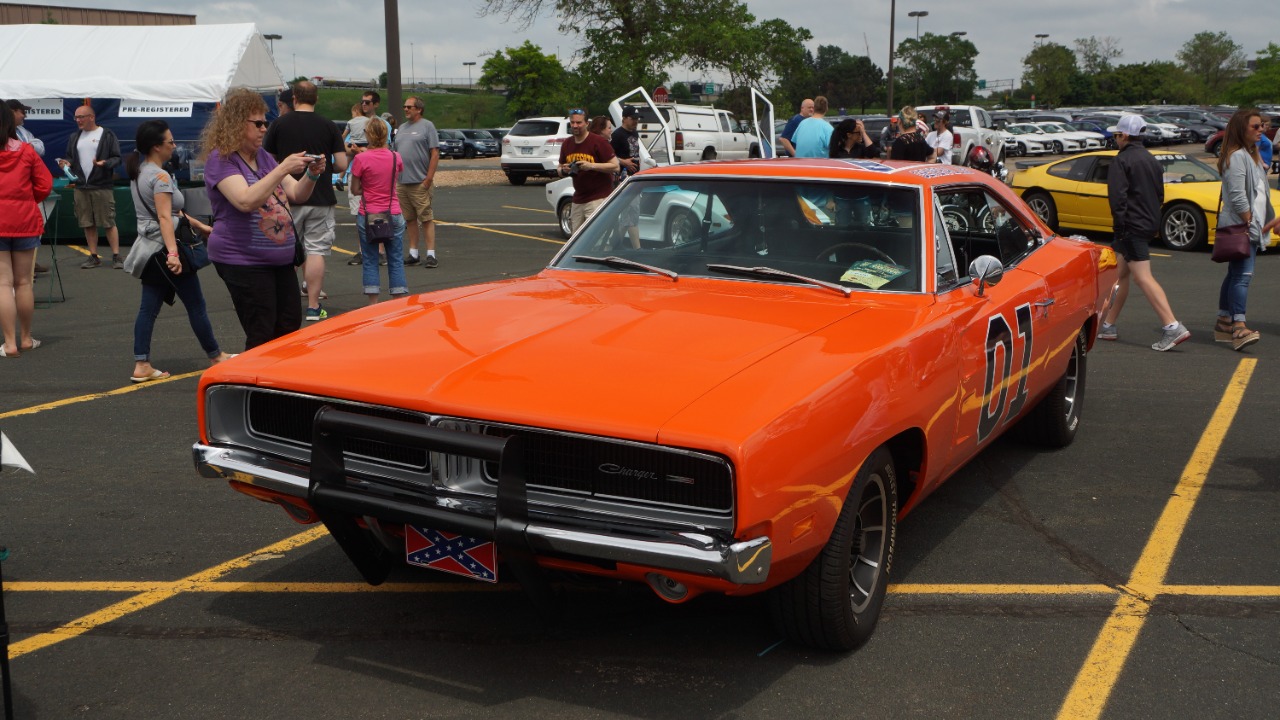
The 1969 Dodge Charger is a vehicle that evokes memories of muscle car glory days. With its aggressive stance and powerful engine options, it’s no wonder owners hold on to this classic beauty. I often think about how the Charger became an icon through its appearances in popular culture, particularly in movies like “Bullitt” and “The Fast and the Furious.” The Charger’s sleek design and raw power make it a favorite among those who appreciate performance and style in equal measure.
Beyond its cinematic fame, owning a 1969 Charger offers a unique driving experience that modern cars simply cannot replicate. Many owners enjoy the thrill of the open road and the admiration from fellow car enthusiasts. The Charger has cultivated a dedicated fan base, with clubs and online forums where owners share tips, restoration projects, and memories. Given the Charger’s enduring popularity, it’s easy to see why many refuse to part with their cherished models. For further reading on classic car ownership challenges, resources are available that explore the nuances of maintaining these classic vehicles.
1970 Chevrolet Chevelle SS
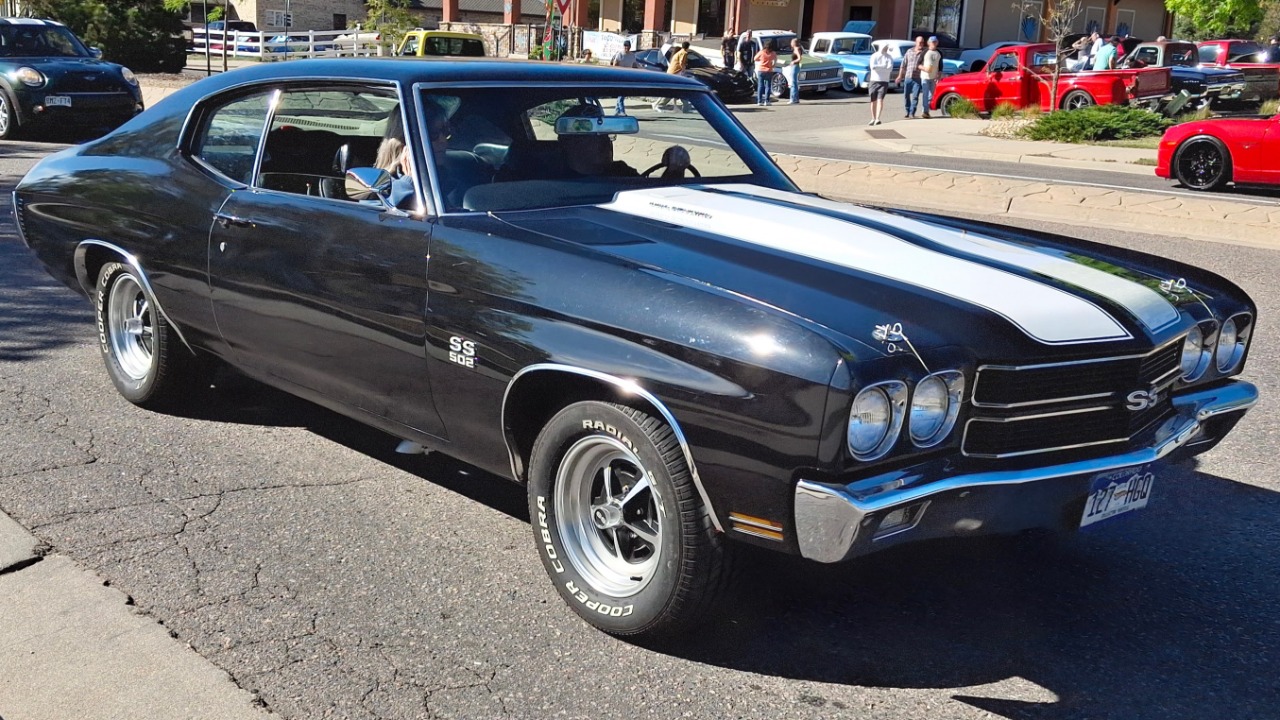
The 1970 Chevrolet Chevelle SS is a true classic that embodies the spirit of American muscle cars. With its powerful engine options and aggressive styling, it remains a favorite among car enthusiasts. I’ve often admired the Chevelle’s blend of performance and practicality, making it a versatile choice for those who appreciate both speed and comfort. The SS trim, in particular, is a badge of honor for owners, representing a commitment to performance that is rarely matched.
Many Chevelle owners have deep emotional connections to their vehicles, often passed down through generations or acquired after years of longing. The Chevelle’s robust presence on the road and in car shows creates a sense of community among owners. Events dedicated to this classic car provide a platform for sharing stories and showcasing unique modifications. The Chevelle SS is not just a car; it’s a legacy that many are proud to uphold. For those interested in automotive studies, there are insightful articles highlighting the cultural significance of classic cars, such as those found in academic journals.
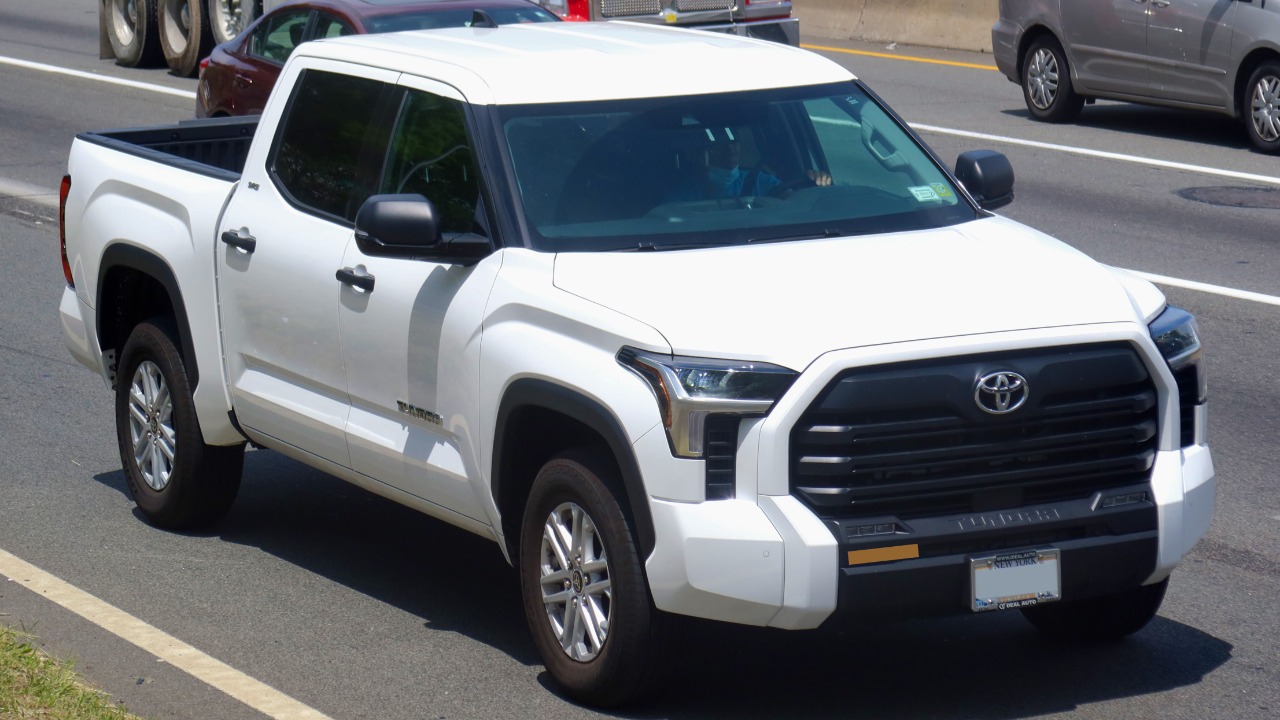
1985 Toyota Land Cruiser
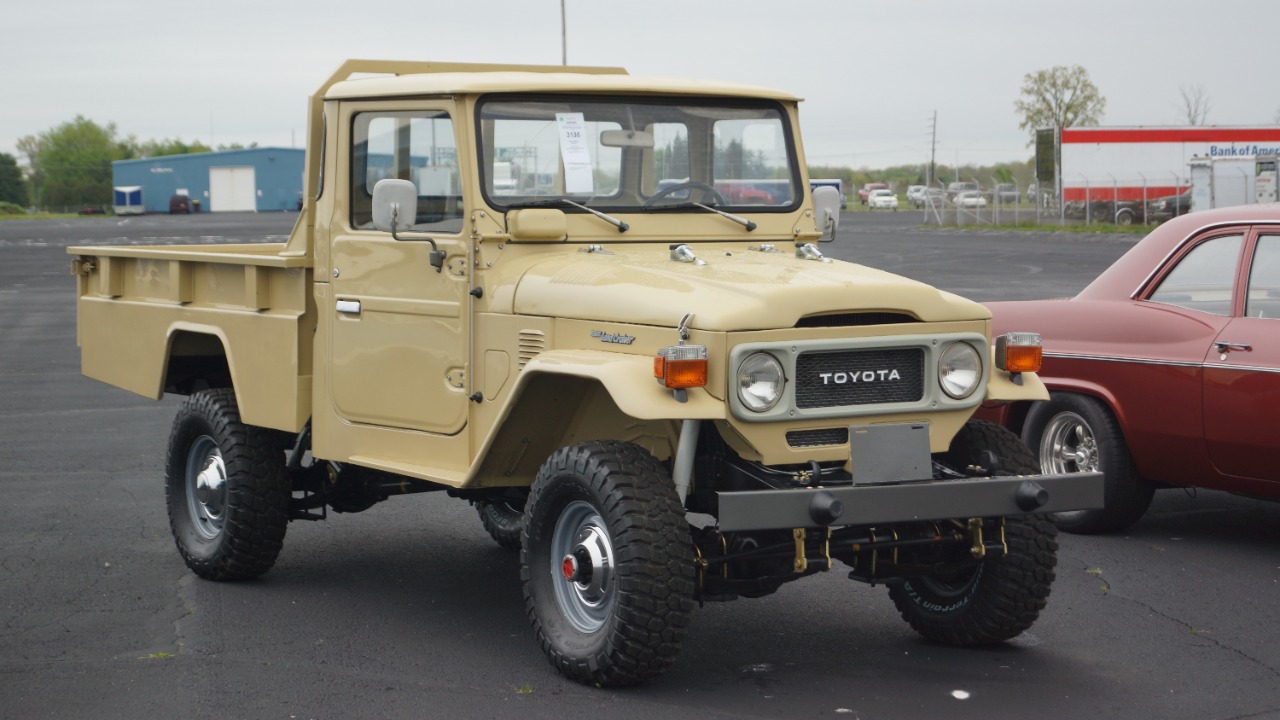
The 1985 Toyota Land Cruiser is a symbol of reliability and adventure. Owners often cherish this model for its rugged capability and legendary durability. As someone who appreciates its ability to tackle challenging terrains while providing comfort, I understand why many refuse to part with their Land Cruisers. This vehicle has become synonymous with off-road exploration, allowing owners to create unforgettable memories on their journeys around the globe.
Beyond its ruggedness, the Land Cruiser has an enduring appeal that transcends generations. Many enthusiasts engage in restoration projects to keep their models in pristine condition, ensuring that they remain functional and stylish. The sense of community among Land Cruiser owners is strong, with numerous clubs and online forums dedicated to sharing tips and experiences. For those intrigued by the broader implications of classic car ownership, research can offer valuable insights into the social dynamics at play, as seen in various studies on car culture.
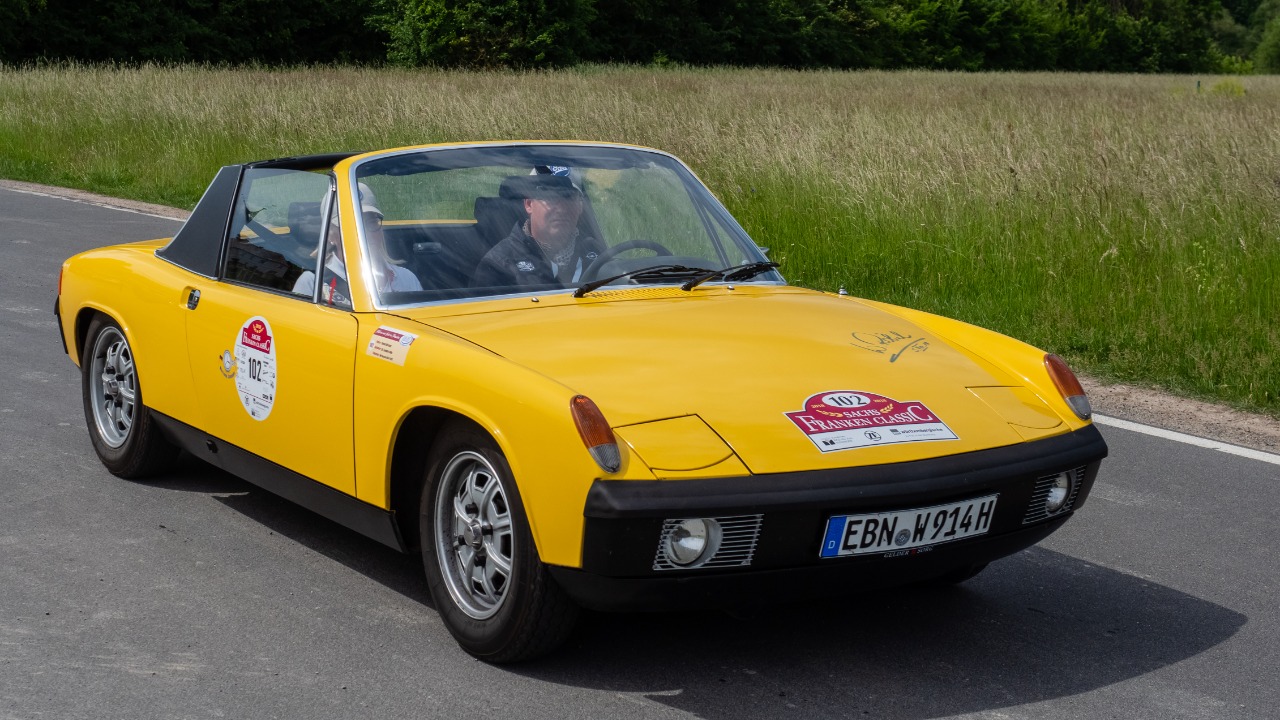
1971 Porsche 911
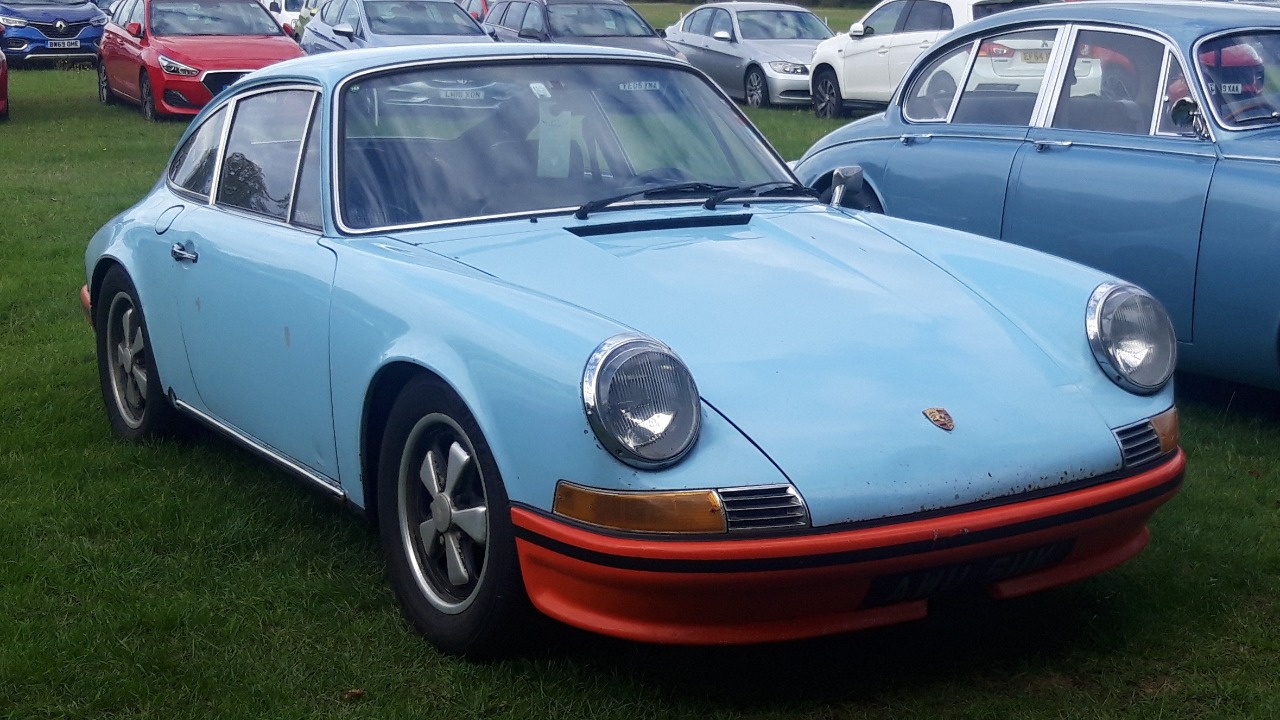
The 1971 Porsche 911 is often regarded as one of the most iconic sports cars in automotive history. With its distinct silhouette and precision engineering, it represents the pinnacle of Porsche’s commitment to performance. I find that many owners of this classic model have a profound appreciation for the driving experience it offers, with its rear-engine layout and balanced handling making it a joy to drive on both the track and the open road.
For many, owning a 1971 Porsche 911 is not just about the car itself but the lifestyle that comes with it. Owners often participate in club events, track days, and restoration projects, sharing their enthusiasm with fellow aficionados. The 911 has a rich racing heritage, which adds to its allure and makes it a vehicle that owners want to preserve for future generations. As I engage with the Porsche community, I see firsthand how passionate these owners are about their cars, making it clear why they refuse to let go of their beloved 911s.
1965 Volkswagen Beetle
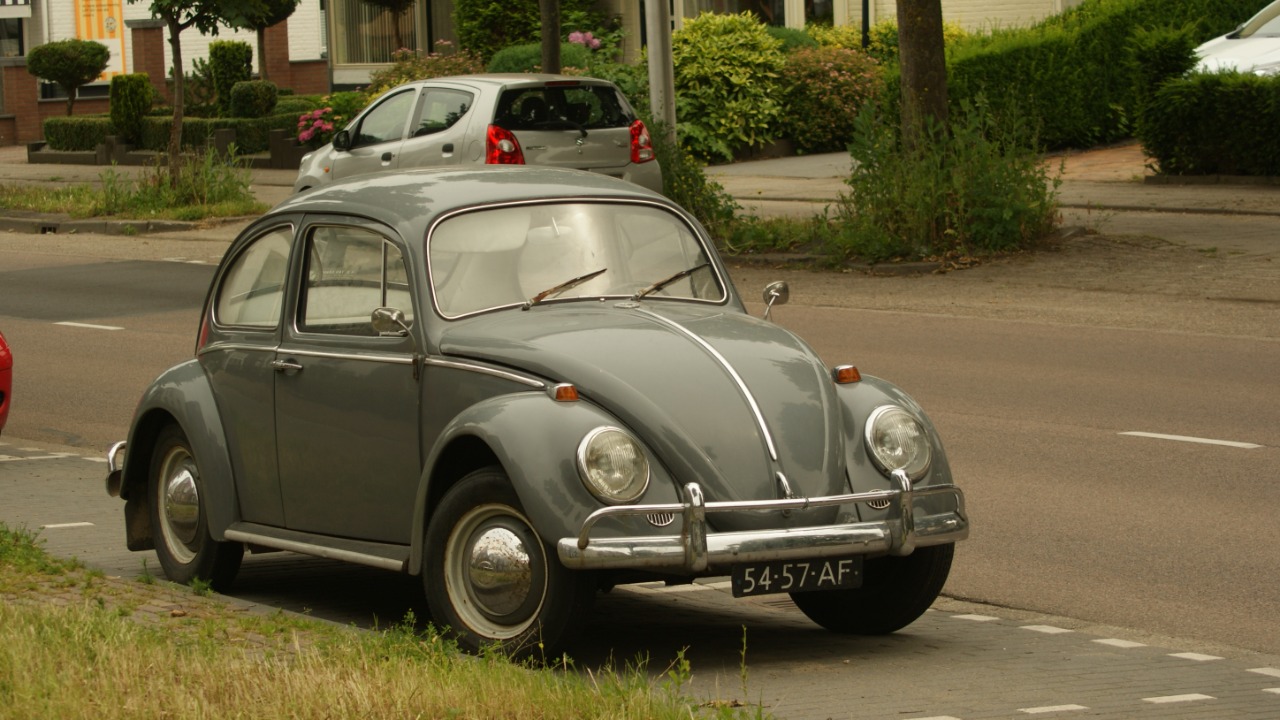
The 1965 Volkswagen Beetle is a beloved classic that has captured the hearts of millions around the world. With its unique design and efficient simplicity, it symbolizes an era of automotive innovation. I often hear stories from owners who cherish their Beetles for the practicality and charm they bring to everyday life. This iconic car has a personality that resonates with many, making it a fixture at car shows and gatherings.
Beyond its quirky appearance, the Beetle is a testament to reliability and ease of maintenance. Many owners have formed deep emotional connections with their vehicles, often restoring them to their original glory or customizing them to reflect personal style. The sense of community surrounding the Beetle is strong, with clubs and online forums dedicated to sharing restoration tips and stories. For those interested in the social aspects of classic car ownership, exploring the dynamics can provide a fascinating perspective on why owners hold onto their classics.
1973 Jaguar E-Type
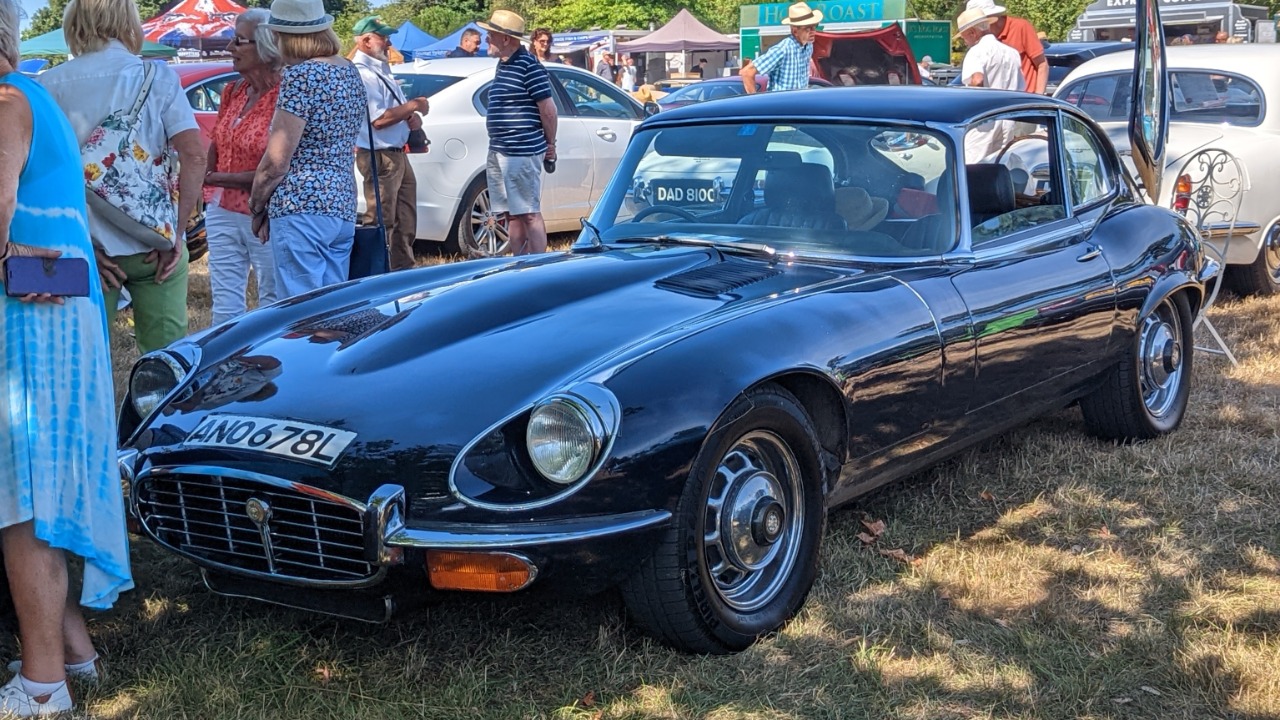
The 1973 Jaguar E-Type is often hailed as one of the most beautiful cars ever made. Its sleek lines and stunning design have made it a favorite among collectors and enthusiasts alike. I find that many owners are drawn to the E-Type not just for its aesthetic appeal but also for its performance capabilities. With a powerful inline-six engine and a lightweight body, driving this classic car feels exhilarating, making it a joy to own.
Many E-Type owners possess a deep appreciation for the artistry involved in its design and engineering. The car represents a unique blend of luxury and sportiness, making it a sought-after gem in the classic car market. Owners often participate in exclusive events and gatherings, celebrating the legacy of this remarkable vehicle. The stories shared among E-Type enthusiasts highlight the importance of preserving such classics for future generations, ensuring that the Jaguar E-Type remains a symbol of automotive excellence.
More from Fast Lane Only
- Unboxing the WWII Jeep in a Crate
- 15 rare Chevys collectors are quietly buying
- 10 underrated V8s still worth hunting down
- Police notice this before you even roll window down
*Research for this article included AI assistance, with all final content reviewed by human editors.