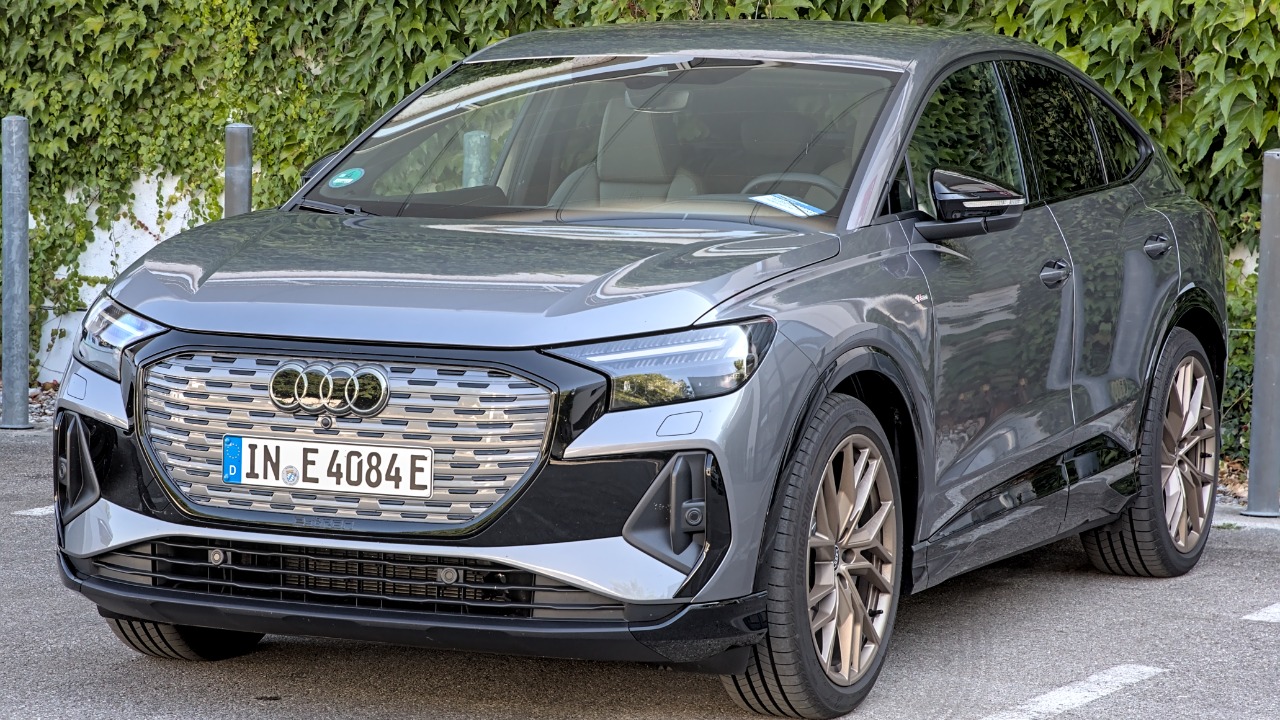
The electric vehicle (EV) market has grown significantly, offering consumers a wide range of options. However, as with any rapidly evolving technology, some EVs have experienced steeper depreciation than anticipated. Here, I explore eight electric vehicles that have lost value more quickly than expected, considering factors such as market competition, technological advancements, and consumer preferences.
Tesla Model S
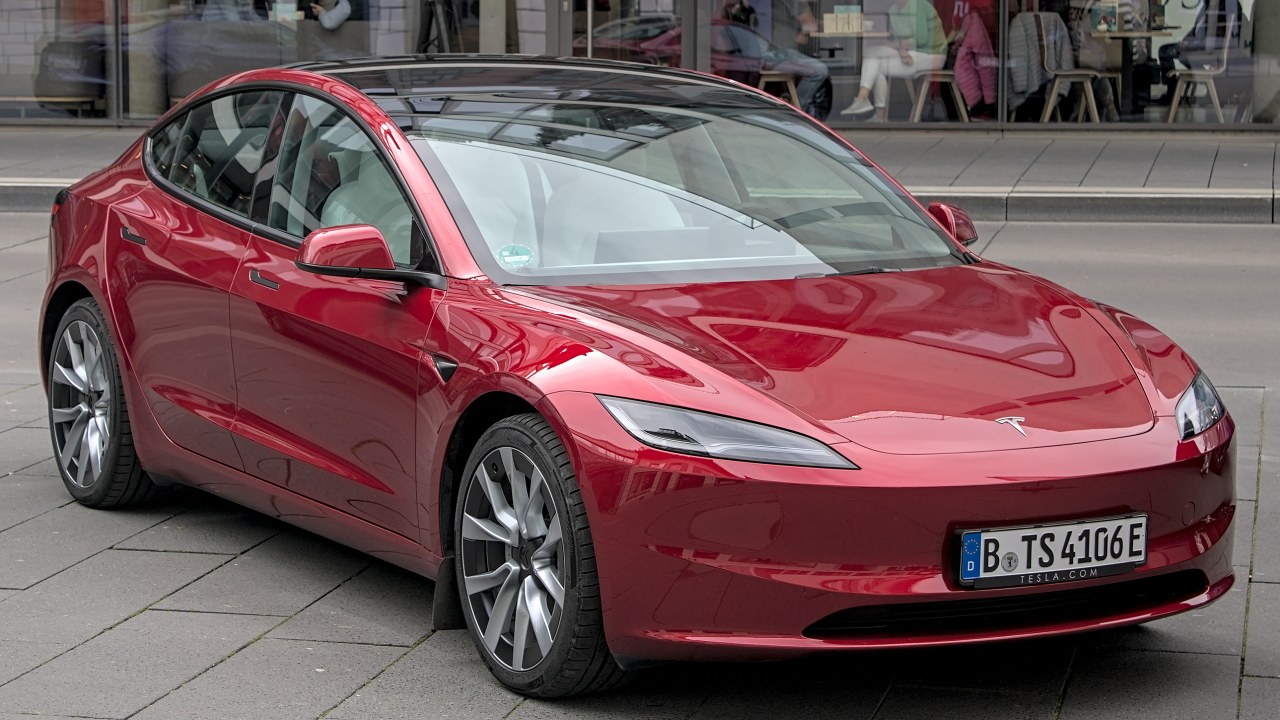
The Tesla Model S, once the flagship of the electric car revolution, has faced unexpected depreciation rates. Despite its high-tech features and impressive performance, the Model S has seen its value drop significantly in the used car market. Part of this depreciation is due to the rapid advancements in Tesla’s own technology, which means that older models quickly become outdated.
Additionally, increased competition from other luxury electric vehicles has contributed to the Model S’s depreciation. Consumers now have more choices, like the Porsche Taycan and Lucid Air, which offer similar or superior performance. This increased competition has made it challenging for the Model S to maintain its value over time.
Nissan Leaf
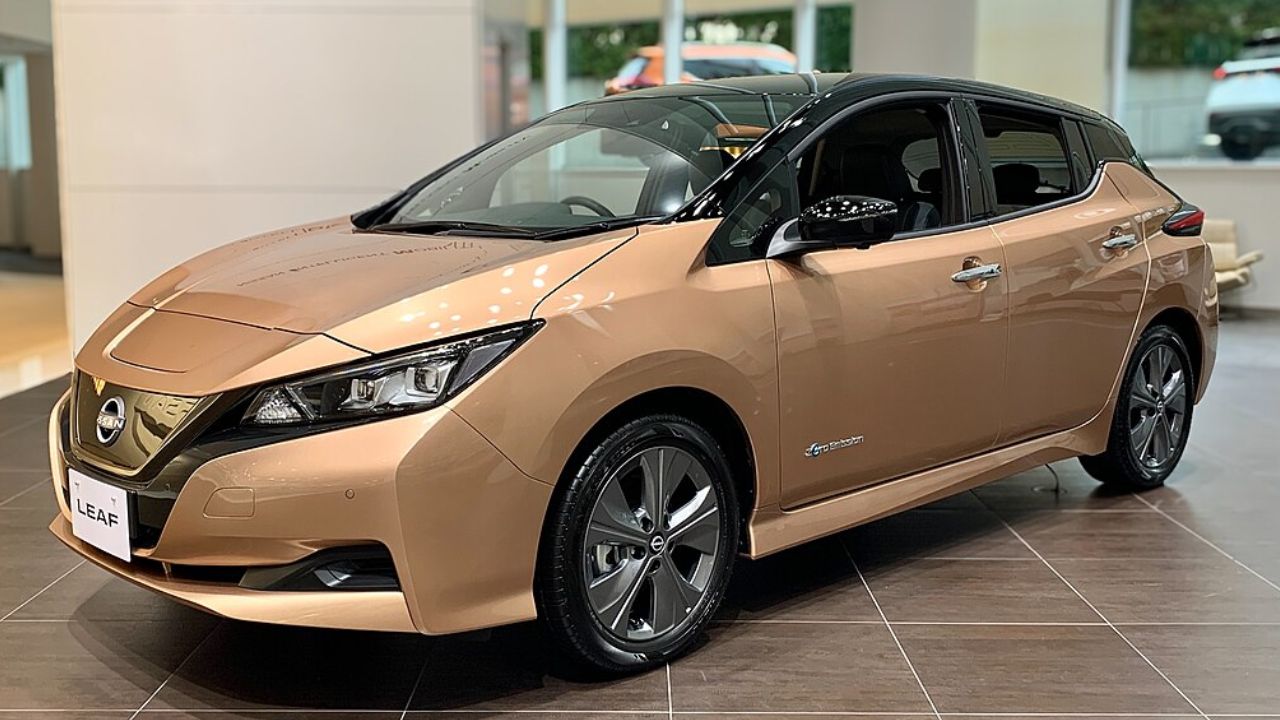
The Nissan Leaf was one of the first mass-market electric vehicles, and it played a crucial role in making EVs mainstream. However, the Leaf has experienced faster-than-expected depreciation, primarily due to its limited range compared to newer models. The original Leaf offered a range of about 73 miles, which is significantly less than today’s standards.
As battery technology has improved, newer models from various manufacturers now offer ranges exceeding 200 miles, making older Leafs less attractive. Furthermore, the design and technology of the Leaf have remained relatively static over the years, leading to decreased consumer interest and a drop in resale value.
Chevrolet Bolt EV
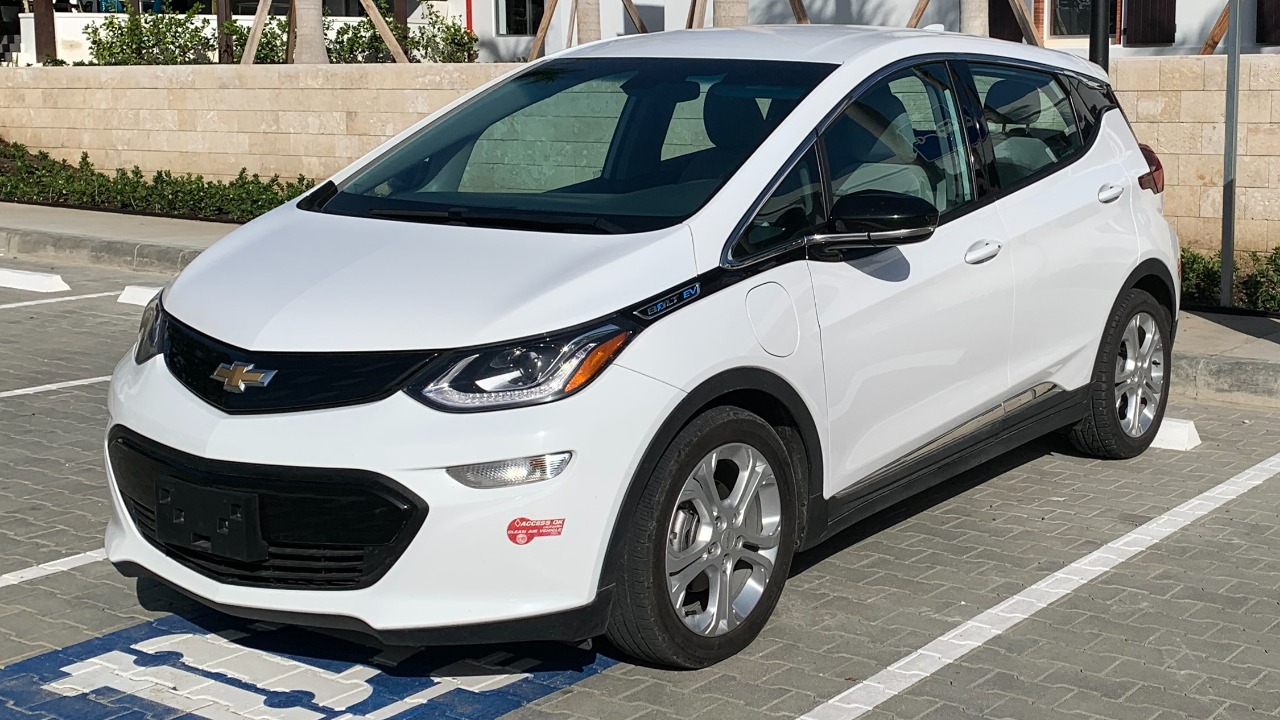
The Chevrolet Bolt EV entered the market as an affordable, long-range electric vehicle, but it hasn’t held its value as well as expected. One reason for this depreciation is the recall issues related to battery fires, which have impacted consumer confidence and resale prices.
Moreover, the Bolt faces stiff competition from other affordable EVs like the Hyundai Kona Electric and the Kia Niro EV, which offer similar or better features and performance. The saturation of the market with newer, more reliable models has made it difficult for the Bolt to maintain its value.
BMW i3

The BMW i3 was a bold experiment in sustainable urban mobility, featuring a unique design and lightweight carbon fiber construction. However, its niche appeal and limited range have contributed to its rapid depreciation. Many consumers found the i3’s small size and unconventional styling less appealing compared to other EVs with more traditional designs.
Furthermore, as BMW has shifted focus to newer models like the i4 and iX, the i3 has been left behind. This shift, combined with a lack of significant updates to the i3 over the years, has resulted in a steep decline in its resale value.
Jaguar I-PACE
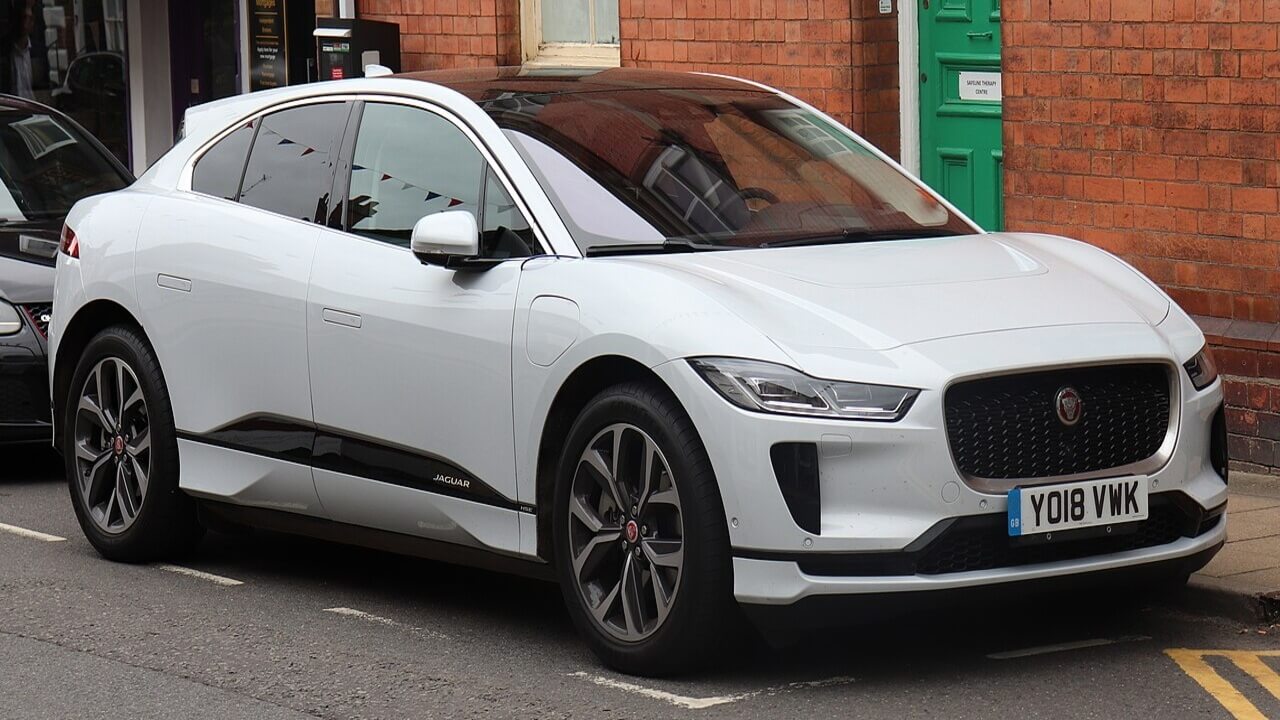
The Jaguar I-PACE was introduced as a luxury electric SUV with high performance and a sleek design. Despite receiving critical acclaim and winning multiple awards, the I-PACE has struggled with depreciation. One reason is the brand’s reputation for reliability, which has historically lagged behind competitors like Audi and Tesla.
Additionally, the I-PACE faces competition from newer electric SUVs that offer better range and more advanced technology. As a result, the I-PACE’s resale value has suffered, making it a less attractive option for buyers looking for a long-term investment.
Audi e-tron
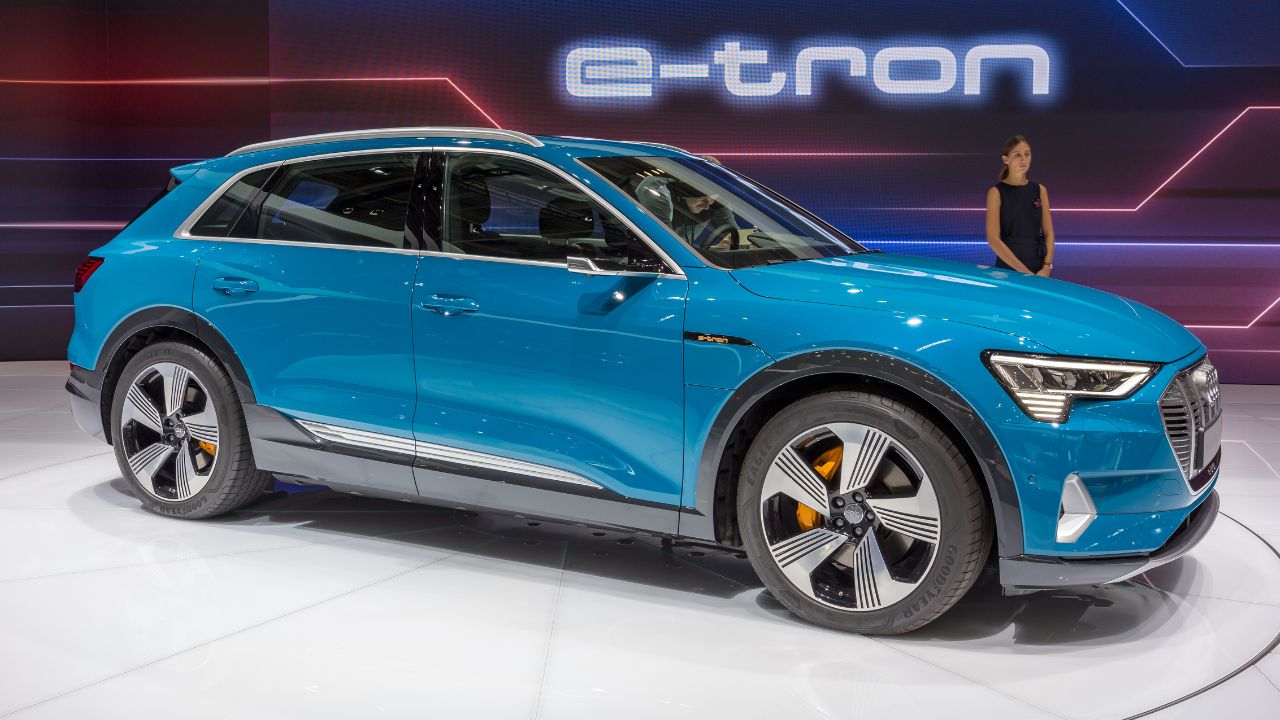
The Audi e-tron was Audi’s first all-electric SUV, aiming to combine the brand’s luxury appeal with electric efficiency. However, the e-tron has depreciated faster than many anticipated. One factor is its relatively short range compared to competitors, which has made it less appealing to consumers prioritizing range and efficiency.
Furthermore, the rapid introduction of updated models and new entrants in the luxury EV market, such as the Mercedes-Benz EQC and Tesla Model X, has intensified competition. This has led to a decrease in demand for earlier e-tron models, contributing to their faster depreciation.
Hyundai Kona Electric
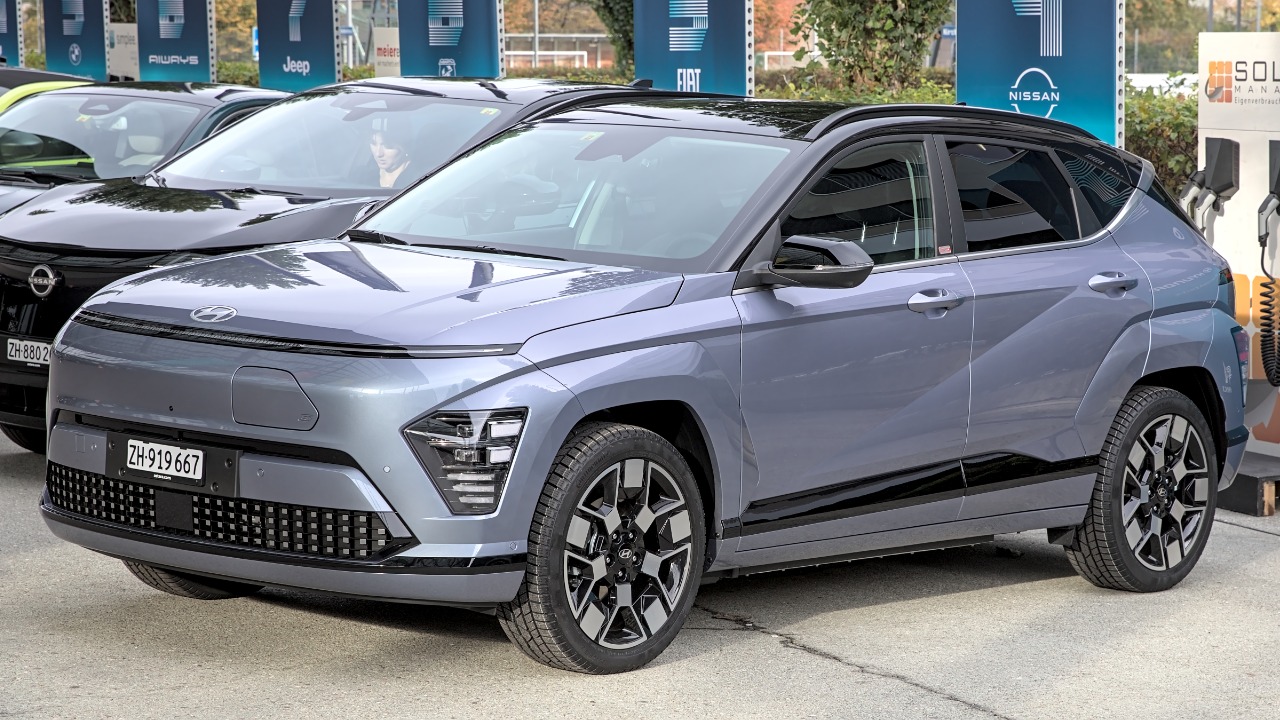
The Hyundai Kona Electric gained attention for its affordability and impressive range. Despite these strengths, the Kona Electric has seen a quicker-than-expected decline in value. This is partly due to the increased availability of similarly priced EVs with comparable features, which has saturated the market.
Additionally, Hyundai’s focus on expanding its electric lineup with models like the Ioniq 5 has shifted attention away from the Kona Electric. This shift, alongside a crowded segment of compact SUVs, has resulted in a decrease in the Kona Electric’s resale value.
Ford Mustang Mach-E
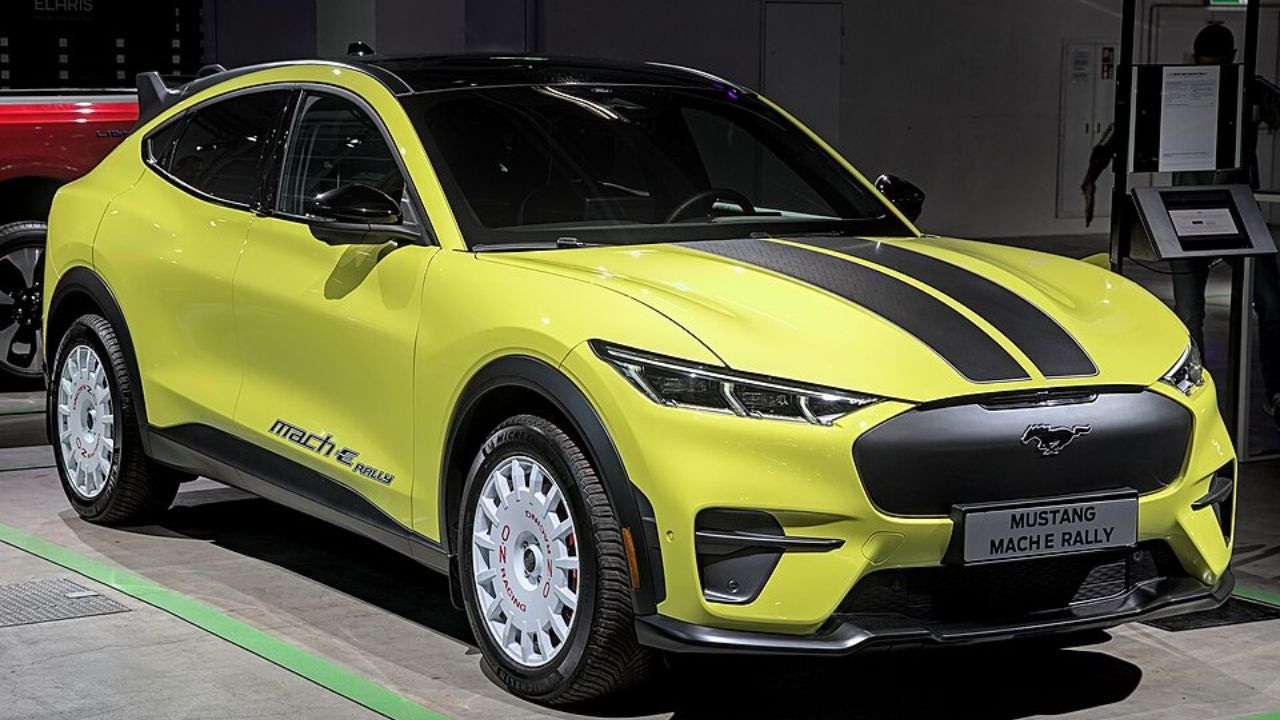
The Ford Mustang Mach-E entered the market with much fanfare, blending the iconic Mustang name with electric innovation. However, it has depreciated more swiftly than some expected. One contributing factor is the perception issue of attaching the Mustang brand to an electric SUV, which has divided traditional Mustang enthusiasts.
Moreover, the Mach-E faces fierce competition from established players like Tesla and emerging models from other manufacturers. As the EV market continues to expand rapidly, the Mach-E’s initial hype has not translated into sustained resale value, highlighting the challenges of standing out in a crowded field.
More from Fast Lane Only