In the world of automotive engineering, durability is often the hallmark of a truly great engine. Some engines have become legends for their ability to withstand the test of time and the rigors of everyday use. They’re not just components; they are the heart and soul of vehicles that have carried millions of drivers through countless journeys. Below, I explore eight engines that have not only redefined what it means to be durable but have also set new standards for reliability in the automotive industry.
The Ford 300 Inline-Six: A Workhorse Legend
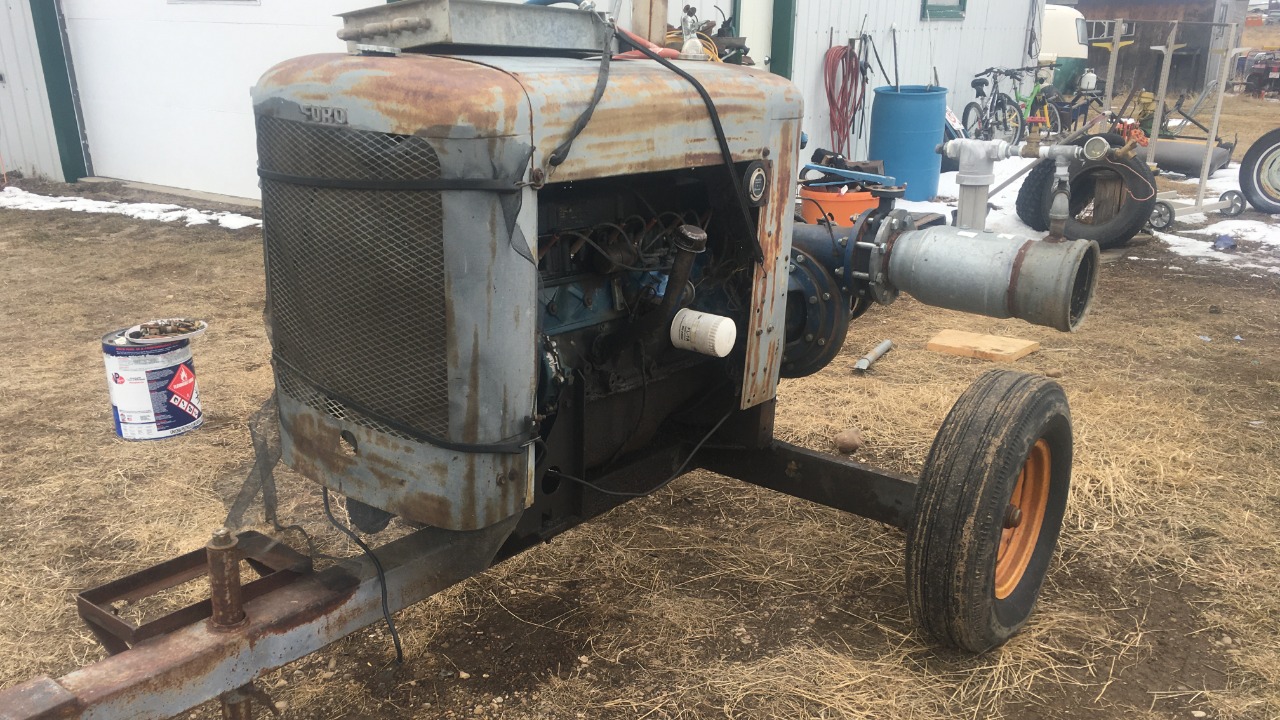
The Ford 300 Inline-Six is a true workhorse that has earned its reputation over decades of service. Produced from 1965 to 1996, this engine became a favorite among truck enthusiasts and businesses alike due to its incredible longevity and simplicity. Its robust design features a cast-iron block and a straightforward overhead valve configuration, making it easy to maintain and repair. Many owners report that their Ford trucks equipped with this engine have surpassed 300,000 miles without significant issues, a testament to its durability. The 300 Inline-Six remains an emblem of reliability, often found in vintage trucks and still powering some workhorses today.
One of the reasons for the engine’s longevity is its low-stress operation. The inline-six configuration allows for smooth power delivery and reduced vibration, which contributes to wear and tear over time. Additionally, parts for the Ford 300 are widely available, making it a favorite for mechanics and DIY enthusiasts. I’ve seen countless forums where owners share their experiences and modifications, reinforcing the engine’s status as a staple in the automotive community. For those looking for a reliable engine that stands the test of time, the Ford 300 Inline-Six is hard to beat.
Toyota 22RE: The Indestructible Four-Cylinder
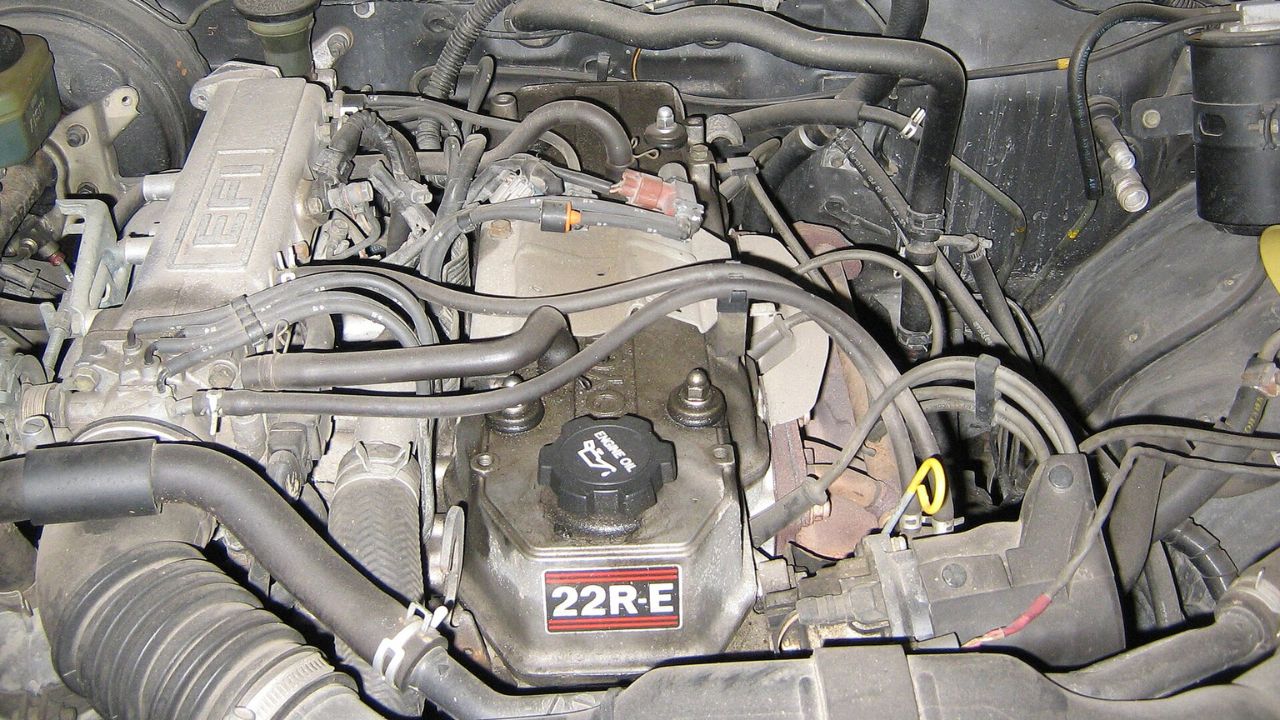
The Toyota 22RE is a four-cylinder engine renowned for its indestructibility. Manufactured from 1981 to 1995, this engine powered a variety of Toyota vehicles, including the iconic Toyota Pickup and the 4Runner. The 22RE is celebrated for its robust construction and efficient performance, often achieving well over 300,000 miles with minimal maintenance. Its simple design, featuring an iron block and aluminum head, makes it easy to service, and many enthusiasts still seek out vehicles equipped with this engine for restoration projects.
One standout feature of the 22RE is its ability to handle modifications, making it a favorite among off-road enthusiasts who push their vehicles to the limit. The engine’s durability has led to a loyal fan base, with many users sharing their experiences and performance upgrades across various platforms. The Toyota 22RE continues to be a benchmark in the four-cylinder category, proving that a well-engineered engine can withstand the tests of time and adventure. If you’re interested in learning more about engine durability, you can explore some insightful research on the subject here.
Cummins 6BT: Diesel Durability Redefined
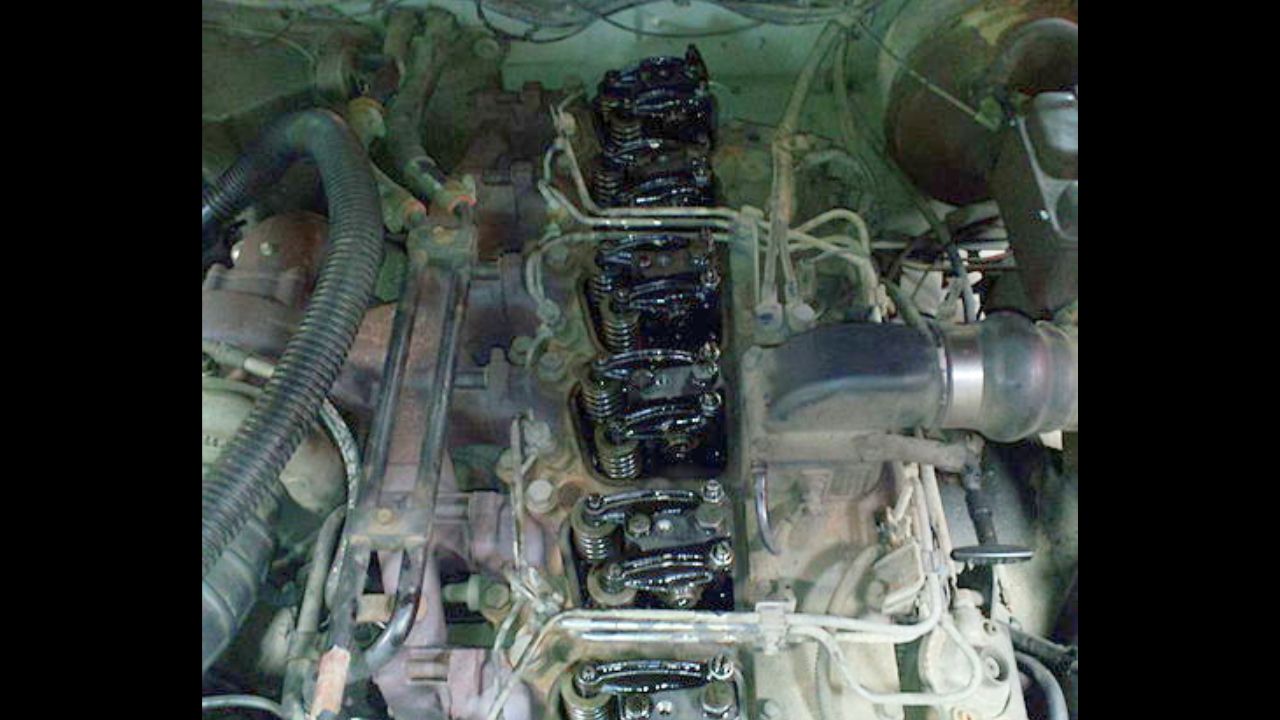
The Cummins 6BT engine is synonymous with diesel durability. Introduced in the mid-1980s, this engine has powered countless heavy-duty trucks, including the Dodge Ram, and has become a favorite in both commercial and recreational markets. Known for its rugged construction and reliability, the 6BT is built to withstand harsh conditions and heavy loads. Many truck owners have reported exceeding 500,000 miles with minimal issues, a feat that underscores its reputation in the industry.
One of the key features that contribute to the 6BT’s durability is its cast-iron block and head, which provide excellent heat dissipation and structural integrity. The engine’s design includes a turbocharger that enhances performance while maintaining efficiency. I’ve spoken with many owners who swear by this engine, often sharing stories of how it has never let them down during long hauls or challenging off-road adventures. For those looking for a diesel engine that can handle the toughest tasks, the Cummins 6BT is a benchmark in durability.
Honda K-Series: Engineering Excellence in Longevity
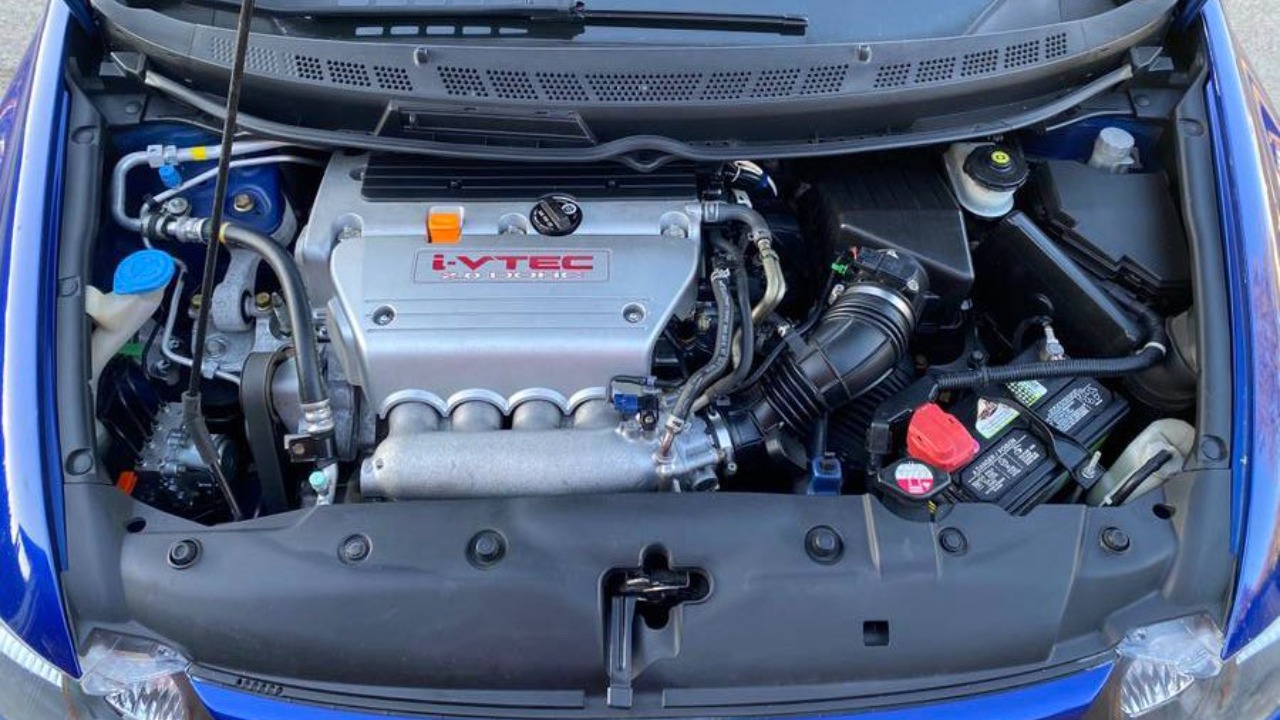
The Honda K-Series engine family, introduced in 2001, represents a significant leap in engineering excellence and durability. This four-cylinder engine is known for its balance of power and efficiency, powering models like the Civic Si and the Acura RSX. With features such as an aluminum block and DOHC design, the K-Series offers a lightweight yet sturdy construction. Many enthusiasts have reported reaching over 200,000 miles on their engines with only routine maintenance, showcasing its remarkable reliability.
What sets the K-Series apart is its ability to handle high revs without sacrificing longevity. Its design allows for smooth power delivery and responsiveness, making it a favorite among performance enthusiasts. I’ve often seen discussions on forums where owners share their experiences tuning the K-Series, pushing its limits while still enjoying its durability. The Honda K-Series is a testament to what can be achieved with thoughtful engineering, making it a go-to choice for those seeking a long-lasting and enjoyable driving experience.
Chevrolet Small Block V8: The Enduring Icon
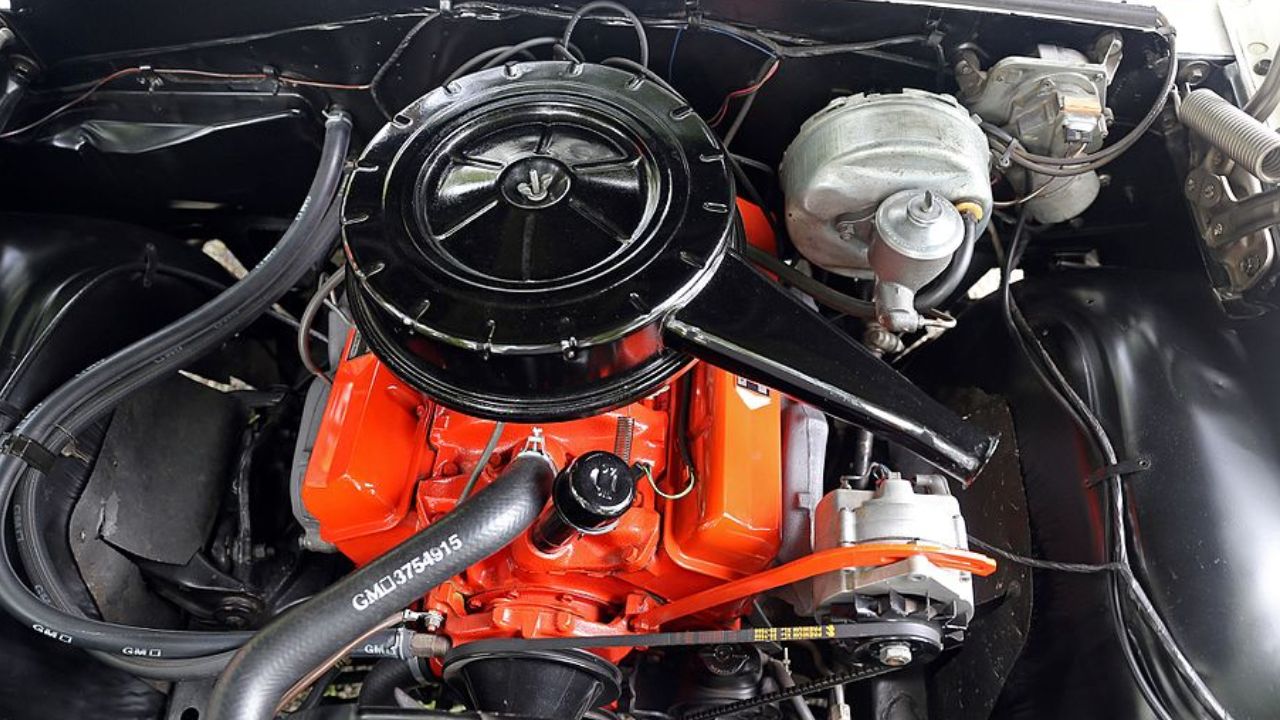
The Chevrolet Small Block V8 is perhaps one of the most iconic engines in automotive history, known for its durability and versatility. First introduced in 1955, this engine has powered everything from muscle cars to pickup trucks. With its simple design, the Small Block V8 has been a favorite for both OEM applications and aftermarket modifications. Many enthusiasts have reported their engines running strong for over 500,000 miles, a remarkable feat that speaks to its durability.
What makes the Small Block V8 truly special is its adaptability. It has undergone numerous iterations, yet the core design principles remain intact, ensuring that it remains relevant in today’s automotive landscape. I often come across stories from classic car owners who have restored their vehicles around this engine, celebrating its reliability and performance. Whether you’re a fan of vintage muscle or modern trucks, the Chevrolet Small Block V8 is a testament to enduring engineering that continues to thrive.
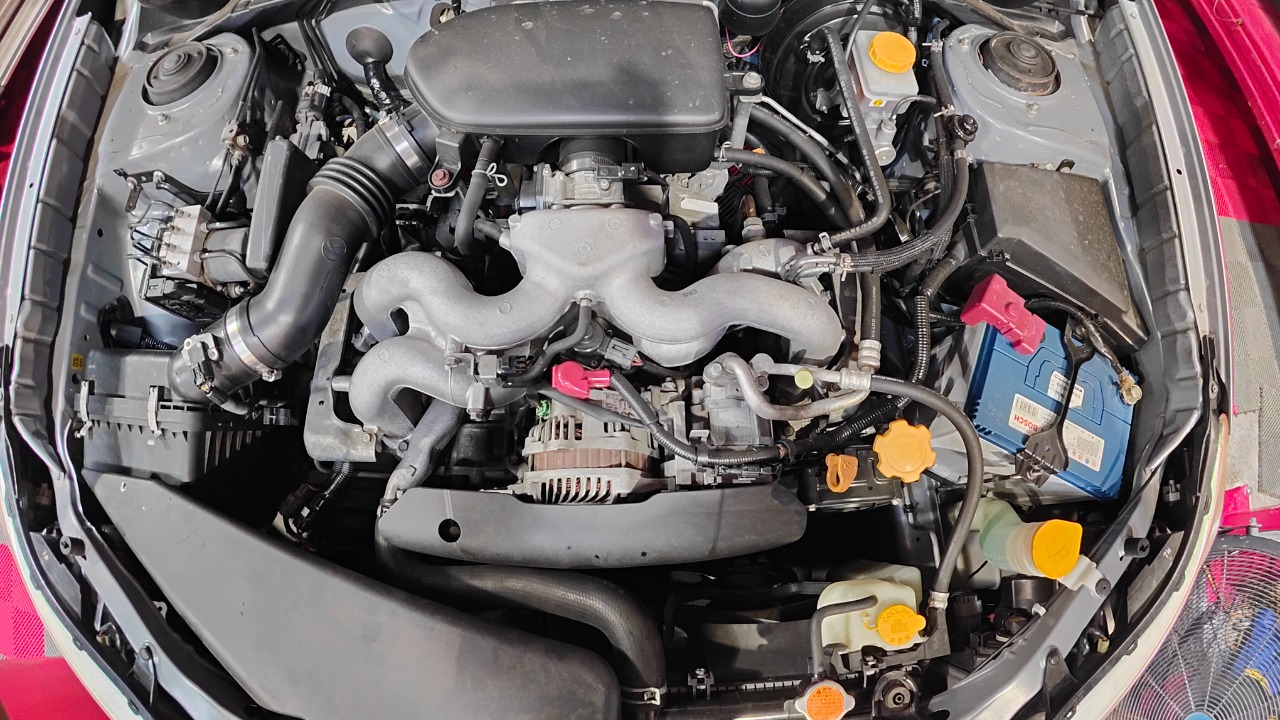
Subaru EJ-Series: All-Wheel Drive Resilience
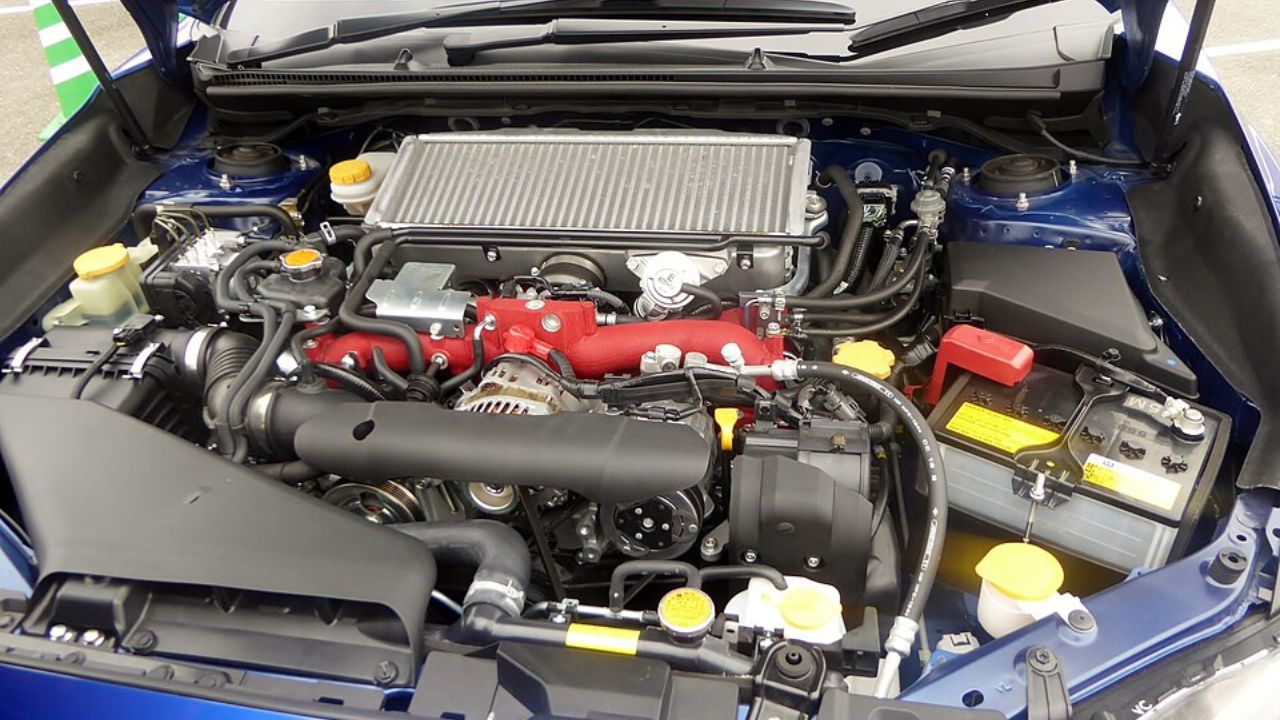
The Subaru EJ-Series engine has earned a reputation for resilience, particularly in all-wheel-drive applications. Introduced in the 1989 Subaru Legacy, this engine has powered various models, including the popular Subaru Outback and WRX. Known for its boxer configuration, the EJ-Series offers a low center of gravity and excellent balance, contributing to its durability. Many Subaru owners boast about their engines exceeding 250,000 miles, often without major issues, making it a reliable choice for adventure seekers.
One of the defining characteristics of the EJ-Series is its ability to handle challenging driving conditions, particularly in snow and off-road environments. The engine’s design allows for smooth power delivery and dependable performance, which is crucial for drivers who rely on their vehicles in diverse conditions. I frequently engage with Subaru enthusiasts who share their stories of cross-country trips and off-road adventures, all powered by the EJ-Series. This engine exemplifies how innovative design can lead to exceptional durability in real-world applications.
Mercedes-Benz OM617: The Diesel that Lasted Decades
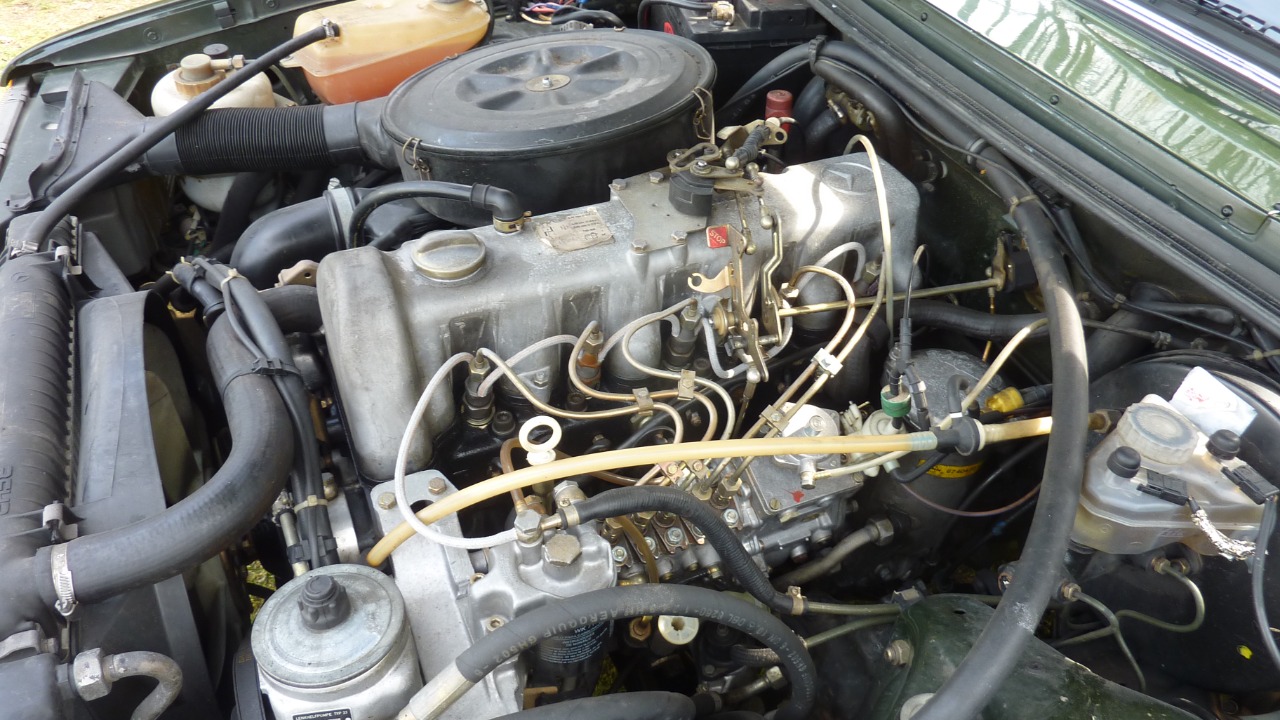
The Mercedes-Benz OM617 is a legendary diesel engine that has set the standard for durability in the automotive world. Produced from 1975 to 1991, this five-cylinder engine was used in various models, including the W123 series. Known for its exceptional build quality and longevity, many OM617 engines have surpassed the 500,000-mile mark, making it a favorite among diesel enthusiasts and vintage car collectors alike.
The engine’s robust construction features a cast-iron block and an iron head, which contribute to its ability to withstand high mileage and harsh conditions. Owners often praise the OM617 for its reliable performance and ease of maintenance. I’ve encountered numerous stories from owners who have restored these engines, emphasizing their durability and the joy of driving a classic Mercedes. The OM617 is not just an engine; it is a testament to Mercedes-Benz’s engineering prowess and commitment to quality.
Mazda Wankel Rotary: A Unique Approach to Durability

The Mazda Wankel rotary engine offers a unique take on durability, diverging from traditional piston engines. Introduced in the 1960s, this innovative engine has powered vehicles like the Mazda RX-7 and RX-8. The rotary design features fewer moving parts, which can lead to lower wear and tear compared to conventional engines. Many enthusiasts have found that with proper maintenance, Wankel engines can achieve impressive lifespans, often exceeding 100,000 miles.
While the rotary engine is not without its challenges, such as oil consumption and the need for regular upkeep, its lightweight and compact design have garnered a loyal following. I’ve engaged with many fans who appreciate the unique characteristics of the Wankel engine, often sharing their experiences in racing and spirited driving. The Mazda Wankel rotary engine represents a different approach to durability, showcasing how innovative engineering can lead to a distinct and enjoyable driving experience.
More from Fast Lane Only
- Unboxing the WWII Jeep in a Crate
- 15 rare Chevys collectors are quietly buying
- 10 underrated V8s still worth hunting down
- Police notice this before you even roll window down
*Research for this article included AI assistance, with all final content reviewed by human editors.