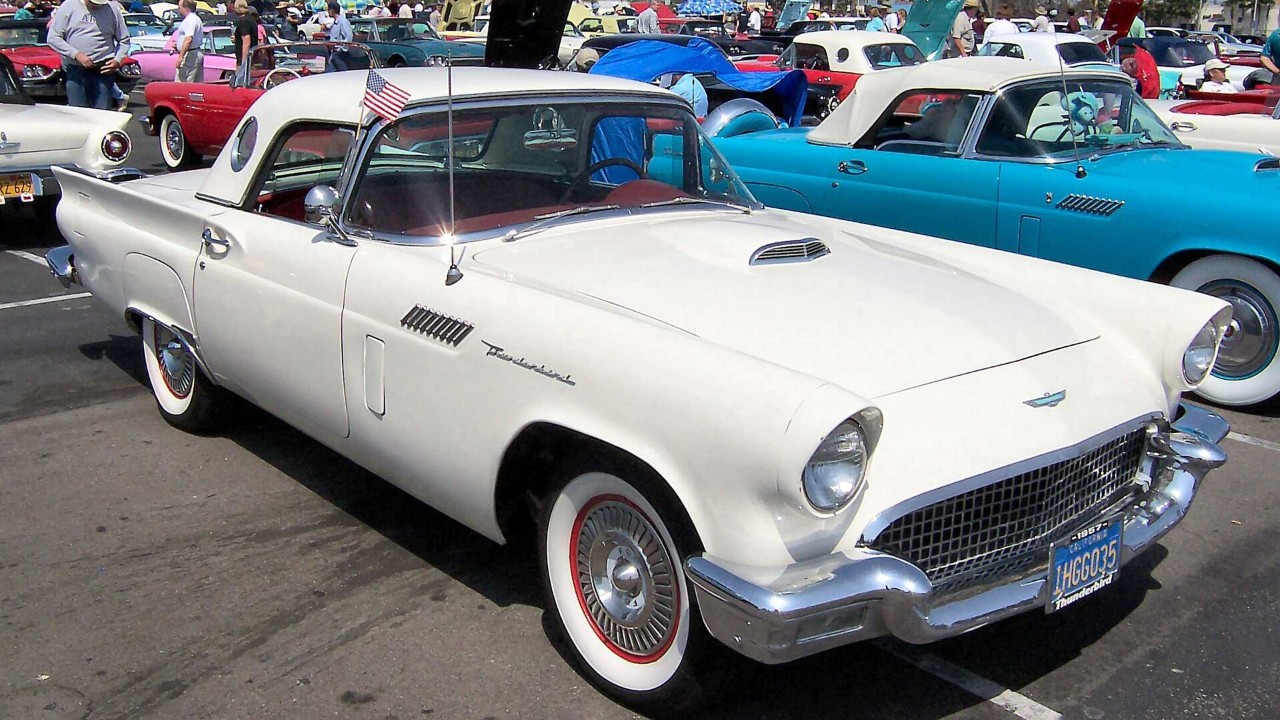
The 1980s supercar era was defined by excess, experimentation, and a kind of mechanical honesty that made speed feel genuinely risky. Turbo lag, manual steering, stiff suspensions, and raw power delivery meant these cars demanded respect at every throttle input. European manufacturers pushed styling and performance into extremes that created unforgettable machines—cars that looked fast, felt fast, and sometimes punished drivers who underestimated them.
Ferrari F40
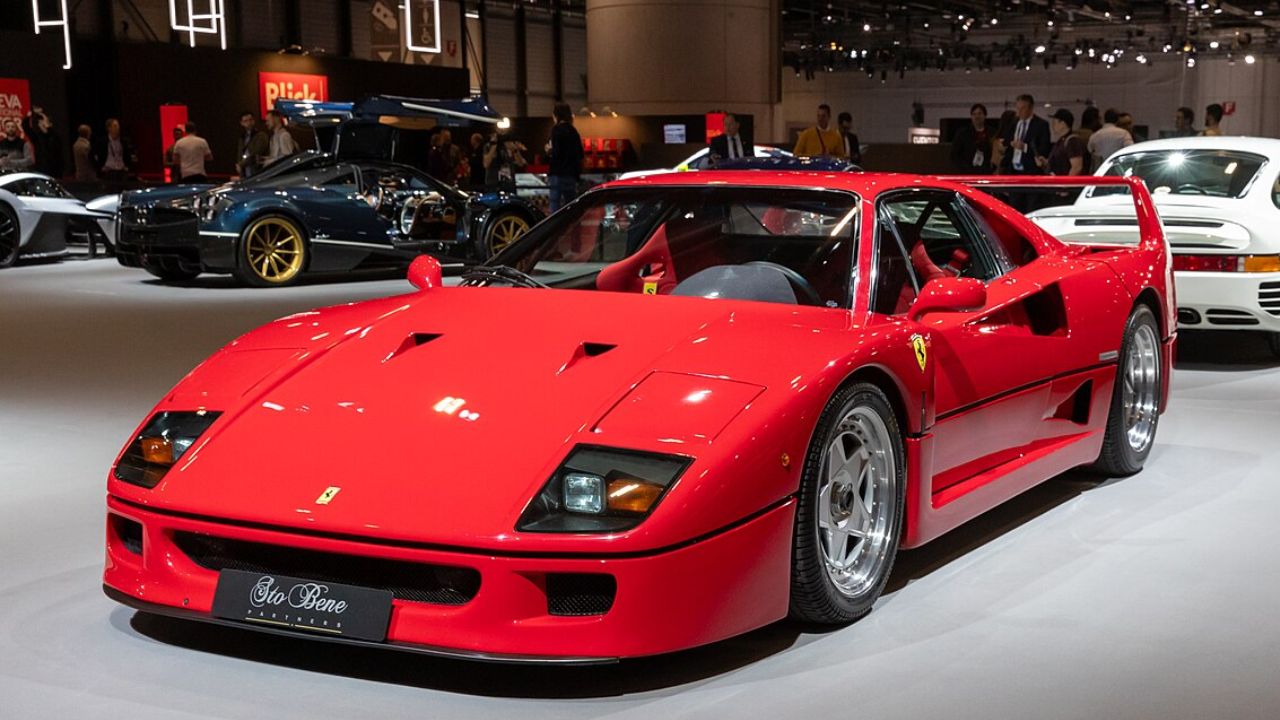
The Ferrari F40 became the defining symbol of 1980s performance extremism, combining twin-turbo V8 power with minimal driver assistance and a stripped-down interior. It was built with racing intent first, meaning comfort took a back seat to speed and weight reduction. Turbo lag and explosive boost delivery made its power feel unpredictable on public roads. The lack of electronic safety systems meant drivers had to rely entirely on skill and restraint. Even today, it remains one of the most raw and demanding supercars ever produced.
Porsche 959
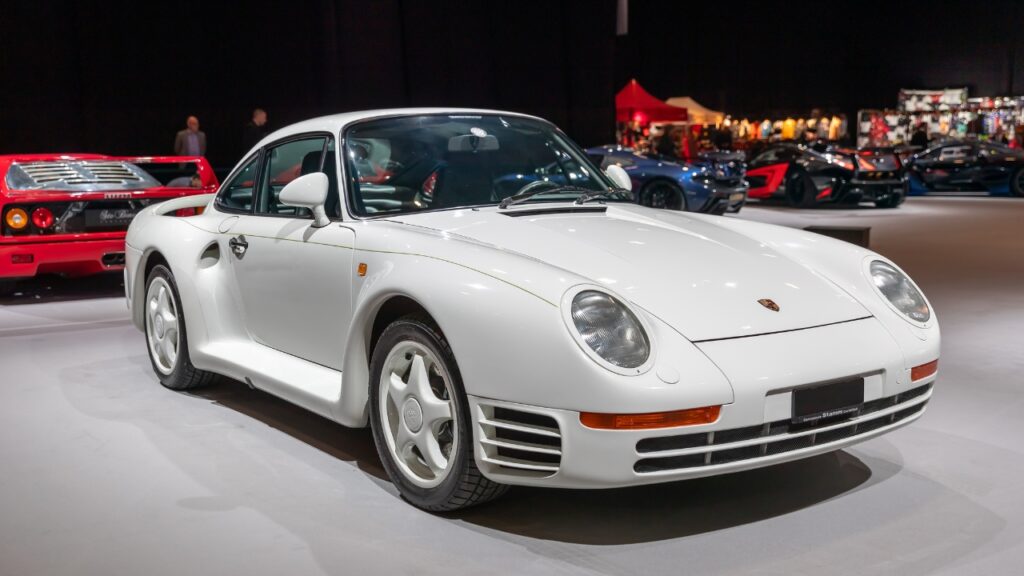
The Porsche 959 introduced advanced all-wheel drive, twin-turbocharging, and computer-controlled systems that were far ahead of its time. While it was more refined than many 1980s exotics, its performance capabilities were extreme for the era. The car could transition from high-speed stability to rapid acceleration with remarkable efficiency. However, maintenance complexity and cutting-edge engineering made it feel almost experimental. It represented a different kind of danger—not instability, but technological intensity that few drivers fully understood at the time.
Lamborghini Countach LP5000 QV
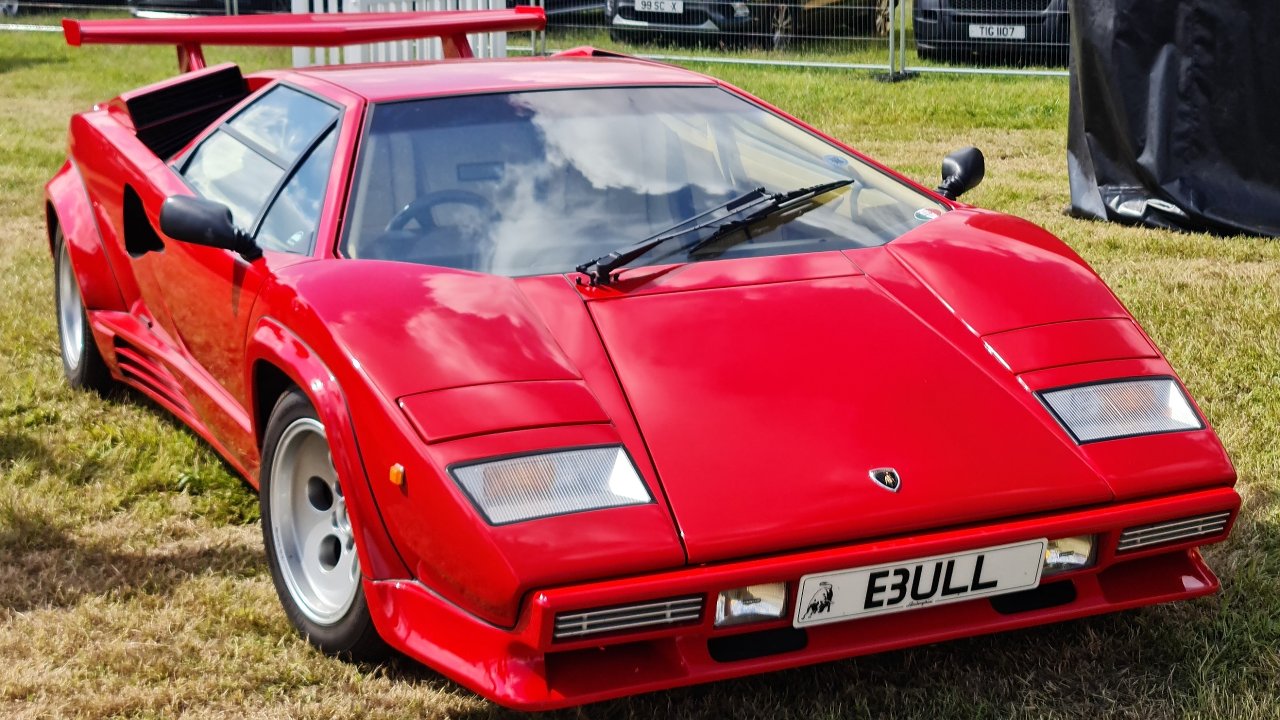
The Lamborghini Countach LP5000 QV embodied 1980s supercar drama with its sharp angles, wide stance, and iconic scissor doors. Its V12 engine delivered massive power, but visibility was poor and low-speed driving required serious attention. Steering effort was heavy, and the car’s width made it challenging in tight environments. At higher speeds, however, it transformed into a brutally fast machine with enormous presence. The Countach became legendary not just for performance, but for the feeling of controlled chaos it delivered behind the wheel.
Lotus Esprit Turbo
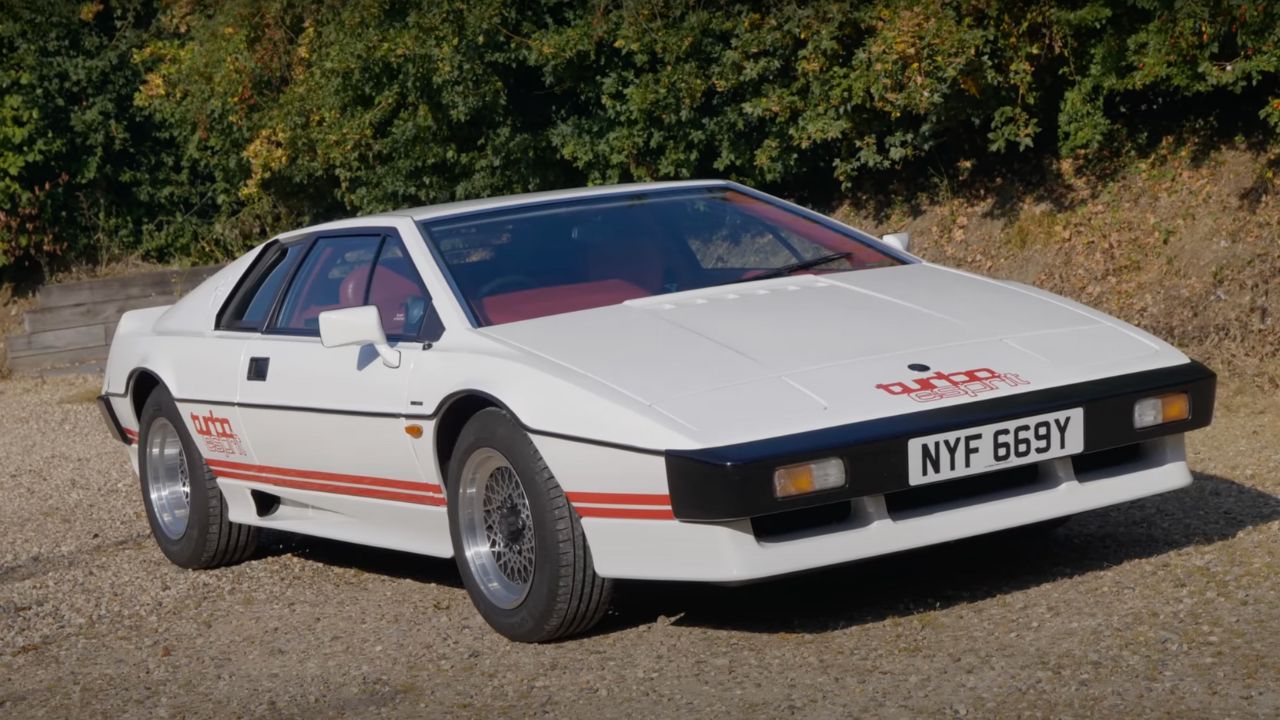
The Lotus Esprit Turbo combined lightweight construction with turbocharged performance, creating a sharp and responsive driving experience that could quickly become unforgiving. Its wedge-shaped body reflected Lotus’s focus on aerodynamics and simplicity. While it handled exceptionally well on smooth roads, its stiff setup and sudden turbo boost required careful control. The Esprit Turbo represented the idea that precision mattered more than comfort. It delivered supercar performance in a compact, intense package that rewarded skilled drivers and punished mistakes.
BMW M1

The BMW M1 brought mid-engine racing technology into a road-going supercar format, creating a machine that felt focused and mechanical. Its naturally aspirated inline-six engine delivered smooth but serious performance, especially at high revs. Steering feedback and chassis balance were exceptional, but the car demanded commitment at speed due to its race-derived setup. Limited production added to its mystique, and its motorsport origins reinforced its serious intent. The M1 felt like a pure driving tool rather than a luxury statement.
Maserati Biturbo
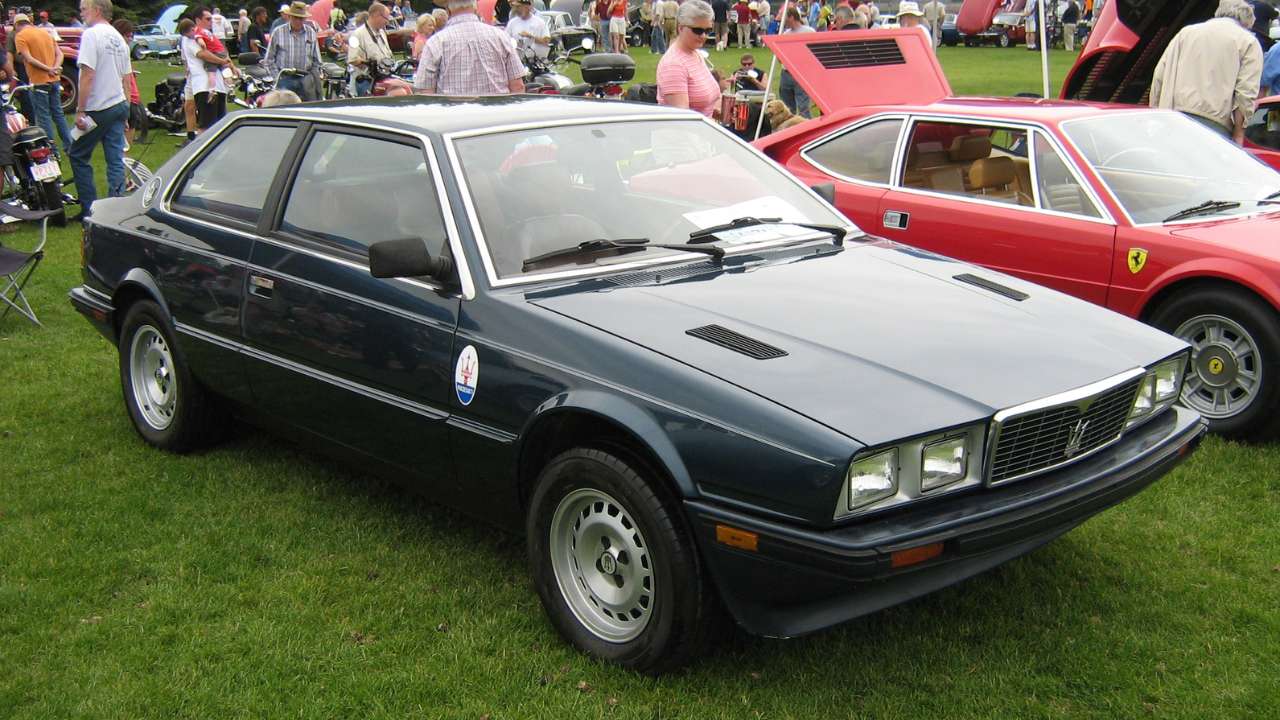
The Maserati Biturbo aimed to bring turbocharged performance into a more accessible luxury coupe, but its aggressive boost delivery and early turbo technology made it feel unpredictable at times. When the turbos spooled, acceleration arrived suddenly, creating a dramatic driving experience. Build quality varied across early production years, adding to its reputation for unpredictability. Despite its flaws, it represented an important step in making turbocharged performance mainstream in Europe. It remains a distinctive symbol of early 1980s turbo experimentation.
Alfa Romeo GTV6

The Alfa Romeo GTV6 combined a high-revving V6 engine with rear-wheel-drive balance and Italian chassis tuning. Its transaxle layout helped distribute weight more evenly, giving it sharp handling characteristics. While not the most powerful car of its era, it delivered a deeply engaging driving experience that rewarded precision. At the limit, it required respect due to its lively chassis behavior. The GTV6 became beloved for its mechanical character and the way it translated driver input into immediate, expressive motion.
Ferrari 288 GTO
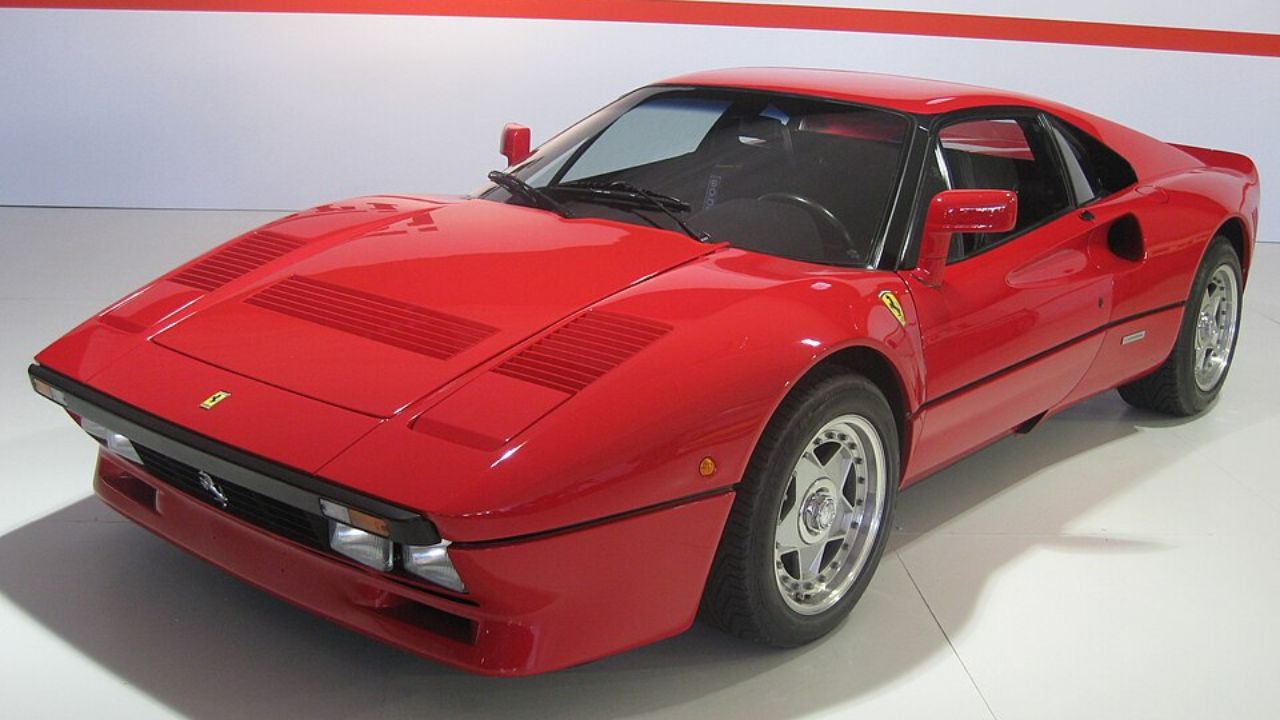
The Ferrari 288 GTO was originally developed for Group B racing, which already hinted at its extreme performance intentions. Its twin-turbo V8 delivered explosive acceleration for its time, while lightweight construction kept it agile. Although the racing program never fully materialized, the road car retained its competition-focused DNA. Turbo lag and raw power delivery made it demanding under hard acceleration. The 288 GTO became a bridge between classic Ferrari engineering and the even more extreme supercars that followed later in the decade.
More from Fast Lane Only