Some car models burst onto the scene with fanfare only to fade away, leaving behind a legacy that’s either fondly remembered or quickly forgotten. Here, I explore eight such famous car models that quietly disappeared over the years.
Pontiac Aztek

The Pontiac Aztek is perhaps best remembered for its unique design and appearance in the TV series “Breaking Bad.” Introduced in 2000, the Aztek was marketed as a versatile crossover, but its polarizing aesthetics led to its discontinuation in 2005. Despite its short run, the Aztek has gained a cult following among car enthusiasts who appreciate its bold design choices.
In recent years, the Aztek has become a symbol of quirky automotive history, often cited in discussions about design risks in the automotive industry. While it never achieved commercial success, it stands as a testament to Pontiac’s attempt to innovate and push boundaries.
Ford Pinto
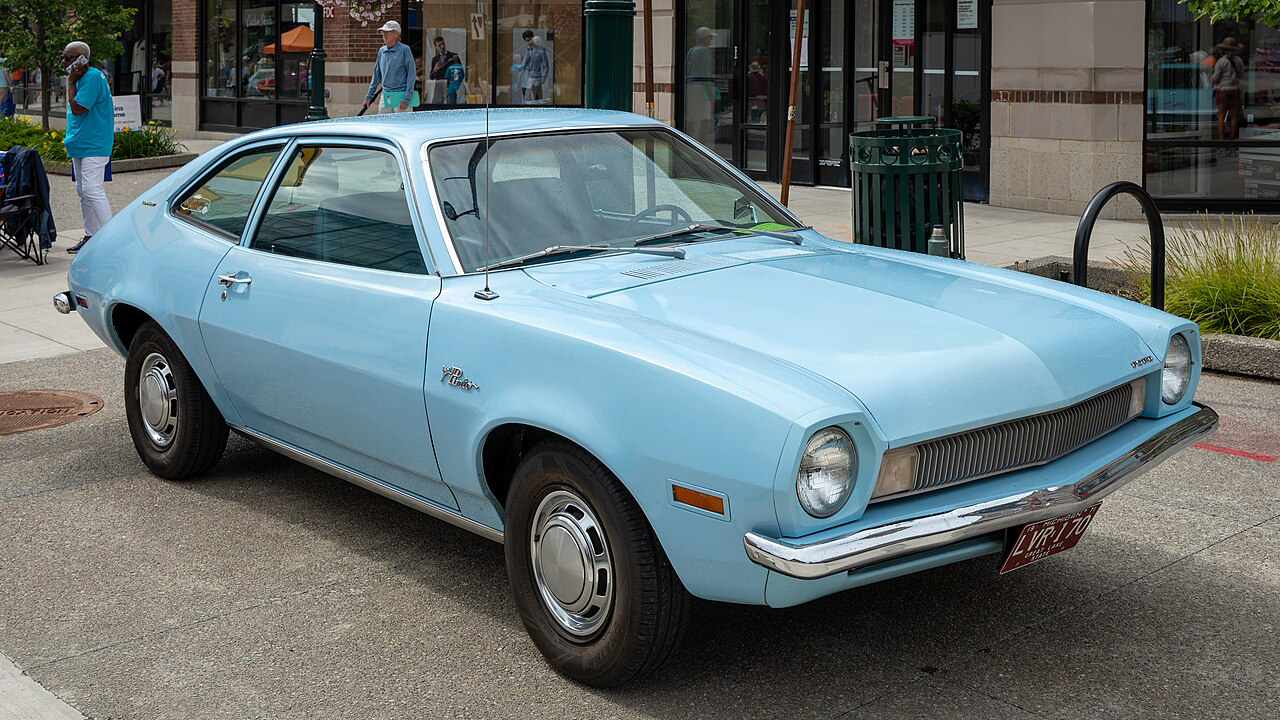
The Ford Pinto was introduced in 1970 as a response to the growing demand for compact cars. However, it became infamous due to safety concerns related to its fuel tank design, which made it susceptible to fires in rear-end collisions. These issues eventually led to a massive recall and a significant tarnish on its reputation.
Despite the controversy, the Pinto sold over three million units during its production run until 1980. Today, it serves as a case study in automotive safety debates and corporate responsibility.
Chevrolet Volt
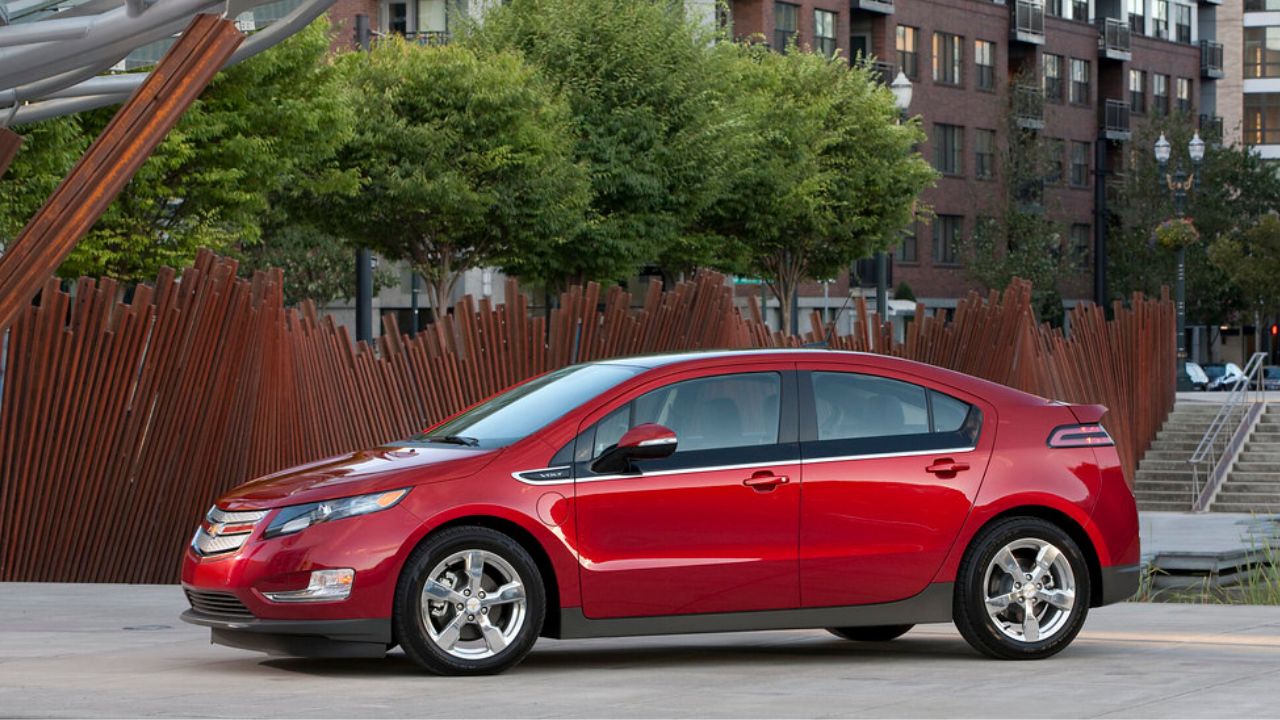
The Chevrolet Volt was a groundbreaking model when it was launched in 2010, offering an innovative plug-in hybrid experience. It was celebrated for its ability to drive on electricity alone for short distances, making it a favorite among eco-conscious drivers. Despite its technological achievements, the Volt was discontinued in 2019 as consumer preferences shifted towards all-electric vehicles.
The Volt’s legacy lives on in Chevrolet’s more recent electric offerings, but it paved the way for the brand’s transition into electric mobility. Its impact is still felt as it set a precedent for the future of hybrid technology in the automotive sector.
Saab 9-5
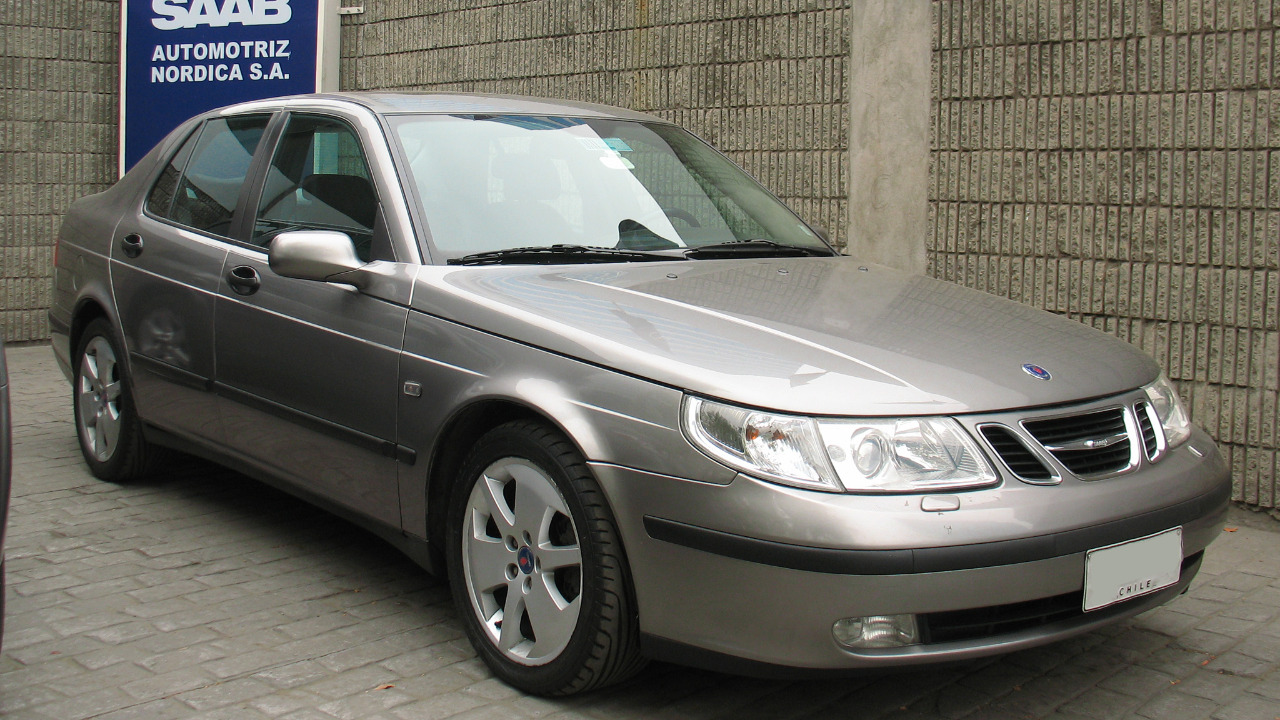
Known for its unique Scandinavian design and turbocharged engines, the Saab 9-5 was a beloved model among those who valued performance and style. Introduced in 1997, it offered a distinctive alternative to the mainstream luxury sedans of its time. However, Saab’s financial difficulties led to the 9-5’s discontinuation in 2011.
Despite its demise, the Saab 9-5 remains a popular choice among car collectors and enthusiasts who appreciate its engineering and design. It stands as a reminder of Saab’s innovative spirit, even as the brand itself has faded from the automotive landscape.
Plymouth Prowler
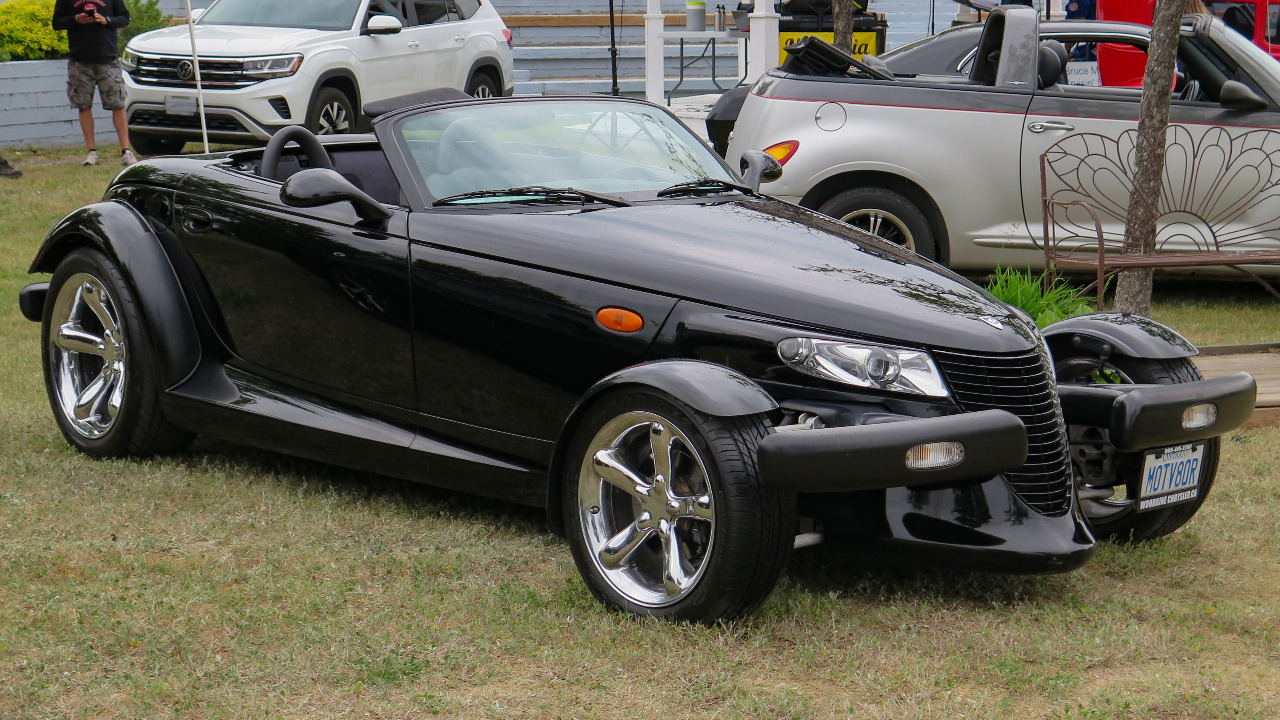
The Plymouth Prowler was a bold experiment in retro design, hitting the roads in 1997 with its hot rod-inspired looks. It captured the imagination of car enthusiasts with its striking appearance and open-wheel front end. However, its limited practicality and niche appeal led to its discontinuation in 2002.
Today, the Prowler is a collector’s item, cherished for its daring design and place in automotive history. It serves as a reminder of a time when automakers took risks to stand out in a crowded market.
Saturn Ion
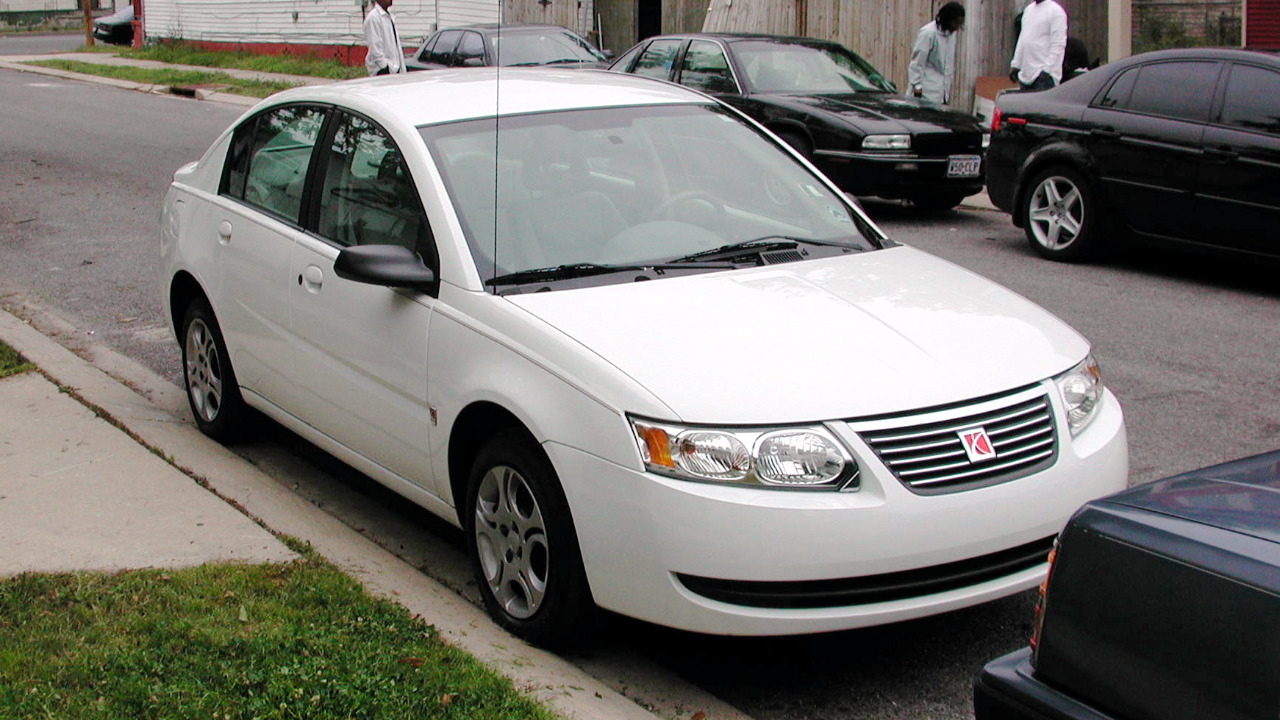
The Saturn Ion was launched in 2002 as a replacement for the Saturn S-Series, aiming to attract younger buyers with its distinctive styling and affordability. Despite its initial promise, the Ion struggled with quality issues and faced stiff competition from other compact cars.
Eventually, the Ion was discontinued in 2007, as General Motors decided to dissolve the Saturn brand altogether. Its short-lived production run highlights the challenges faced by brands trying to capture the elusive youth market.
Honda Element
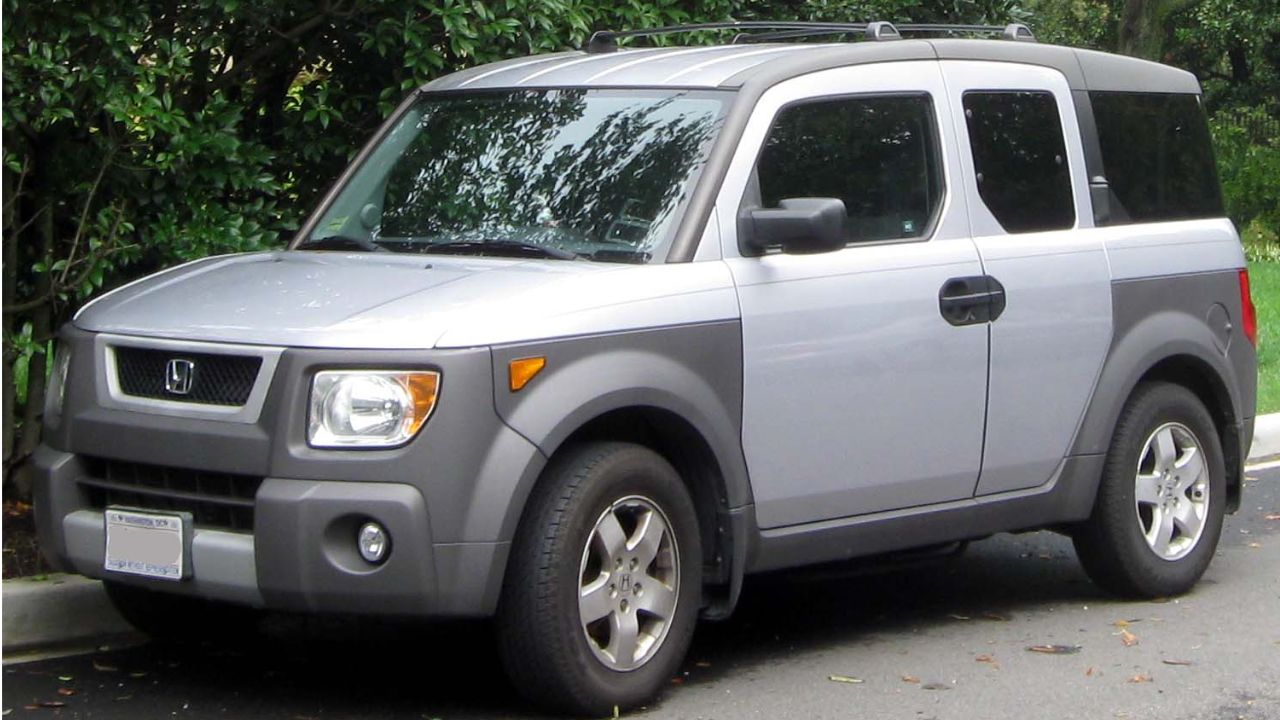
The Honda Element debuted in 2003, offering a unique boxy design and versatile interior aimed at active lifestyles. It quickly gained a loyal following among outdoor enthusiasts and pet owners. However, its sales began to decline as consumer preferences shifted towards more traditional SUVs and crossovers.
Honda discontinued the Element in 2011, but it remains popular in the used car market for its practicality and rugged charm. Its distinct design continues to be a talking point among car enthusiasts.
Toyota FJ Cruiser

The Toyota FJ Cruiser made its debut in 2006, drawing inspiration from the classic Toyota FJ40 Land Cruiser. Its retro styling and off-road capabilities made it a hit among adventure seekers. Despite its popularity, Toyota decided to discontinue the FJ Cruiser in 2014, citing declining sales and tightening fuel economy standards.
While no longer in production, the FJ Cruiser continues to enjoy a strong following, with many owners cherishing its off-road prowess and distinctive design. Its departure left a gap in the market for rugged, adventure-ready SUVs, a void that some brands are still trying to fill today.
Like Fast Lane Only’s content? Be sure to follow us.
Here’s more from us:
*Created with AI assistance and editor review.