The Ford Pantera has always lived in the gray area between muscle car and exotic. Born from a wild partnership between De Tomaso and Ford, it combined Italian styling with American V8 muscle and a mid-engine layout—long before that became mainstream. Over the years, the Pantera evolved, broke away from Ford, and earned a cult following for its looks, sound, and potential.
Some models became collector legends, others drifted into obscurity, and a few—like the ones touched by race teams or TV garages—sparked debate. These 10 Panteras tell the full story of a car that refused to play by the rules.
1. 1971 De Tomaso Pantera (Launch Edition)
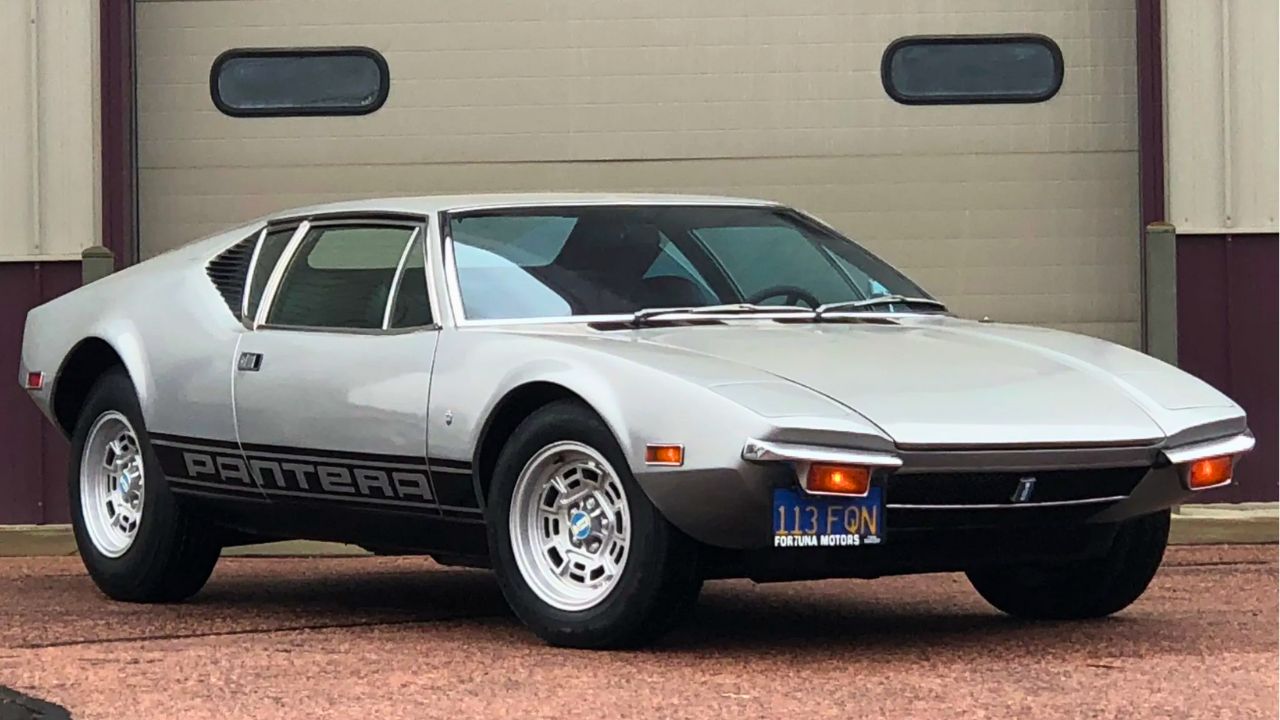
The original 1971 Pantera was Ford’s entry into the mid-engine supercar world. Powered by a 351 Cleveland V8 making 330 horsepower, it had real grunt. That engine was paired with a ZF 5-speed manual transaxle and mounted in a steel monocoque chassis—something rare for the time.
It looked exotic thanks to styling by Tom Tjaarda at Ghia, but came with American muscle sound and torque. These early models had their quirks—especially with cooling and build quality—but when they worked, they delivered the raw experience Ford was after.
2. 1972 Pantera L (Lusso)
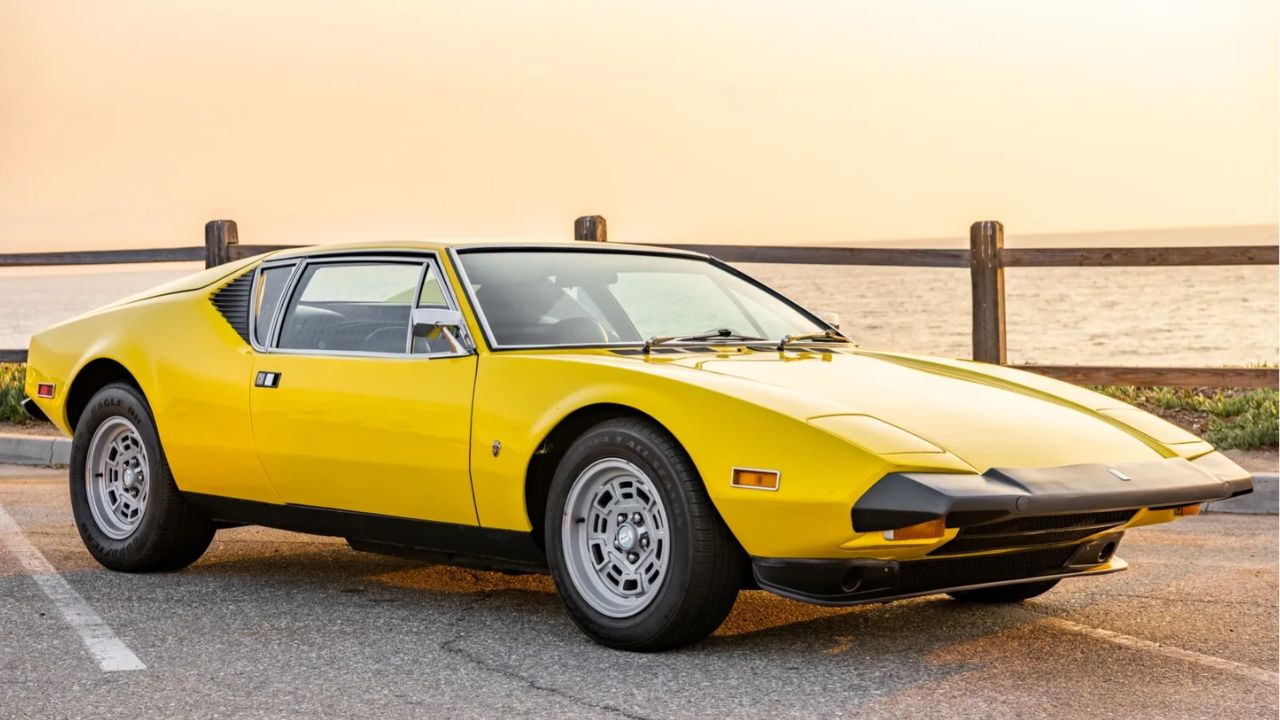
The “L” stood for Lusso, or luxury, but it was more about making the Pantera roadworthy in the U.S. Updates included a new front bumper to meet crash standards, improved cooling, and revised interiors that felt slightly more refined.
The 351 Cleveland stuck around, now rated closer to 266 hp due to net horsepower standards, but performance remained strong. The L model was the most common U.S.-delivered Pantera and ironed out enough bugs to make it one of the more livable versions for street use.
3. 1973 Pantera GTS (European Version)

The European-market GTS took the Pantera concept up a notch. It wore wide fender flares, bold decals, and aggressive spoilers, and it came with a higher compression 351 Cleveland making over 300 hp. U.S. GTS models existed too, but they were mostly cosmetic.
The Euro GTS added stiffer suspension and performance gearing, turning the car into more of a driver’s machine. It looked mean standing still and had the power to back it up. Today, original GTS models are among the most sought-after Panteras in the collector world.
4. 1975 Pantera GT5 (Post-Ford Era)
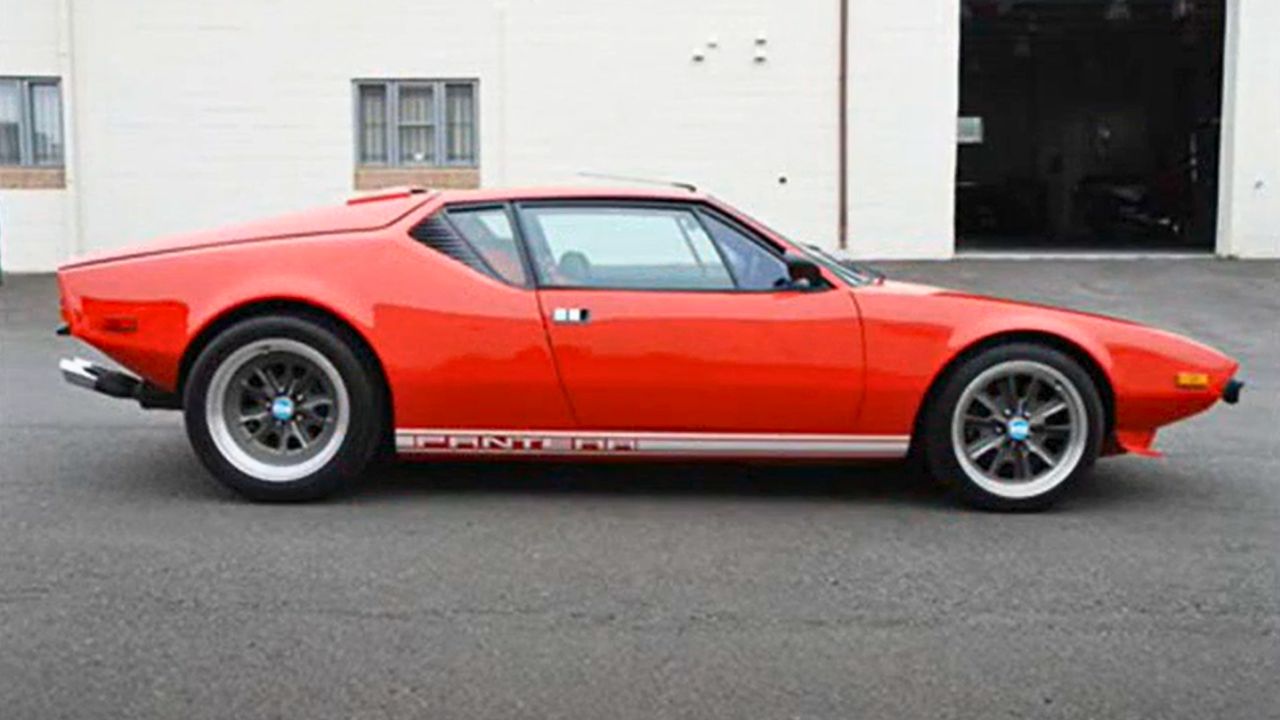
After Ford pulled out of the project in 1974, De Tomaso continued Pantera production in Italy. The GT5, introduced in 1980 but based on mid-’70s development, was one of the wildest-looking iterations—wider fenders, front and rear spoilers, and massive 345-section rear tires.
Power remained in the 350–400 hp range depending on configuration, and suspension was beefed up to handle the increased grip. The GT5 gave the Pantera a full-on supercar presence and kept the car alive well beyond its intended production run.
5. 1985 Pantera GT5-S
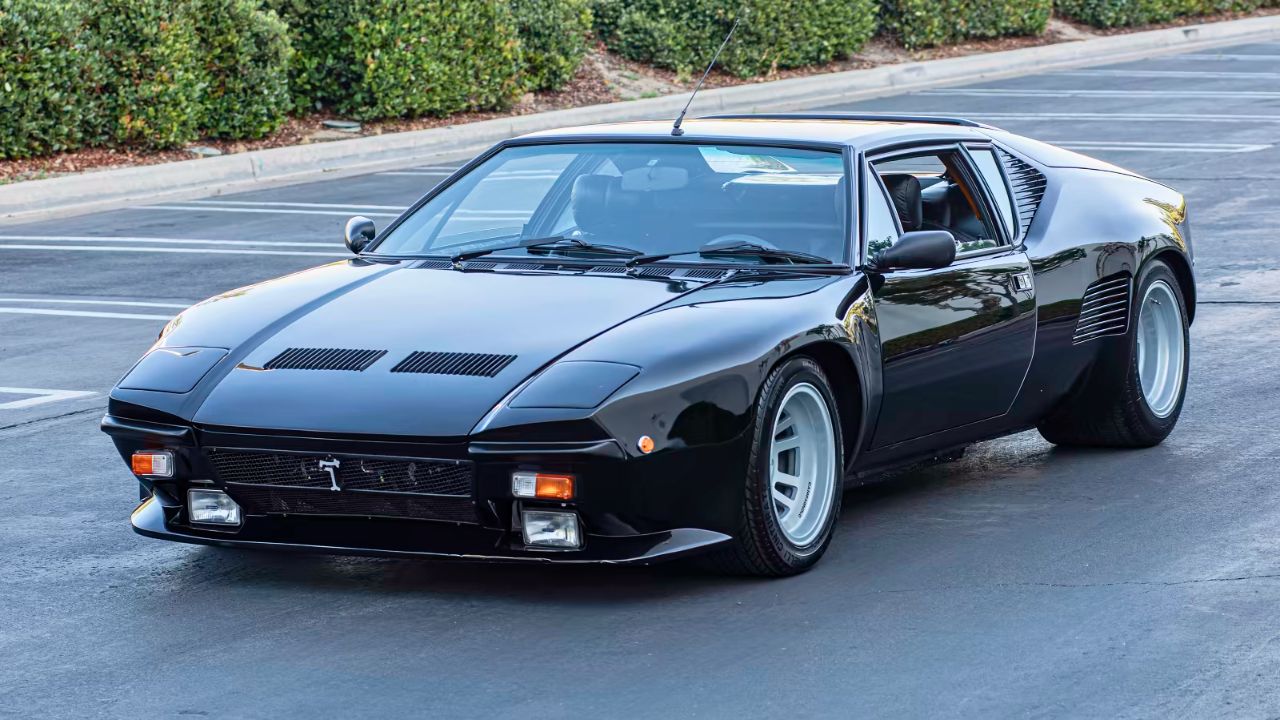
The GT5-S followed the widebody GT5 but dialed back some of the flash in favor of smoother, more refined bodywork. Gone were the riveted-on fender flares—in their place were fully integrated steel arches and cleaner lines that gave the car a more mature look.
Underneath, the GT5-S kept the same 351 Cleveland engine and 5-speed transaxle but often came with more power from factory tuning or owner upgrades. These cars were hand-built in small numbers, making them rare and desirable today—especially in original condition.
6. 1972 Pantera “Push Button” Early Model

The earliest Panteras imported to the U.S. in 1971–72 are often called “push-button” cars because they featured a unique door handle design. Only about 300 were made before the switch to a conventional latch, making them rare and easy to identify.
These cars also had a few unique body details, such as thinner bumpers and a slightly different engine bay layout. While mechanically similar to later models, collectors prize these early builds for their purity and historical importance to the Ford–De Tomaso partnership.
7. 1974 Pantera Group 4 Race Car
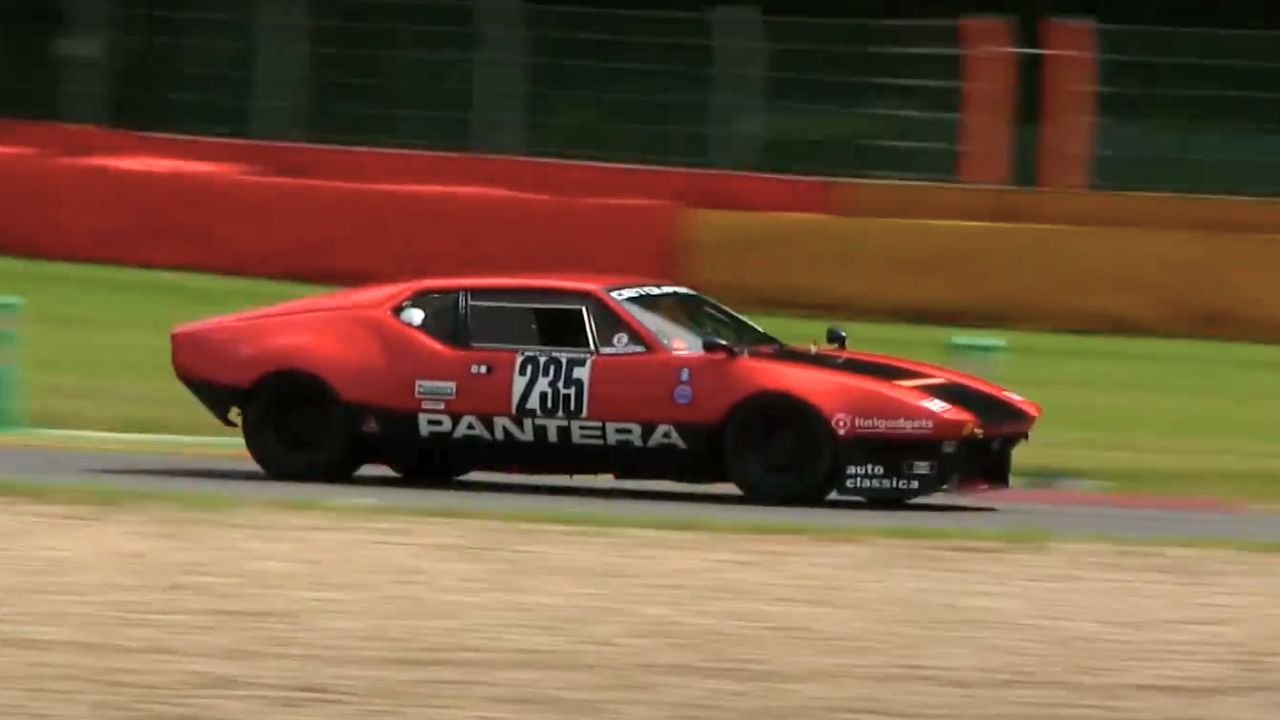
Built for FIA Group 4 competition, these factory-prepped Panteras were stripped-down racers with widened bodies, roll cages, lightweight panels, and tuned 351 Cleveland engines producing 400+ horsepower.
Suspension was fully track-ready, and braking systems were upgraded for endurance runs. These cars saw action in European GT events and remain some of the most valuable and purpose-built Panteras ever made. Few were built, and even fewer survive in original spec today.
8. 1990 Pantera Si (Marcello Gandini Design)
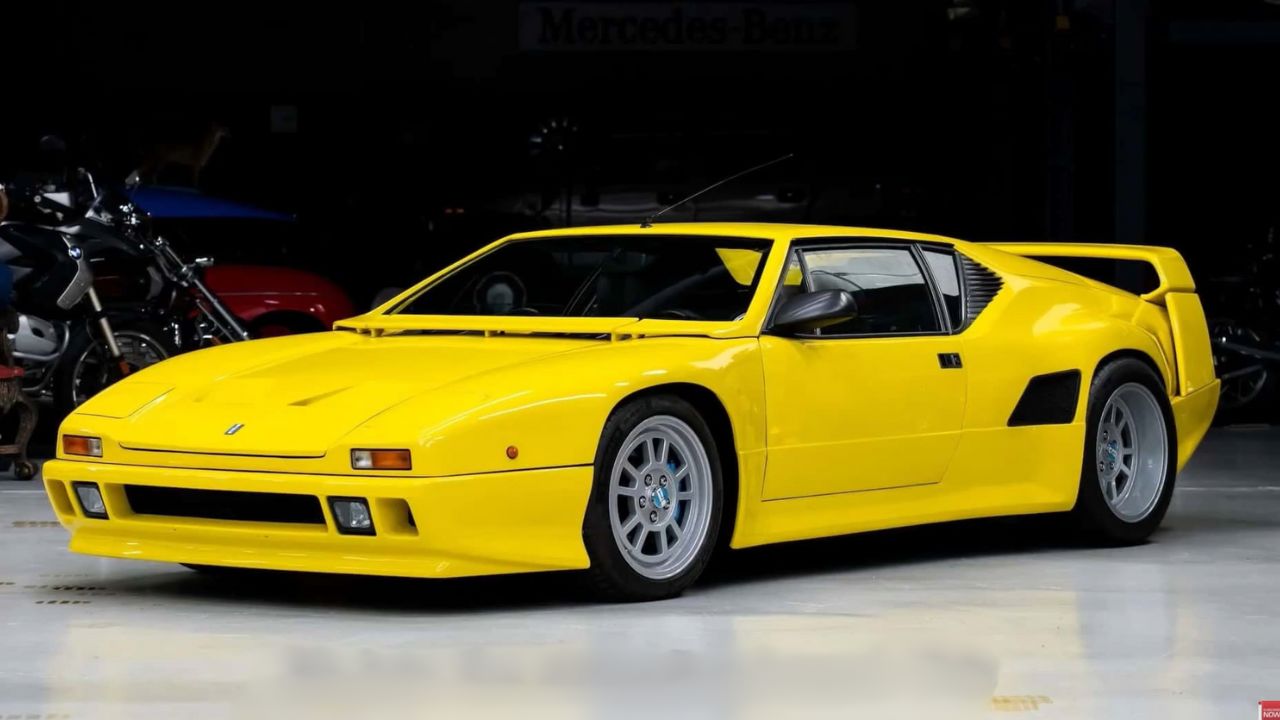
The final iteration of the Pantera, the Si (for “Serie Imperiale”), arrived in 1990 with a complete redesign by Marcello Gandini—the man behind the Lamborghini Countach. Only 38 units were produced, making it the rarest Pantera variant.
It featured an updated suspension, a 302-cubic-inch Ford V8 (5.0L from the Mustang GT), and a much more modern look. Despite the small engine by Pantera standards, the Si was lighter and better balanced than its predecessors. It’s a proper bookend to the Pantera story.
9. The Gas Monkey Garage Pantera: Iconic or Just Loud?

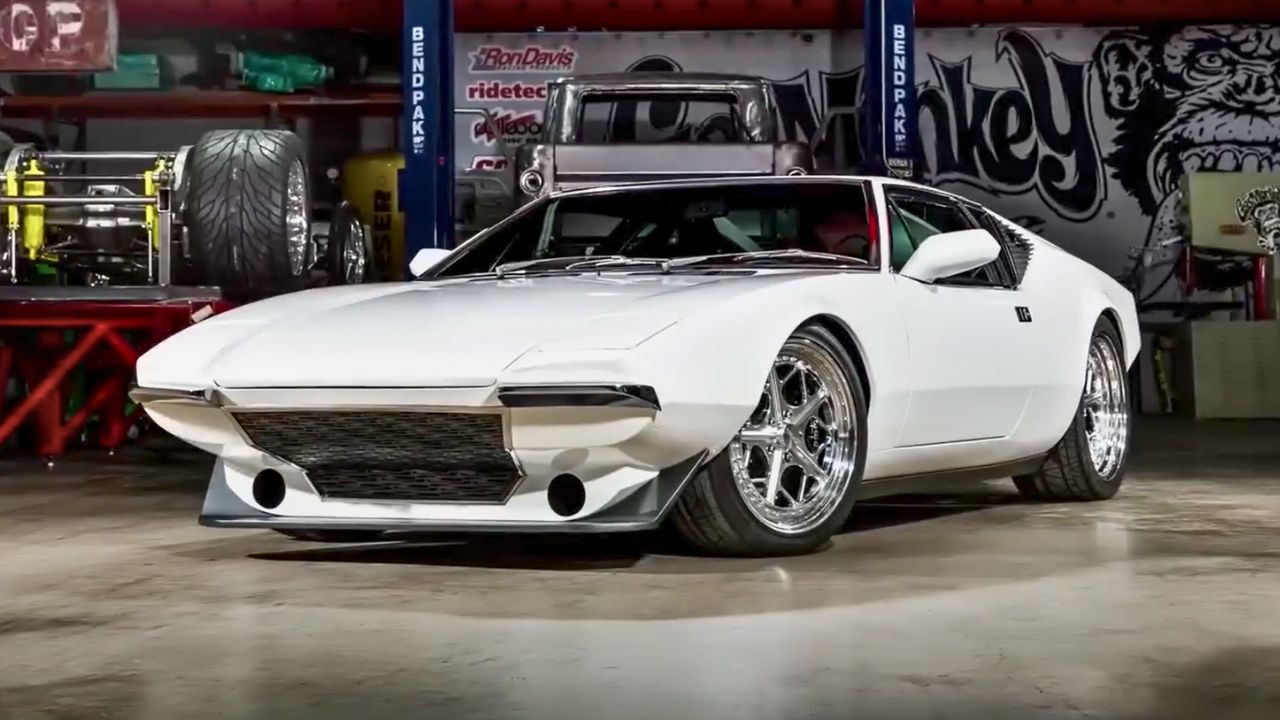
When Gas Monkey Garage took on the Pantera, subtlety wasn’t on the agenda. They chopped the roof, widened the body, and dropped in a twin-turbo Ford EcoBoost V6—ditching the traditional V8 in favor of modern boost and tech. Visually, it’s aggressive, low-slung, and unlike any Pantera before it.
The build split opinions fast. Some praised the creativity and fabrication skill, while others saw it as sacrilege to the original’s DNA. Whether it’s iconic or just controversial depends on where you stand—but there’s no denying it got people talking about the Pantera again.
*Created with AI assistance and editor review.