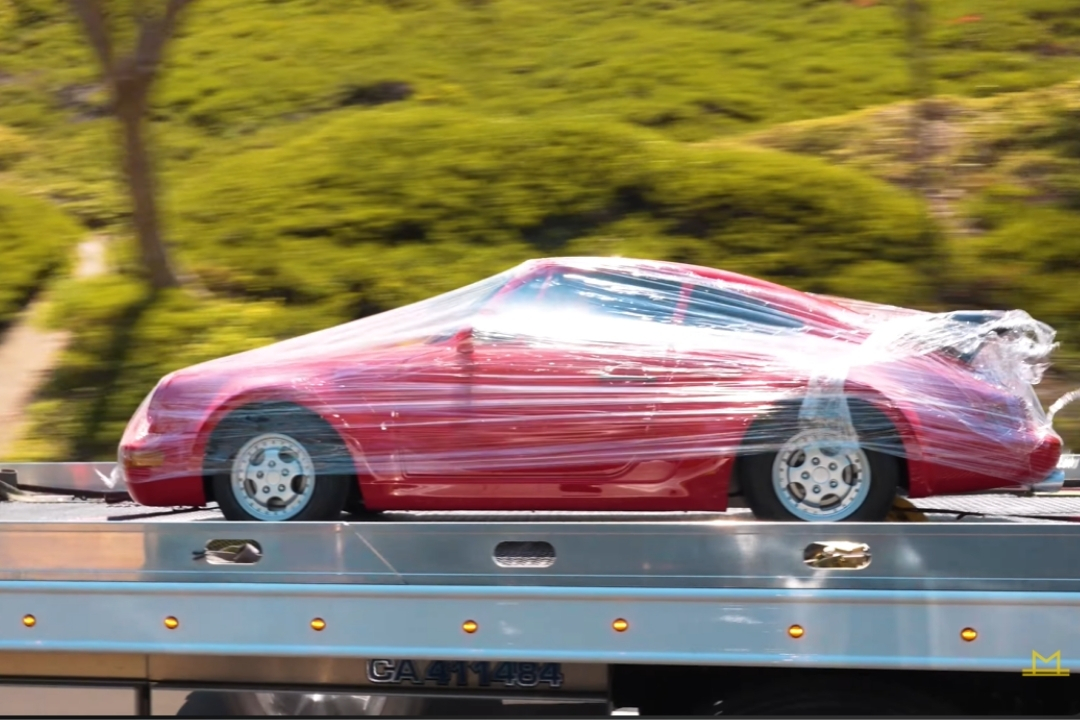
When people talk about the Lotus Esprit, they usually jump straight to the Bond-era S1 or the later V8 models from the ’90s. But tucked quietly between those bookends is the 1983 Esprit—a model that rarely makes headlines but played a crucial role in the car’s evolution.
It wasn’t the fastest or flashiest Esprit, but it marked a turning point in refinement, handling, and design. Lightweight, sharp-edged, and full of character, the 1983 Esprit is a forgotten chapter in Lotus history that deserves a closer look. Here are 10 reasons why.
It Was the Last Year of the Naturally Aspirated Series 3

The 1983 Esprit S3 was the final model year before Lotus fully committed to turbocharging across the board. It retained the 2.2-liter naturally aspirated inline-four (912 series), which made about 160 horsepower in U.S. trim.
Though not a powerhouse, it weighed under 2,500 pounds and was geared for sharp mid-range acceleration. By the following year, the Turbo Esprit became the main focus, leaving the NA S3 as something of a swan song for the original simplicity of the Esprit line.
It Shared Its Chassis With the Turbo

Unlike earlier Esprits, the 1983 S3 shared the same galvanized steel backbone chassis as the Turbo Esprit. This gave it added structural rigidity compared to the original Giugiaro-designed S1 and S2 models.
The S3’s suspension also borrowed heavily from the Turbo setup, including the wider rear track and revised geometry. The changes improved handling without compromising the car’s light weight or road feedback, offering a more planted feel even with the lower power output.
The Design Came Straight from Giorgetto Giugiaro
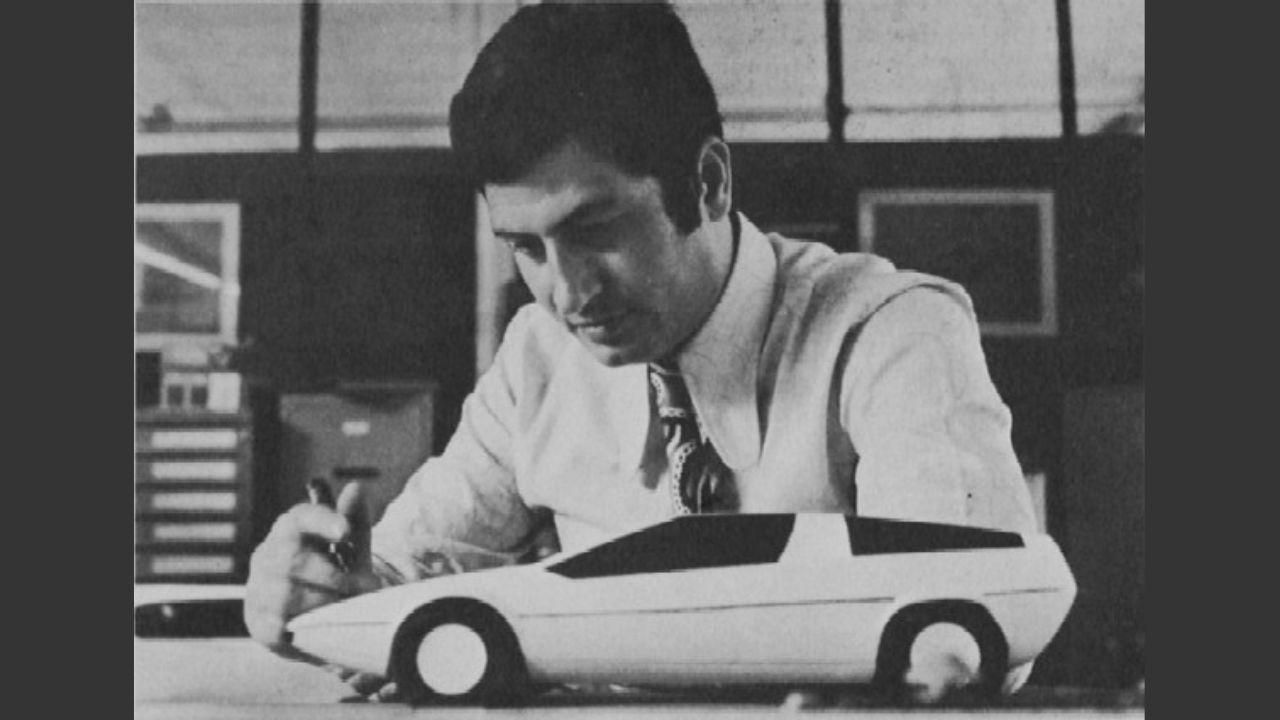
By 1983, the Esprit’s wedge shape was no longer cutting-edge, but it was still striking. Italian designer Giorgetto Giugiaro penned the original Esprit in the mid-’70s, and the S3 retained most of those sharp lines and minimalist proportions.
The square-edged design gave the Esprit a futuristic look, and the proportions—mid-engine, low-slung body, short overhangs—still screamed exotic. While later Esprits softened the shape, the ’83 model kept Giugiaro’s original vision mostly intact.
It Had One of the Best Steering Racks in the Business

The 1983 Esprit S3 came with a manual rack-and-pinion steering system that was among the sharpest of its era. Feedback was immediate and accurate, a hallmark of Lotus engineering dating back to their Formula cars.
The absence of power assist meant more effort at low speeds, but it also gave the driver a direct connection to the front wheels. Combined with its mid-engine balance, the Esprit delivered a level of control that put many higher-powered exotics to shame in tight corners.
The Interior Got a Serious Upgrade

Earlier Esprits were famously spartan, but the 1983 S3 got a more refined cabin. It featured improved sound insulation, redesigned seats, and a new dashboard layout that looked more driver-focused and less kit-car.
Leather was available, and air conditioning became more reliable. The switchgear still came from across the British Leyland parts bin, but the overall feel was more finished. While not luxurious by modern standards, it was a big step forward from the barebones interiors of the ’70s cars.
Lotus Used Parts from Surprising Places

Like many small-volume builders, Lotus sourced components from wherever they could. The 1983 Esprit used rear light clusters from a Rover SD1 and door handles from a Morris Marina. Even the HVAC system came from an old Ford Cortina.
This mix-and-match approach wasn’t just about saving money—it was about survival. But somehow, Lotus made it work. Despite the Frankenstein parts list, the Esprit had an identity all its own. The end result felt cohesive, even if it took some parts-hunting to restore one.
It Came With a Real Trunk (Sort Of)

Most mid-engine cars make you suffer when it comes to luggage space. But the Esprit S3 had a practical touch—a carpeted rear cargo area over the engine bay with enough space for weekend luggage or groceries.
It wasn’t huge, and it sat next to the engine, so heat soak was real. But it made the Esprit more usable than many of its contemporaries. A small front trunk under the hood added just a bit more practicality to this wedge-shaped sports car.
It Was Quicker Than People Remember

On paper, the 1983 Esprit S3 doesn’t look fast: 0–60 mph in around 6.8 seconds, and a top speed of roughly 130 mph. But in the real world—thanks to its low weight and mid-engine balance—it could hold its own on a twisty backroad.
The five-speed Citroën-sourced transaxle wasn’t the slickest, but the gearing made the most of the engine’s torque curve. The car excelled in real-world driving situations, not just straight-line sprints. That’s what made it special.
It Had Racing DNA—Even if It Didn’t Race in ’83

While the 1983 Esprit didn’t campaign on track in any major series, its chassis design and engineering were born from Lotus’s motorsports roots. The mid-engine layout, light weight, and precise suspension were all part of Colin Chapman’s engineering philosophy.
Earlier versions of the Esprit competed in Group 5 and endurance racing, and the Turbo Esprit would continue to see track time later in the decade. Even off the circuit, you could feel the car’s race-inspired design in every input behind the wheel.
It’s a Hidden Value in the Classic Car Market

Compared to later V8-powered Esprits or the Bond-famous S1, the 1983 model flies under the radar. That’s good news for anyone looking for a vintage mid-engine car without breaking the bank. Clean S3s are still relatively affordable in today’s classic market.
They’re also simpler to maintain than later turbocharged or fuel-injected models. With solid parts support and strong club backing, the 1983 Esprit offers an honest driving experience in a car that still looks like nothing else on the road.
*Created with AI assistance and editor review.