You know that feeling when a car leaves you cold on the test drive, then suddenly clicks the second time you get behind the wheel? Some models only reveal their logic once you live with their quirks, learn their gearboxes, or stop expecting them to be something they are not. Here are eight cars that often feel confusing at first, but start to make real sense on that crucial second drive.
Smart ForTwo
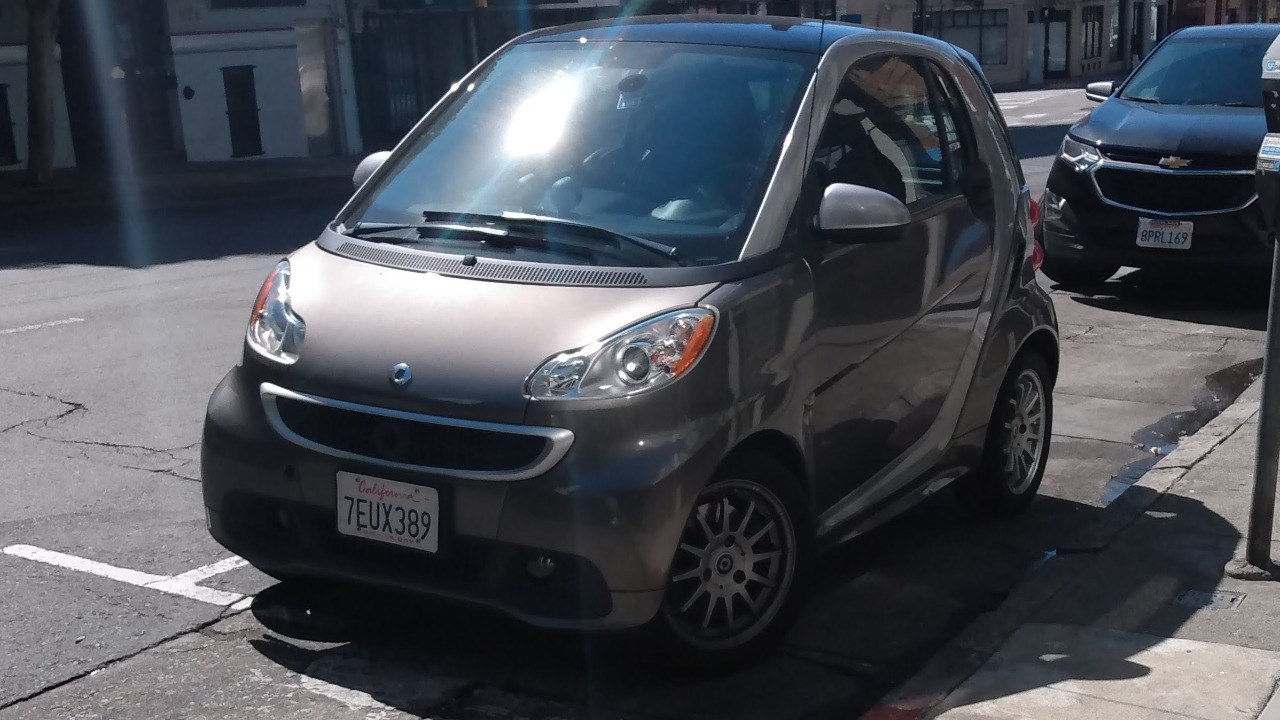
The Smart ForTwo can feel downright broken on a first spin, largely because of its infamous semi-automatic gearbox. Early drives often highlight the lurchy shifts and odd pauses that have made the transmission a punchline. Yet detailed guides to automatic-friendly cars point out that once you treat the ForTwo like a city tool rather than a baby sports car, its packaging and visibility start to shine.
On a second drive, you are more likely to anticipate the shifts, time your throttle inputs and appreciate how absurdly easy it is to slot into tiny parking spaces. The payoff is a car that makes urban errands almost stress free. For city dwellers who value maneuverability and low running costs over refinement, the ForTwo’s oddities become acceptable trade-offs rather than dealbreakers.
Mitsubishi Mirage
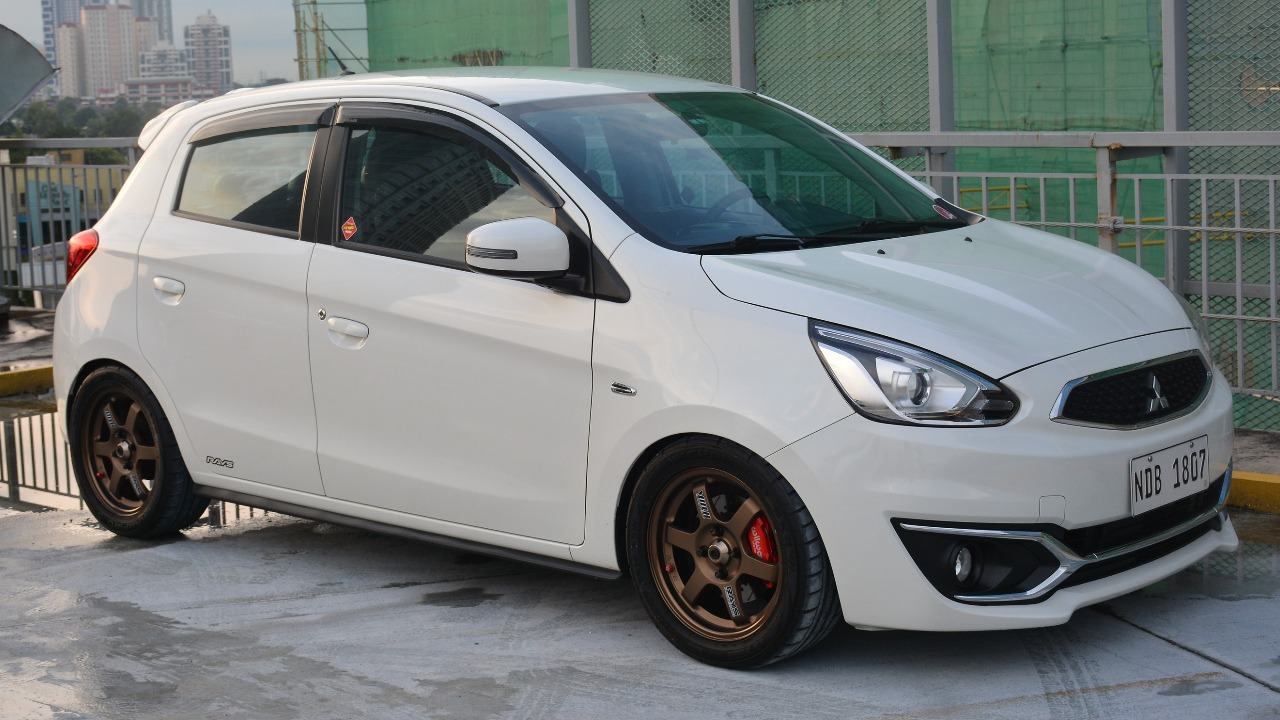
The Mitsubishi Mirage is another model that can disappoint at first, especially if you jump in expecting the polish of a larger hatchback. Reliability lists that flag problematic used cars often single out the Mirage for its coarse engine and basic interior, which you will notice immediately on a quick loop around the block.
Give it a second drive, though, and you may start to see why budget-focused shoppers keep shortlisting it. When you lean into its strengths, such as low purchase price, frugal fuel use and simple mechanicals, the Mirage becomes a rational appliance. For commuters who just need something cheap to run and easy to park, the stakes are less about driving pleasure and more about predictable costs, a lens that makes the car’s compromises easier to accept.
Toyota FJ Cruiser

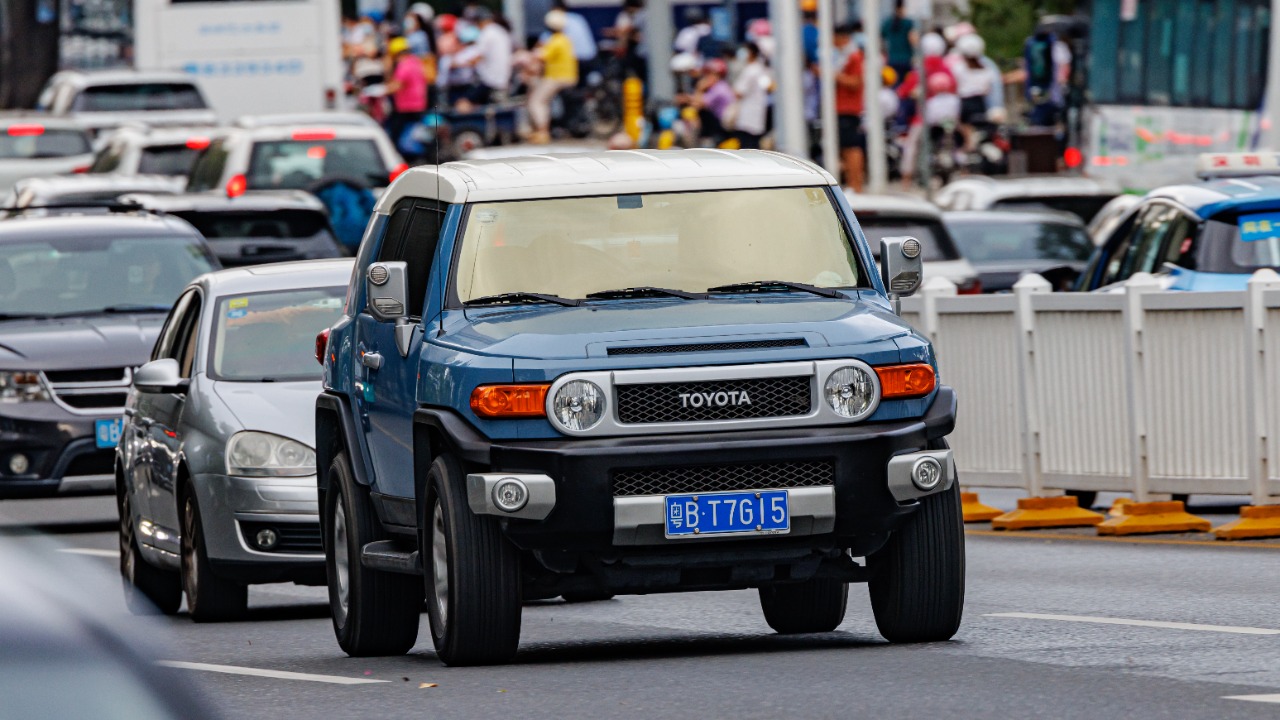
The Toyota FJ Cruiser can feel clumsy and compromised on a first test drive, especially if you stay on smooth suburban roads. The heavy steering, limited rear visibility and quirky doors are hard to ignore. Yet fans who celebrate its place among cult 4x4s point out that you only really “get” an FJ once you leave the pavement.
On a second drive that includes dirt, snow or rocky trails, the tall stance, chunky tires and off-road hardware suddenly feel purposeful. The compromises that annoyed you in town translate into stability and confidence when traction is scarce. For buyers who camp, tow or live in harsh climates, that second experience reframes the FJ Cruiser from awkward retro toy into a serious tool that still holds strong resale value.
Porsche Carrera GT
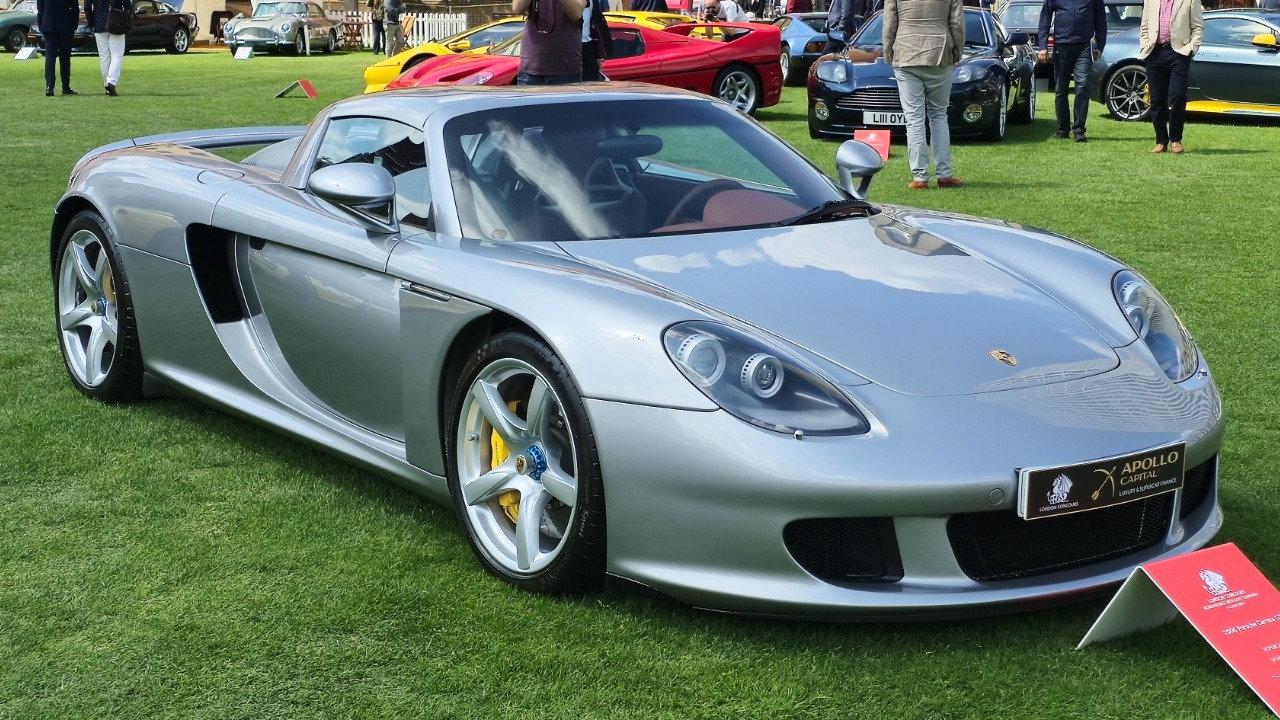
The Porsche Carrera GT is intimidating on any drive, but the first outing can be overwhelming. Its V-10 power, manual gearbox and lack of modern driver aids demand respect. Investment-minded enthusiasts who discuss building a portfolio around cars like the Porsche Carrera GT, BMW M3 and Ferrari 550 M often focus on values, not drivability.
By the second drive, once you have learned the clutch bite point and how the chassis talks to you, the Carrera GT’s reputation starts to make sense. Reports on appreciating exotics such as the Porsche Carrera GT note how its rarity and analog feel drive demand. For you as a driver, that means the learning curve is steep but rewarding, with financial upside that reinforces the urge to persevere.
Audi R8 (manual)
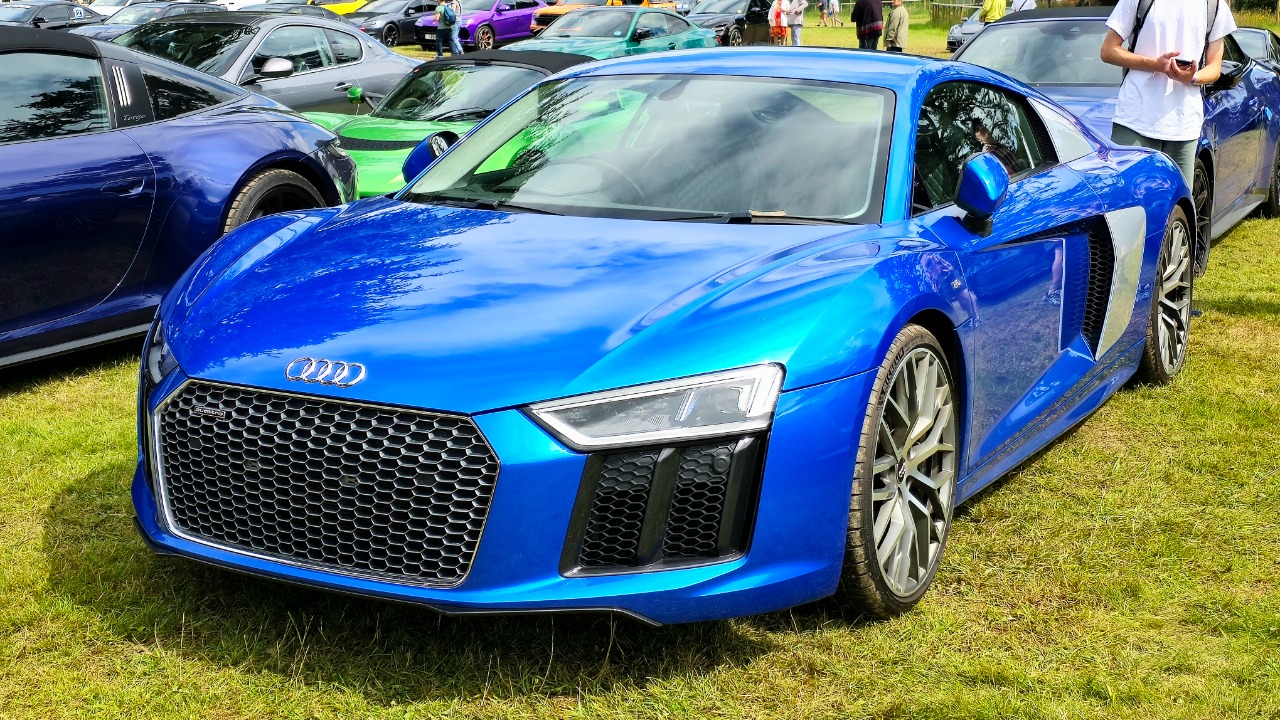
The first time you drive a manual Audi R8, it can feel like a supercar that is trying to be too civilized. The gated shifter is beautiful but requires deliberate movements, and the car’s refinement can initially mute the drama you might expect. Analyses of appreciating sports cars, including multiple Audi R8 variants such as the Coupe White Front Angle Driving Audi, highlight how the manual versions are increasingly prized.
On a second drive, once you stop rushing the shifts and start savoring the mechanical feel, the R8’s character comes into focus. The balance between everyday usability and exotic performance becomes a feature, not a flaw. For you as an owner, that duality means you can enjoy a car that quietly builds value while still being comfortable enough to drive to work or on long trips.
Honda Civic Si Sedan
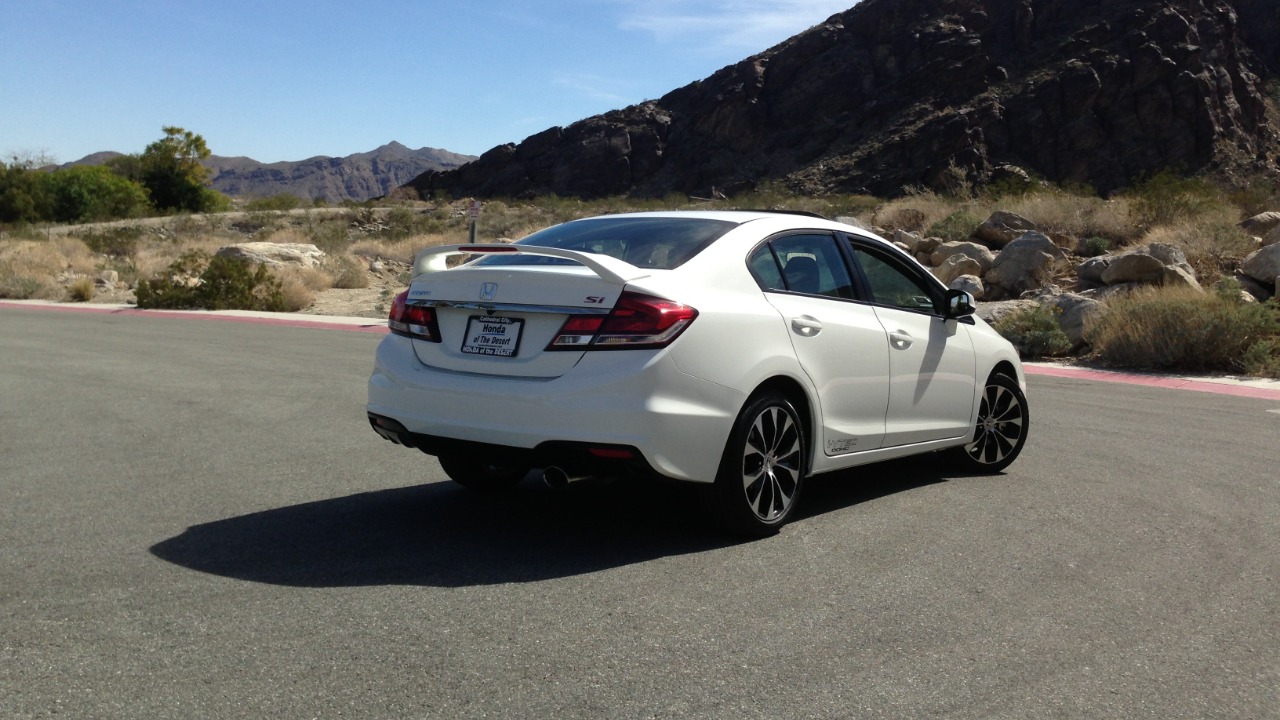
The Honda Civic Si Sedan can seem underwhelming if you only sample it at low revs. The turbocharged engine feels modest and the ride a bit firm compared with regular Civics. Yet performance roundups that praise the Honda Civic Si stress that Honda still offers a manual transmission that is “a joy to use.”
Once you take a second drive and let the engine spin, the car wakes up, the shifter’s precision stands out and the chassis feels alive. That is when you understand why enthusiasts keep recommending it as a budget performance option. For you, the implication is clear: if you judge the Si only by a gentle test loop, you risk missing a daily driver that doubles as a genuinely engaging back-road partner.
Chevrolet Corvette C7 Z06 (automatic)
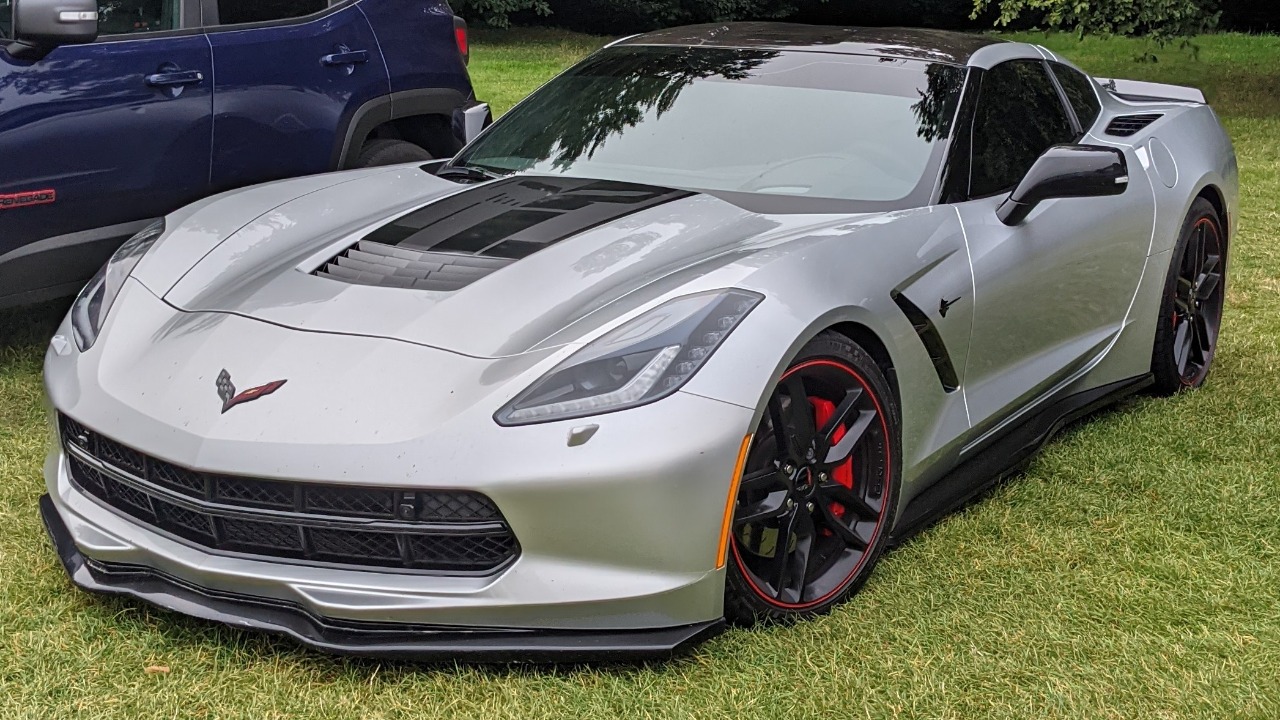
The Chevrolet Corvette C7 Z06 with the automatic transmission is a textbook example of a car that confuses on the first drive. One widely shared comment on Looks better than calls out how the auto shifts feel “agonizingly laggy unless you’re at 9/1,” a blunt summary of the mismatch between the car’s aggressive styling and its behavior in normal traffic.
On a second drive, if you keep the gearbox in manual mode and stay in the powerband, the C7 Z06’s personality changes. The lag recedes, the chassis feels sharper and the car finally drives the way it looks. For you as a shopper, the lesson is that some high performance models demand a more committed driving style to make sense, and a quick, gentle test may unfairly bias you against them.
Alfa Romeo Giulia

The Giulia’s steering initially feels overly quick. Throttle sensitivity can feel abrupt. Suspension tuning seems firm on imperfect roads. It may feel unsettled at first.
With familiarity, its sharp responses feel natural. Chassis balance reveals impressive composure. Steering precision becomes addictive. The personality finally makes sense.
More from Fast Lane Only