You keep hearing about six-figure exotics at auction, but the smartest collectors are quietly chasing cars that still look almost attainable. Many of them are hiding in plain sight at local classifieds or cars-and-coffee meets, sitting just below the radar while attention stays on headline-grabbing supercars. If you want to move before prices climb, these 12 cars are already being quietly accumulated by people who study this market for a living.
Honda Prelude
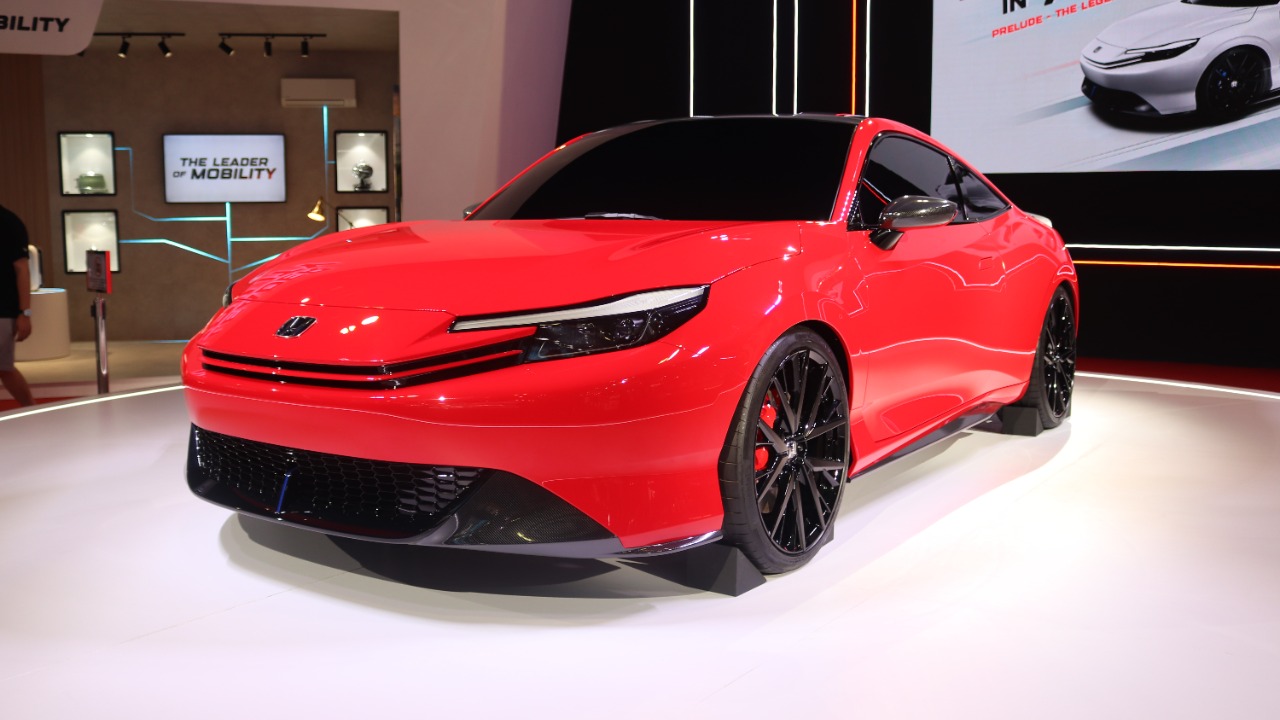
The Honda Prelude is the kind of car you might still see parked on the street, which is exactly why collectors are moving now. In a detailed breakdown of future values, one expert singles out the Prelude in Dec as a buy, calling out how rare the right options have become and joking that the choice is “crazy rare.” When someone who tracks values that closely tells you to “buy the Prelude,” you should probably listen.
You feel the appeal the moment you drive one. A clean, unmodified Prelude gives you light steering, a revvy four-cylinder, and a manual gearbox that makes every shift feel precise. Because many were daily drivers, truly original examples are thinning out, which is why collectors are quietly storing the best ones. If you want in, you should focus on low-mileage cars with full history and avoid heavily modified builds.
Ferrari 400
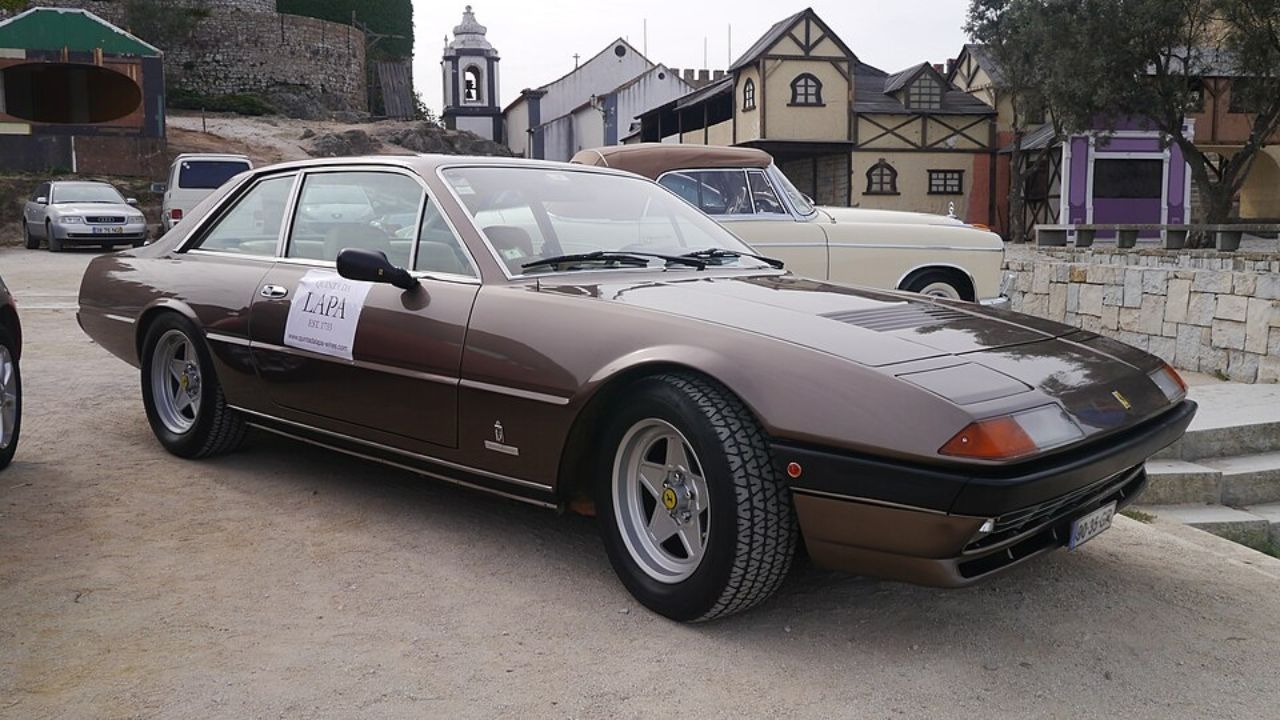
The Ferrari 400 spent years as the “cheap” way into a V-12 from Maranello, which is exactly why values are starting to move. A detailed buyer guide highlights the 1976–89 Ferrari 400 and stresses that “Hagerty Says” the best way to experience the car is from behind the wheel, with that V-12 making “fantastic” sounds. When a valuation specialist calls out a model this specifically, collectors pay attention.
You are seeing the shift as people realize how few good 400s remain. Many were neglected when they were cheap, so sorted cars with strong service records are in demand. The automatic transmission no longer scares buyers who want a grand touring Ferrari that feels different from mid-engine models. If you want to follow the quiet money, look for a car that has had its major service done recently, even if you pay more upfront.
Ferrari 412
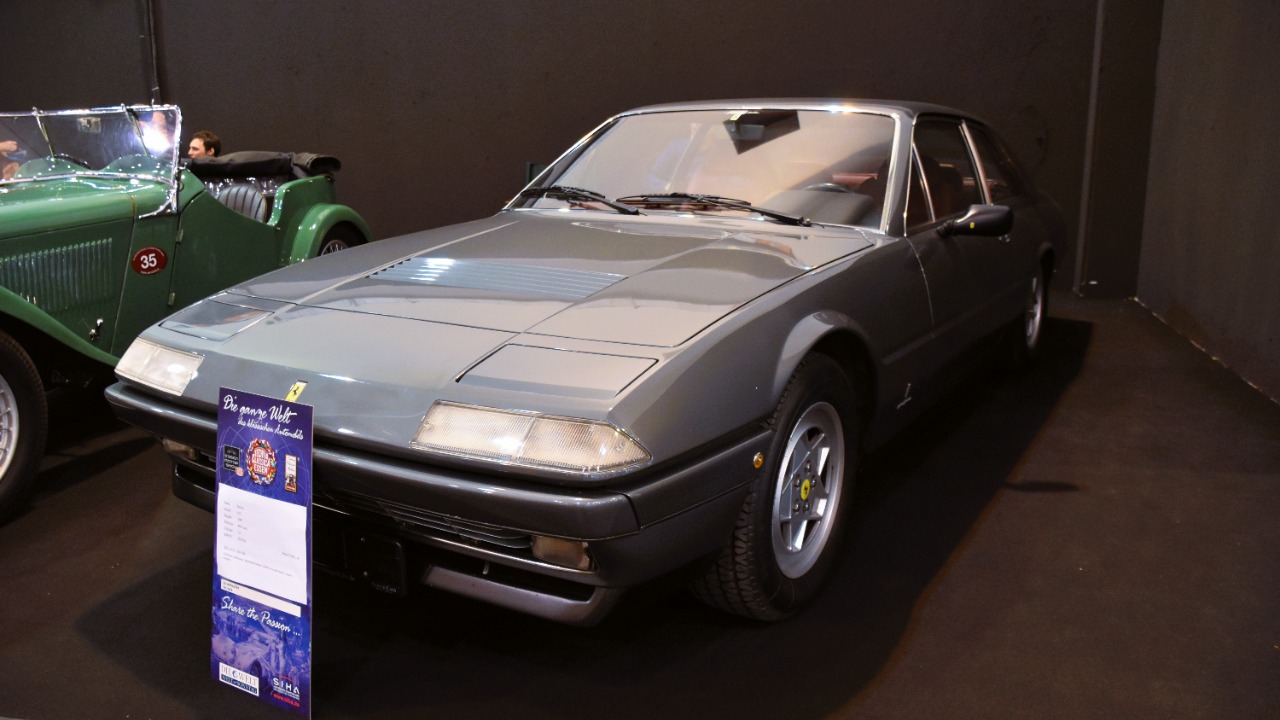
The Ferrari 412 shares the same basic shape and V-12 character as the 400, but its later production and refinements give it a slightly different following. The same expert analysis that highlights the 400 or 412 as smart buys in the 1976–89 range also points out that these cars are best appreciated from the driver’s seat. That kind of guidance tends to attract enthusiasts who care more about driving than parking a car in a glass box.
You see collectors gravitating to the 412 because it feels like the final, most polished version of the series. Subtle styling tweaks, improved interiors, and ongoing mechanical updates make it a satisfying long-distance tourer. As more people discover that, the small production numbers start to matter, especially for manuals. If you want something that blends old-school Ferrari charm with real usability, the 412 is quietly becoming a favorite.
Ferrari 400i
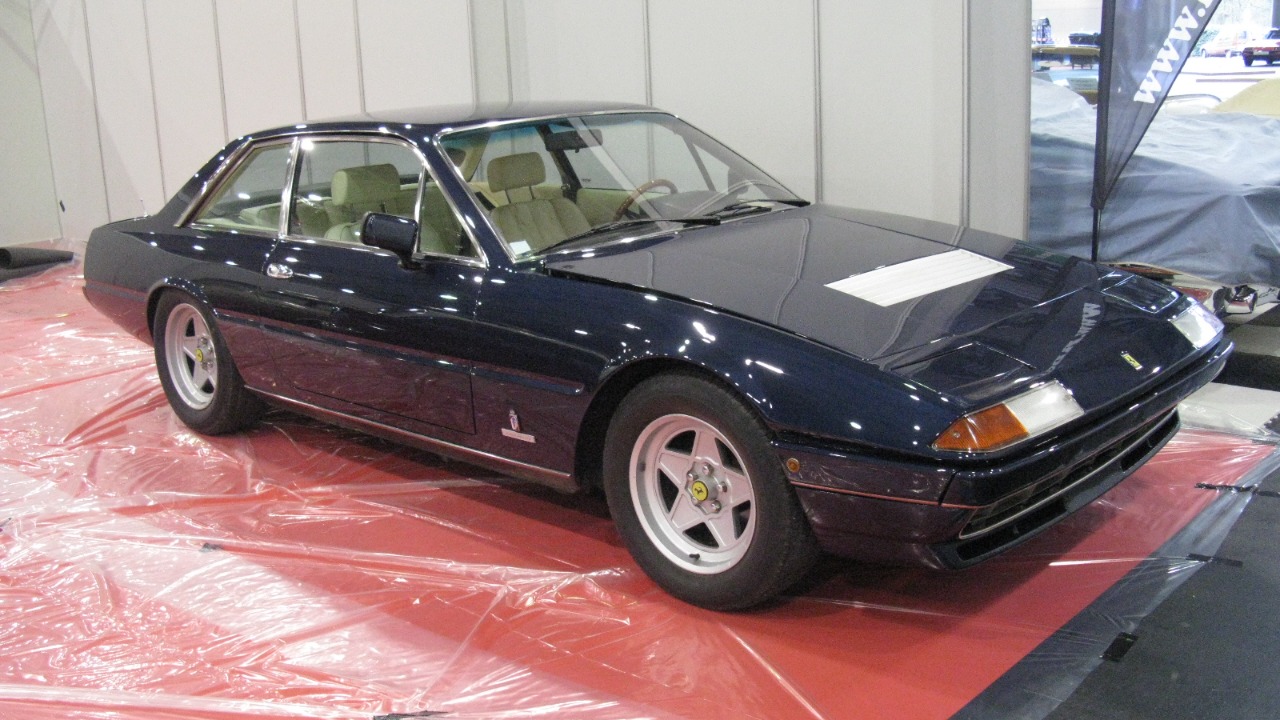
The Ferrari 400i sits between the early carbureted 400 and the later 412, and that middle-child status is part of its appeal. When analysts group the 400 and 412 together as a smart way into Ferrari V-12 ownership, the injected 400i benefits from the same attention. It offers the same basic package, with fuel injection that can make the car more usable if you actually want to drive it.
You are also looking at a car that still trades below many two-seat Ferraris, even though it shares their engine layout and badge. That gap is what quiet collectors love, because it leaves room for growth as people learn more about the model. If you value long-distance comfort, four real seats, and a soundtrack that still feels special, the 400i gives you a lot of Ferrari for the money.
Chevrolet 454 SS (GMT 400)
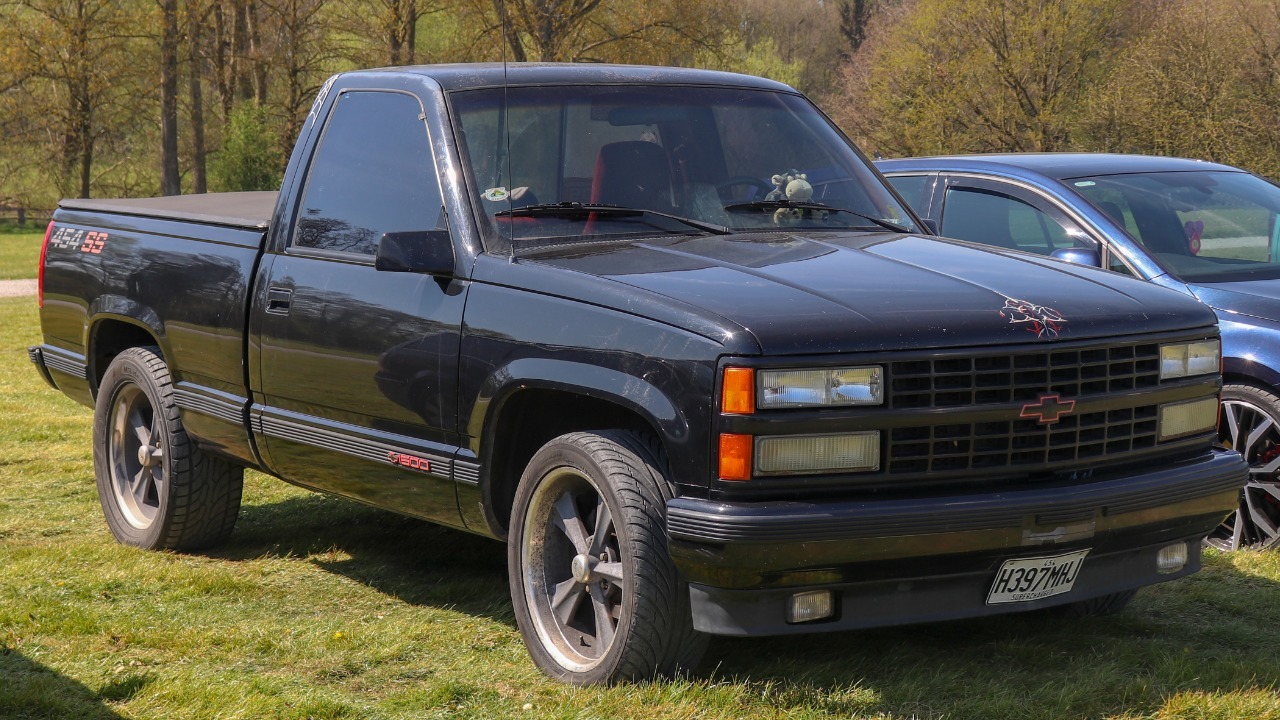
The Chevrolet 454 SS built on the GMT 400 platform is a textbook example of a truck that enthusiasts loved new and are now hunting down again. A detailed look at underpriced collector cars points out that GM and the deserve a spot on any list of future risers, highlighting how the GMT 400 platform and big-block 454 engine give this truck real muscle. When someone says “Don’t worry, GM is well represented,” they are talking about exactly this kind of vehicle.
You feel the appeal if you grew up around these trucks. The 454 SS mixes simple styling with a huge V-8, rear-wheel drive, and a stance that still looks tough. Many were used hard, so clean, low-mileage examples are rare, which is why collectors are quietly paying strong money for the best trucks. If you want in, focus on original paint, uncut interiors, and documentation that proves the mileage.
Porsche Carrera GT
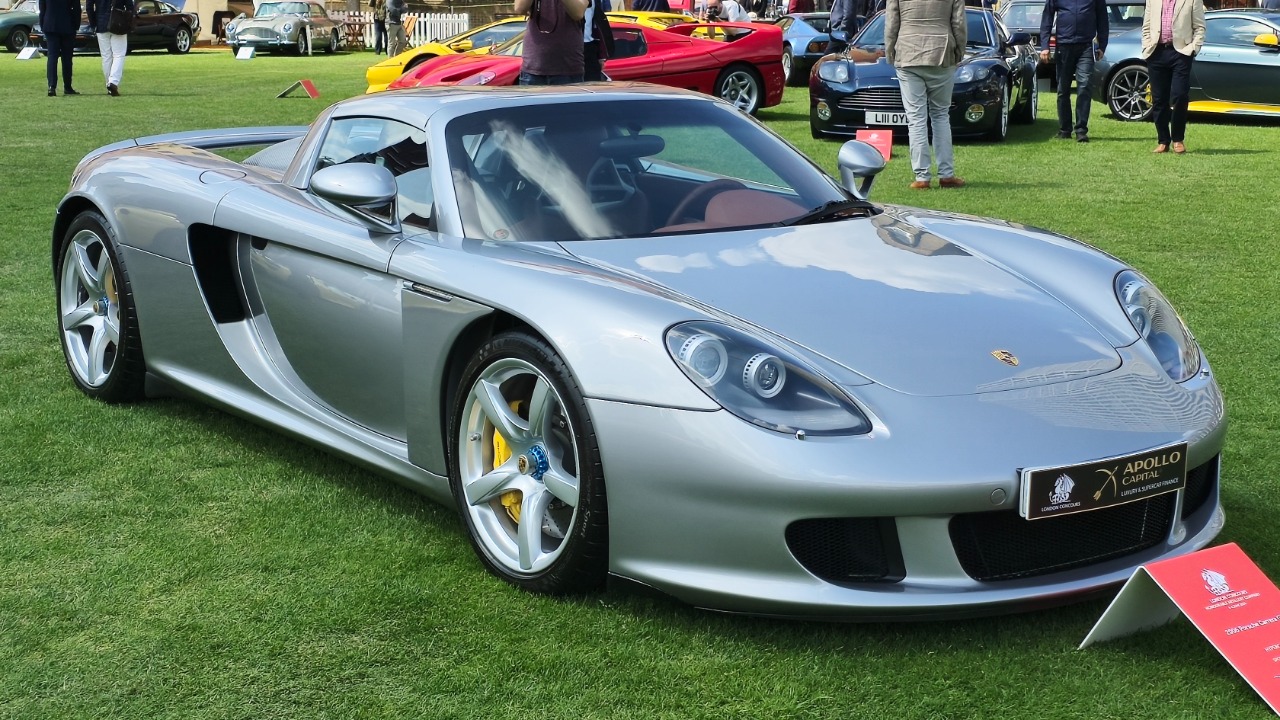
The Porsche Carrera GT is hardly unknown, yet some experts still see it as underpriced relative to its importance. In the same analysis that praises the 2004–2007 Carrera GT, the car is described as a benchmark analog supercar, with a manual gearbox and a shrieking V-10 that feels nothing like modern turbocharged machines. That analog focus lines up with broader reporting that modern, analog-focused cars now sit in the highest tier of the collector market.
You might think the ship has sailed on a car this valuable, but collectors who track long-term trends still see room. The Carrera GT has a racing-derived engine, a carbon chassis, and a reputation for demanding real skill, which appeals to people who want a challenge. If you are lucky enough to shop at this level, condition and history matter more than color, and cars with careful mileage use tend to move fastest.
Alfa Romeo GTV (1969–1972)
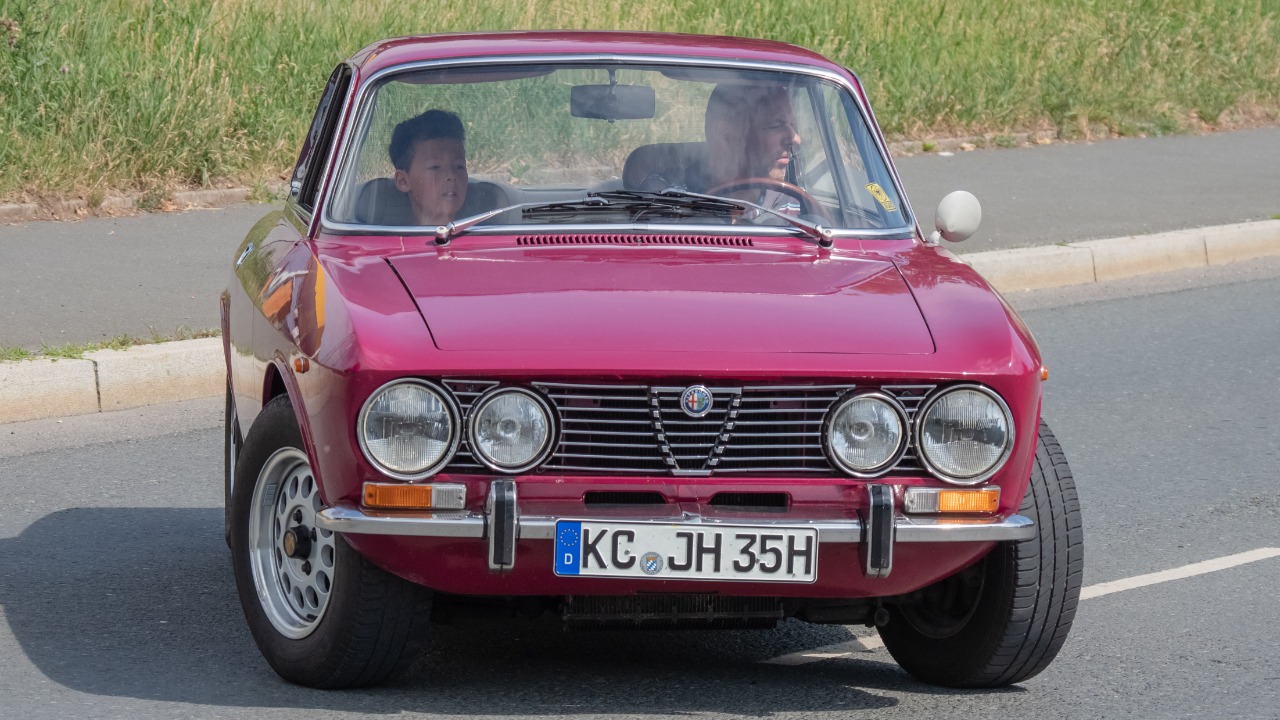
The 1969–1972 Alfa Romeo GTV is the kind of classic coupe that looks right at home both at a show and on a winding back road. A detailed list of possible future collectibles singles out the Alfa Romeo GTV as one of eleven picks, placing it alongside far newer performance sedans and sports cars. That kind of company tells you how highly enthusiasts rate its twin-cam engine, sharp steering, and timeless design.
You see collectors chasing these cars because they offer a complete experience. The GTV gives you a lively engine, a light chassis, and a cabin that feels special without being fragile. Rust and previous poor repairs are the big risks, which is why the best cars are already in the hands of people who know how to care for them. If you want one, you should be ready to move quickly when a solid shell appears.
BMW M5 (E60, 2006–2010)
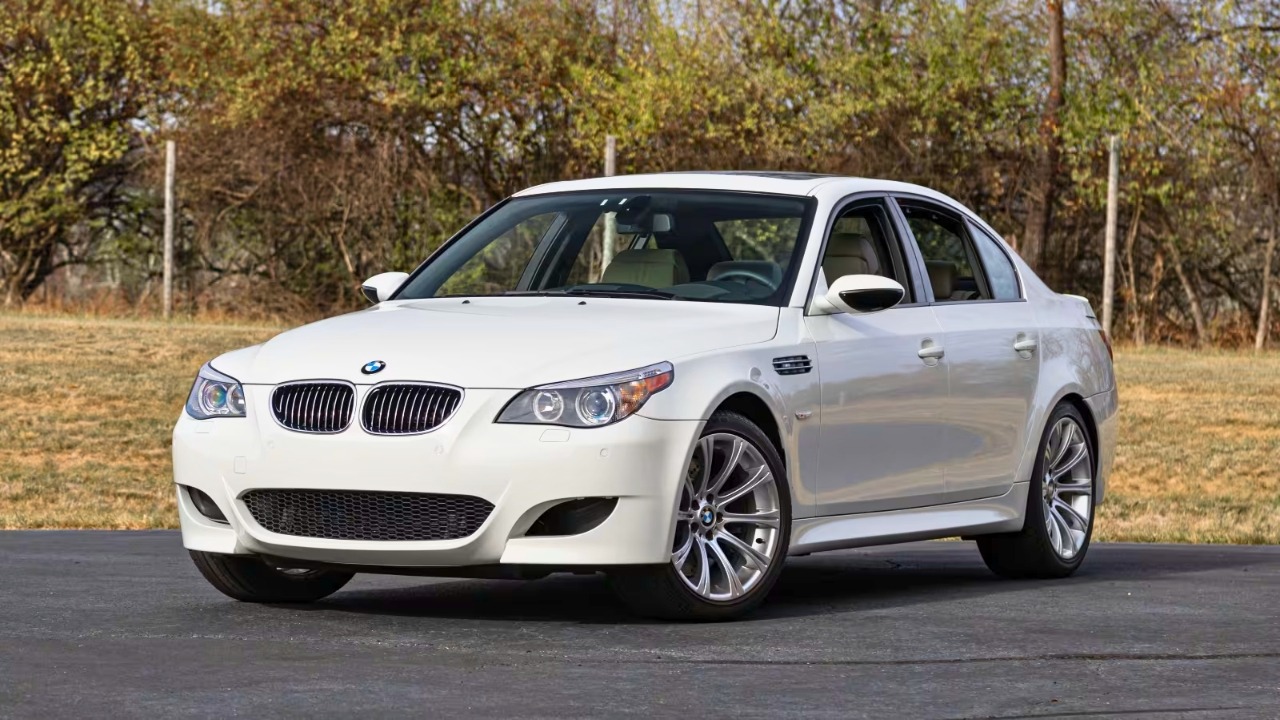
The 2006–2010 BMW M5, known by its E60 code, is quietly becoming a cult favorite among collectors who want drama with four doors. That same future-collectible list that highlights the Alfa also calls out the BMW M5 (E60), praising its high-revving V-10 and everyday usability. When a sedan makes a list that includes classic coupes and sports cars, you know it offers something special.
You are dealing with a car that can carry a family yet revs like a race engine, which is a rare mix. Maintenance costs and the complex SMG gearbox have scared off casual buyers, leaving room for dedicated enthusiasts to pick up well-kept examples. As more modern performance cars move to smaller turbo engines and hybrids, the E60’s character stands out even more, which is exactly why collectors are starting to store the best ones.
Chevrolet Corvette (1990–1993 ZR-1)
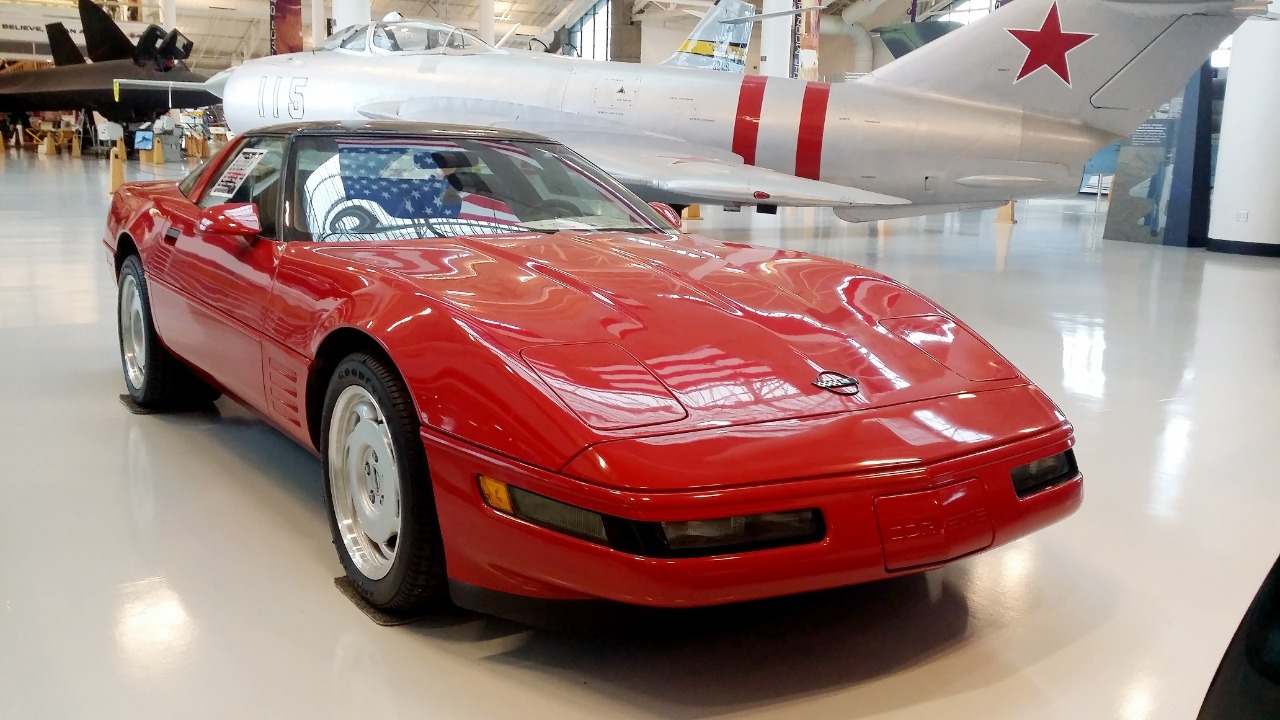
The 1990–1993 Chevrolet Corvette ZR-1 is finally getting the respect many owners felt it always deserved. A survey of future collector cars lists a 1990–1993 Chevr among its picks, a clear nod to the ZR-1’s Lotus-designed engine and period-leading performance. When a car that once carried the “King of the Hill” nickname starts showing up on these lists, collectors take notice.
You see the appeal if you value performance numbers and engineering stories. The ZR-1 brought exotic hardware to a familiar shape, and many were babied from new, which means good examples still exist. As newer Corvettes move to mid-engine layouts and very different styling, the early ZR-1 looks more like a bridge between old and new. If you want one, original paint, factory wheels, and complete documentation will matter more and more.
Ferrari 400 Automatic
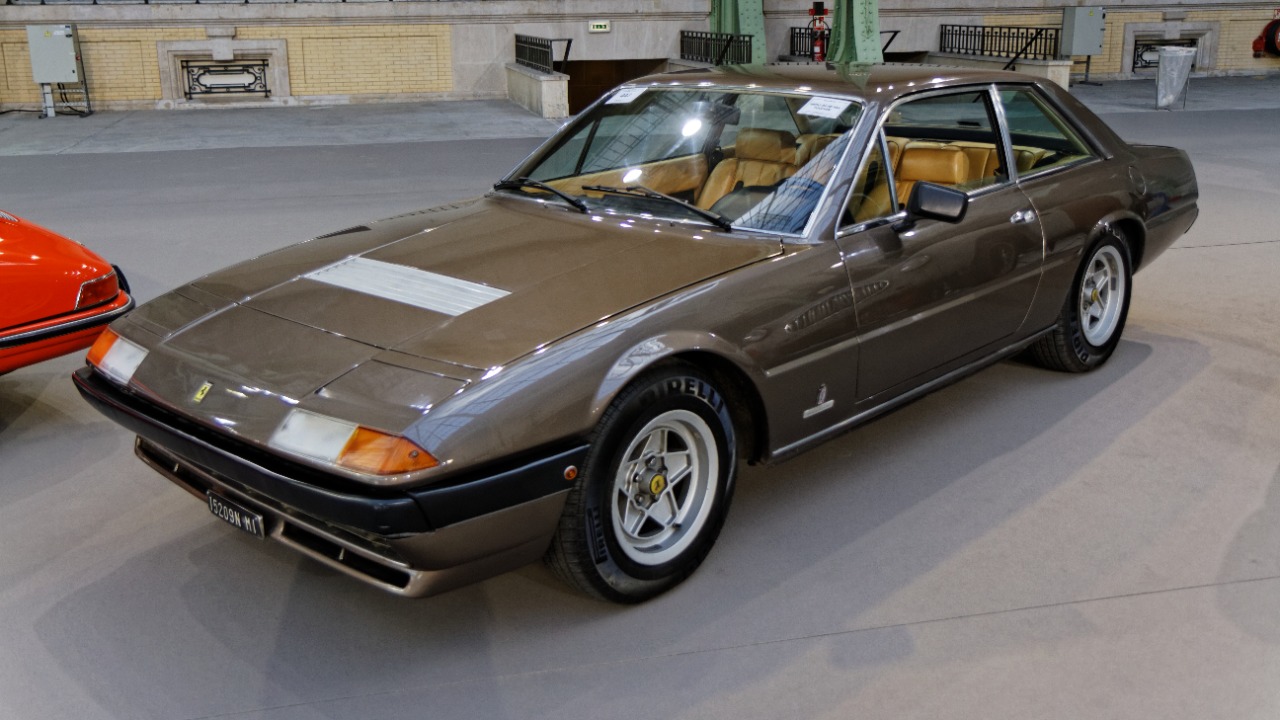
The Ferrari 400 Automatic, often simply called the 400 Auto, has long been treated as the “less desirable” sibling to manual V-12 cars, which is exactly why quiet collectors are paying attention. The same expert guidance that highlights the Ferrari 400 range as a smart buy also acknowledges that the automatic gearbox suits the car’s grand touring role. That framing is slowly changing how people see the model.
You are looking at a car that lets you enjoy Ferrari V-12 power without the stress of a heavy clutch in traffic. As more collectors prioritize comfort and actual use, the automatic starts to look like a feature rather than a flaw. Because the market still discounts these cars compared with manuals, they offer a lower entry point into the same design and engine family. That spread is exactly what patient collectors like to exploit.
Lexus IS F
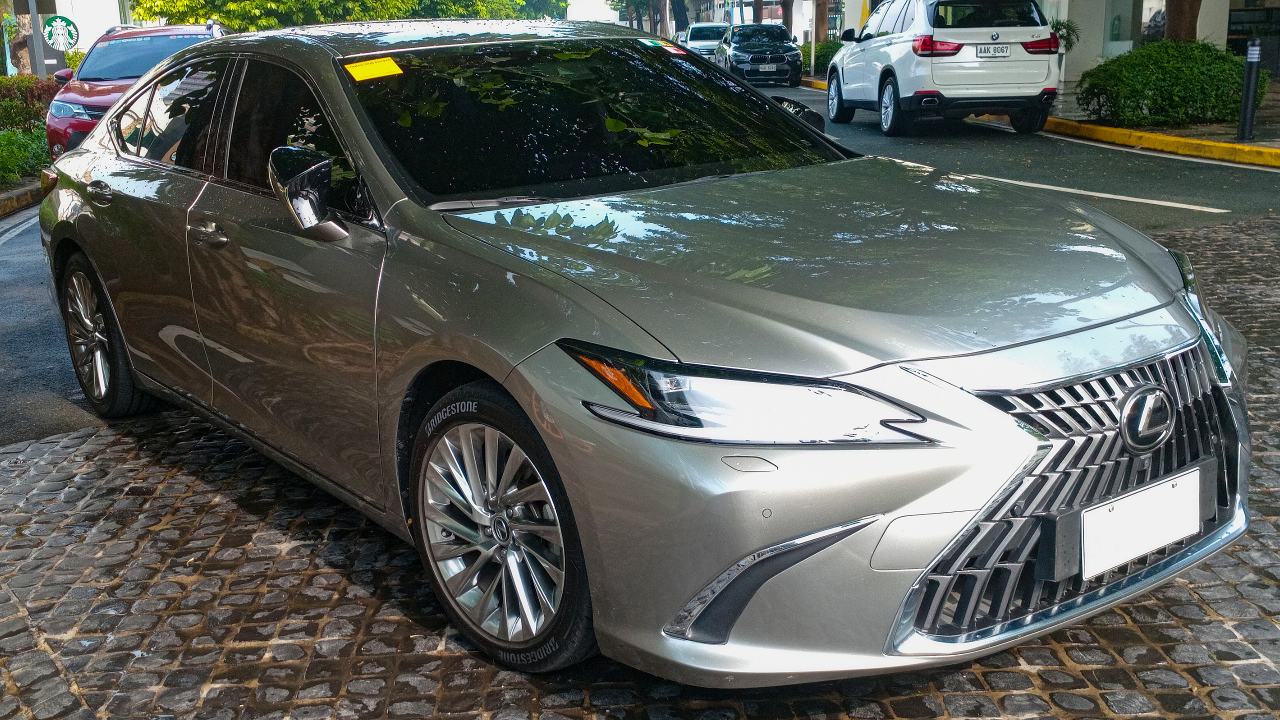
The Lexus IS F pairs a high-revving 5.0-liter V8 with subtle styling and Toyota-backed reliability. It avoids the flash of European rivals while offering genuine performance and long-term durability.
Because it flew under the radar when new, values remain reasonable. Collectors are targeting low-mile, well-maintained cars, recognizing that naturally aspirated V8 sport sedans from reliable brands are becoming increasingly rare.
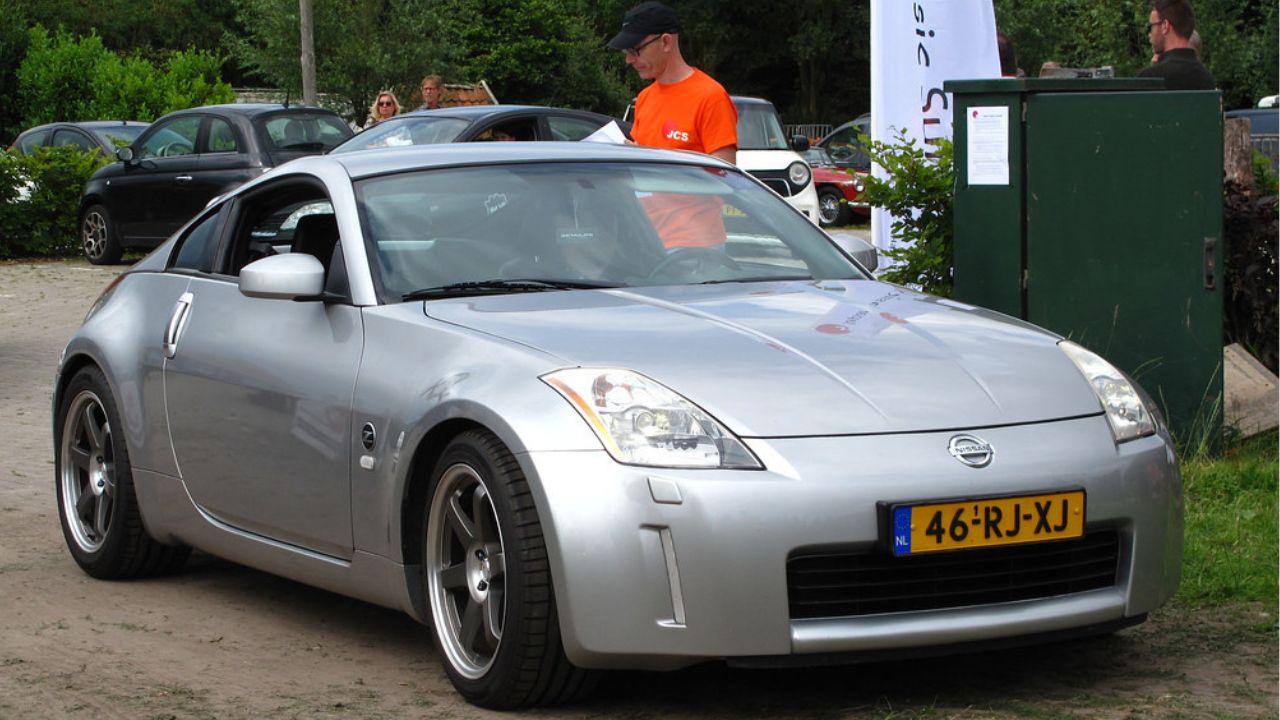
Nissan 350Z (HR)

The later HR-powered 350Z refined Nissan’s modern sports coupe with improved revving capability and stronger internals. Rear-wheel drive and available manual transmissions keep it appealing to driving purists.
Many examples were modified heavily, making stock cars harder to find today. Collectors are selectively acquiring clean, unmolested HR models, anticipating renewed appreciation for early-2000s Japanese performance icons.
More from Fast Lane Only