In the world of muscle cars, it’s not always about the roar; sometimes, it’s about the quiet power lurking beneath the hood. Certain models from the golden era of American muscle were underrated on paper but delivered unexpected performance on the asphalt. Let’s take a look at some of these unassuming powerhouses.
Chevrolet Chevelle SS 454 LS6
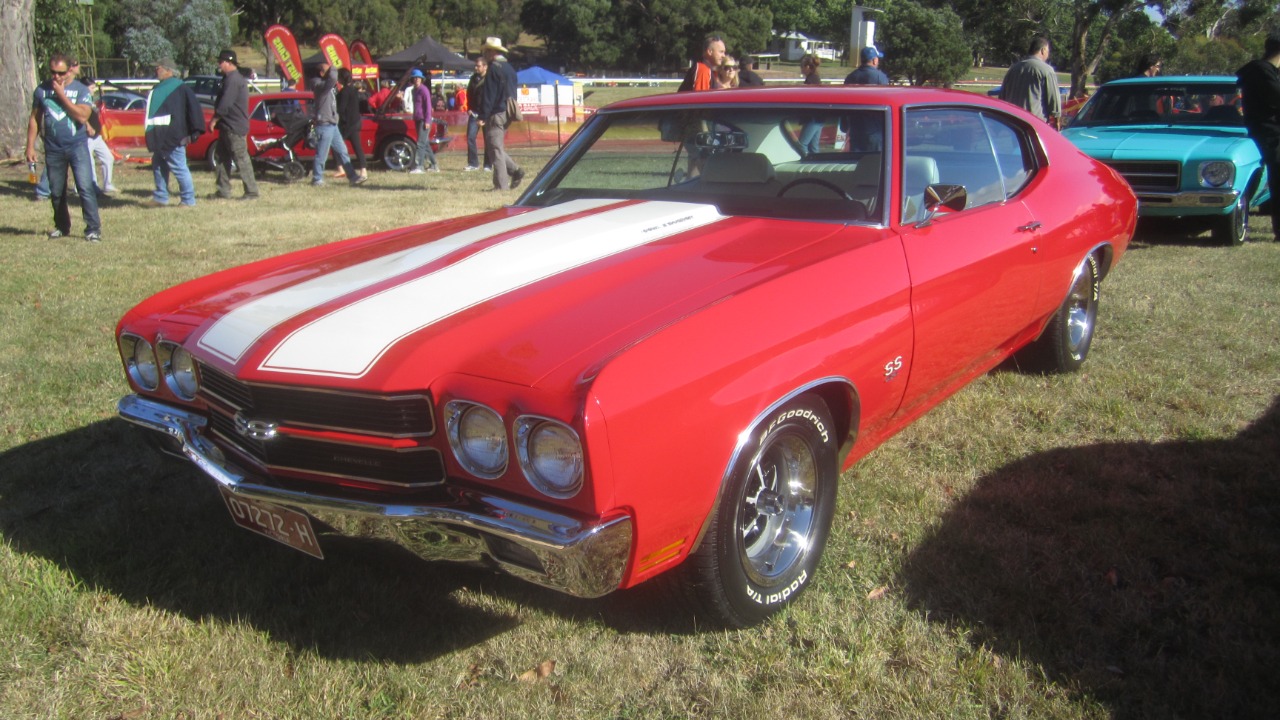
The 1970 Chevrolet Chevelle SS 454 LS6 is a legend among muscle cars, boasting a factory rating of 450 horsepower. However, many enthusiasts believe that its real-world output was significantly higher. With a monstrous 7.4-liter V8 engine, this beast was built for speed, and it didn’t disappoint. The LS6 engine, paired with a robust Muncie 4-speed transmission, could take the Chevelle from zero to sixty in under six seconds, which was blistering for its time.
Chevrolet’s conservative rating likely served to keep insurance premiums in check, but car aficionados knew better. The Chevelle SS 454 LS6 was a force to be reckoned with on the drag strip and the streets, cementing its place in the annals of muscle car history.
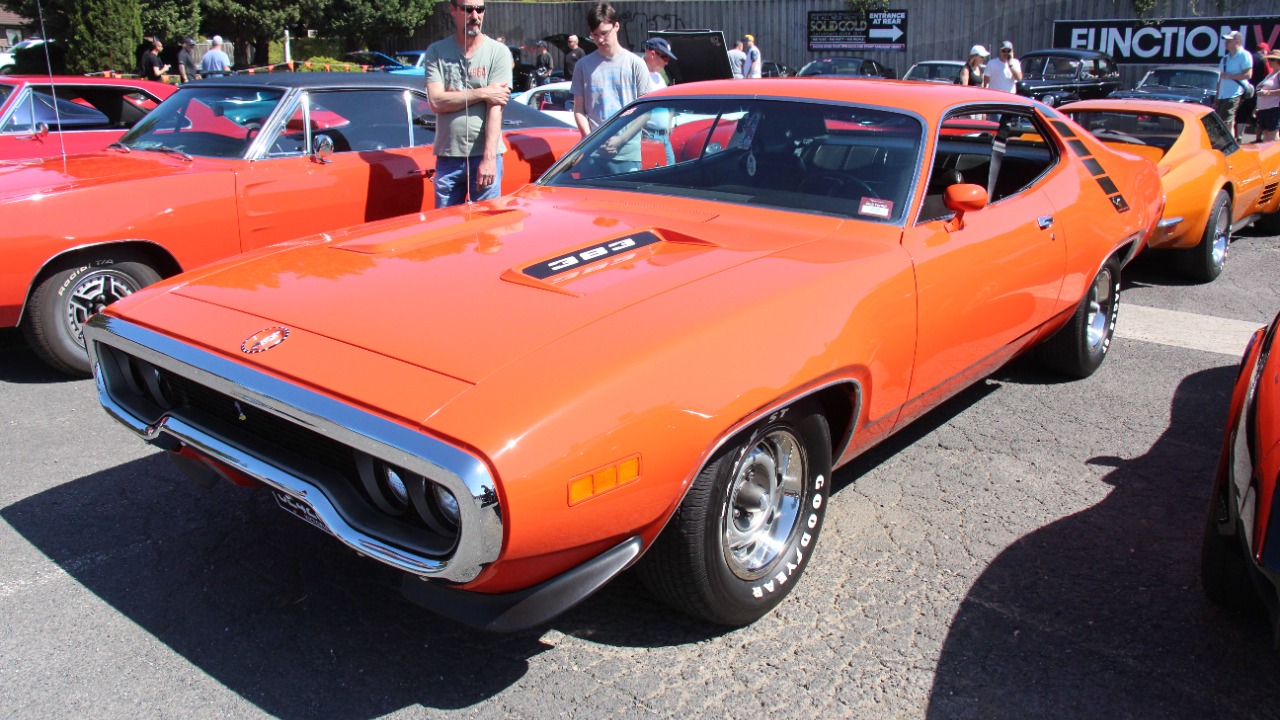
Plymouth Road Runner Hemi

The Plymouth Road Runner Hemi from 1968 to 1970 was another muscle car that didn’t flaunt its full potential. On paper, its 426 Hemi engine was rated at 425 horsepower, but experts and owners suspect it packed more of a punch. The Road Runner was designed to be a no-frills, budget-friendly muscle car, and it delivered raw performance without unnecessary extras.
With its throaty exhaust note and impressive acceleration, the Road Runner Hemi was a formidable presence on the road. It offered an exhilarating driving experience that belied its modest factory specifications, making it a favorite among purists.
Ford Mustang Boss 429
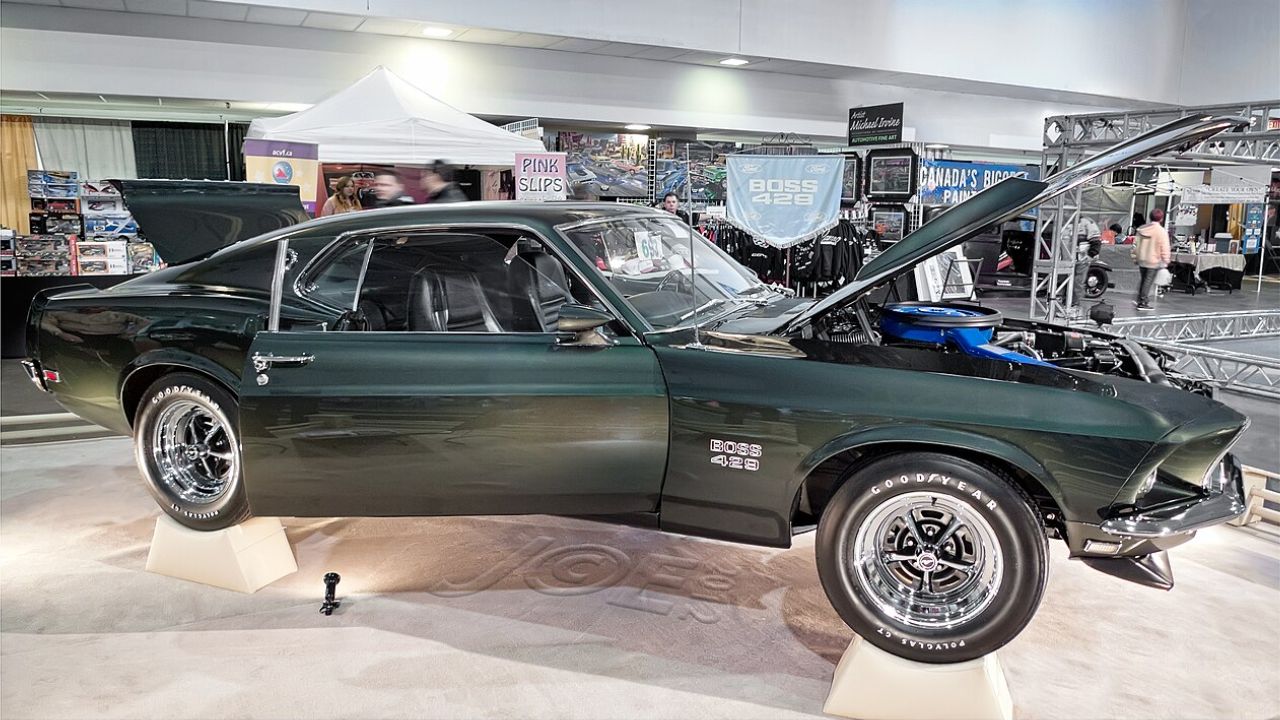
Introduced in 1969, the Ford Mustang Boss 429 was a homologation special created to qualify Ford’s new V8 engine for NASCAR. Officially rated at 375 horsepower, many believed it was understated. The Boss 429 was equipped with one of the largest engines Ford ever produced, and its performance was nothing short of spectacular.
This rare Mustang variant was more than just a straight-line performer. With its unique suspension setup and aerodynamic tweaks, it handled better than most muscle cars of its era. The Boss 429 remains a highly sought-after collectible for those in the know.
Buick GSX Stage 1
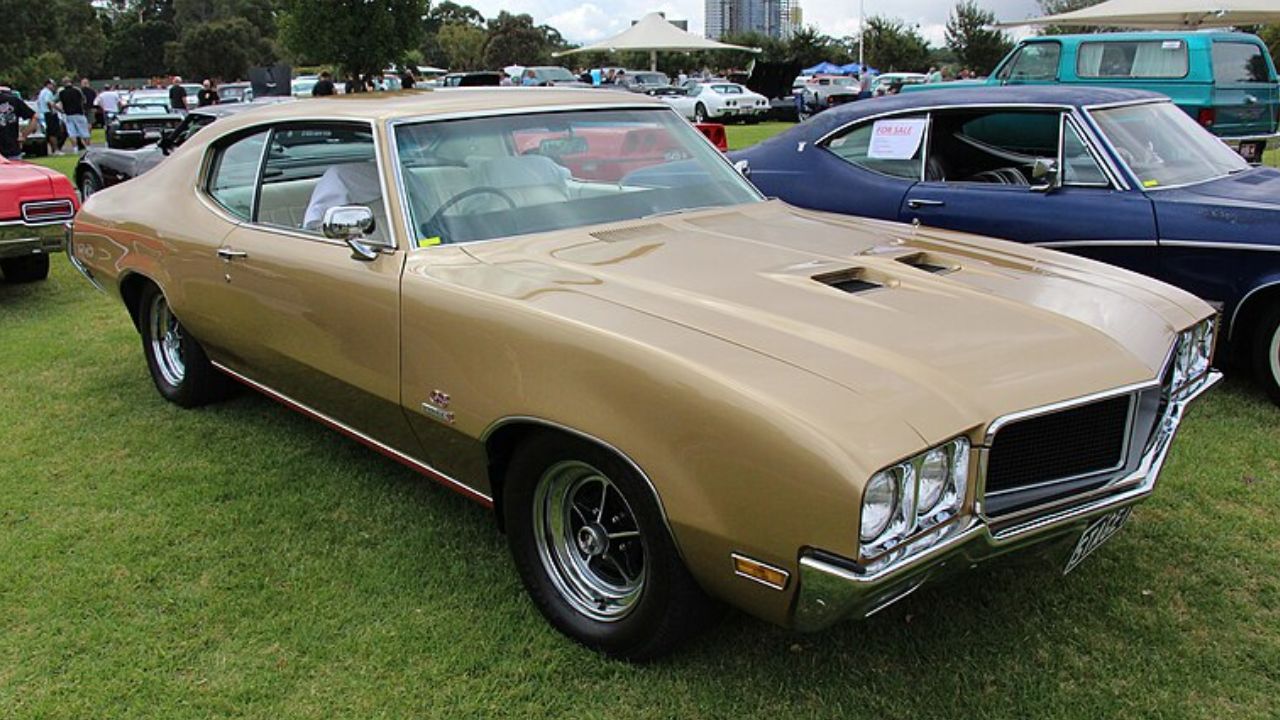
The Buick GSX Stage 1 from 1970 was a sleeper in the muscle car scene. Buick rated its 455 cubic inch V8 engine at 360 horsepower, but many believe it was much closer to 400. This car was more than just a straight-line dragster; it was a well-rounded performer with a comfortable ride.
The GSX Stage 1 was a limited-production model that combined luxury with muscle. It featured a distinctive appearance package and performance upgrades that made it one of the most formidable street machines of its time. Enthusiasts who got behind the wheel were often taken aback by its ferocious acceleration and handling.
Dodge Charger Daytona
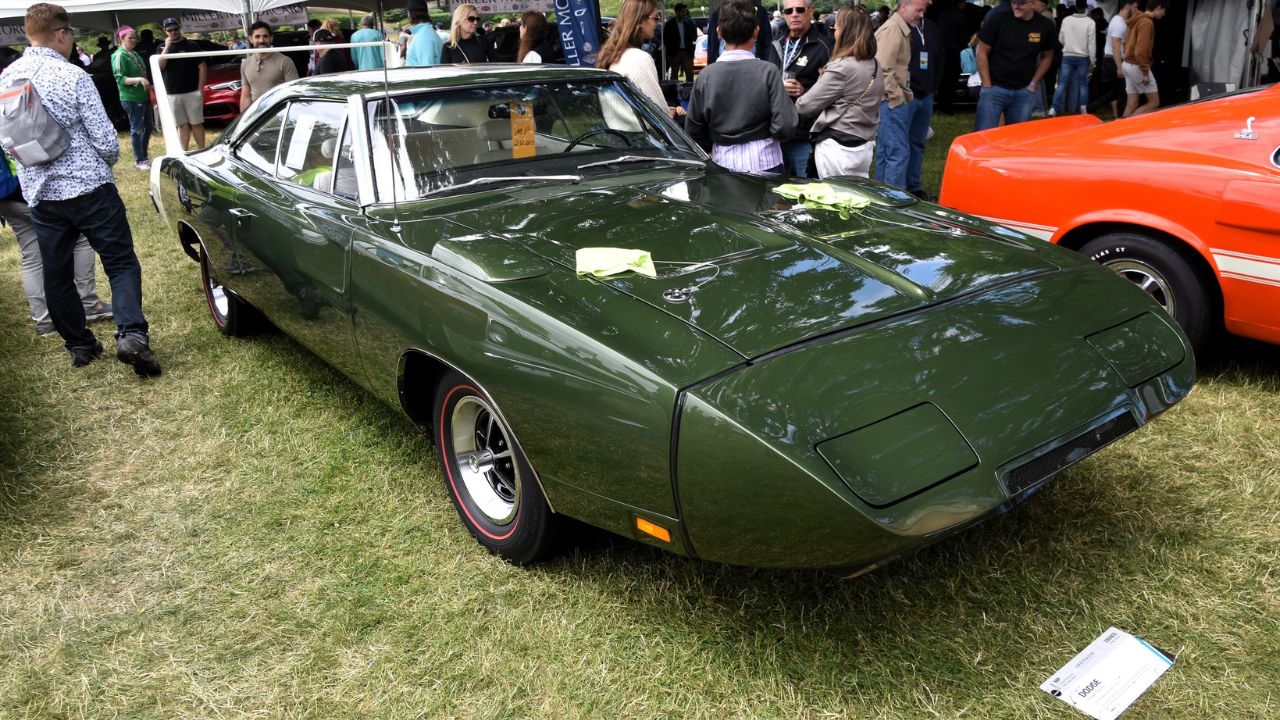
The Dodge Charger Daytona was a product of the muscle car era’s obsession with aerodynamics and speed. Built in 1969 for NASCAR homologation, it sported a 440 Magnum V8 engine rated at 375 horsepower. However, the real star of the show was the optional 426 Hemi, which was believed to produce far more power than advertised.
With its iconic nose cone and towering rear wing, the Daytona was designed to slice through the air with ease. Its racing pedigree was clear, and it dominated the tracks and streets alike, leaving a lasting legacy in the muscle car world.
Pontiac GTO Judge
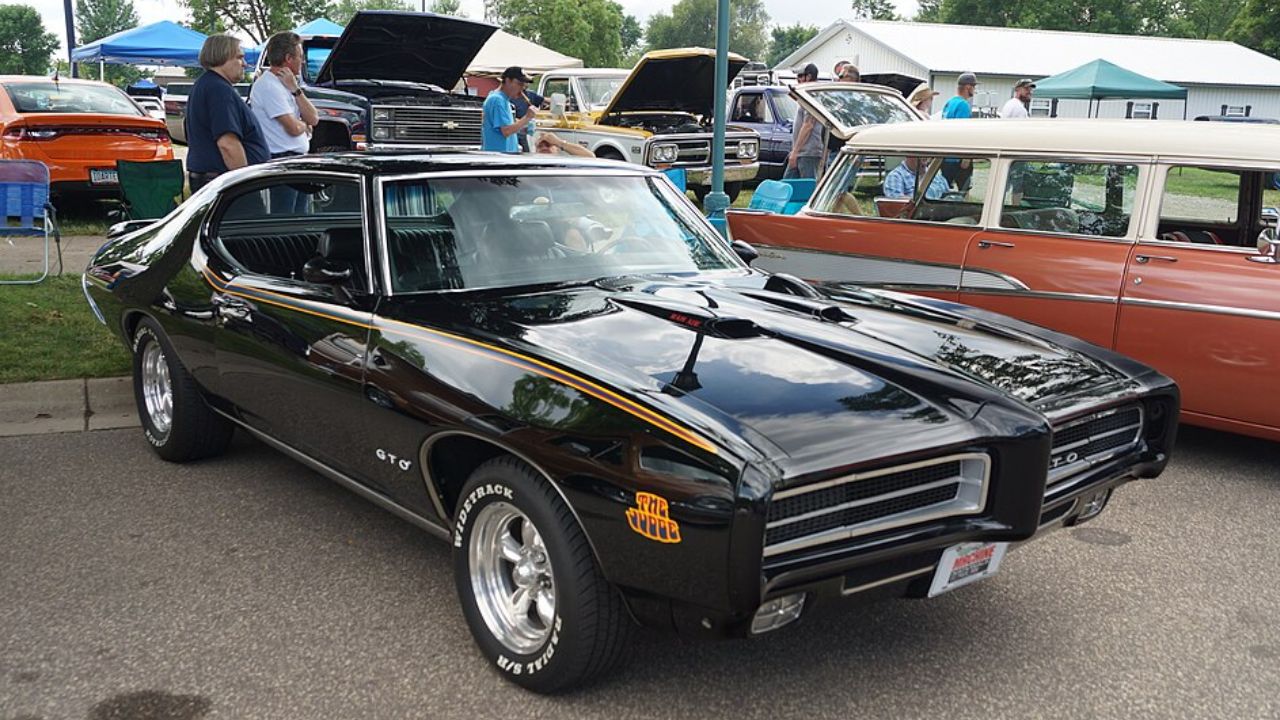
The Pontiac GTO Judge made its mark in the late 1960s and early 1970s as a bold and brash muscle car. The Judge’s 400 Ram Air III engine was officially rated at 366 horsepower, but many drivers felt it offered more. Pontiac’s marketing might have played a role in downplaying its true capabilities.
With its eye-catching styling and powerful engine options, the GTO Judge was a favorite among car enthusiasts. It offered a unique blend of performance and style that set it apart from its competitors, and it continues to be celebrated by collectors today.
AMC Javelin AMX

The AMC Javelin AMX was a dark horse in the muscle car race. The 1971 model came with a 401 cubic inch V8, officially rated at 330 horsepower, but many believed it was capable of much more. The Javelin AMX was designed to compete with the big players, and it held its own with a unique blend of style and performance.
Its aggressive design and capable chassis made it a formidable competitor on the track. The Javelin AMX may not have had the same level of recognition as some of its contemporaries, but it offered a distinctive alternative for those seeking something different.
Oldsmobile 442 W-30
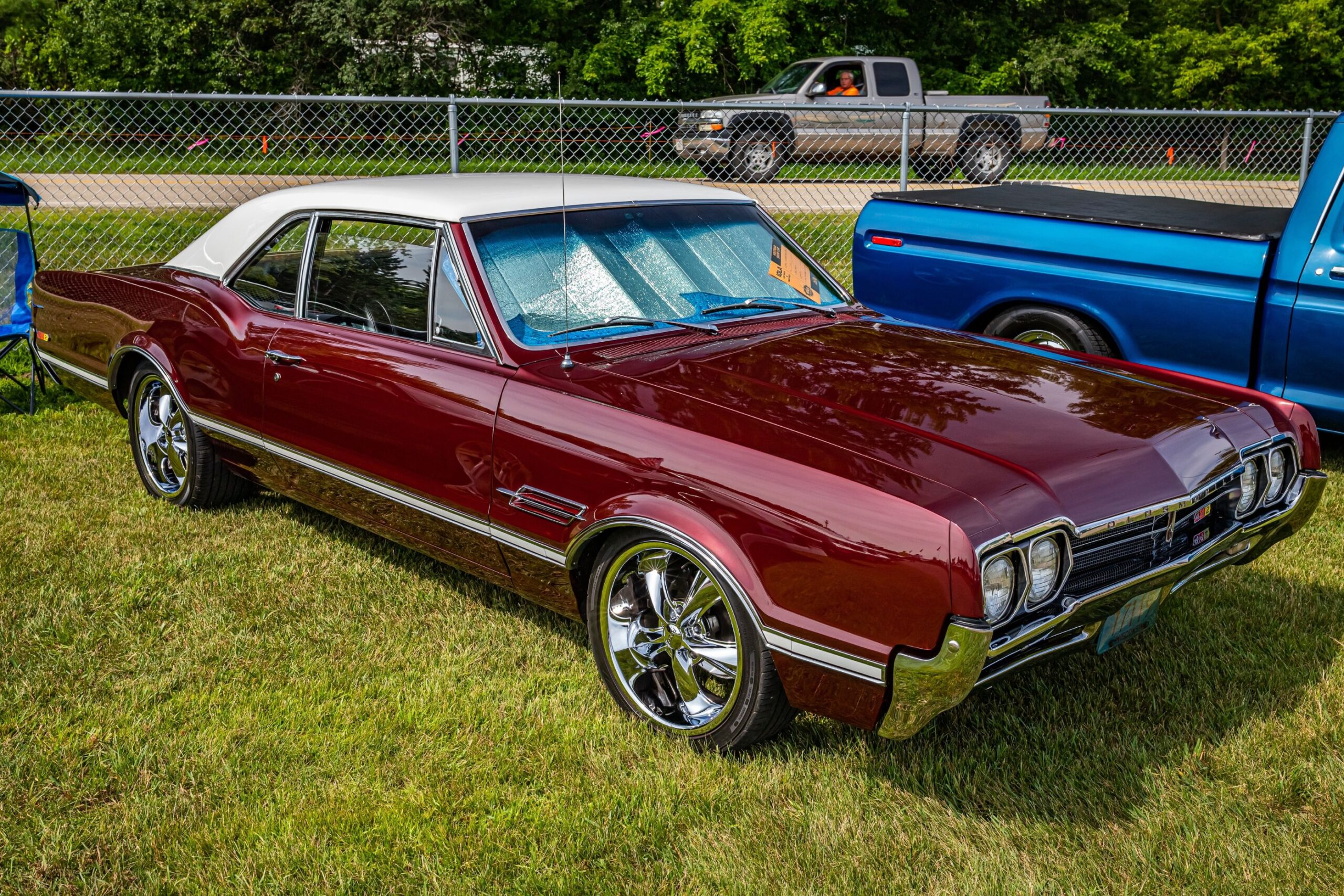
The Oldsmobile 442 W-30 from 1970 was another muscle car that packed more power than its numbers suggested. The 442’s 455 cubic inch V8 was officially rated at 370 horsepower, but it was widely believed to produce more. The W-30 package added performance enhancements that made it one of the most potent muscle cars of its time.
With its ram air induction system and high-performance components, the 442 W-30 was a serious contender on the drag strip. It combined Oldsmobile’s engineering prowess with raw muscle, creating a car that surprised many with its capabilities.
More from Fast Lane Only