When it comes to car engines that changed the game, many of them did so without the fanfare they deserved. Some of these powerplants quietly revolutionized the automotive world, enhancing performance and setting new standards. From the early days of hot-rodding to the Japanese turbo era, these engines are worth a second look.
Ford Flathead V8

The Ford Flathead V8 is often credited as the engine that powered the early hot rod movement. First introduced in 1932, this engine was revolutionary for its time, offering V8 power at a price that was accessible to the average driver. It became the go-to choice for car enthusiasts looking to build something fast and fun.
Its simple design and robust construction made it popular among builders and racers alike. The Flathead V8 powered everything from early Fords to custom-built drag racers, leaving an indelible mark on automotive culture. Despite being overshadowed by more modern engines, its influence is still felt today.
Chevrolet Small-Block V8

The Chevrolet Small-Block V8 is arguably one of the most versatile engines ever created. Since its debut in 1955, it’s been a staple in the automotive world, powering everything from Corvettes to pickup trucks. Its compact design and reliable performance made it a favorite for swaps into just about any car, leading to its widespread adoption in the custom car scene.
With countless iterations and improvements over the decades, the Small-Block V8 became a symbol of American performance. Even today, it’s not uncommon to find one under the hood of a vintage muscle car or a modern hot rod, continuing its legacy of power and dependability.
Chrysler Hemi V8

The Chrysler Hemi V8, known for its hemispherical combustion chamber, has been a powerhouse since its introduction in the 1950s. It gained fame during the muscle car era of the 1960s and 1970s, powering legends like the Dodge Charger and Plymouth Barracuda. Its design offered superior airflow, resulting in better combustion and higher power output.
Despite its dominance in drag racing and NASCAR, the Hemi V8 often flew under the radar compared to other engines of its time. Yet, its reputation for brute force and reliability ensured its place in automotive history and in the hearts of car enthusiasts.
BMW M10
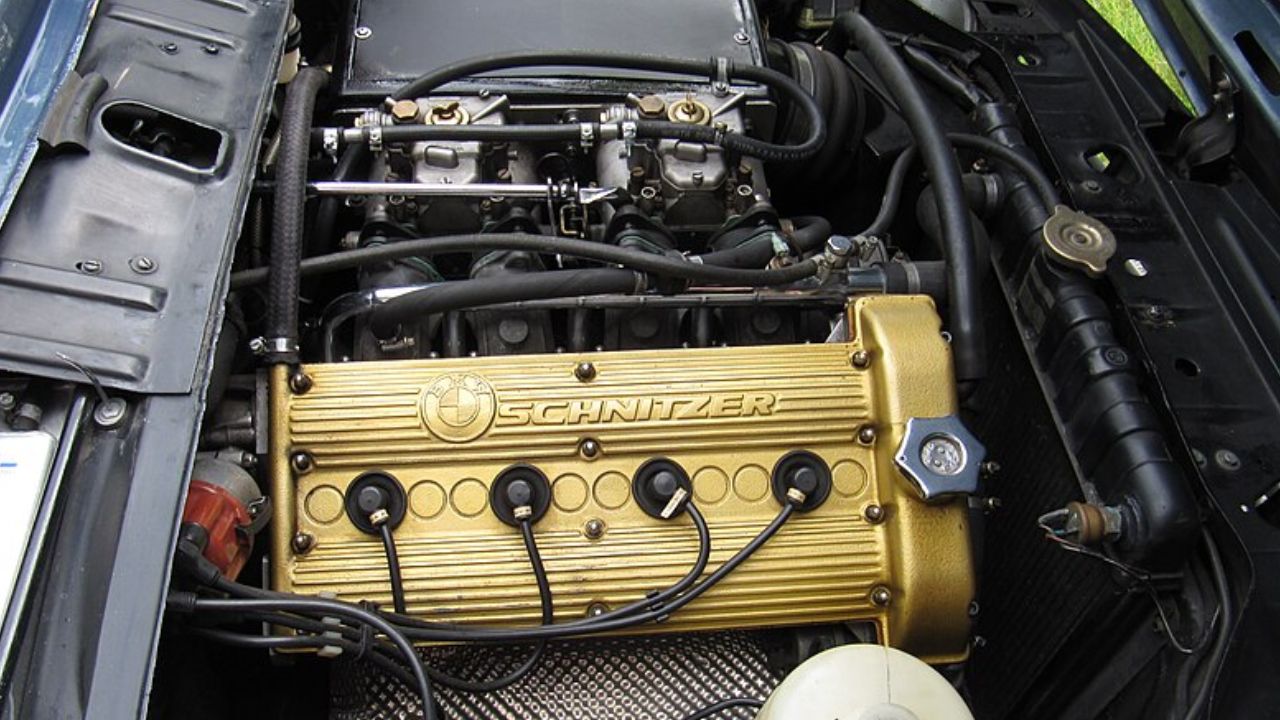
The BMW M10 might not be as famous as its larger V8 counterparts, but it played a crucial role in BMW’s success. Introduced in the 1960s, this four-cylinder engine powered models like the BMW 2002, which helped establish BMW’s reputation for building sporty and dynamic cars. Its robust design allowed it to be tuned for performance, laying the groundwork for BMW’s motorsport victories.
Despite its modest beginnings, the M10 evolved to become the foundation for BMW’s turbocharged racing engines. It was even used as the basis for the turbocharged engines that powered BMW’s successful Formula 1 cars in the 1980s, proving its versatility and engineering excellence.
Honda B-Series
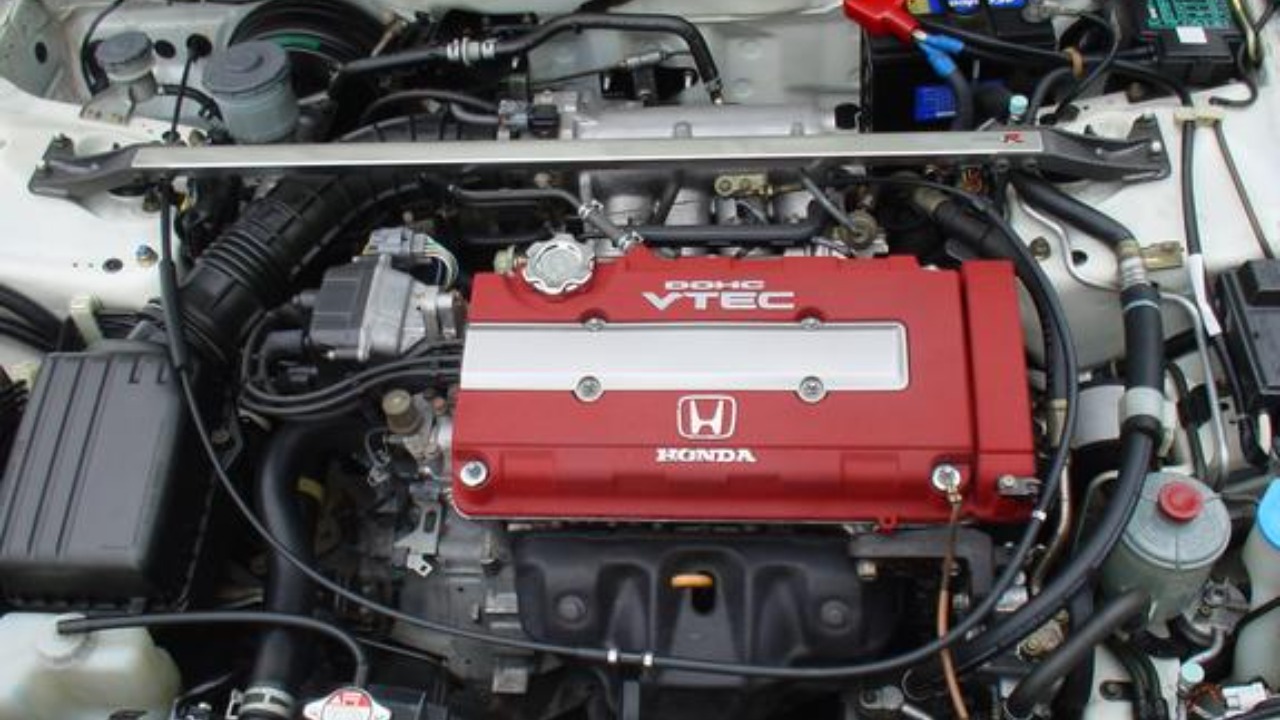
The Honda B-Series engines, known for their high-revving nature and reliability, became the heart of the import tuning scene in the 1990s. Found in cars like the Honda Civic Si and Acura Integra, these engines were loved for their ability to produce impressive power outputs despite their small displacement. The B16 and B18 variants, in particular, became iconic for their VTEC technology, which provided a noticeable power boost at higher RPMs.
While Honda’s reputation for engineering precision is well known, the B-Series engines quietly became the backbone of a global tuning movement. Their popularity in the tuning community led to a wealth of aftermarket support, making them a favorite for engine swaps and performance builds worldwide.
Nissan RB26DETT
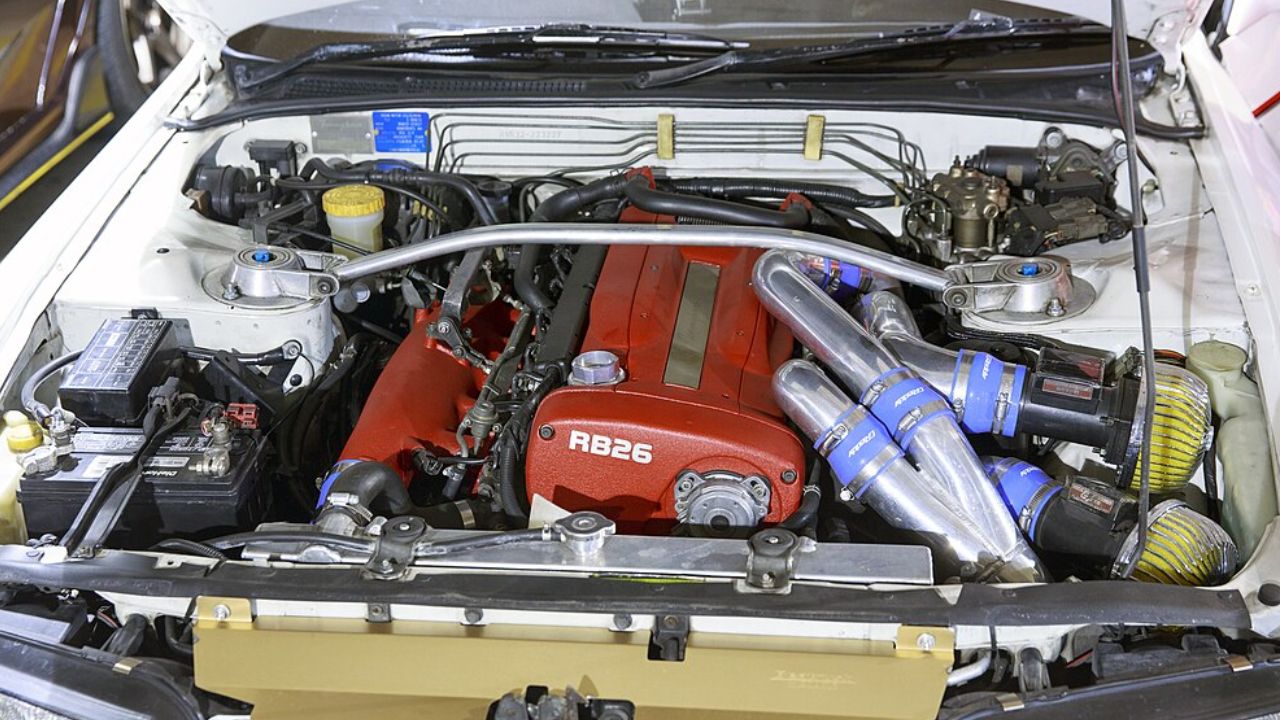
The Nissan RB26DETT engine is synonymous with performance, especially among fans of the Nissan Skyline GT-R. First introduced in 1989, this twin-turbo inline-six engine became legendary for its potential to produce staggering amounts of power when tuned. It was the heart of the R32, R33, and R34 GT-R models, which dominated motorsport events and street racing scenes alike.
While it may not have received the mainstream recognition of other engines, the RB26DETT’s reputation among enthusiasts is unparalleled. Its robust design and tuning potential have made it a legend in the world of performance cars, earning a cult following that persists to this day.
Toyota 2JZ-GTE
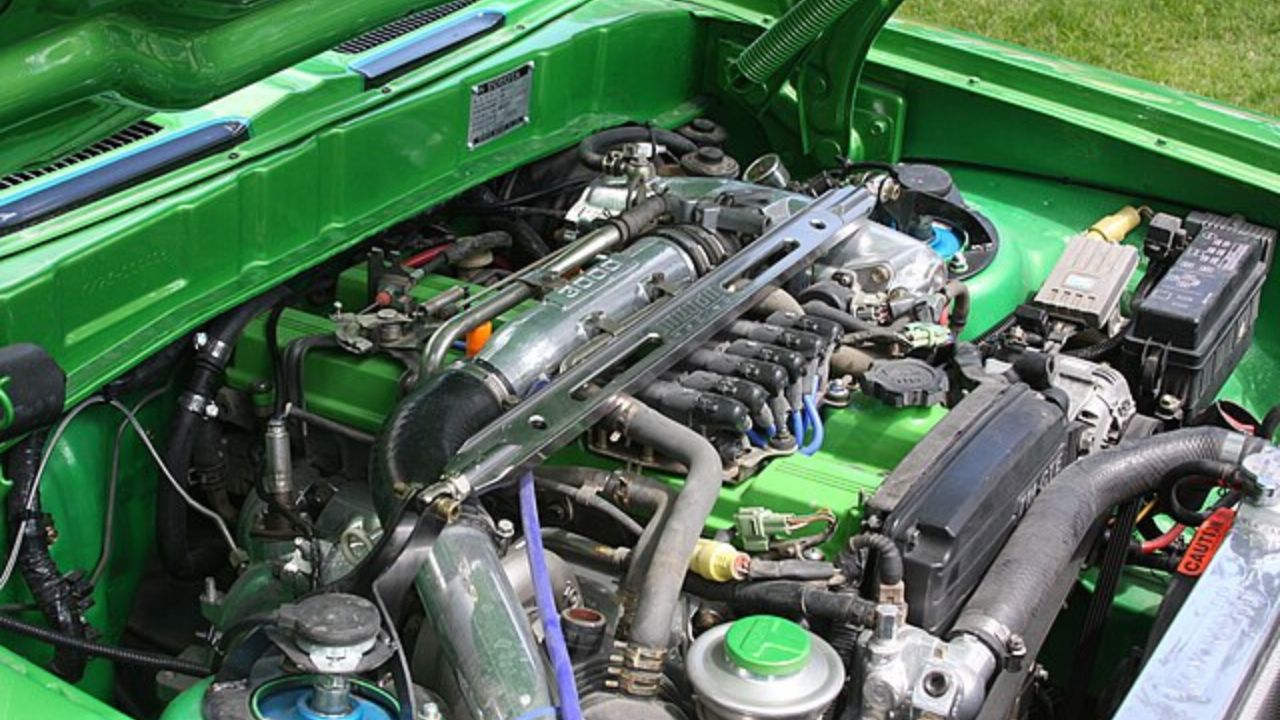
The Toyota 2JZ-GTE engine, often hailed as one of the greatest engines ever built, became famous for its role in the Toyota Supra. This iron-block inline-six turbocharged engine is renowned for its immense power potential and bulletproof reliability. Introduced in the 1990s, it quickly became a favorite among tuners, capable of handling extreme power levels with minimal modifications.
Despite its performance prowess, the 2JZ-GTE remained in the shadows for many casual car enthusiasts until the Supra gained fame in popular culture. Today, the engine is celebrated for its role in building some of the fastest and most powerful street and race cars around the globe.
Volkswagen VR6
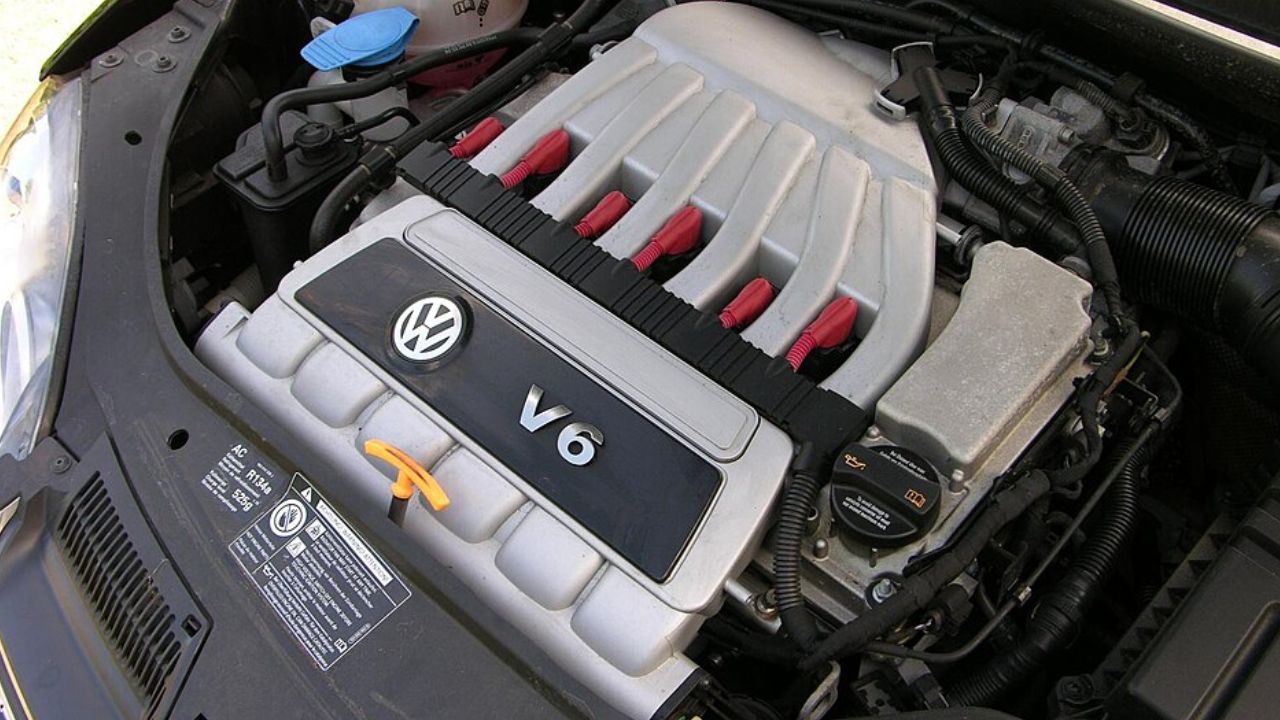
Volkswagen’s VR6 engine was a unique solution to a common problem: fitting a six-cylinder engine into a compact engine bay. Introduced in the early 1990s, the VR6 featured a narrow-angle V configuration that allowed it to fit into cars like the Volkswagen Golf and Jetta. Its smooth power delivery and distinct exhaust note set it apart from other engines of the time.
While it may not have been the most powerful engine, the VR6’s innovative design and flexibility made it a favorite among VW enthusiasts. It found a home in a variety of Volkswagen models and remains a beloved choice for engine swaps and performance builds today.
Alfa Romeo Twin Cam
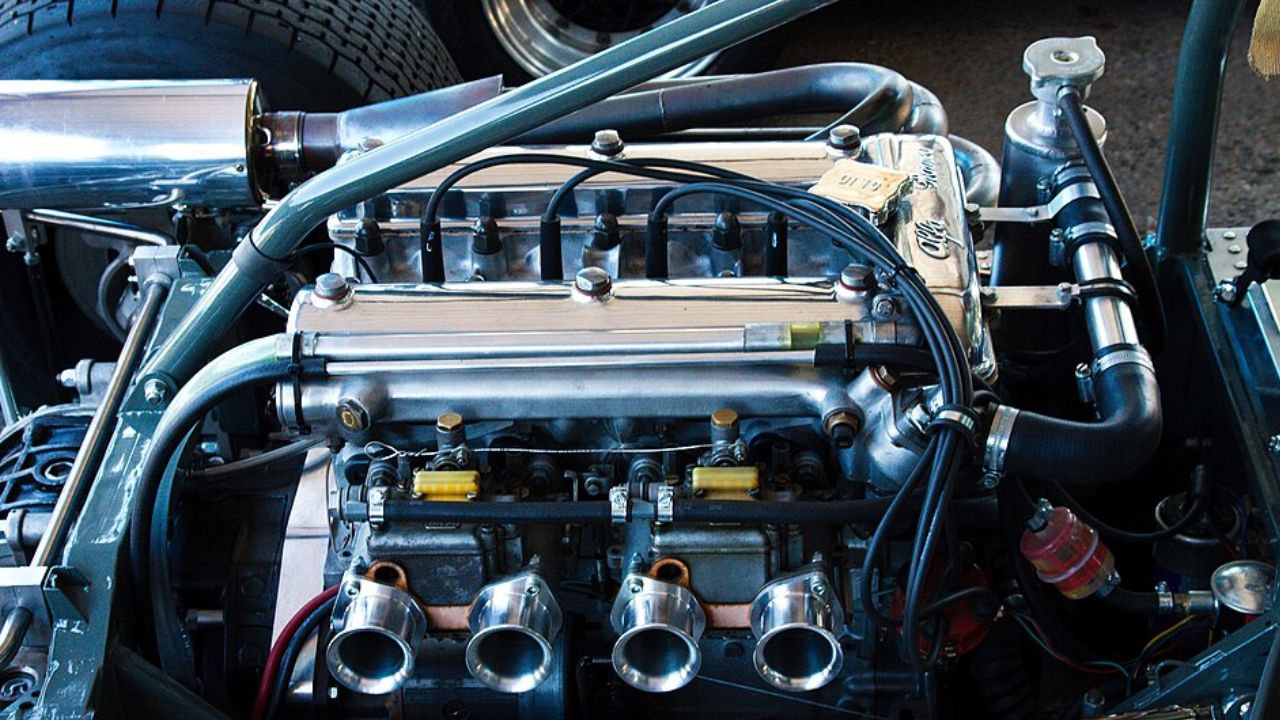
The Alfa Romeo Twin Cam engine, first introduced in the 1950s, was a marvel of engineering for its time. Known for its aluminum construction and dual overhead camshaft design, it powered a range of Alfa Romeo models, from the sporty Giulietta to the iconic Spider. This engine was celebrated for its willingness to rev and its smooth power delivery.
Despite being overshadowed by larger engines, the Twin Cam’s influence on engine design and its contribution to Alfa Romeo’s racing success cannot be overstated. It remained in production for several decades, evolving over time but always retaining its distinctive character and performance appeal.
More from Fast Lane Only