The turbo era of the late 20th century marked a significant turning point in automotive performance, introducing a new class of vehicles that combined speed, agility, and cutting-edge engineering. These imported performance cars not only captured the imagination of enthusiasts but also set the stage for future innovations in the automotive industry. Here are nine standout models that changed everything.
Porsche 911 Turbo (930)
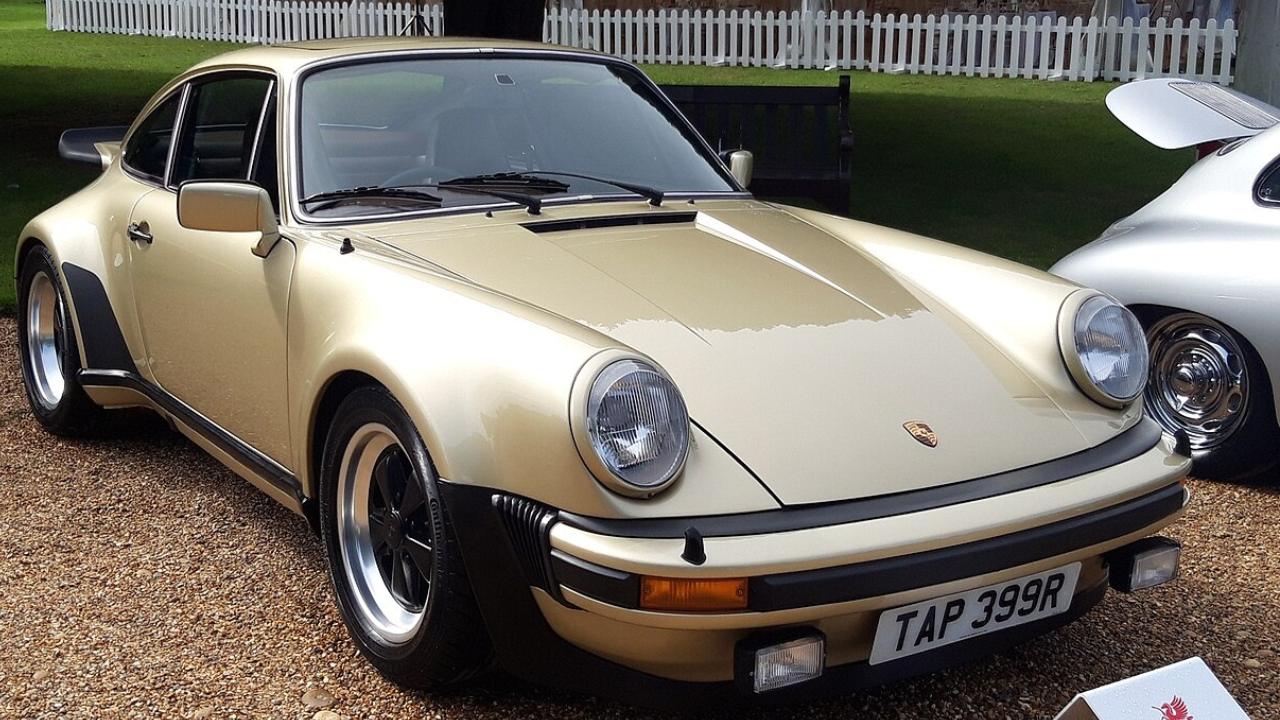
Launched in 1975, the Porsche 911 Turbo (930) was a game changer in the sports car segment. With its iconic silhouette and rear-engine layout, it became synonymous with high performance. The 3.0-liter turbocharged flat-six engine produced 260 horsepower, allowing it to reach 60 mph in just 5.2 seconds, a remarkable feat for its time. The 930 introduced many drivers to the exhilarating experience of turbo boost, making it a coveted choice among enthusiasts. Its blend of luxury and raw power established a benchmark that many sports cars aspire to today.
Mazda RX-7 (FC3S)

The second-generation Mazda RX-7 (FC3S), produced from 1986 to 1992, captured the hearts of many with its unique rotary engine technology. The turbocharged version offered a lightweight chassis and responsive handling, making it a favorite among driving purists. With 200 horsepower, it could sprint from 0 to 60 mph in just 6 seconds. The RX-7’s combination of agility and performance created a new template for sports cars, proving that power could come in a compact, lightweight form.
Nissan 300ZX (Z31)
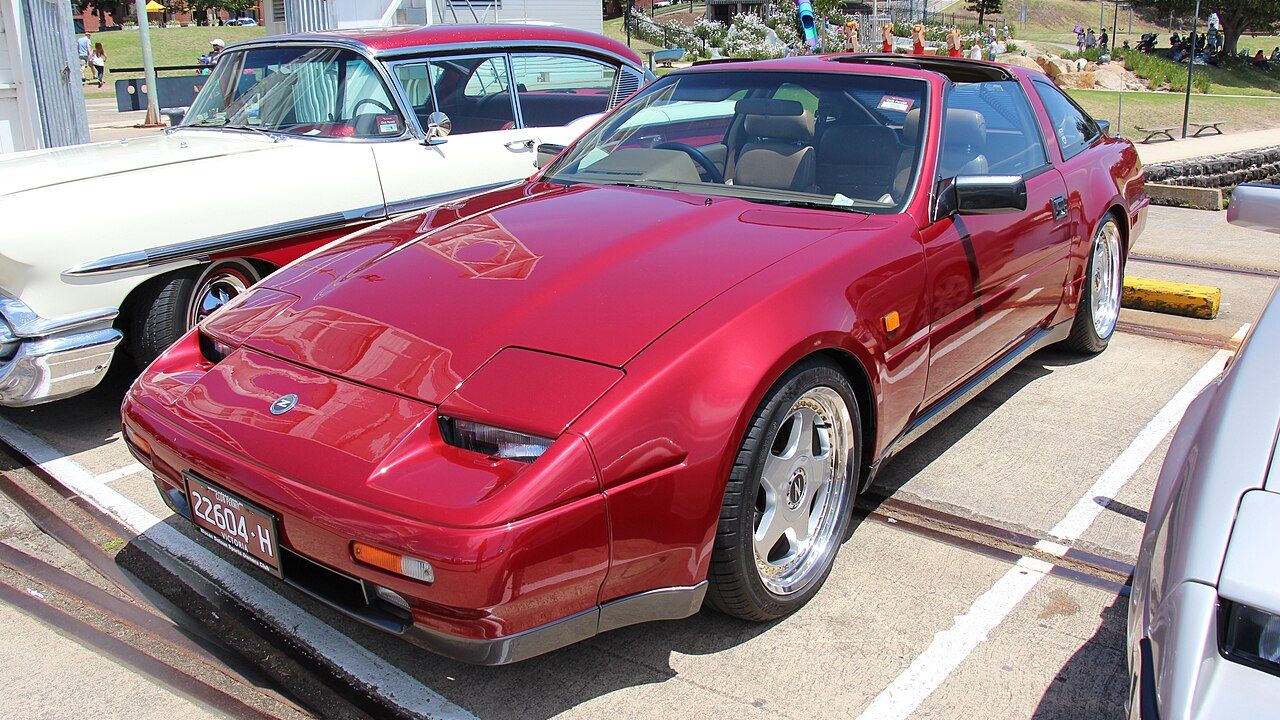
The Nissan 300ZX (Z31) debuted in 1983, showcasing a blend of performance and comfort that appealed to a broad audience. The turbocharged model featured a 3.0-liter V6 engine that produced 300 horsepower, propelling it into the realm of serious sports cars. Its sleek design and advanced technology, including digital instrumentation, set new standards for the industry. The 300ZX became a benchmark for performance and style, influencing the design direction of future Nissan models.
Toyota Supra (A70)
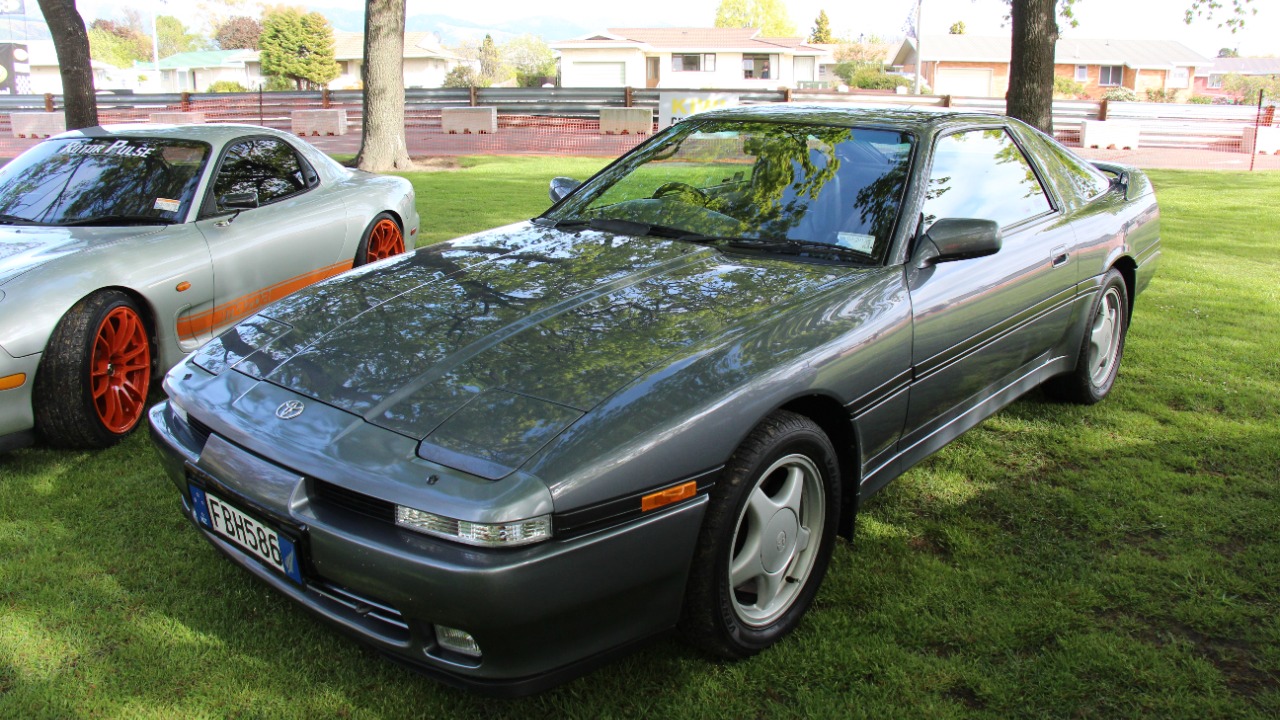
The Toyota Supra (A70), introduced in 1986, solidified Toyota’s reputation in the sports car market. With its turbocharged inline-six engine, the Supra offered a remarkable combination of power and reliability. It produced up to 276 horsepower, enabling exhilarating performance while maintaining a comfortable ride. The A70 model was notable for its aerodynamic design and advanced technology, which included an available digital dashboard. These features not only made the Supra a performance icon but also paved the way for the legendary A80 model that followed.
Audi Quattro
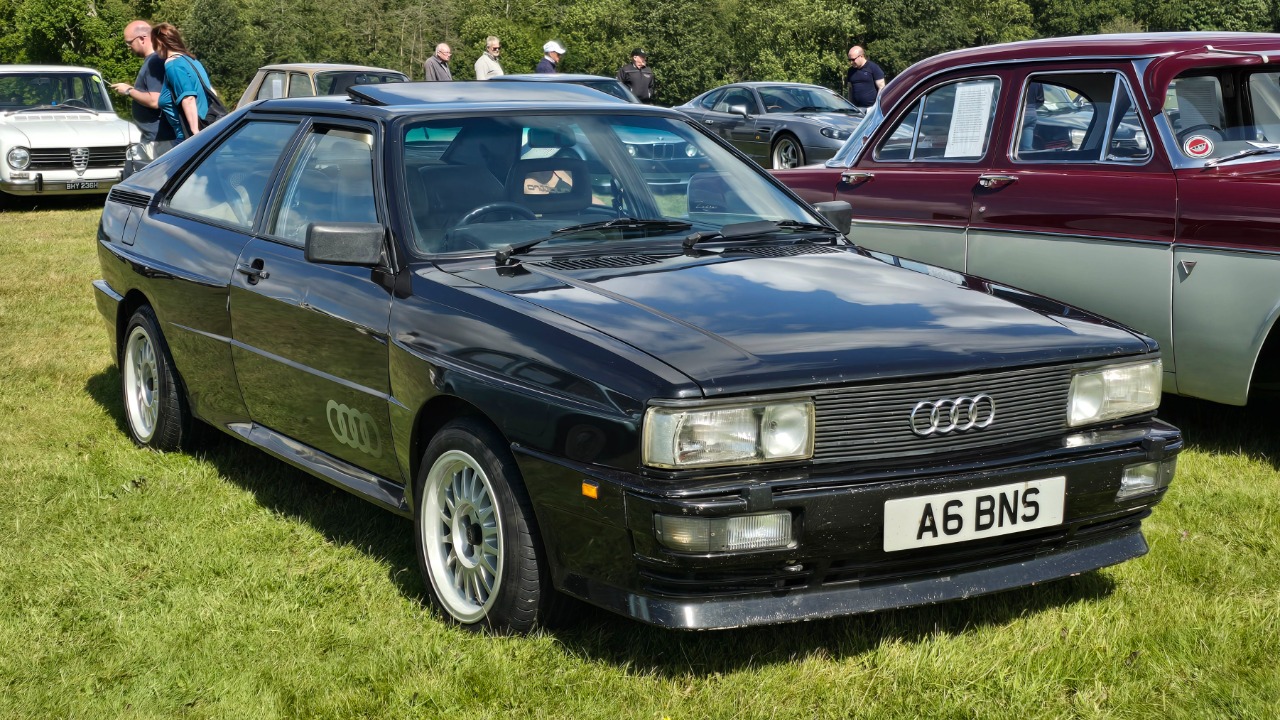
The Audi Quattro revolutionized the world of rally racing when it debuted in 1980. With its distinctive all-wheel-drive system and turbocharged inline-five engine, it became a formidable competitor on the track. The Quattro’s ability to handle various terrains and conditions set new standards for performance vehicles. It not only dominated rally events but also influenced the design of future Audi models, demonstrating the effectiveness of integrating turbocharging with all-wheel drive.
Ford Escort RS Turbo
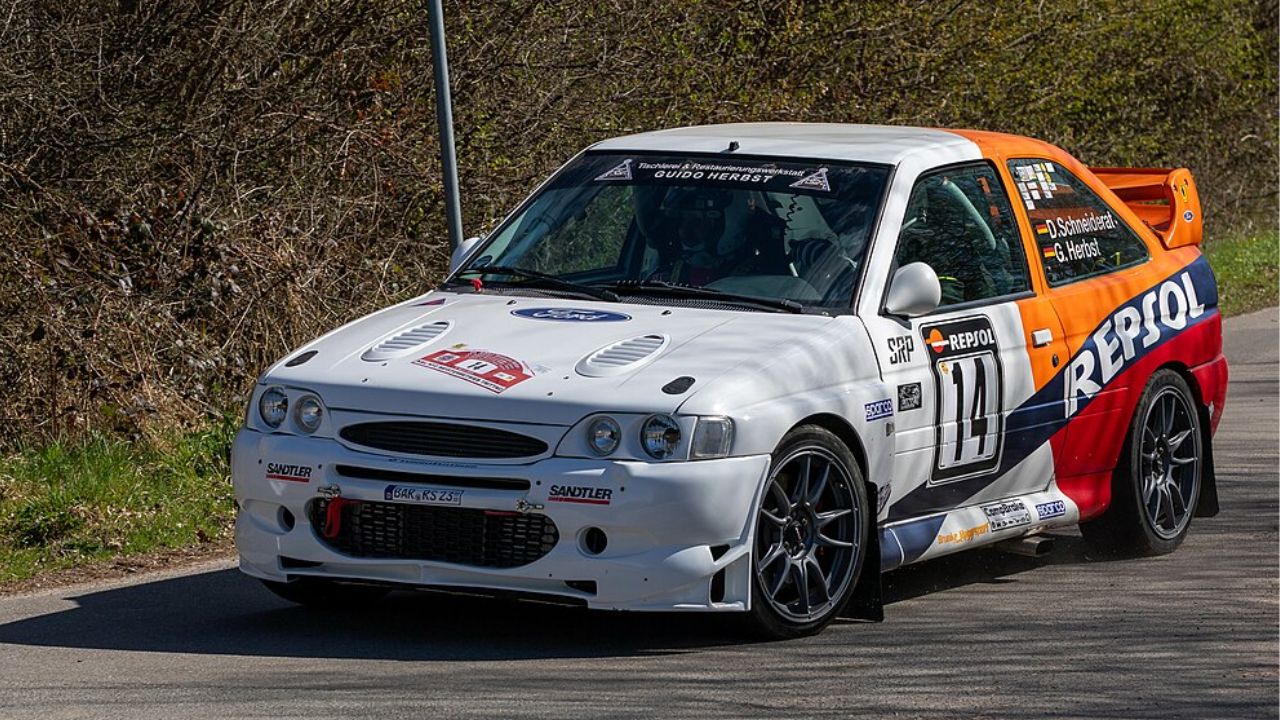
The Ford Escort RS Turbo, introduced in the mid-1980s, became an icon of the hot hatch segment. Its 1.6-liter turbocharged engine delivered 132 horsepower, allowing for impressive acceleration and agility in a compact package. The Escort RS Turbo appealed to both enthusiasts and casual drivers alike, thanks to its spirited performance and accessible price point. It played a significant role in popularizing turbocharging in everyday vehicles, paving the way for future performance-oriented models.
BMW M3 (E30)
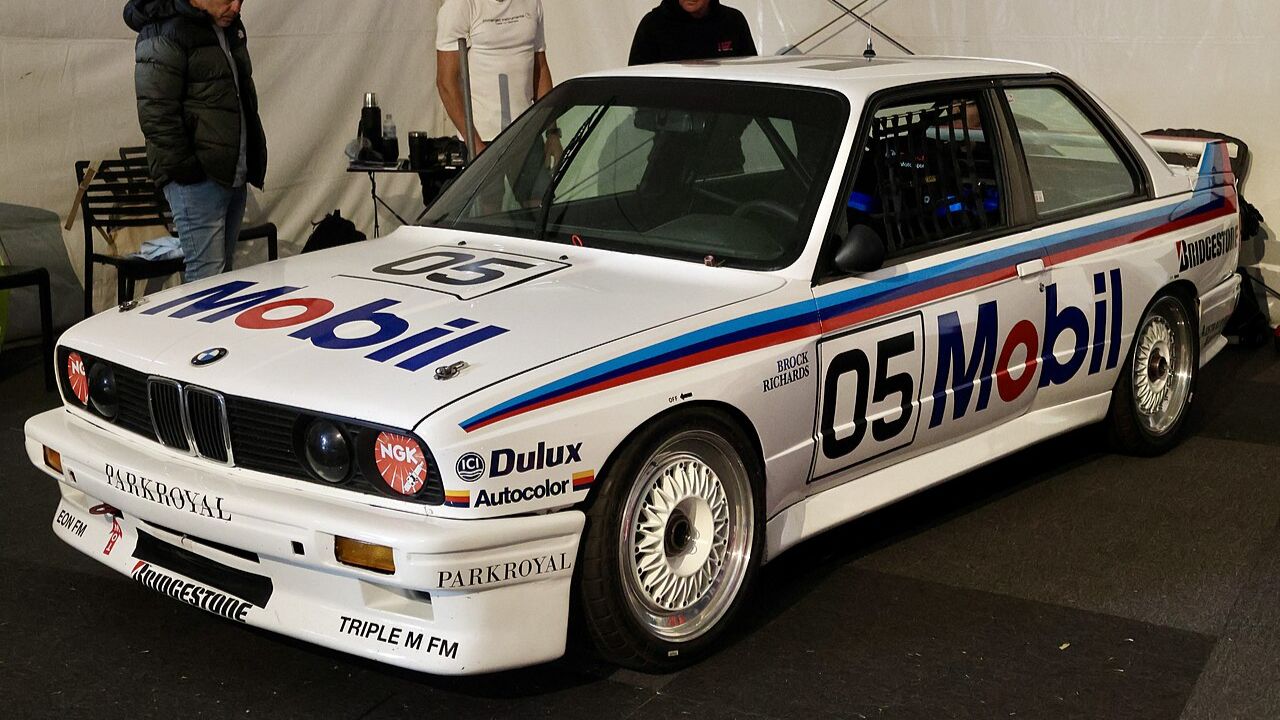
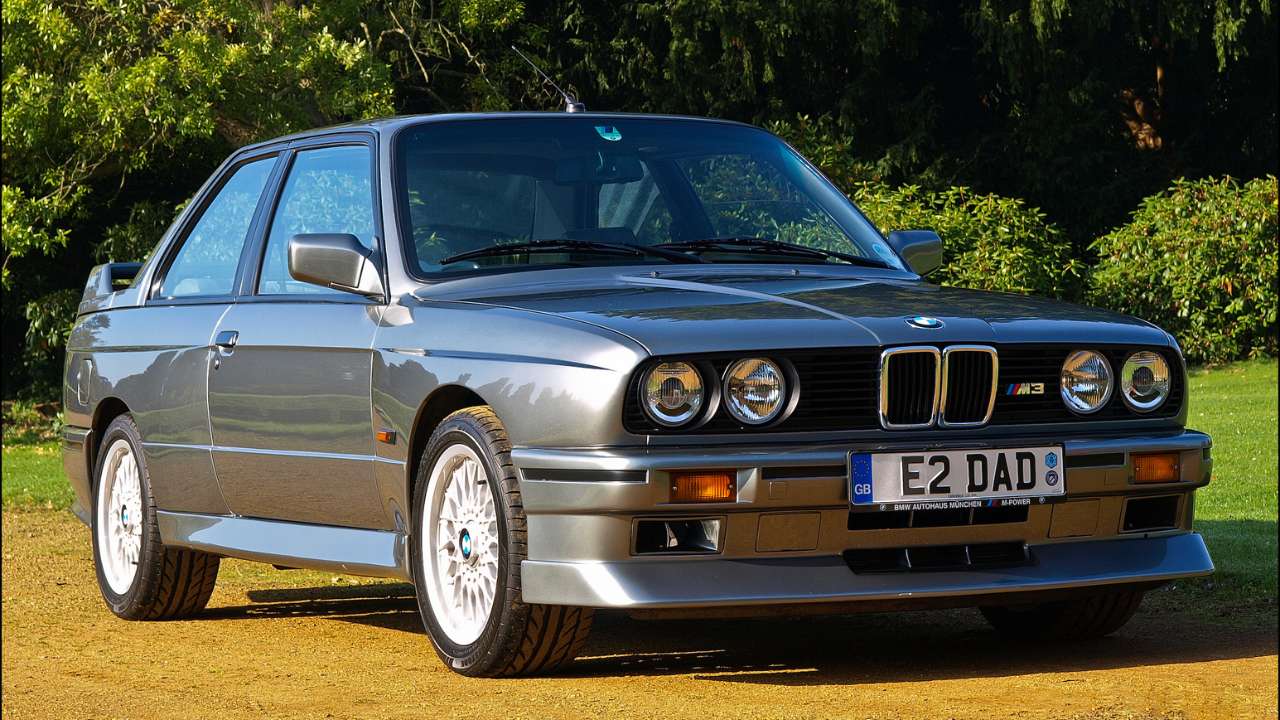
The BMW M3 (E30), produced from 1982 to 1994, is often hailed as one of the greatest performance cars of its era. The E30 featured a turbocharged four-cylinder engine that offered a perfect balance of power and handling. With its lightweight construction and rear-wheel-drive layout, it provided an exhilarating driving experience. The E30 M3 became a dominant force in motorsports, establishing BMW’s performance credentials and inspiring a legacy that continues to resonate with enthusiasts today.
Subaru Legacy RS
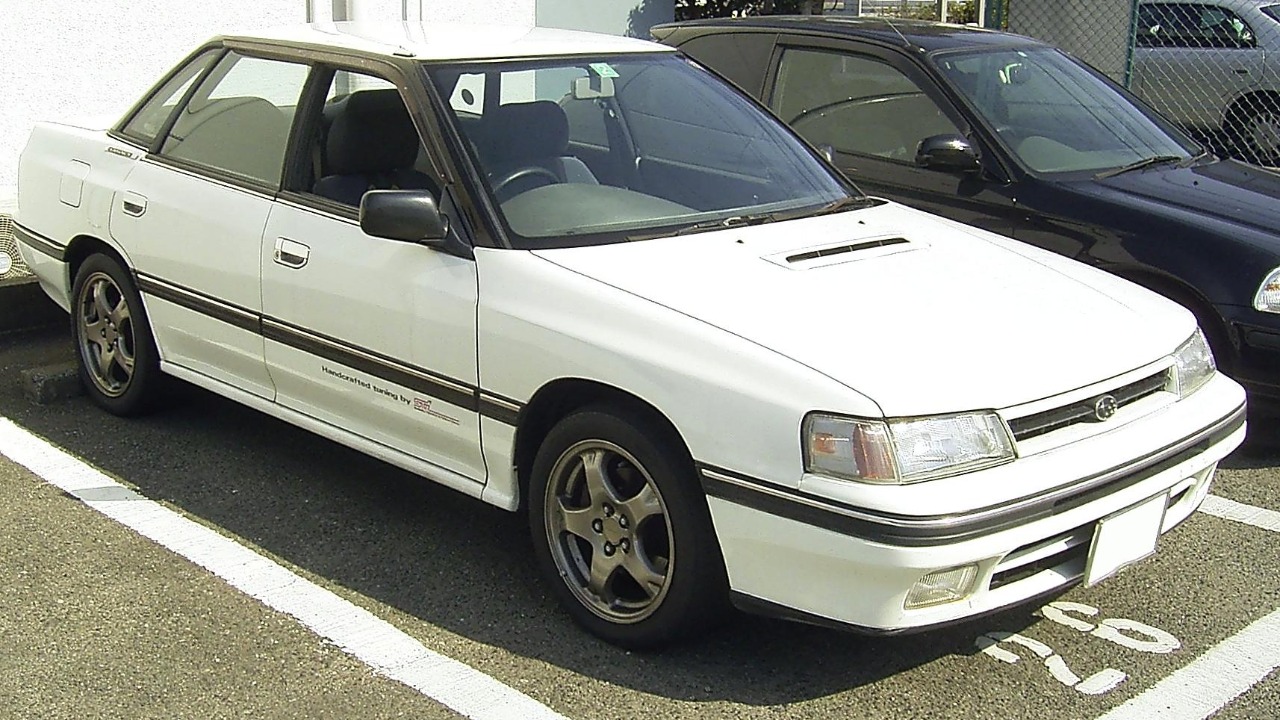
The Subaru Legacy RS, introduced in 1990, marked Subaru’s entry into the performance sedan segment. With its turbocharged flat-four engine producing 220 horsepower, it offered impressive acceleration and all-weather capability. The Legacy RS was praised for its practical design and responsive handling, making it a versatile choice for both daily driving and spirited adventures. Its success in rally competitions further solidified Subaru’s reputation for building performance-oriented vehicles.
Lancia Delta Integrale
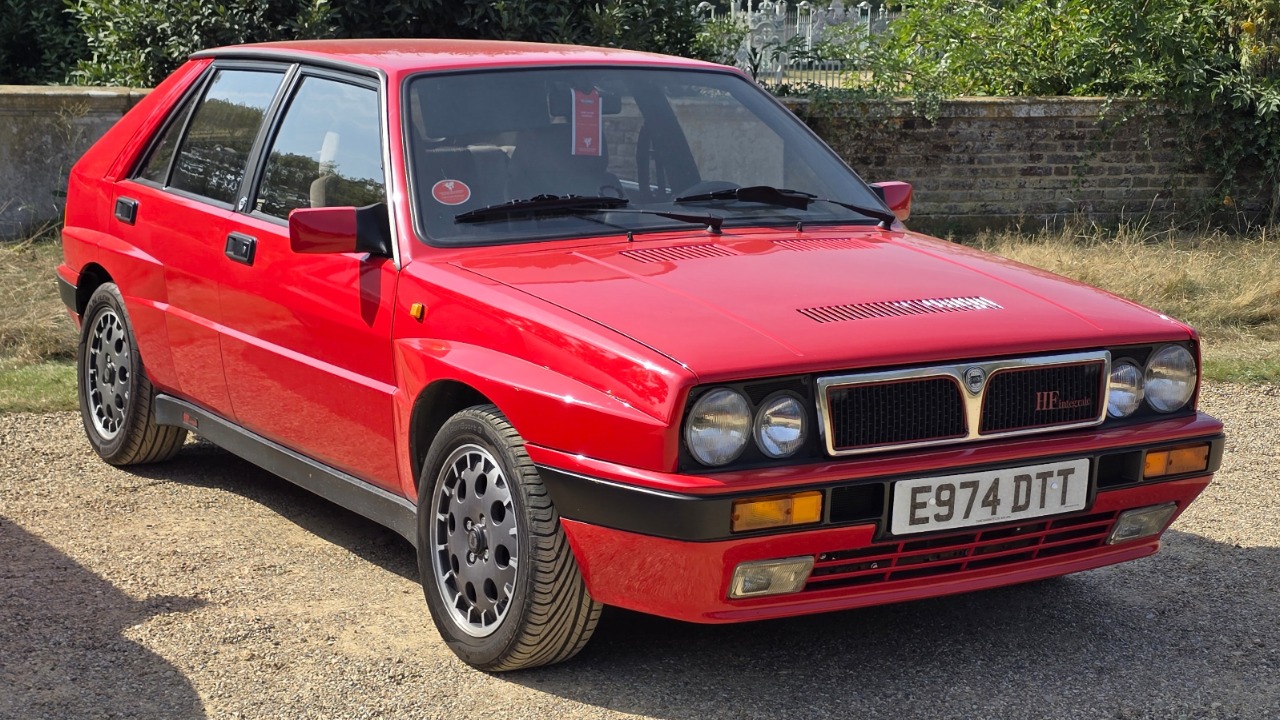
The Lancia Delta Integrale is a legendary figure in the world of rally racing. Its turbocharged engine and advanced all-wheel-drive system made it a dominant force throughout the late 1980s and early 1990s. With a distinctive boxy design and rally heritage, the Delta Integrale became a symbol of performance and innovation. Its success on the rally circuit not only showcased its capabilities but also influenced the design of subsequent performance vehicles, leaving a lasting legacy in the automotive world.
More from Fast Lane Only