Some race cars became so advanced that competitors felt they were fighting technology as much as drivers. Through revolutionary aerodynamics, groundbreaking drivetrains, or radical design concepts, these machines gained advantages that changed entire motorsport categories. Rivals often struggled to respond before rule changes or new regulations intervened. These legendary racers proved brilliant engineering could sometimes become almost unfair on the track.
Brabham BT46B
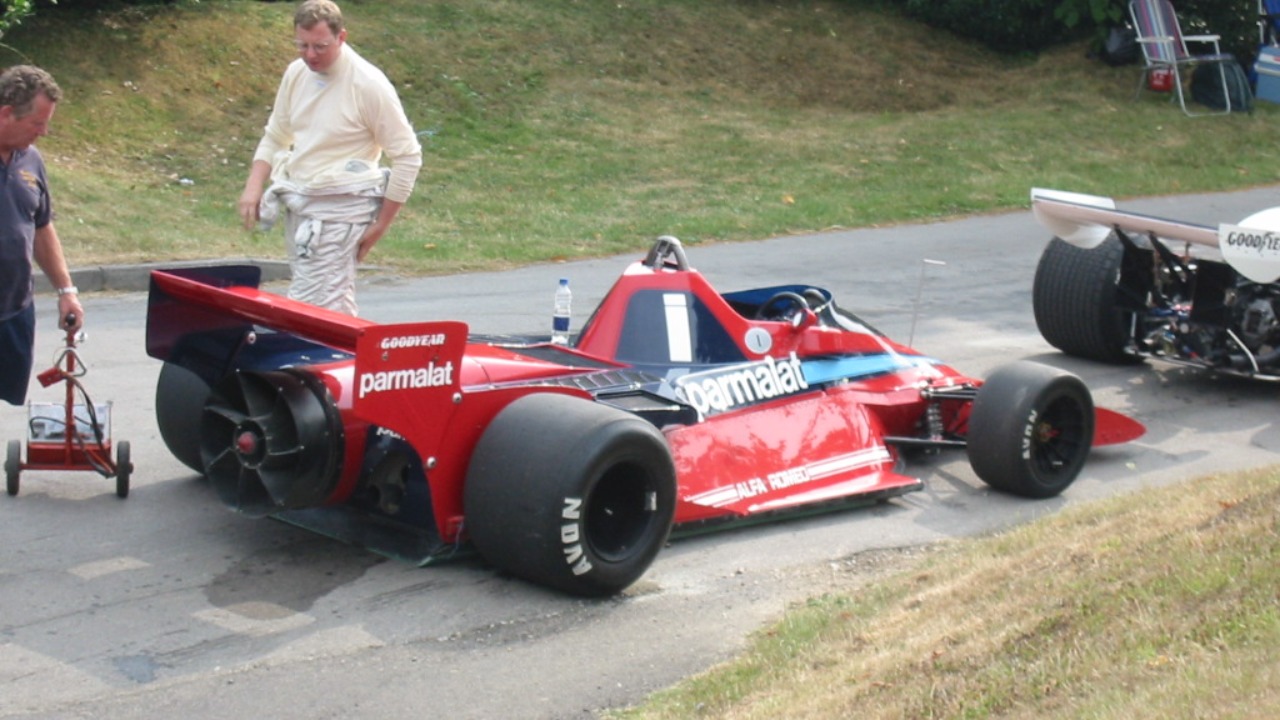
The Brabham BT46B shocked Formula One because its rear-mounted cooling fan also generated enormous downforce, allowing the car to corner far faster than rivals expected. While competitors relied mainly on wings and body aerodynamics, the BT46B created grip through an entirely different engineering philosophy. Drivers immediately noticed how stable and planted it felt through corners. The car’s dominance sparked controversy almost instantly, and its innovative fan system became one of motorsport’s most famous banned technologies.
Nissan Skyline GT-R R32 Group A
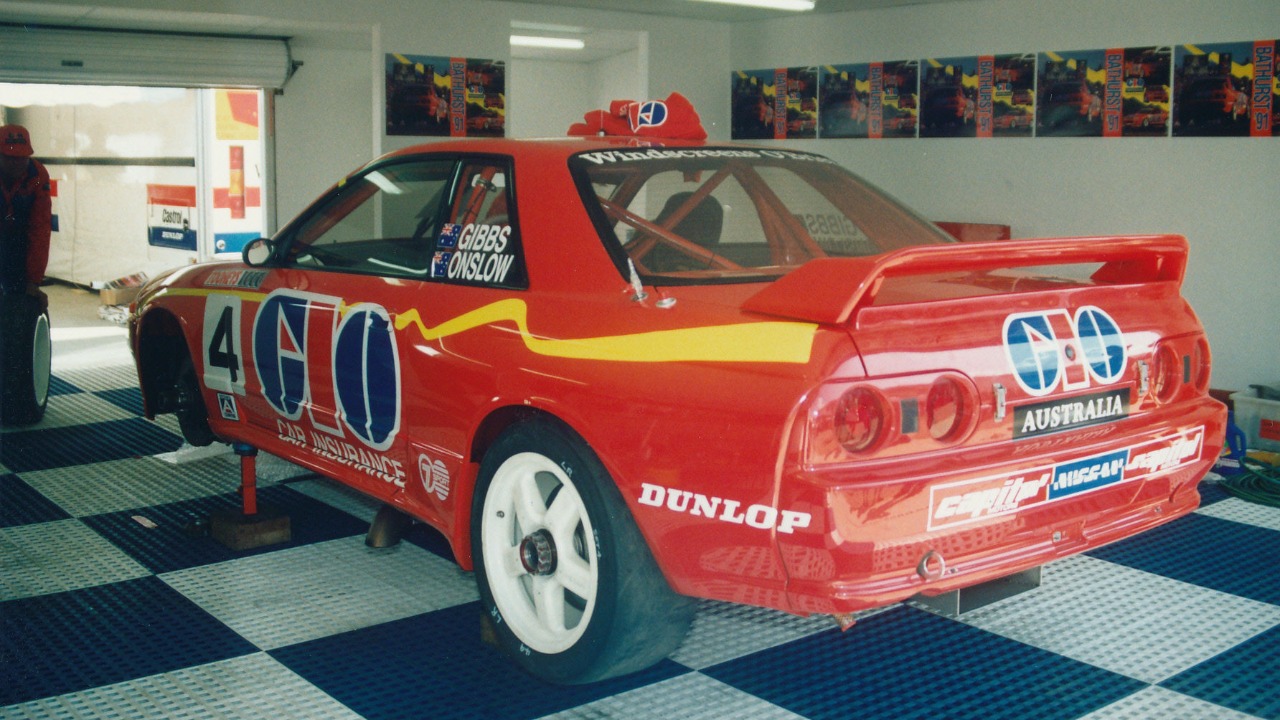
The Nissan Skyline GT-R R32 earned the nickname “Godzilla” because its advanced engineering overwhelmed touring-car competition during the early 1990s. The combination of all-wheel drive, sophisticated electronics, and twin-turbo power gave the GT-R traction and acceleration advantages rivals struggled to match. Competitors quickly realized traditional rear-wheel-drive strategies no longer worked against the Nissan. Its dominance became so overwhelming that rule changes eventually targeted the platform directly in several racing categories.
Lotus 79
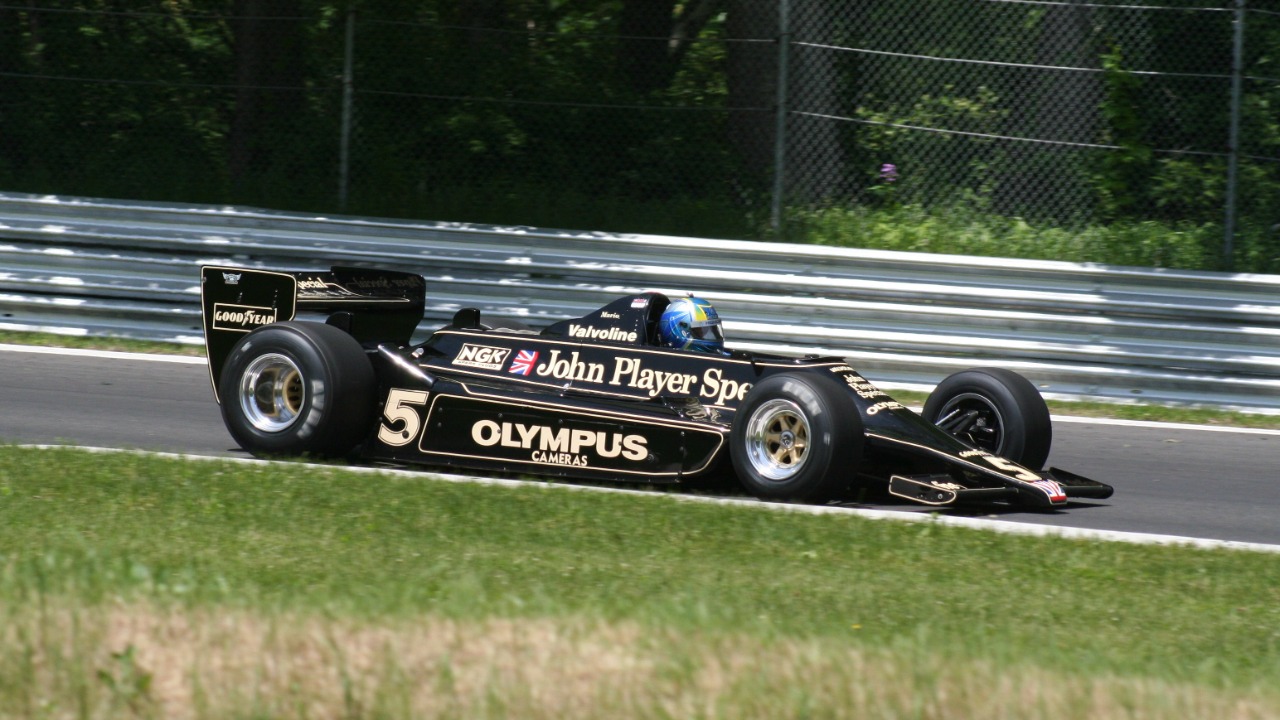
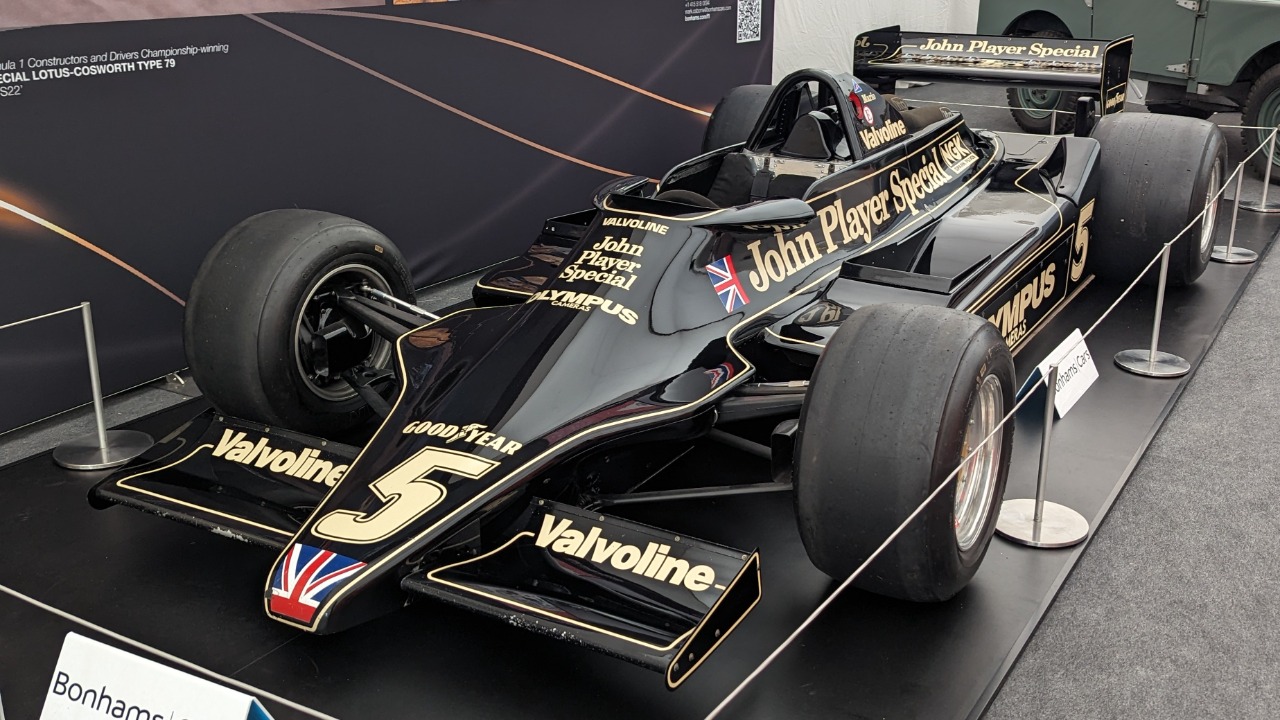
The Lotus 79 transformed Formula One because it perfected ground-effect aerodynamics in a way competitors initially could not replicate. By channeling airflow beneath the car, the Lotus generated huge downforce without relying entirely on large external wings. Drivers could corner dramatically faster while maintaining impressive straight-line speed. Rival teams suddenly faced an engineering revolution that changed Formula One permanently, making the Lotus 79 one of the most influential race cars ever created.
Porsche 956
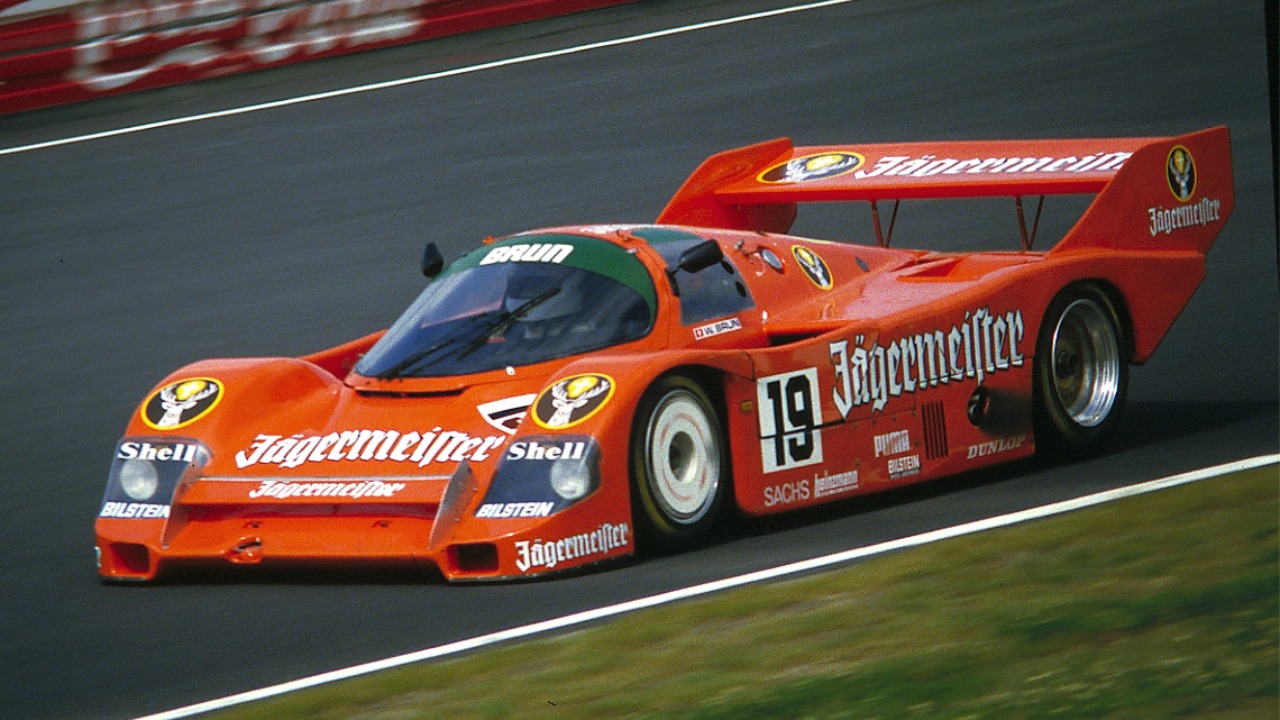
The Porsche 956 turned endurance racing into a showcase of aerodynamic and chassis engineering superiority during the 1980s. Its advanced ground-effect design and lightweight construction gave it extraordinary stability at extremely high speeds. Combined with remarkable reliability, the 956 became nearly unbeatable in long-distance racing. Competitors struggled to match both its efficiency and speed simultaneously, helping Porsche dominate endurance competition for years through pure engineering excellence.
Williams FW14B
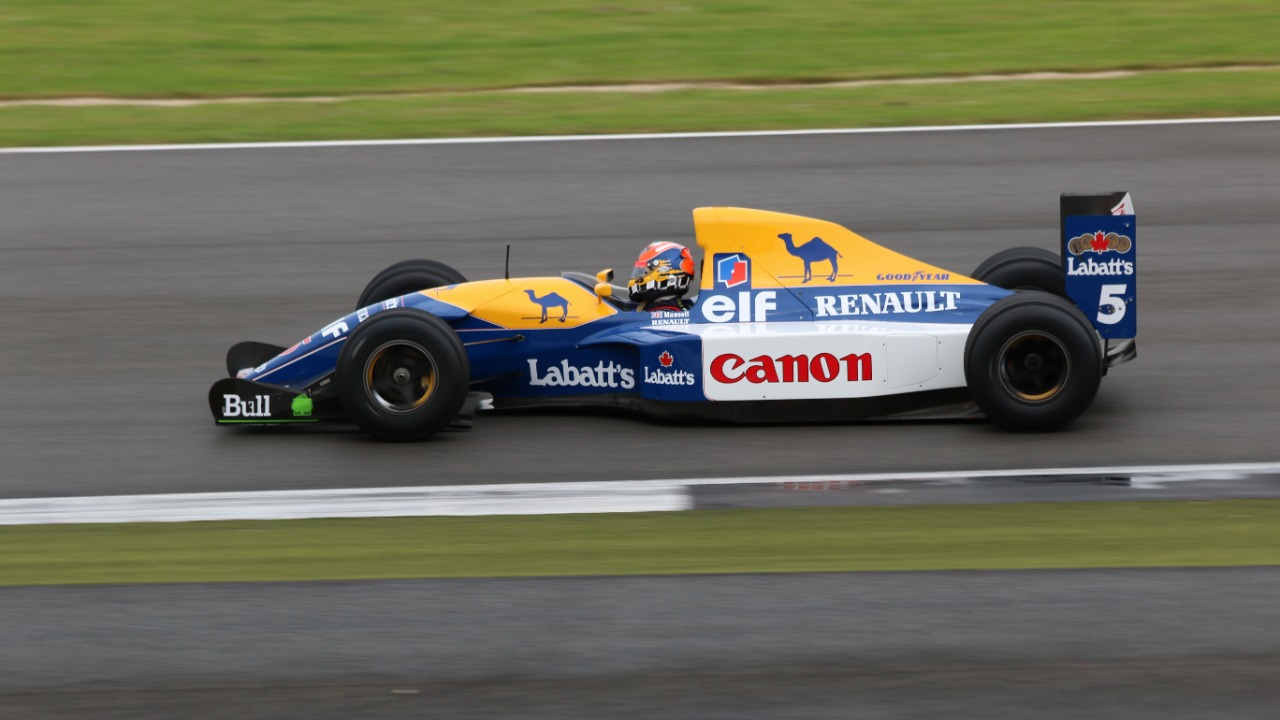
The Williams FW14B terrified rivals because its advanced electronics transformed handling precision far beyond conventional race-car standards. Featuring active suspension, traction control, and semi-automatic systems, the FW14B constantly adjusted itself for maximum grip and stability. Drivers could attack corners with extraordinary confidence while competitors fought less sophisticated machinery. The technological gap became so dramatic that many viewed the car as one of the clearest examples of engineering creating an almost unfair competitive advantage.
Chaparral 2E
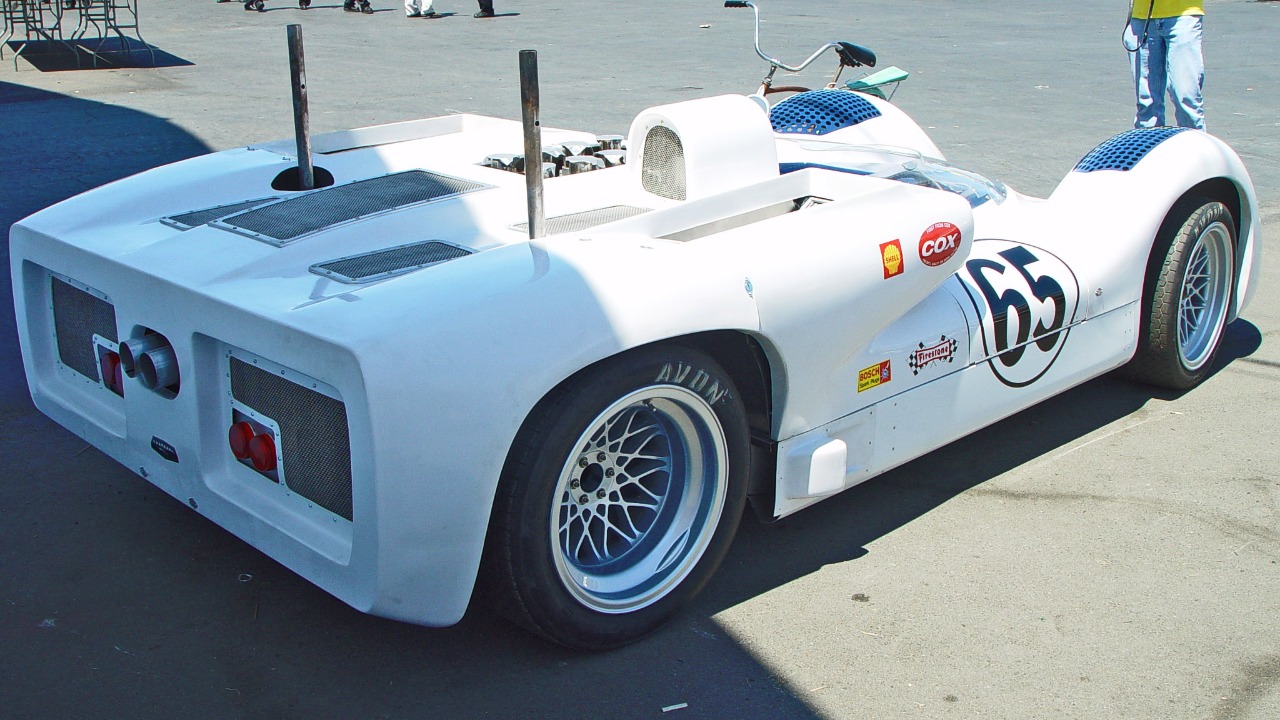
The Chaparral 2E revolutionized motorsport aerodynamics by introducing a towering adjustable rear wing directly controlled by the driver. While most competitors barely understood aerodynamic downforce at the time, the Chaparral used it aggressively to improve cornering grip and braking stability. Rivals suddenly realized speed could come from airflow management as much as engine power. The car’s engineering innovation permanently influenced race-car design across nearly every major motorsport category afterward.
Audi R18 e-tron quattro

The Audi R18 e-tron quattro demonstrated how hybrid technology could become a massive competitive weapon in endurance racing. By combining diesel efficiency with electrically assisted all-wheel-drive capability, the R18 gained superior traction and fuel-management advantages during long races. Competitors struggled to match Audi’s balance of speed, efficiency, and reliability. The car helped redefine endurance engineering by proving hybrid systems could dominate top-level motorsport rather than merely support fuel economy goals.
Tyrrell P34
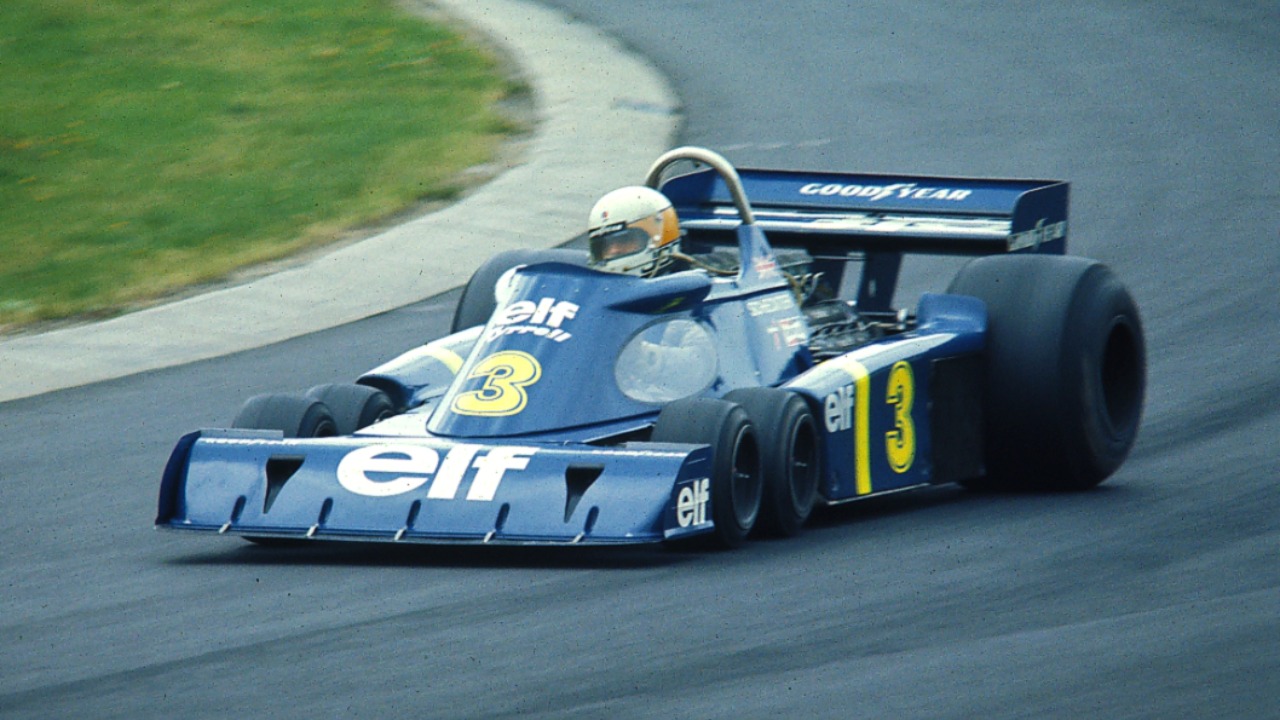
The Tyrrell P34 stunned the racing world because its four small front wheels dramatically improved aerodynamic efficiency and front-end grip. The unusual configuration reduced drag while increasing tire contact during cornering and braking. Rival teams immediately recognized the car as one of the boldest engineering experiments ever attempted in Formula One. Although development challenges eventually limited long-term success, the P34 became legendary for pushing motorsport innovation far beyond conventional thinking.
More from Fast Lane Only