Motorsport history is filled with teams that refused to collapse after devastating crashes, financial disasters, leadership losses, and competitive declines. Some rebuilt around new technology, while others relied on determination and brilliant engineering to stay relevant. These teams proved that setbacks rarely define greatness because the strongest organizations eventually find ways to return to victory lane.
Scuderia Ferrari
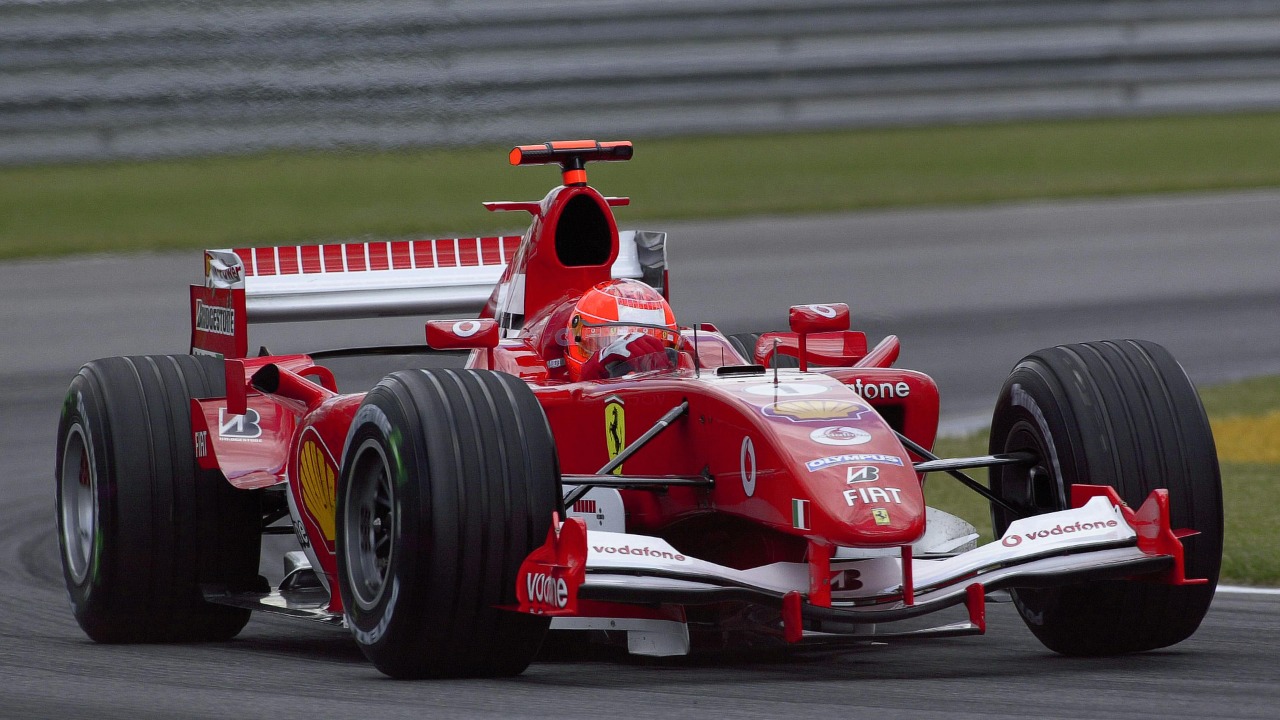
The Ferrari F2004 became one of Formula One’s greatest comeback symbols after Ferrari survived difficult seasons and tragic moments earlier in its history. The team endured the loss of founder Enzo Ferrari, major technical failures, and years without championships before returning to dominance under Michael Schumacher. Ferrari rebuilt itself through engineering excellence and relentless development, eventually producing one of the most dominant cars ever created. Articles discussing racing strategy on Fast Lane Only show how tactical precision became central to modern success.
McLaren Racing
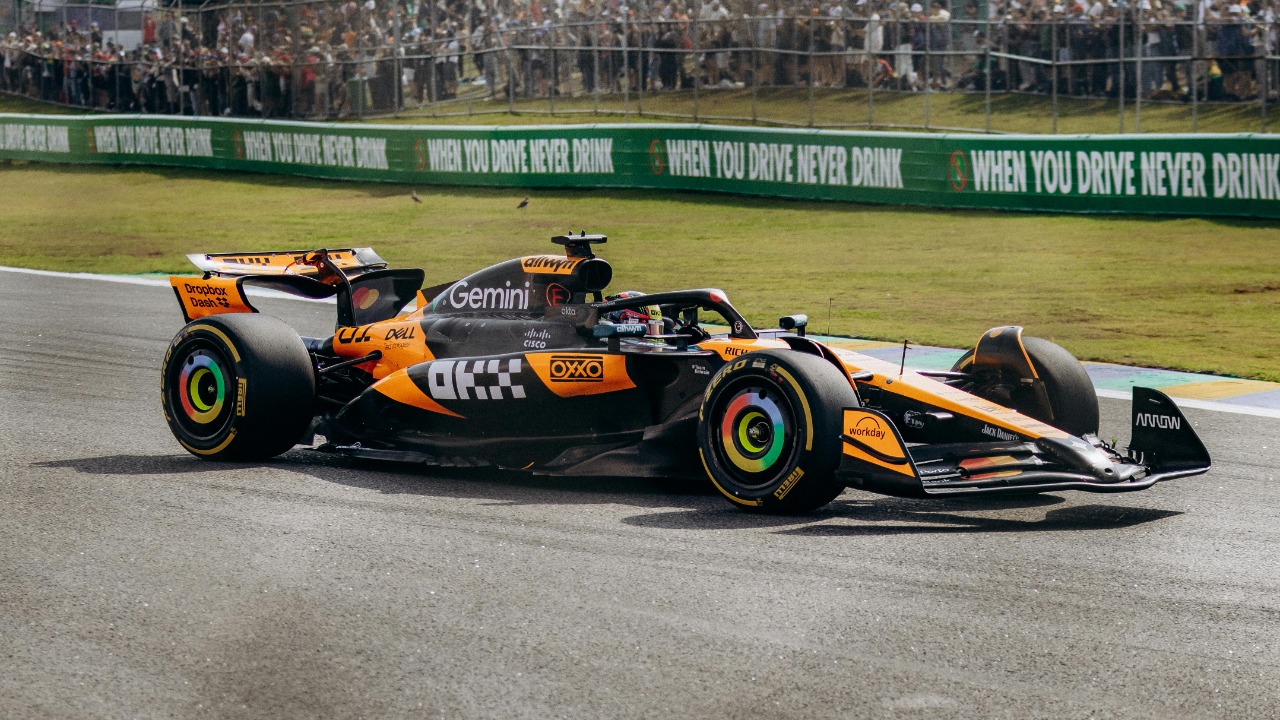
The McLaren MP4/4 helped restore McLaren as a dominant force after difficult competitive stretches and the tragic death of founder Bruce McLaren years earlier. The team constantly reinvented itself through different eras, surviving financial pressure, internal instability, and disappointing seasons that threatened its reputation. McLaren repeatedly returned to championship contention because of strong technical leadership and smart driver choices. Even recent controversies surrounding contracts and legal disputes failed to derail the organization’s long-term ambitions, as covered by Fast Lane Only’s McLaren coverage.
Williams Racing
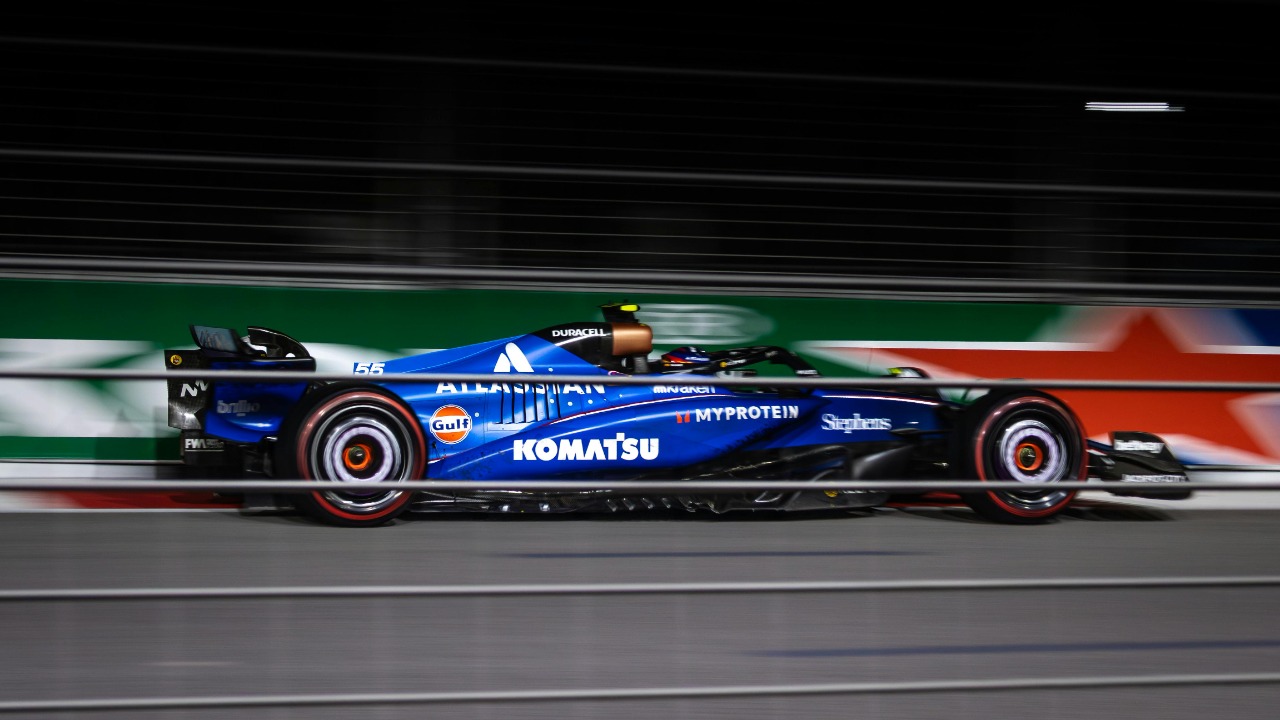
The Williams FW14B represented an incredible recovery story after Williams lost key personnel and battled intense competition during Formula One’s rapidly evolving technological era. The team suffered through financial limitations and the devastating loss of Ayrton Senna in 1994, yet continued fighting at the front for years afterward. Williams earned respect for engineering innovation and resilience even while competing against wealthier factory-backed operations. Discussions about independent racing organizations on Fast Lane Only reflect the same determined mentality that defined Williams throughout its history.
Porsche Motorsport
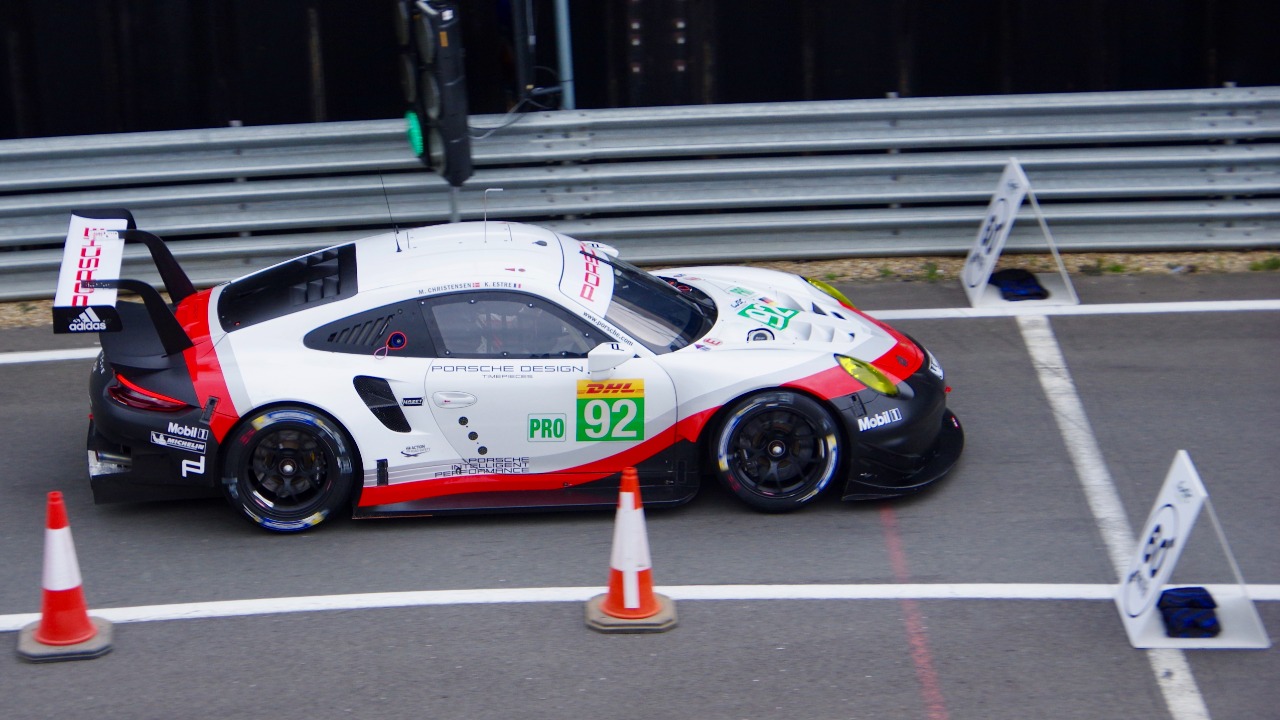
The Porsche 919 Hybrid became proof that Porsche could dominate endurance racing again after earlier factory withdrawals and changing motorsport priorities. Porsche repeatedly stepped away from top-level competition before returning stronger with revolutionary engineering concepts that transformed endurance racing. The company endured economic pressures, regulation changes, and fierce rivalries but consistently found ways to reclaim victories at Le Mans. Endurance racing remains brutally demanding, as explained in Fast Lane Only’s Le Mans feature, making Porsche’s repeated returns to the top even more impressive.
Mercedes-AMG Petronas Formula One Team
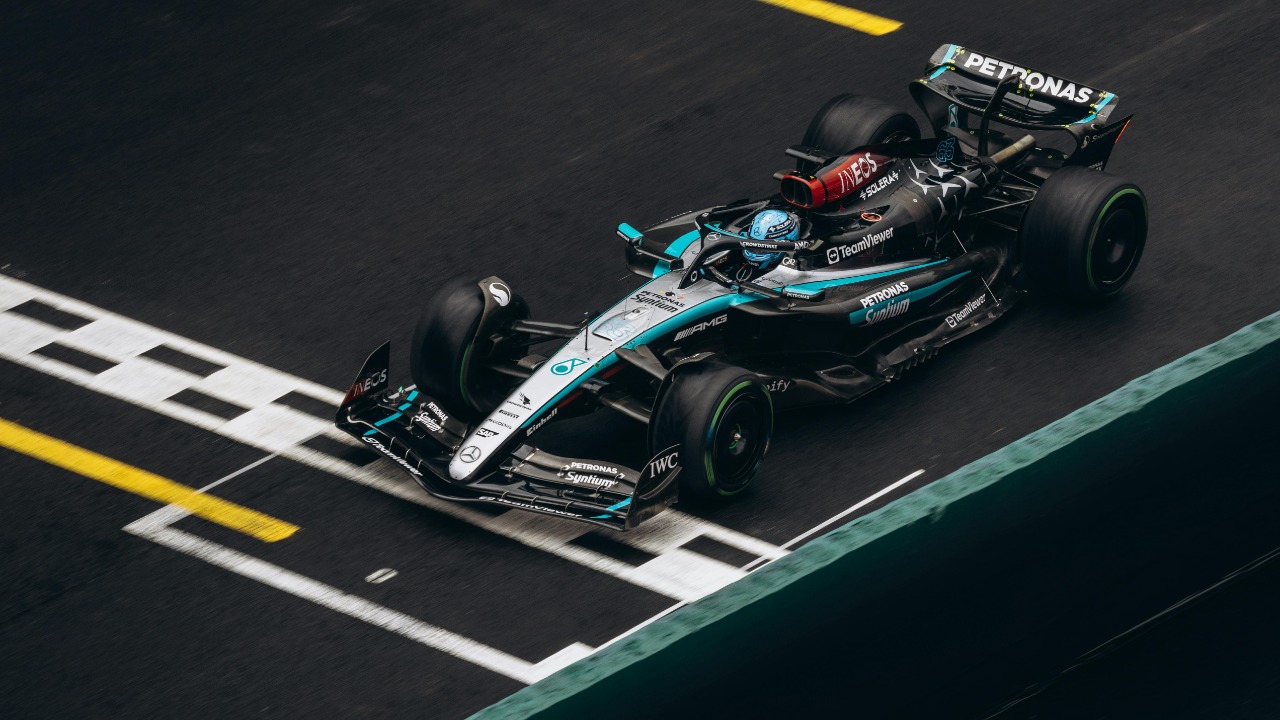
The Mercedes F1 W11 symbolized Mercedes’ incredible rise after decades away from Formula One as a full works team. Earlier racing tragedies, including the 1955 Le Mans disaster, forced Mercedes to leave top-level motorsport for years before eventually returning. When the company committed fully to Formula One again, it created one of the most dominant dynasties in racing history. Mercedes combined engineering efficiency with elite strategy and reliability to overwhelm rivals. Safety evolution in motorsport, highlighted by Fast Lane Only, also shaped the team’s modern philosophy.
Red Bull Racing
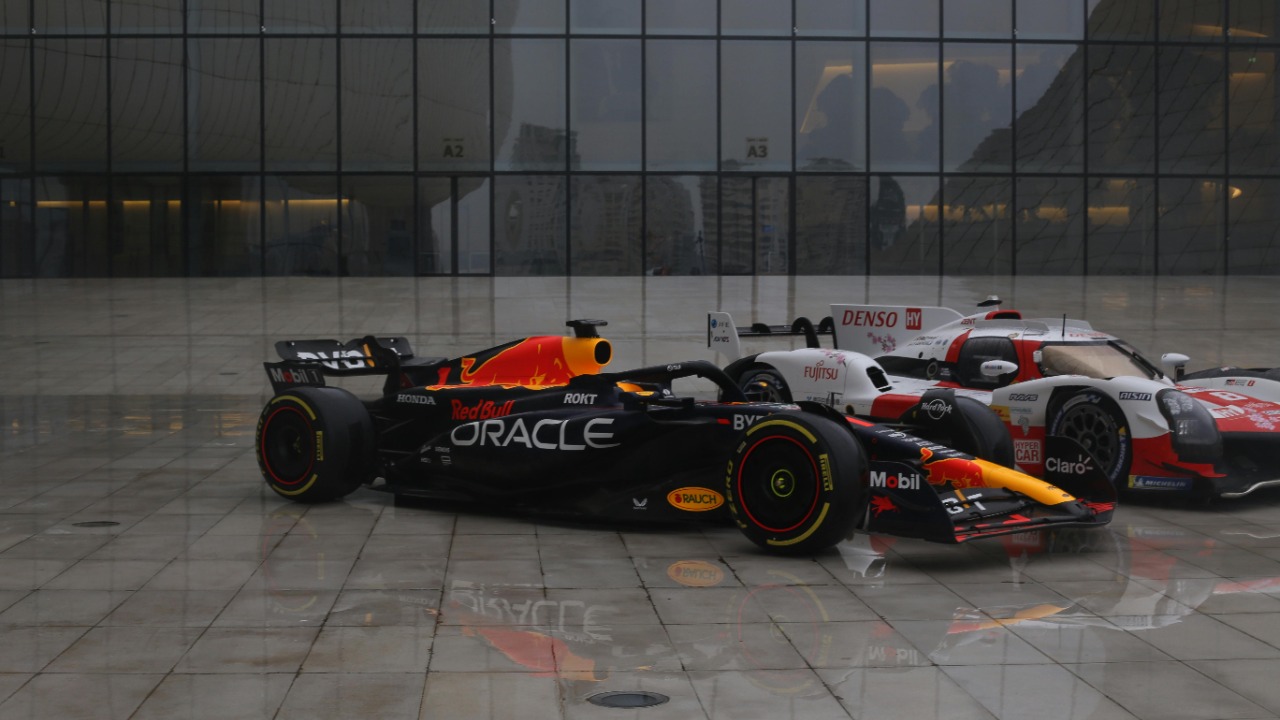
The Red Bull RB19 demonstrated how Red Bull overcame early criticism that it was merely an energy drink company pretending to be a racing organization. The team struggled through inconsistent seasons before building a championship-winning structure around Adrian Newey’s aerodynamic brilliance. Red Bull also survived major regulation shifts, internal pressure, and controversial rivalries while remaining competitive. The organization’s willingness to aggressively adapt strategy and technology became one of its greatest strengths. Strategic racing concepts explained by Fast Lane Only reflect the kind of tactical aggression Red Bull frequently uses during races.
Haas F1 Team
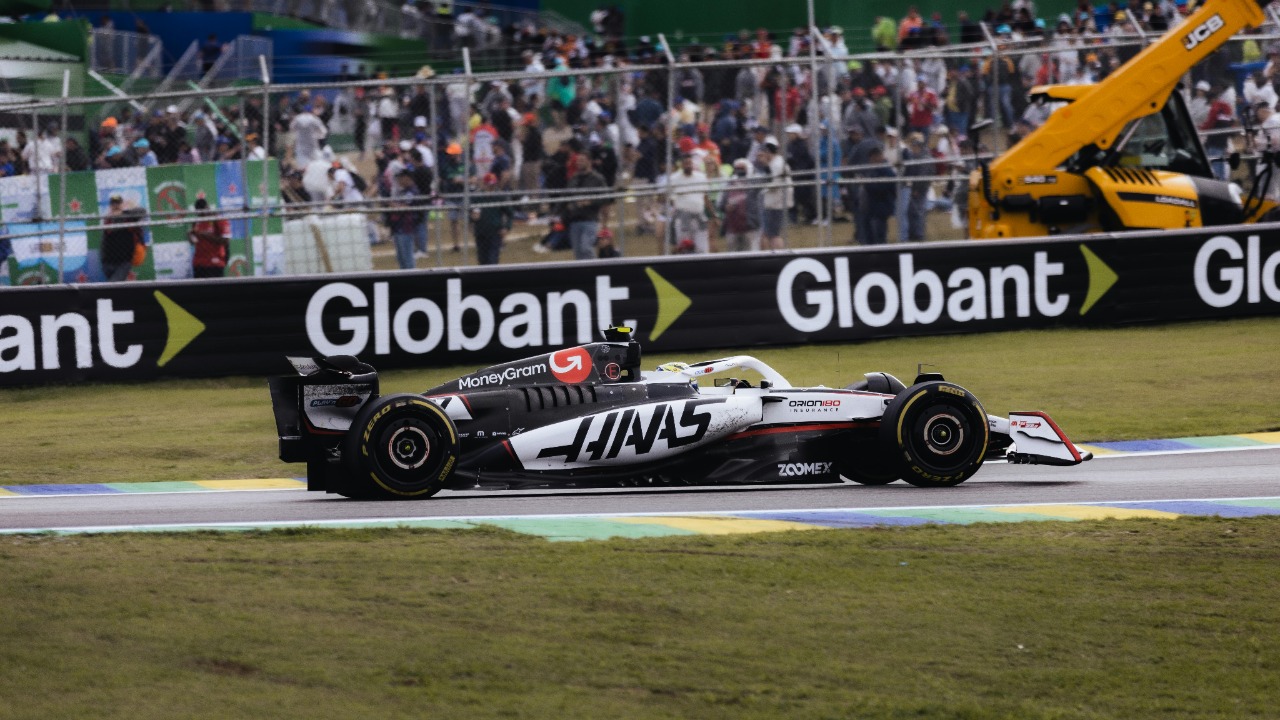
The Haas VF-23 represented a determined effort by Haas to remain competitive after financial uncertainty, sponsorship controversy, and difficult early seasons in Formula One. Smaller teams often disappear after major setbacks, but Haas survived through careful partnerships and consistent rebuilding efforts. Despite operating with fewer resources than elite rivals, the team kept fighting for midfield relevance while investing in future talent development. Modern reports from Fast Lane Only show that Haas continues planning long-term growth despite facing constant competitive pressure in Formula One.
Aston Martin Aramco Formula One Team
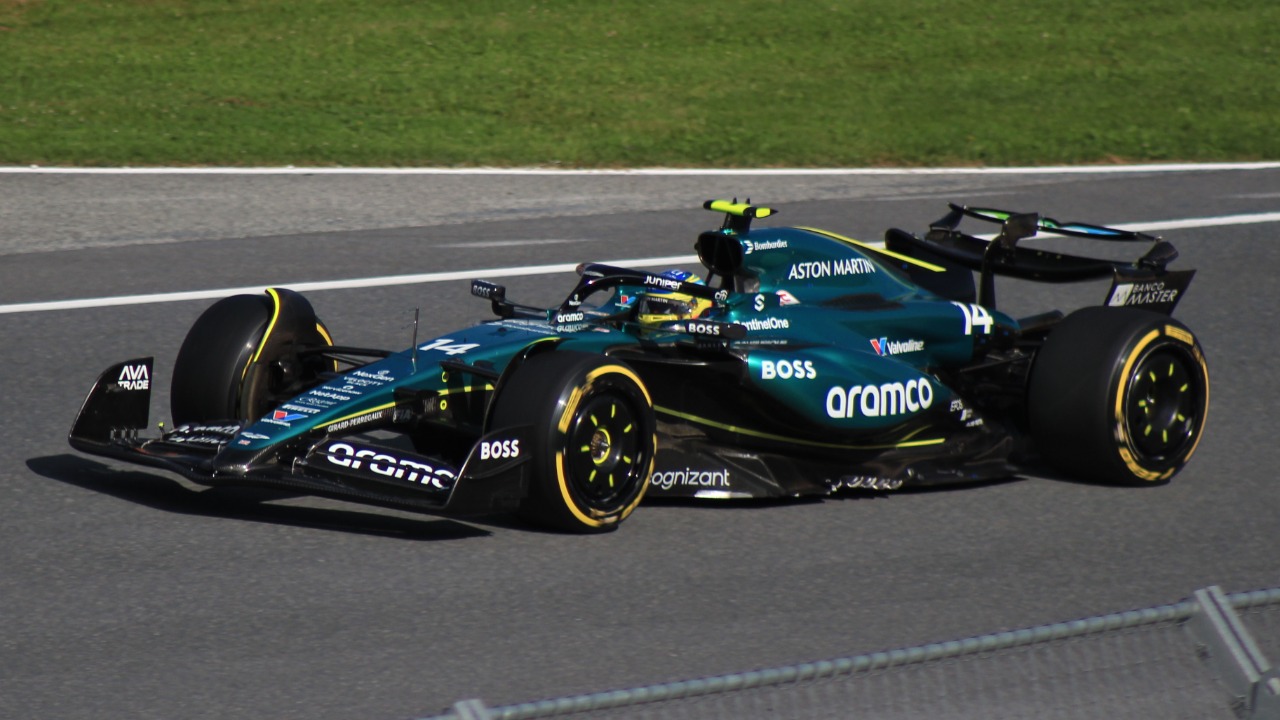
The Aston Martin AMR23 became a symbol of Aston Martin’s resurgence after years of instability under previous identities like Jordan, Midland, Spyker, and Force India. The organization survived ownership changes, financial collapse, and near bankruptcy before reemerging as a serious Formula One contender. Aston Martin rebuilt its reputation through major investments in facilities, engineering staff, and driver talent. Even recent technical problems have not slowed the team’s ambitions, with Fast Lane Only detailing the kind of modern challenges teams continue battling at the highest level of motorsport.
More From Fast Lane Only: