Racing has always shaped the reputation of the world’s greatest sports cars. Some models earned legendary status not because of luxury or styling alone, but because they dominated tracks across Formula One, endurance racing, rally championships, and touring car events. These machines became symbols of engineering excellence after proving themselves under the toughest competitive conditions imaginable.
Nissan Skyline GT-R R32
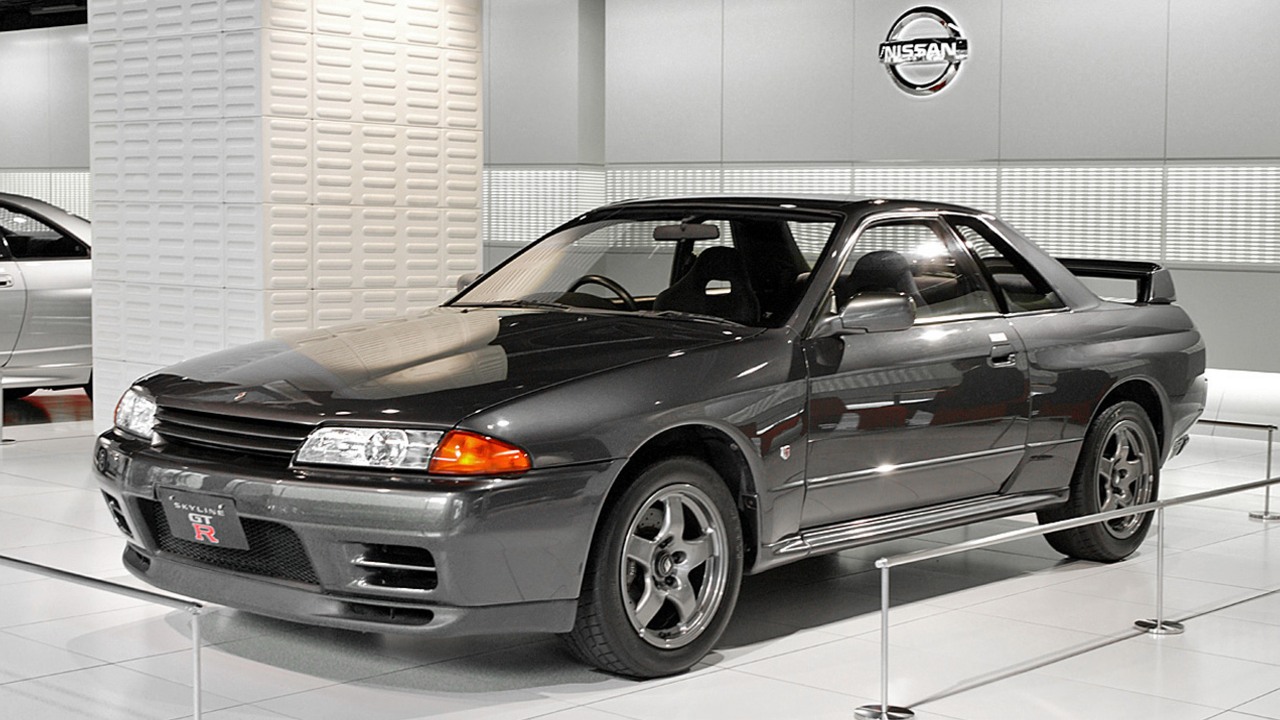
The Nissan Skyline GT-R R32 became known as “Godzilla” after completely dominating touring car racing during the early 1990s. Its advanced all-wheel-drive system and twin-turbocharged RB26 engine allowed it to overwhelm competitors in Japan and Australia. The car’s racing success instantly transformed the GT-R into a global performance legend. Enthusiasts still admire how the R32 blended technology with brutal speed, helping Japanese performance cars gain worldwide respect. Features discussing legendary Japanese engineering on Fast Lane Only continue highlighting vehicles like the R32.
Porsche 911 Carrera RS
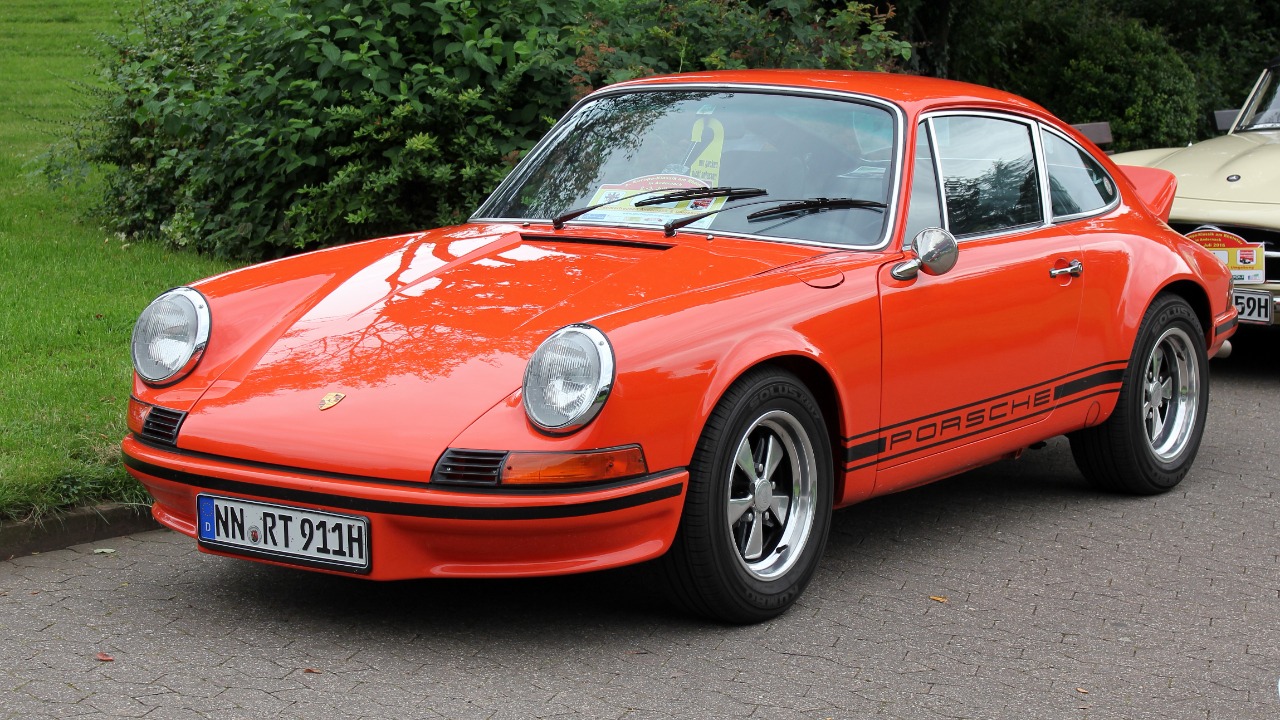
The Porsche 911 Carrera RS became an icon after proving nearly unbeatable in endurance and GT racing across multiple decades. Porsche continuously refined the rear-engine platform until it became one of motorsport’s most successful designs ever created. The lightweight construction and outstanding handling helped the 911 dominate international competition while remaining usable on public roads. Racing victories at Le Mans and countless endurance events elevated the car into automotive history. Endurance competition stories covered by Fast Lane Only show why cars like the 911 earned lasting respect.
Ferrari 250 GTO
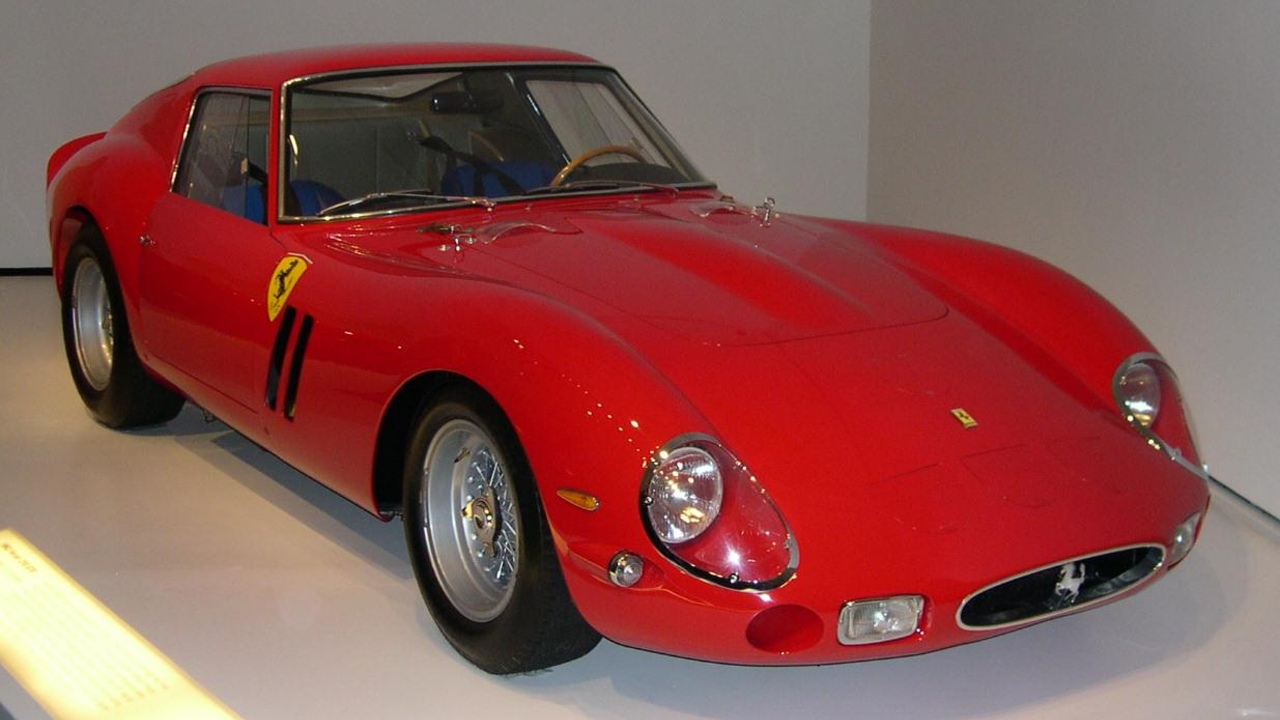
The Ferrari 250 GTO became one of the most valuable sports cars ever because of its incredible success in GT racing during the 1960s. Ferrari designed the car specifically for competition, combining aerodynamic efficiency with a powerful V12 engine that excelled on high-speed circuits. The 250 GTO collected victories across Europe while building Ferrari’s reputation as a racing powerhouse. Its rarity and motorsport achievements eventually turned it into a collector’s dream. Discussions about classic racing heritage on Fast Lane Only often reference machines like the legendary GTO.
Subaru Impreza WRX STI
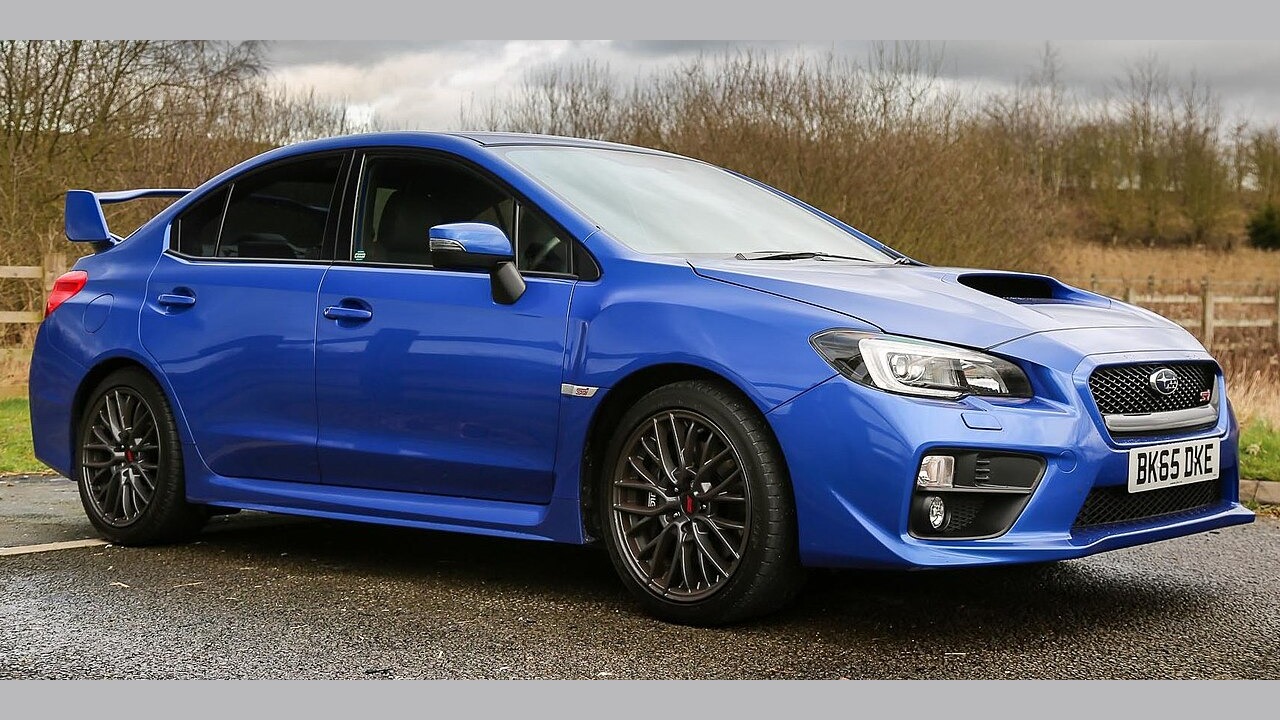
The Subaru Impreza WRX STI earned worldwide recognition through its dominance in the World Rally Championship during the 1990s and early 2000s. Subaru’s turbocharged boxer engine and all-wheel-drive system gave the car exceptional grip on gravel, snow, and mud-covered stages. Drivers like Colin McRae helped transform the WRX STI into a rally icon beloved by enthusiasts everywhere. The car’s aggressive styling and racing pedigree made it instantly recognizable. Rally-inspired performance continues influencing modern enthusiasts, as explored on Fast Lane Only.
Mercedes-Benz 300SL Gullwing
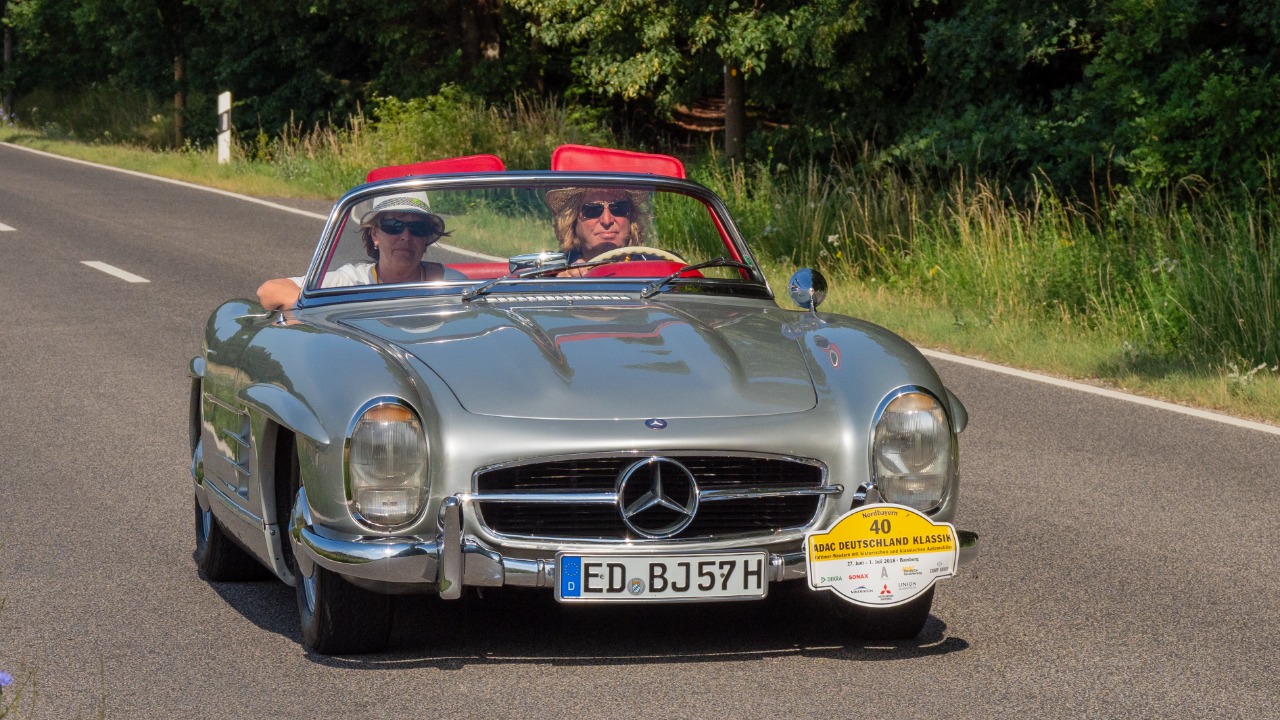
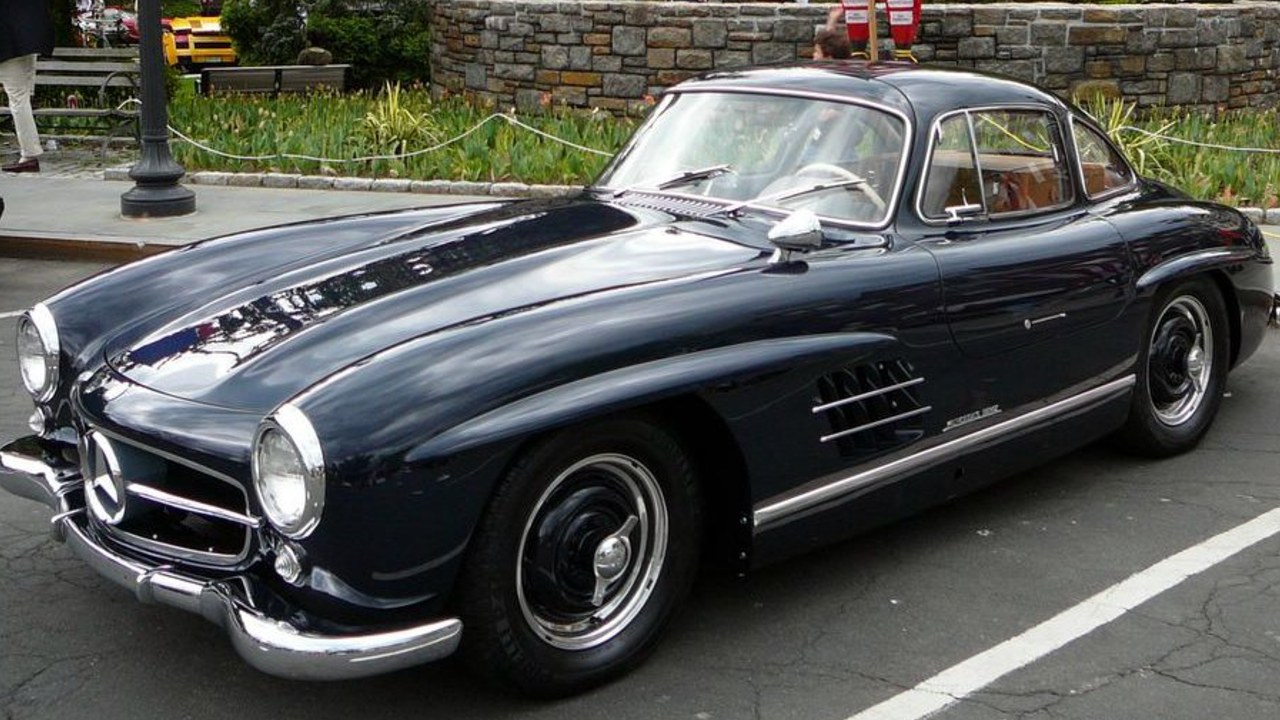
The Mercedes-Benz 300SL Gullwing became legendary after Mercedes translated racing technology directly into a road-going sports car. Inspired heavily by the company’s successful endurance racers, the 300SL featured lightweight construction and advanced fuel injection technology uncommon during the 1950s. Its dramatic gullwing doors made it visually unforgettable, but racing credibility gave it true significance. The car symbolized Germany’s return to elite motorsport competition after World War II. Motorsport engineering developments discussed by Fast Lane Only reflect the innovations introduced by cars like the 300SL.
Mazda 787B

The Mazda 787B achieved immortality after becoming the only rotary-powered car to win the 24 Hours of Le Mans. Its screaming four-rotor engine produced a sound unlike anything else in endurance racing history, instantly making the car unforgettable among motorsport fans. Mazda’s victory in 1991 proved smaller manufacturers could challenge Europe’s biggest racing giants with unconventional engineering solutions. The 787B remains one of the most celebrated Japanese race cars ever built. Le Mans history articles from Fast Lane Only continue praising the revolutionary Mazda.
Lancia Stratos HF
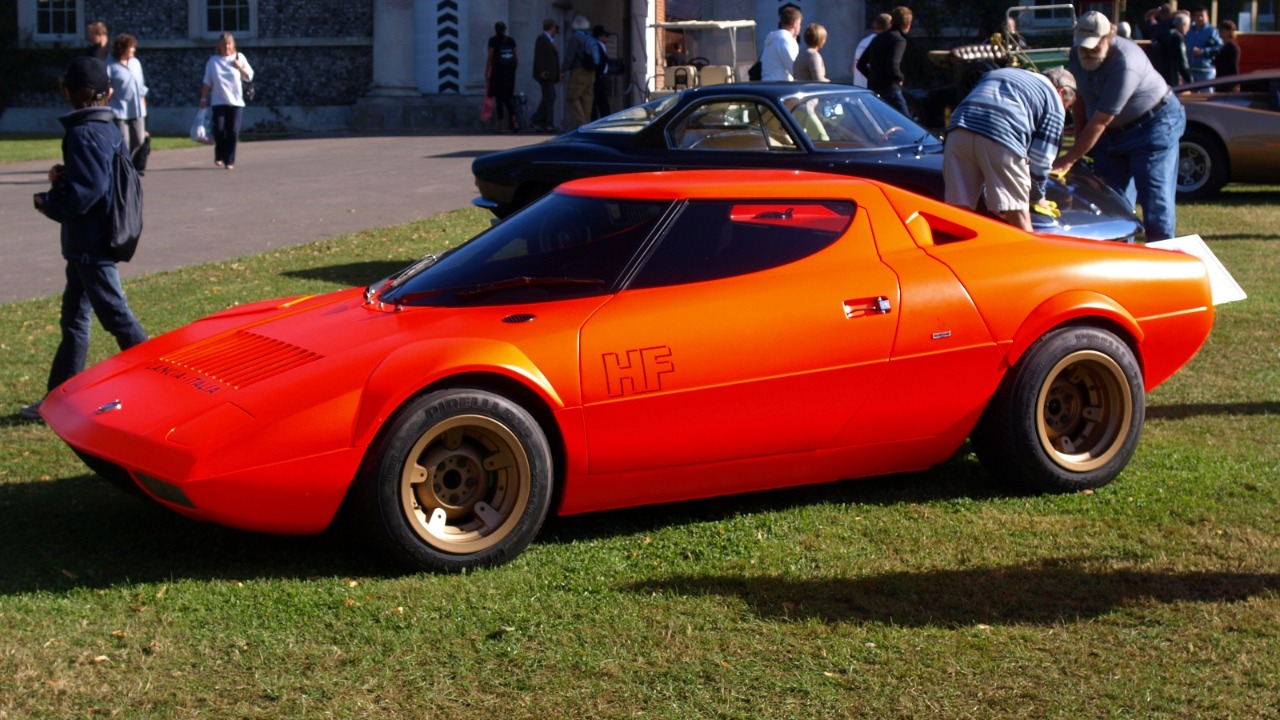
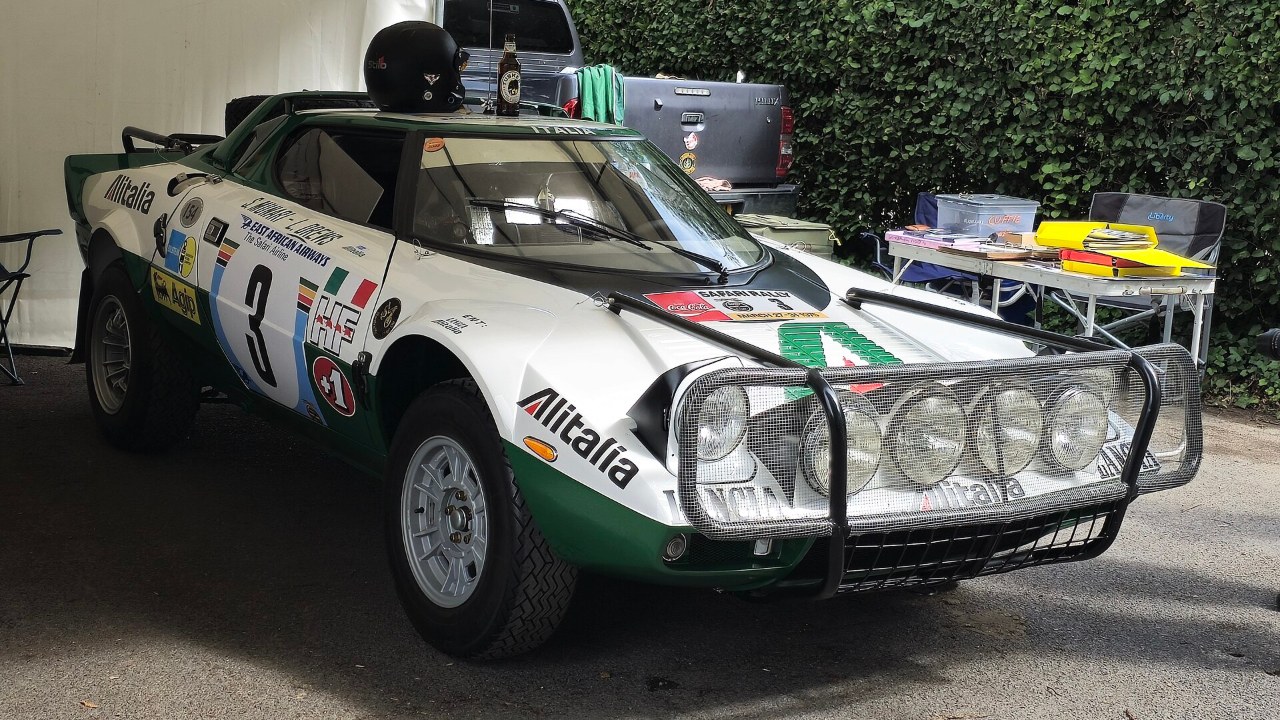
The Lancia Stratos HF became a rally legend after completely changing how manufacturers approached World Rally Championship competition. Unlike rivals adapted from regular production cars, the Stratos was designed specifically to dominate rally racing from the beginning. Its short wheelbase, lightweight body, and Ferrari-derived V6 engine helped Lancia secure multiple world championships during the 1970s. The Stratos became famous for its wild handling and dramatic appearance. Rally history coverage on Fast Lane Only highlights why the Stratos still fascinates enthusiasts decades later.
Jaguar D-Type
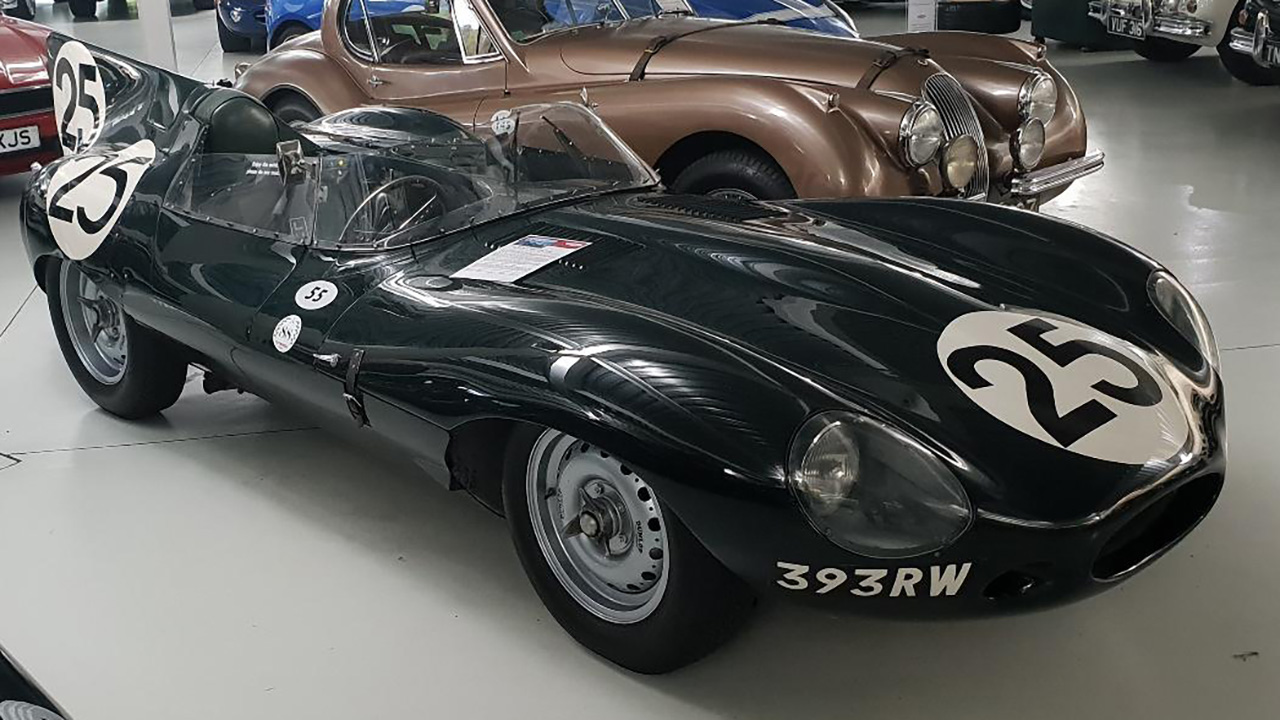
The Jaguar D-Type earned legendary status after dominating the 24 Hours of Le Mans throughout the 1950s. Jaguar used aviation-inspired aerodynamic technology to create a sleek body capable of incredible straight-line speed on long circuits. The D-Type secured multiple Le Mans victories and helped establish Britain as a serious motorsport force during the postwar era. Its engineering innovations influenced sports car development for years afterward. Aerodynamic breakthroughs featured on Fast Lane Only often trace their roots back to machines like the Jaguar D-Type.
Audi Quattro
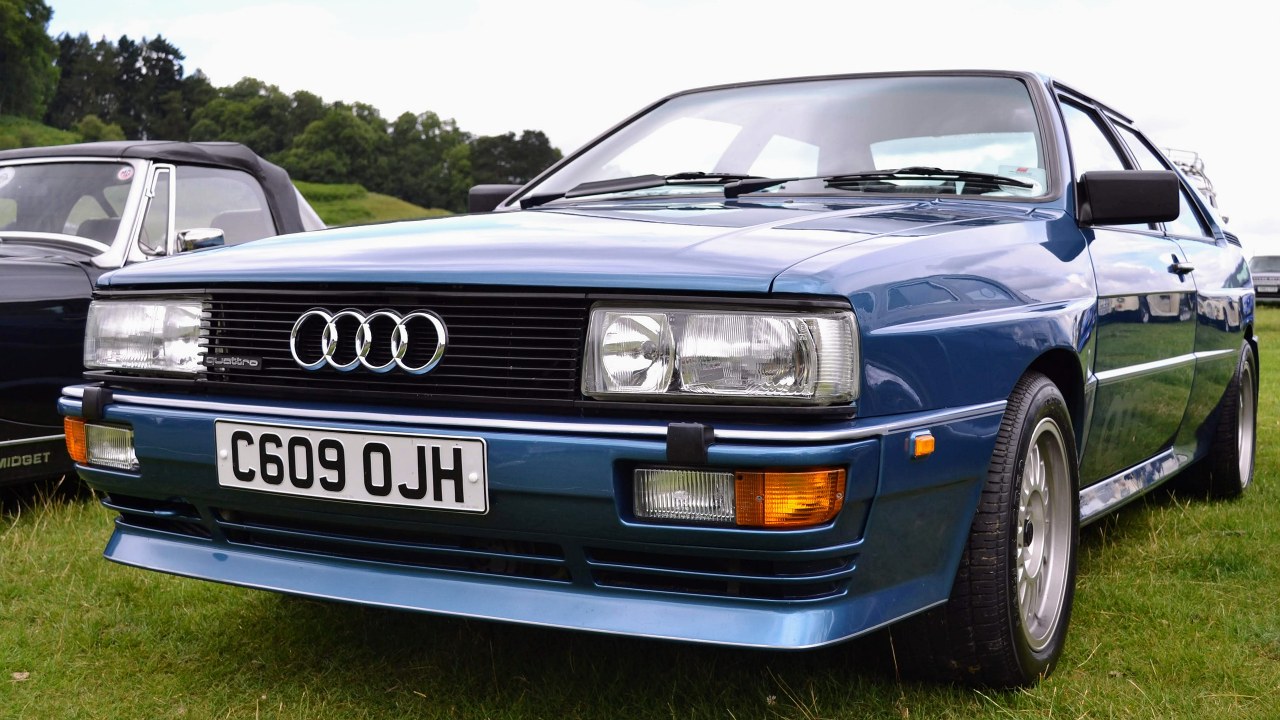
The Audi Quattro revolutionized rally racing after proving all-wheel drive could dominate high-level motorsport competition. Before the Quattro arrived, most rally teams still relied on rear-wheel-drive setups that struggled for traction on rough surfaces. Audi’s turbocharged five-cylinder engine and advanced drivetrain gave the car a massive advantage, allowing it to transform the entire sport. The Quattro became one of the most influential performance cars ever produced because its racing success permanently changed rally engineering. Articles on Fast Lane Only describe how revolutionary vehicles like the Quattro reshaped motorsport forever.
More From Fast Lane Only: