For drivers who pile on serious mileage, some trucks are built to keep going long after others tap out. The most durable models combine stout engines, conservative tuning, and simple, repairable hardware that can survive hundreds of thousands of miles of work. This list focuses on pickups and work trucks with a strong record of longevity and, increasingly, the range and charging support that make electric haulers realistic long-distance tools.
Toyota Tundra
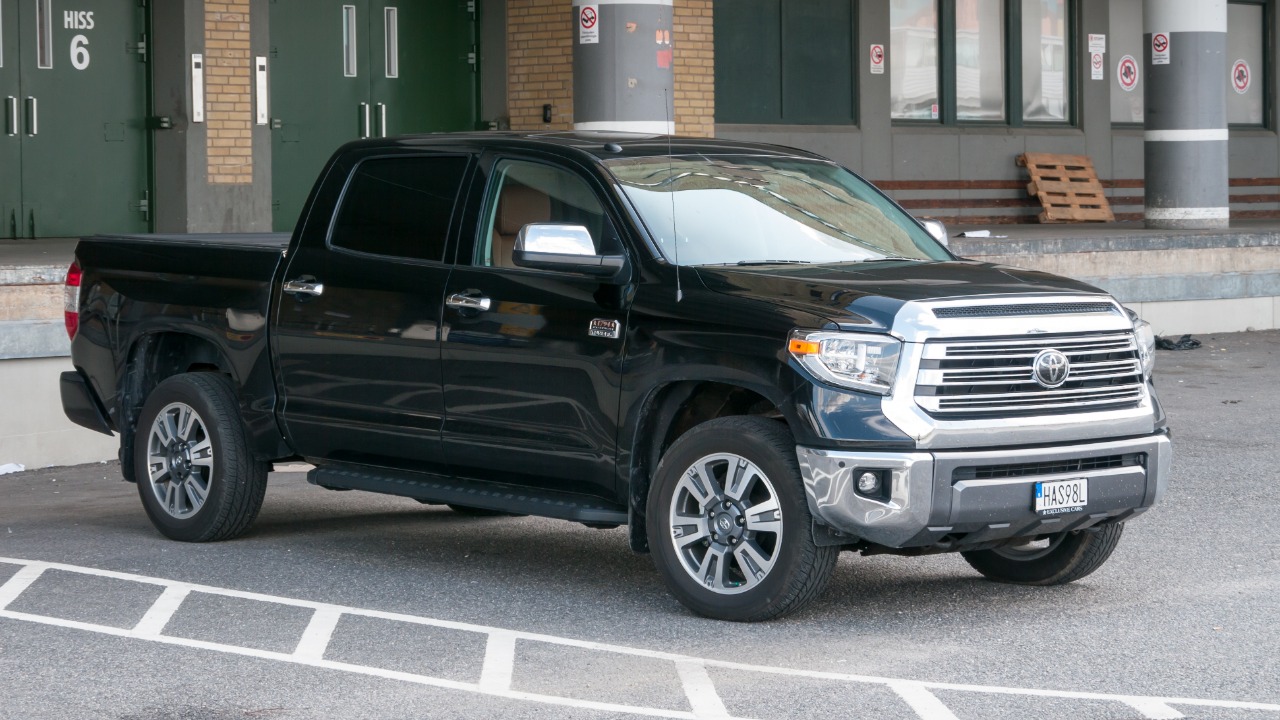
The Toyota Tundra has earned a reputation as a full-size pickup that can survive brutal use and still feel tight well past 200,000 miles. Long-running V8 engines, conservative gearing, and body-on-frame construction help it shrug off towing, rough roads, and heavy payloads. Owners regularly report original drivetrains still running smoothly after years of hauling and commuting, which aligns with long-term reliability data that puts the Tundra among the trucks most likely to cross the 200,000-mile mark.
That durability is not just folklore. Analysis of high-mileage vehicles identifies the Tundra as one of the models that most often reaches 200,000 miles or more in regular service. For buyers, that kind of track record translates into strong resale values and confidence that a well-maintained truck can serve multiple owners. Fleet managers also value the predictable maintenance patterns, since the Tundra tends to need fewer major repairs than rivals once the odometer climbs into six figures.
Toyota Tacoma
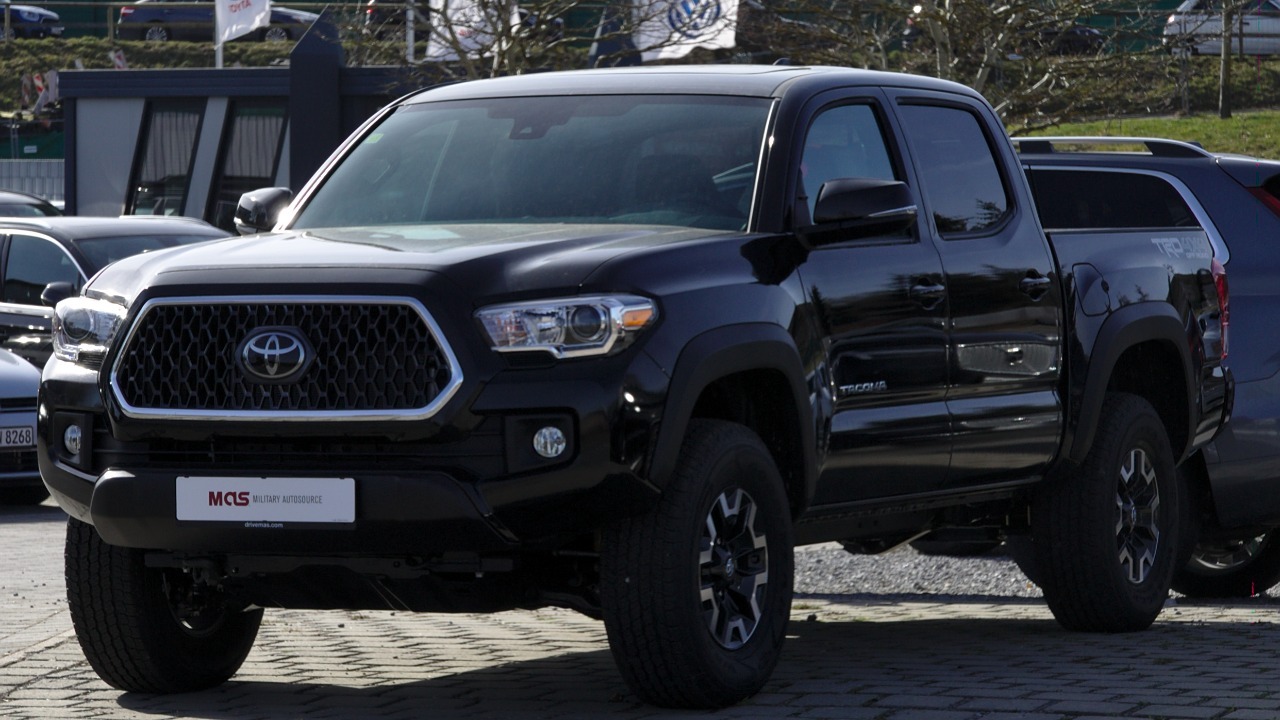
The Toyota Tacoma has long been the go-to midsize pickup for drivers who prioritize durability over flash. Its relatively simple suspension, proven engines, and compact footprint make it a favorite in regions where trucks spend as much time on dirt as on pavement. Many Tacomas stay in service for decades, often with original frames and drivetrains that have only seen routine maintenance and a few wear-item replacements.
Data on long-lasting vehicles consistently shows the Tacoma near the top of the list for trucks that keep running well beyond typical ownership cycles. In the same analysis that highlighted the Tundra, the Tacoma appeared among models that frequently reach or exceed high-mileage benchmarks. That makes it especially appealing to small-business owners and outdoor enthusiasts who need a truck that can handle both daily commuting and weekend abuse without constant trips to the shop.
Honda Ridgeline

The Honda Ridgeline takes a different approach to truck duty, with a unibody structure and independent rear suspension that prioritize comfort and on-road stability. Despite its more crossover-like design, it has quietly built a reputation as one of the longest-lasting midsize pickups. Reliable V6 powertrains and Honda’s focus on conservative engineering help many Ridgelines reach high mileage with minimal drama.
Studies of vehicle longevity place the Ridgeline among the pickups most likely to reach 200,000 miles or, which is notable given its more carlike construction. For drivers who rarely max out payload or tow ratings, the Ridgeline’s combination of durability, quiet cruising, and clever features like the in-bed trunk makes it a smart long-term bet. Its track record suggests that choosing comfort does not have to mean sacrificing longevity.
Ford F-150
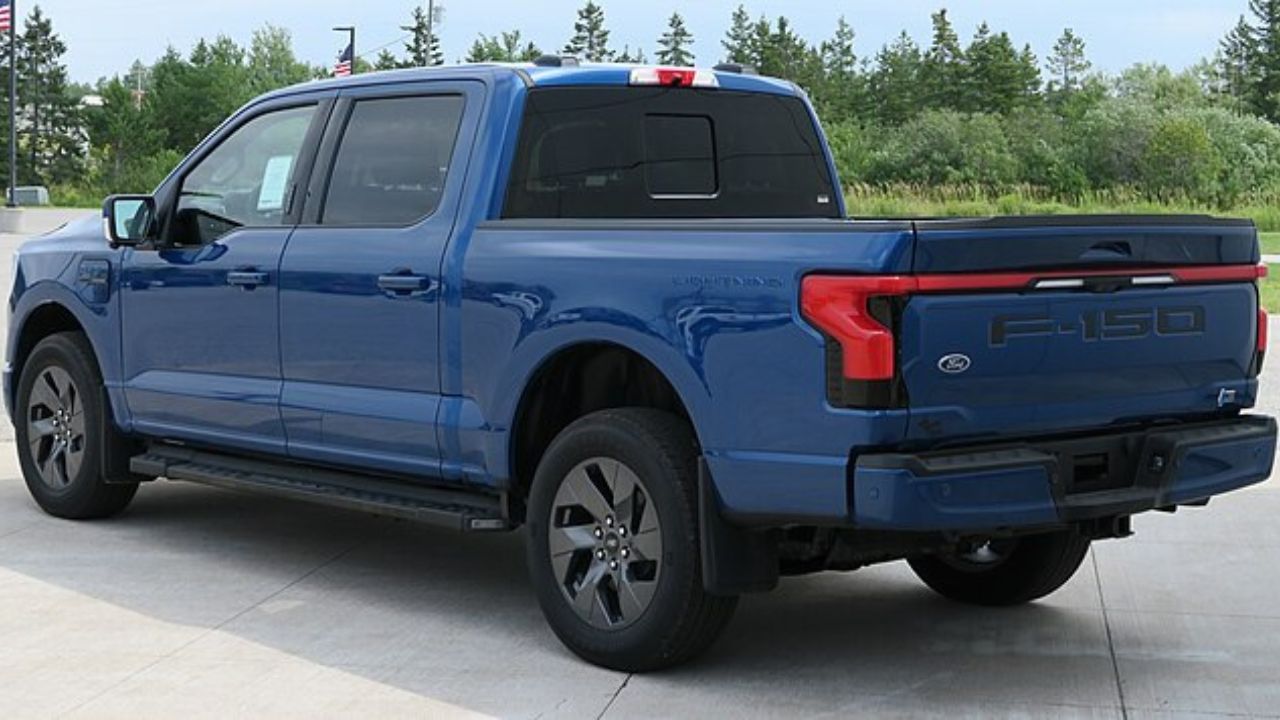
The Ford F-150 is the best-selling pickup in North America, and part of that success comes from its ability to handle massive mileage in work fleets and personal garages alike. Over multiple generations, Ford has offered durable V8s, efficient turbocharged EcoBoost engines, and heavy-duty transmissions that can cope with towing and payload demands. Many F-150s live out their first life as workhorses, then move on to second or third owners who continue to rely on them daily.
High-mileage case studies often include F-150s that have crossed the 300,000-mile threshold with original engines and only routine maintenance. Broader research into vehicles that reach extraordinary distances, including million-mile examples, highlights how consistent maintenance and highway-heavy use can stretch truck life spans far beyond expectations. The F-150’s wide parts availability and deep mechanic familiarity also help keep older trucks on the road, since repairs are straightforward and relatively affordable compared with more exotic models.
Chevrolet Silverado 1500
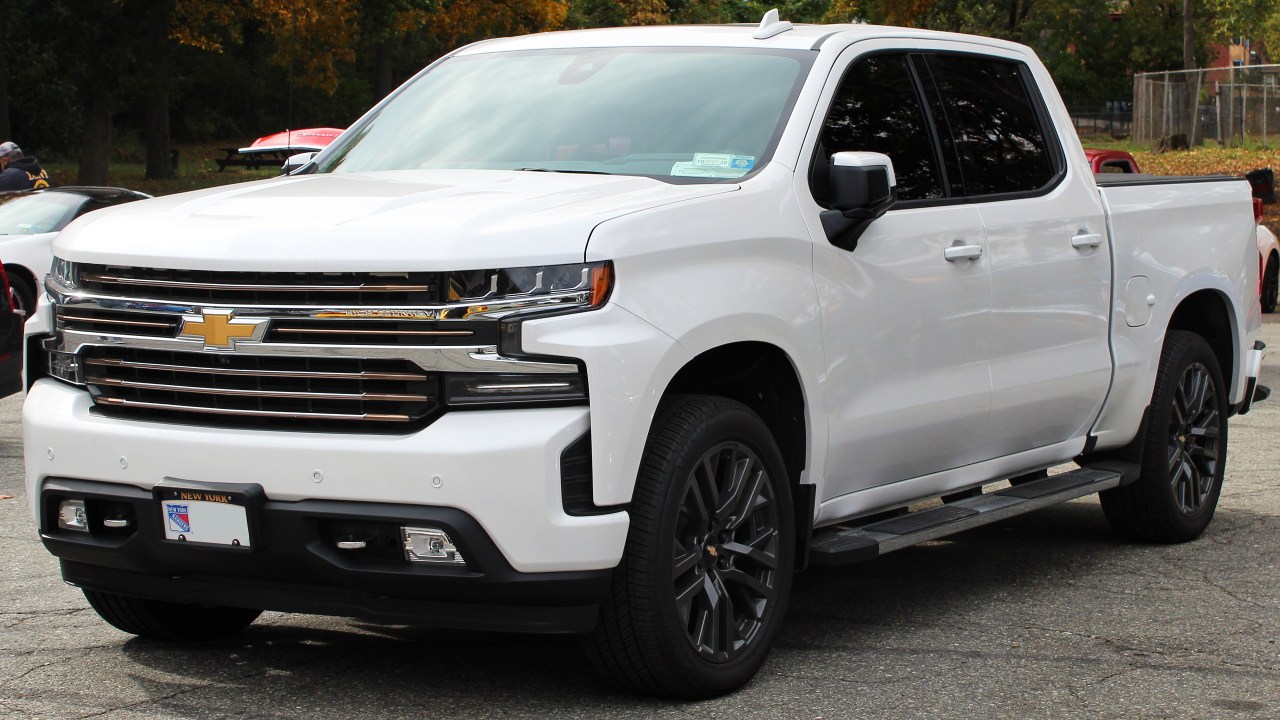
The Chevrolet Silverado 1500 has long been a staple on construction sites and farms, where trucks are expected to start every morning and keep running until the job is done. Its small-block V8 engines are known for racking up serious mileage when maintained properly, and the basic ladder frame is designed to handle years of twisting loads and corrosion. Many owners report odometers well past 250,000 miles before any major drivetrain work is required.
Longevity research that tracks vehicles with exceptionally high mileage includes full-size pickups like the Silverado among the most common long-haulers. In compilations of million-mile vehicles, domestic trucks appear frequently, underscoring how commercial and rural use can push these models far beyond typical ownership horizons. For buyers, that history suggests a well-cared-for Silverado can deliver years of additional service even when purchased used with six-figure mileage.
Ram 2500 Heavy Duty
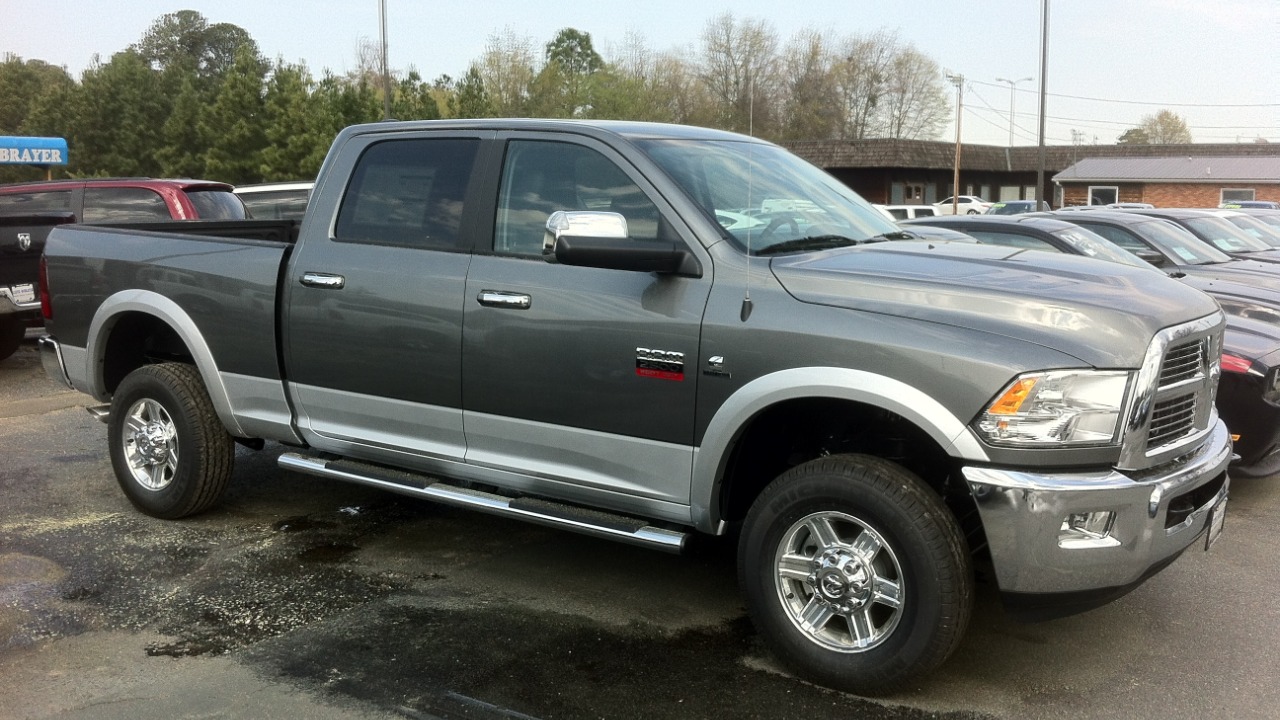
The Ram 2500 Heavy Duty is built for serious work, and its available Cummins turbo-diesel engines are central to its reputation for longevity. These inline-six diesels are engineered for high torque at low rpm, which reduces stress under heavy loads and helps them survive extended towing, idling, and highway runs. Many Ram 2500 trucks remain in commercial service for a decade or more, often accumulating mileage that would sideline lighter-duty pickups.
Examples of heavy-duty trucks that approach or exceed extreme mileages typically share traits that the Ram 2500 embodies: strong diesel powertrains, conservative tuning, and owners who stay on top of fluid changes and inspections. The Ram’s solid front axle and robust rear suspension also contribute, since they are designed to carry substantial payloads without premature wear. For drivers who regularly tow large trailers or haul equipment, that combination of strength and staying power is hard to ignore.
Tesla Cybertruck
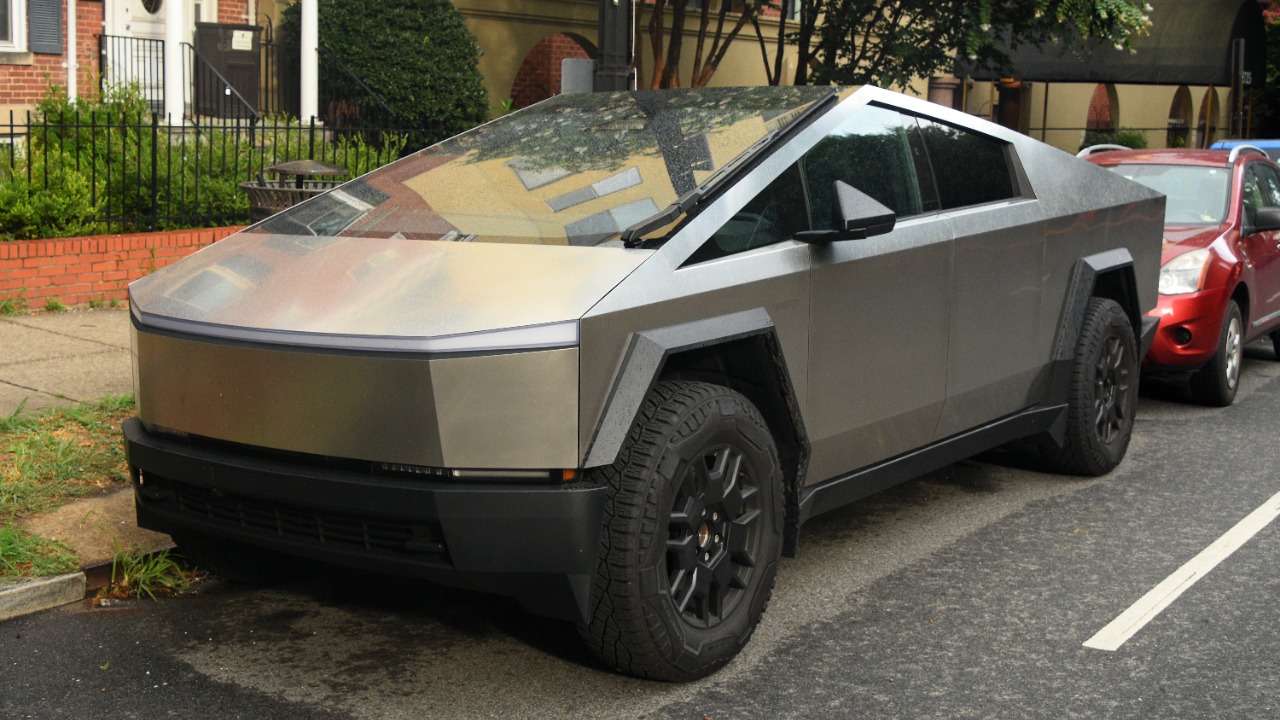
The Tesla Cybertruck represents a new kind of long-distance capability, one defined less by engine wear and more by battery management and charging infrastructure. As an all-electric pickup with a stainless-steel exoskeleton, it aims to pair durability with high range and fast charging. While it is far too new to have long-term reliability statistics, early electric trucks benefit from drivetrain simplicity, since electric motors have fewer moving parts than internal combustion engines and require less routine service.
Research into electric vehicle use shows that fast-charging networks and efficient battery management systems already allow many EVs to handle long-distance travel with minimal downtime. That same infrastructure supports electric pickups like the Cybertruck, which can regain significant range in a short stop. If battery degradation remains modest over time, the Cybertruck’s combination of corrosion-resistant bodywork and a low-maintenance drivetrain could make it one of the longest-lived trucks on the road, especially for drivers who rack up mostly highway miles.
Freightliner eCascadia
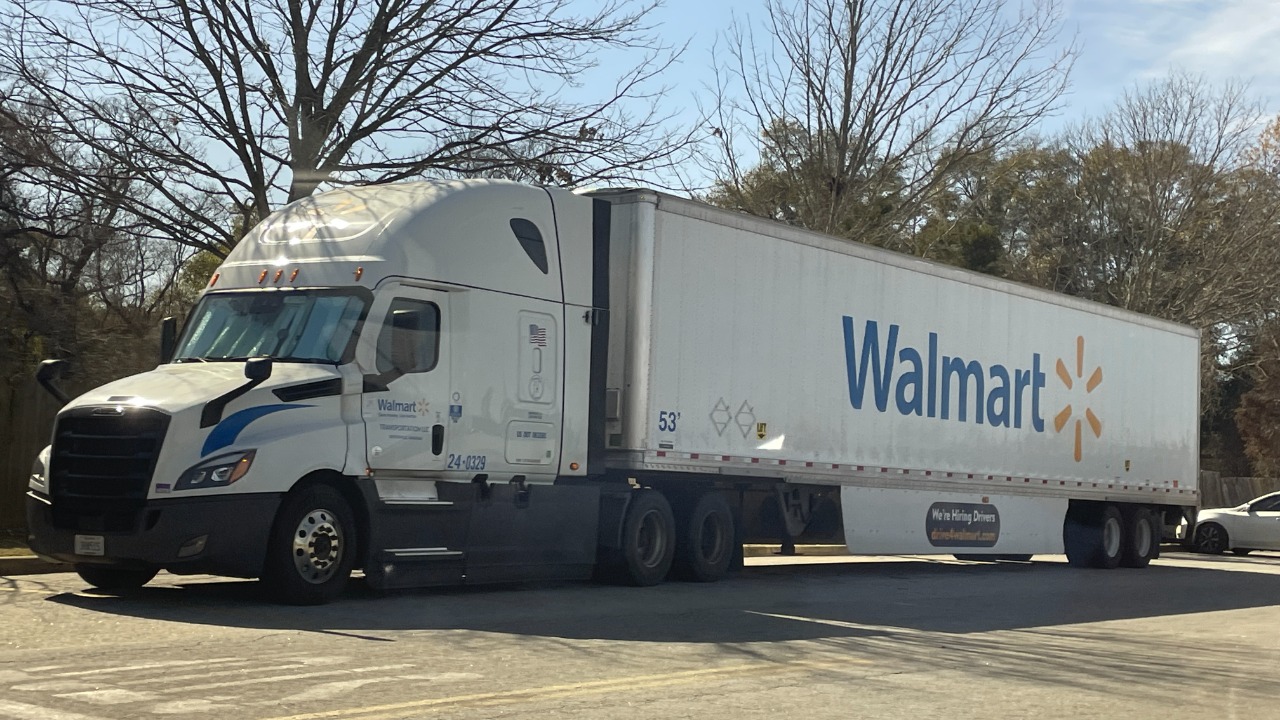
Long-haul trucking is often seen as the toughest test of durability, and the Freightliner eCascadia brings battery power to that world. This electric semi is designed for regional haul and drayage duty, with large battery packs and fast-charging capability that allow it to cover significant daily distances. Electric powertrains eliminate many of the wear points that plague diesel rigs, such as complex emissions systems and multi-speed transmissions, which can translate into lower maintenance costs and longer service life.
Recent analysis from the North American Council for Freight Efficiency found that modern electric semis are already capable of handling real-world freight routes that match or exceed typical diesel duty cycles. The study highlighted how consistent torque, regenerative braking, and reduced mechanical complexity can keep these trucks productive for years. While some experimental transport ideas have failed to achieve practical longevity, such as several short-lived systems that never scaled, battery-electric semis like the eCascadia are already proving that they can deliver both range and durability in daily operation.
More From Fast Lane Only: