You are watching driver priorities change in real time, from range anxiety and repair bills to software updates and recycled fabrics. These eight vehicles show how quickly your expectations are moving, and how carmakers are racing to match them with cleaner powertrains, smarter assistants, and safer automation.
Tesla Model 3
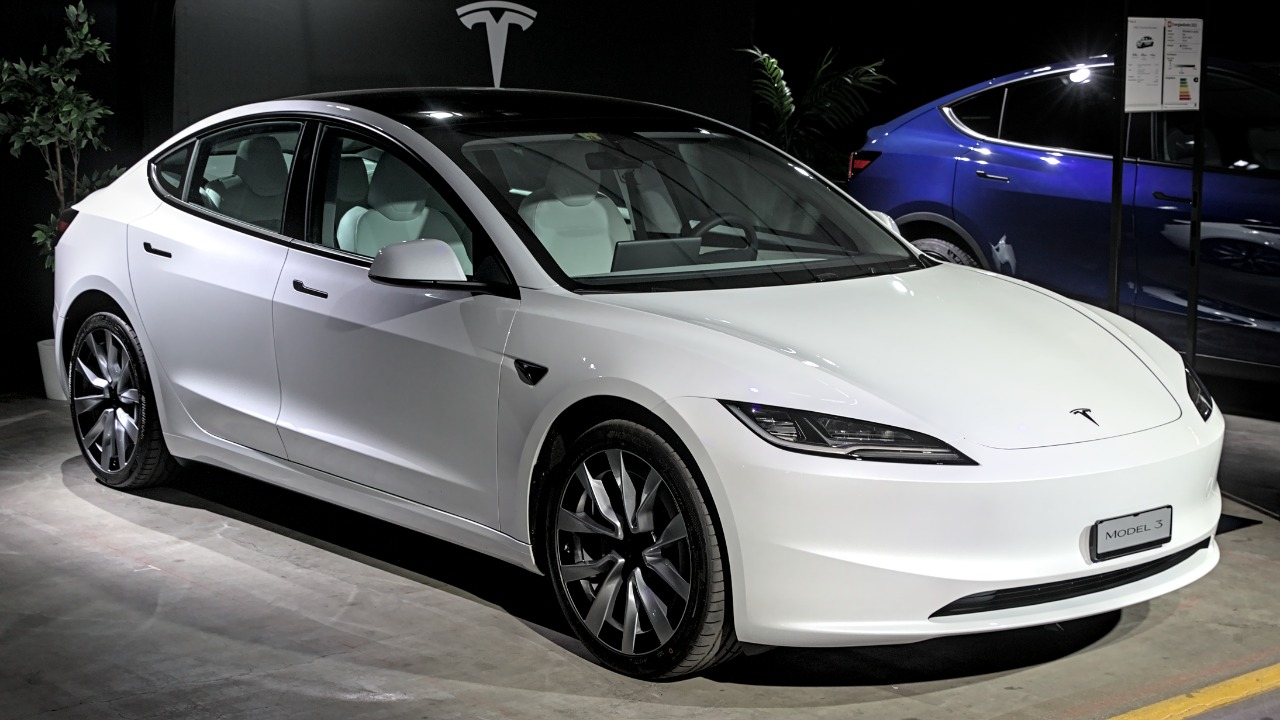
The Tesla Model 3 helped turn electrification from a niche idea into a default choice for many buyers. Analysts describing rise of electrification point to cars like this as proof that you now expect strong range, quick charging, and over-the-air fixes rather than yearly dealer visits. The Model 3 made you think about software first, hardware second, with features like remote diagnostics and app-based controls baked into the ownership experience.
For you as a driver, that shift means you judge value less by engine size and more by how often you need to stop, how clean the energy is, and how smoothly the car updates. The Model 3’s success pushed rivals to invest in new battery platforms and digital services, so even if you never buy one, your next car is likely shaped by the expectations it set.
Ford Mustang Mach-E
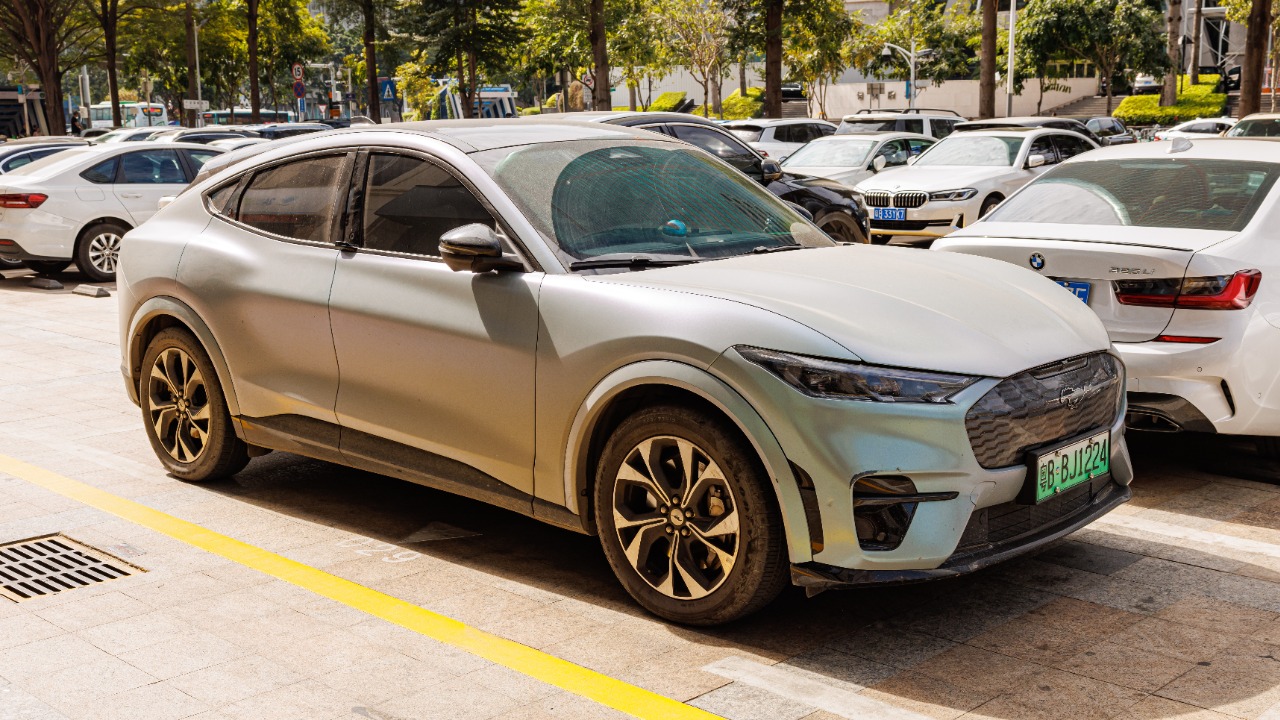
The Ford Mustang Mach-E shows how a legacy brand can pivot when driver priorities change. Instead of another gas-powered coupe, Ford built a family EV that still carries the Mustang badge, signaling that performance and sustainability can live in the same driveway. Research on Trend 1, The notes how fast adoption is rising, and the Mach-E is Ford’s answer to that pressure.
By giving you a practical crossover with strong acceleration and a growing fast-charging network, the Mach-E tells buyers that fun no longer has to mean burning fuel. It also nudges you to think about total cost of ownership, since lower running costs and fewer scheduled services can outweigh a higher sticker price. That combination of emotion and efficiency is a clear sign of what many drivers now want.
Mercedes-Benz EQS
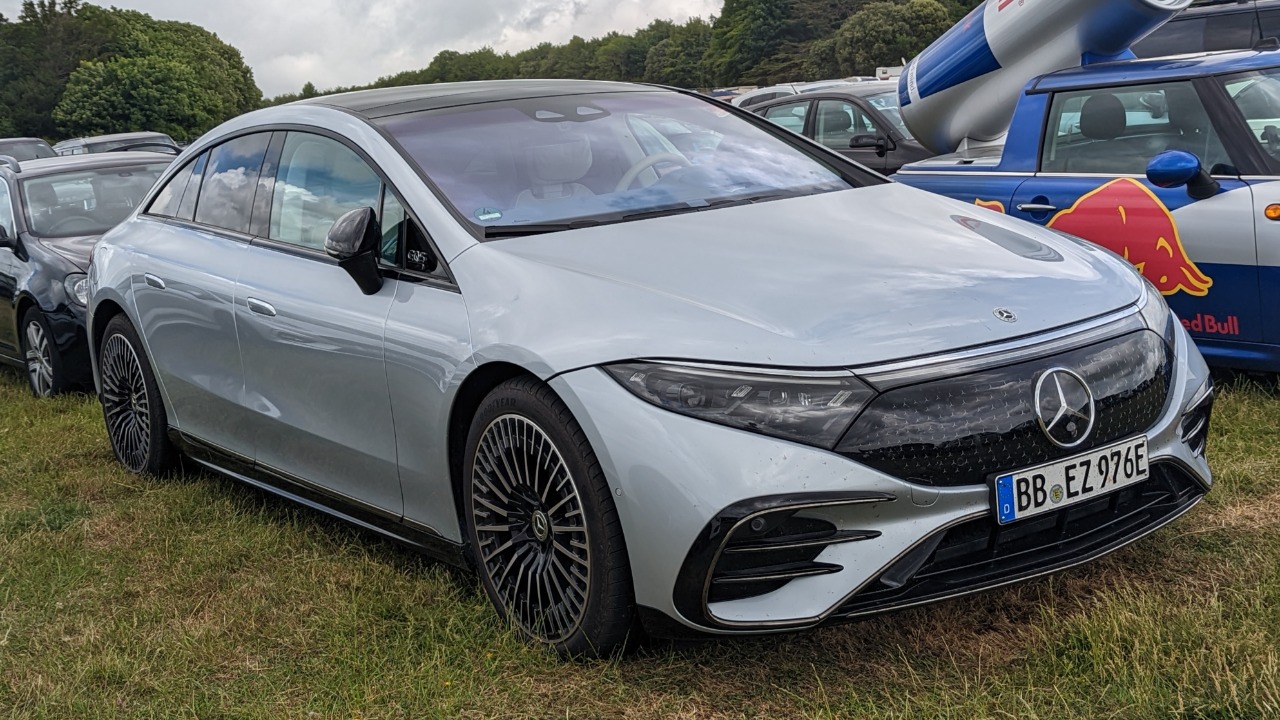
The Mercedes-Benz EQS targets drivers who see software and comfort as the new luxury. Inside, the huge screen layout and advanced driver assistance systems highlight how much value you now place on digital features, not just leather and chrome. Analysts tracking Top Automotive Industry describe how connected services and over-the-air upgrades are becoming central to premium models, and the EQS leans hard into that idea.
For you, that means luxury is starting to look like a calm, semi-automated commute with personalized settings that follow you from app to car. The EQS shows how brands are competing on quiet cabins, smart navigation that plans charging stops, and software that keeps improving long after you drive off the lot. It reflects a priority shift from owning a status symbol to enjoying a rolling, updatable tech platform.
Toyota Prius

The Toyota Prius remains a touchstone for drivers who put efficiency and reliability above all else. While newer EVs grab headlines, the Prius still appeals if you want to cut fuel use without relying on public chargers. Analysts who track Trend 5, Sustainability highlight how hybrids fit into a broader push for lower emissions and more sustainable materials, and the Prius sits at the center of that story.
When you choose a Prius, you are signaling that predictable running costs and smaller environmental impact matter more than raw power. The car’s long track record also reassures cautious buyers who are not ready to jump straight into a full battery-electric model. That steady appeal shows that sustainability has moved from a niche concern to a mainstream priority for everyday drivers.
Ford F-150 Lightning
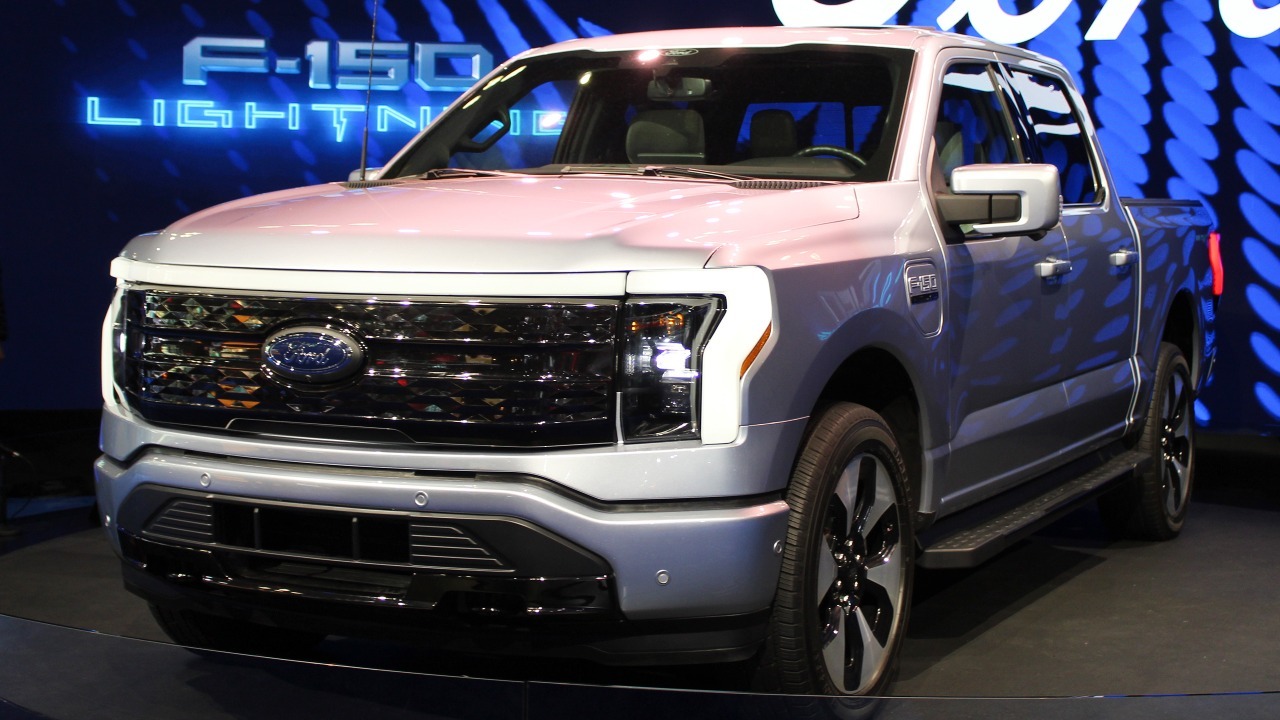
The Ford F-150 Lightning proves that even full-size truck buyers are rethinking what matters. It keeps the familiar F-150 shape but swaps the engine for an electric powertrain, turning a workhorse into a mobile battery. Analysts discussing new electric platforms describe how traditional automakers are reusing core components across segments, and the Lightning shows that strategy in action.
For you, that means a truck that can power tools, back up your home during an outage, and still tow and haul. The Lightning reflects a shift toward vehicles as energy assets, not just transportation. If you live in a rural area or run a small business, those capabilities may now rank as high as torque or payload when you choose your next pickup.
Rivian R1T

The Rivian R1T reimagines adventure vehicles through electrification and digital interfaces. It blends outdoor capability with advanced driver assistance and innovative storage solutions.
Its appeal shows that modern buyers want sustainability paired with lifestyle branding. Technology, design, and environmental awareness increasingly shape purchasing decisions once dominated purely by rugged capability.
Chevrolet Corvette E-Ray
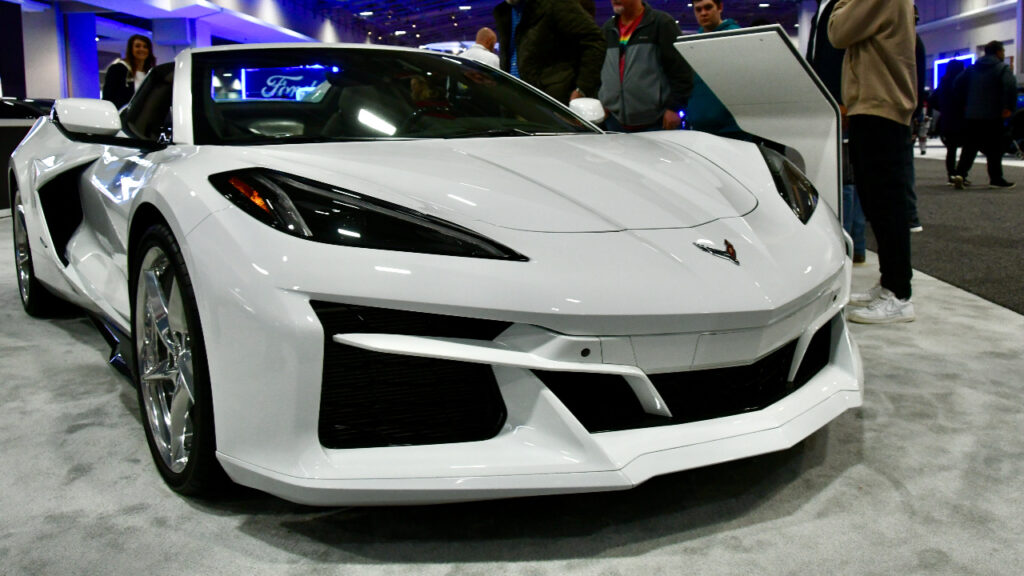
The Corvette E-Ray introduces hybrid assistance to America’s iconic sports car. Electrified all-wheel drive enhances acceleration while improving everyday usability.
This evolution signals that even performance enthusiasts accept electrification when it boosts capability. Efficiency and traction benefits are now seen as enhancements rather than compromises.
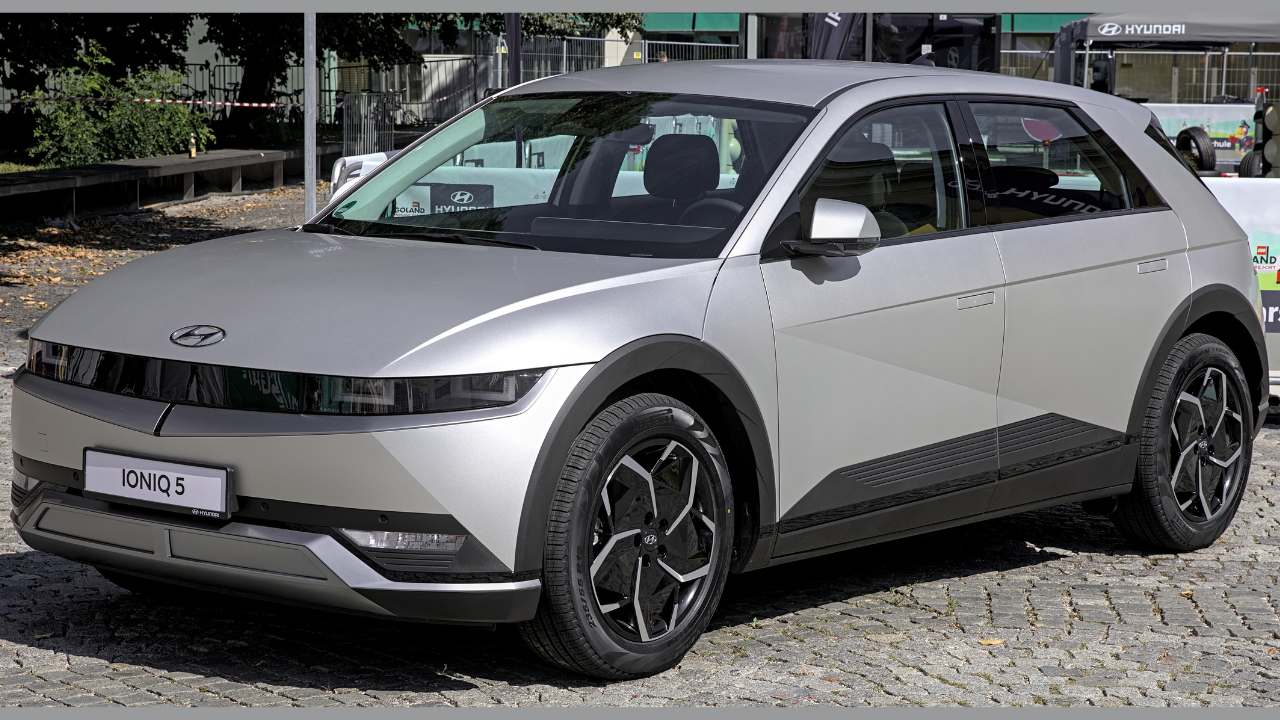
Hyundai Ioniq 5

The Ioniq 5 combines retro-inspired styling with fast-charging electric architecture. It emphasizes interior space, digital displays, and quiet performance over traditional mechanical engagement.
Drivers drawn to it often prioritize design, charging speed, and user-friendly tech. The shift reveals that cabin experience and convenience now rival performance in importance.
More from Fast Lane Only