For decades, many enthusiasts believed true performance cars had to send power to only two wheels. Then a new generation of all-wheel-drive machines arrived and completely changed expectations for acceleration, cornering, and control. These cars proved that advanced traction systems could transform performance on both roads and racetracks, allowing drivers to unleash huge power levels with confidence in almost any condition.
Porsche 911 Turbo 964
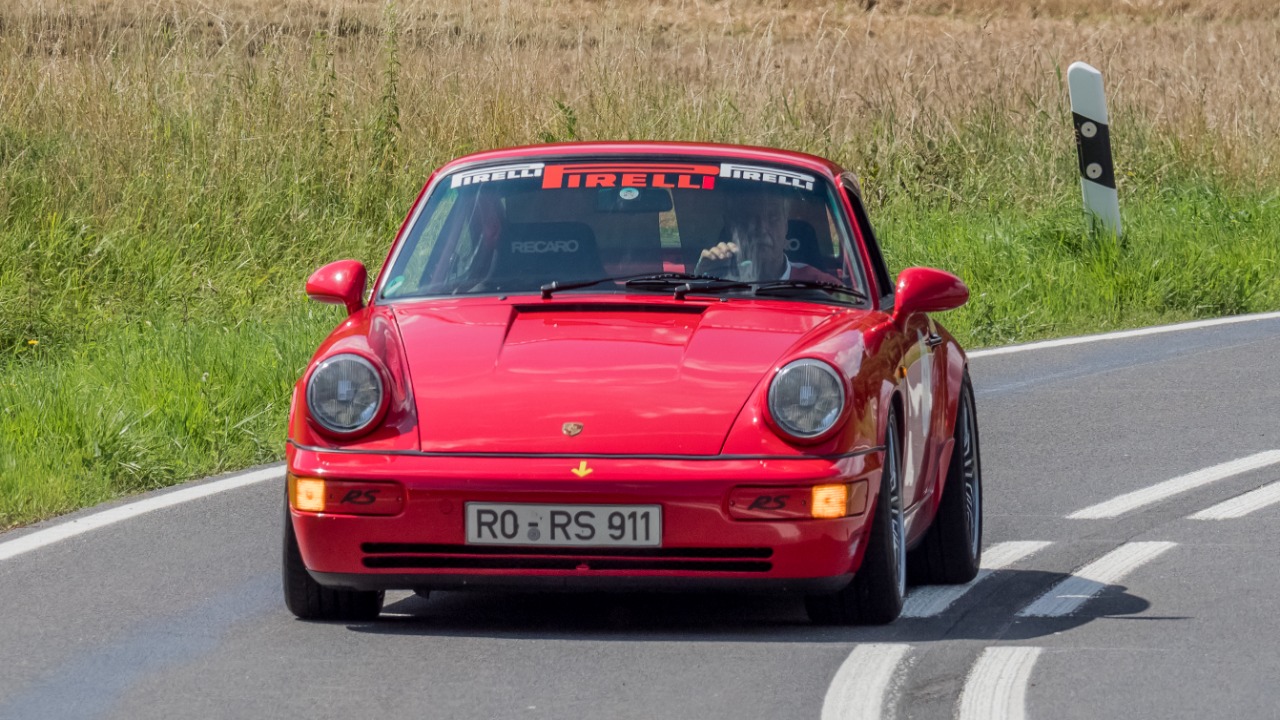
The Porsche 911 Turbo 964 helped change performance expectations by showing how all-wheel drive could tame the challenging rear-engine behavior of the 911 platform. Drivers immediately noticed improved stability and confidence during hard acceleration, especially in poor weather conditions. The system allowed Porsche to deliver enormous turbocharged power more effectively without sacrificing excitement. Its combination of speed and control influenced the future direction of high-performance sports car engineering throughout the 1990s.
Mitsubishi 3000GT VR-4
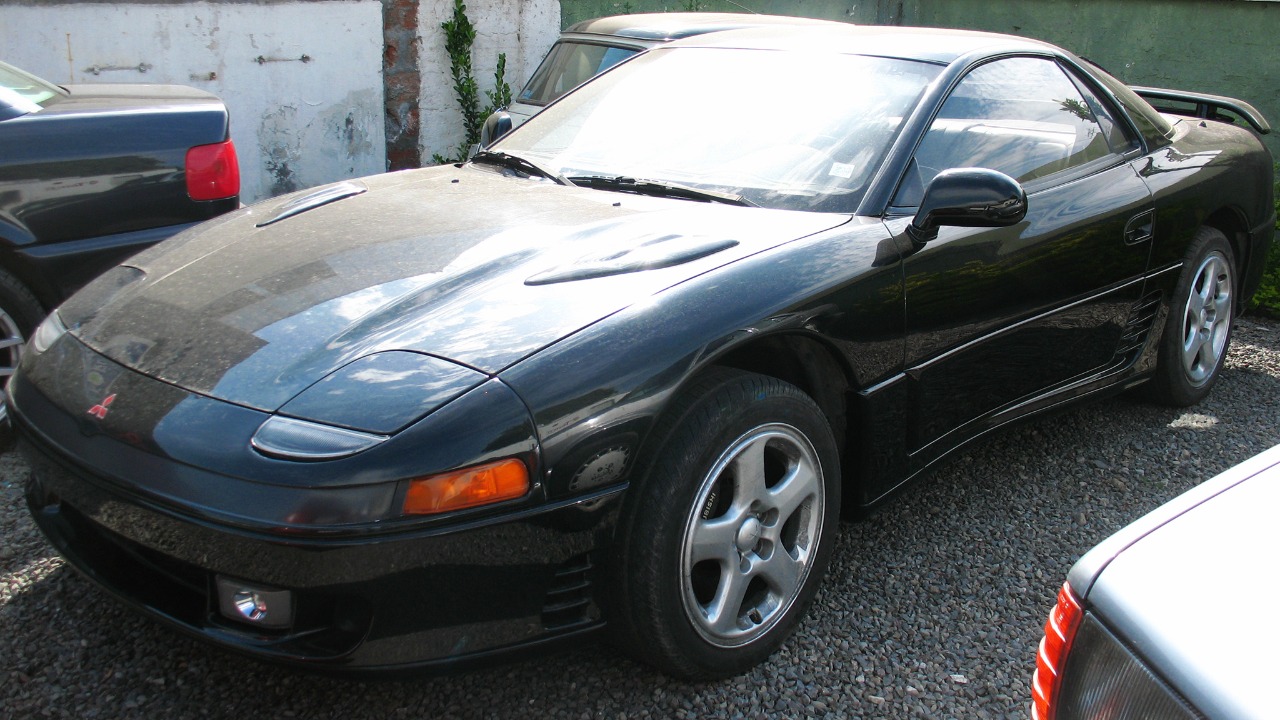
The Mitsubishi 3000GT VR-4 stunned enthusiasts by combining all-wheel drive with twin turbos, active aerodynamics, and advanced four-wheel steering technology. During the early 1990s, few production cars offered such a sophisticated mix of performance systems. The VR-4 delivered remarkable traction during hard launches and high-speed cornering, helping drivers feel confident using all of its turbocharged power. It represented Japan’s growing obsession with technologically advanced performance engineering.
Audi RS4 B5
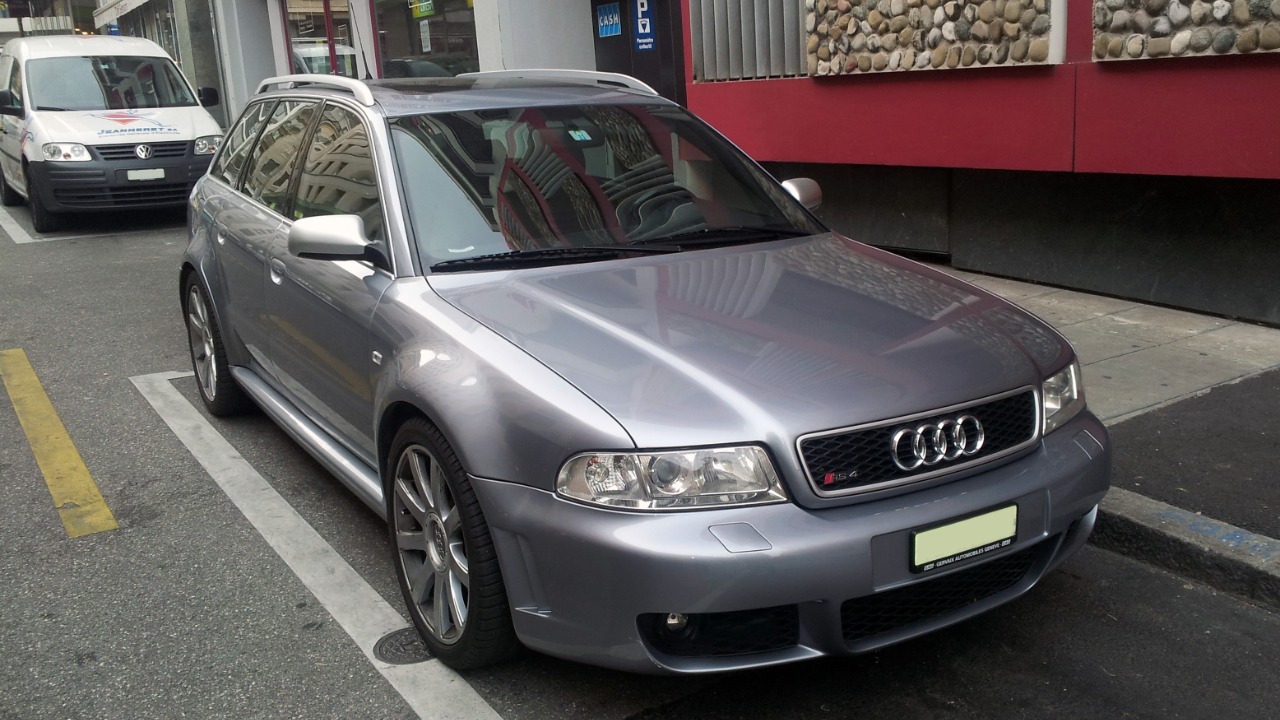
The Audi RS4 B5 transformed expectations for performance wagons by delivering explosive acceleration combined with Quattro all-wheel-drive grip. Drivers were shocked by how effectively the car transferred power to the pavement regardless of weather conditions. Its ability to carry passengers and cargo while outrunning many sports cars helped redefine the concept of practical high performance. The RS4 showed that traction and versatility could coexist without sacrificing genuine driving excitement.
Nissan Pulsar GTI-R
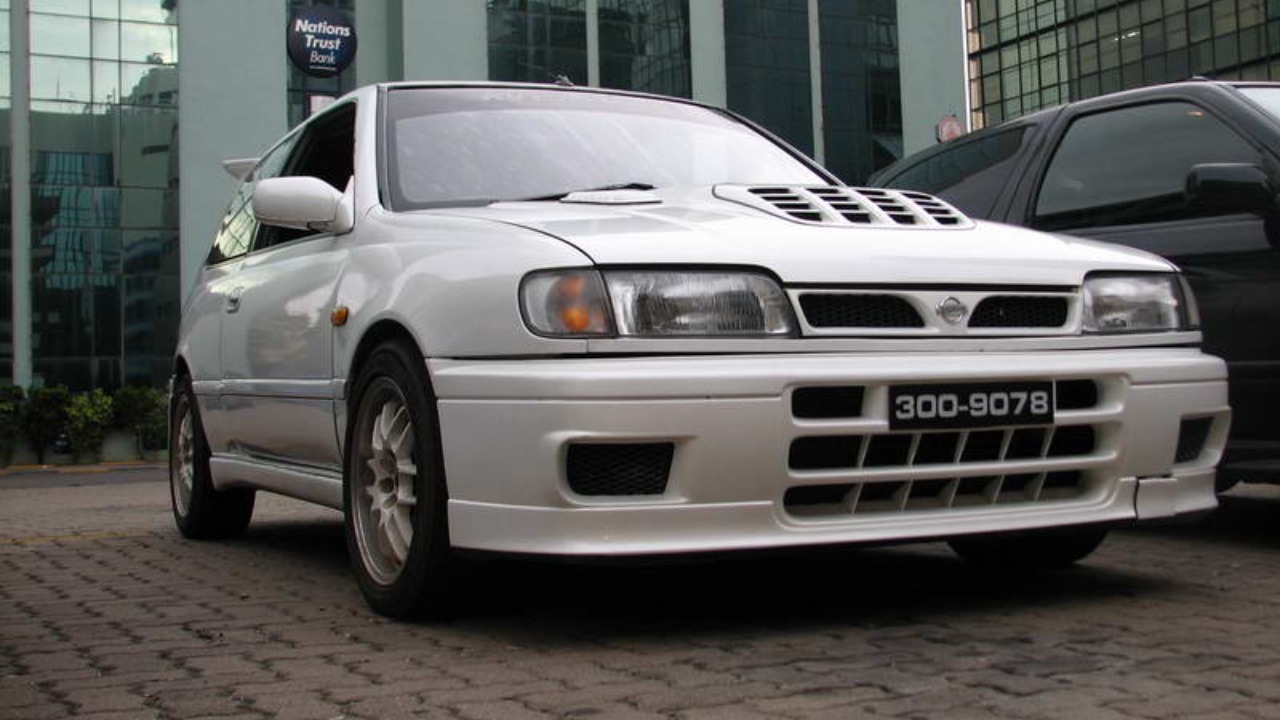
The Nissan Pulsar GTI-R gained legendary status because it packed serious turbocharged performance and rally-derived all-wheel-drive traction into a tiny hatchback body. Built partly for rally homologation, the GTI-R launched aggressively and cornered with surprising confidence for such a compact car. Its short wheelbase and powerful engine created an intense driving experience that felt far more serious than its modest appearance suggested. Enthusiasts quickly realized it rewrote expectations for compact performance cars.
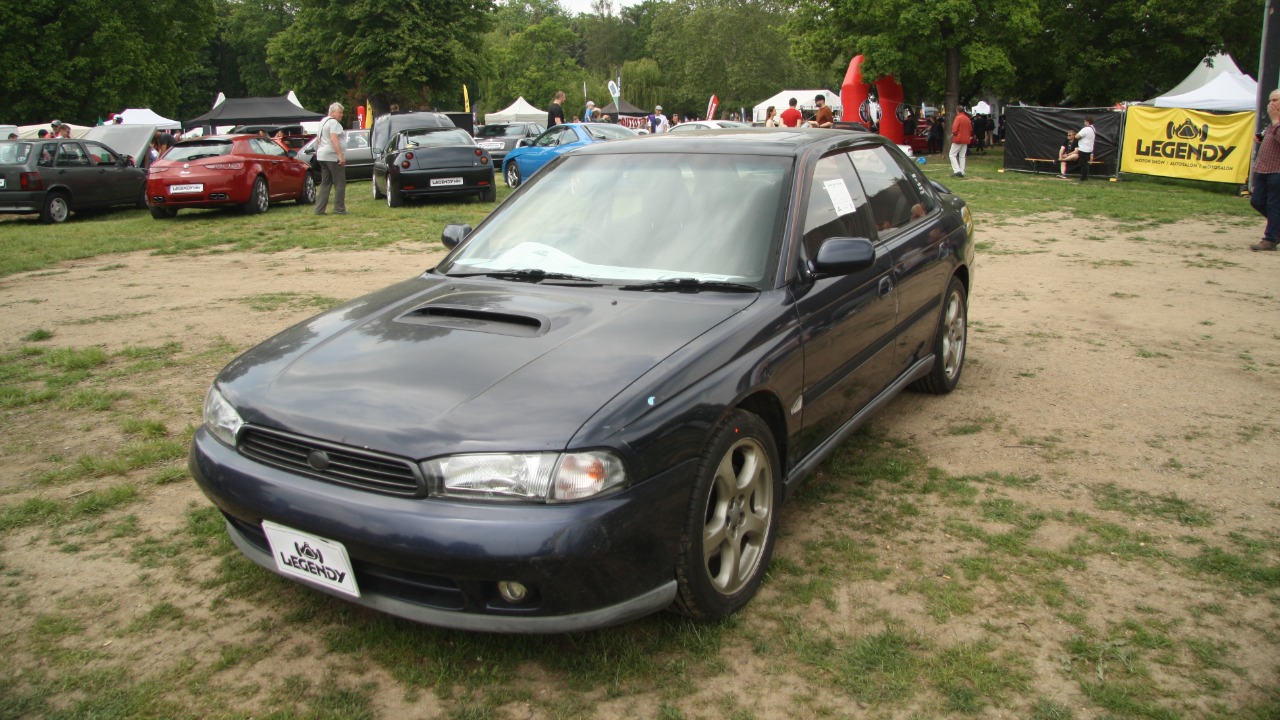
Subaru Legacy RS Turbo
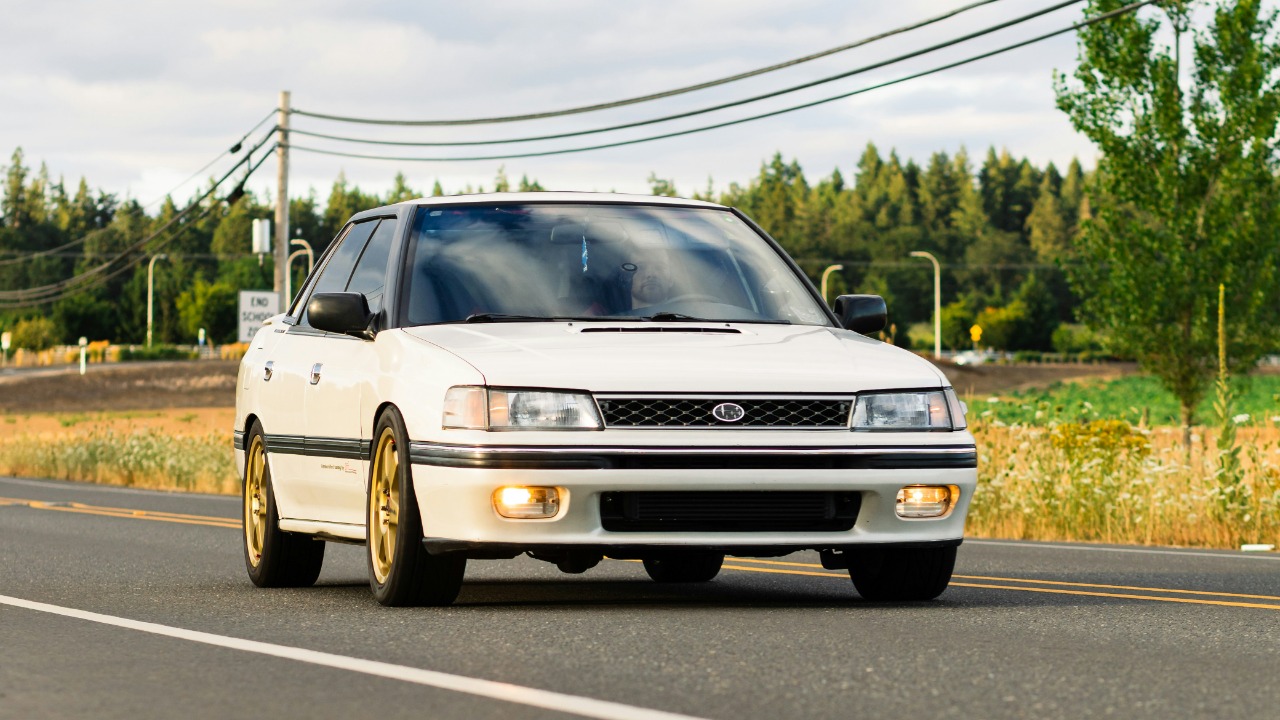
The Subaru Legacy RS Turbo played a major role in establishing Subaru’s performance reputation before the WRX became globally famous. Its turbocharged boxer engine and symmetrical all-wheel-drive system gave drivers impressive traction on wet roads, gravel, and snow. At a time when many sports sedans struggled for grip under hard acceleration, the Legacy RS Turbo delivered confidence and stability. It helped prove all-wheel drive could dramatically improve real-world performance capability.
Lamborghini Diablo VT
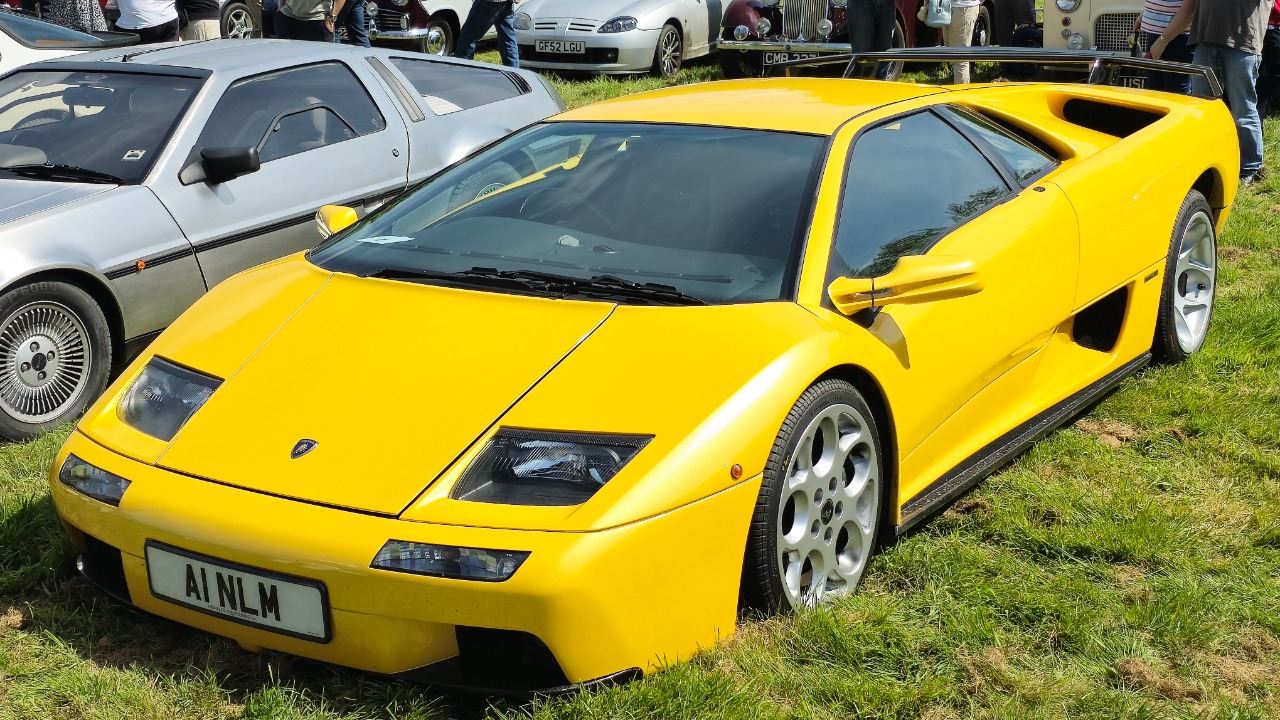
The Lamborghini Diablo VT changed supercar expectations by introducing all-wheel drive to a platform previously known for intimidating rear-wheel-drive behavior. Earlier Lamborghinis demanded constant driver attention, especially under hard acceleration, but the Diablo VT improved stability significantly without losing its aggressive personality. Buyers suddenly experienced massive V12 power delivered with far greater control and usability. The car marked a turning point in how exotic manufacturers approached traction management and high-horsepower drivability.
Toyota Celica GT-Four ST205
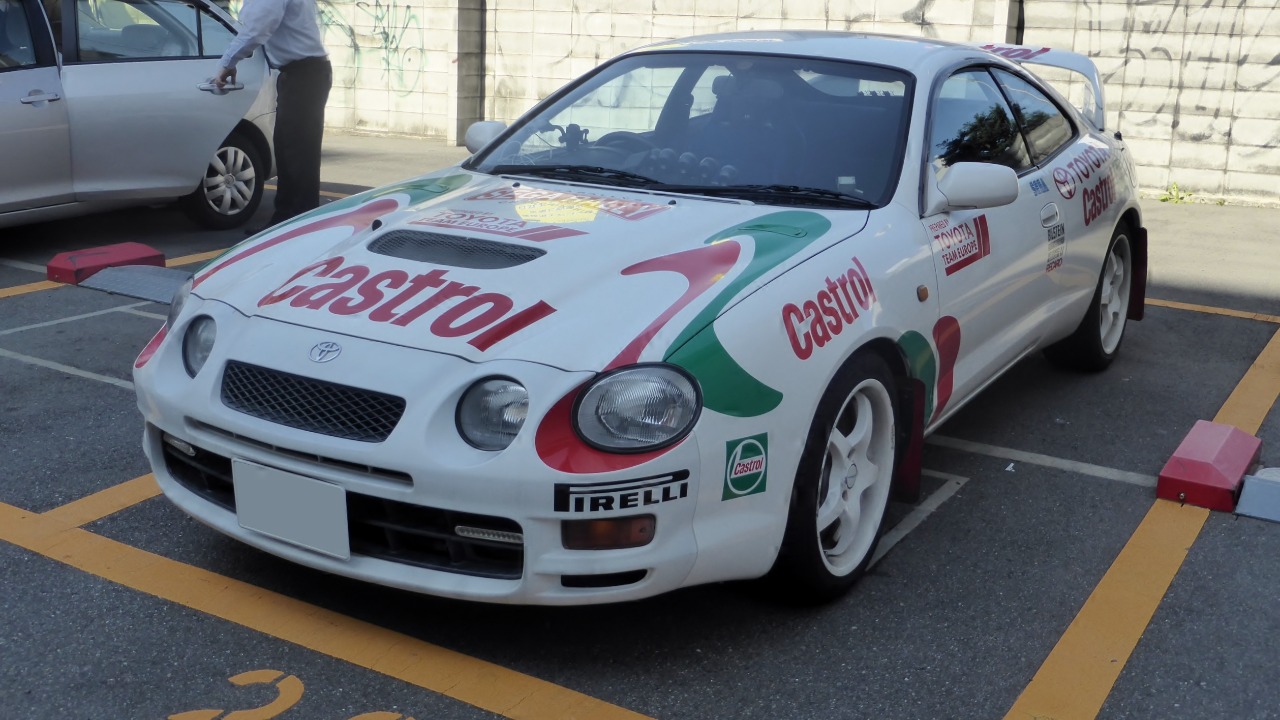
The Toyota Celica GT-Four ST205 rewrote traction expectations by bringing advanced rally technology directly to public roads. Its turbocharged engine and sophisticated all-wheel-drive system provided remarkable grip during aggressive driving in difficult conditions. Drivers admired how confidently the car accelerated out of corners where two-wheel-drive rivals struggled for traction. The GT-Four’s rally heritage and mechanical sophistication helped make it one of the most respected AWD performance cars of the 1990s.
Ford Escort RS Cosworth
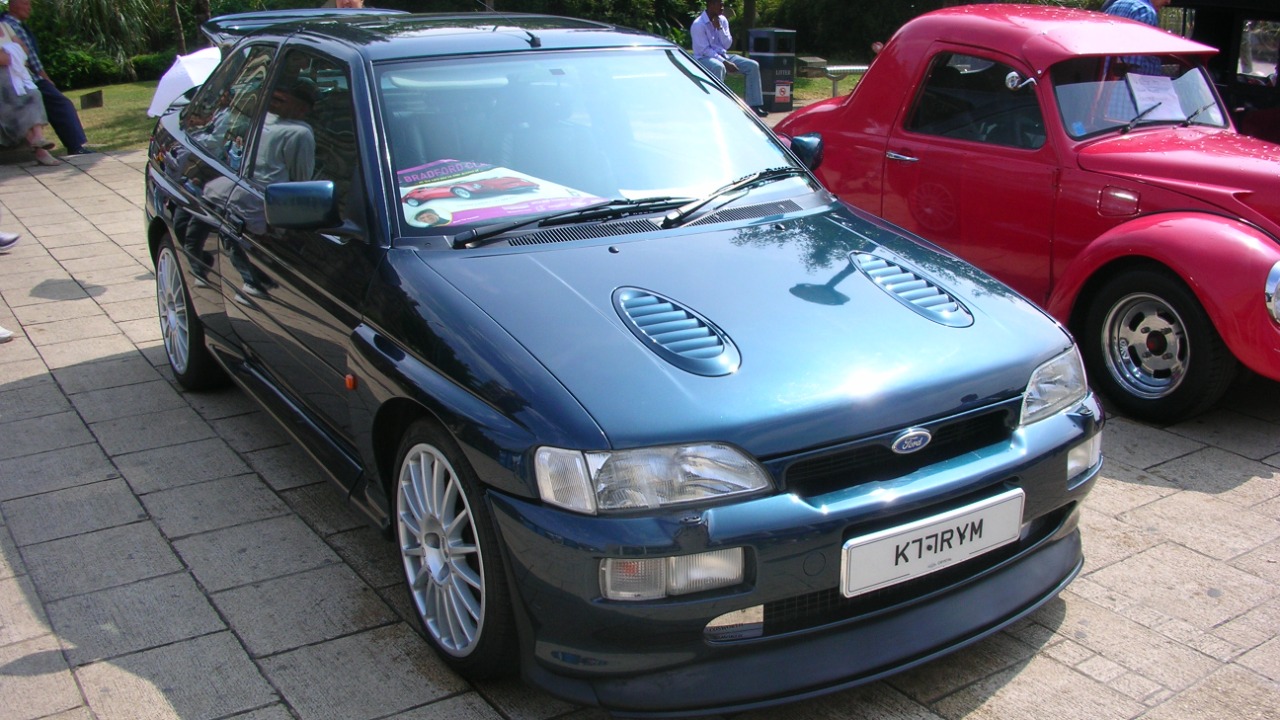
The Ford Escort RS Cosworth became iconic because it combined aggressive rally styling with extraordinary traction and turbocharged performance. Built for motorsport homologation, the RS Cosworth featured a large rear wing and advanced all-wheel-drive hardware that allowed drivers to deploy power effectively across multiple surfaces. Its ability to accelerate hard without excessive wheelspin changed expectations for compact European performance cars. The Escort quickly earned a reputation as a genuine street-legal rally machine.
Acura SH-AWD TL
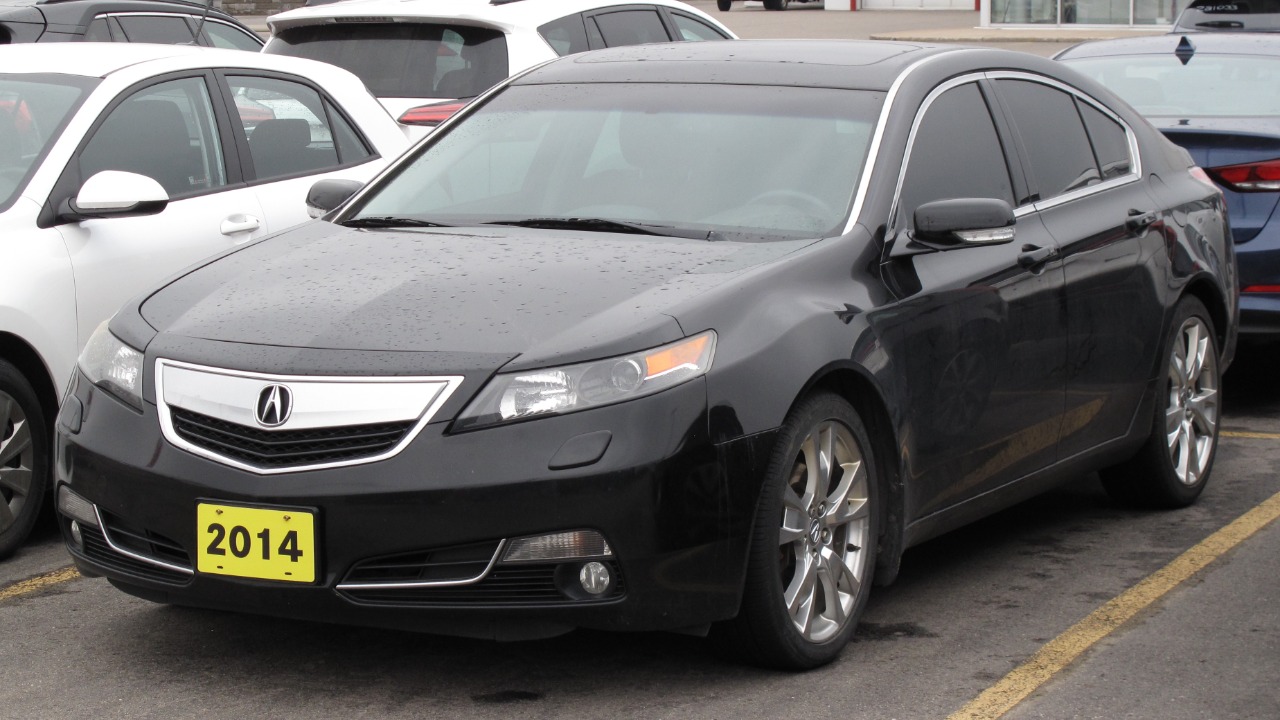
The Acura TL SH-AWD modernized all-wheel-drive performance expectations by introducing sophisticated torque-vectoring technology to a luxury sport sedan. Unlike older AWD systems focused mainly on stability, SH-AWD actively distributed power to improve cornering agility and responsiveness. Drivers noticed sharper handling and increased confidence during spirited driving. The system demonstrated that all-wheel drive could enhance not only traction, but also steering feel and dynamic performance in everyday road cars.
More from Fast Lane Only