The Edsel, produced by Ford from 1958 to 1960, is often cited as a classic example of bold automotive styling gone awry. Despite its innovative features and ambitious design, the Edsel’s aesthetic choices ultimately alienated consumers. From its unconventional grille design to its misjudged branding elements, each decision played a role in sealing its fate.
Unconventional Grille Design

The most infamous feature of the Edsel was undoubtedly its grille. Described by some as resembling a horse collar, this vertical oval grille was a departure from the horizontal grilles popular at the time. Instead of attracting attention as intended, it became the butt of jokes and ridicule. The 1958 model, which introduced this design, struggled to resonate with the public, leading to early negative perceptions.
While the grille was meant to set the Edsel apart, it inadvertently highlighted the car’s differences in a way that many found unappealing. This polarizing design choice was a bold move that didn’t pay off, as it clashed with consumer expectations of the era.
Overly Ambitious Dashboard Layout

The Edsel’s dashboard featured an ambitious array of controls and instruments that aimed to revolutionize the driving experience. The highlight was the Teletouch transmission, which placed push-button controls in the center of the steering wheel. While innovative, this design proved confusing for drivers accustomed to more traditional layouts.
Unfortunately, the complexity of the dashboard didn’t translate to user-friendliness. Many consumers found the controls cumbersome and unintuitive, which detracted from the overall driving experience. This ambitious approach, though well-intentioned, ultimately alienated potential buyers.
Radical Taillight Shapes

The taillights of the Edsel were another bold design feature that failed to win over consumers. The 1958 models sported boomerang-shaped taillights, a stark contrast to the more conventional shapes seen on other cars of the era. This radical design choice was intended to give the Edsel a futuristic look.
However, the unique taillight shapes didn’t appeal to the broader market. Instead of being seen as cutting-edge, they were often viewed as odd and out of place. This further contributed to the perception of the Edsel as a car that was trying too hard to be different.
Polarizing Color Combinations

In an effort to stand out, the Edsel was offered in a wide range of bold and sometimes clashing color combinations. The idea was to appeal to a sense of individuality and flair among car buyers. However, many of these combinations were too daring for the tastes of the average consumer in the late 1950s.
Colors like “Spring Green” and “Maize Yellow” paired with contrasting roof colors were eye-catching but not always in a good way. The polarizing color choices alienated a segment of the market that preferred more traditional and subdued tones.
Oversized Hood Ornament

The Edsel’s hood ornament was another aspect of its design that drew criticism. The large, chrome ornament was meant to convey luxury and status but was often seen as gaudy and excessive. In a time when automotive design was moving toward sleeker lines, the oversized ornament felt like an anachronism.
This design choice clashed with the streamlining trend of the era, making the Edsel appear out of step with contemporary automotive aesthetics. For many, the hood ornament symbolized the excess that the Edsel represented.
Futuristic Steering Wheel

The Edsel’s steering wheel was another attempt to set the car apart from its competitors. Featuring a futuristic design with integrated controls, it was meant to offer a glimpse into the future of driving. However, like many of its other features, it was too far ahead of its time.
Drivers found the steering wheel’s design awkward and difficult to use, particularly the Teletouch buttons. The futuristic concept ended up being more of a hindrance than a help, contributing to the car’s reputation for being overly complicated.
Non-Traditional Roofline

The Edsel’s roofline was another daring design choice that didn’t resonate with consumers. The car featured a non-traditional slope that was intended to give it a sleek, aerodynamic appearance. However, this choice didn’t fit well with the more conservative tastes of the mainstream market.
While the roofline was certainly distinctive, it was perceived as too avant-garde for many potential buyers. This design element added to the overall impression of the Edsel as a car trying too hard to push the envelope.
Experimental Interior Materials
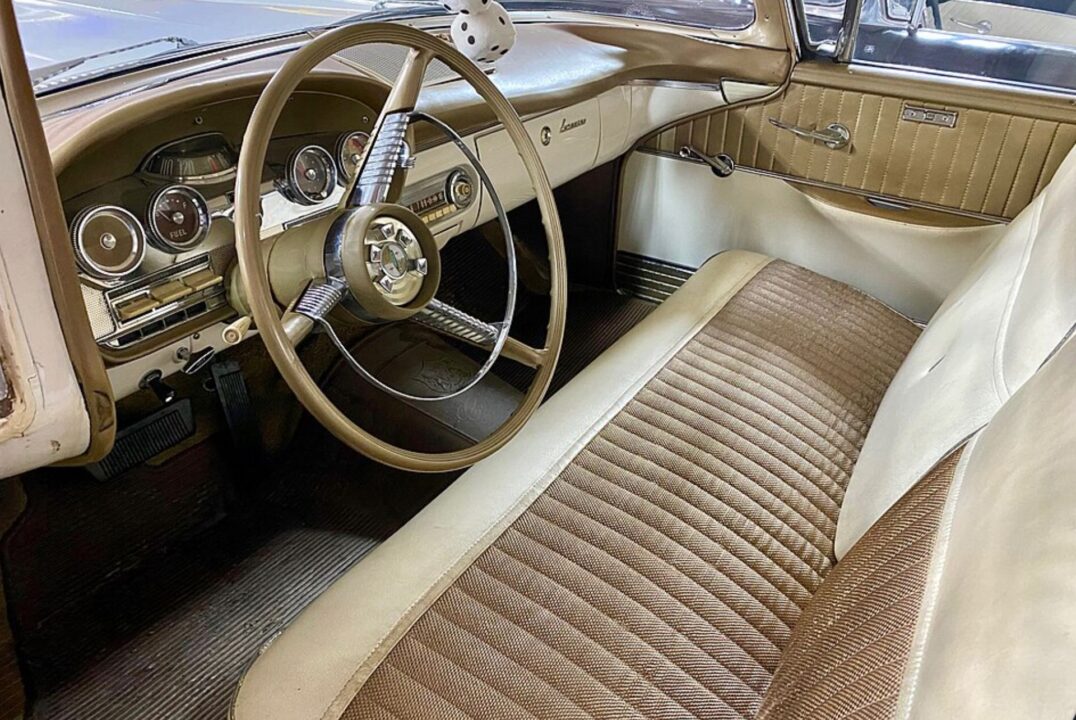
The interior of the Edsel was another area where Ford took significant risks. The use of experimental materials was intended to offer a more luxurious feel, but it didn’t always translate to comfort or durability. Some materials wore poorly or looked dated quickly.
For a car marketed as a high-end option, the quality of the interior materials failed to meet expectations. This mismatch between promise and reality only served to further diminish the Edsel’s appeal in a competitive market.
Misjudged Branding Elements

Finally, the Edsel’s branding elements, including its name and emblem, were significant risks that didn’t pay off. Named after Edsel Ford, the son of Ford’s founder, the brand was meant to evoke a sense of legacy and prestige. However, the name didn’t resonate with consumers and became synonymous with failure.
The emblem, which was intended to be a badge of honor, was seen as pretentious by many. These misjudged branding elements contributed to the overall perception of the Edsel as a misstep in automotive history.
More from Fast Lane Only