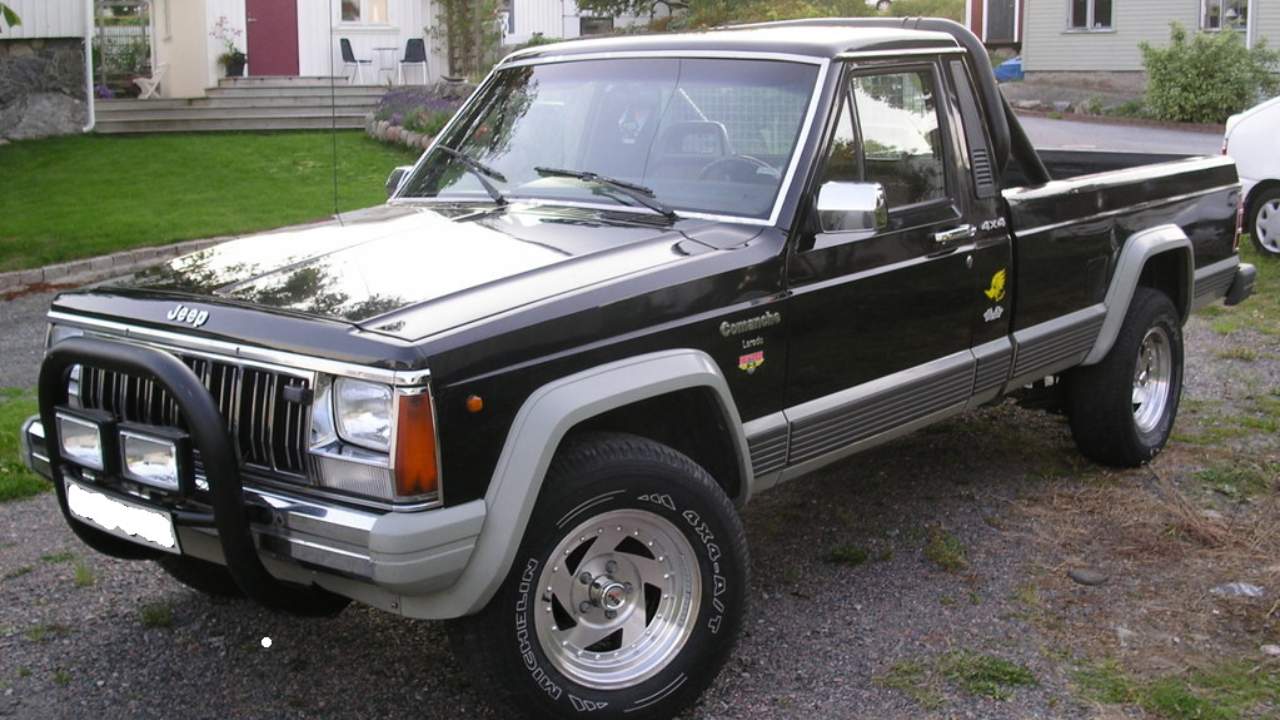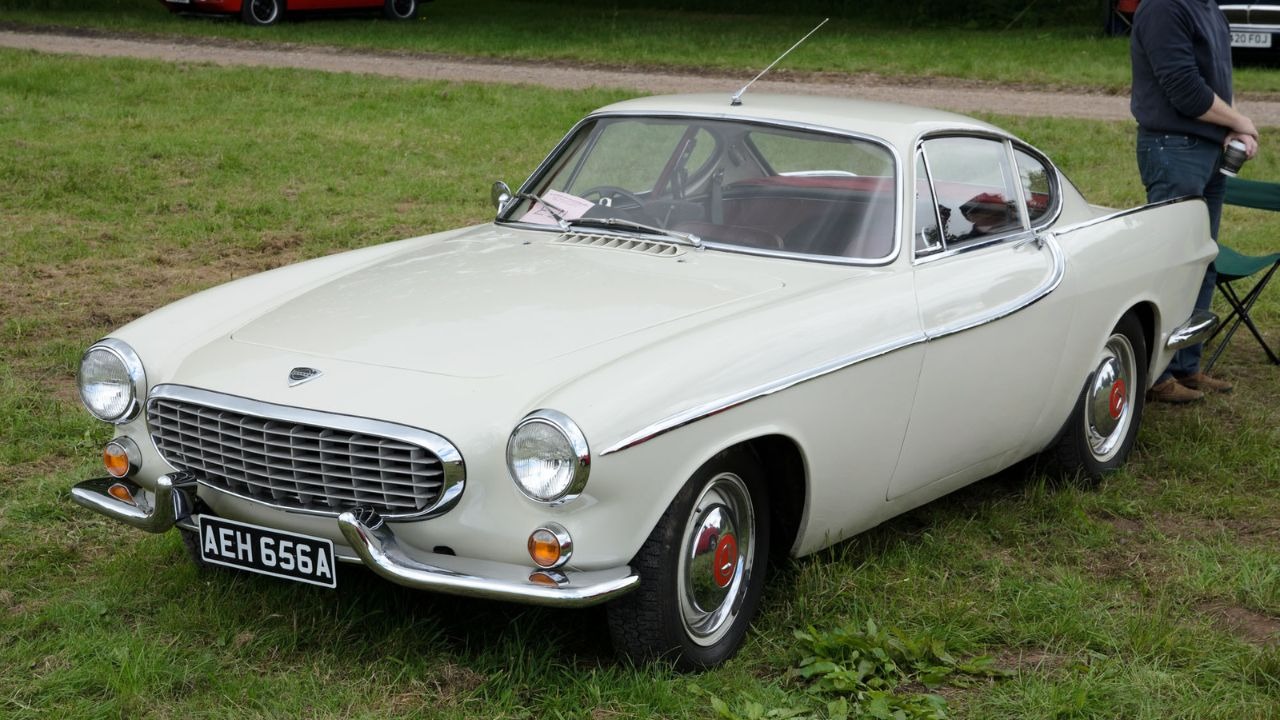
You know that feeling when you spot something special in a half-empty parking lot at sunrise and realize almost nobody else has caught on yet? That is the magic of cars that enthusiasts loved long before the wider market woke up. Here are nine models that dedicated fans were chasing at dawn meets and classifieds while everyone else slept on their potential.
Rolls-Royce Silver Shadow
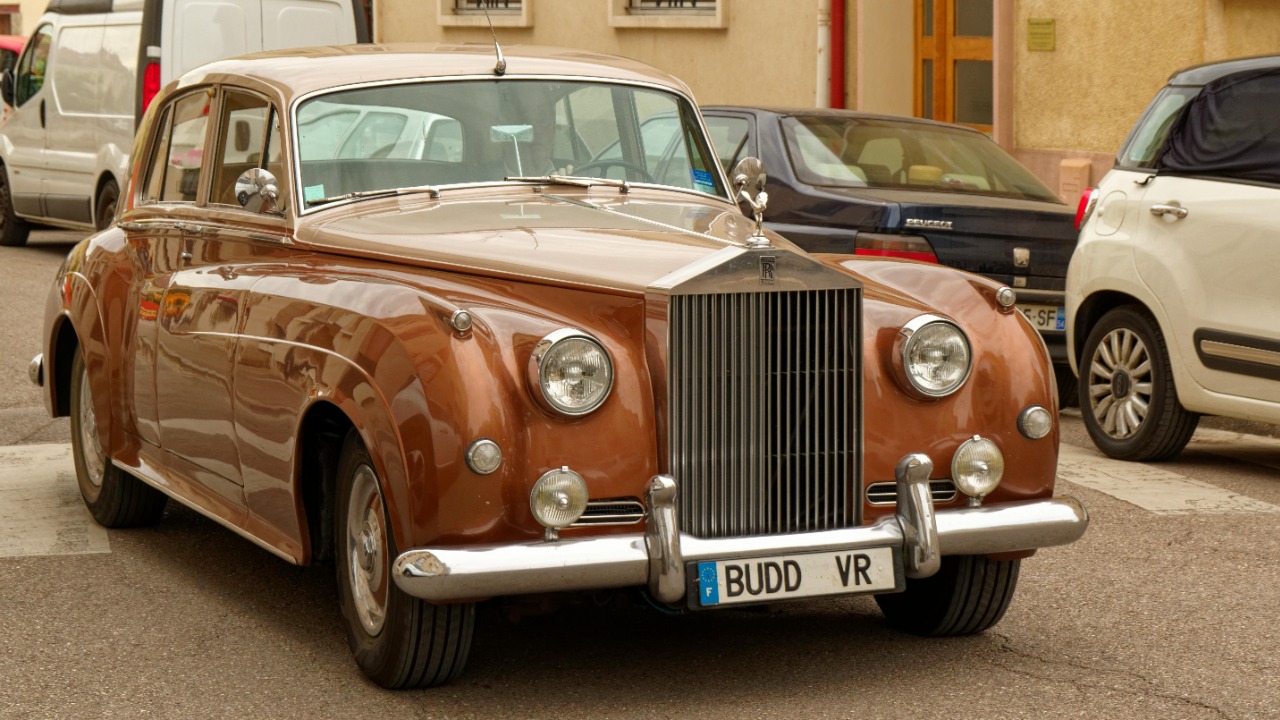
The Rolls-Royce Silver Shadow is the kind of car you used to see languishing in classifieds, bought by people who wanted a badge more than a driving experience. Enthusiasts, though, noticed how much hand-built luxury you were getting for the money and quietly scooped them up. Lists of underrated classics single out the Rolls, Royce Silver Shadow as a car you needed to buy before prices caught up with its craftsmanship and presence.
For you as a buyer, the stakes are clear: once a car like this moves from “old luxury sedan” to “legitimate classic,” running examples with good histories stop being cheap experiments and start becoming long-term assets. That shift rewards the people who were willing to learn the quirks of hydropneumatic suspension and complex electrics early, while everyone else dismissed it as a fussy relic.
Dodge Charger Daytona
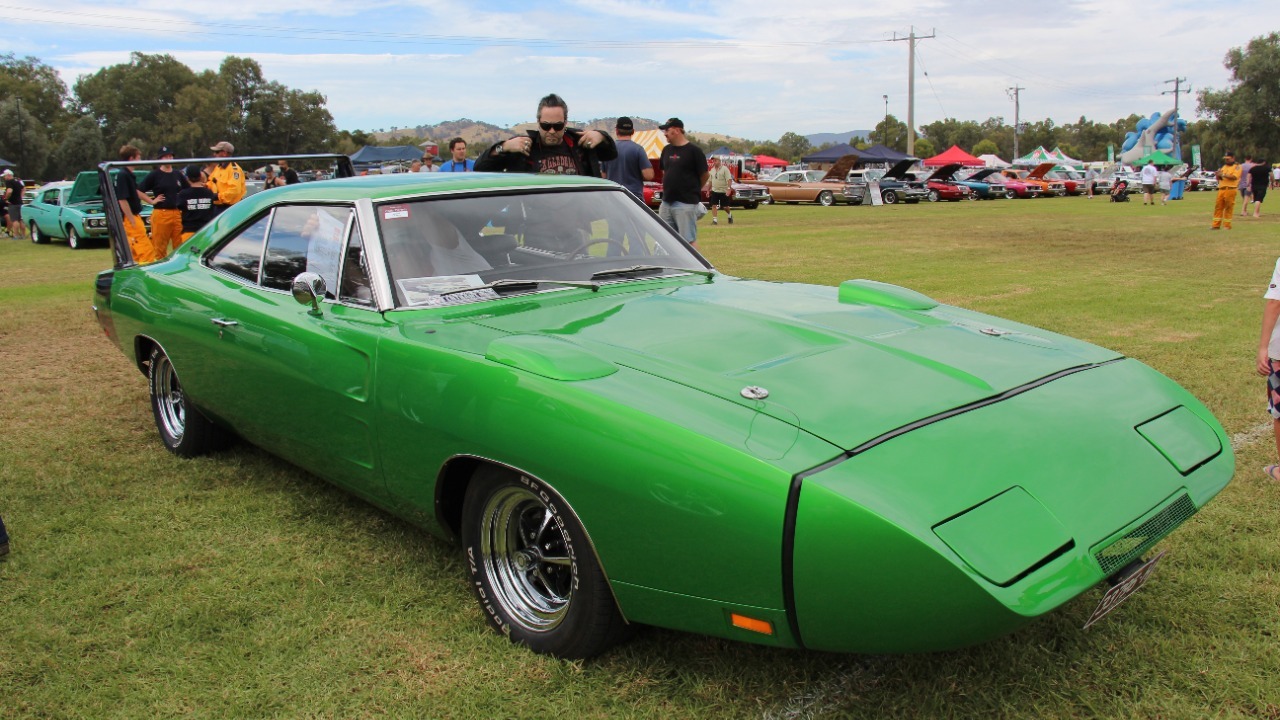
The Dodge Charger Daytona is a textbook case of a car that enthusiasts spotted early while the broader market shrugged. On enthusiast forums, people point out that the Dodge Charger Daytona were not initially embraced on the street, even though they dominated on track. One comment notes that, Even with wild aero and race wins, they were seen as oddballs rather than must-have muscle cars when new.
If you were the kind of person who loved homologation specials, you could see where this was going. Limited production, outrageous styling and real motorsport pedigree are exactly what long-term collectors chase. The result is that early buyers who tolerated jokes about “clown noses” and giant wings now sit on cars that define the top tier of American muscle valuations.
Plymouth Superbird
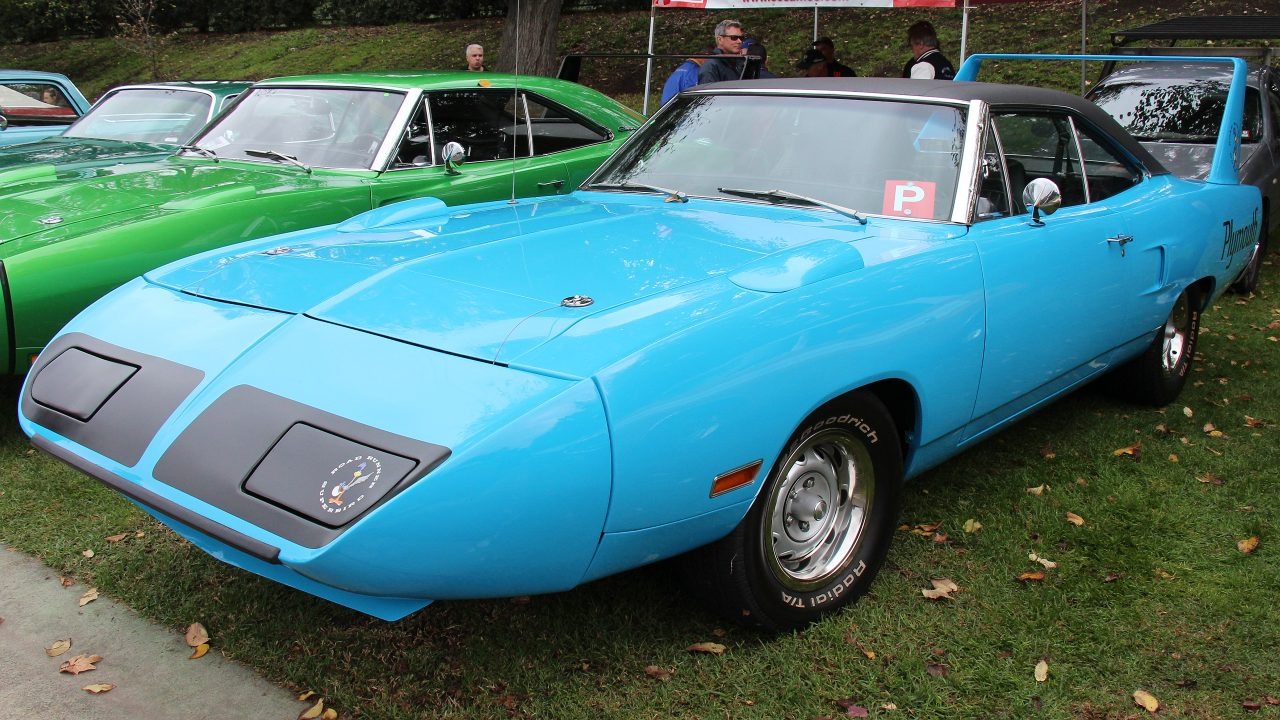
The Plymouth Superbird followed a similar arc, but with an even sharper sense of being misunderstood in period. Period buyers often saw the nose cone and towering rear wing as too extreme for daily use, which meant dealers struggled to move them. Yet enthusiasts who cared about NASCAR history recognized that the same traits that scared casual buyers would one day make the Superbird unrepeatable.
Discussions of cars that were not popular early on but are now legendary repeatedly group the Superbird with its Daytona cousin as a late-blooming icon. When you look at that pattern, you see how important it is to pay attention to motorsport-driven specials that feel “too much” for their time. They tend to age into exactly the kind of statement pieces serious collectors fight over.
Volvo P1800
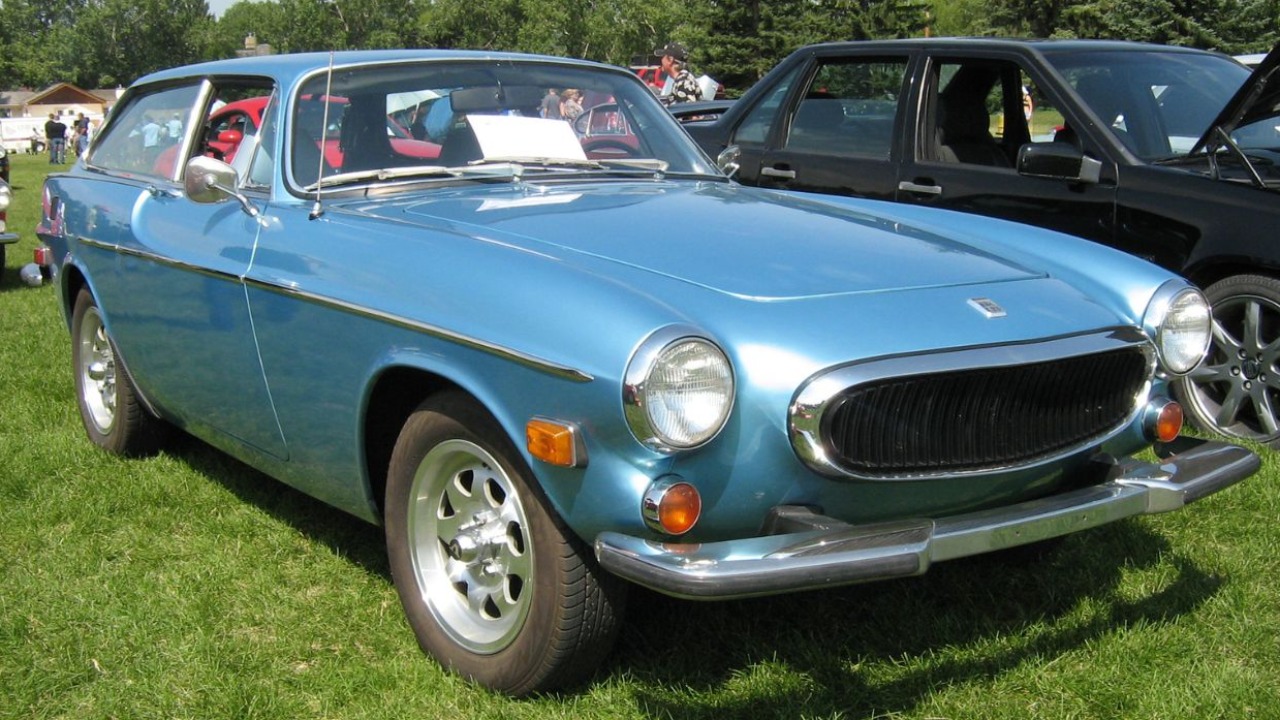
The Volvo P1800 spent years living in the shadow of more obvious sports cars, yet enthusiasts quietly appreciated its blend of durability and style. Guides to underrated Volvo models highlight the P1800 as one of the most charming cars in this manufacturer’s past, with styling that stands up next to Italian coupes but with a reputation for longevity. That combination meant savvy buyers could daily-drive something that looked exotic without exotic bills.
For you, the lesson is that design-led cars from sensible brands often get overlooked until nostalgia and scarcity kick in. Once people realized how many P1800s had quietly disappeared, the remaining solid examples started to look like bargains. Enthusiasts who bought them when they were just quirky old Volvos now enjoy a car that is increasingly recognized at shows and in value guides.
GMT 400 Chevrolet 454 SS
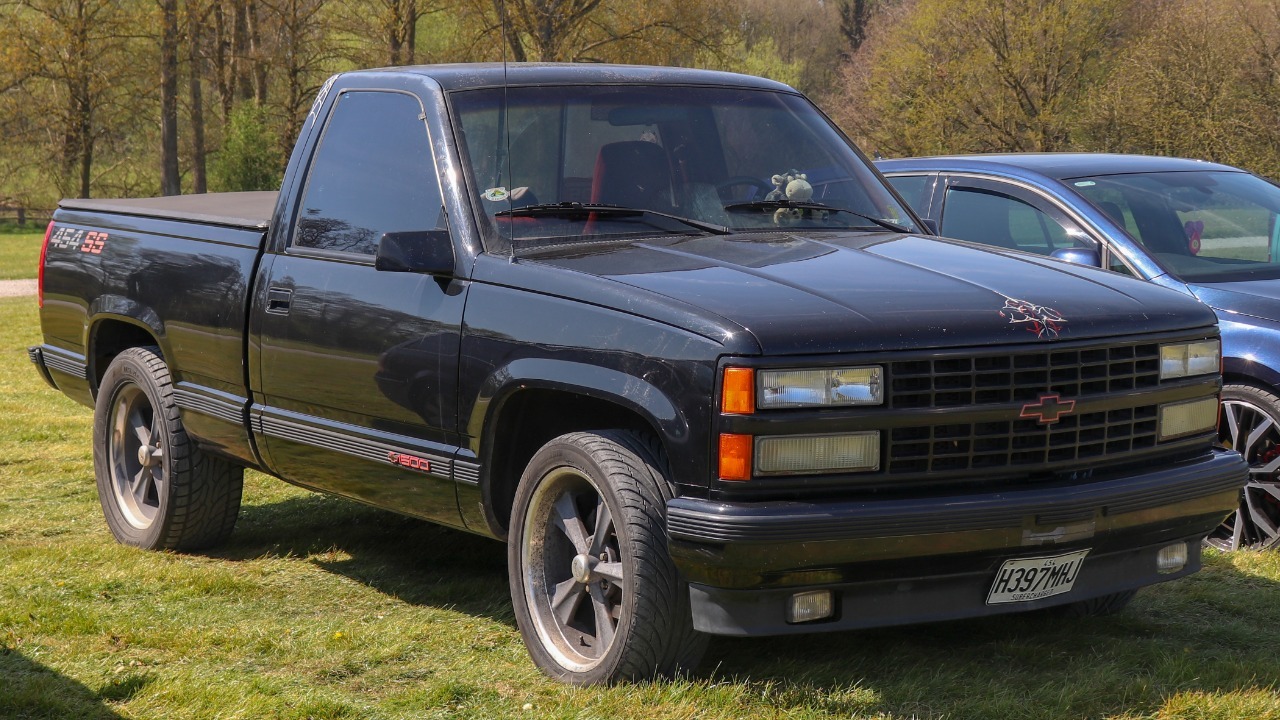
The GMT 400 Chevrolet 454 SS is a perfect example of a vehicle that performance-minded truck fans embraced long before mainstream collectors cared. Recent analysis of underpriced collector cars notes that enthusiasts should not worry, because GM is well represented in future appreciation lists, including the GMT 400 454 SS. The combination of a big-block V8 and simple, square-body styling gives it a purity newer performance trucks lack.
Early adopters saw that this was more than a parts-bin special, it was a snapshot of an era when a full-size truck could be a factory hot rod. As interest in 1990s vehicles grows, the 454 SS shows how quickly workhorses can turn into collectibles. If you are hunting now, you are competing with people who once dismissed these as used contractor rigs and are suddenly paying attention.
Mazda MX-5 Miata (NA)

The first-generation Mazda MX-5 Miata, often called the NA, was loved by enthusiasts from day one, but the wider market took longer to see it as a collectible. For years, you could pick up tired examples cheaply because many people saw them as disposable entry-level sports cars. Yet value experts now list early Miatas among the classic cars likely in the near future, citing their light weight and analog driving feel.
If you were the kind of driver who cared about steering feedback more than straight-line speed, you probably already had one tucked away. That instinct is paying off as clean, unmodified cars become harder to find. The shift shows how “cheap fun” cars can mature into respected classics once a generation of drivers grows up wanting to preserve the experience they learned on.
BMW 3 Series E36
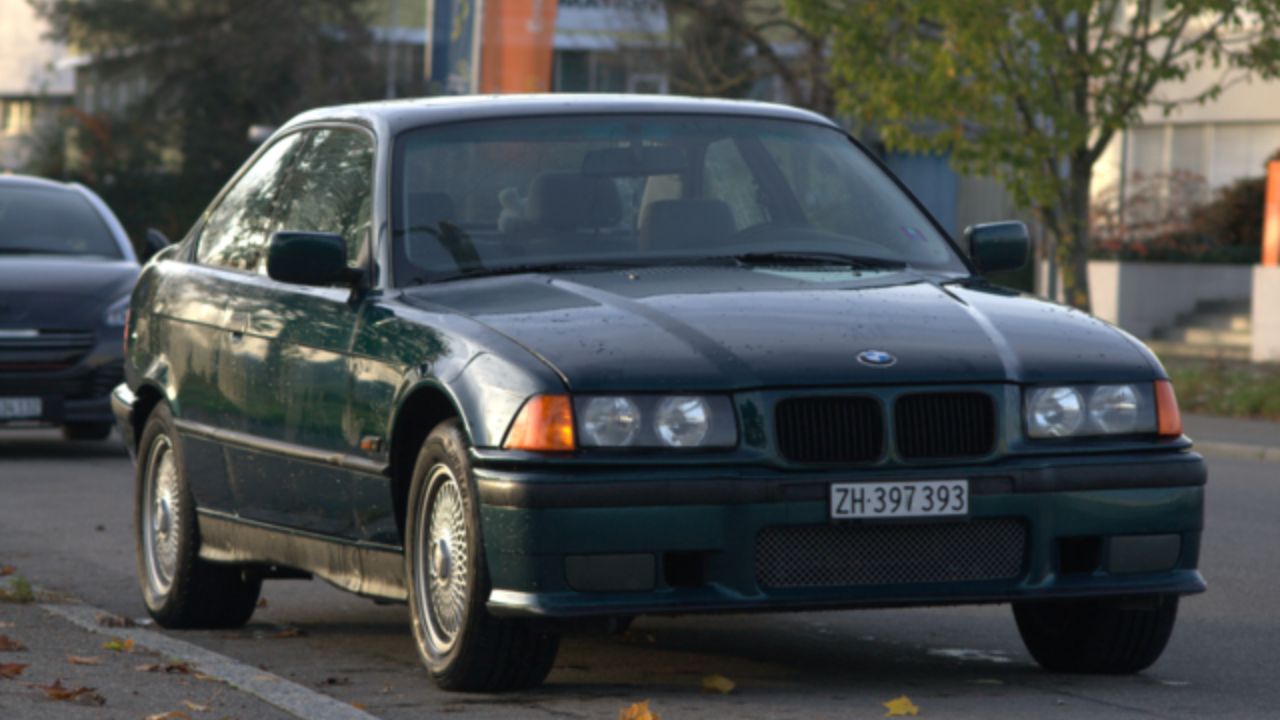
The BMW 3 Series E36 spent a long time in the used-car wilderness, overshadowed by the E30 that came before it and the E46 that followed. Enthusiasts, however, noticed that the E36 delivered a sweet spot of chassis balance and usable power, especially in six-cylinder trims. Market watchers now flag certain 1990s models, including performance sedans and coupes, as among the most collectible cars of that decade, and the E36 fits that pattern.
For you, the implication is that cars once written off as “cheap German beaters” can pivot quickly once supply tightens and nostalgia rises. People who bought E36s early for track days or canyon runs are now being rewarded as clean, rust-free examples start to command real money. It is a reminder to look past internet hype cycles and focus on how a car actually drives.
Toyota MR2 (SW20)
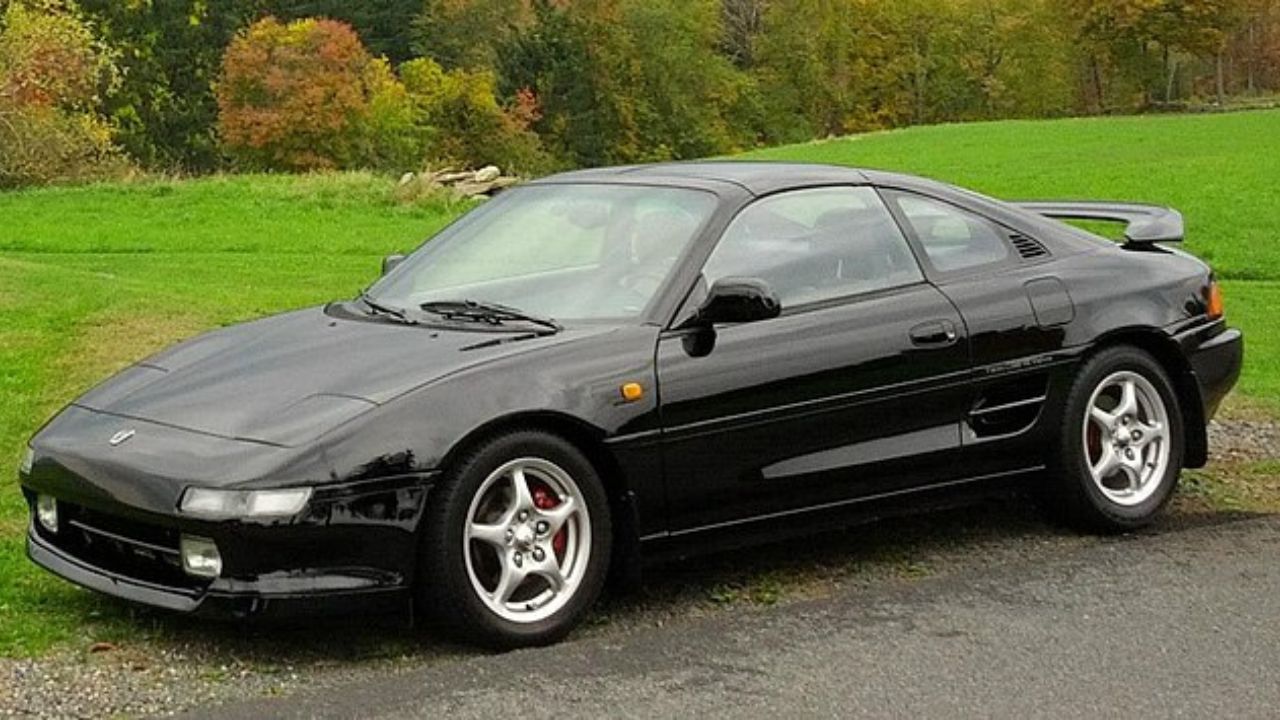
The second-generation Toyota MR2, known by its SW20 chassis code, was long treated as a tricky, slightly dangerous sports car. Early on, stories about snap oversteer scared away casual buyers, leaving a core of enthusiasts who appreciated its mid-engine layout and turbocharged performance. As value guides identify future classics from the 1990s and 2000s, the MR2 increasingly appears as a car whose time is coming.
If you were willing to learn its handling and maintain it properly, you effectively bought into exotic-car dynamics at a fraction of the price. That is exactly the sort of proposition that ages well as newer cars get heavier and more insulated. The enthusiasts who stuck with the MR2 through its unloved years now own one of the most distinctive Japanese sports cars of its era.
Chevrolet Corvette C4 ZR-1
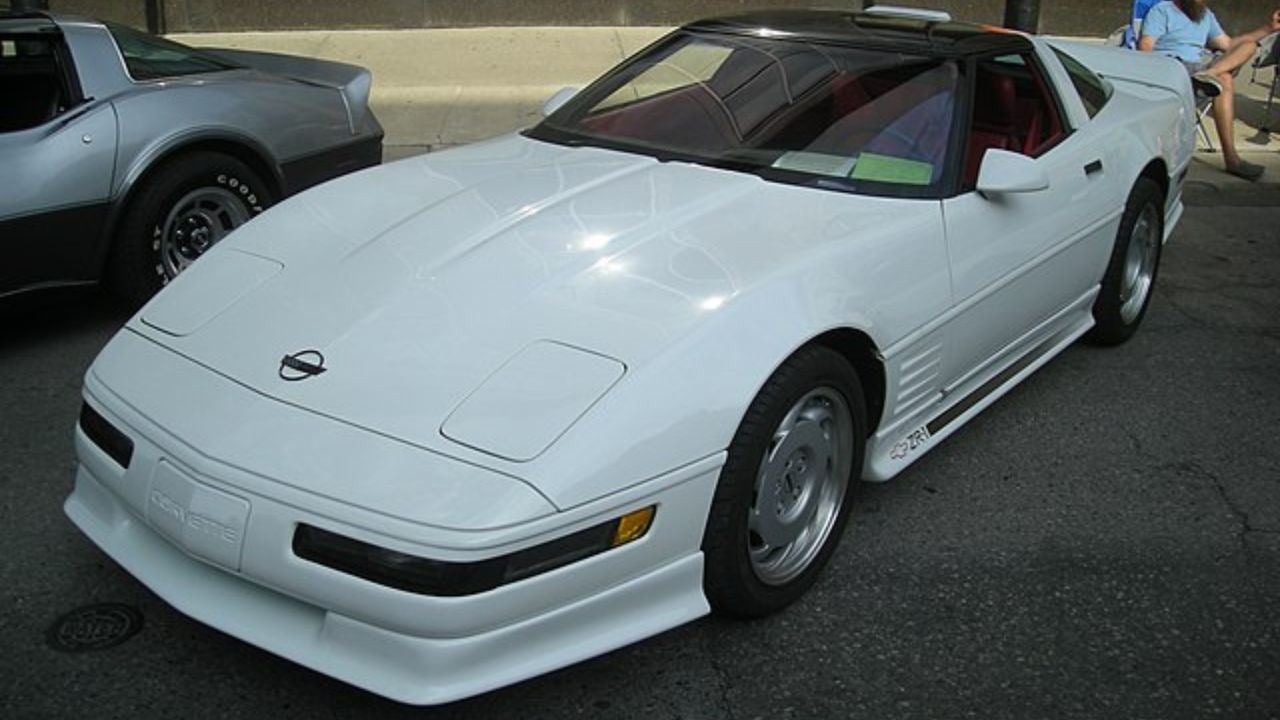
The Chevrolet Corvette C4 ZR-1 was a technological flagship that the broader market did not fully appreciate when it was just a used performance car. Its Lotus-designed engine and high-speed capability were impressive, but many buyers focused on newer generations instead. Analysts who study rising-value performance cars point to limited-production halo models like the ZR-1 as prime candidates for future appreciation.
Enthusiasts who paid attention to its engineering pedigree, rather than its dated digital dash, were ahead of the curve. For you, the ZR-1 illustrates how important it is to separate styling trends from substance. Underneath the period details sits a car that pushed American performance forward, and that kind of significance tends to be rewarded once the market catches up.
More from Fast Lane Only