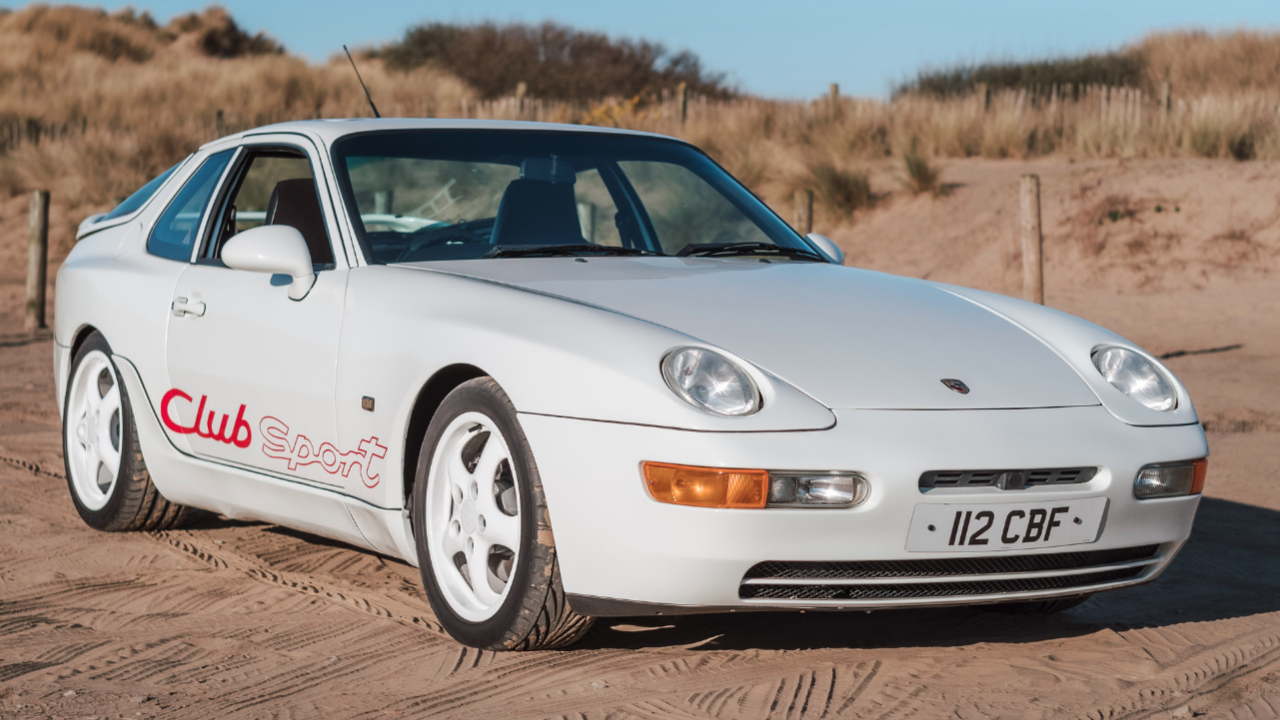
You know the story: a car that sat unloved at the back of the classifieds suddenly becomes the one everyone is chasing. Values spike, forums light up, and you are left wondering why you did not grab one when they were cheap. Here are 14 models that people largely ignored until collectors, auction houses, and data started saying otherwise.
Porsche 968 Turbo S
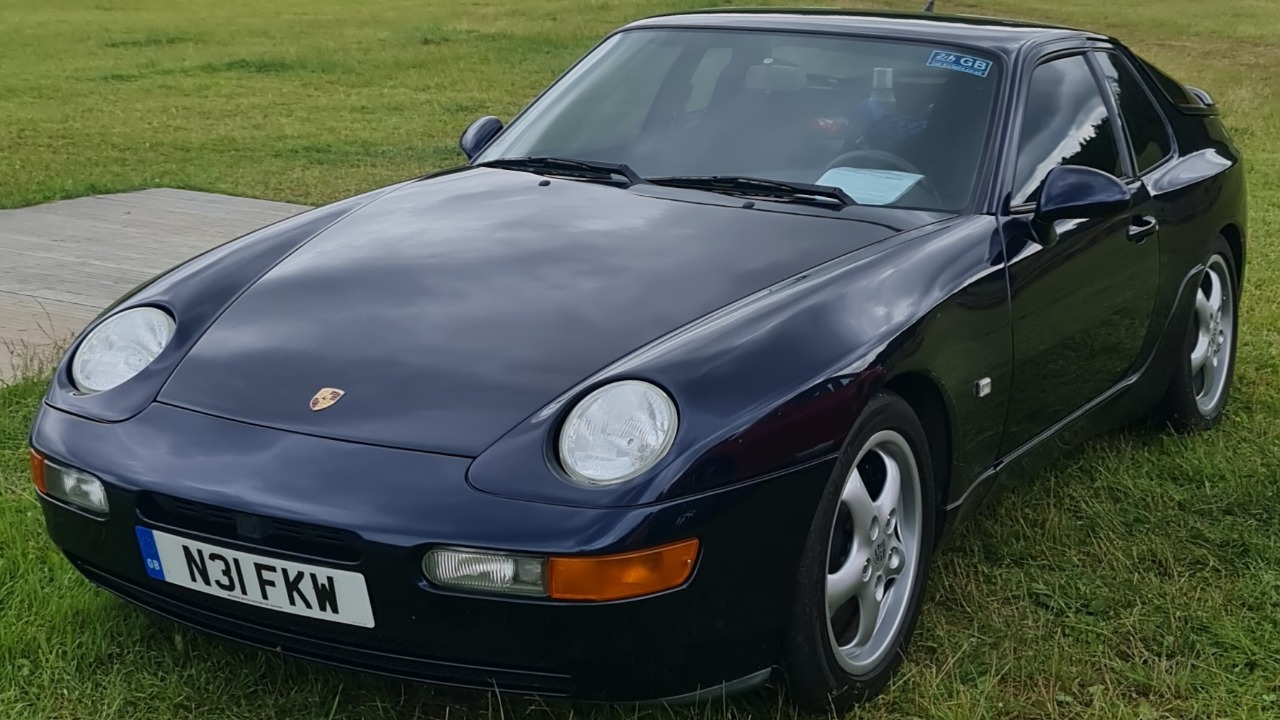
The Porsche 968 Turbo S is the textbook case of a car you could once overlook that now has collectors scrambling. For years, the 968 sat in the shadow of air‑cooled 911s, and even among transaxle fans, the Turbo S was a whisper. Yet Only 14 examples of the 968 Turbo S were ever built, and that scarcity is now pushing estimates into seven‑figure territory.
One of the most underappreciated sports cars in Porsche history is suddenly being treated as a blue‑chip collectible. When you see a 968, you are looking at a model whose Turbo version is now expected to sell for around $1.2 million, a number that would have sounded absurd a decade ago. For you as a buyer, it is a reminder that limited‑run homologation specials can lag in value, then rocket once the market catches up.
Porsche 968 “Sporting Heritage” example
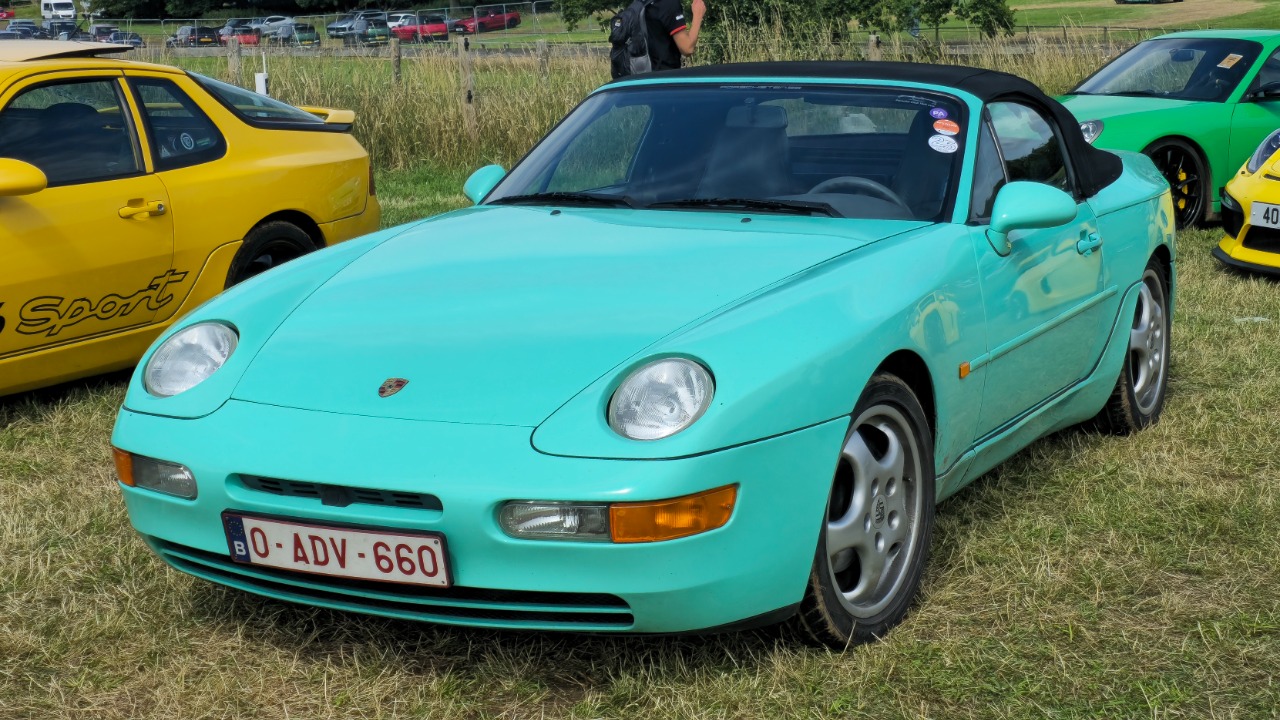
A separate 968, finished in PTS Zermatt, shows how even non‑Turbo cars from this line are catching collector attention. Described as having a Sporting Heritage, this car underlines how color, specification, and provenance can transform a once‑ignored model into a headline lot. PTS and rare paint codes like Zermatt silver are now shorthand for serious money.
For years, you could find tidy 968s for used‑Boxster money. Now, a single standout example is being watched closely by the market as a bellwether for where values might go. If you are hunting future collectibles, this is your cue to look for unusual factory colors, low‑production options, and motorsport‑linked packages on cars that still feel “affordable.” Those details are what turn a used sports car into a reference‑grade collector piece.
Chevrolet Corvair
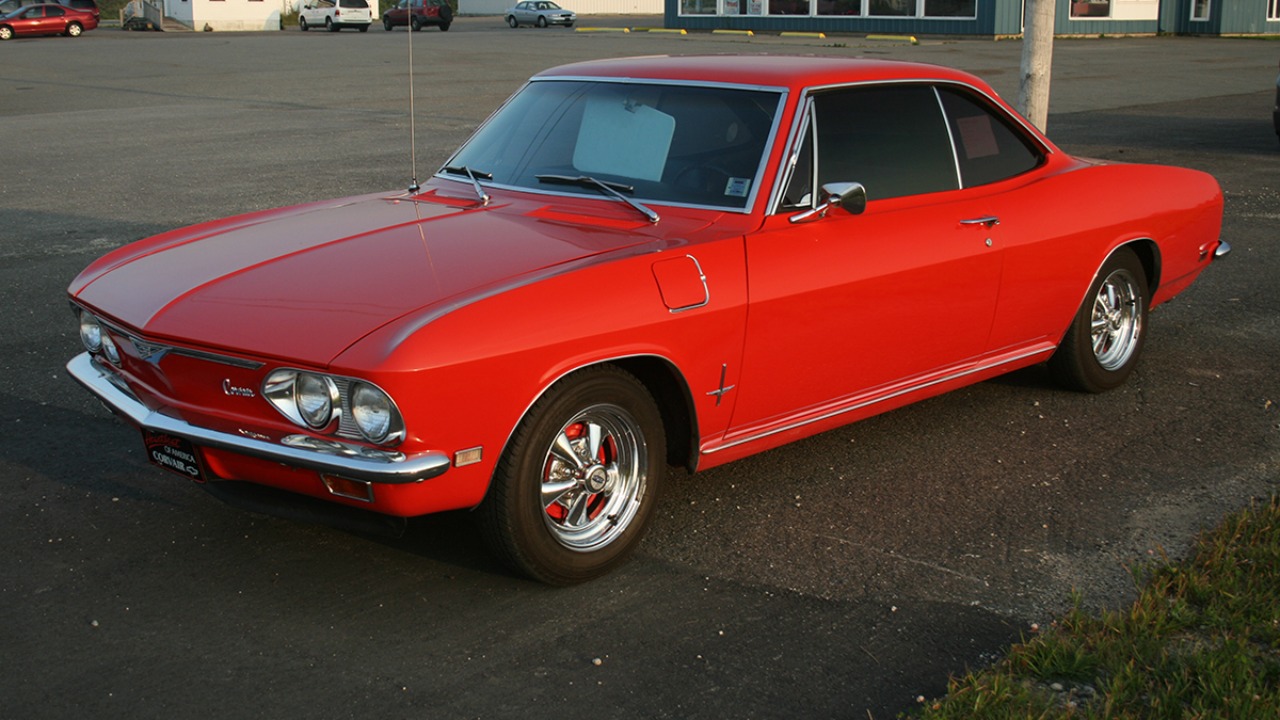
The Chevrolet Corvair is a classic case of a car that should have been collectible from day one but was held back by reputation. On Sep, one enthusiast summed it up by saying, “I’m gonna say the Chevrolet Corvair,” pointing out how radically different it was from anything else GM produced, with a rear‑mounted flat engine and a layout the company never repeated.
For years, safety controversies and parts‑car pricing kept Corvairs in the shadows. Now, as collectors chase unusual engineering and period‑correct driving experiences, you are seeing renewed interest in clean coupes and convertibles. The Corvair’s unique configuration, combined with its place in automotive history, means that well‑preserved examples are finally moving from “cheap oddball” to “conversation‑starter classic,” especially among younger buyers who want something different at shows and cars‑and‑coffee meets.
VAZ‑2101 / Lada Riva / Zhiguli
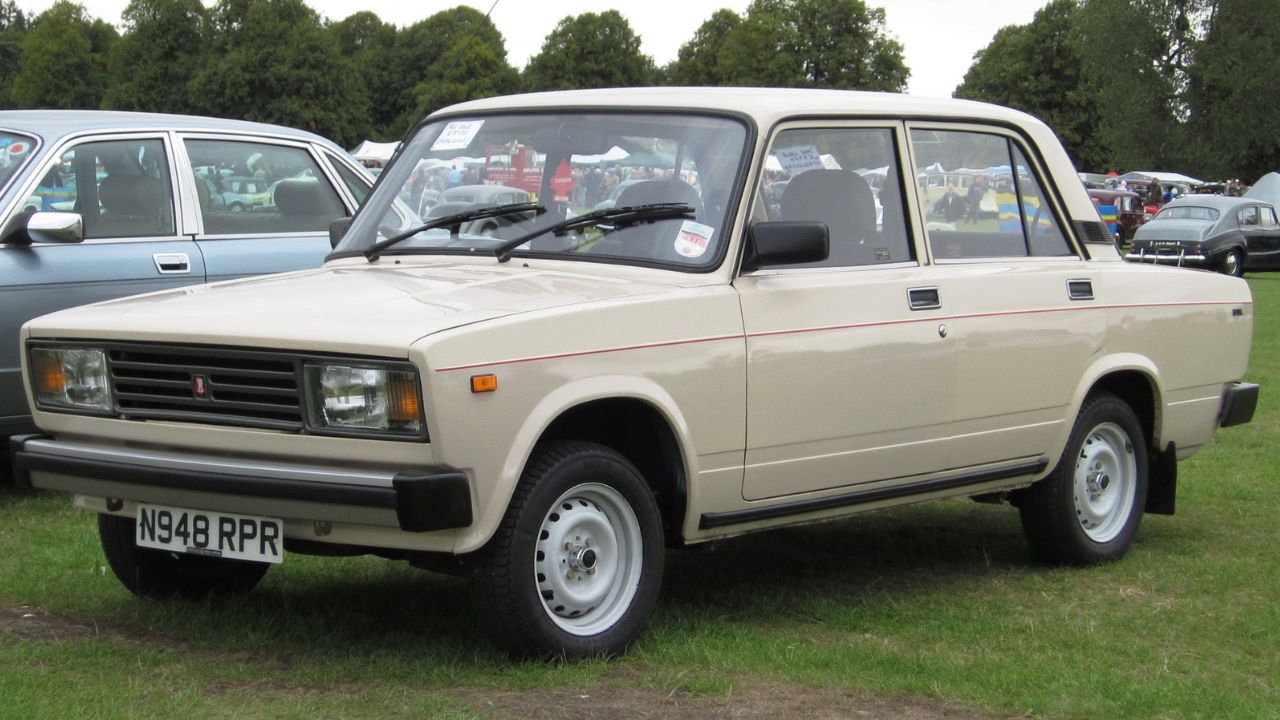
The VAZ‑2101, better known in export markets as the Lada Riva or Zhiguli, appears in the Contents of cars with poor reputations, specifically under section 4.1. Built from 1970 to 2013, it was mocked for crude engineering and basic trim, especially in Western commentary that saw it as a relic of Soviet‑era design.
Yet that same long production run and utilitarian image are now part of its charm. In some European cities, you are starting to see carefully preserved VAZ sedans at retro events, celebrated as icons of everyday life behind the Iron Curtain. Collectors who focus on social history rather than outright performance are driving this shift, treating the Lada Riva and Zhiguli as rolling artifacts that tell a story about mobility, scarcity, and design under a planned economy.
AMC Gremlin
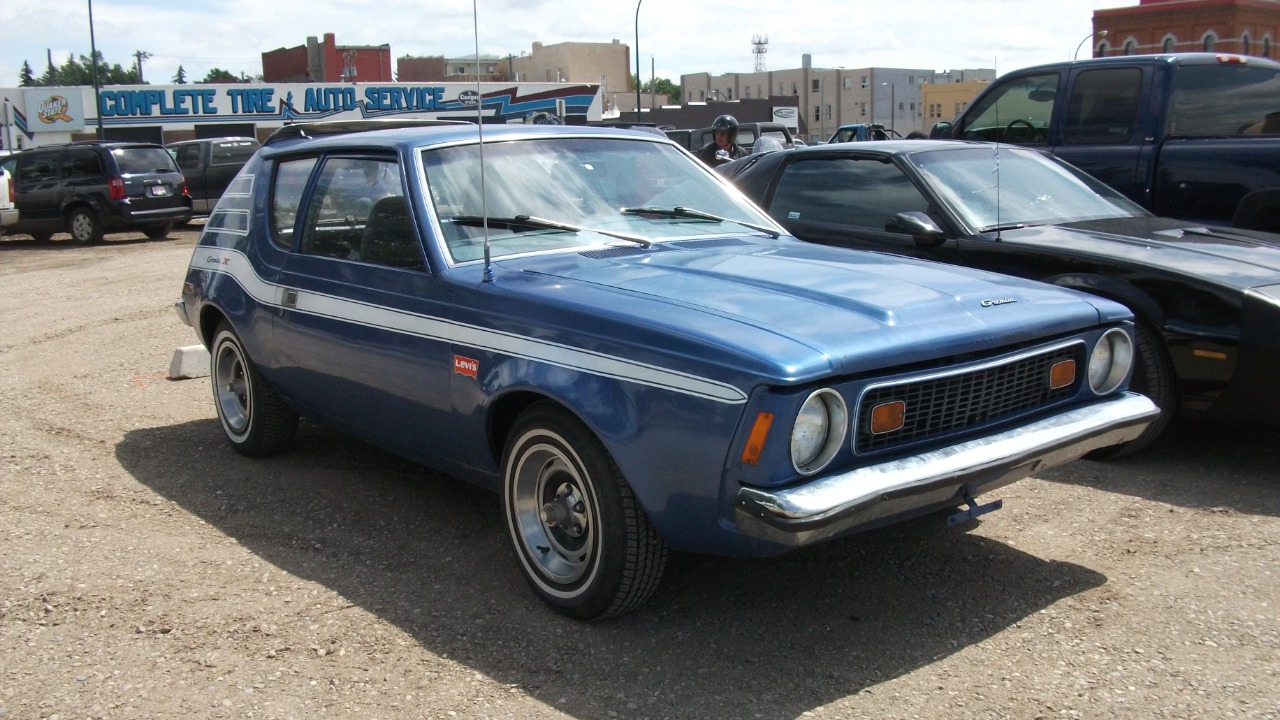
The AMC Gremlin is another car that shows up in the negative‑reception Contents, listed under section 4.2 alongside other much‑maligned models. For decades, the Gremlin was shorthand for awkward styling and compromised packaging, a punchline more than a prized possession.
Today, that very weirdness is what makes it interesting to you as a collector. Bright 1970s colors, period graphics, and the car’s role in AMC’s scrappy fight against the Big Three give it a cult following. As muscle‑era prices climb, some enthusiasts are turning to offbeat compacts like the Gremlin, seeing them as affordable entry points into the same era. The shift shows how nostalgia and rarity can rehabilitate even the most ridiculed nameplates.
Chevrolet Vega
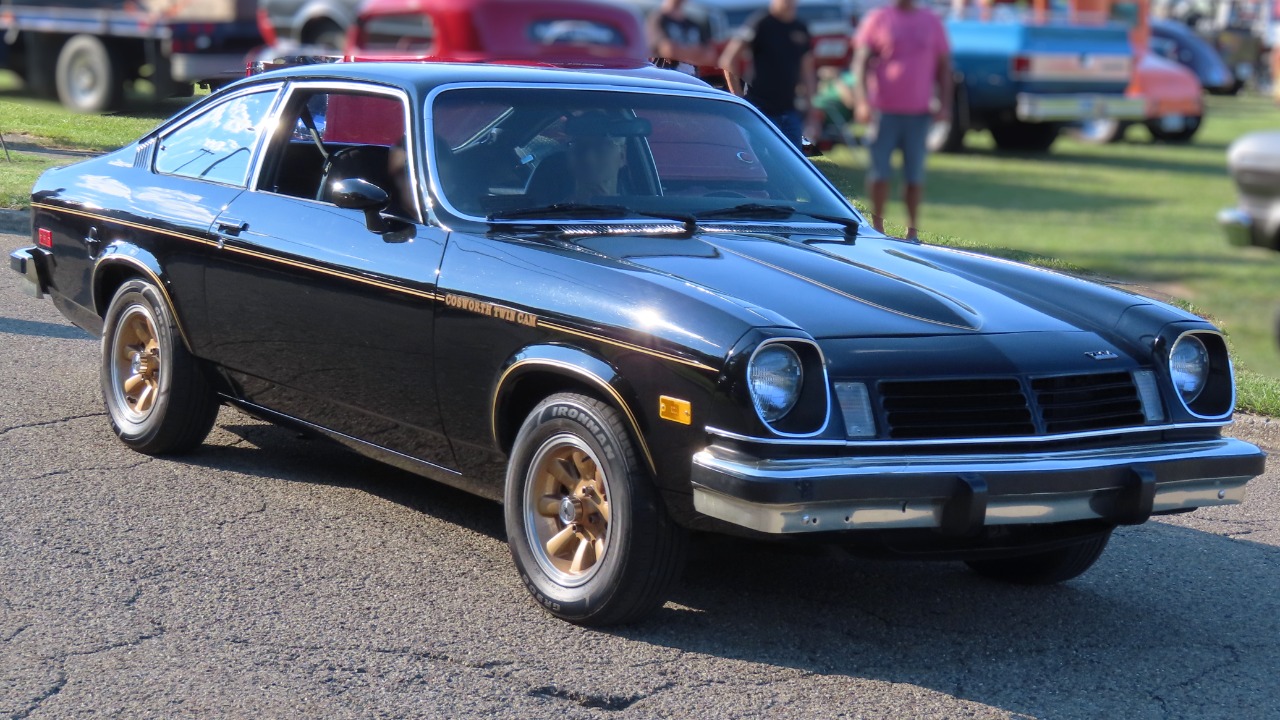
The Chevrolet Vega, listed in section 4.3 of the same negative‑reception Contents, was notorious for rust and engine issues. For years, you would have struggled to find anyone calling it collectible, and many Vegas simply dissolved away in northern climates, leaving few survivors.
Yet scarcity and period racing connections are slowly changing perceptions. Enthusiasts who grew up seeing Vegas in drag pits or SCCA events are now hunting for solid shells to restore. When you look at the broader market, the Vega’s emerging appeal highlights a trend: once‑cheap economy cars from the 1970s are gaining value as people who remember them from childhood reach peak buying power and want to relive that era, flaws and all.
Ford Pinto
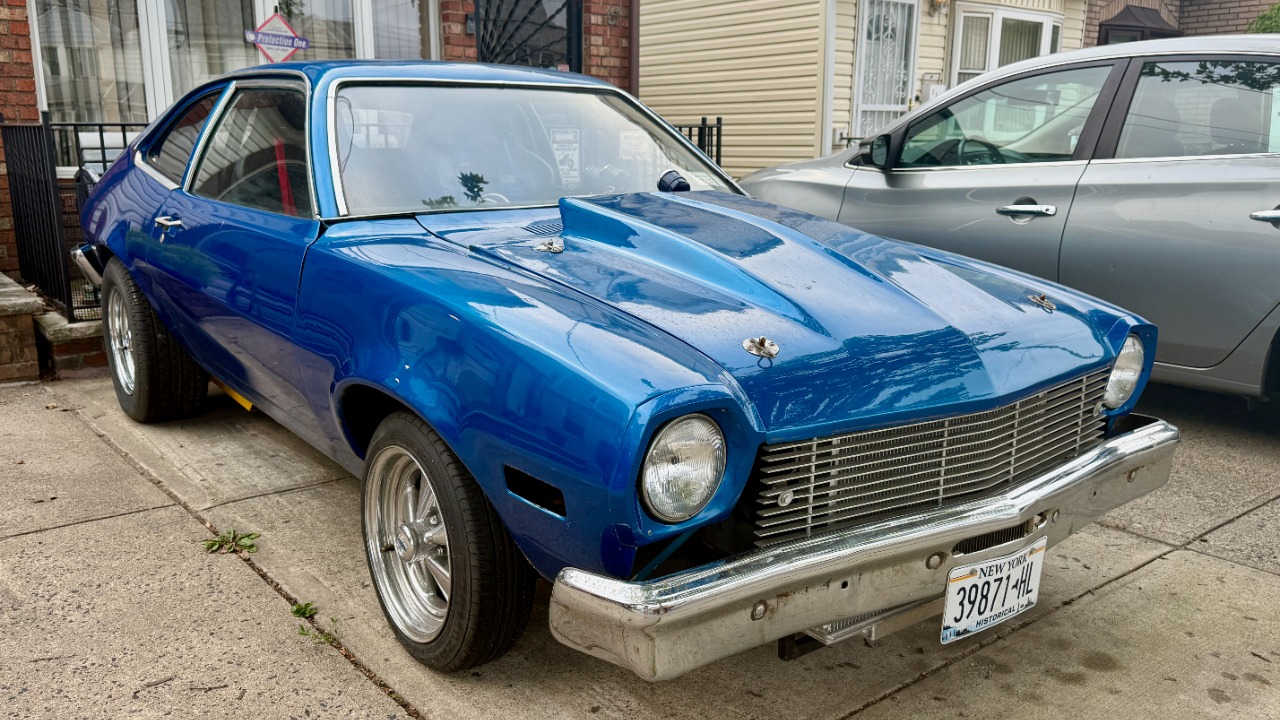
The Ford Pinto, appearing in section 4.4 of the same list of negatively received cars, is perhaps the most infamous example of a model defined by controversy rather than capability. Its fuel‑tank design made it a case study in corporate decision‑making, and for decades, you would rarely see anyone restoring one for fun.
Recently, a small but vocal group of enthusiasts has started reclaiming the Pinto’s narrative. Clean survivors, especially wagons and sporty trims, are being preserved as symbols of 1970s design and regulatory change. For you, the Pinto’s slow climb from pariah to curiosity shows how time can soften reputations, turning once‑avoided cars into conversation pieces that say as much about culture and safety standards as they do about driving.
GMT 400 Chevrolet 454 SS
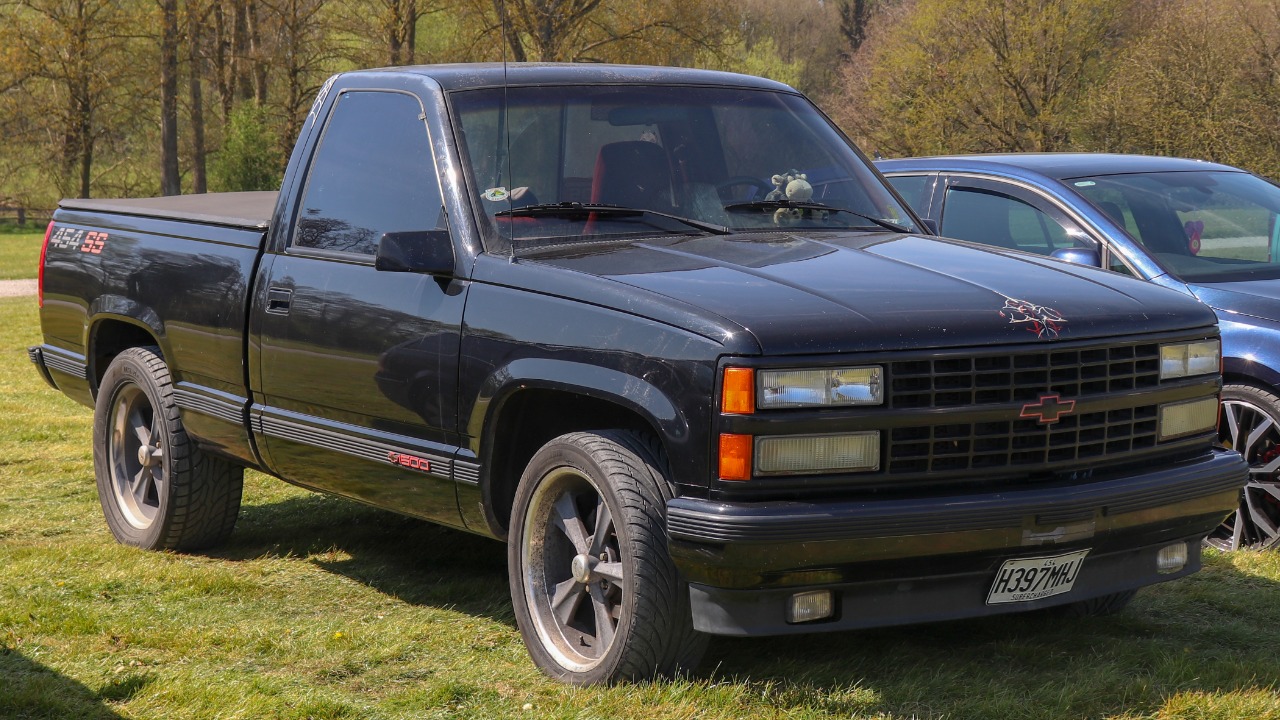
The GMT 400 Chevrolet 454 SS pickup was long treated as just another used truck, despite its big‑block swagger. In a survey of underpriced collector cars, experts noted that Don’t worry, GM is well represented, specifically calling out the GMT 400 Chevrolet 454 SS as a standout that could grow to two times the Hagerty average.
That kind of forecast has real consequences for you as a buyer. Trucks that once served as cheap tow rigs or workhorses are now being tucked away as investments, especially low‑mile examples with original paint and graphics. The 454 SS’s mix of nostalgia, usable performance, and limited production means values are climbing, and the window to snag one before it fully crosses into collector‑only territory is narrowing fast.
Ford Mustang GT Fastback (1965–1966)
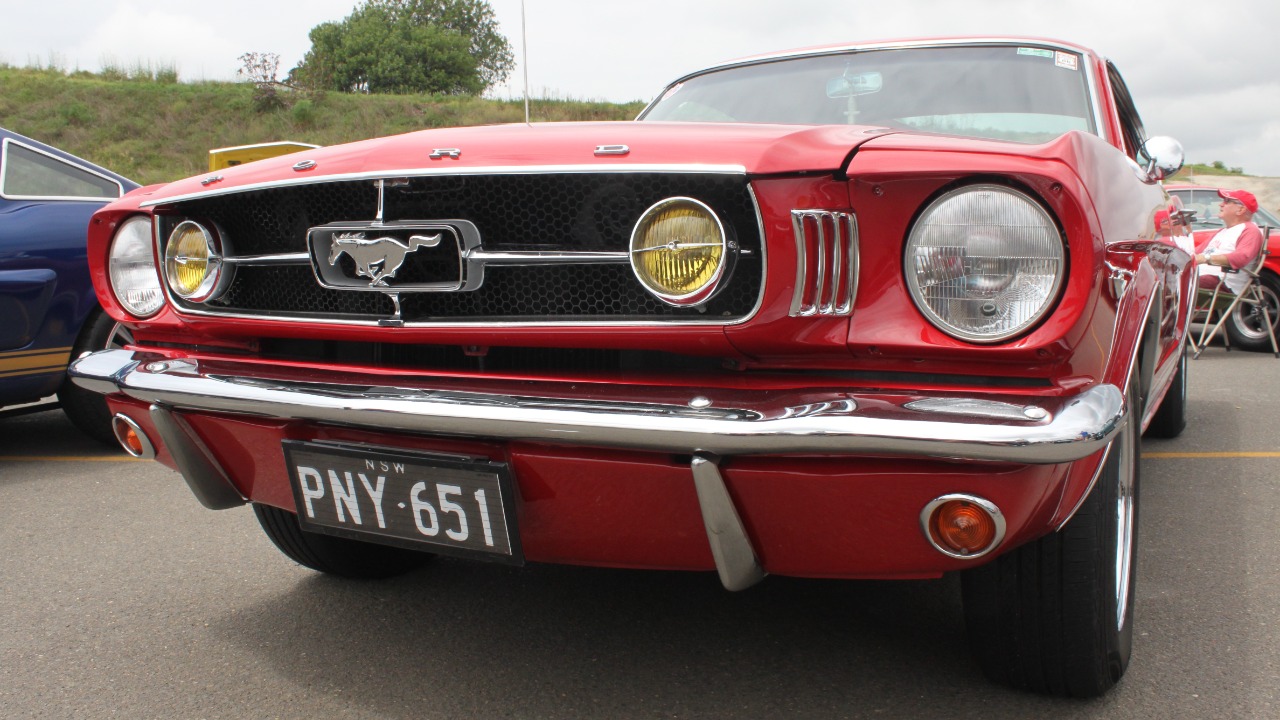
The Ford Mustang GT Fastback from 1965 to 1966 has always had fans, but for a long time, attention focused on Shelbys and big‑block variants. In a list of Undervalued Classic Cars a Lot of Money, the Ford Mustang GT Fastback is singled out, with the note that The Mustang has always had collector appeal but certain trims still lag behind their potential.
For you, that means the right GT Fastback, with its combination of V8 power and iconic fastback profile, remains a smart buy relative to rarer siblings. As more collectors realize how usable and visually striking these cars are, prices are likely to tighten the gap. Documentation, original colors, and factory options will be key differentiators, so paying attention to build sheets and tags can pay off later.
BMW M1
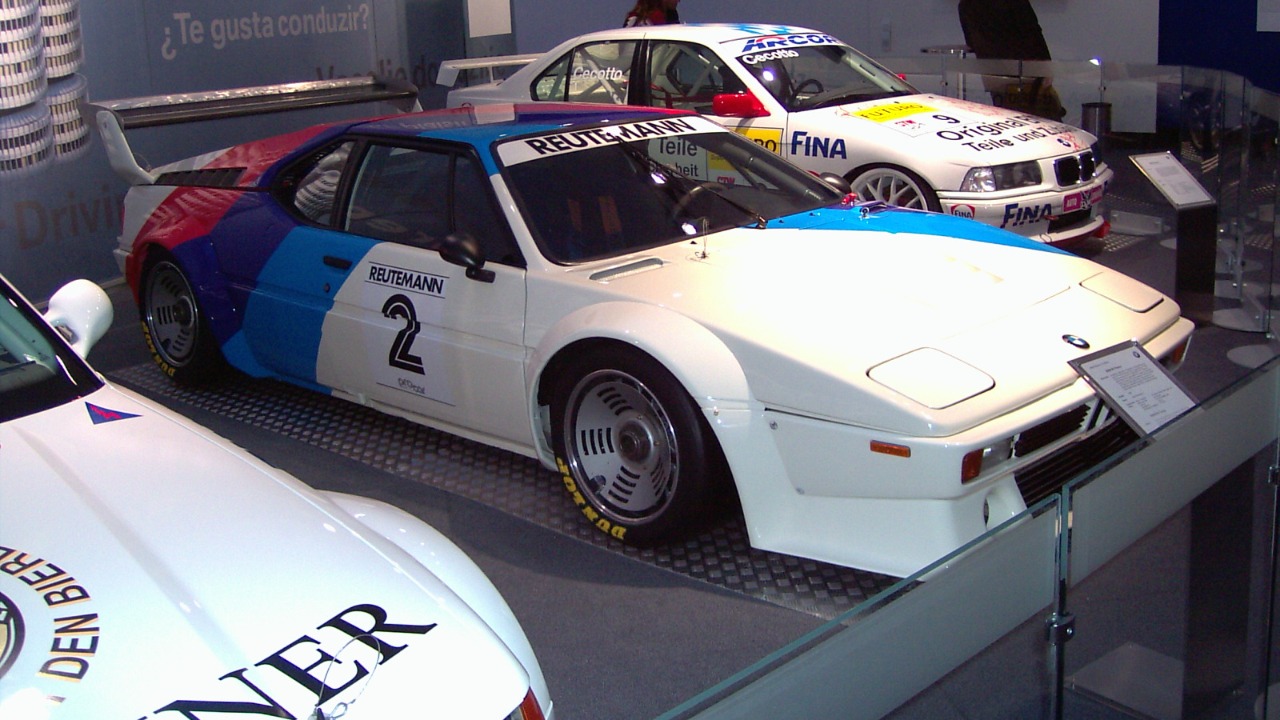
The BMW M1 was once considered an oddball in its own brand’s lineup, a mid‑engine supercar from a company better known for sedans. In a discussion of “undesirable” collector cars that have surged, the 1979‑80 BMW M1 is described as BMW’s first foray into the mid‑engine exotic world, a car that did not fit neatly into period buyer expectations.
Today, that uniqueness is exactly why you see M1 values skyrocketing. Limited production, motorsport pedigree, and the car’s role in launching the modern M brand make it a cornerstone of any serious BMW collection. The M1’s trajectory shows how halo projects can be misunderstood when new, only to become essential decades later as enthusiasts reassess their importance in a brand’s history.
Honda S2000

The Honda S2000 spent years as a used‑car bargain, appreciated by track‑day fans but not always treated as a blue‑chip collectible. That perception is changing fast. In a ranking of appreciating collector vehicles, the Honda S2000 is reported as being up 83% to $50,100, a huge jump that signals serious collector interest.
For you, those numbers mean the days of cheap, high‑revving roadsters are fading. Clean, unmodified S2000s, especially early AP1 cars with their sky‑high redlines, are now being treated like modern classics. The car’s precise manual gearbox, balanced chassis, and motorsport‑inspired engineering make it a natural fit for long‑term collections, and the data suggests that waiting on the sidelines could be costly.
Mazda MX‑5 Miata NB
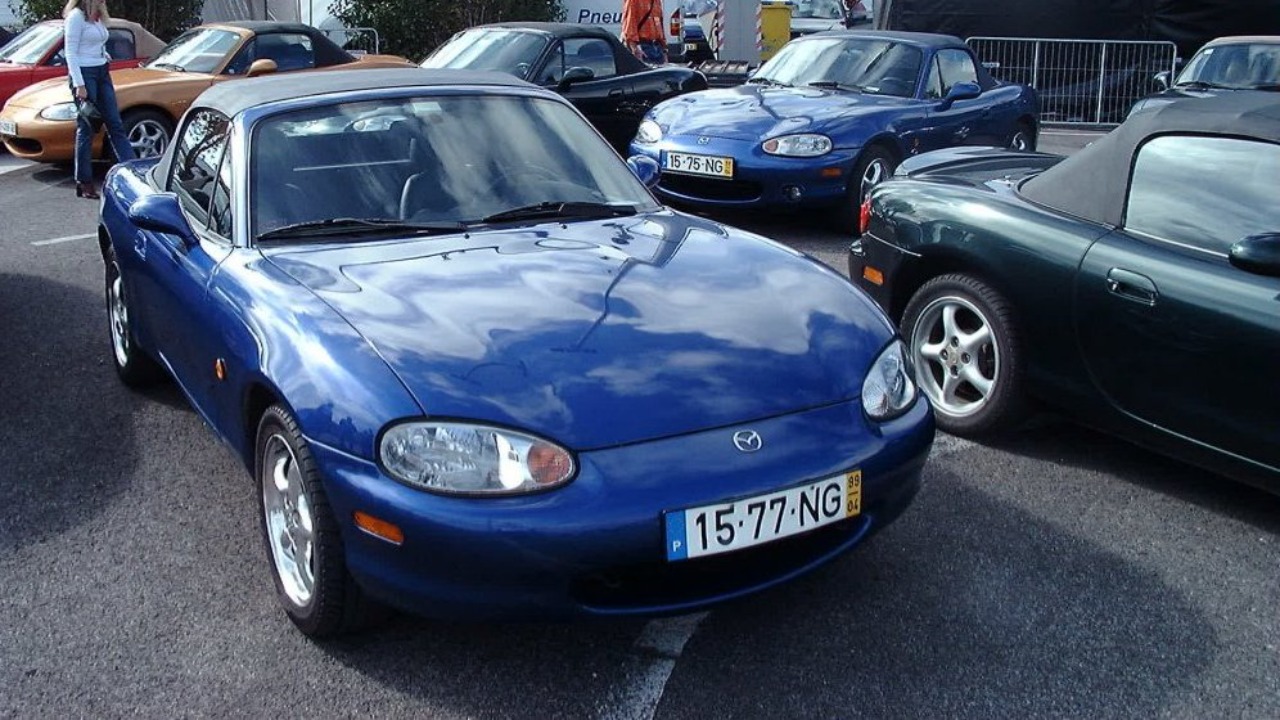
The second‑generation Mazda MX‑5 Miata NB was often overshadowed by the original NA with its pop‑up headlights. Yet in the same appreciation study, the Mazda MX‑5 Miata NB is highlighted alongside the S2000, with Article content noting its strong value gains as enthusiasts recognize its blend of reliability and analog driving feel.
For years, you could pick up an NB for commuter money and not think twice about modifications. Now, low‑mile, rust‑free cars with original paint are being snapped up by collectors who want a purer driving experience than modern sports cars offer. The Miata NB’s rise shows how even mass‑produced roadsters can become sought after once the supply of clean examples shrinks and nostalgia kicks in.
Toyota FJ Cruiser
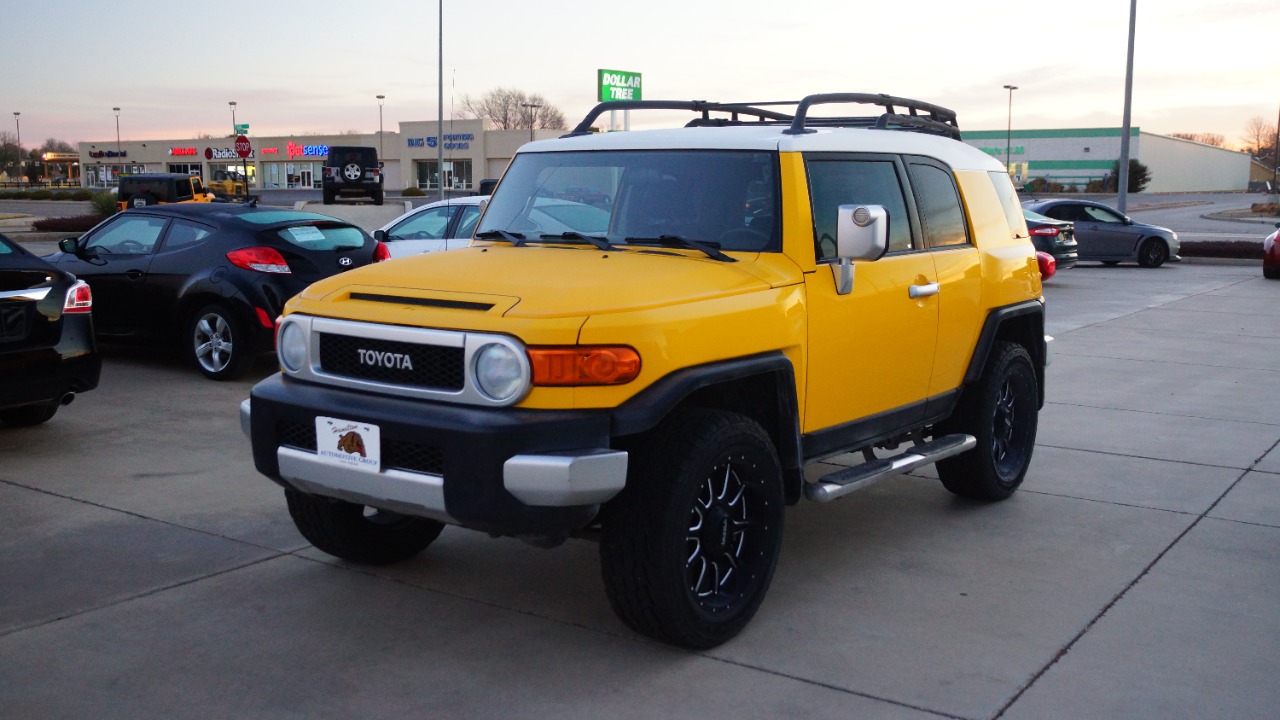
The FJ Cruiser’s retro styling polarized buyers early on. Sales fluctuated, and some questioned its long-term appeal.
After discontinuation, collectors and off-road enthusiasts drove up demand. Its durability and distinctive design now command strong resale values.
Subaru Forester XT (Early 2000s)
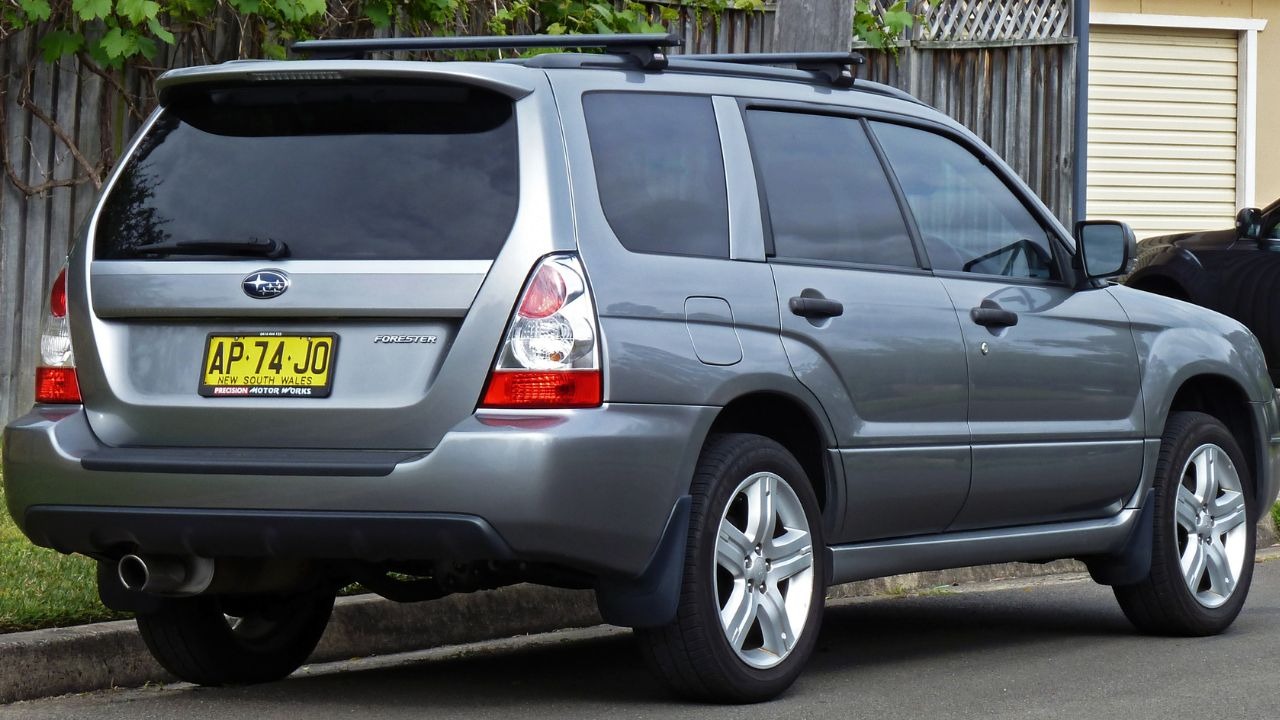
The turbocharged Forester XT blended wagon practicality with surprising performance. Many saw it simply as a practical family vehicle.
Collectors eventually noticed its sleeper appeal and limited availability. Unmodified examples have grown harder to find.der trend: collectors are increasingly valuing authenticity and lived‑in history over traditional notions of prestige.
More from Fast Lane Only