Some cars spend years serving as daily transportation before collectors suddenly recognize their importance. As demand increases and surviving examples become rarer, prices often rise dramatically. Owners who once drove these vehicles regularly frequently begin limiting their use, choosing preservation over mileage as their cars transform from transportation into valuable collector assets.
Buick Grand National
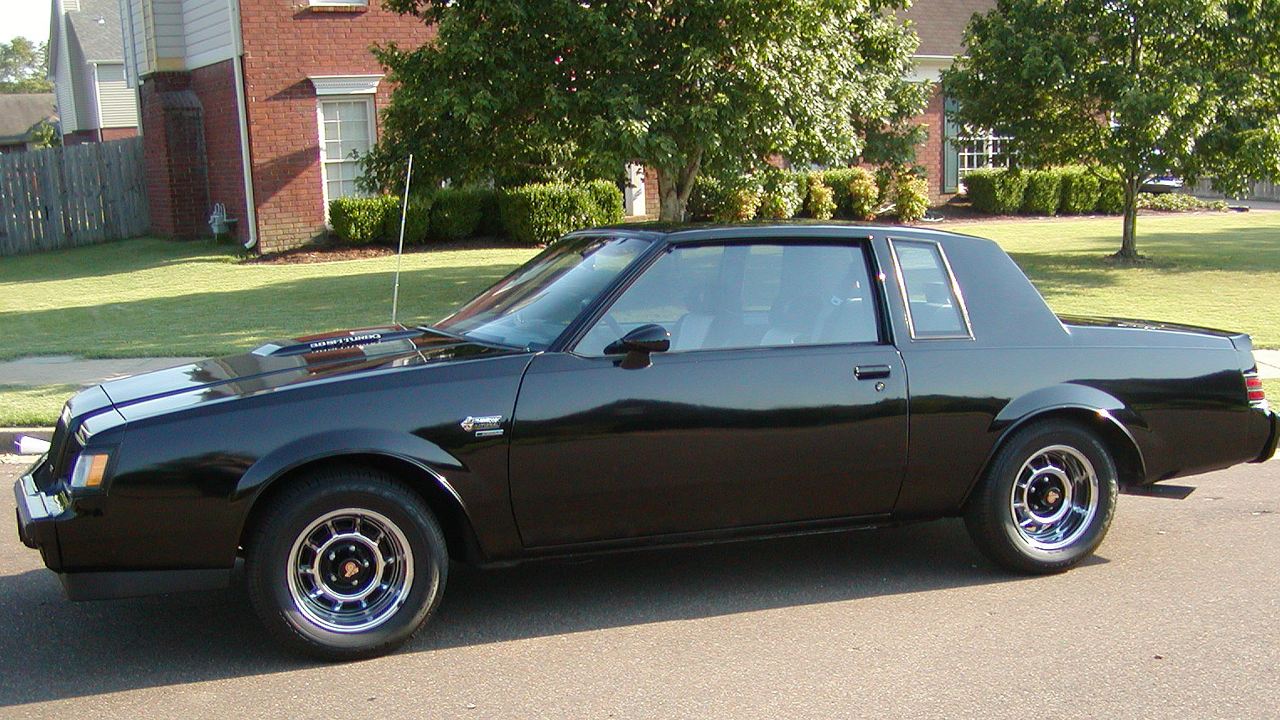
The Buick Grand National spent years as an affordable performance car before collectors fully appreciated its significance. Its turbocharged V6 delivered impressive power, helping it earn a reputation as one of the most formidable American cars of the 1980s. As values climbed and clean examples became harder to find, many owners reduced road use considerably. Today, well-preserved Grand Nationals are often reserved for shows and special events rather than regular driving.
Toyota Supra Mk4
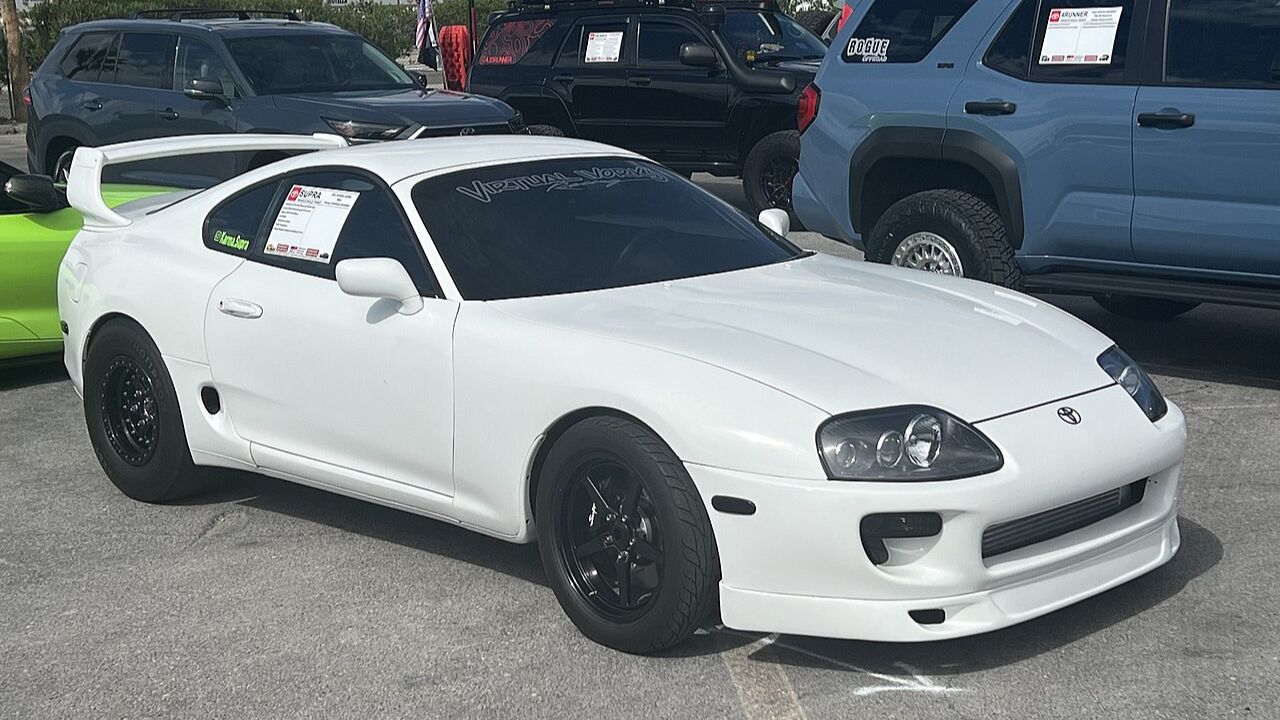
The Toyota Supra Mk4 became one of the most desirable Japanese performance cars ever built. Its legendary 2JZ engine and strong aftermarket support attracted enthusiasts worldwide. As collector demand increased, prices surged beyond what many expected. Owners who once modified and drove their Supras frequently began preserving original examples instead. Rising values encouraged careful storage and limited mileage, turning many cars into prized investments rather than weekend toys.
Chevrolet Chevelle SS 454
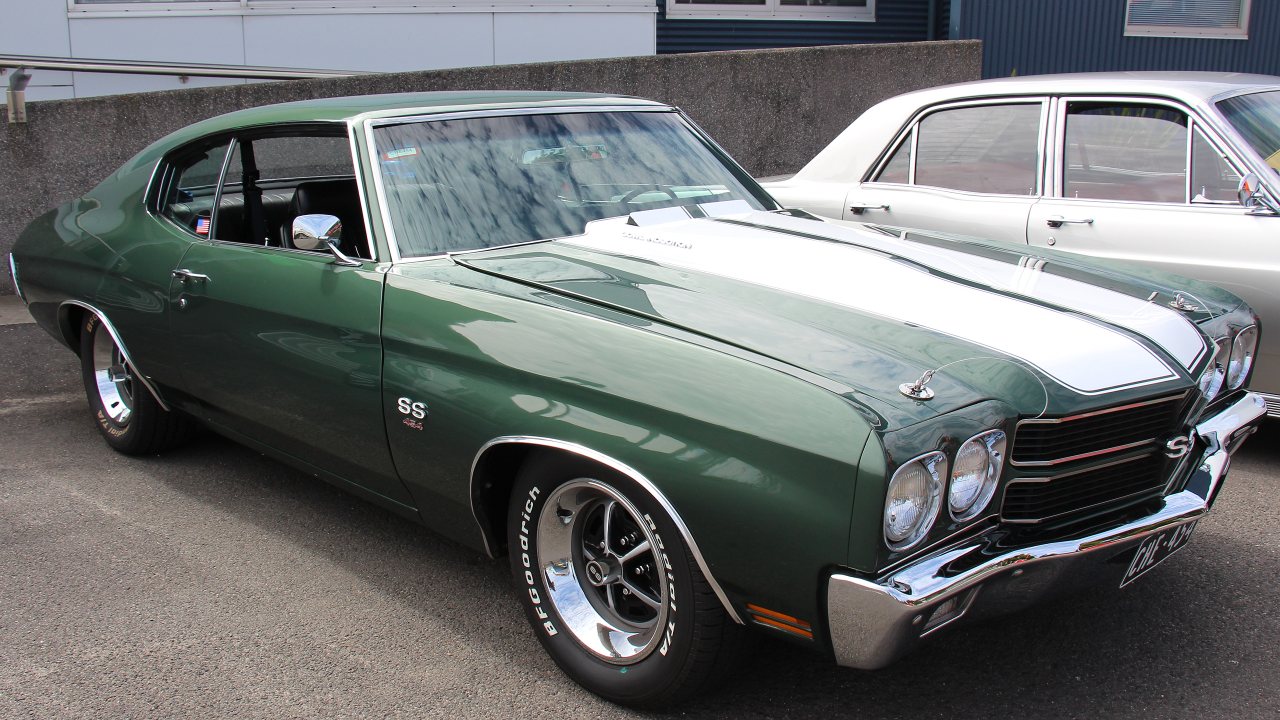
The Chevrolet Chevelle SS 454 earned muscle car fame through its aggressive styling and massive big-block power. During earlier decades, many examples were simply enjoyed as fast street machines. However, growing collector interest steadily pushed prices higher. Owners became increasingly cautious about exposing these valuable cars to accidents or wear. Today, many original SS 454 models spend more time at car shows and auctions than on public roads.
Acura NSX
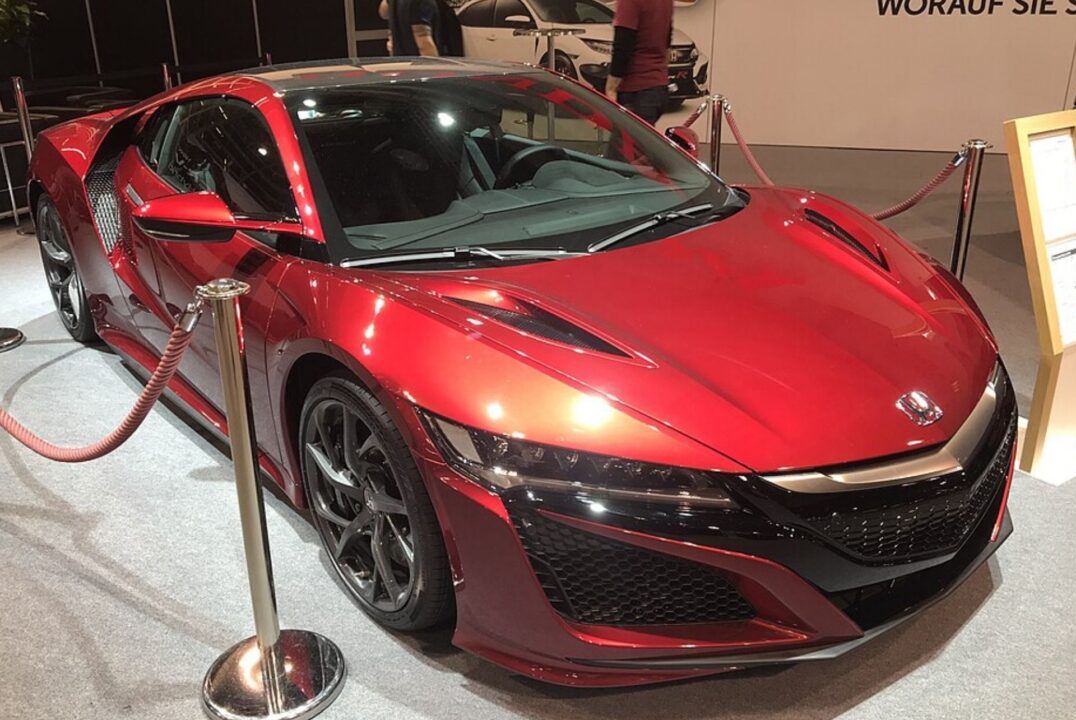
The Acura NSX combined exotic styling and performance with Honda reliability, creating a unique sports car experience. For years, enthusiasts appreciated its usability and regularly drove them. As collectors began recognizing its historical significance and limited production numbers, values increased substantially. Owners who once accumulated thousands of miles each year often shifted toward preservation. Many examples now live carefully protected lives, appearing only occasionally on the road.
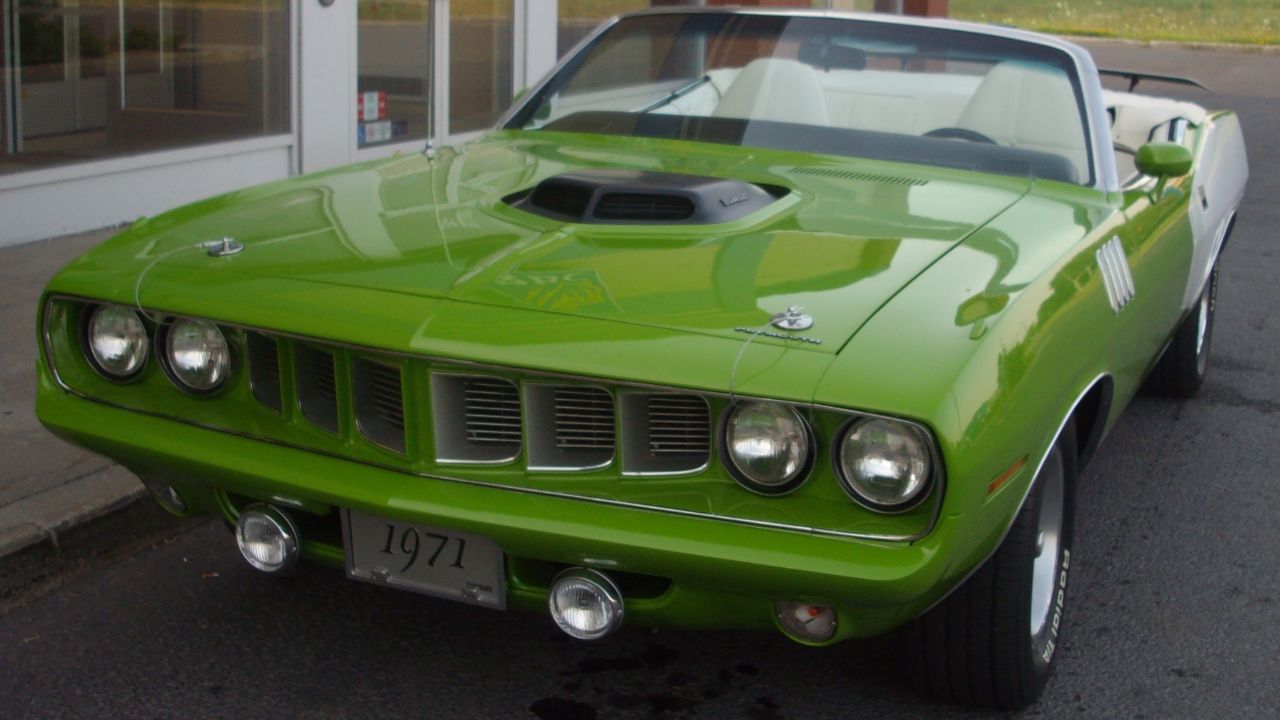
Plymouth ‘Cuda
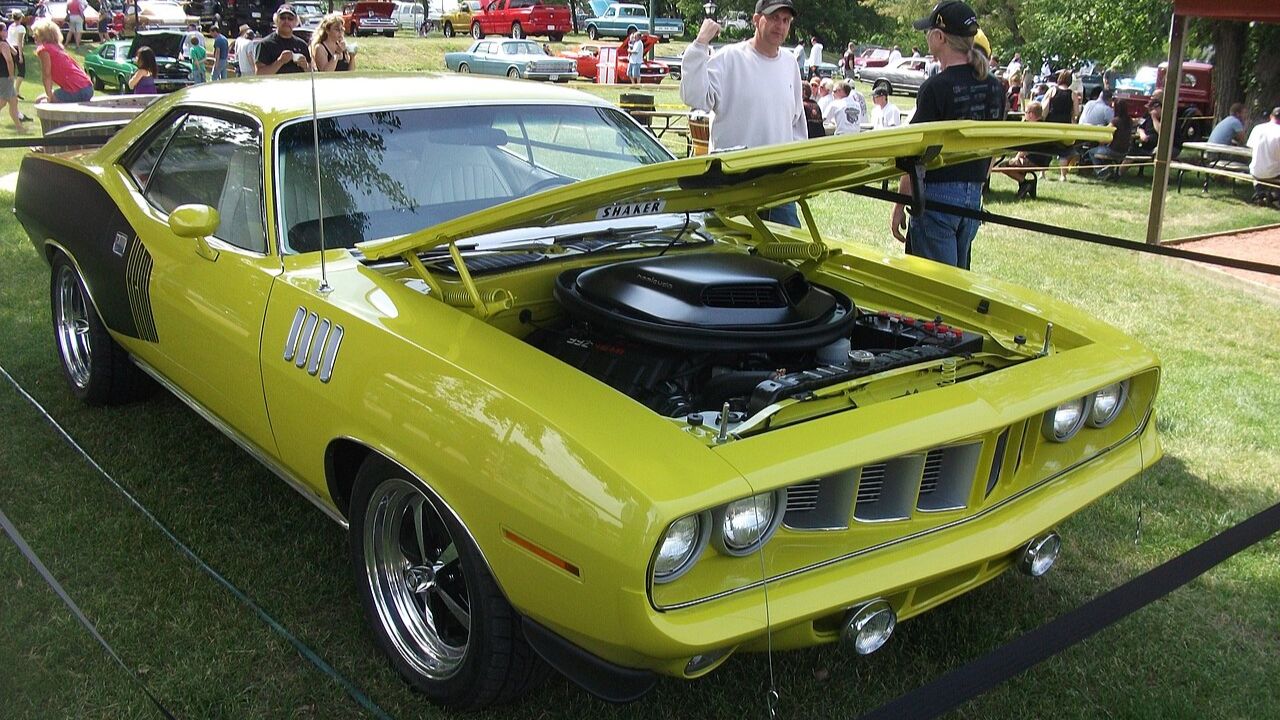
The Plymouth ‘Cuda became one of the most sought-after muscle cars in the collector market. High-performance variants equipped with powerful engines attracted serious attention from enthusiasts and investors alike. As auction prices reached remarkable levels, owners grew reluctant to expose their cars to unnecessary risks. Frequent driving became less common as preservation became a priority. Today, many pristine examples are treated more like historical artifacts than transportation.
BMW E30 M3

The BMW E30 M3 began life as a homologation special but eventually earned legendary status among enthusiasts. Known for its balanced handling and motorsport heritage, it was once driven enthusiastically on both roads and racetracks. As collector demand intensified, values climbed dramatically. Owners became increasingly protective of surviving examples, limiting mileage and avoiding harsh conditions. Many E30 M3s now spend far more time in garages than on winding roads.
Datsun 240Z
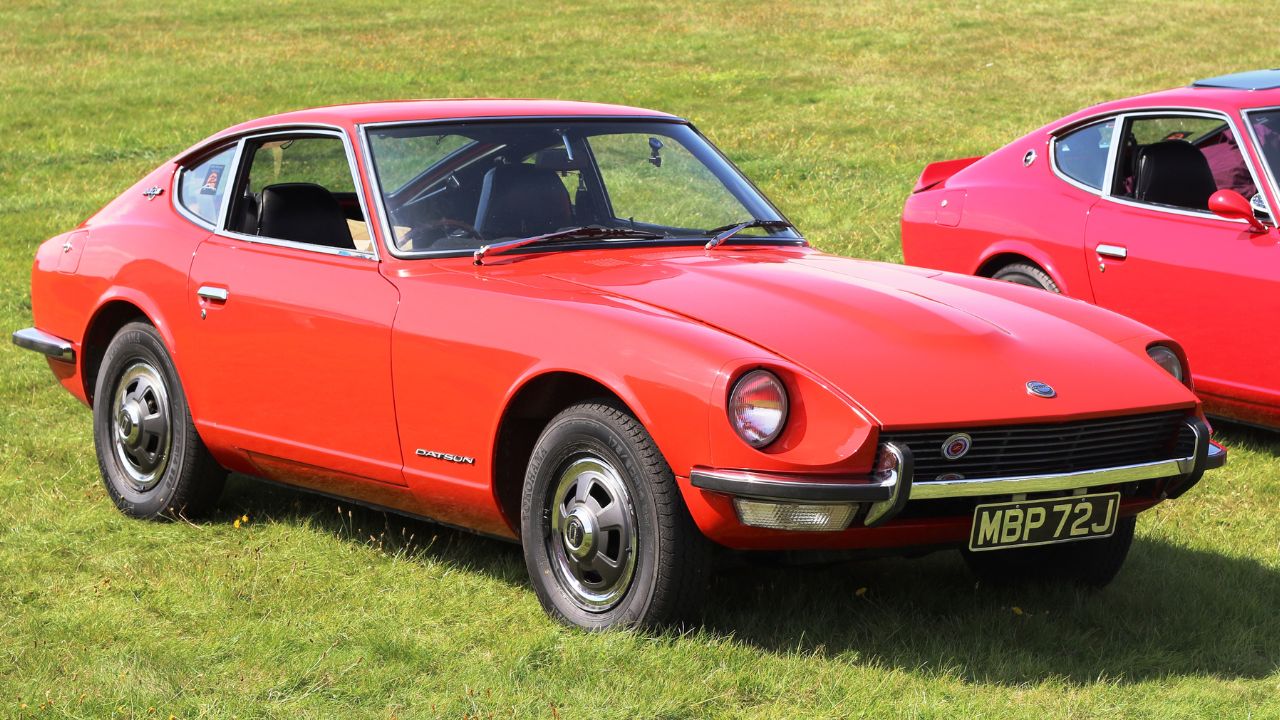
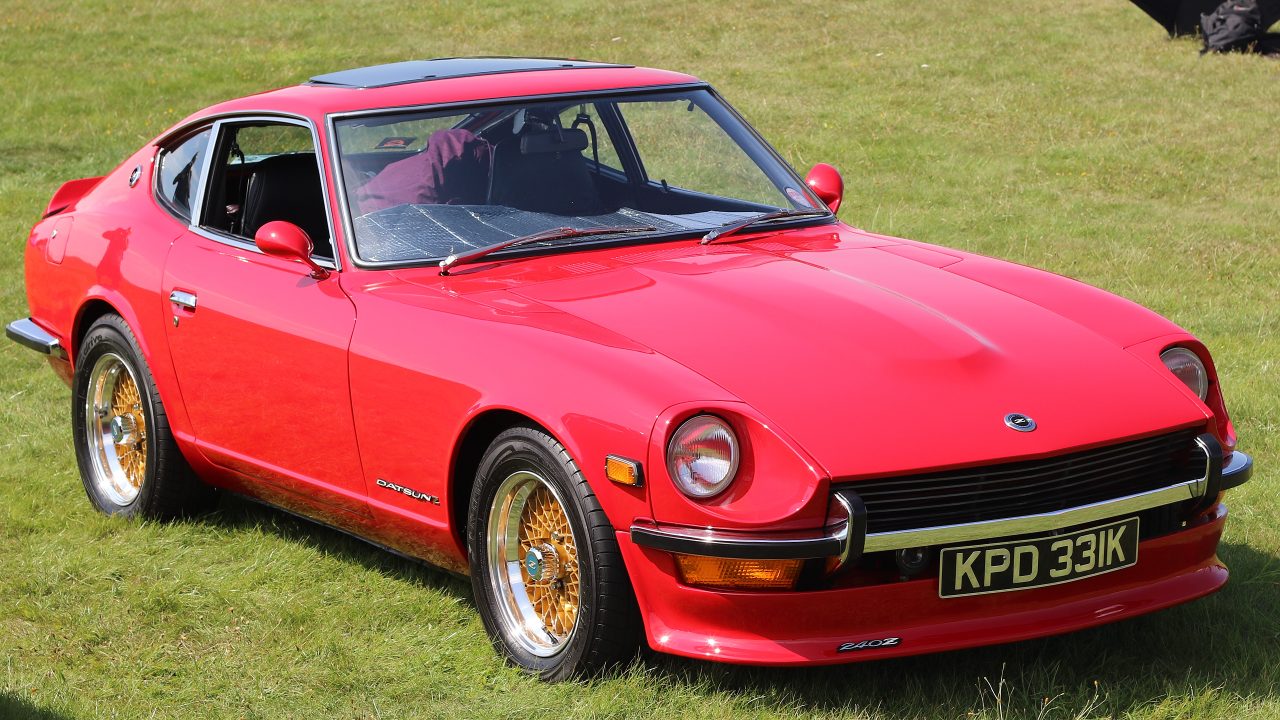
The Datsun 240Z helped establish Japanese sports cars as legitimate competitors in global markets. Its attractive design and enjoyable driving dynamics earned widespread praise. Over the years, surviving original examples became increasingly rare, fueling collector interest. Rising values encouraged owners to preserve rather than heavily use their vehicles. As a result, many carefully maintained 240Zs are now driven sparingly, ensuring their condition remains intact for future generations.
Ford Bronco First Generation
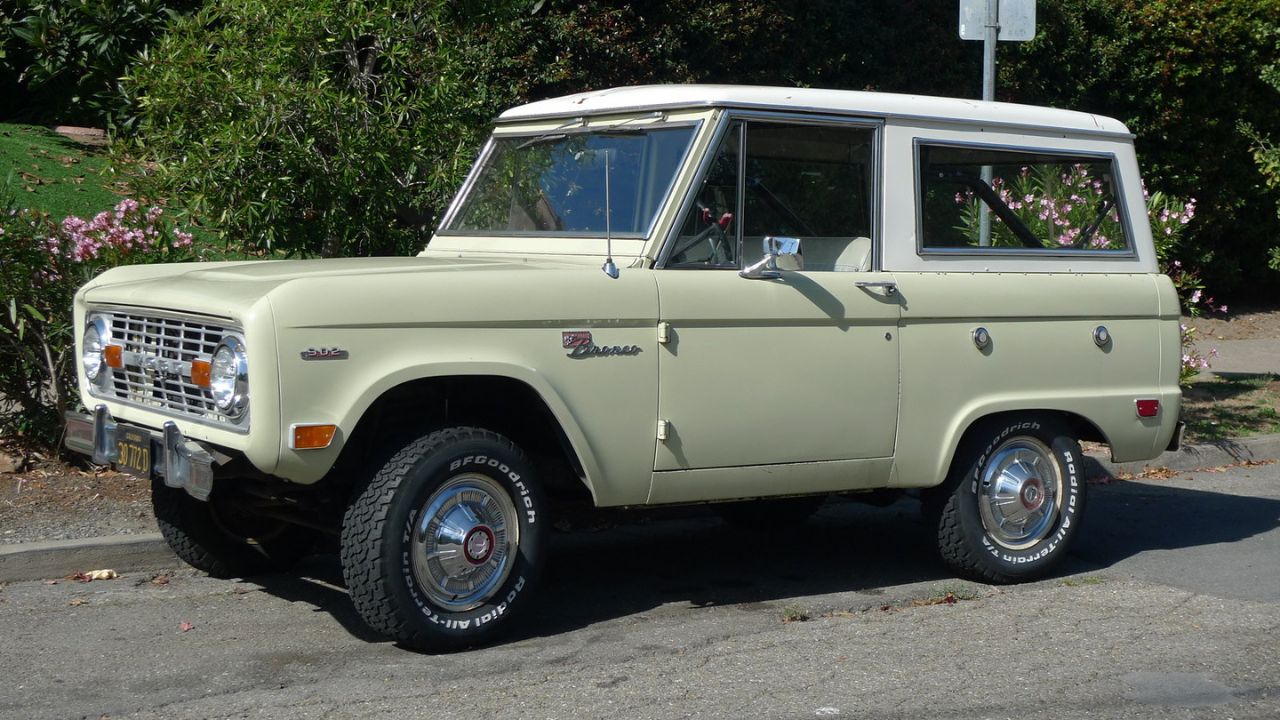
The first-generation Ford Bronco was originally built as a rugged off-road utility vehicle. Decades later, it became one of the hottest collectibles in the classic truck market. Restoration costs and rising auction results dramatically changed ownership habits. Many owners who once tackled trails and outdoor adventures began prioritizing preservation. As values continued climbing, these Broncos increasingly appeared at collector events instead of challenging off-road environments.
Pontiac Trans Am SD-455
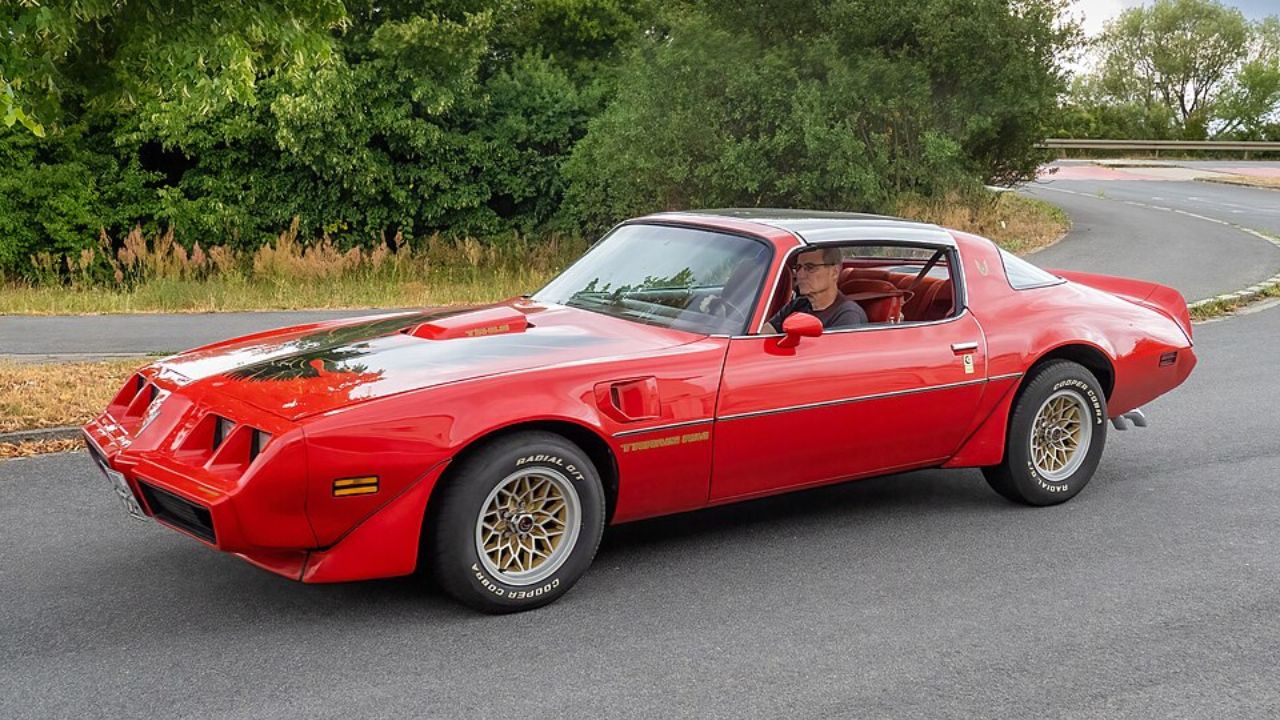
The Pontiac Trans Am SD-455 earned legendary status because of its rarity and exceptional performance during the final years of the muscle car era. Collectors eventually recognized its importance, driving values steadily upward. Owners became increasingly cautious about adding mileage or risking damage to such a desirable vehicle. Today, many surviving SD-455 models are carefully maintained and rarely driven, reflecting their position among Pontiac’s most valuable collector cars.
More from Fast Lane Only
- Unboxing the WWII Jeep in a Crate
- 15 rare Chevys collectors are quietly buying
- 10 underrated V8s still worth hunting down
- Police notice this before you even roll window down
*Research for this article included AI assistance, with all final content reviewed by human editors