Muscle cars have always captivated enthusiasts with their raw power and classic appeal. Some models, however, went above and beyond, delivering performance that exceeded expectations and often their official specs. Here’s a look at nine classic muscle cars that brought more to the table than what was promised on paper.
1969 Chevrolet Camaro ZL1
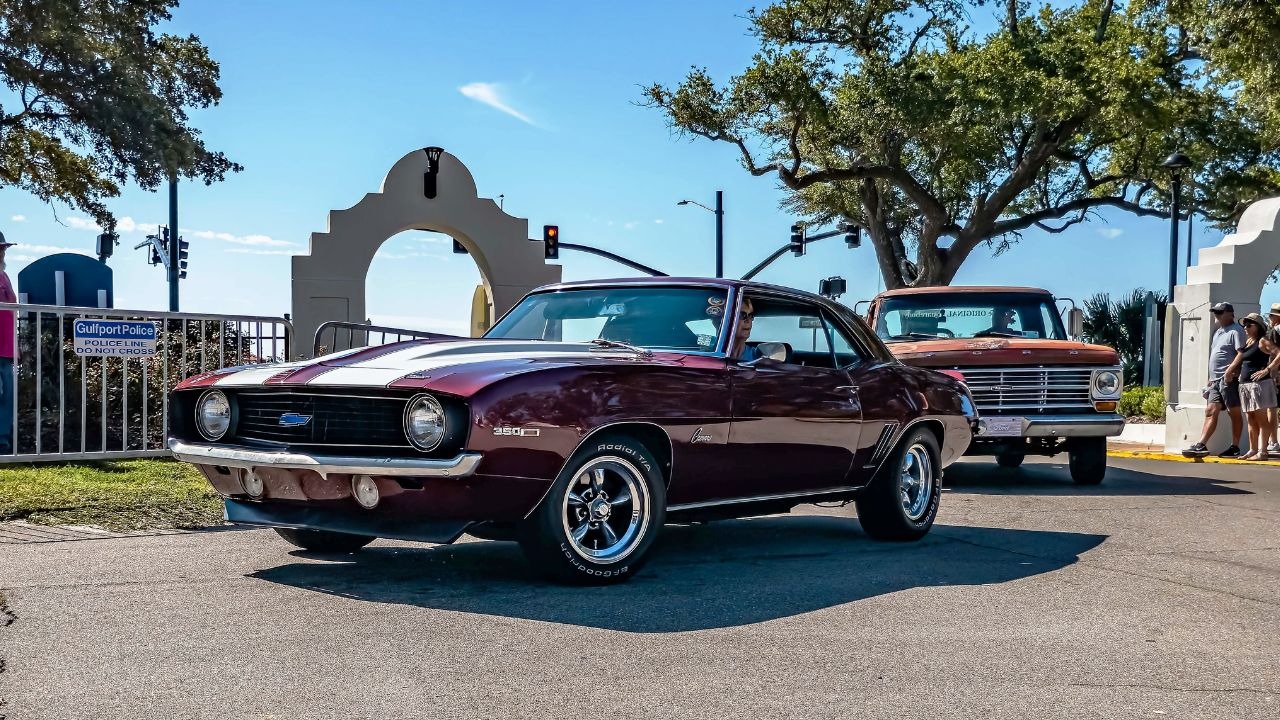
The 1969 Chevrolet Camaro ZL1 was a beast that truly defied the norms of its time. Originally intended for drag racing, Chevrolet only produced 69 units, making it a rare find. Under the hood, it housed an all-aluminum 427 cubic inch V8 engine, which was conservatively rated at 430 horsepower. In reality, the ZL1 cranked out closer to 500 horsepower, making it a force to be reckoned with on and off the track.
Beyond its incredible power, the Camaro ZL1 boasted a lightweight design that enhanced its performance even further. The car was stripped of unnecessary features to shed weight, and its aluminum engine contributed to a power-to-weight ratio that was hard to beat. Collectors and enthusiasts alike continue to admire this iconic model for its unparalleled might and rarity.
1970 Plymouth Hemi ‘Cuda

The 1970 Plymouth Hemi ‘Cuda is a name that sends shivers down the spine of car enthusiasts. The ‘Cuda came equipped with a 426 Hemi V8 engine, which was advertised at 425 horsepower. However, insiders and experts widely agreed that the actual output was significantly higher, making it one of the most potent muscle cars of its era.
This car wasn’t just about raw power; it also featured a striking design that turned heads everywhere it went. The ‘Cuda’s aggressive styling, complete with the iconic shaker hood, meant it looked as fierce as it performed. The Hemi ‘Cuda remains a coveted piece of automotive history, celebrated for its performance and aesthetic impact.
1968 Ford Mustang Cobra Jet
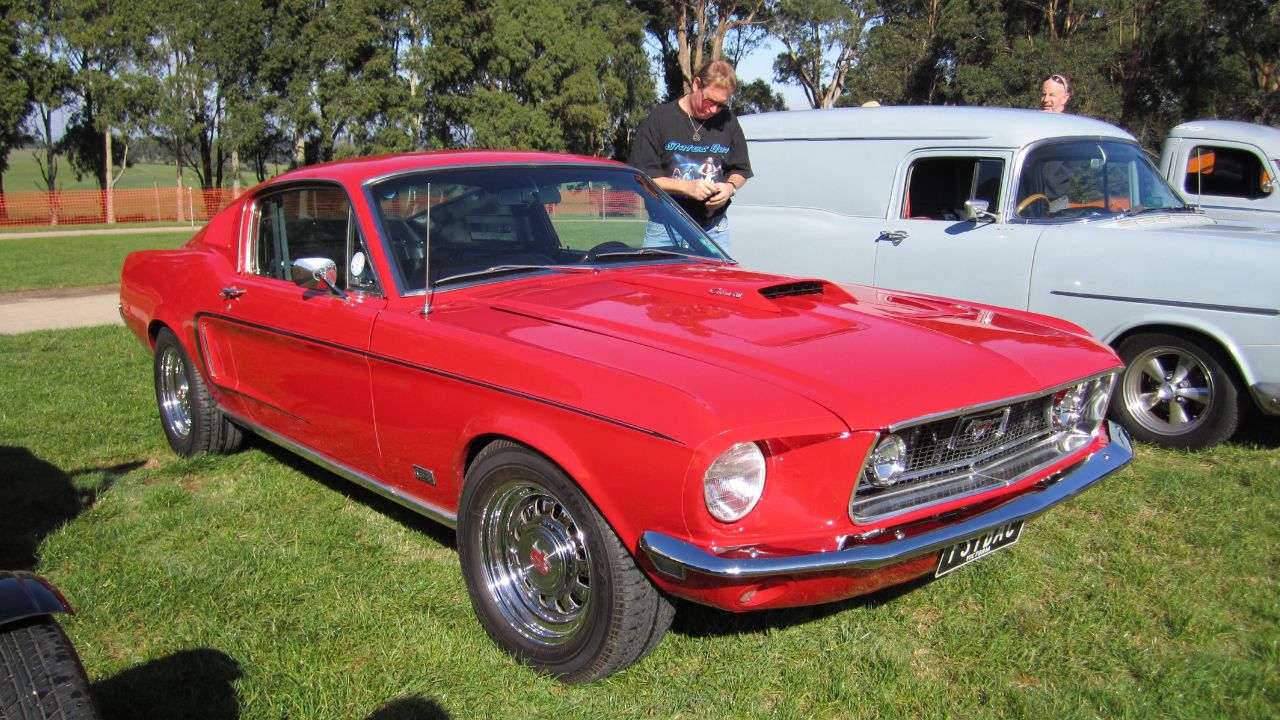
The 1968 Ford Mustang Cobra Jet took the Mustang legacy to new heights. Introduced in response to growing competition, the Cobra Jet was built for speed and power. It featured a 428 cubic inch V8 engine, which Ford conservatively rated at 335 horsepower. However, real-world performance tests suggested the Cobra Jet delivered closer to 400 horsepower, shocking even the skeptics.
This muscle car was designed with drag racing in mind, and it showed in every detail. With reinforced suspension and heavy-duty components, the Cobra Jet was a drag strip monster. Its understated power and agility helped redefine what the Mustang could achieve, cementing its place in muscle car lore.
1970 Buick GSX Stage 1
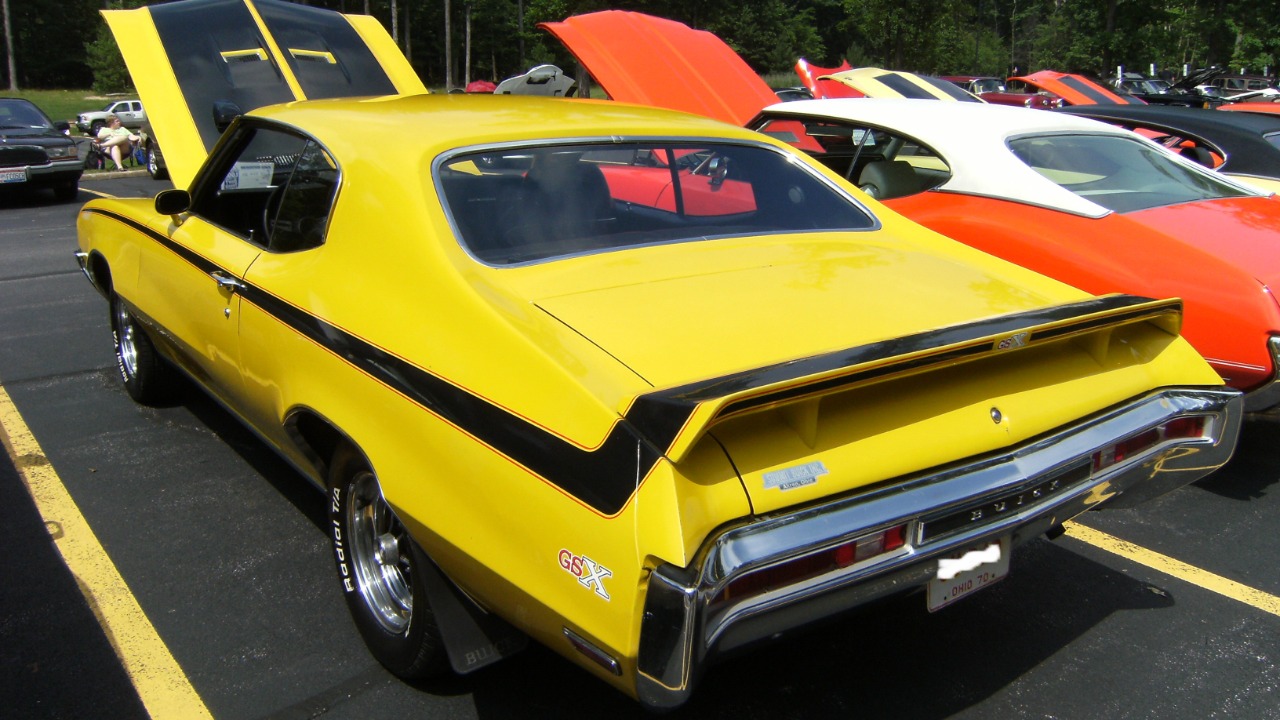
The 1970 Buick GSX Stage 1 may not be the first name that comes to mind when thinking of muscle cars, but it delivered performance that could rival the best. With a 455 cubic inch V8 engine under the hood, it was officially rated at 360 horsepower. However, aficionados and historians agree that the GSX Stage 1 was capable of far more, with horsepower figures approaching the 400 mark.
What set the GSX Stage 1 apart was its ability to combine luxury with performance. The car offered a comfortable ride with high-end interiors, all while packing a punch under the hood. This dual personality made it a favorite among those who wanted power without sacrificing comfort.
1969 Dodge Charger Daytona
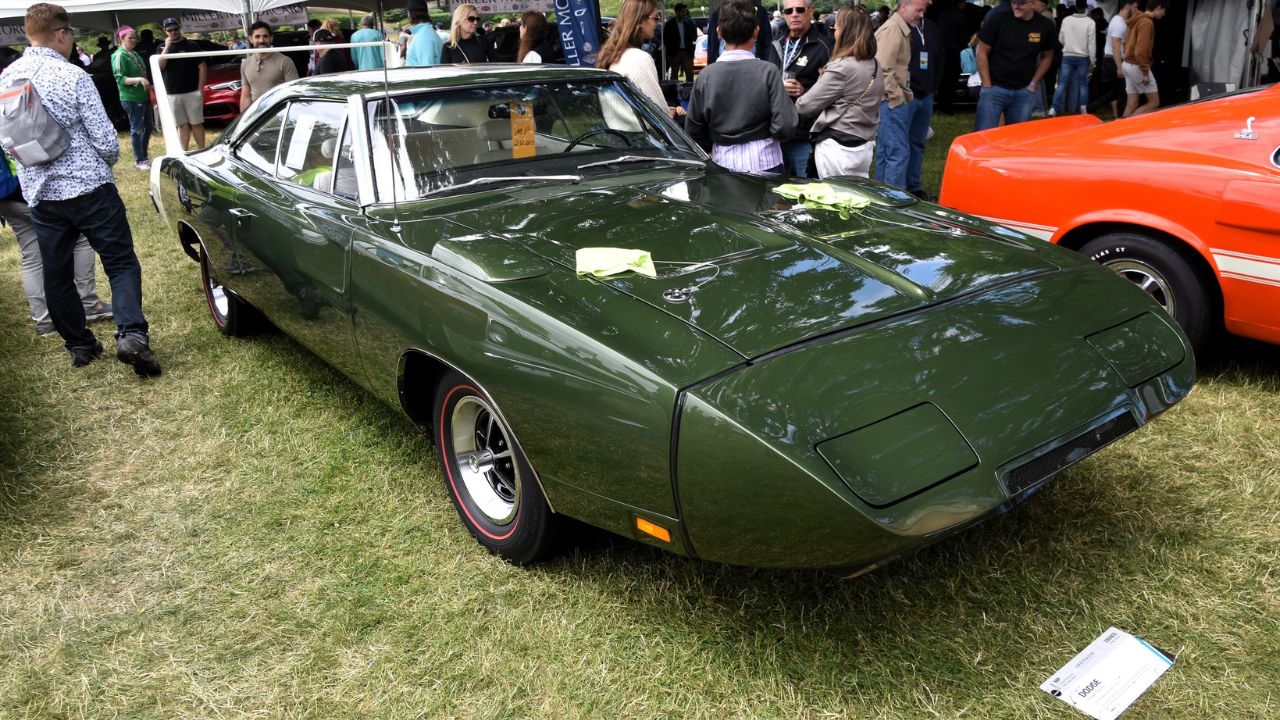
The 1969 Dodge Charger Daytona was a revolutionary car that was born out of necessity for NASCAR dominance. With its distinctive nose cone and rear wing, the Daytona wasn’t just a looker; it was designed for high-speed stability. Underneath its aerodynamic body, it packed a 440 Magnum V8 engine, rated at 375 horsepower, though actual output was often higher.
The Daytona’s racing pedigree was evident, as it was one of the first cars to break the 200 mph barrier on the track. Its unique design and impressive performance made it an instant classic, and it continues to be a symbol of Dodge’s commitment to high-performance vehicles.
1971 AMC Javelin AMX

The 1971 AMC Javelin AMX may not have had the same level of fame as some of its contemporaries, but it delivered surprising performance. Powered by a 401 cubic inch V8, it was officially rated at 330 horsepower. However, enthusiasts often found it capable of much more, making it a dark horse in the muscle car scene.
With its bold styling and competitive pricing, the Javelin AMX carved out a niche for itself among muscle car fans. It managed to combine style, performance, and affordability in a way that few others could, earning it a loyal following that persists to this day.
1965 Pontiac GTO

Often credited as the car that kicked off the muscle car era, the 1965 Pontiac GTO was a trendsetter. It featured a 389 cubic inch V8 engine with a Tri-Power carburetor setup, rated at 360 horsepower. Yet, many believed the GTO’s true power output was significantly higher, making it a formidable opponent on the street and strip.
The GTO’s appeal lay in its combination of power, style, and affordability. It was the car that made performance accessible to the masses, and its success inspired a generation of muscle cars. Its legacy lives on as one of the most iconic models to ever hit the road.
1971 Oldsmobile 442 W-30

The 1971 Oldsmobile 442 W-30 was a muscle car that delivered more than its understated looks might suggest. Equipped with a 455 cubic inch V8 engine, it was rated at 350 horsepower, though many believed it produced closer to 400. This made the 442 W-30 a sleeper hit among muscle car enthusiasts.
Beyond its powerful engine, the 442 W-30 boasted a performance package that included a fiberglass hood, aluminum intake manifold, and a special camshaft. This attention to detail helped it achieve performance levels that went well beyond its official specifications, earning it a place among the muscle car elite.
1969 Shelby GT500
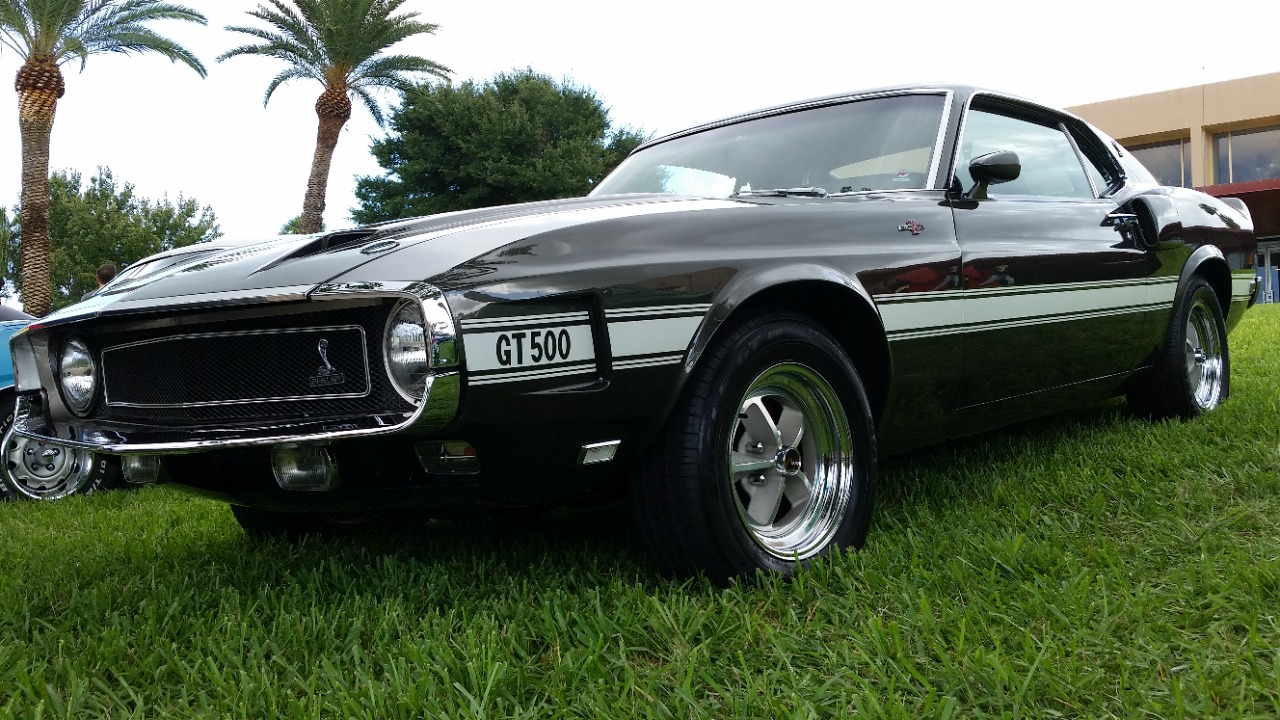
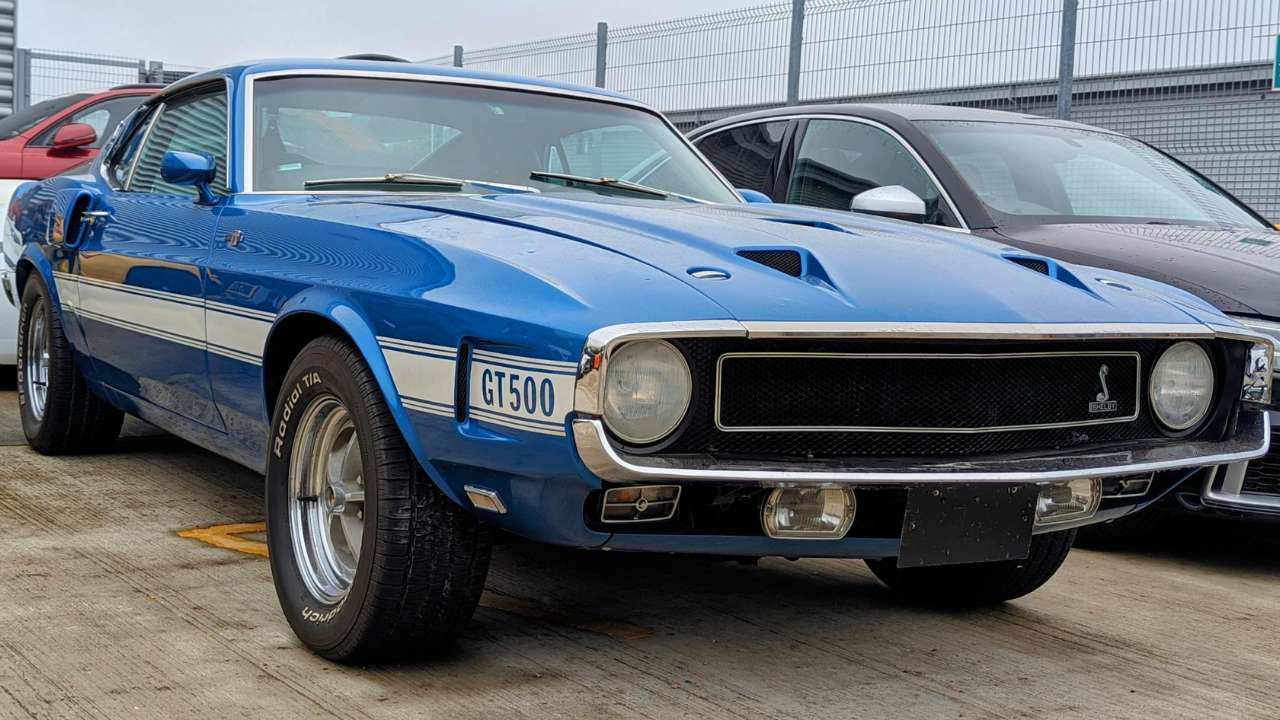
The 1969 Shelby GT500 was the epitome of muscle car performance in its day. It featured a 428 Cobra Jet V8 engine, officially rated at 335 horsepower, though real-world figures often exceeded 400. This raw power made the GT500 a standout in the muscle car world.
Beyond its impressive performance, the GT500 was known for its striking design and Shelby-specific touches. From the aggressive front end to the unique rear styling, it was a car that demanded attention. The GT500 remains a highly sought-after model, revered for both its performance and its role in automotive history.
More from Fast Lane Only