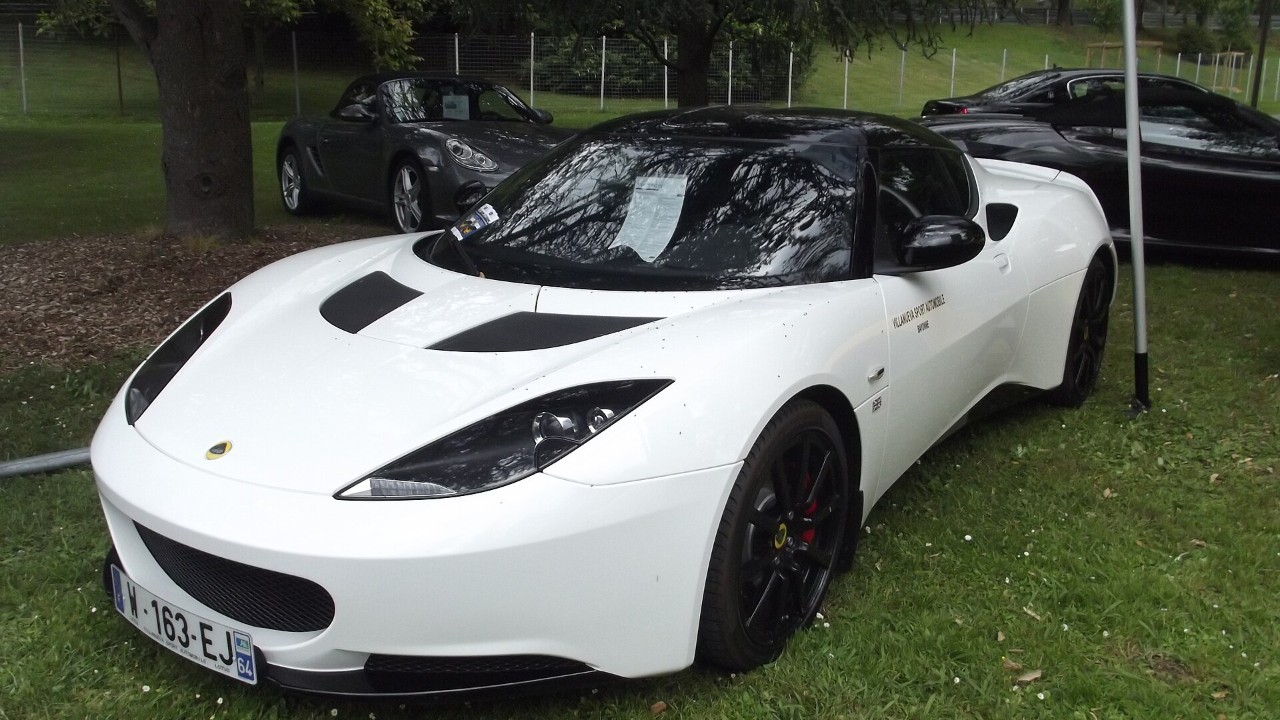
The mid-1970s and early 1980s are often criticized as the dark years of American performance, but not every muscle car surrendered quietly. Even as emissions regulations, rising insurance costs, and fuel concerns reduced horsepower across Detroit, some manufacturers still fought to preserve excitement. These overlooked machines carried the muscle-car spirit through difficult years and deserve far more respect than they usually receive today.
Pontiac Can Am 400
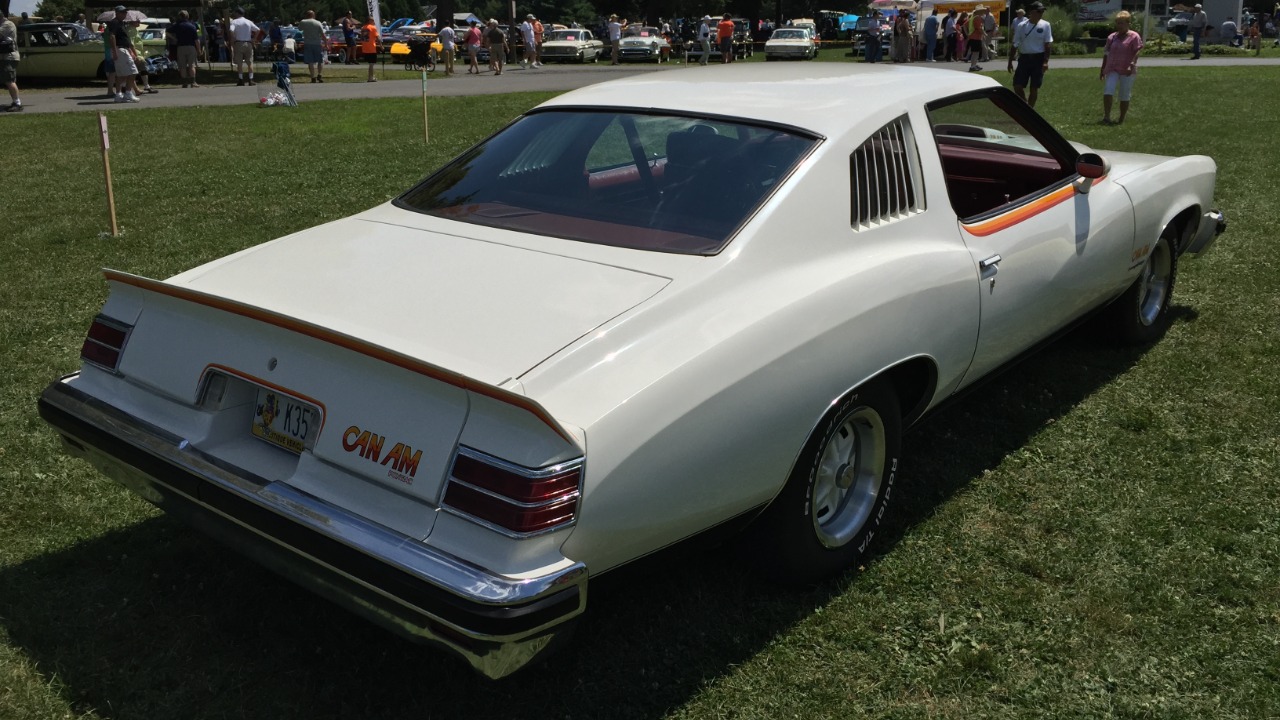
The Pontiac Can Am 400 proved Pontiac still cared about muscle-car attitude during the late 1970s. Based on the LeMans platform, the Can Am featured aggressive graphics, functional styling upgrades, and a strong 400 cubic-inch V8 that delivered respectable torque for the emissions era. Enthusiasts appreciated its bold personality and unmistakable street presence at a time when many competitors felt watered down. Its rarity and underdog reputation continue increasing appreciation among collectors today.
Dodge Aspen Super Coupe
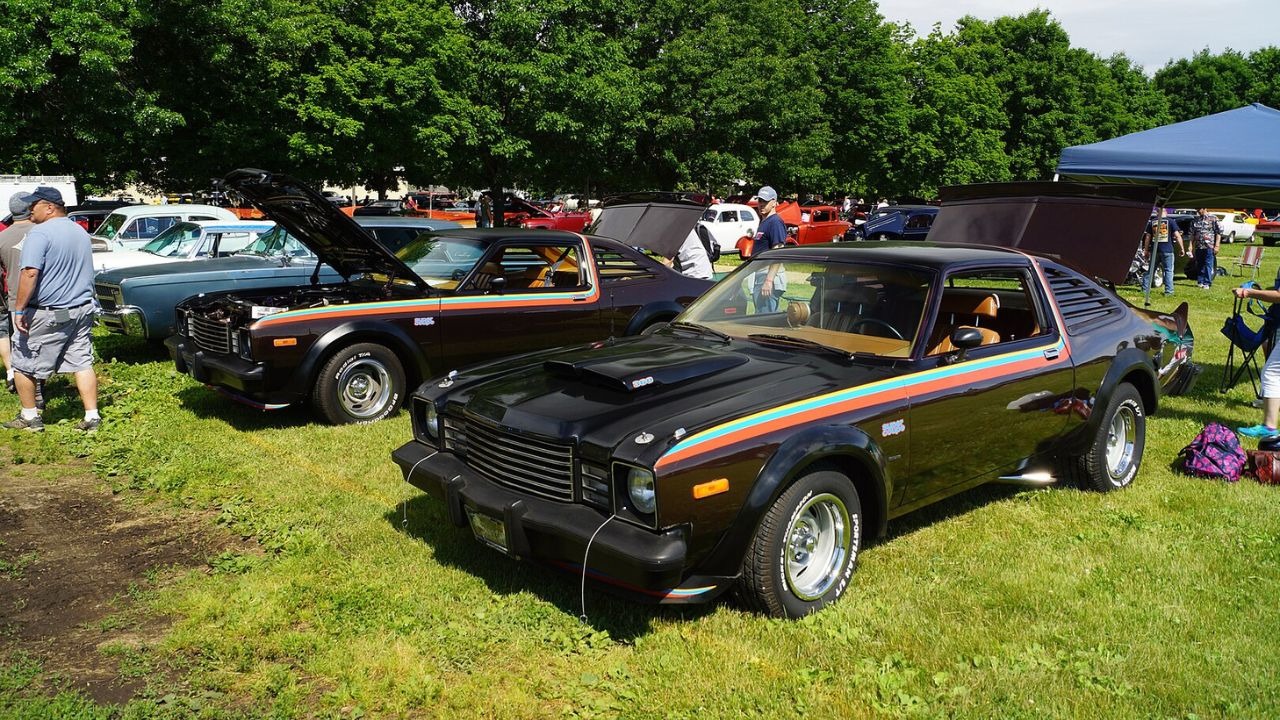
The Dodge Aspen Super Coupe fought to keep Mopar performance alive by combining sporty suspension tuning with available V8 power and bold appearance packages. While horsepower numbers no longer matched the peak muscle-car years, the Aspen Super Coupe still delivered entertaining rear-wheel-drive performance and unmistakable Chrysler attitude. Buyers looking for affordable street machines appreciated its aggressive styling and lively handling. Today, it stands as a reminder that Detroit performance culture never disappeared completely.
Chevrolet Laguna S-3
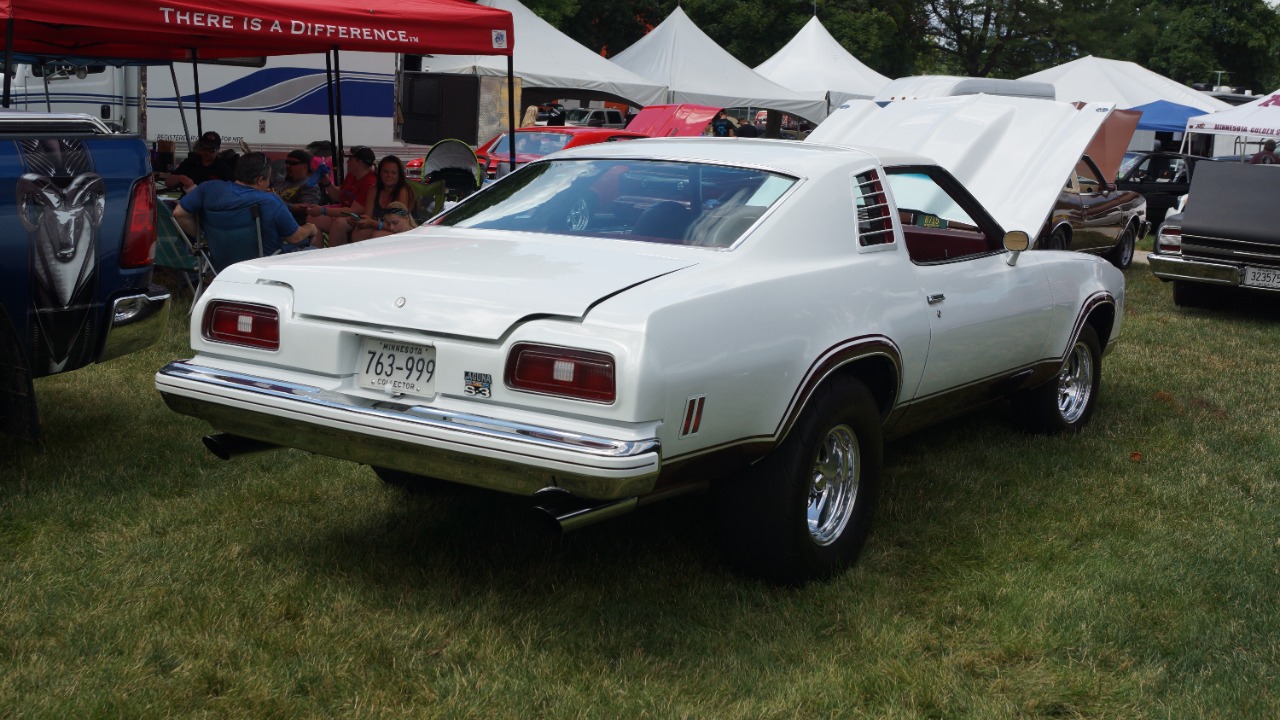
The Chevrolet Laguna S-3 deserves more recognition because its slippery front-end design and NASCAR success gave it serious performance credibility during difficult years for American muscle. Chevrolet paired the dramatic styling with available big-block power and improved road manners, creating a coupe that felt far more capable than many remember. The Laguna’s racing heritage helped preserve enthusiast interest in performance even while emissions regulations dramatically changed Detroit engineering priorities.
AMC Matador Machine
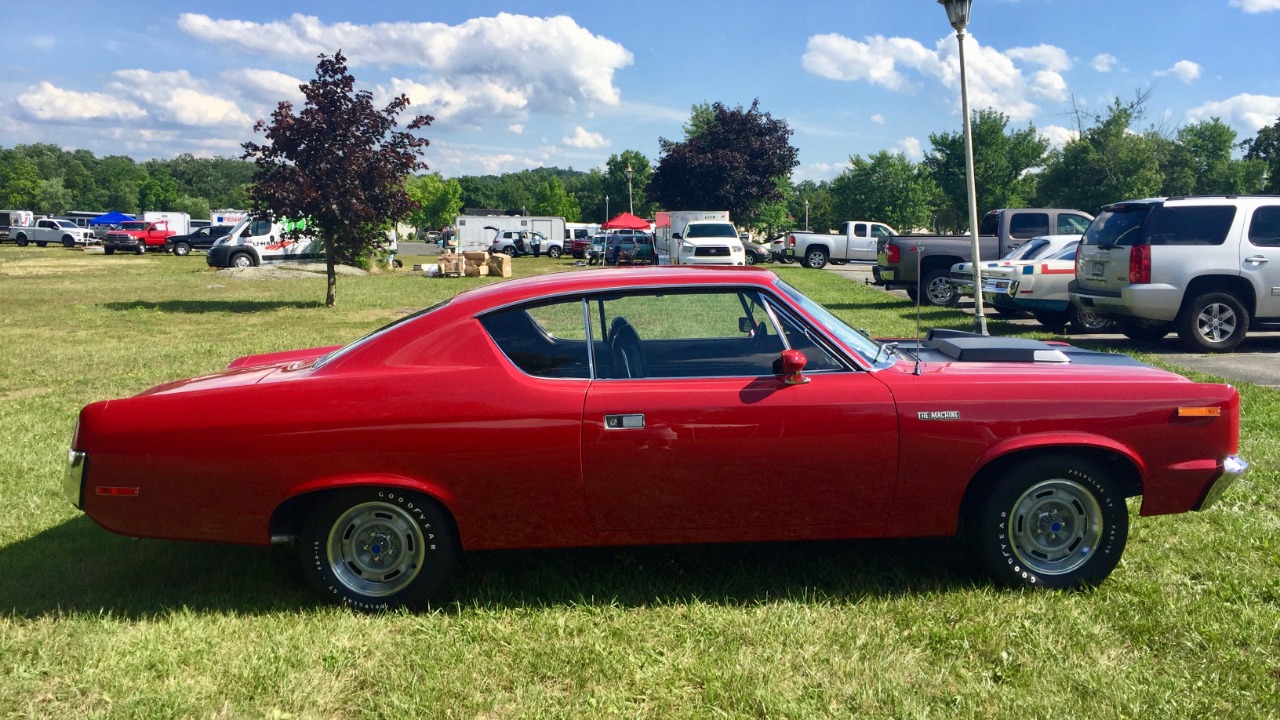
The AMC Matador carried surprising performance spirit into the emissions era thanks to available V8 power and unusually bold styling. AMC refused to completely abandon muscle-car personality, and the Matador’s dramatic body design made it stand apart from increasingly conservative rivals. While often overlooked compared to bigger brands, the car still delivered respectable acceleration and genuine road presence. Its unique appearance and rarity now attract enthusiasts searching for forgotten American performance cars.
Ford Mustang King Cobra
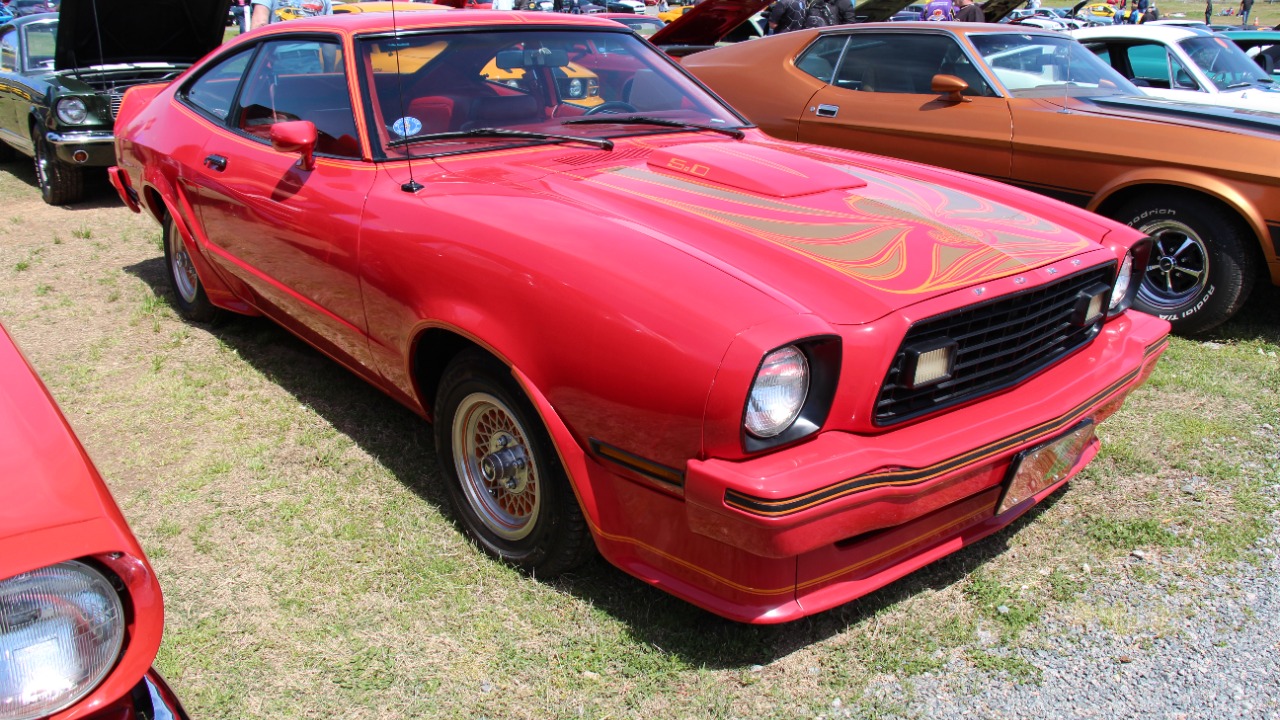
The Ford Mustang King Cobra represented Ford’s determination to keep the Mustang performance image alive despite shrinking horsepower numbers. Featuring aggressive graphics, spoilers, and V8 power, the King Cobra injected attitude into the early Fox-body era before the platform eventually regained serious performance credibility during the 1980s. Enthusiasts now appreciate how the car bridged the gap between classic muscle and modern Mustang development during one of Detroit’s toughest transitions.
Buick Century Turbo Coupe
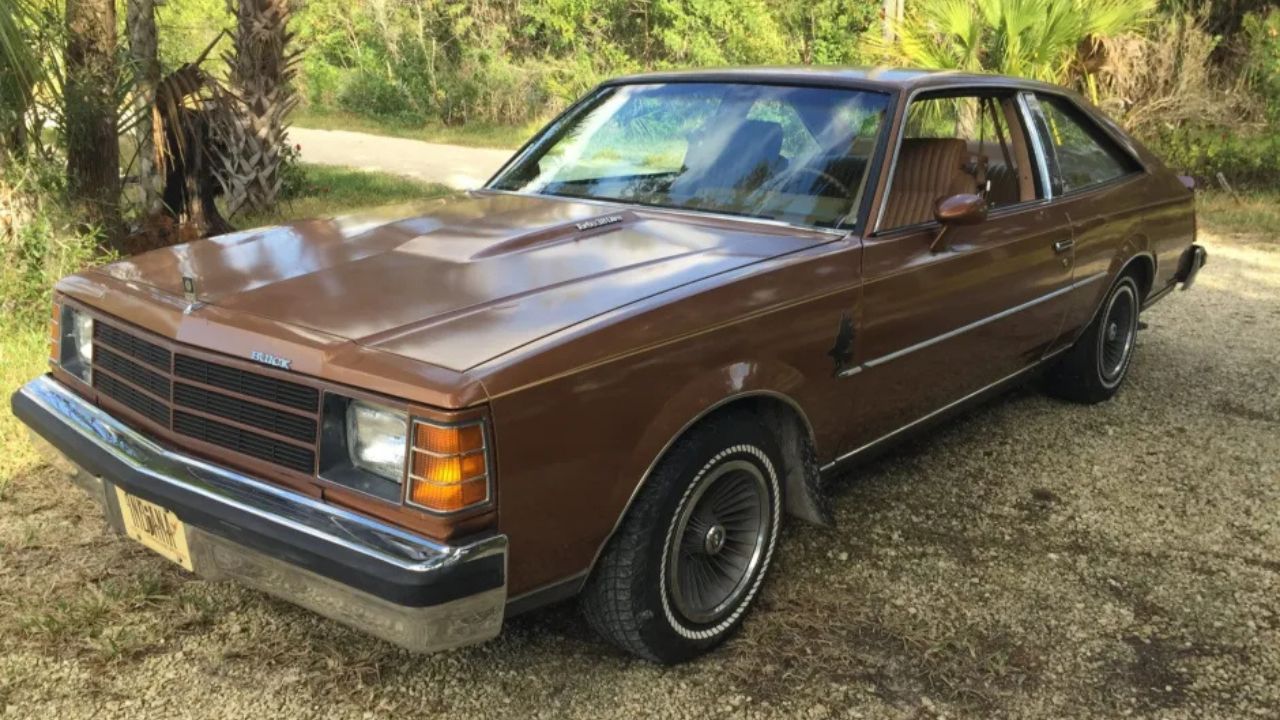
The Buick Century Turbo Coupe demonstrated that American manufacturers were already experimenting with forced induction as a solution to tightening emissions standards. Its turbocharged V6 offered surprisingly strong midrange performance compared to many naturally aspirated rivals of the era. Buick’s willingness to embrace turbocharging helped lay the groundwork for later icons like the Grand National. The Century Turbo Coupe deserves credit for keeping innovation alive when traditional muscle seemed to be fading away.
Plymouth Volaré Road Runner
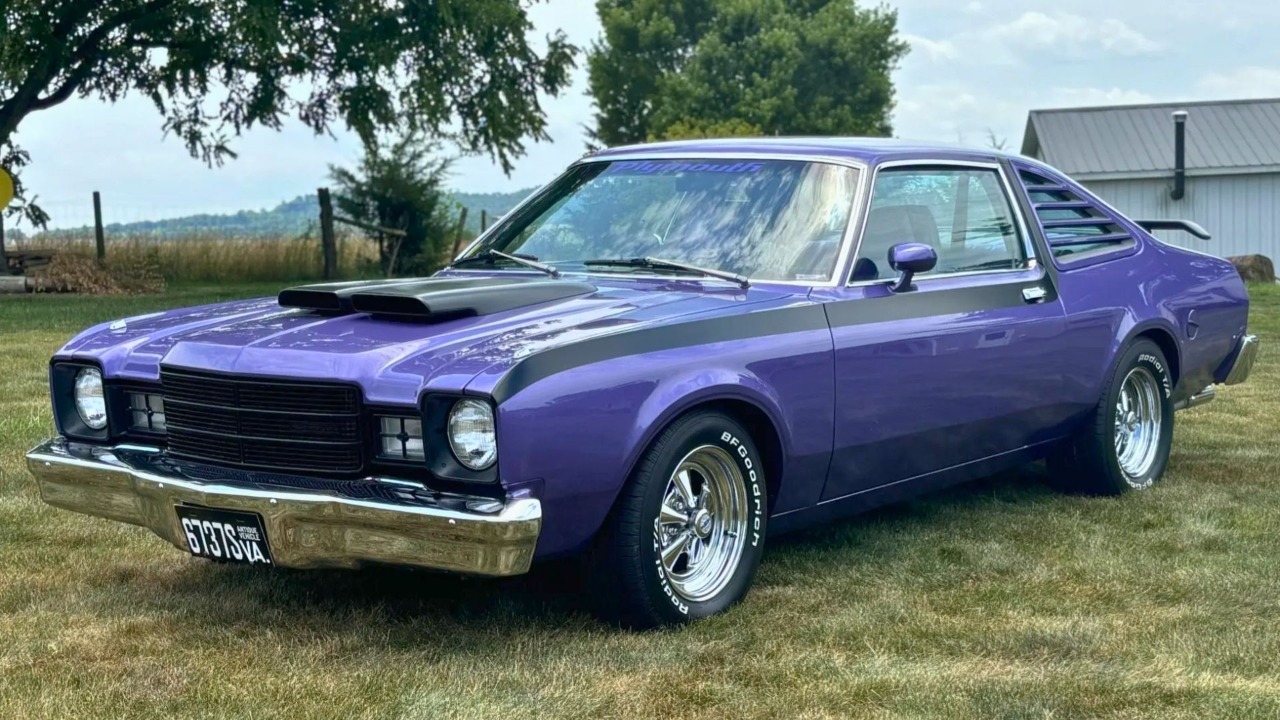
The Plymouth Volaré Road Runner carried one of Mopar’s most respected muscle-car names into an era dominated by regulation and shrinking performance figures. Although less powerful than earlier Road Runners, the Volaré version still offered V8 engines, sporty suspension tuning, and bold graphics that preserved the rebellious spirit of the badge. Enthusiasts today recognize it as an important survival-era muscle car that refused to completely abandon performance identity.
Oldsmobile 442 1977
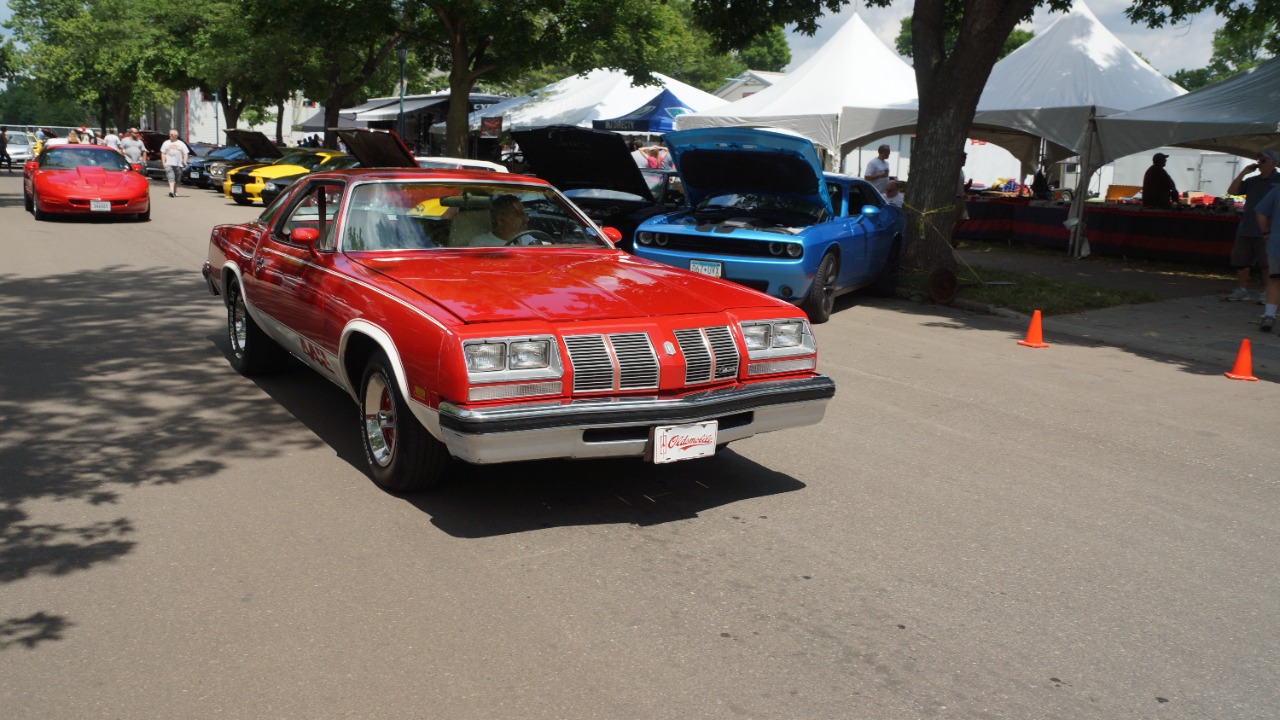
The Oldsmobile 442 1977 fought against the declining performance era by maintaining rear-wheel-drive V8 character and sporty styling when many competitors shifted toward softer luxury themes. Though horsepower had dropped compared to earlier 442 models, the car still delivered strong torque and recognizable Oldsmobile muscle personality. Buyers appreciated its balance of comfort and street performance. Modern enthusiasts increasingly value these cars for preserving traditional muscle-car formula elements during difficult industry changes.
Pontiac Firebird Formula W72
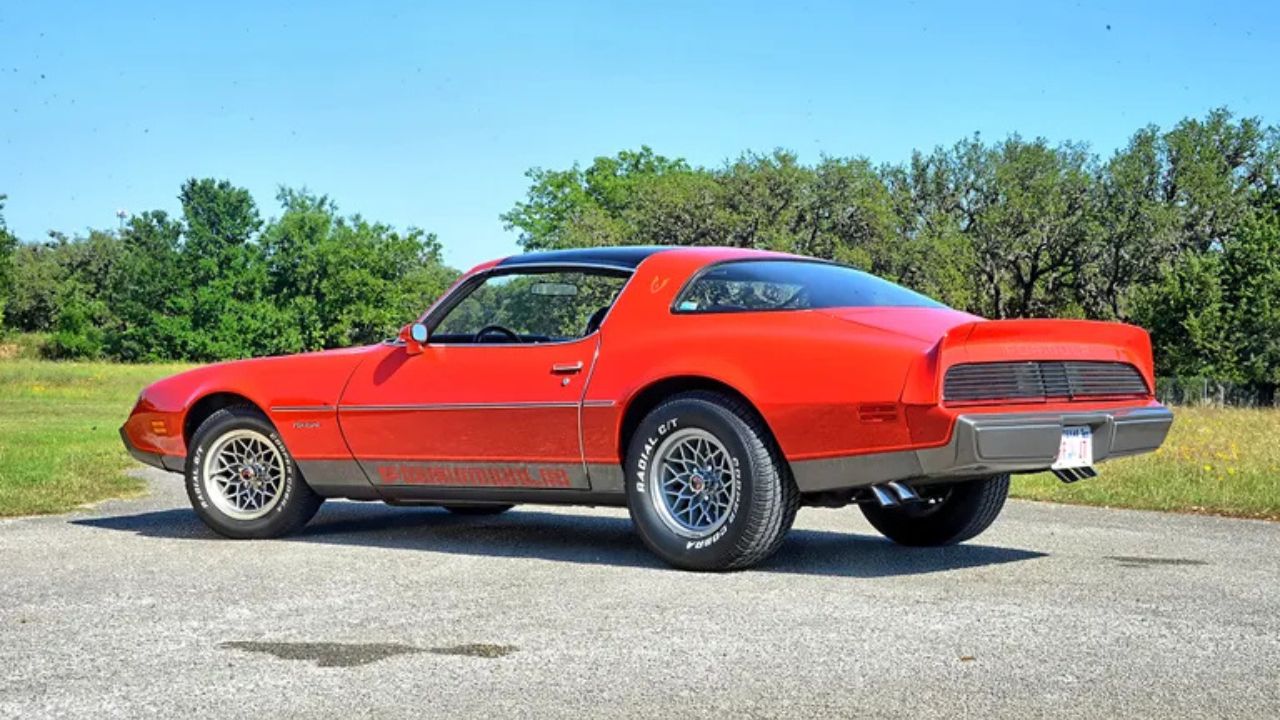
The Pontiac Firebird Formula W72 became one of the strongest emissions-era performance machines because Pontiac engineers squeezed impressive output from the W72 400 V8 despite growing regulatory restrictions. Combined with lightweight second-generation Firebird styling and responsive handling, the Formula delivered genuine excitement during a period often criticized for weak performance. Enthusiasts respected its strong acceleration and aggressive personality. Today, it stands as proof that real muscle survived longer than many people remember.
More from Fast Lane Only