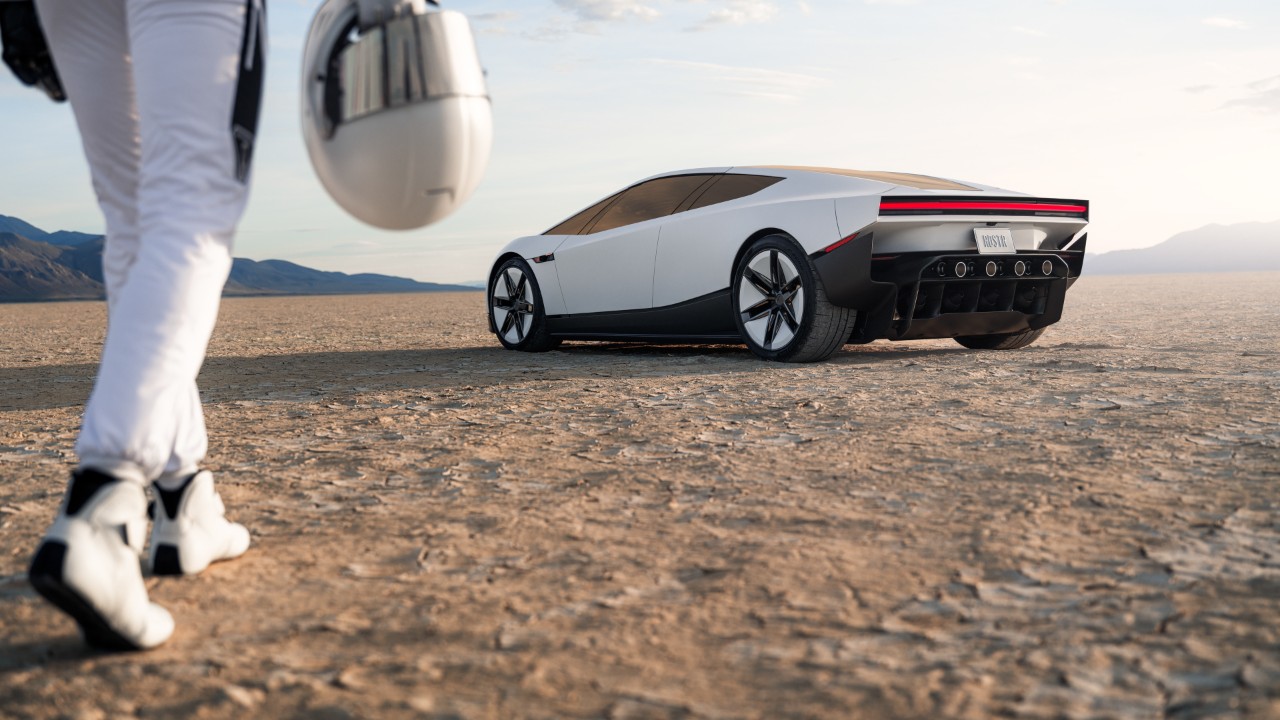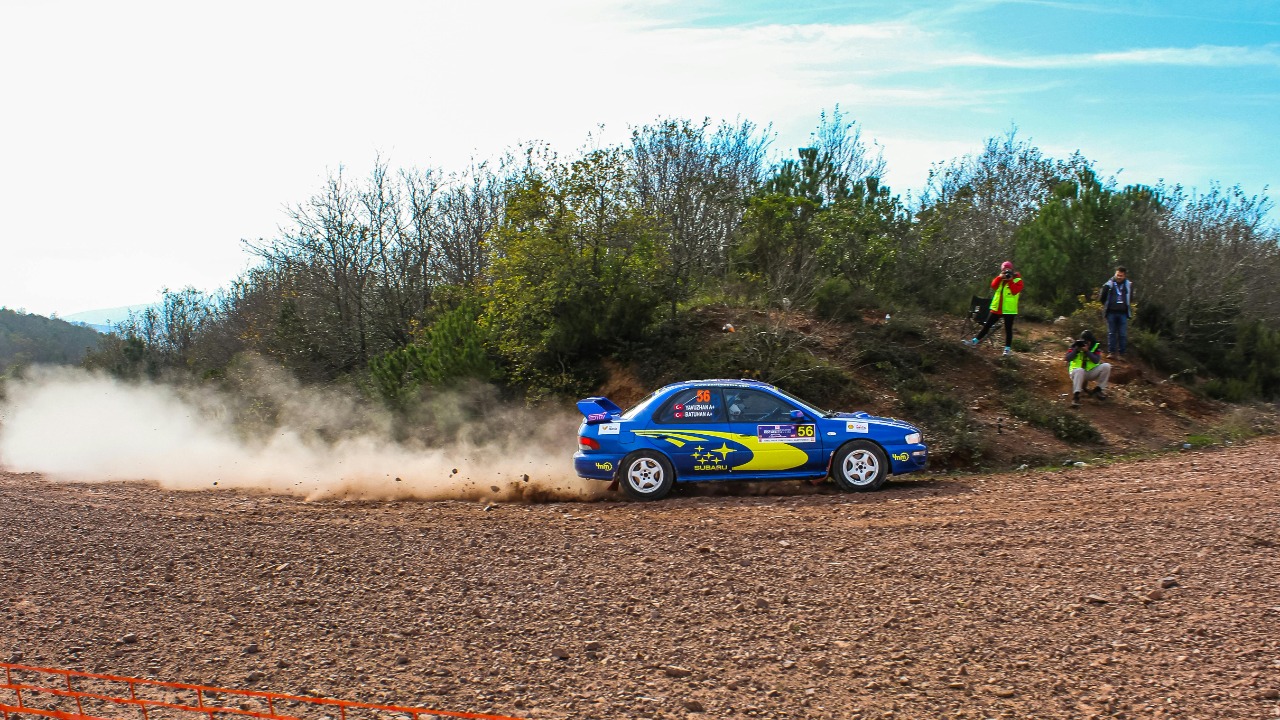
Rally racing has always produced some of the most dramatic-looking machines in motorsport history. Massive wings, flared fenders, screaming turbochargers, and violent sideways driving styles turned these cars into unforgettable sights on dirt, gravel, snow, and mud. Whether dominating Group B or modern rally stages, these machines looked absolutely wild whenever they attacked loose surfaces at full speed.
Ford RS200
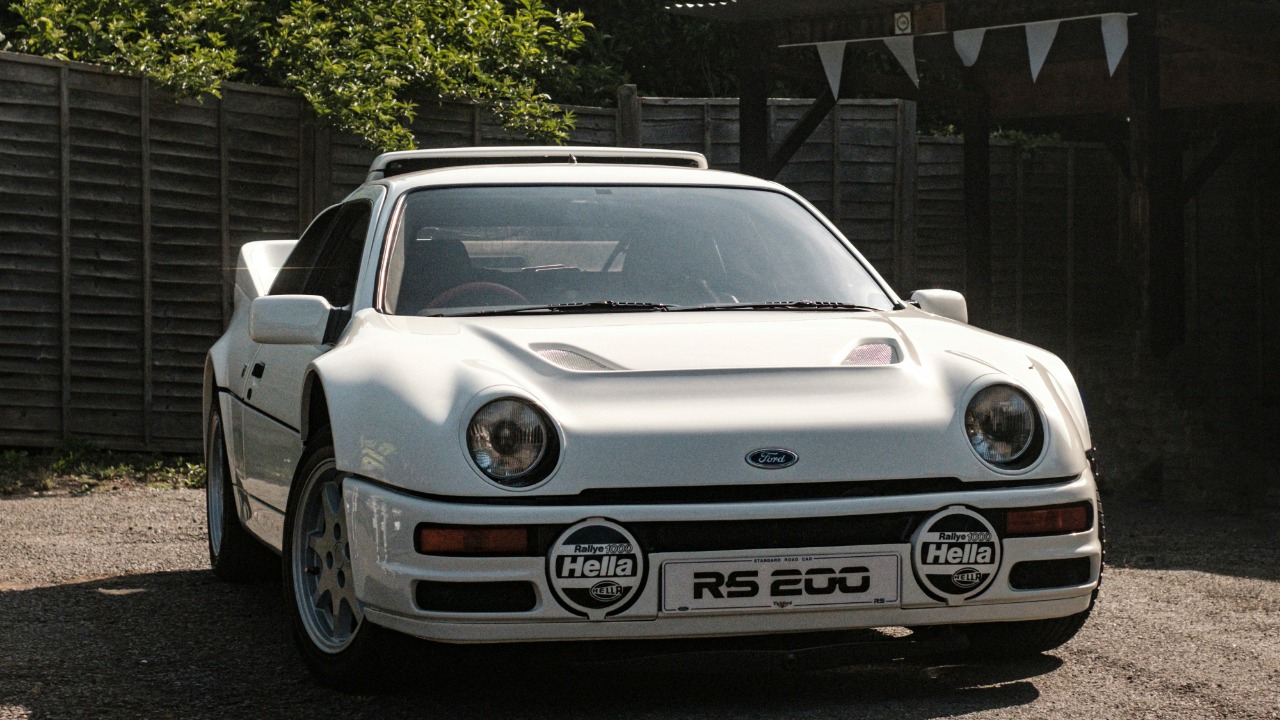
The Ford RS200 looked outrageous on rally stages because its compact body and mid-engine layout allowed it to launch violently through gravel corners with incredible agility. Massive fender flares and aggressive aerodynamic features made the car appear purpose-built for chaos. Spectators watched the RS200 throw huge clouds of dirt while turbocharged power exploded through tight rally sections. Its unpredictable and aggressive appearance perfectly represented the insanity of the Group B era.
Peugeot 205 Turbo 16
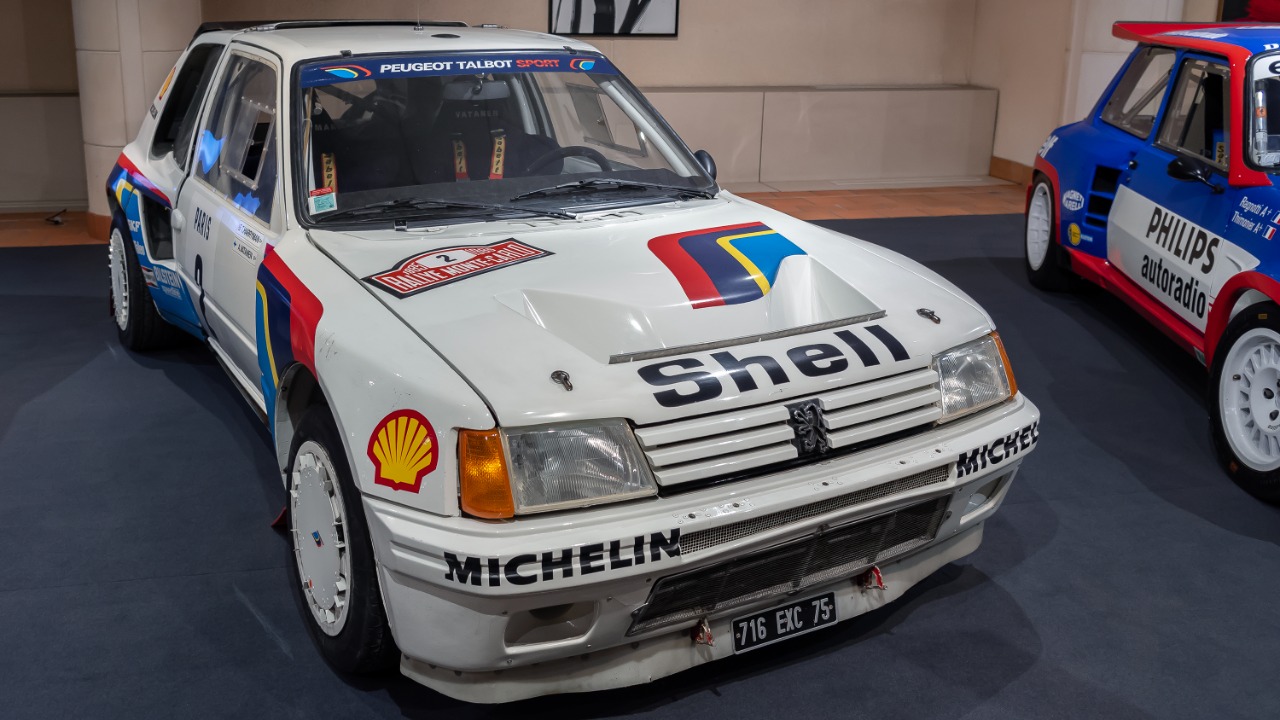
The Peugeot 205 Turbo 16 became legendary because it transformed a tiny hatchback into one of the wildest rally monsters ever created. The enormous wheel arches, aggressive stance, and turbocharged acceleration gave it an almost cartoonish appearance on loose surfaces. Drivers hurled the car sideways through gravel stages at unbelievable speeds while all four wheels fought constantly for traction. Few rally machines looked more violent or spectacular in motion.
MG Metro 6R4
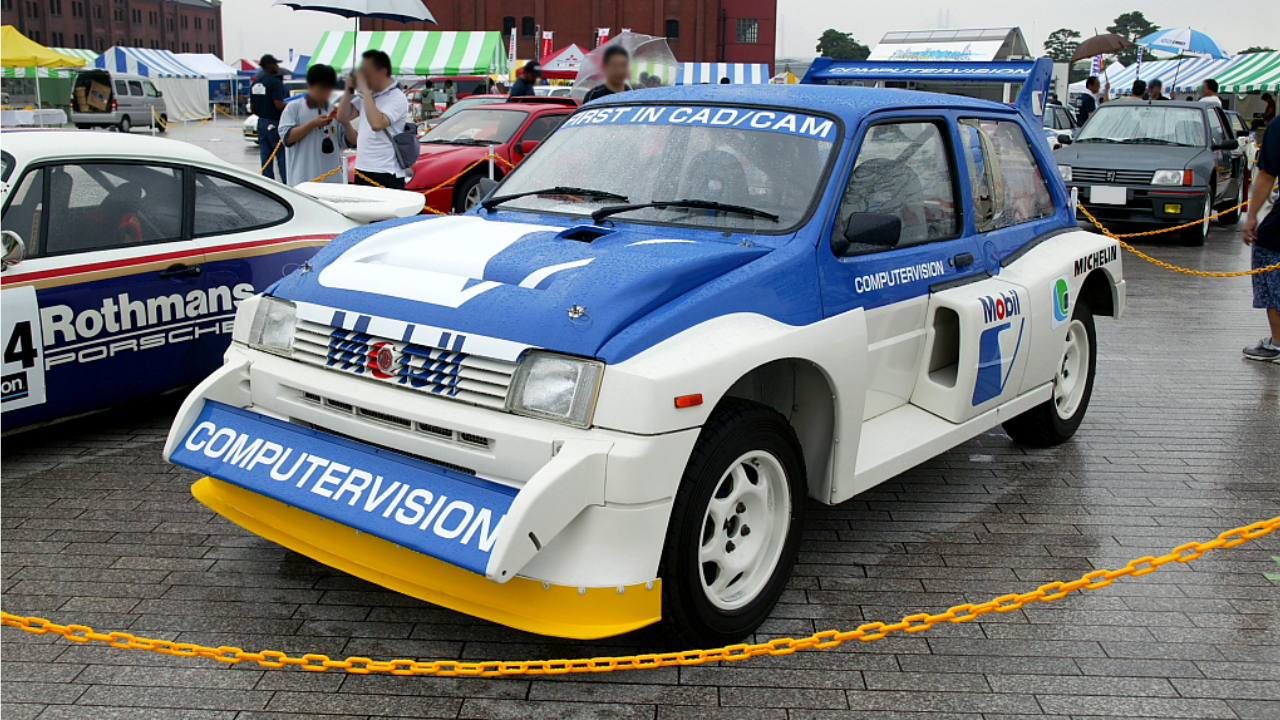
The MG Metro 6R4 stood apart from turbocharged rivals because its screaming V6 engine and brutally short wheelbase created a frantic driving style on dirt roads. The wide-body design and oversized rally hardware made the tiny Metro look absurdly aggressive compared to the ordinary road car it resembled. On loose surfaces, the 6R4 bounced, slid, and clawed through corners with raw mechanical intensity that thrilled rally fans worldwide.
Citroën BX 4TC
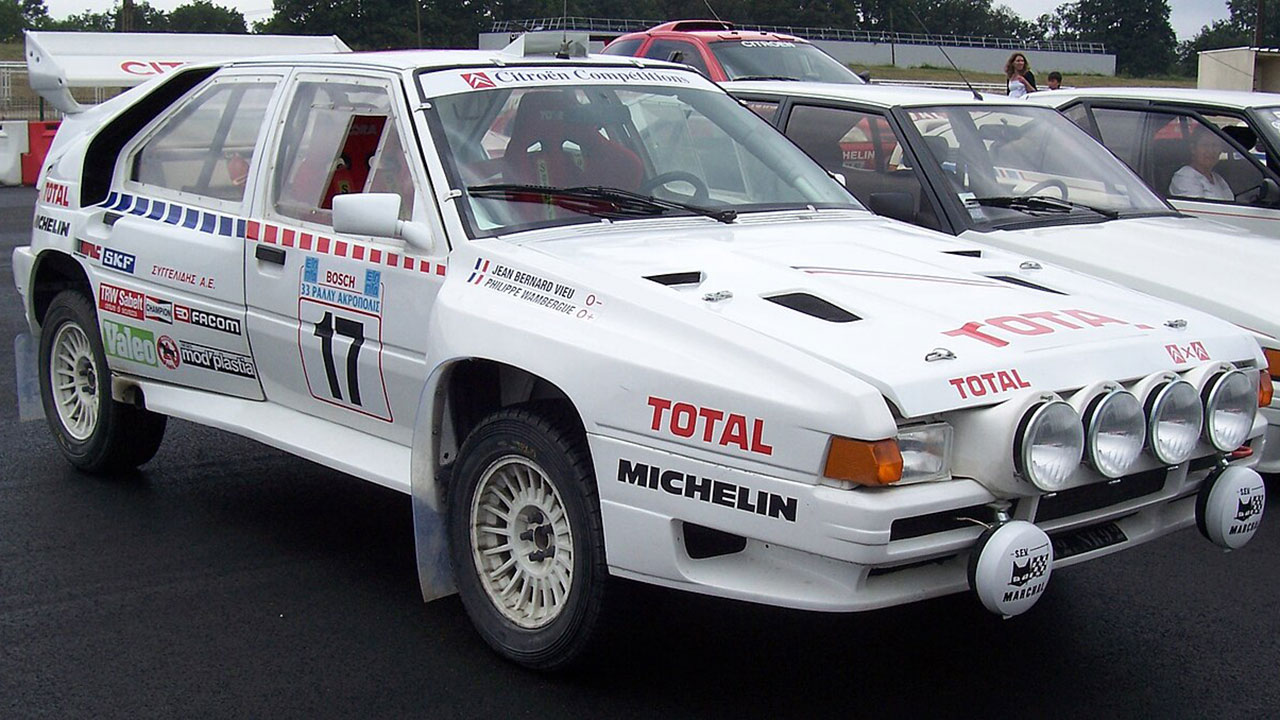
The Citroën BX 4TC looked completely unhinged because its awkward proportions and enormous rally modifications created one of the strangest appearances of the Group B era. Massive fender flares and long overhangs made the BX 4TC appear almost unstable even while standing still. Watching it attack gravel stages with turbocharged aggression gave spectators a truly chaotic visual experience. Its unusual design helped make it one of rally racing’s most unforgettable oddities.
Lancia Stratos HF
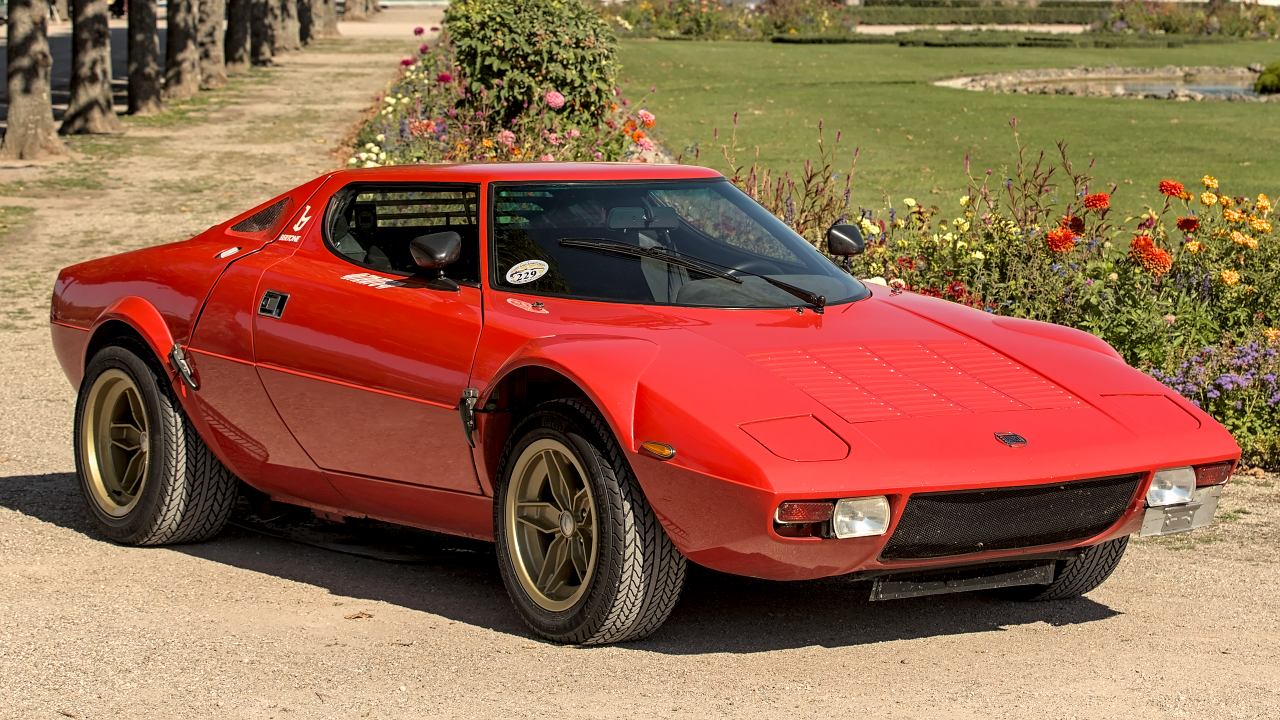
The Lancia Stratos HF looked spectacular on loose surfaces because its ultra-short wheelbase and dramatic wedge styling created an incredibly aggressive silhouette while sliding sideways through corners. The Ferrari-powered V6 screamed behind the driver as the Stratos danced violently across gravel roads and mountain passes. Its wide stance and purposeful bodywork made it appear more like a futuristic race prototype than a traditional rally car during the 1970s.
Subaru Impreza WRC 1997
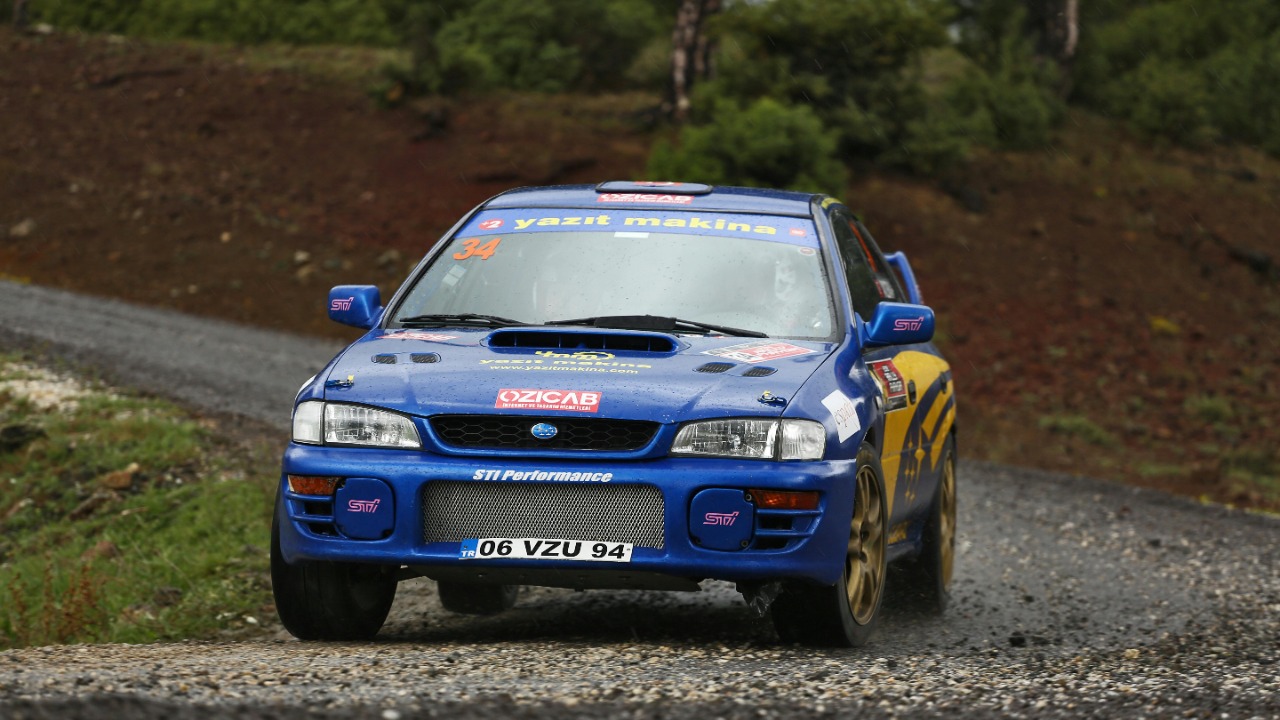
The Subaru Impreza WRC 1997 became iconic because its massive rear wing, gold wheels, and blue rally livery looked perfectly suited for mud, snow, and gravel stages. The turbocharged boxer engine and all-wheel-drive system allowed the car to launch through corners with unbelievable confidence while spraying loose dirt everywhere. Spectators instantly recognized the Impreza’s aggressive stance and dramatic sideways driving style throughout the late 1990s rally era.
Toyota Celica Twin Cam Turbo TA64
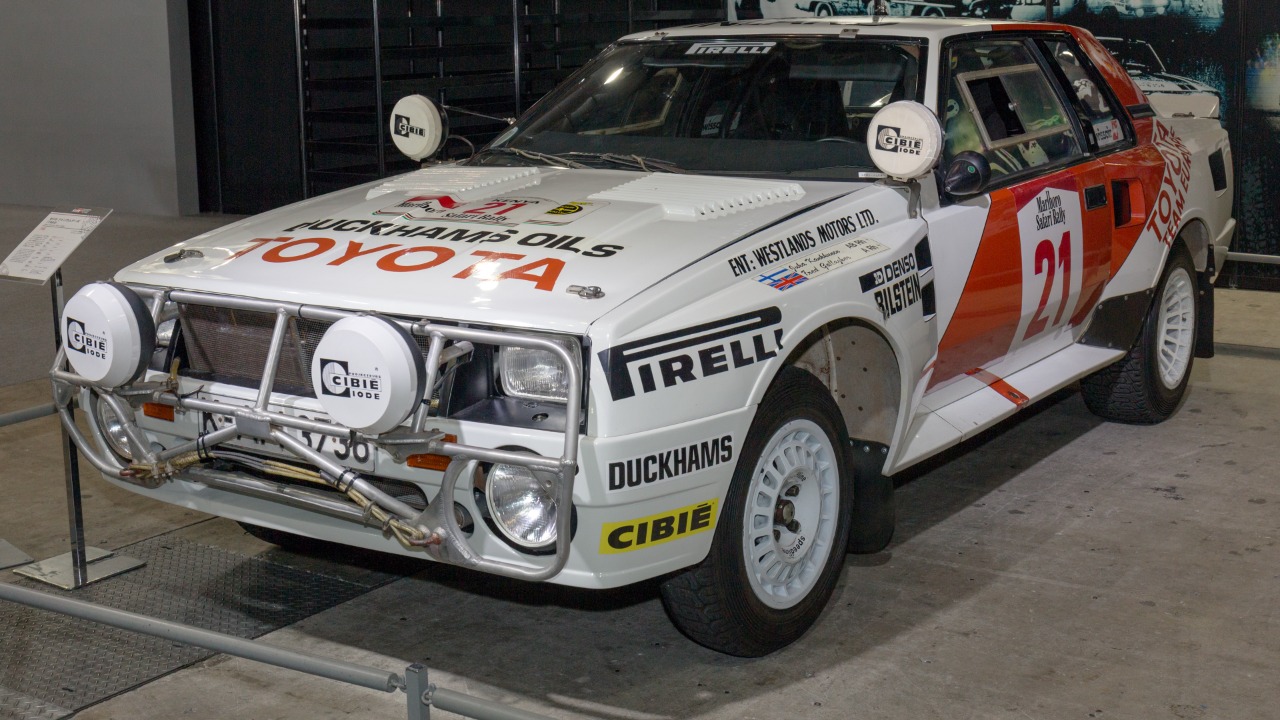
The Toyota Celica Twin Cam Turbo TA64 looked terrifying on loose surfaces because its huge turbocharged power constantly overwhelmed the rear tires. Drivers fought dramatic oversteer while the car blasted through gravel stages with enormous dust clouds trailing behind. The boxy bodywork and aggressive rally modifications amplified its intimidating appearance. Watching the TA64 slide violently through corners showed just how difficult and spectacular rear-wheel-drive Group B rallying could become.
Hyundai i20 Coupe WRC
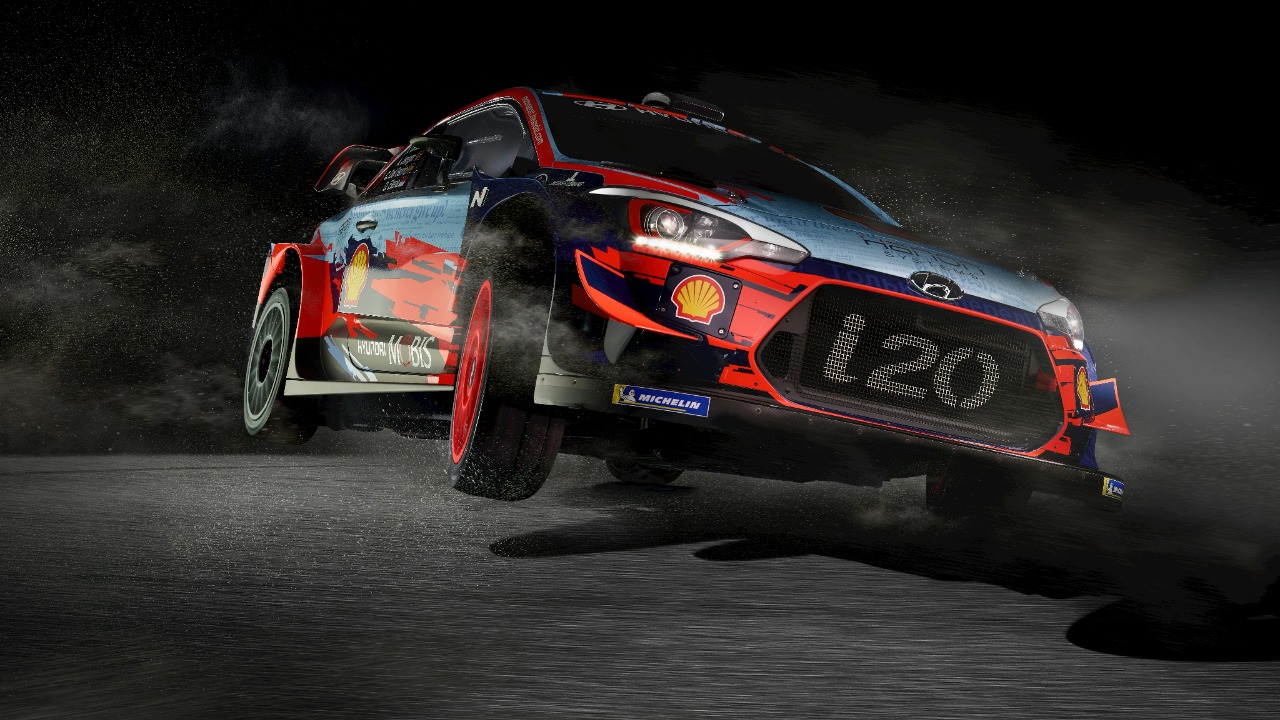
The Hyundai i20 Coupe WRC brought futuristic aggression to modern rally stages through extreme aerodynamics and highly developed all-wheel-drive performance. Giant splitters, wings, and vents made the car appear almost unreal while flying across rough terrain. Even at modern rally speeds, the i20 still looked completely wild as it carved through gravel corners with incredible precision. Its dramatic bodywork reflected how advanced rally engineering had become in the modern era.
More from Fast Lane Only