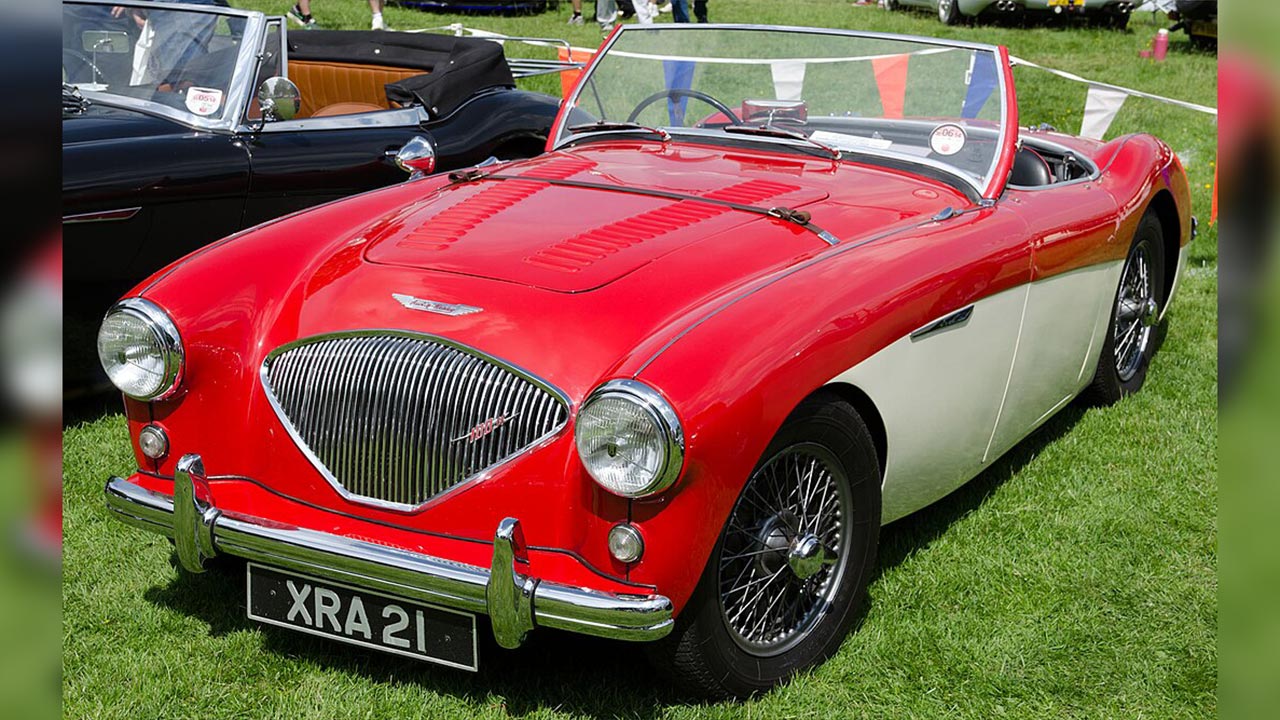
Throughout automotive history, certain engines have garnered a reputation for reliability, performance, and ease of maintenance. Mechanics often have their favorites, and these engines represent a blend of engineering excellence and practical usability. From classic V8s to innovative inline motors, here are nine engines that have earned lasting respect among mechanics globally.
Chevrolet Small Block V8
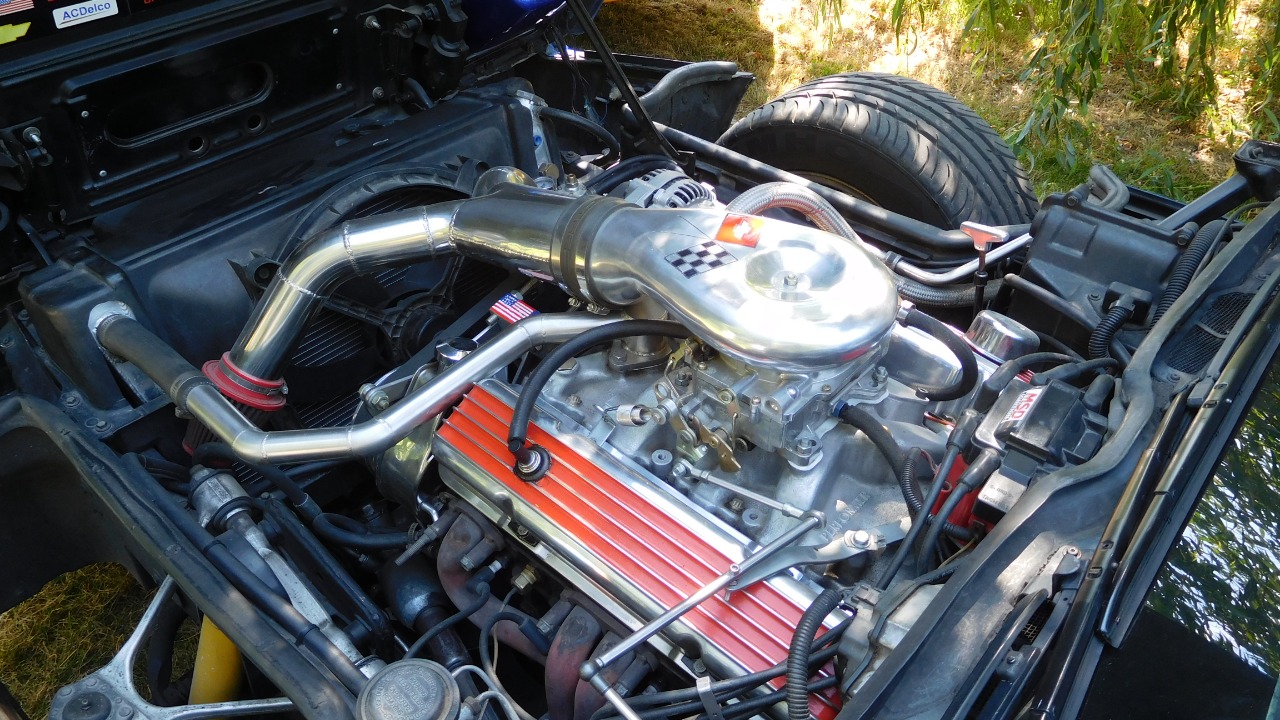
The Chevrolet Small Block V8 has been a cornerstone of American automotive culture since its debut in 1955. Renowned for its versatility, this engine has powered everything from muscle cars like the 1969 Camaro to trucks and even some sports cars. Mechanics appreciate its straightforward design, which makes it relatively easy to work on. With numerous aftermarket parts available, enthusiasts can customize these engines to enhance performance. The durable construction and the ability to produce substantial horsepower and torque have solidified its status as an iconic engine within the automotive community.
Moreover, the Chevrolet Small Block V8 has a reputation for longevity. Many of these engines can reach well over 300,000 miles with proper maintenance, making them a favorite among mechanics who value reliability. The engine’s adaptability is further showcased in its various iterations, such as the LS series, which has become popular in both street and racing applications. Its presence in various car models also means that mechanics often encounter this engine, allowing them to refine their skills and knowledge around it.
Ford 302 V8
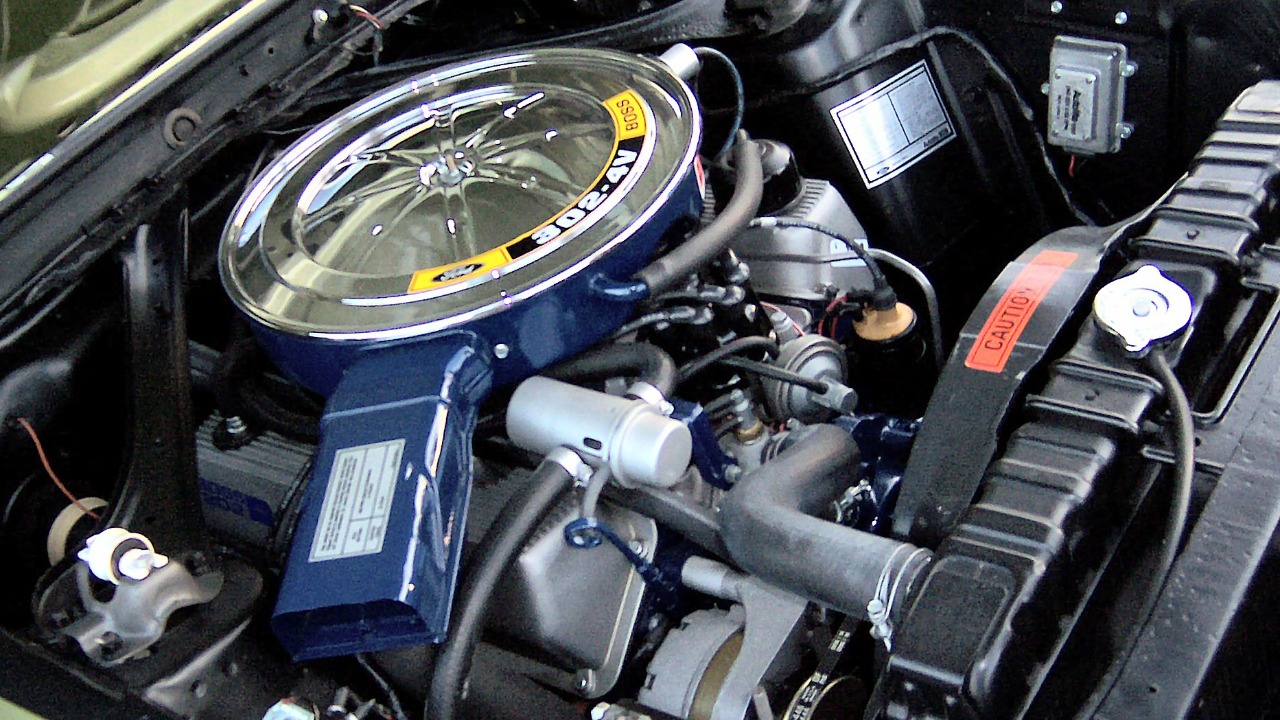
Another legendary engine is the Ford 302 V8, which has been a staple in countless Ford vehicles, including the Mustang and F-150. Introduced in 1968, this engine has become synonymous with performance and reliability. Mechanics appreciate the 302 for its solid construction and impressive power output. It’s particularly favored in the classic car community, where restorations and modifications are common.
One of the standout features of the 302 is its compatibility with a wide range of aftermarket components, allowing mechanics and hobbyists to enhance engine performance easily. Whether you’re looking to increase horsepower for racing or simply want a reliable daily driver, the 302 can be tailored to meet those needs. Its robust design also means that, with routine maintenance, many of these engines can last decades, earning it a well-deserved spot in the hearts of automotive professionals.
Honda K-Series

The Honda K-Series engines are celebrated for their engineering precision and performance potential. Introduced in the early 2000s, this family of inline-four engines has powered models like the Civic Si and Acura RSX. Mechanics frequently praise the K-Series for its high-revving nature and impressive efficiency, making it a popular choice for both daily driving and motorsports.
One of the key attributes of the K-Series is its ability to produce significant power while maintaining excellent fuel economy. This balance has made it a favorite among tuners who appreciate the engine’s potential for modifications. The K-Series is also relatively easy to work on, with many mechanics finding it straightforward to service and upgrade. Its reputation for reliability further solidifies its status as a go-to engine for enthusiasts and mechanics alike, ensuring it remains a prevalent choice in the automotive landscape.
Toyota 2JZ
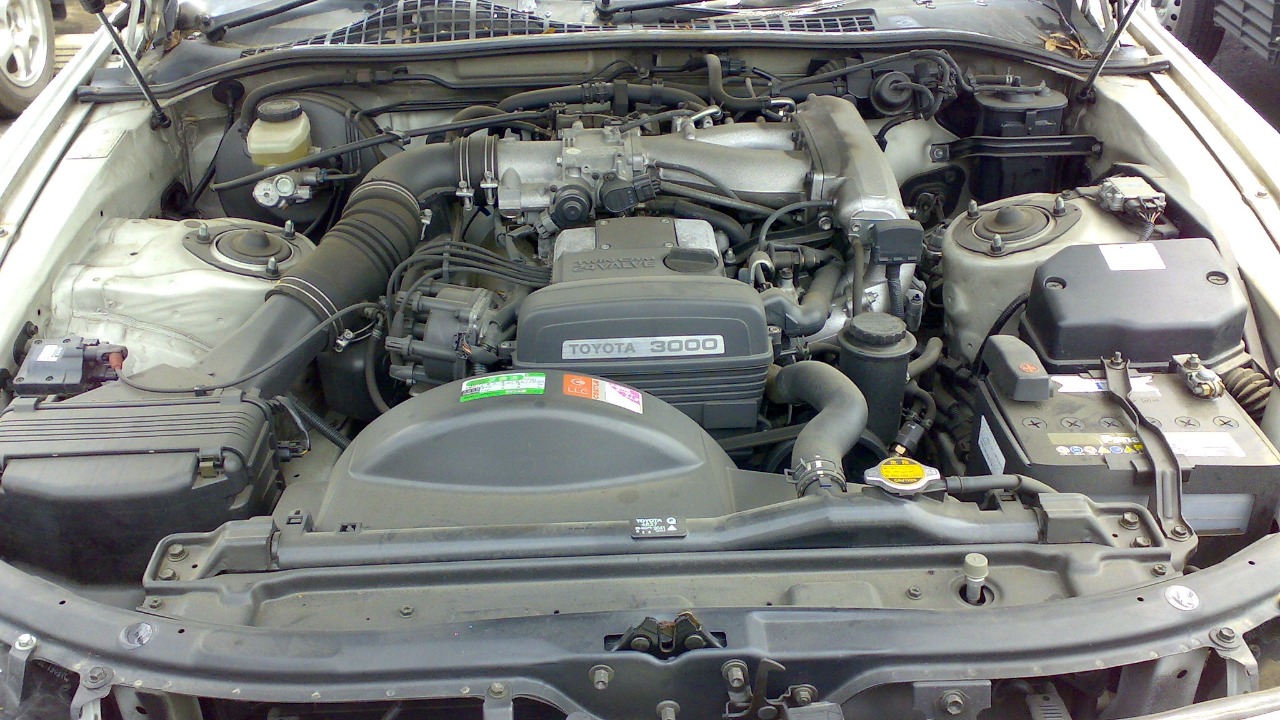
The Toyota 2JZ engine is often regarded as one of the most robust inline-six engines ever produced. It gained fame through the Toyota Supra, particularly the MK4 model, which became an icon in the tuning community. Mechanics appreciate the 2JZ for its strength and ability to handle high horsepower, making it a favorite for those looking to push their vehicles to the limit.
Not only does the 2JZ have a solid reputation for durability, but it also features advanced engineering that enables it to perform exceptionally well across a range of conditions. Many enthusiasts have successfully modified the 2JZ for racing applications, achieving staggering horsepower figures while maintaining reliability. Mechanics often report that the engine’s straightforward design makes it easier to service compared to many modern engines, adding to its appeal among professionals.
Subaru EJ20/EJ25
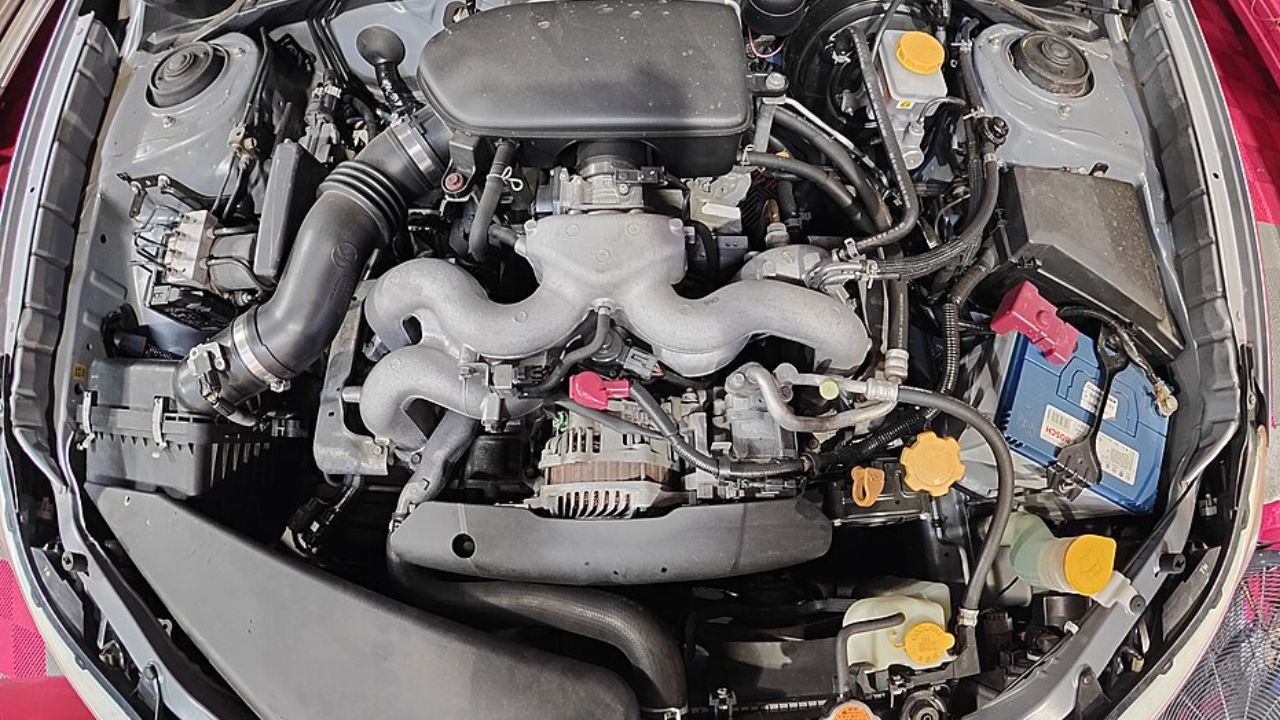
The Subaru EJ20 and EJ25 engines are well-known within the automotive community for their unique boxer design. These engines have powered numerous Subaru models, including the Legacy and Outback, since the early 1990s. Mechanics often praise the EJ series for its low center of gravity, which enhances vehicle handling. The compact design allows for efficient packaging within the engine bay, making it easier to work on.
Another reason the EJ20 and EJ25 have earned lasting respect is their robust performance, particularly in challenging conditions like snow and rain. Subaru’s all-wheel-drive system, combined with the engine’s characteristics, provides excellent traction and stability. Mechanics appreciate the engine’s reliability and the ease of finding replacement parts, ensuring that repairs and maintenance can be performed without hassle. This blend of performance and practicality has solidified the EJ series as a favorite among both mechanics and Subaru enthusiasts.
Mazda Wankel Rotary

The Mazda Wankel Rotary engine is a unique marvel in automotive engineering. With its distinct design and compact size, this engine has powered iconic models like the RX-7 and RX-8. Mechanics often find the rotary engine fascinating due to its simplicity and lightweight characteristics. Unlike traditional piston engines, the Wankel rotary has fewer moving parts, which can lead to lower maintenance needs in some cases.
However, the Wankel engine does have its quirks. While it can deliver impressive power, it requires meticulous care to ensure longevity. Mechanics who specialize in rotary engines often have a deep appreciation for their unique performance characteristics and the challenges they present. Despite the challenges, the Wankel Rotary remains a standout choice for those who appreciate its innovative design, making it a topic of admiration among automotive professionals.
Mercedes-Benz OM617
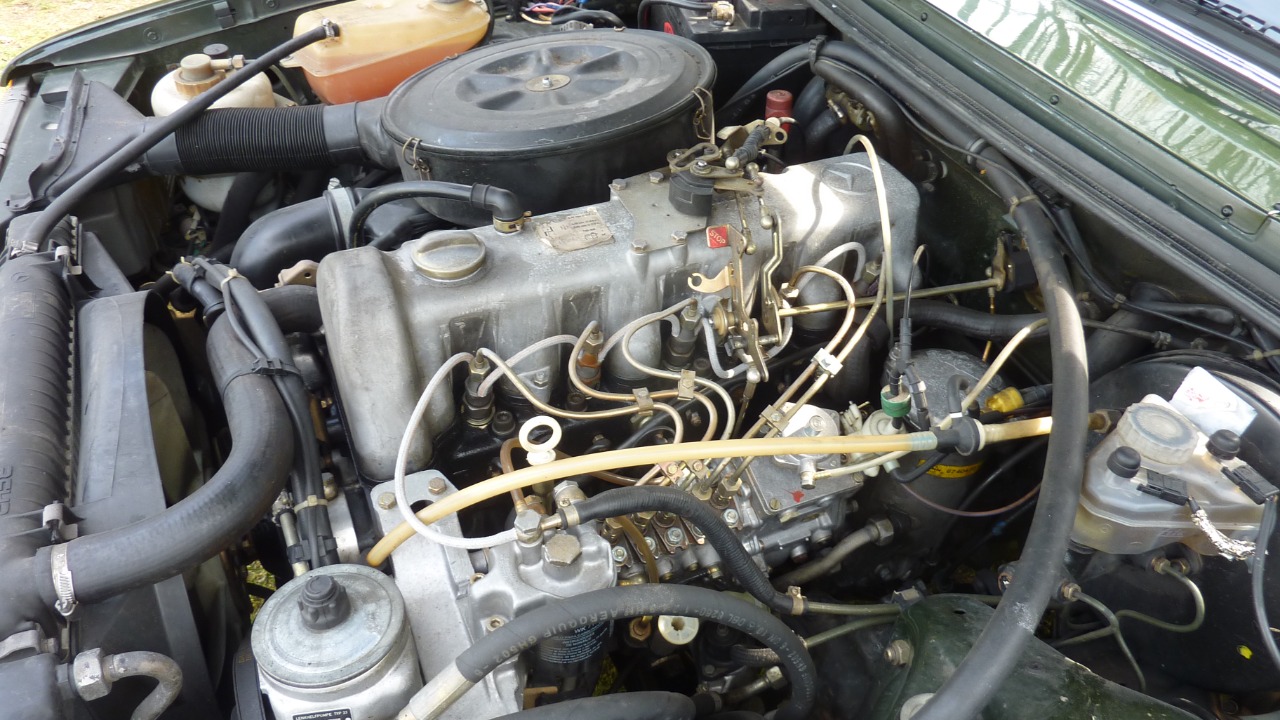
The Mercedes-Benz OM617 engine is a legendary example of diesel engineering. Introduced in the mid-1970s, it powered various models, including the W123 series. Mechanics respect the OM617 for its durability and longevity, often exceeding 500,000 miles with proper maintenance. Its robust design and high torque output make it ideal for both everyday driving and heavy-duty applications.
One of the standout features of the OM617 is its simplicity, which allows for easier repairs compared to modern diesel engines packed with technology. Mechanics appreciate that the engine can often be serviced without specialized tools, making it a favorite among independent shops. The OM617’s reputation for reliability and performance has made it a beloved choice among diesel enthusiasts and mechanics alike, ensuring its place in automotive history.
Nissan RB26DETT
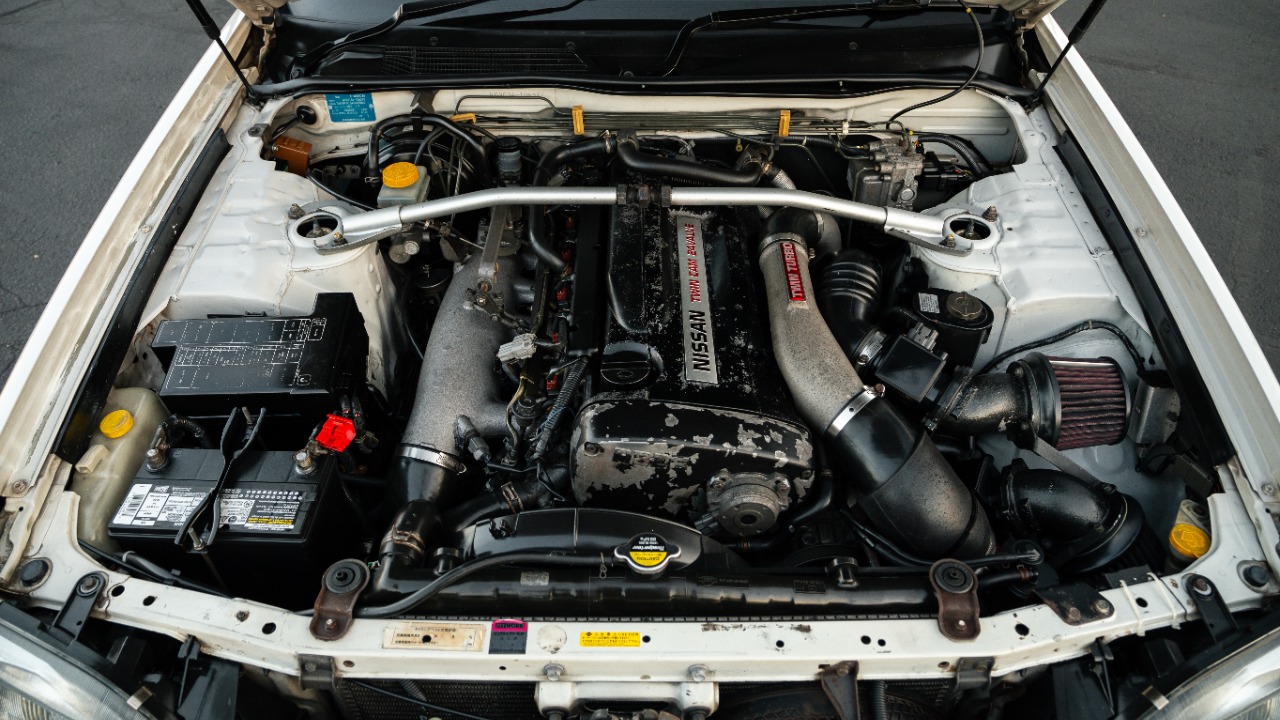
The Nissan RB26DETT engine is perhaps best known for its role in the Nissan Skyline GT-R. This inline-six twin-turbocharged engine is celebrated for its high performance and tuning potential. Mechanics frequently admire the RB26DETT for its robust construction, allowing it to handle significant horsepower increases without compromising reliability.
The engine’s design features include an iron block and aluminum DOHC cylinder heads, which contribute to its strength. The RB26DETT is also famous for its high-revving nature, making it a favorite among performance enthusiasts. Mechanics often find that with the right modifications, this engine can produce astonishing power levels, making it a popular choice for racing applications. Its enduring legacy in motorsports has earned the RB26DETT a revered status among automotive professionals.
Volkswagen Air-Cooled Flat-Four
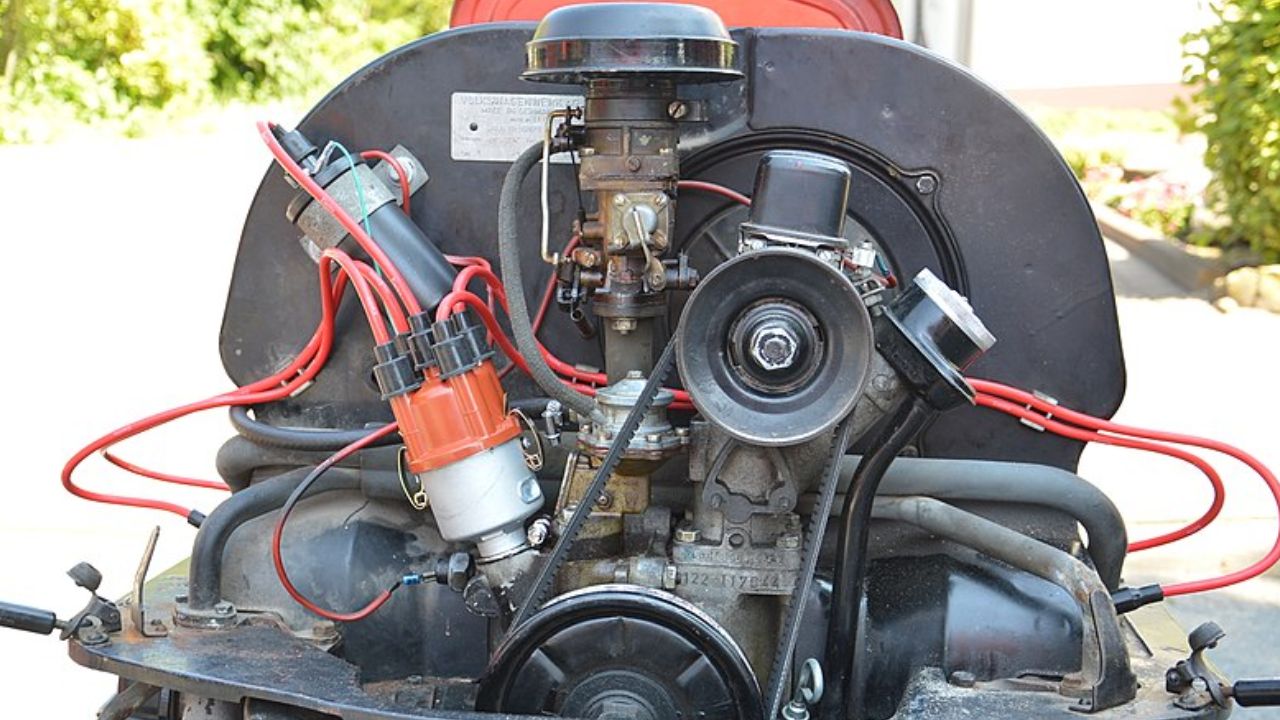
The Volkswagen Air-Cooled Flat-Four engine is a true icon of automotive history, powering the beloved Beetle and other models since the 1930s. Mechanics appreciate the simplicity and ease of maintenance that this engine provides. With its air-cooled design, it eliminates the need for a complex cooling system, reducing potential failure points.
This engine’s straightforward engineering allows mechanics to perform repairs with basic tools, making it a favorite among hobbyists and professionals alike. The Flat-Four’s distinctive sound and character have endeared it to generations of car enthusiasts. Its lightweight design and compact nature have also made it suitable for various applications, from classic cars to custom builds. As a result, the Volkswagen Air-Cooled Flat-Four continues to hold a special place in the hearts of mechanics worldwide.
More from Fast Lane Only
- Unboxing the WWII Jeep in a Crate
- 15 rare Chevys collectors are quietly buying
- 10 underrated V8s still worth hunting down
- Police notice this before you even roll window down
*Research for this article included AI assistance, with all final content reviewed by human editors.