Some classic cars earned lasting admiration by ignoring conventional wisdom. Rather than following popular styling, engineering, or market trends, they stayed true to unique ideas that set them apart. Their individuality helped them build loyal followings and secure places in automotive history despite going against the industry’s direction.
Porsche 911
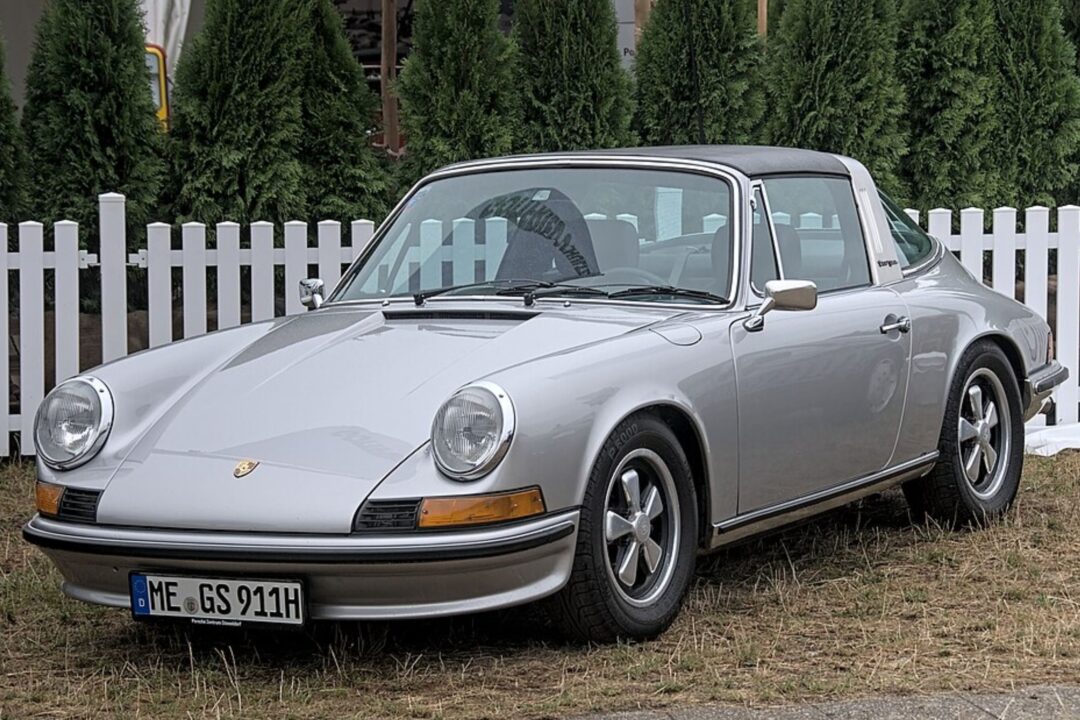
The Porsche 911 continued using its distinctive rear-engine layout while most sports car manufacturers adopted front- or mid-engine designs. Through continuous refinement rather than complete reinvention, Porsche turned an unconventional concept into one of the world’s greatest sports cars. Its success proved that originality could outlast changing trends.
Citroën 2CV

The Citroën 2CV prioritized affordability, comfort, and simplicity instead of speed or luxury. Its lightweight construction and long-travel suspension made it remarkably practical on rough roads. While other manufacturers pursued larger and more powerful cars, the 2CV remained committed to its unique philosophy.
Saab 99 Turbo
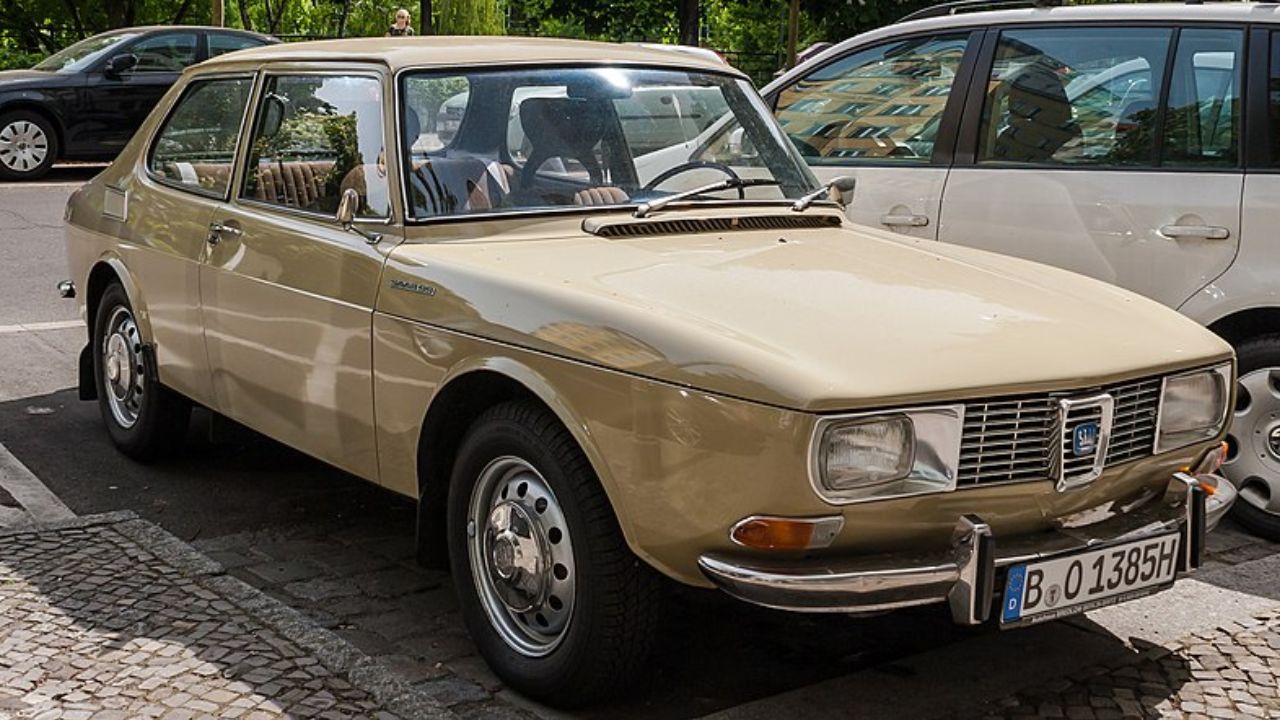
The Saab 99 Turbo embraced turbocharging for everyday road cars before it became a widespread industry trend. Instead of treating forced induction as a racing novelty, Saab demonstrated its practicality for regular drivers. The model helped establish turbocharging as a viable solution for future passenger vehicles.
Volkswagen Beetle
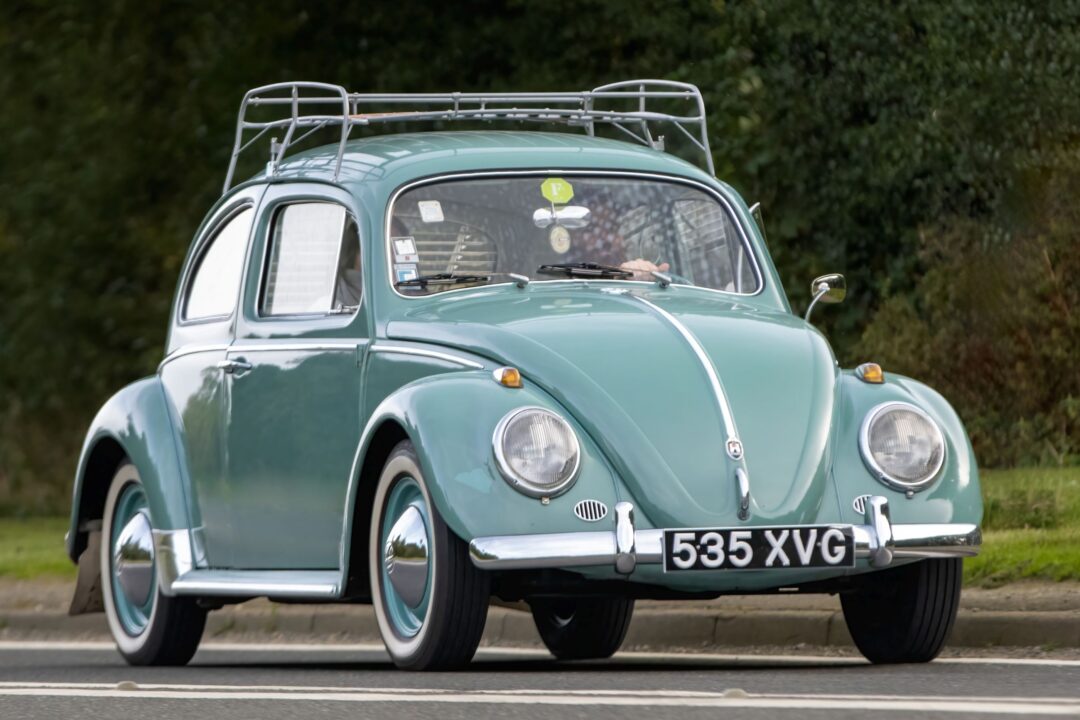
The Volkswagen Beetle retained its rear-mounted air-cooled engine for decades while most manufacturers transitioned to front-mounted water-cooled designs. Its familiar mechanical layout and dependable simplicity appealed to millions of owners. The Beetle proved that consistency could be just as successful as constant change.
Jeep CJ-7

The Jeep CJ-7 remained focused on genuine off-road capability while many competitors shifted toward greater on-road comfort. Its body-on-frame construction, solid axles, and rugged simplicity attracted buyers seeking true utility. The CJ-7 became an enduring icon by refusing to compromise its original purpose.
Mazda RX-7
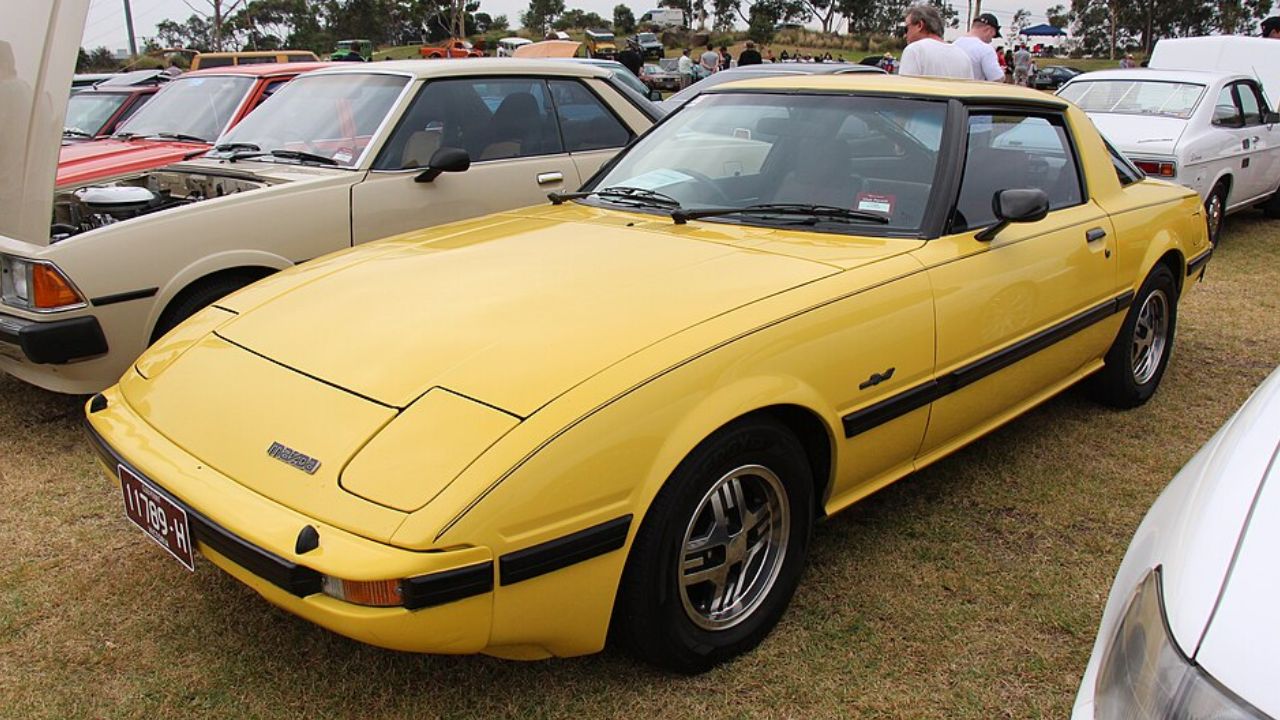
The Mazda RX-7 stayed committed to the rotary engine despite the industry’s overwhelming preference for conventional piston engines. Its lightweight design and distinctive power delivery created a driving experience unlike any rival. The RX-7 became a legend by embracing engineering that few others were willing to pursue.
AMC Pacer
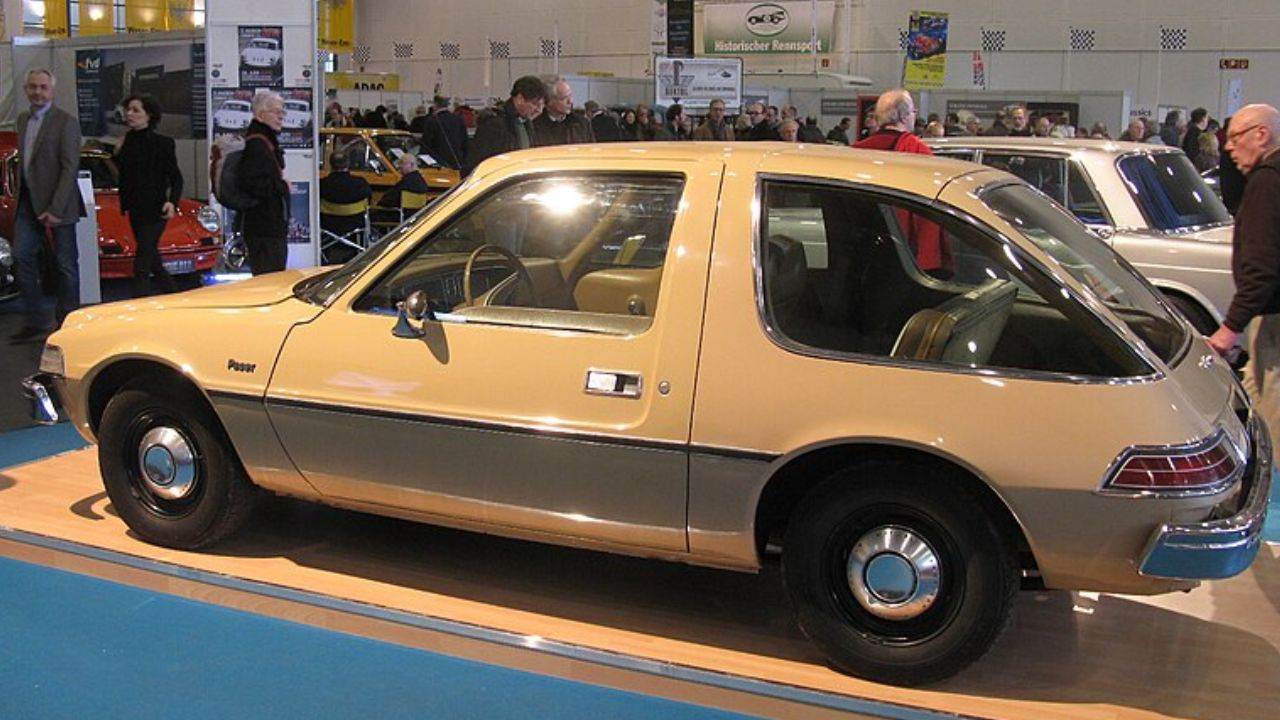
The AMC Pacer challenged conventional American automotive design with its unusually wide body, expansive glass area, and emphasis on interior space. Although its appearance divided opinions, it represented an ambitious attempt to rethink compact car packaging. Today, the Pacer stands as one of the most distinctive cars of its era.
Volvo 240
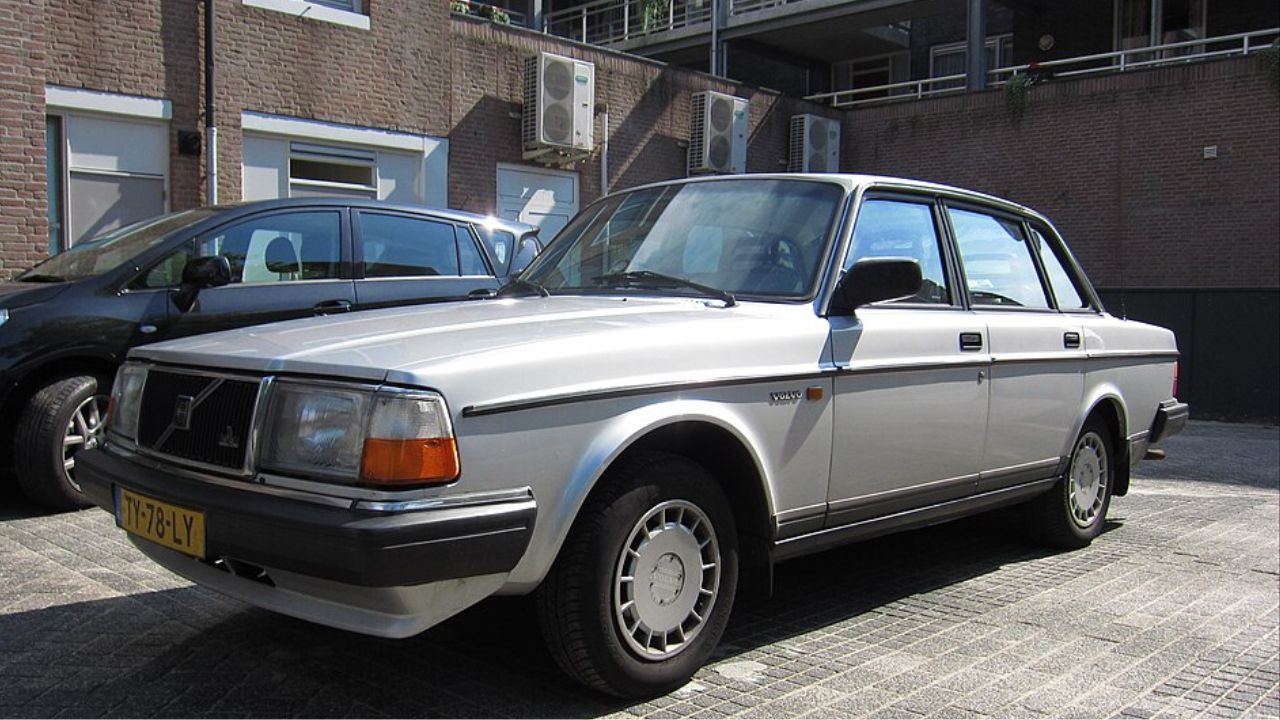
The Volvo 240 maintained its boxy styling and conservative engineering while aerodynamic shapes became increasingly fashionable. Instead of chasing design trends, Volvo focused on safety, durability, and practicality. Its remarkable longevity proved that thoughtful engineering could matter more than following the latest automotive fashion.
More from Fast Lane Only
- Unboxing the WWII Jeep in a Crate
- 15 rare Chevys collectors are quietly buying
- 10 underrated V8s still worth hunting down
- Police notice this before you even roll window down
*Research for this article included AI assistance, with all final content reviewed by human editors