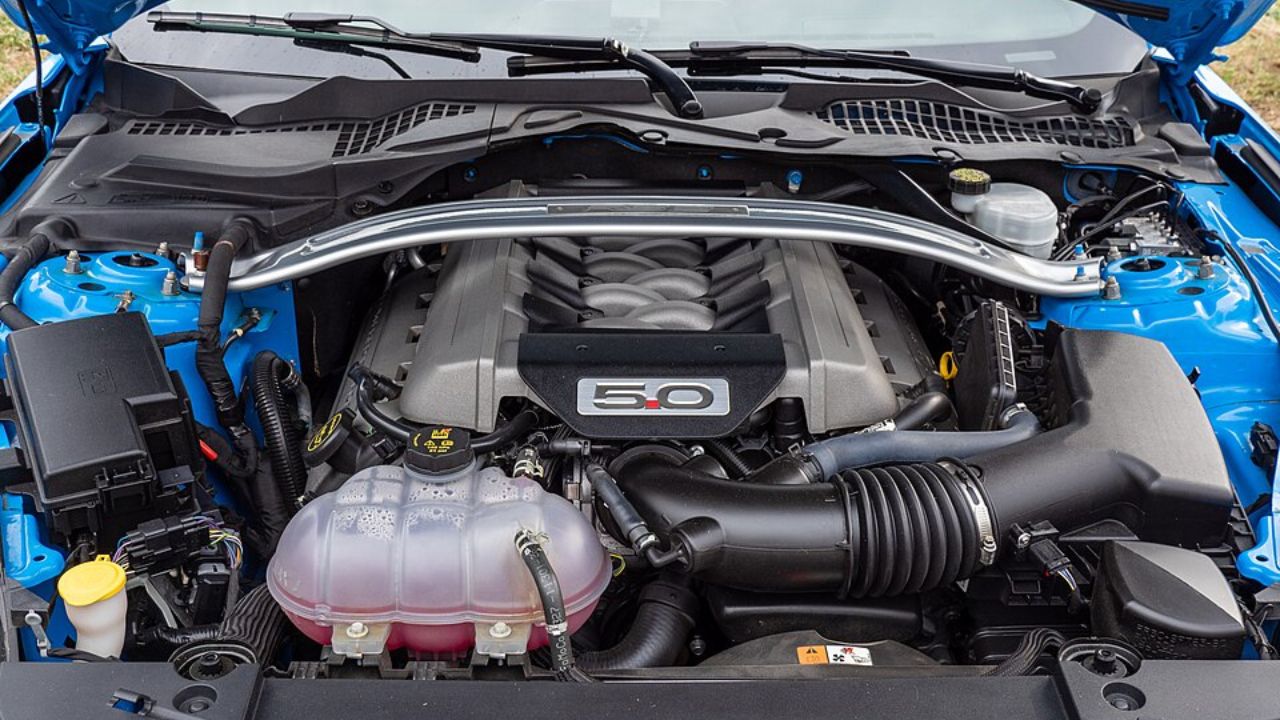
Engine enthusiasts have long held certain powerplants in high regard, often serving as benchmarks for performance, reliability, and overall driving experience. These engines have defined their respective automotive categories and continue to inspire admiration and comparison in the automotive community. Here are nine iconic engines that enthusiasts still compare everything against.
Chevrolet Small Block V8
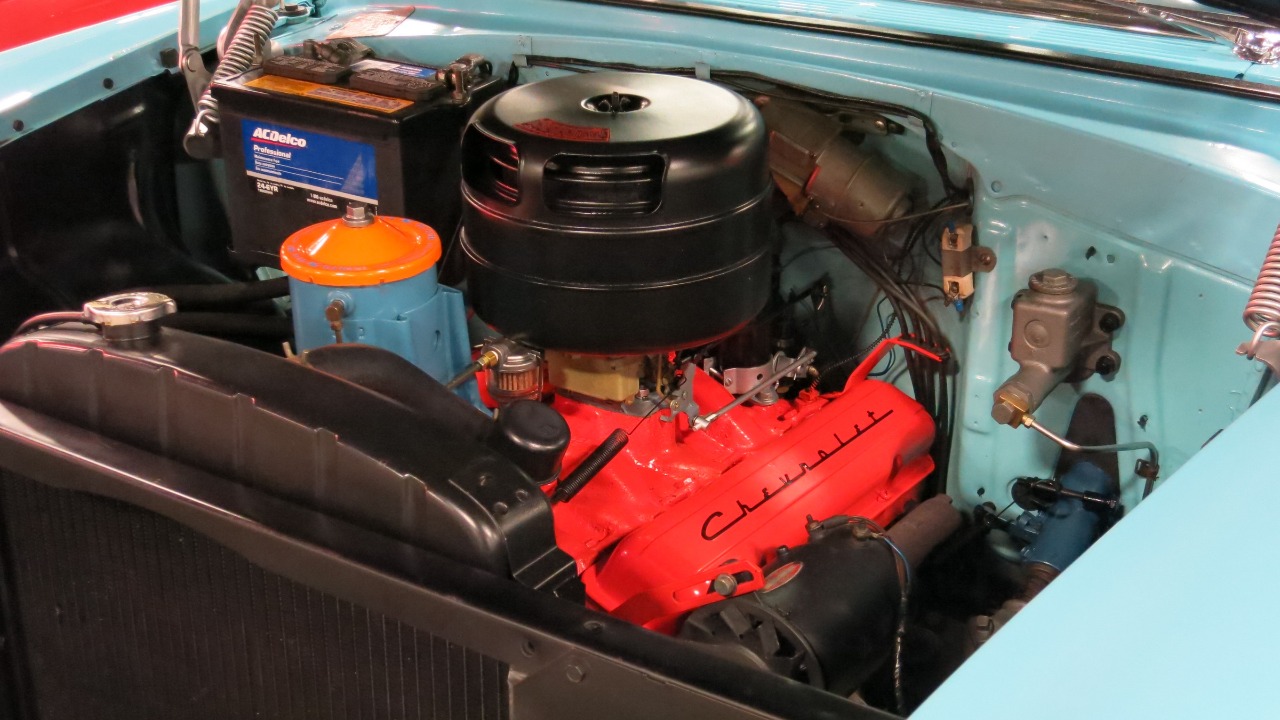
The Chevrolet Small Block V8 is a cornerstone of American automotive history, first introduced in 1955. Its simple design, lightweight construction, and remarkable adaptability have made it a favorite among car enthusiasts and builders alike. From the legendary Chevrolet Corvette to various muscle cars, this engine has powered countless iconic vehicles. With a wide range of aftermarket parts and tuning options, the Small Block can produce impressive horsepower and torque figures, making it a staple in both street cars and racing applications.
Furthermore, its enduring legacy is highlighted by its continued use in modern applications, such as the Chevrolet Silverado. The engine’s versatility, combined with a rich racing pedigree, makes it a reference point for performance comparisons across various automotive segments. Whether you’re discussing classic cars or contemporary builds, the Chevy Small Block V8 remains an engine that enthusiasts continually measure against.
Ford 5.0 Coyote V8
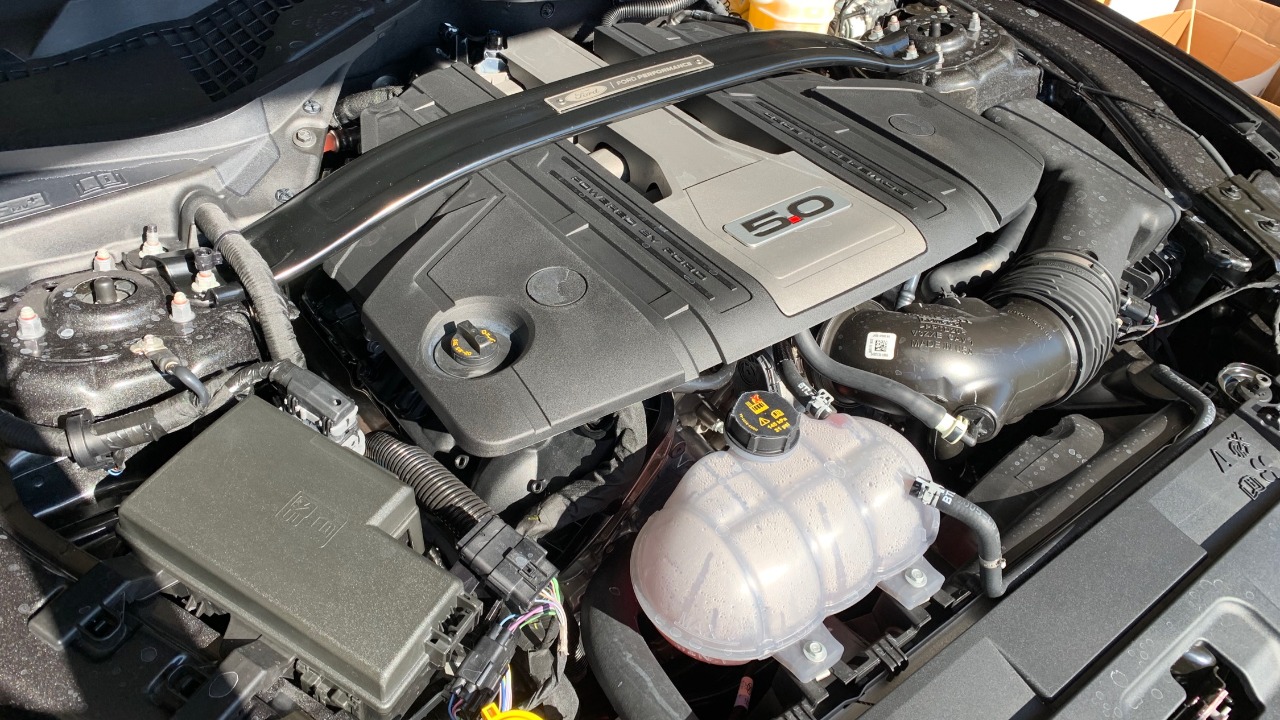
The Ford 5.0 Coyote V8 engine, first introduced in 2011, has quickly established itself as a modern performance icon. Found in the Ford Mustang GT, this engine is known for its high-revving nature and impressive power output, generating up to 450 horsepower in some variants. The Coyote engine features a DOHC design with variable valve timing, allowing for better efficiency and performance across a wide RPM range.
Enthusiasts love the Coyote for its tunability and robustness, often turning to it for high-performance builds in both street and track applications. Its integration into the Mustang lineup has helped redefine the muscle car segment, competing directly with traditional rivals while offering a modern twist. As a result, the Ford 5.0 Coyote V8 is frequently compared to older engines, establishing itself as a new standard in performance.
Porsche Flat-Six (Boxer) Engine
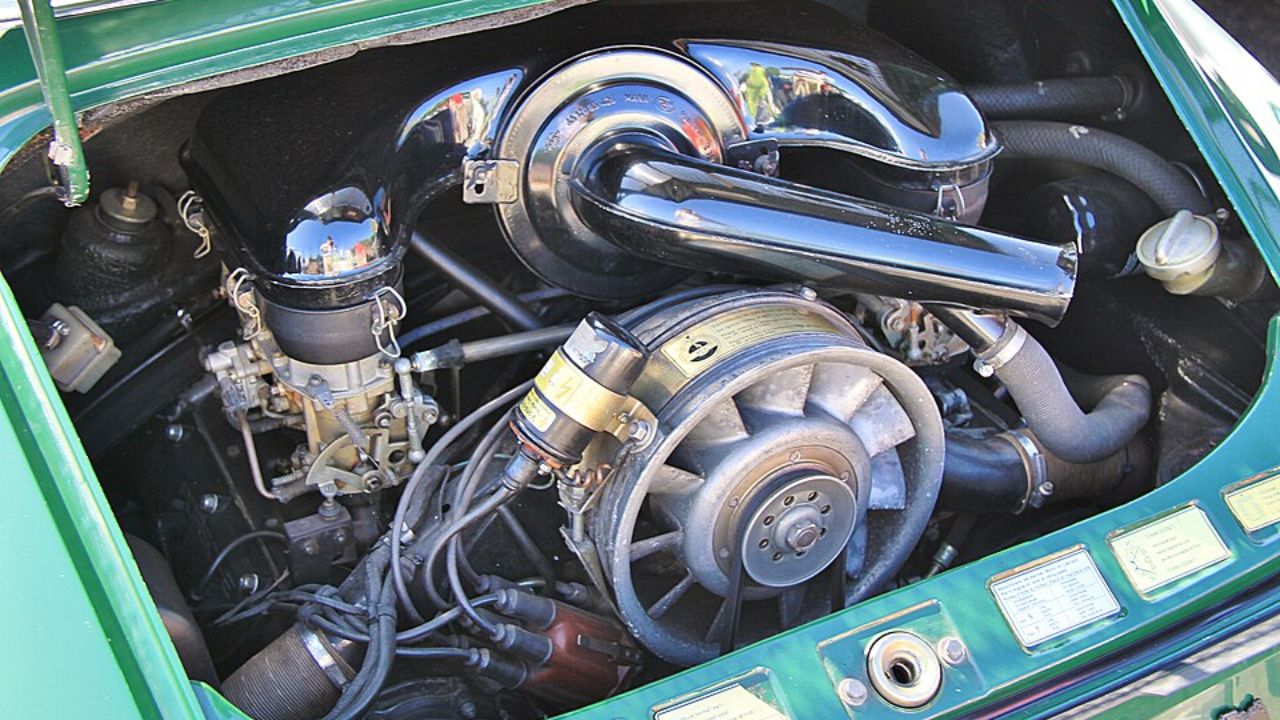
The Porsche Flat-Six, or Boxer engine, has become synonymous with the brand itself, powering models like the Porsche 911 for over five decades. Its unique horizontally opposed design allows for a lower center of gravity, contributing to the exceptional handling characteristics that Porsche is famous for. With configurations ranging from 2.0 to over 3.8 liters, the Flat-Six delivers a distinctive sound and a thrilling driving experience.
Performance enthusiasts often draw comparisons between the Flat-Six and traditional inline or V engines, with many praising its smooth power delivery and responsive nature. This engine has also been a key player in motorsports, solidifying its status among racing enthusiasts. As a benchmark for handling and performance, the Porsche Flat-Six continues to be a reference point for those seeking the perfect balance between power and agility.
Honda K-Series Inline-4
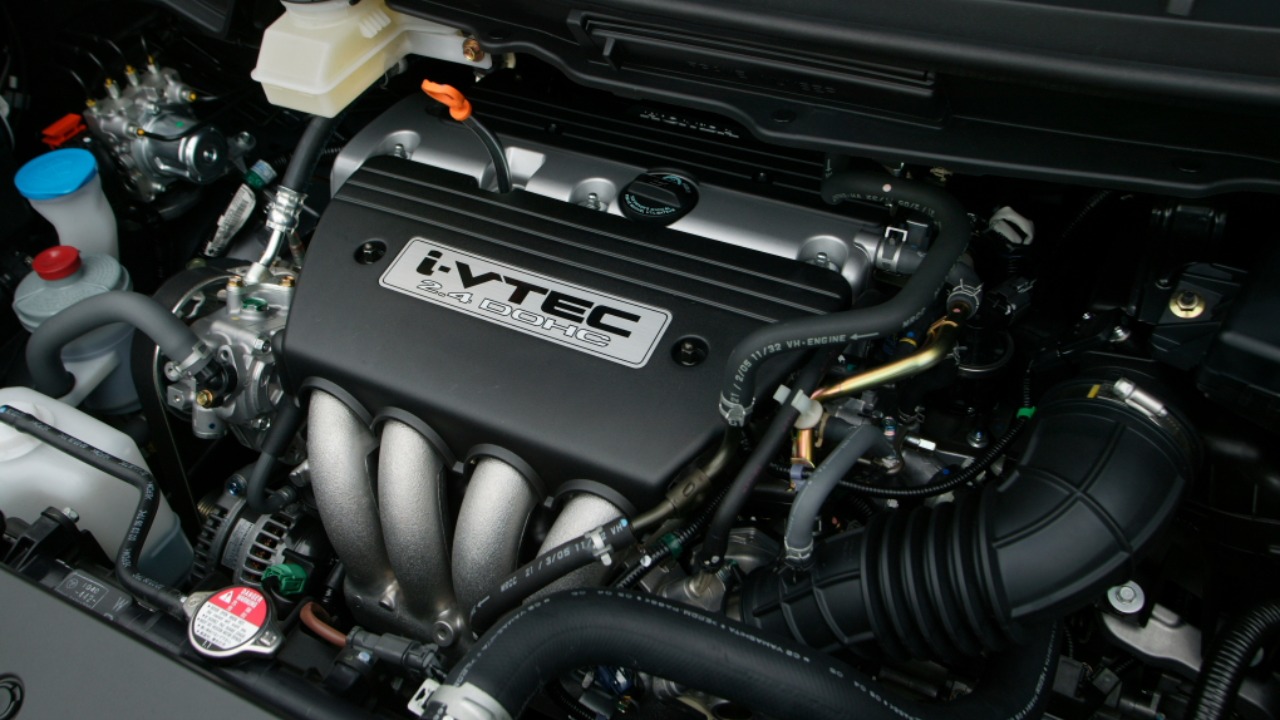
The Honda K-Series Inline-4 engine has earned a reputation for reliability and performance, making it a staple in the tuning community. Introduced in 2001, it powers a variety of Honda models, including the Honda Civic Si and the Acura RSX. Known for its high revving capabilities, the K-Series can produce impressive horsepower figures, making it a favorite among performance enthusiasts.
What sets the K-Series apart is its versatility and aftermarket support, allowing enthusiasts to extract more power through various modifications. From turbocharging to engine swaps, this engine has become a benchmark for compact performance. Its reliability has also made it a go-to for builds that prioritize longevity, further solidifying its place in the hearts of car lovers around the globe. Whether on the street or the track, the Honda K-Series remains a reference engine in the automotive world.
BMW M S70/2 V12
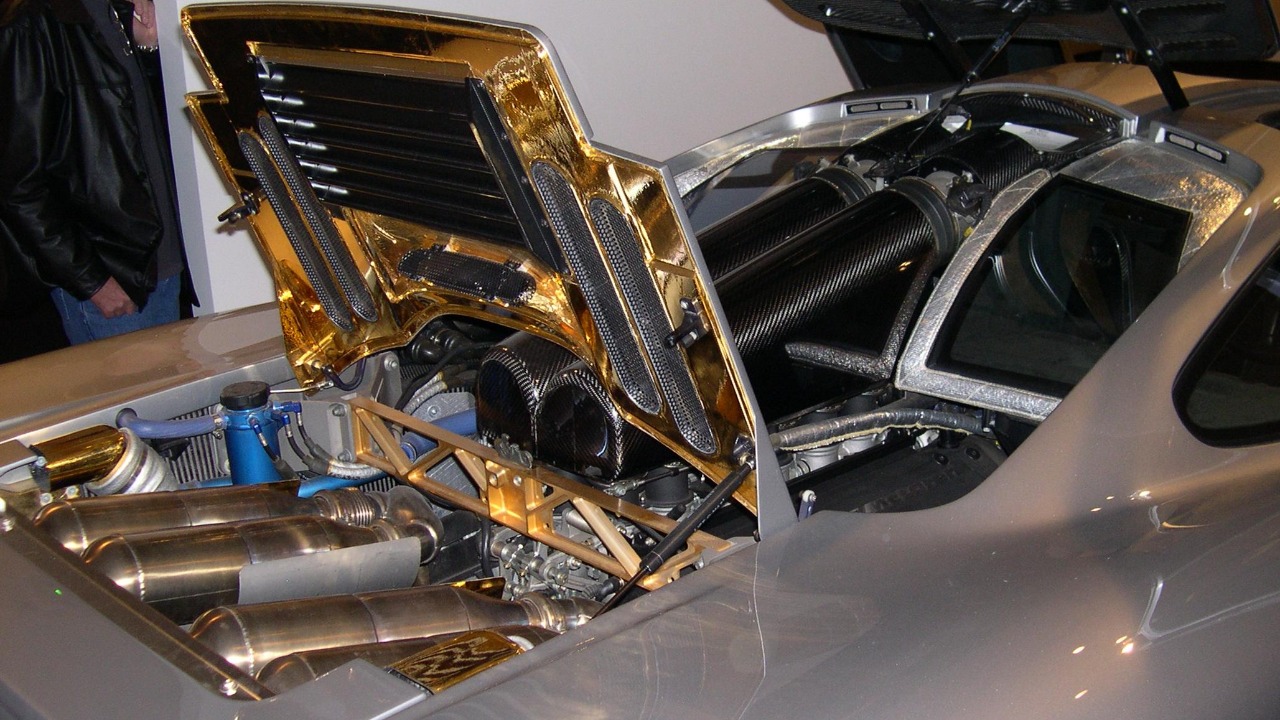
The BMW M S70/2 V12 engine is a masterpiece of engineering, powering the legendary BMW McLaren F1. Introduced in 1992, this engine was a game-changer, producing an astonishing 627 horsepower, making it one of the most powerful naturally aspirated engines of its time. With a unique lightweight design and a high-revving capability, the M S70/2 remains a benchmark for performance and engineering excellence.
Enthusiasts often compare this engine to contemporary powerplants due to its performance and engineering prowess. The M S70/2’s racing pedigree further elevates its status, as it was developed with input from motorsport legends. Its sound, character, and sheer performance continue to inspire awe and admiration, making it an enduring reference point for high-performance engines in the automotive community.
Nissan RB26DETT Inline-Six
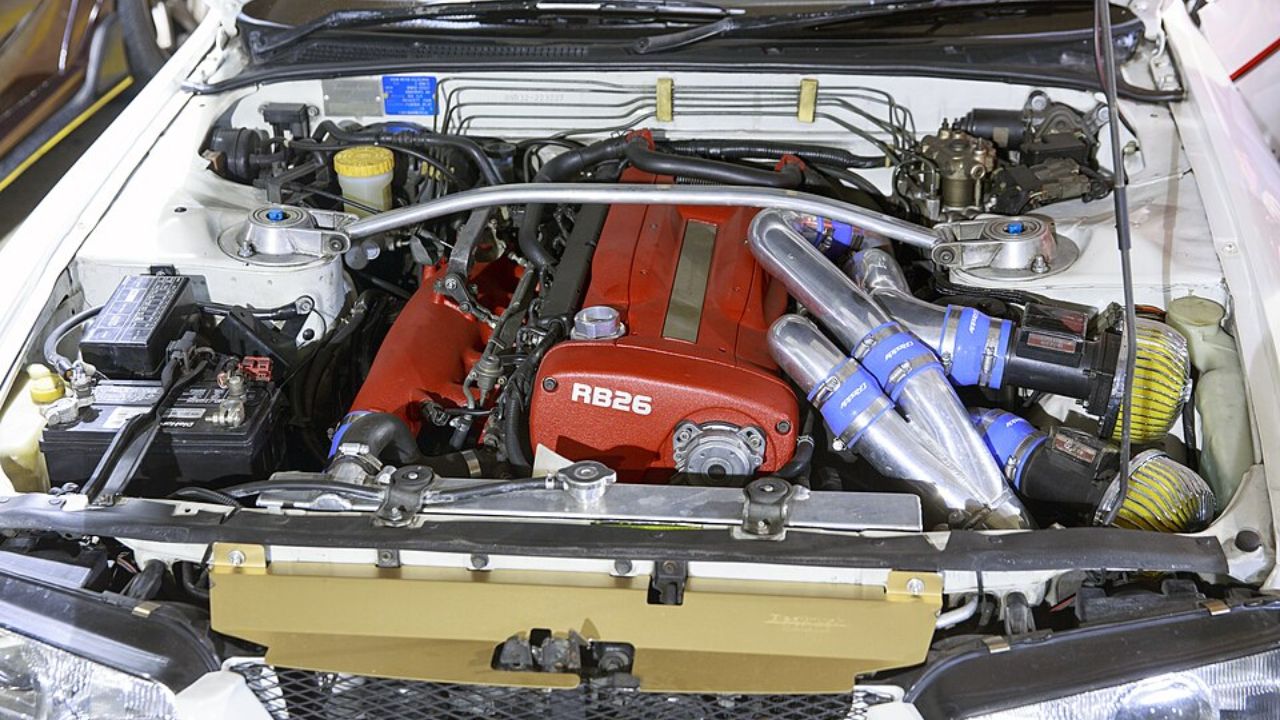
The Nissan RB26DETT Inline-Six engine is a legendary powerplant that enthusiasts revere, particularly for its role in the Nissan Skyline GT-R models produced from 1989 to 2002. This twin-turbocharged engine boasts a robust design and remarkable tuning potential, making it a favorite among performance builders. With a stock output of around 280 horsepower, the RB26 has proven capable of achieving much higher figures with proper modifications.
Its engineering excellence has made it a benchmark for performance comparisons in the automotive world. The RB26DETT is often lauded for its durability and reliability, even under extreme driving conditions, which has solidified its reputation in the drifting and racing communities. As a result, the Nissan RB26DETT continues to be a point of reference for enthusiasts looking to extract every ounce of performance from their builds.
Subaru EJ20 Turbocharged Boxer Engine
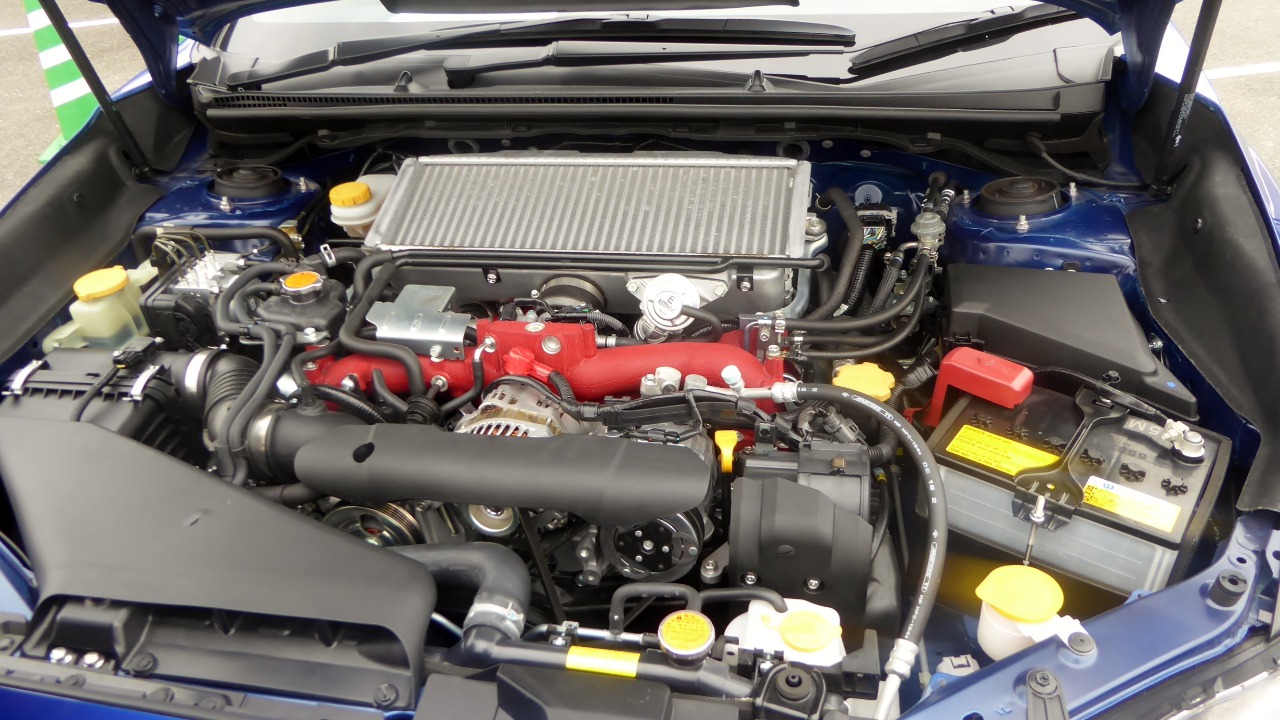
The Subaru EJ20 Turbocharged Boxer engine is a defining feature of Subaru’s performance-oriented models, especially the WRX. Launched in the 1990s, this engine combines the distinctive flat-four design with turbocharging, resulting in a unique power delivery and an unmistakable exhaust note. With outputs often exceeding 300 horsepower in performance trims, the EJ20 has become a benchmark for all-wheel-drive performance.
Enthusiasts appreciate the EJ20 for its low center of gravity, contributing to excellent handling characteristics. Its combination of turbocharging and all-wheel drive has made it a formidable competitor in motorsport, particularly in rallying. The Subaru EJ20 continues to inspire comparisons in the compact performance segment, with many enthusiasts striving to replicate its success in their builds.
Toyota 2JZ-GTE Inline-Six

The Toyota 2JZ-GTE is another legendary engine that enthusiasts often compare everything against. Known for its role in the Toyota Supra MK4, this inline-six engine is famous for its robustness and tuning potential. With a factory output of around 276 horsepower, the 2JZ-GTE has proven capable of exceeding 1,000 horsepower with aftermarket modifications, making it a favorite among drag racers and drift enthusiasts.
Its reliable design allows for significant power upgrades without sacrificing longevity, which is a key reason why the 2JZ-GTE remains a benchmark in the tuning community. The engine’s smooth power delivery and character make it a joy to drive, further solidifying its status as an icon in performance circles. As a reference engine, the 2JZ-GTE represents the pinnacle of Japanese engineering and continues to inspire a new generation of enthusiasts.
Mercedes-Benz M156 V8
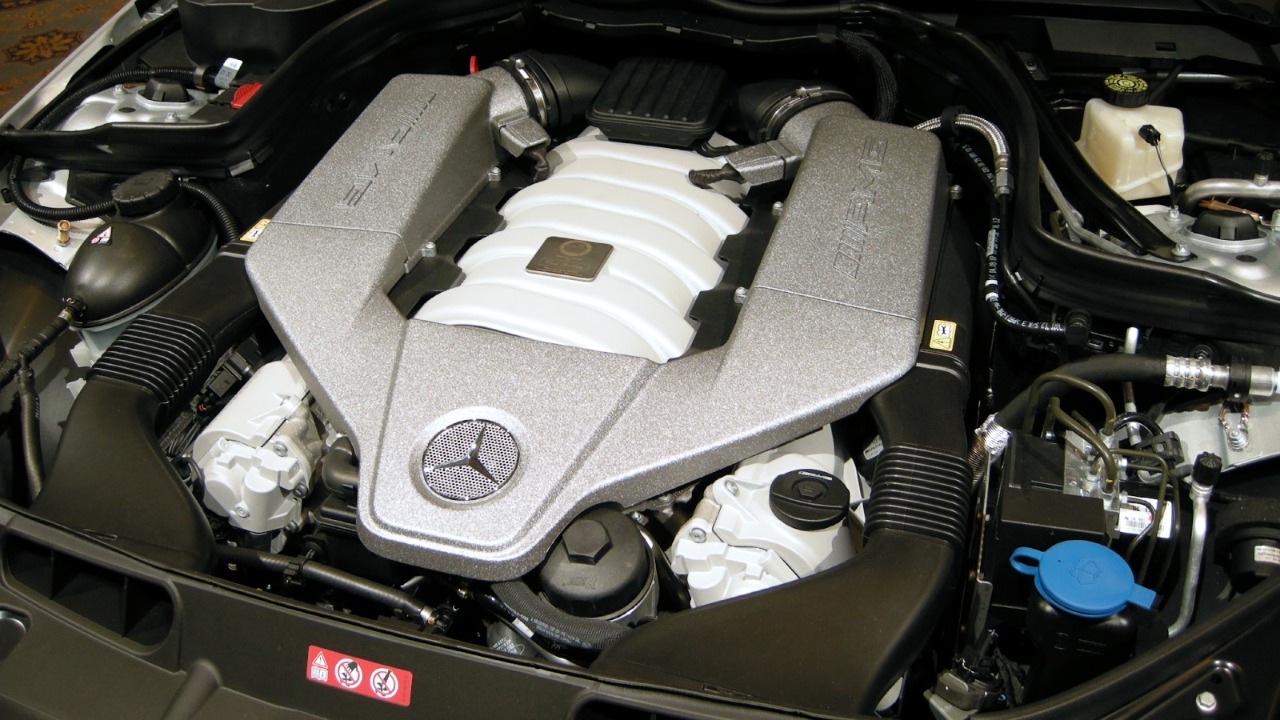
The Mercedes-Benz M156 V8 is a high-performance engine that has garnered respect among automotive enthusiasts since its introduction in 2006. Powering models such as the Mercedes-Benz C63 AMG, this naturally aspirated engine produces a thrilling 451 horsepower and delivers an exhilarating driving experience. Its distinctive sound and robust performance have made it a benchmark for luxury sports sedans.
What sets the M156 apart is its engineering excellence and the ability to combine performance with luxury. Enthusiasts often draw comparisons between this engine and its turbocharged rivals, noting its raw power and engaging character. As a result, the M156 V8 continues to serve as a reference point for performance and engineering in the luxury automotive segment, showcasing the best of what Mercedes-Benz has to offer.
More from Fast Lane Only
- Unboxing the WWII Jeep in a Crate
- 15 rare Chevys collectors are quietly buying
- 10 underrated V8s still worth hunting down
- Police notice this before you even roll window down
*Research for this article included AI assistance, with all final content reviewed by human editors.