Many race cars become famous champions, but others quietly shape the future without receiving lasting recognition. These overlooked machines introduced engineering ideas, aerodynamic concepts, and drivetrain technologies that later transformed road-going performance cars. Though some faded from public memory, mechanics, engineers, and enthusiasts still recognize how influential these racing machines truly were in shaping modern automotive performance.
Chaparral 2J
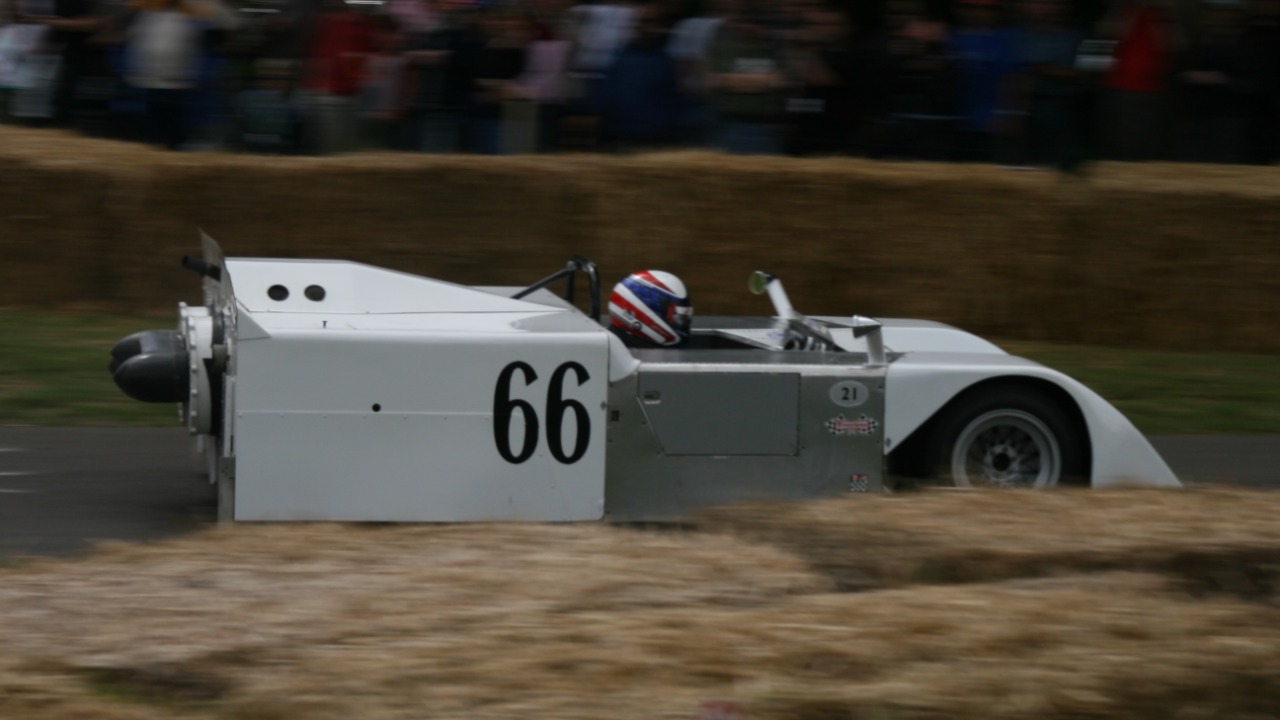
The Chaparral 2J became one of the most innovative race cars ever built because of its radical fan-generated ground effects system. Large rear-mounted fans actively sucked the car toward the track surface, producing incredible cornering grip far ahead of its time. Although controversial and short-lived in competition, the 2J influenced future aerodynamic thinking across motorsports and high-performance road cars. Engineers and mechanics still study its creative approach because it demonstrated how airflow management could dramatically improve handling performance beyond traditional mechanical grip alone.
Nissan R390 GT1
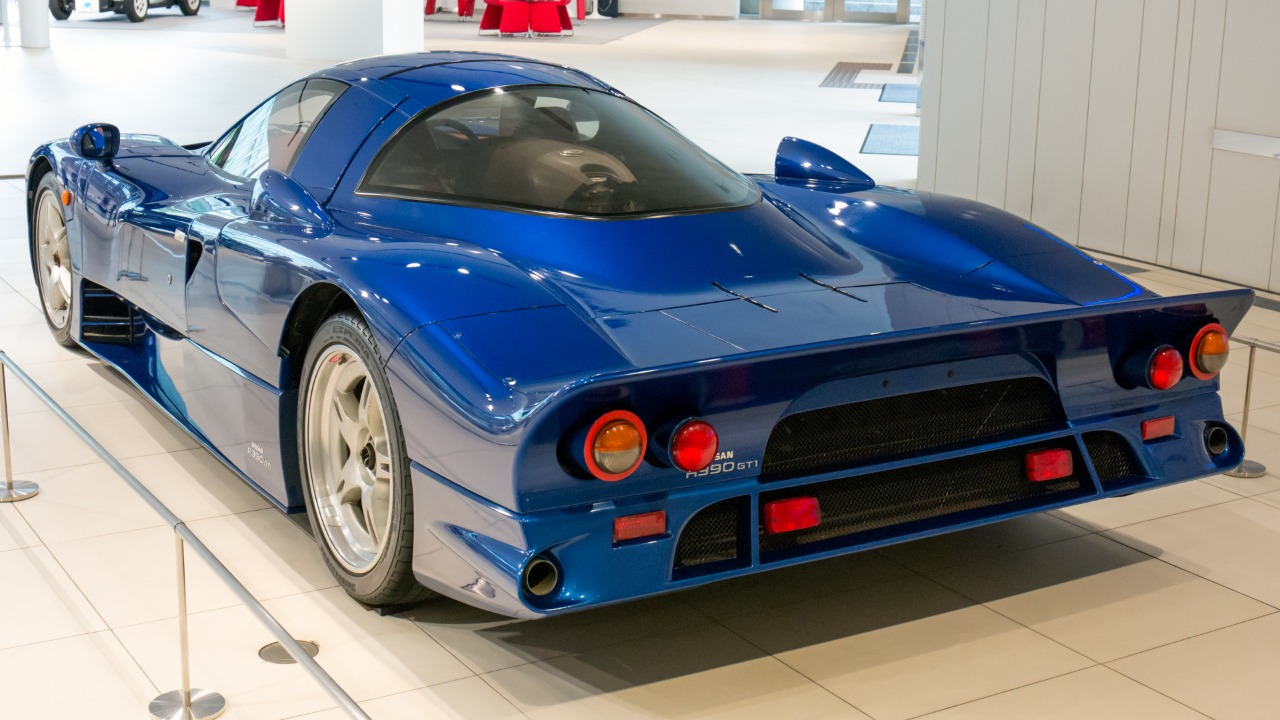
The Nissan R390 GT1 helped shape modern supercar aerodynamics and high-speed stability despite never achieving massive mainstream fame. Developed for endurance racing during the late 1990s GT1 era, the R390 featured advanced airflow management and lightweight construction that influenced later Nissan performance engineering. Mechanics admired the car’s twin-turbocharged V8 packaging and endurance-focused durability. Although overshadowed by more famous Le Mans rivals, the R390 demonstrated how race-developed aerodynamic efficiency could improve both speed and stability in future road-going performance vehicles.
Alfa Romeo 155 V6 TI
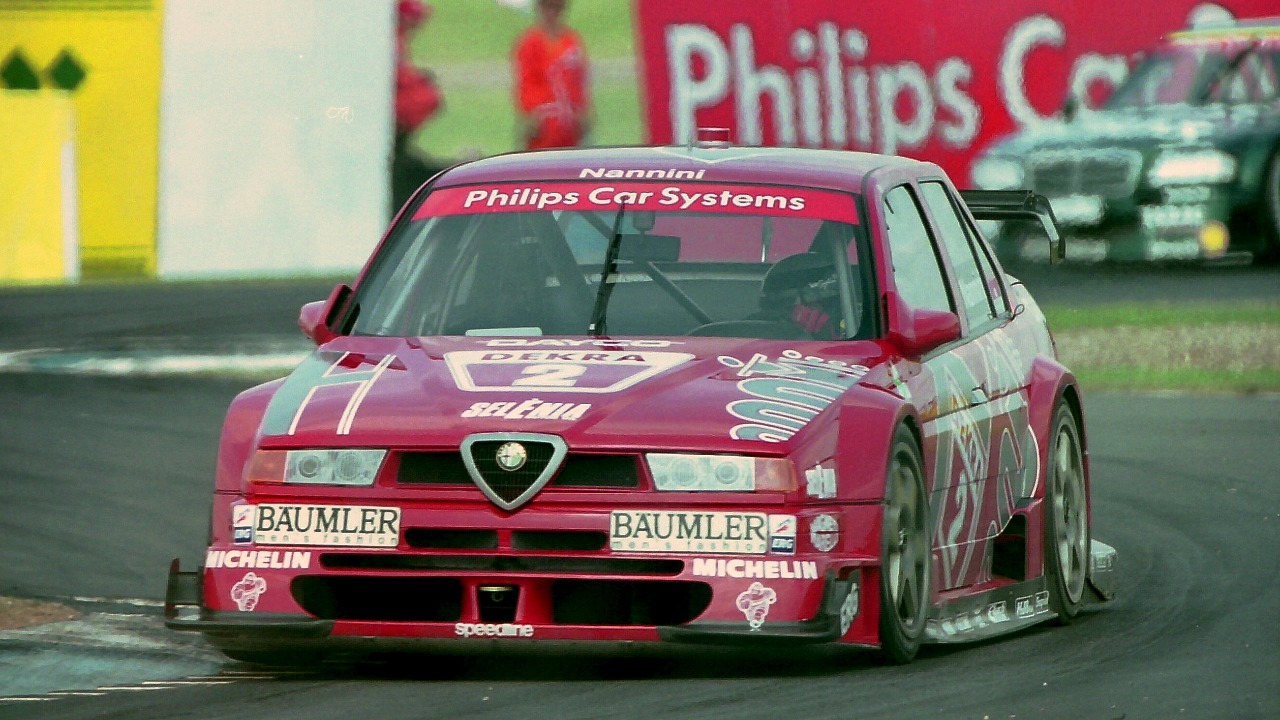
The Alfa Romeo 155 V6 TI stunned touring car racing fans with advanced technology that resembled Formula One engineering hidden beneath sedan bodywork. Featuring all-wheel drive, sophisticated aerodynamics, and a high-revving V6 engine, the 155 V6 TI introduced ideas later seen in modern high-performance sedans. Mechanics respected the complexity of its racing systems and aggressive engineering philosophy. Though not always remembered alongside more famous touring cars, its influence helped prove that advanced electronics and aerodynamics could redefine sedan performance capabilities.
Toyota Eagle MkIII
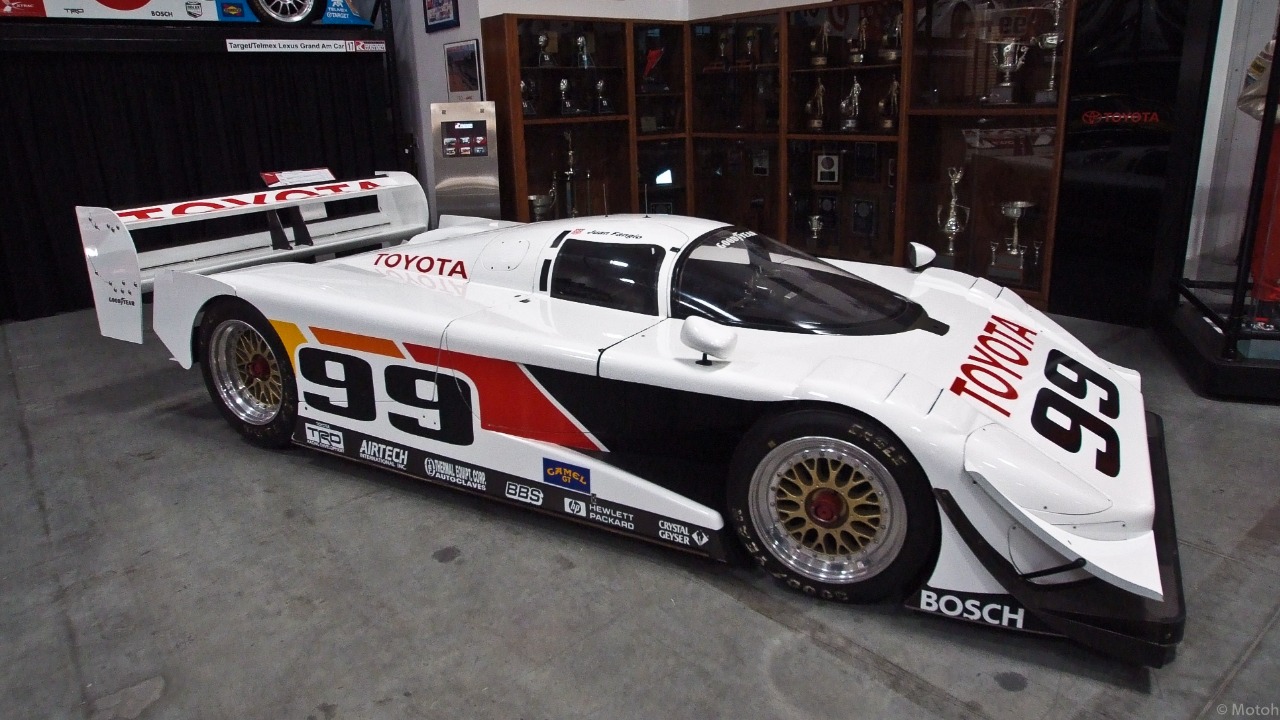
The Toyota Eagle MkIII dominated American endurance racing with extreme aerodynamics and turbocharged power that previewed future performance engineering trends. Built for the demanding IMSA GTP series, the MkIII combined lightweight construction with advanced downforce generation that allowed astonishing cornering speeds. Mechanics admired the durability of its turbocharged engine under brutal endurance conditions. Although less famous internationally than some European prototypes, the Eagle MkIII demonstrated how aerodynamic efficiency and forced induction could become central elements in modern performance car development.
Matra MS670
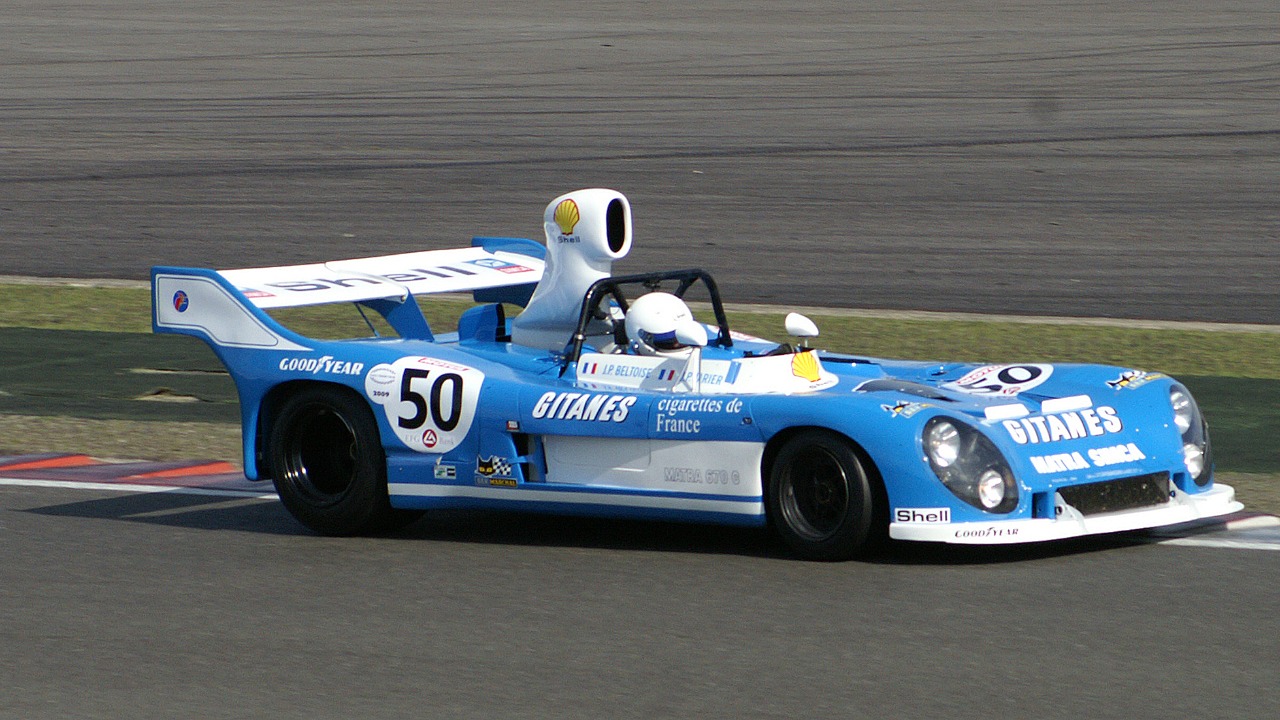
The Matra MS670 played a major role in advancing lightweight endurance racing design during the 1970s. Powered by a screaming V12 engine, the MS670 combined speed with reliability to achieve major Le Mans success for France. Mechanics appreciated its efficient packaging and balanced chassis setup during long-distance racing conditions. While later endurance legends gained more recognition, the MS670 influenced modern thinking about aerodynamic balance and endurance-focused engineering. Its success also showed how race cars could combine high performance with remarkable mechanical consistency.
Isuzu Piazza XE Group A
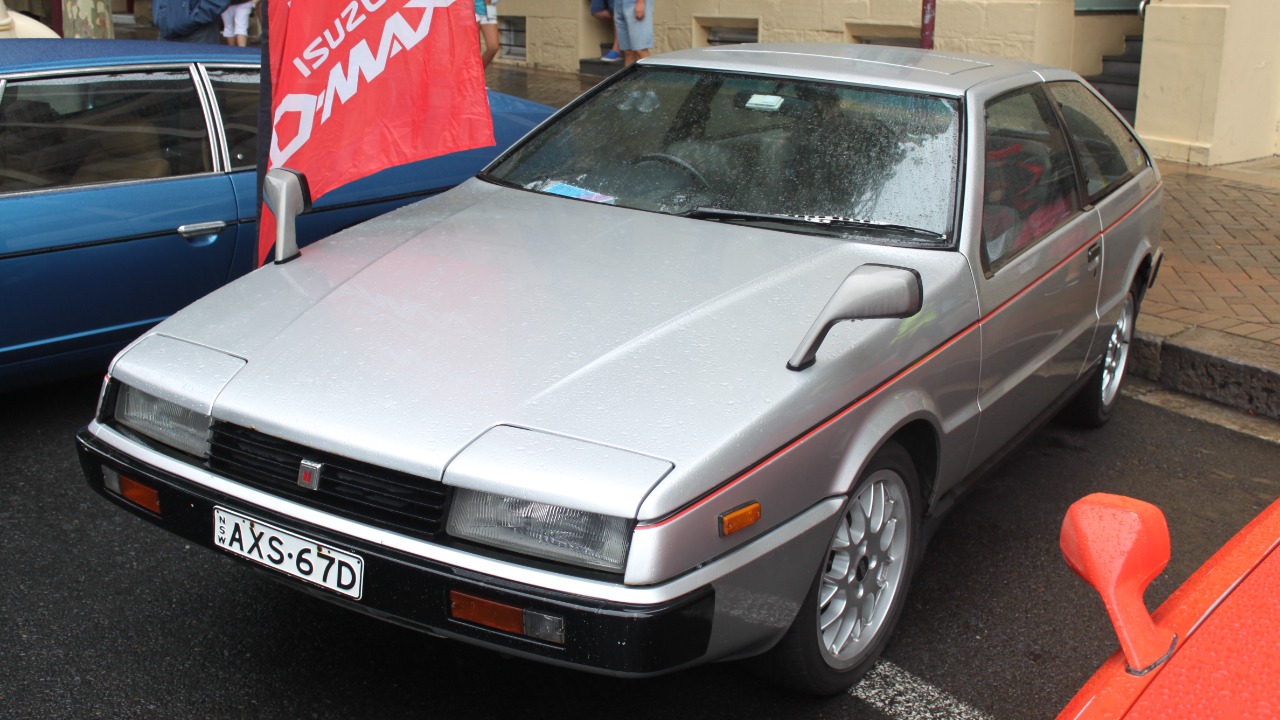
The Isuzu Piazza XE rarely appears in mainstream motorsports discussions, yet it contributed valuable lessons about turbocharged reliability and lightweight touring car engineering. Competing during the rise of highly competitive Group A racing, the Piazza demonstrated how smaller manufacturers could create agile performance machines capable of challenging larger rivals. Mechanics respected the balance between power and durability in demanding race environments. Though overshadowed by dominant factory teams, the car influenced later compact performance models focused on efficiency, responsiveness, and turbocharged drivability.
Merkur XR4Ti IMSA
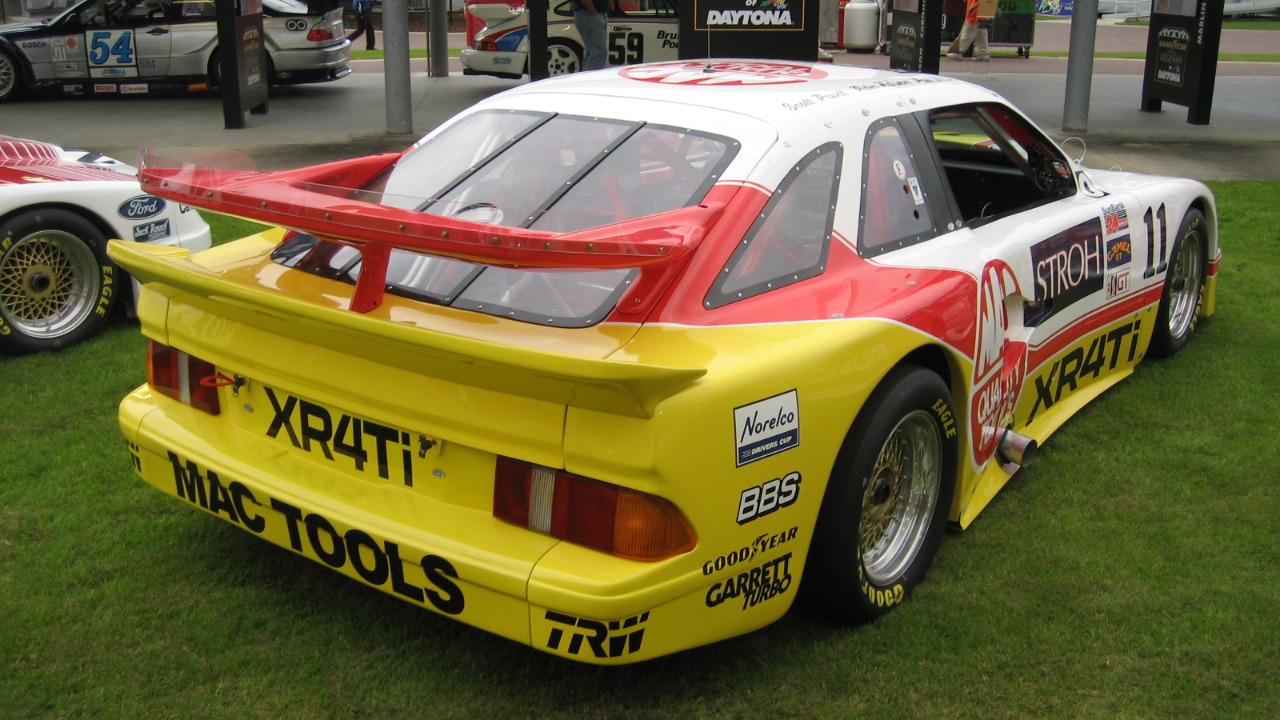
The Merkur XR4Ti IMSA helped introduce European turbocharged performance concepts to American racing audiences during the 1980s. Based on the Ford Sierra platform, the XR4Ti featured aggressive aerodynamics and turbocharged four-cylinder power that proved smaller engines could remain highly competitive. Mechanics admired its tuning flexibility and lightweight chassis balance. Although it never achieved widespread fame outside dedicated racing circles, the XR4Ti contributed to the growing acceptance of turbocharged performance technology that later became common in modern sports cars and sport sedans.
Peugeot 905
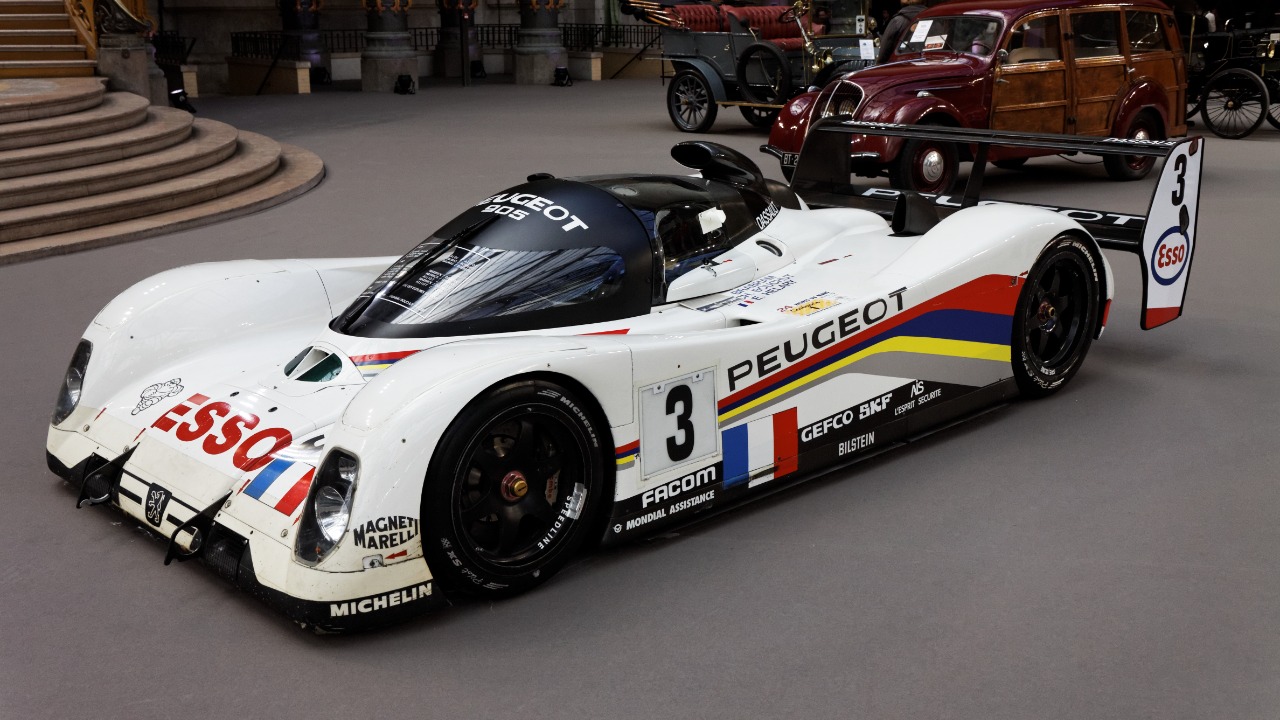
The Peugeot 905 demonstrated how advanced aerodynamics and lightweight engineering could outperform larger-displacement competitors in endurance racing. Its naturally aspirated V10 engine and highly refined chassis design previewed technologies later adopted by modern supercars and endurance racers alike. Mechanics respected the precision engineering required to maintain performance over long-distance events. While often overshadowed by rival Group C legends, the 905 played an important role in evolving prototype race car efficiency and influencing future high-performance vehicle development strategies.
Panoz Esperante GTR-1
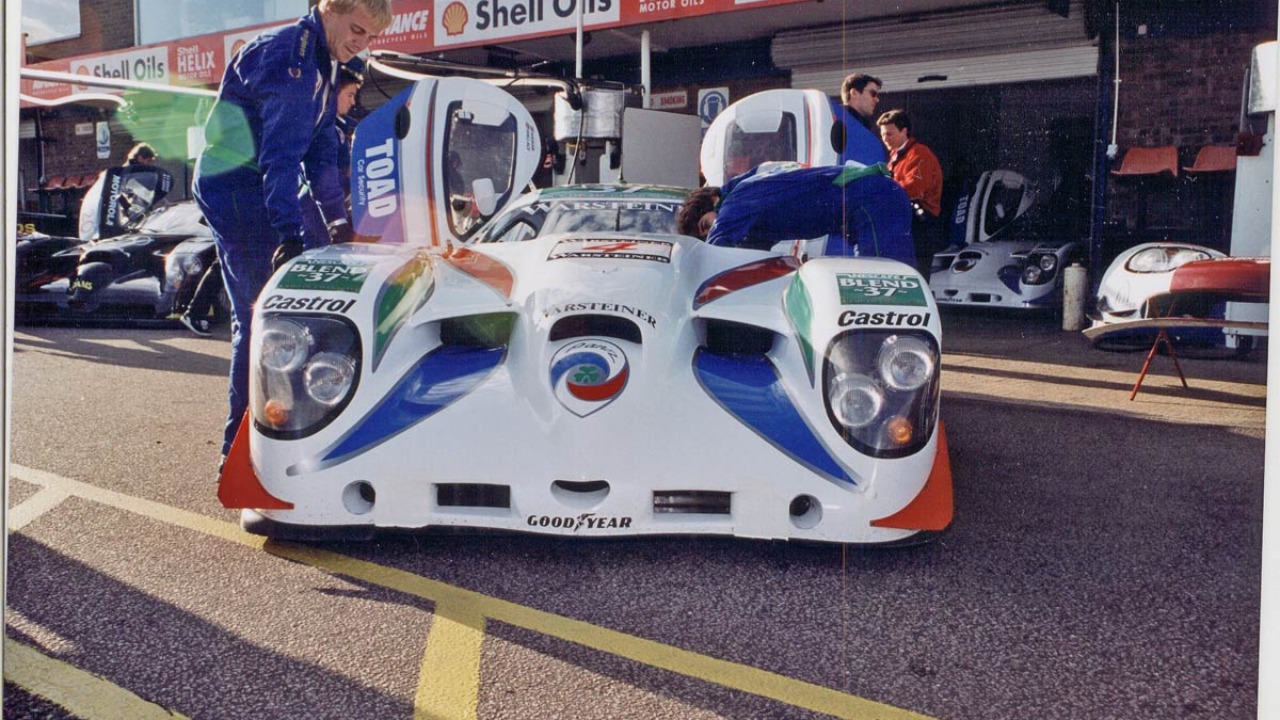
The Panoz Esperante GTR-1 stood out because it challenged conventional mid-engine racing design during an era dominated by rear-engine prototypes. Powered by a large American V8, the GTR-1 delivered unique weight distribution characteristics and unforgettable styling. Mechanics appreciated the car’s unconventional engineering and strong mechanical accessibility during endurance races. Although it never became a dominant champion, the Esperante demonstrated that creative layouts and bold experimentation still had a place in elite motorsports. Its influence encouraged continued innovation beyond standard racing formulas.
More from Fast Lane Only