In an ever-evolving automotive landscape, some vehicles have remarkably withstood the test of time and market fluctuations. While many competitors have succumbed to changing consumer preferences, a select few models have maintained their popularity and relevance. Here are ten vehicles that quietly survived trends that killed their competitors.
Toyota Land Cruiser
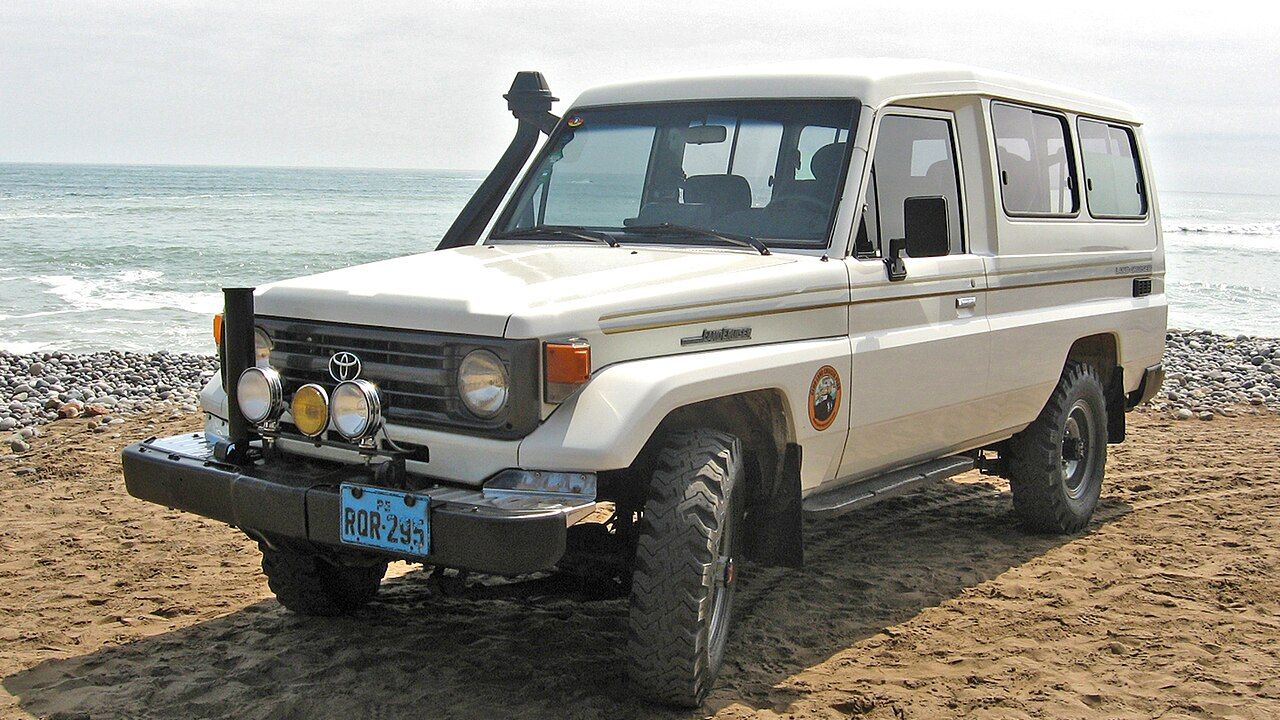
The Toyota Land Cruiser is a prime example of resilience in the automotive market. First introduced in 1951, this rugged SUV has retained its appeal among off-road enthusiasts and luxury SUV buyers alike. Despite the growing trend towards more fuel-efficient vehicles and crossovers, the Land Cruiser continues to thrive due to its legendary durability, advanced off-road capabilities, and luxurious interior. Its loyal customer base appreciates the vehicle’s reliability, making it a staple for those who demand both adventure and comfort.
With the discontinuation of several large SUVs, the Land Cruiser’s production has continued, proving its ability to adapt while maintaining its core identity. Even as Toyota pivots to more eco-friendly technologies, the Land Cruiser stands strong, showcasing a blend of tradition and innovation that few vehicles can match.
Jeep Wrangler
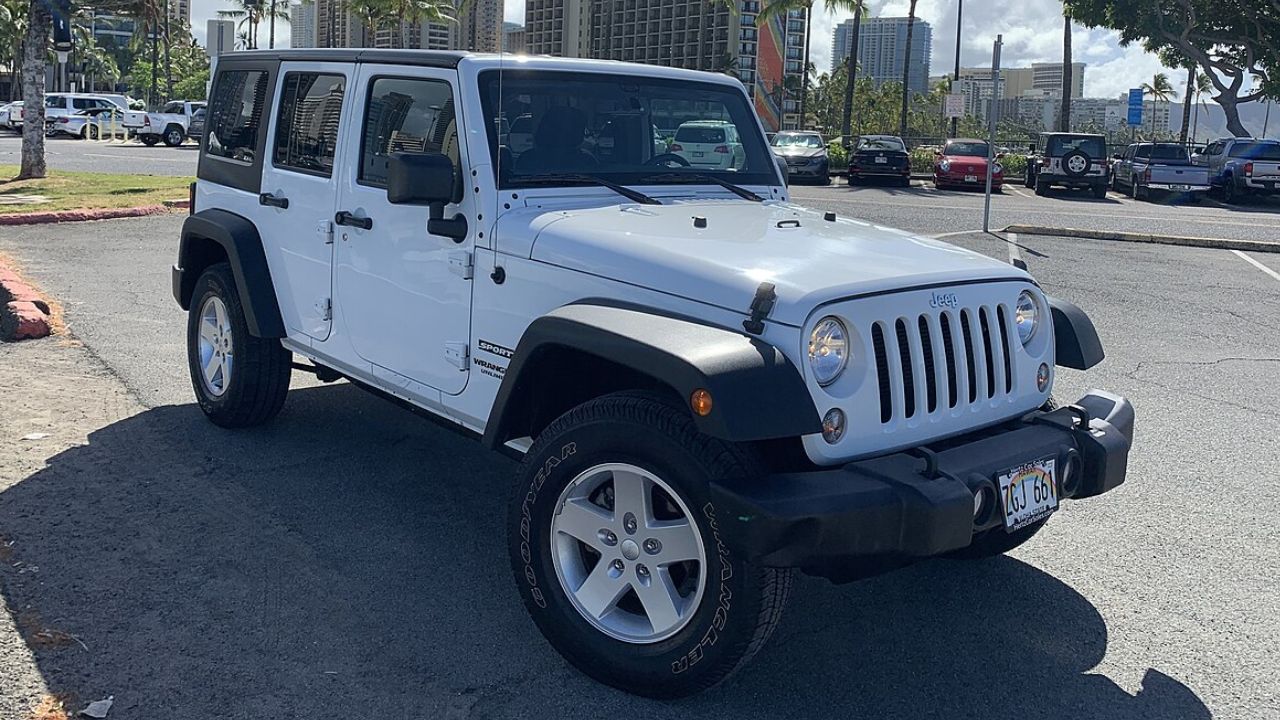
The Jeep Wrangler has been an enduring symbol of off-road capability since its inception. Its unique design and legendary four-wheel-drive system have kept it relevant even as consumer preferences shifted toward more urban-centric vehicles. The Wrangler’s consistent integration of modern technology, such as advanced infotainment systems and safety features, ensures it remains competitive while retaining its rugged charm.
Moreover, the Wrangler’s strong brand loyalty is unmatched, with many owners cherishing their vehicles as part of their lifestyle. As a result, even amidst the rise of electric SUVs and hybrids, the Jeep Wrangler stands firm, continuing to attract adventure seekers and outdoor enthusiasts.
Ford F-150

As America’s best-selling vehicle for over four decades, the Ford F-150 has proven its staying power in the face of shifting automotive trends. It has successfully navigated through the rise of compact trucks and the growing interest in fuel-efficient alternatives. Its blend of power, versatility, and advanced technology has kept it at the forefront of the truck segment.
Ford’s commitment to innovation, including the introduction of an all-electric version, positions the F-150 as a forward-thinking choice for consumers. The combination of its long-standing reputation for reliability and continuous improvements ensures that it remains a top choice for both work and leisure.
Honda Civic
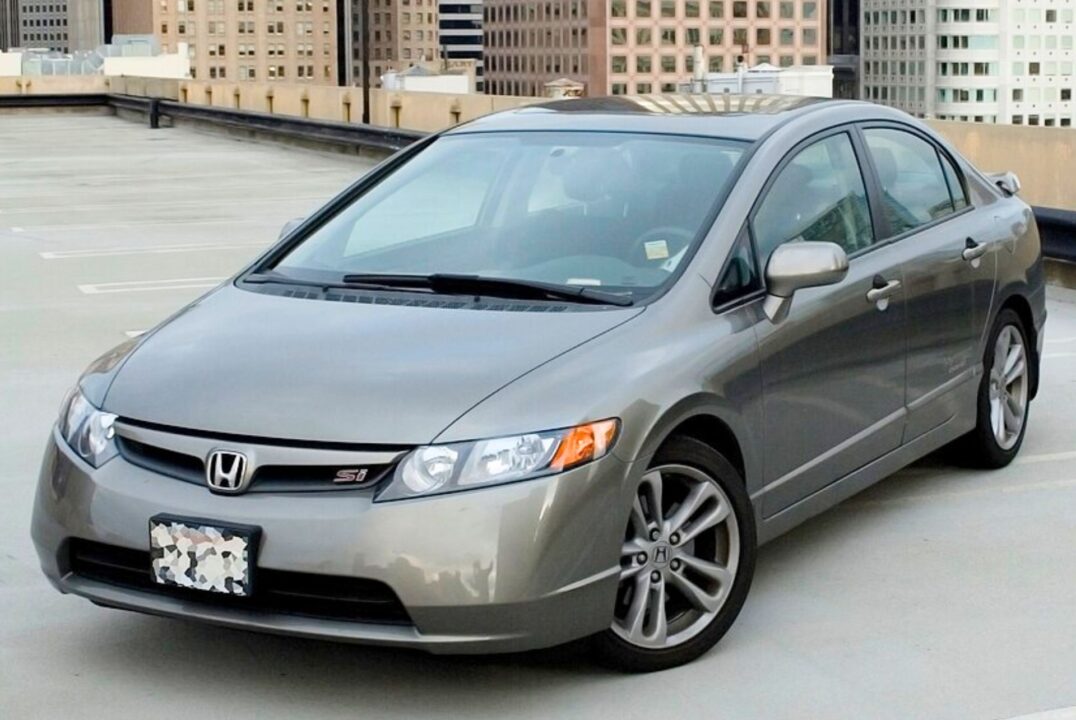
The Honda Civic has been a staple in the compact car segment since its debut in 1972. It has successfully evolved through different generations while consistently offering reliability, fuel efficiency, and a comfortable driving experience. As many compact cars have fallen victim to the rise of SUVs, the Civic has adapted by incorporating sporty designs and advanced technology.
Its reputation for quality and resale value has helped it maintain a loyal customer base, making it a preferred choice for first-time buyers and enthusiasts alike. Even as the market shifts, the Civic continues to thrive, demonstrating its ability to resonate with a wide range of drivers.
Subaru Outback
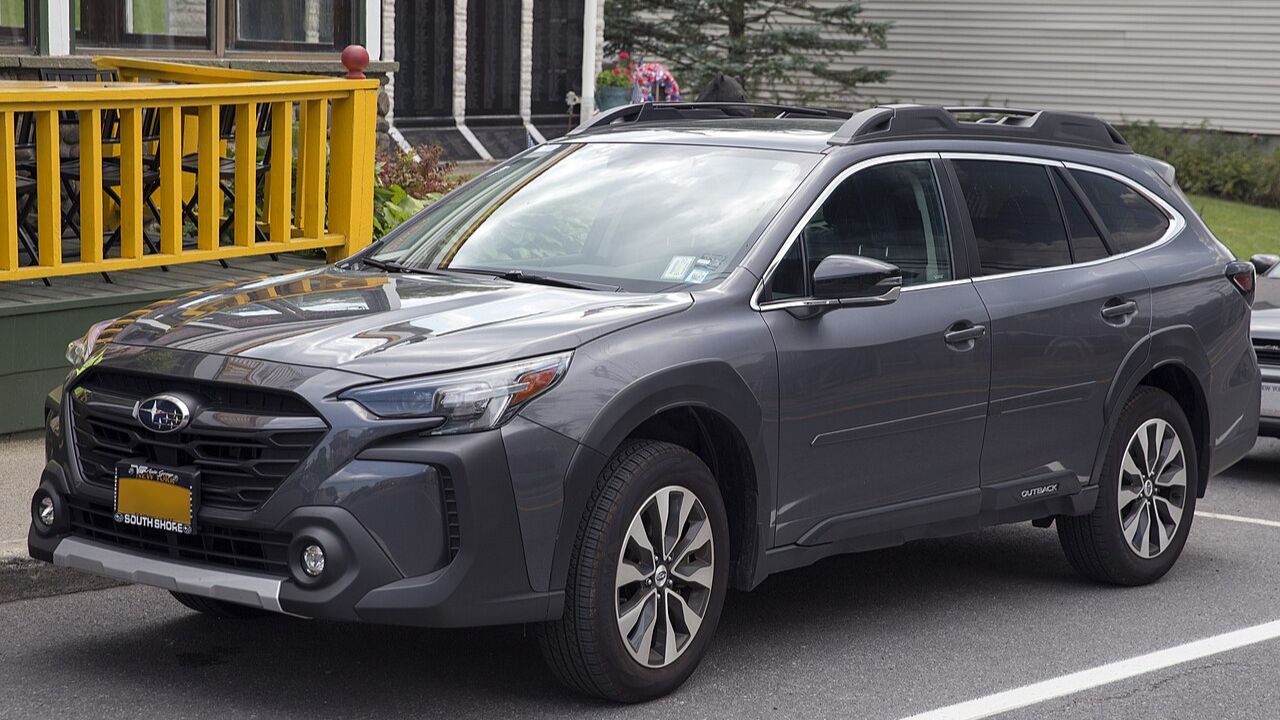
The Subaru Outback has carved out a niche for itself as the go-to option for outdoor enthusiasts and families alike. Since its introduction in the mid-1990s, it has maintained a reputation for safety, reliability, and all-weather capability. The Outback has thrived in an era dominated by crossovers by combining the attributes of an SUV with the driving dynamics of a car.
Its rugged styling and standard all-wheel drive appeal to those seeking adventure, while its spacious interior and advanced safety features attract families. As other models fade into obscurity, the Outback remains a steadfast choice, reflecting Subaru’s dedication to quality and performance.
Chevrolet Corvette
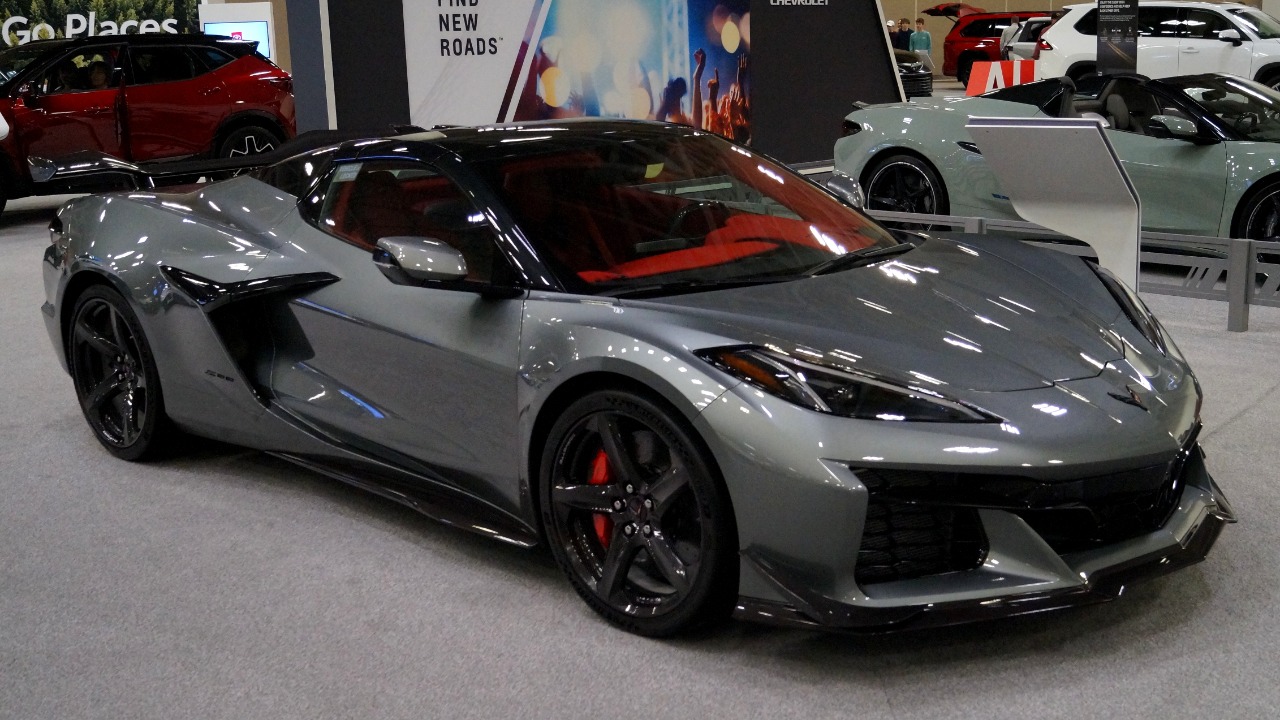
The Chevrolet Corvette has been synonymous with American sports cars since 1953. Despite the challenges posed by changing automotive trends and the rise of foreign competitors, the Corvette has continuously evolved while staying true to its performance roots. Its iconic design and exhilarating performance have kept it relevant, even as the market shifts towards more eco-conscious vehicles.
Recent iterations have embraced advanced technology and improved fuel efficiency without sacrificing power. The Corvette’s ability to adapt while maintaining a distinct identity has solidified its place as a staple in the sports car world, demonstrating resilience in an ever-changing market.
Volkswagen Golf

The Volkswagen Golf has been a mainstay in the hatchback segment since its launch in 1974. With a reputation for practicality, performance, and quality, the Golf has weathered various trends, including the increasing popularity of SUVs. Its compact size, combined with spacious interiors and advanced technology, makes it a versatile choice for urban dwellers and families alike.
As manufacturers have shifted focus away from hatchbacks, the Golf has remained relevant by continuously upgrading its features and performance. Its loyal following and consistent sales demonstrate that it remains a compelling option in a challenging market.
Nissan Rogue
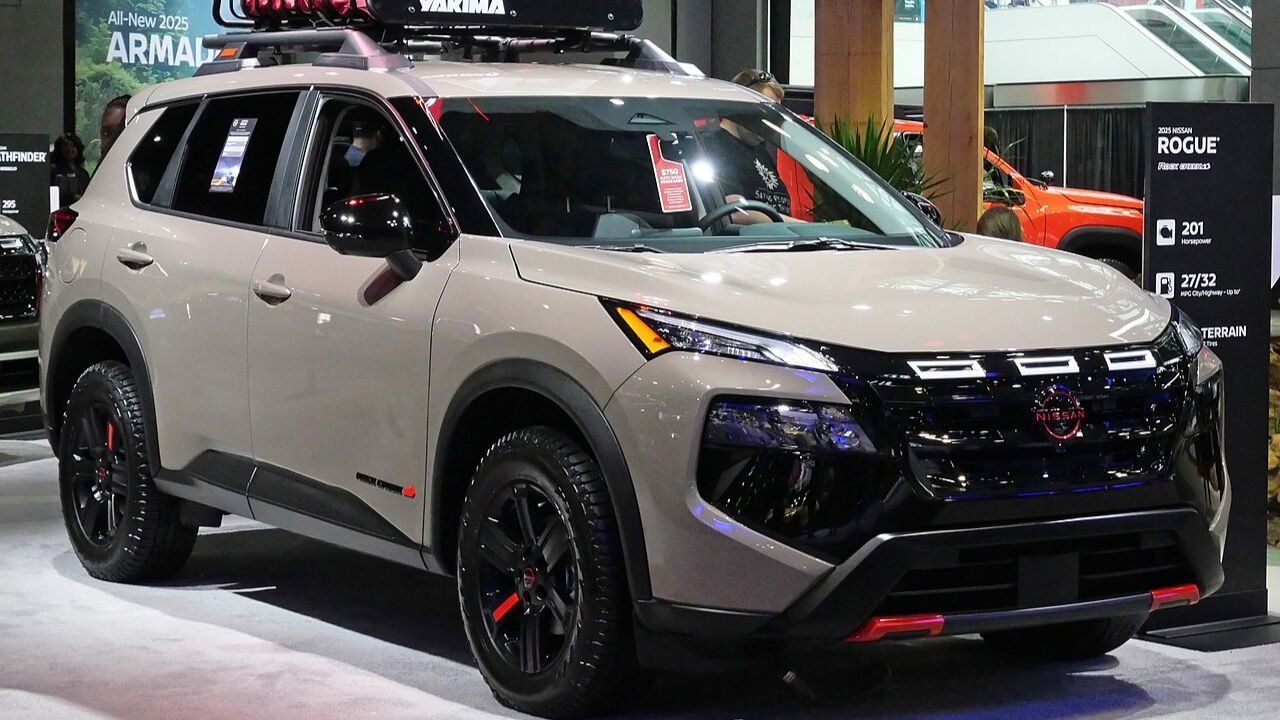
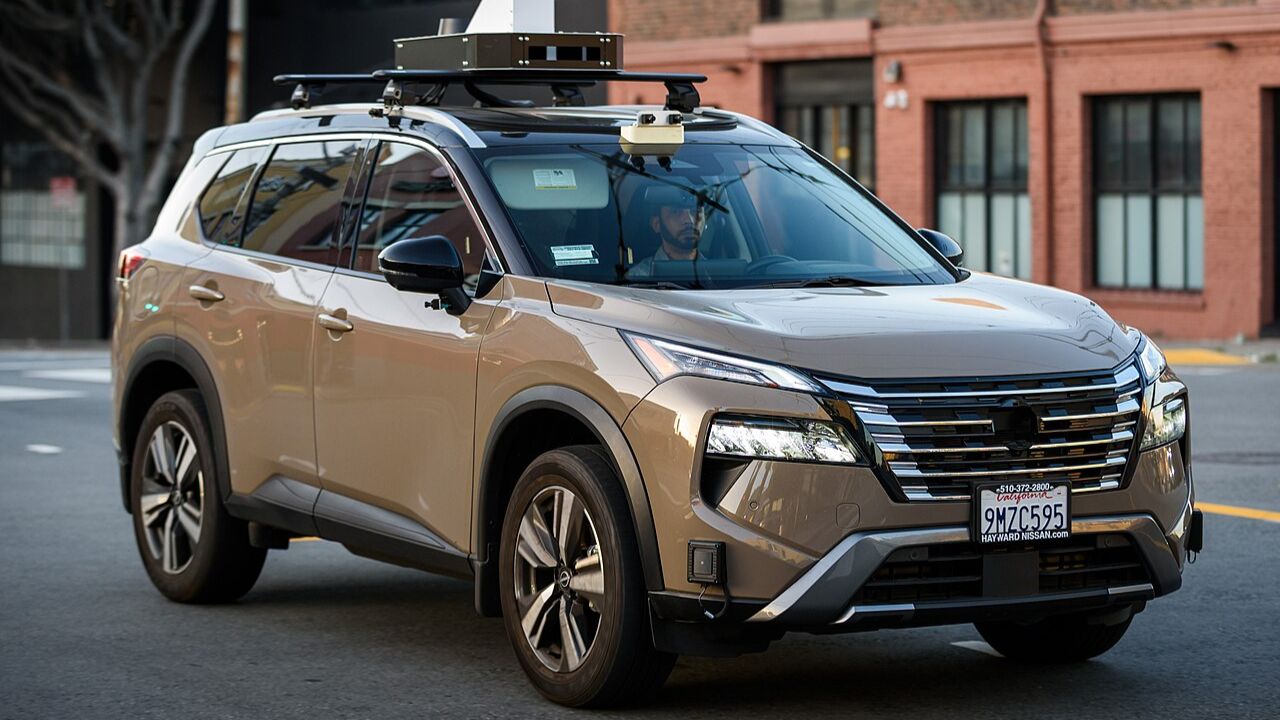
The Nissan Rogue has successfully navigated the crowded compact SUV segment since its introduction in 2007. With the surge in popularity for SUVs, many competitors have come and gone, but the Rogue has managed to maintain its position as a top seller. Its spacious interior, advanced safety features, and fuel efficiency make it an appealing choice for families and commuters alike.
Even as newer models flood the market, the Rogue continues to evolve, with enhancements in technology and design. Its ability to adapt to consumer needs while maintaining affordability has solidified its place in the competitive landscape.
Mercedes-Benz G-Class

The Mercedes-Benz G-Class has transcended its status as a luxury SUV to become a cultural icon. Since its debut in 1979, this vehicle has resisted the trend toward streamlined SUVs, maintaining its boxy design and off-road capabilities. Its blend of luxury and performance has attracted a diverse clientele, ensuring its survival amidst changing tastes.
Even as competitors have opted for more modern designs, the G-Class has remained true to its roots while incorporating modern technology and luxury features. Its unique position in the luxury market makes it a timeless choice, appealing to those who value both style and substance.
Porsche 911
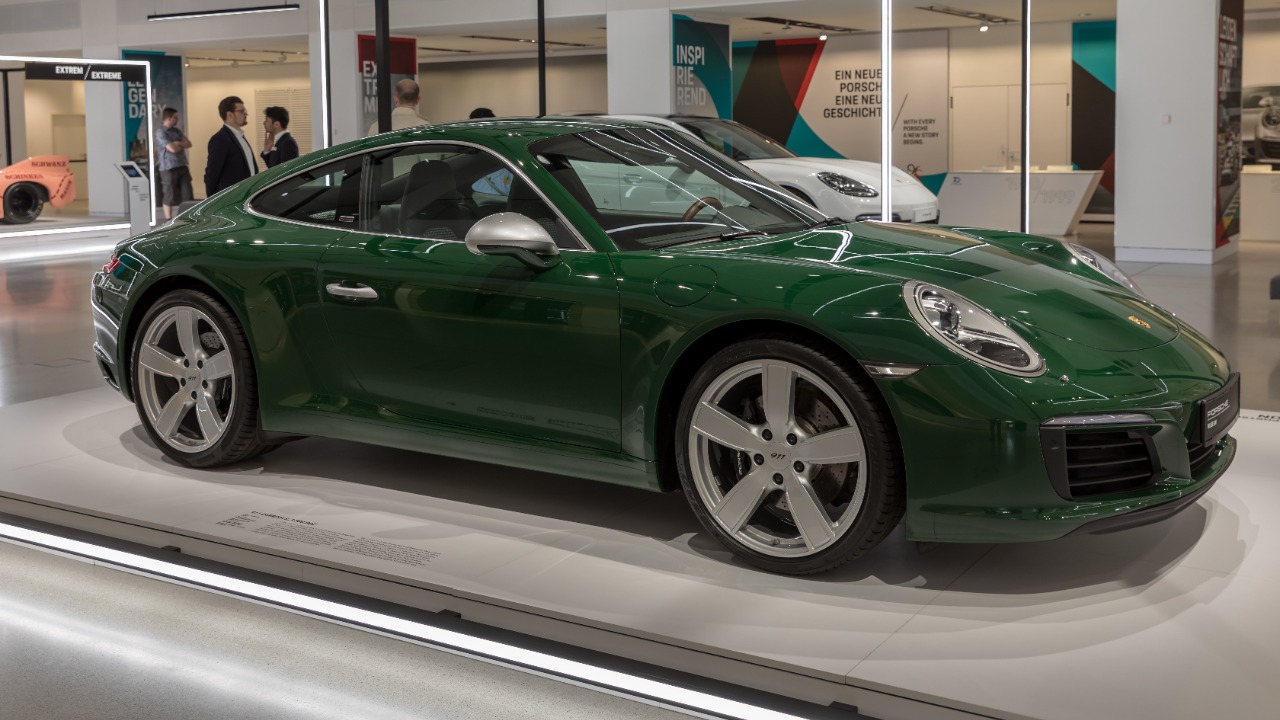
The Porsche 911 has remained one of the most enduring sports cars in the automotive world since its debut in 1964. While many performance cars have disappeared due to stricter emissions regulations, changing consumer preferences, and the growing dominance of SUVs, the 911 has consistently evolved without losing its distinctive identity. Its rear-engine layout, timeless styling, and exceptional driving dynamics have helped it maintain a loyal following across generations.
As the automotive industry shifts toward electrification and digital technology, the 911 continues to adapt with advanced engineering, improved efficiency, and modern performance features. Even as numerous rivals have faded from the market, the Porsche 911 remains a benchmark for sports cars, proving that a well-balanced blend of heritage, innovation, and performance can withstand changing trends.
More from Fast Lane Only