Imported performance cars often arrived with hype, skepticism, or comparisons to domestic rivals. Some were criticized for being too complex, too expensive, or too different when new. Yet time has a way of clarifying what truly matters in a driver’s car. These nine imported performance machines aged far better than many expected.
Nissan 300ZX Twin Turbo
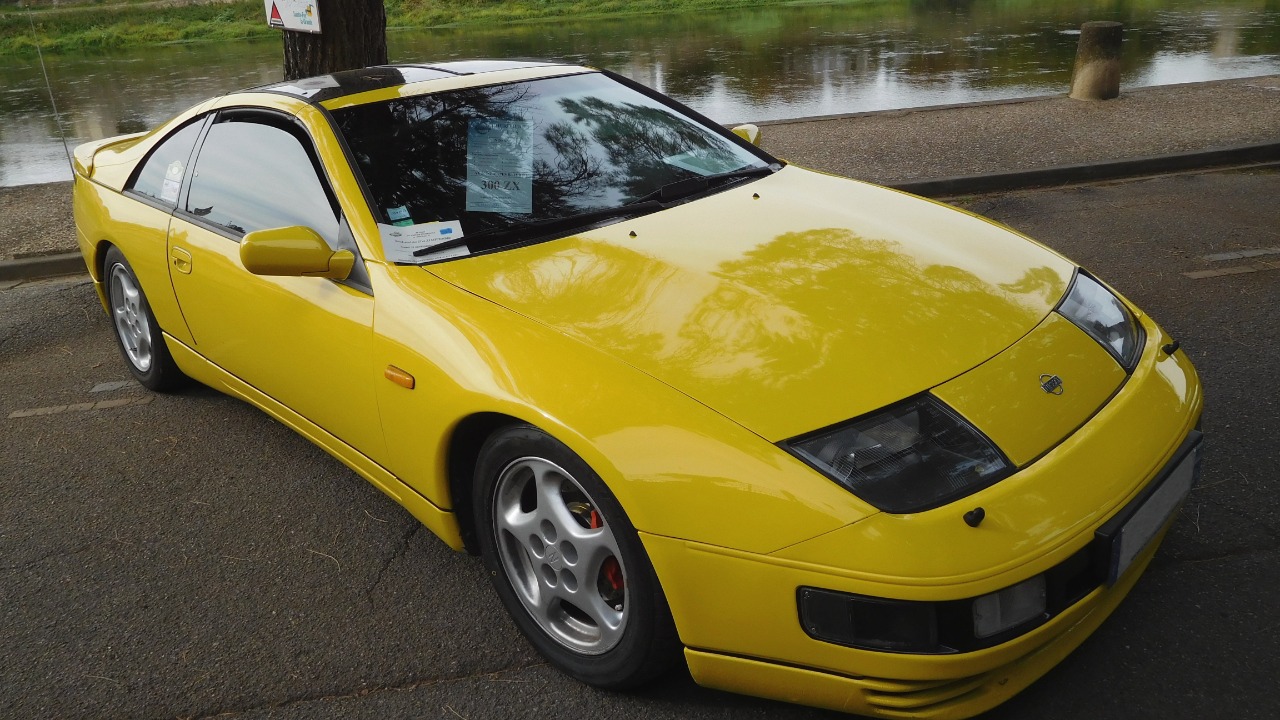
When the Z32 debuted, its twin-turbo V6 and advanced electronics felt complicated for the era. Critics questioned long-term reliability and service costs. Decades later, its balanced chassis, smooth power delivery, and distinctive styling have earned renewed respect. It now stands as one of the most complete Japanese grand tourers of the 1990s.
Toyota Supra Twin Turbo
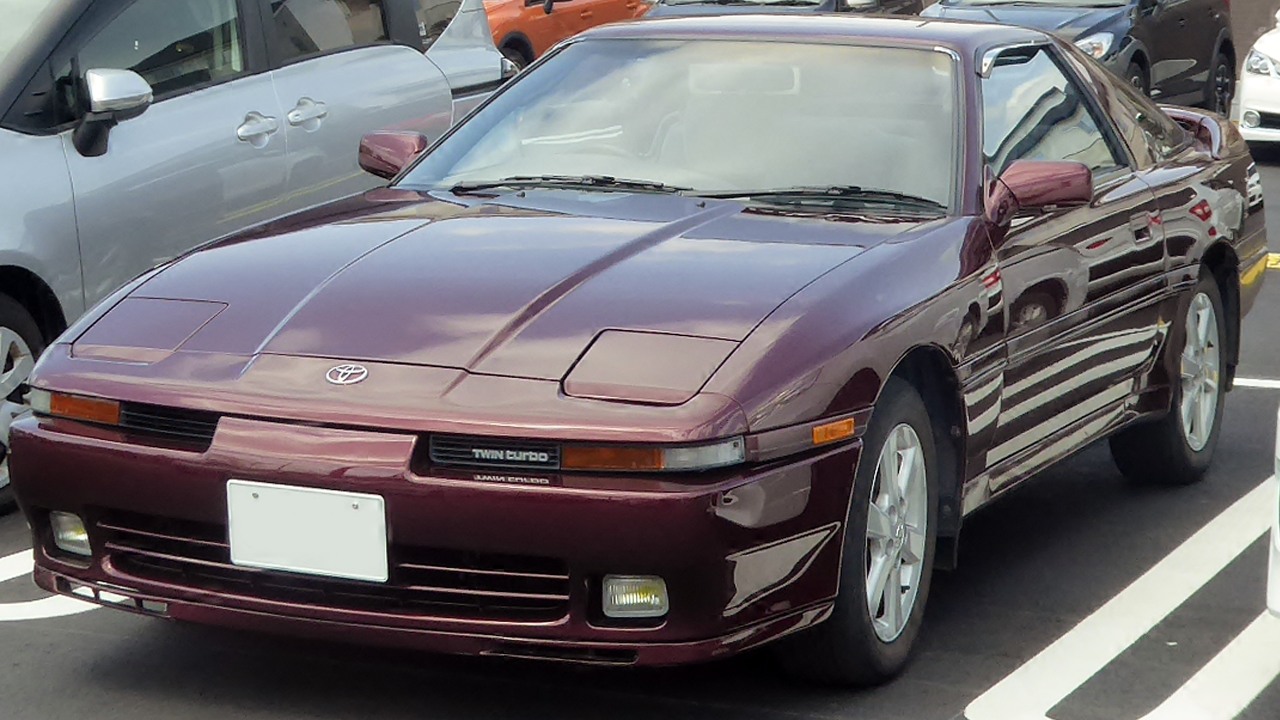
The Mk4 Supra was expensive when new and sometimes overshadowed by lighter rivals. Over time, its 2JZ engine’s durability and tuning potential reshaped its legacy. Stock examples have proven just as impressive as modified builds. Its design and engineering have aged into genuine modern-classic status.
BMW M3 E46
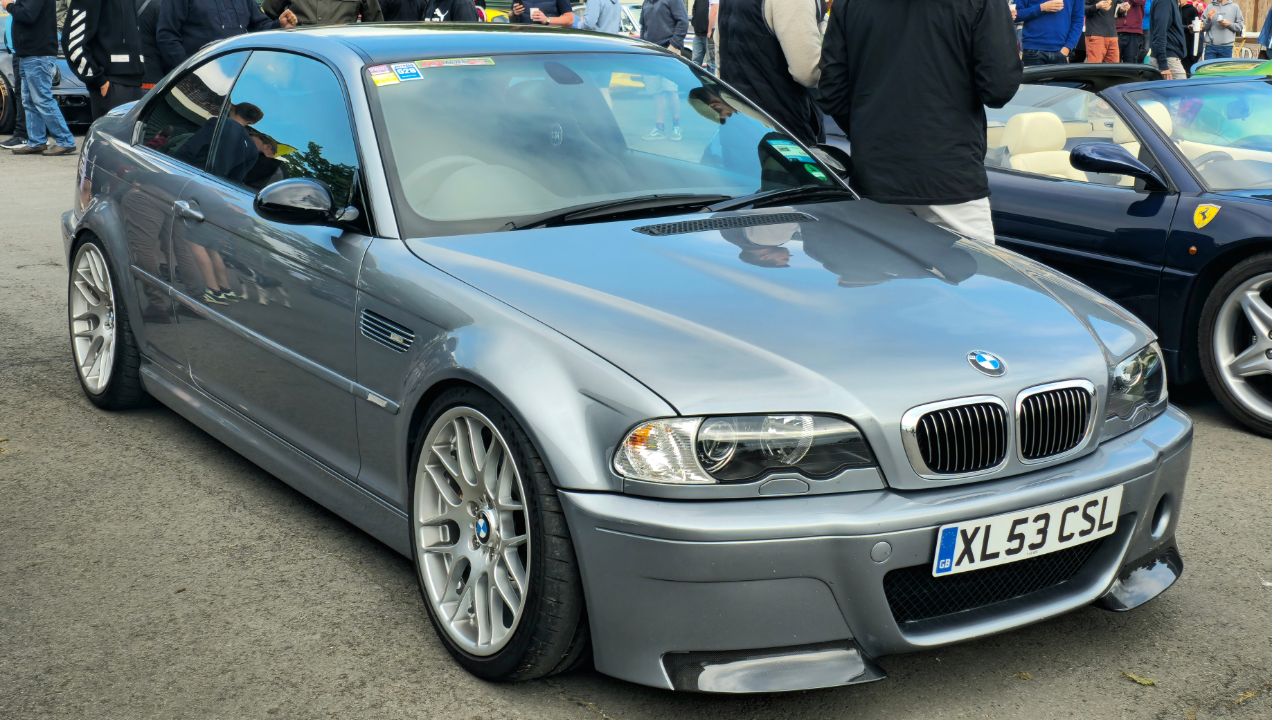
Early concerns about maintenance costs and subframe issues clouded the E46’s reputation. However, its naturally aspirated inline-six and near-perfect chassis balance aged gracefully. Modern enthusiasts now praise its analog steering feel and high-revving character. It represents a sweet spot before excessive electronics dominated the segment.
Audi RS4 B7
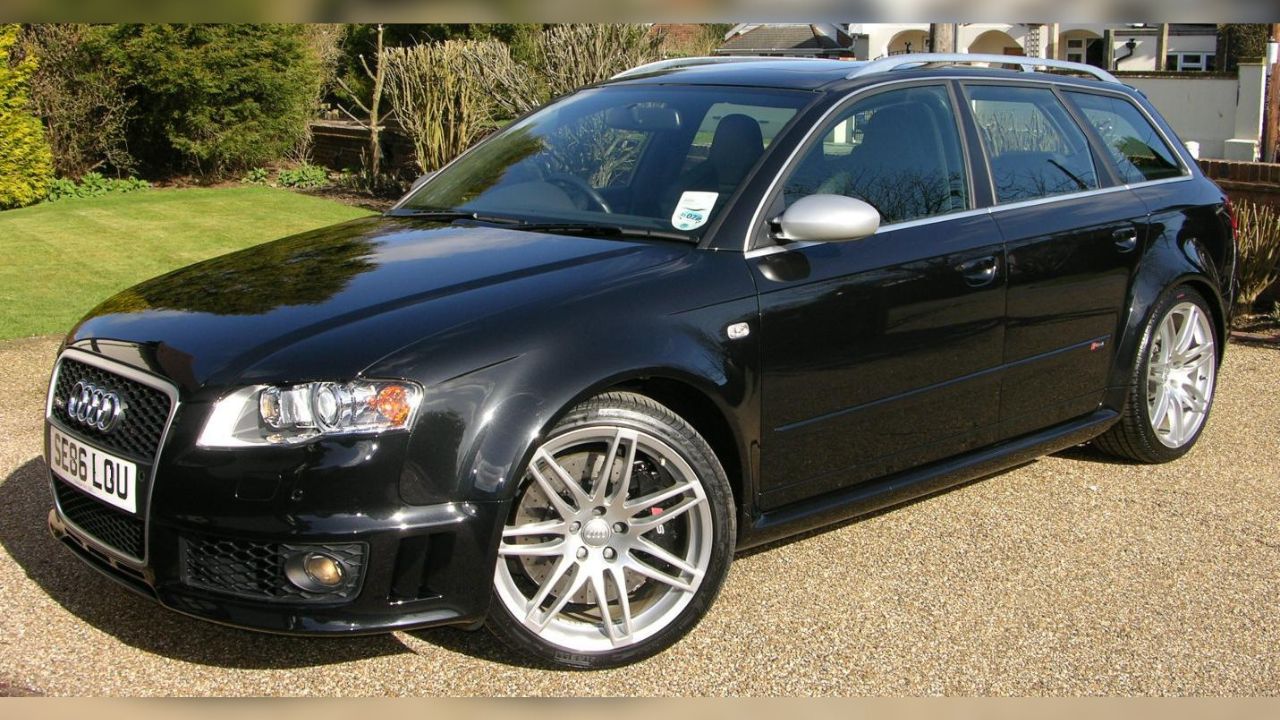
The B7 RS4 arrived with a high-revving V8 and all-wheel drive sophistication. Some questioned its weight and complexity compared to rear-wheel-drive competitors. With time, its practicality combined with sharp throttle response has earned broader appreciation. It feels like a last-of-its-kind naturally aspirated sport sedan.
Mitsubishi 3000GT VR-4

The 3000GT VR-4 was loaded with technology, from active aerodynamics to all-wheel drive. Critics once saw it as heavy and overly complicated. Today, that same tech-forward approach feels ambitious and ahead of its time. Clean examples reveal just how advanced Mitsubishi was during the 1990s performance surge.
Porsche Cayman S 987
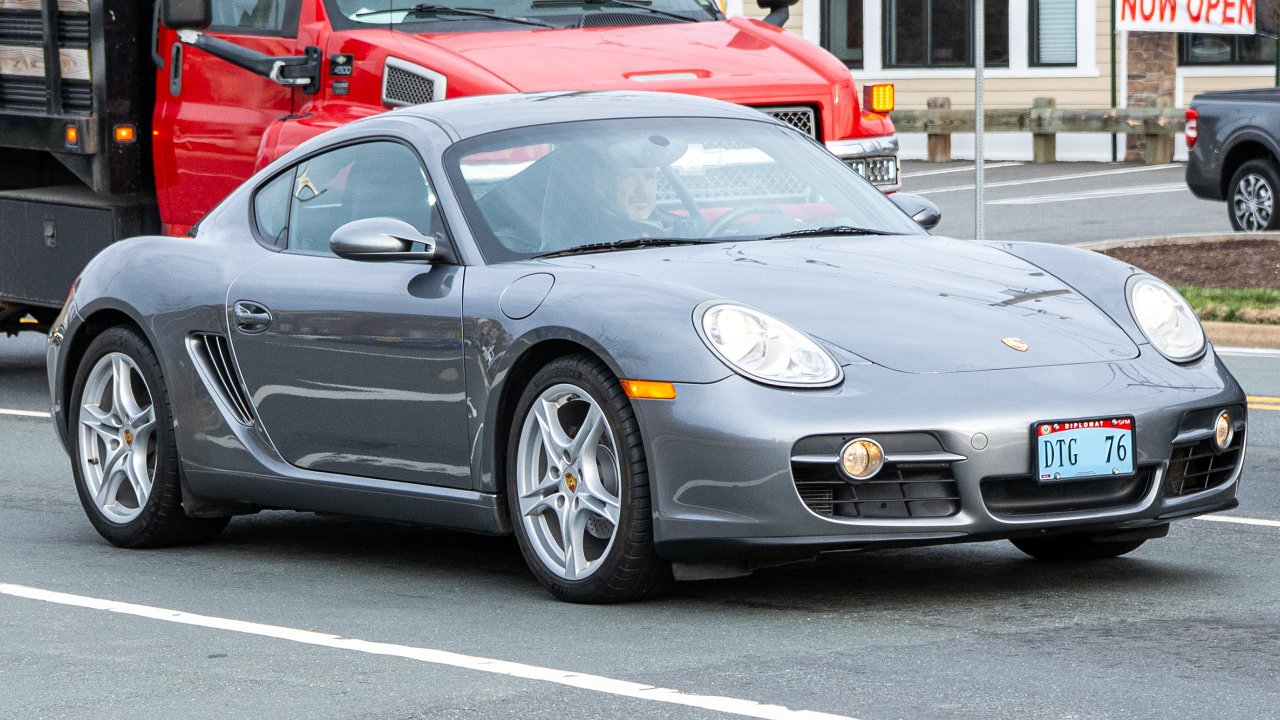
Initially viewed as the “junior” Porsche beneath the 911, the 987 Cayman S has aged into a driver’s favorite. Its mid-engine balance and communicative steering feel increasingly rare today. As newer sports cars grew heavier and more digital, the Cayman’s purity became more apparent. It now earns respect on its own terms.
Subaru Legacy GT Spec B
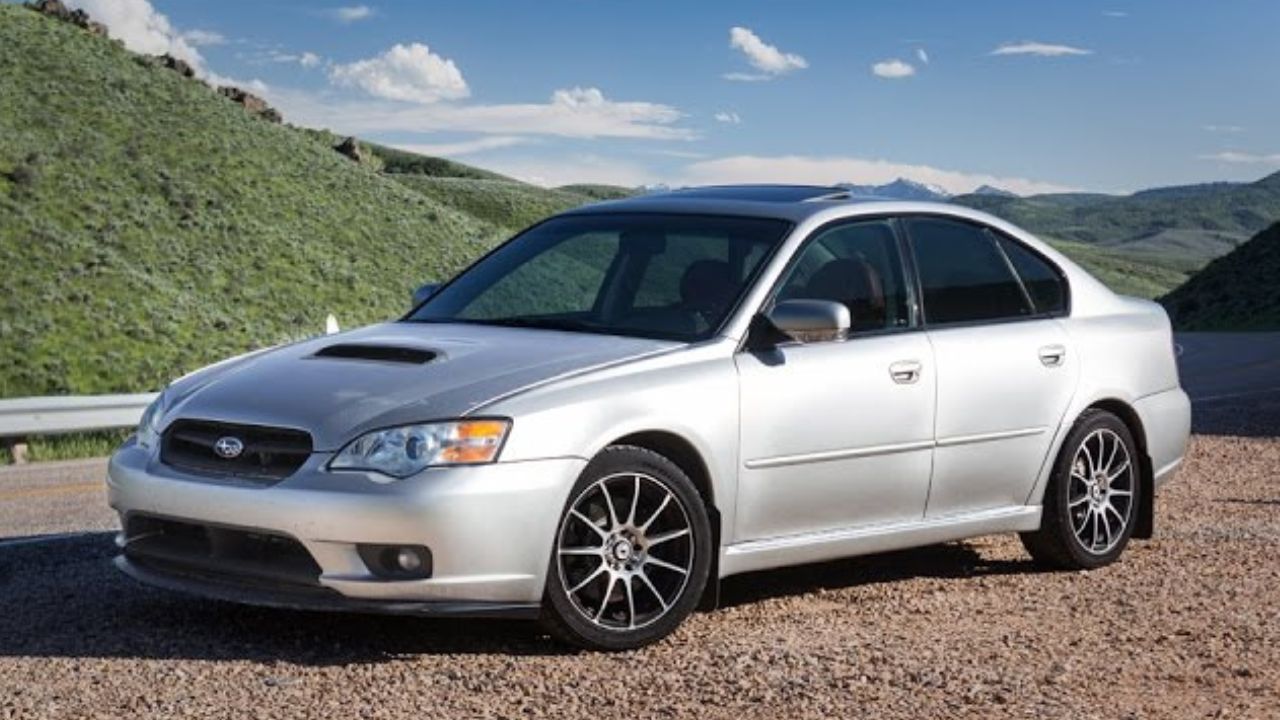
The Spec B flew under the radar compared to the WRX STI. Its turbocharged flat-four and manual transmission offered serious performance in a subtle sedan package. Over time, enthusiasts have rediscovered its blend of comfort and boost-driven torque. It represents a discreet performance formula that has largely disappeared.
Mazda RX-7 FD
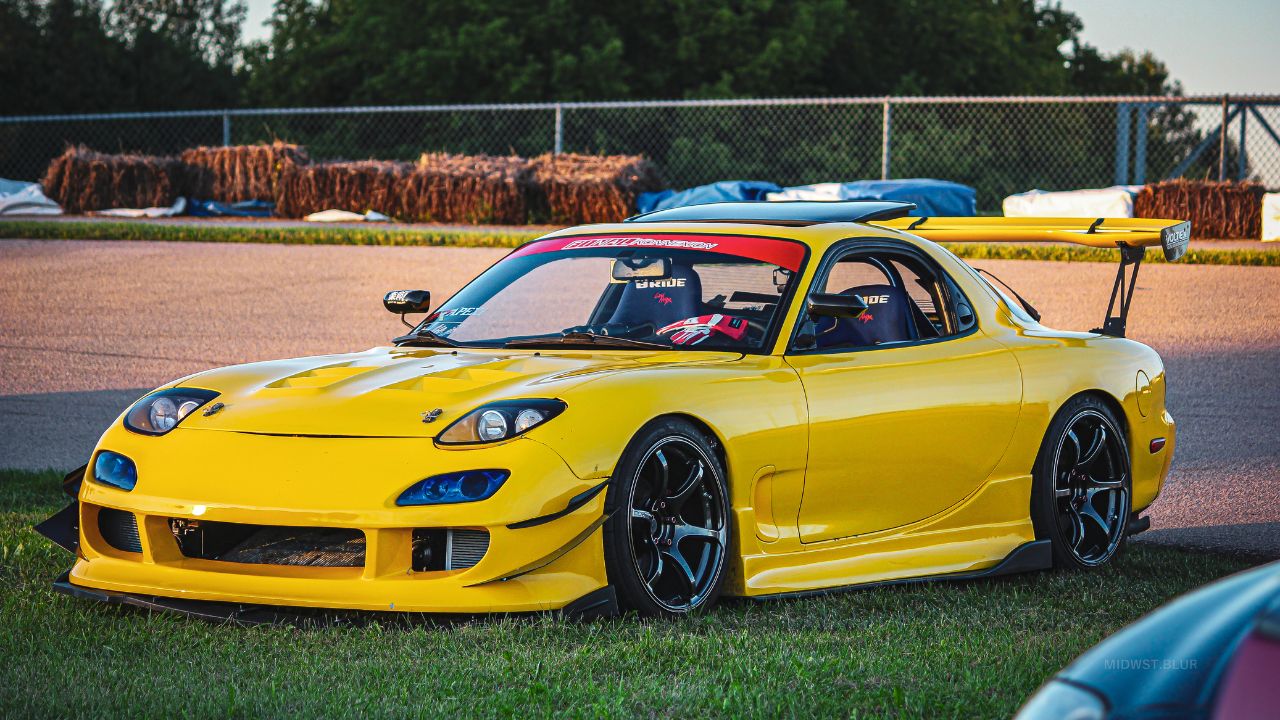
The FD RX-7 faced reliability concerns tied to its twin-rotor engine. Despite that, its lightweight chassis and near-perfect proportions have aged beautifully. Driving enthusiasts continue to praise its steering feel and balance. It remains one of the most visually timeless Japanese sports cars ever built.
Alfa Romeo 4C
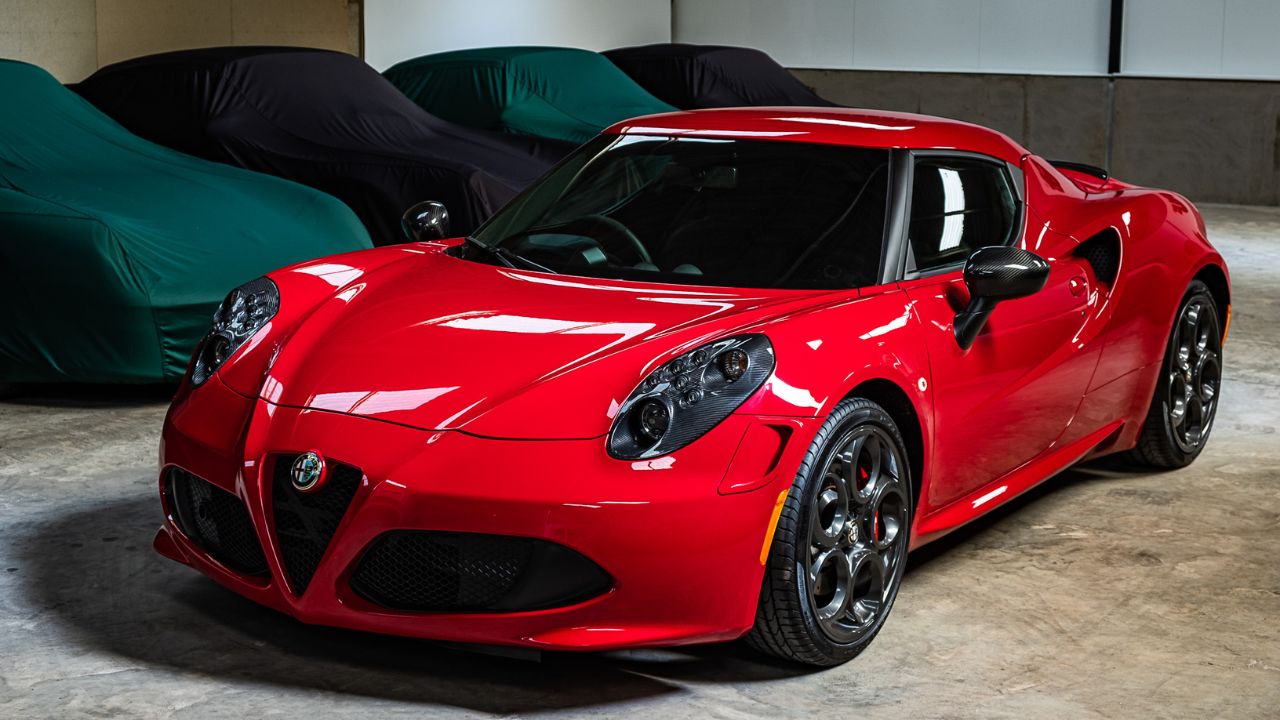
When new, the 4C was criticized for its stiff ride and minimal refinement. With perspective, its carbon-fiber tub and raw driving experience feel refreshingly uncompromised. It offers an exotic construction philosophy at a relatively attainable price point. As performance cars grow heavier, the 4C’s minimalism has aged remarkably well.
More from Fast Lane Only