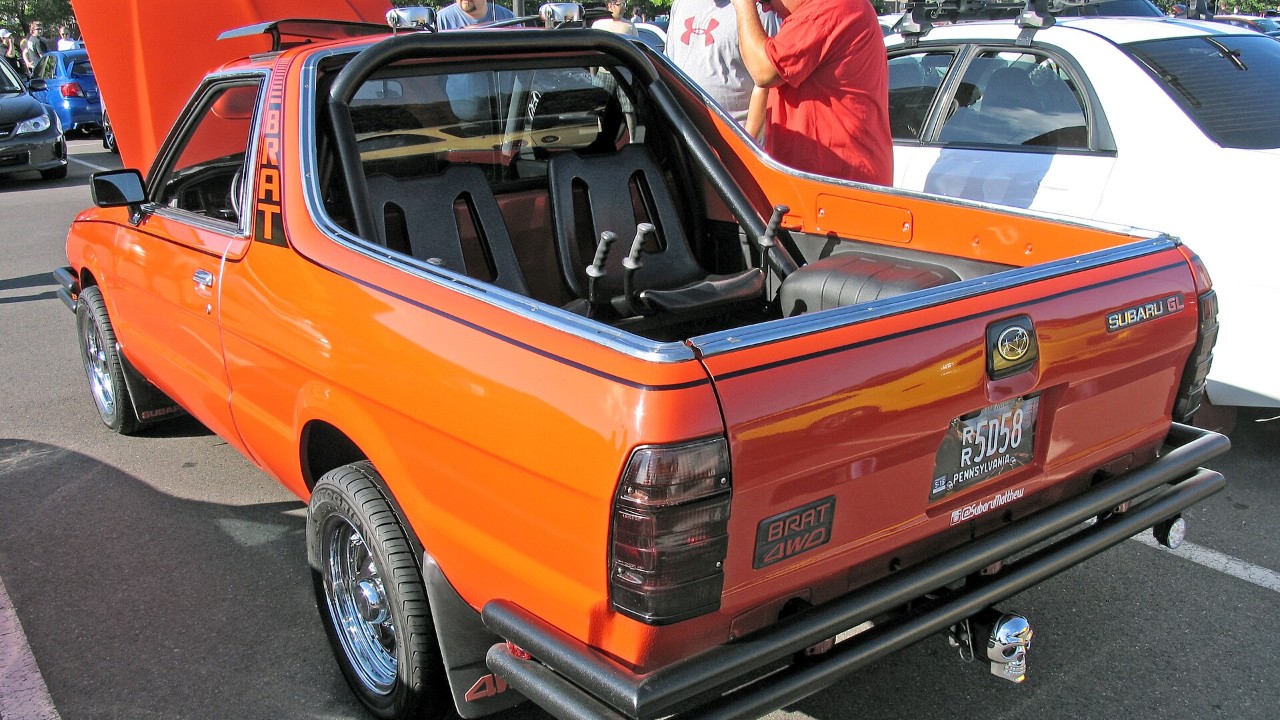
Throughout automotive history, certain cars have not just been fast; they have changed the very perception of speed. From the early days of motoring to the modern electric revolution, these vehicles have set benchmarks that others aspire to reach. Here’s a look at ten iconic cars that redefined what it meant to be fast in their respective eras.
Ford Model T (1908)
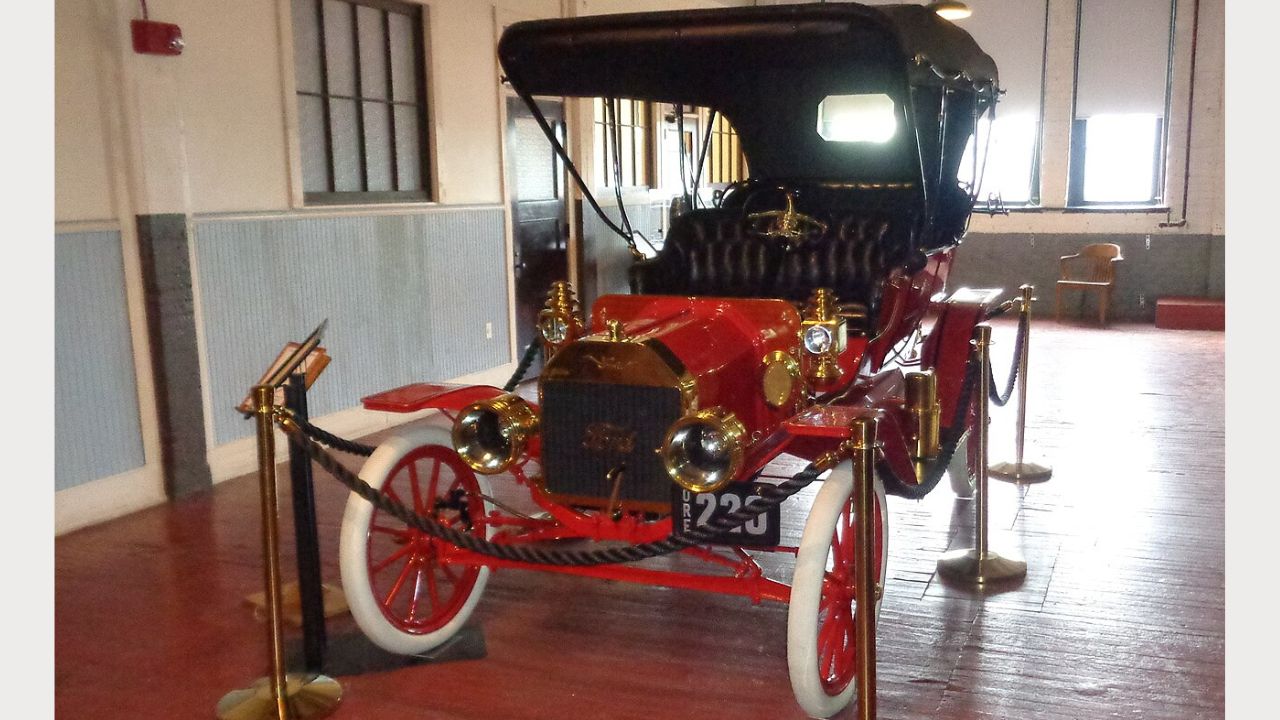
The Ford Model T is often credited with bringing automobile transportation to the masses. Released in 1908, it was among the first cars to be mass-produced using assembly line techniques. With a top speed of around 45 mph, the Model T was revolutionary for its time. It allowed average Americans to travel greater distances and significantly altered social dynamics.
Its affordability and reliability made it an instant hit, selling over 15 million units by 1927. The Model T’s combination of speed and accessibility laid the groundwork for the future of automotive design and manufacturing, influencing generations of vehicles that followed.
Bugatti Type 35 (1924)
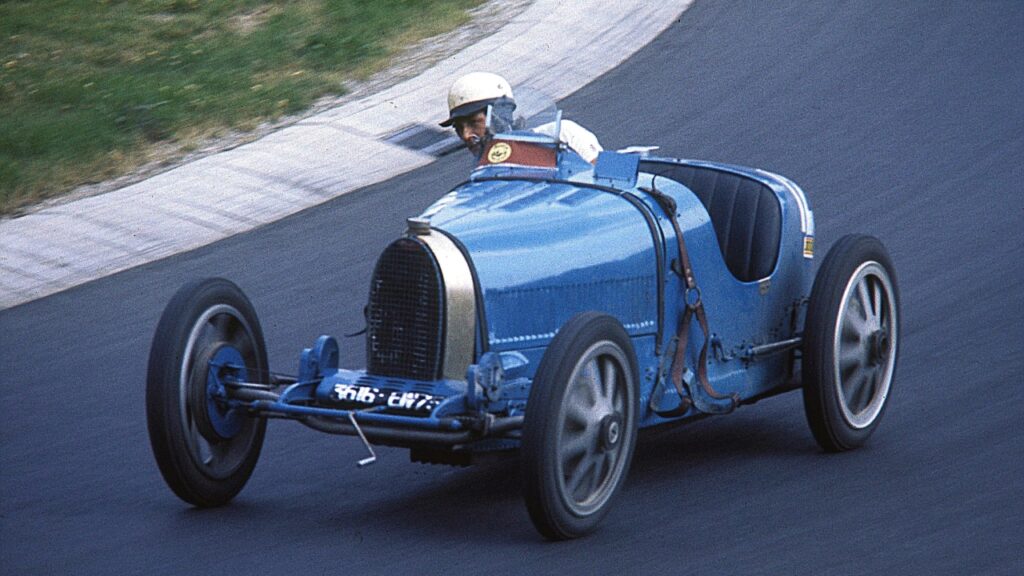
Launched in 1924, the Bugatti Type 35 was a game-changer in the world of racing and road cars. With a lightweight design and a powerful 8-cylinder engine, it boasted impressive speeds for its time, reaching up to 120 mph. The Type 35 dominated the racing scene in the late 1920s, winning over 1,000 races, which solidified Bugatti’s reputation as a premier manufacturer.
It was not just speed that made the Type 35 special; its stunning design and advanced engineering set new standards in performance. Even today, it remains a symbol of automotive excellence and engineering innovation.
Chevrolet Corvette (1953)
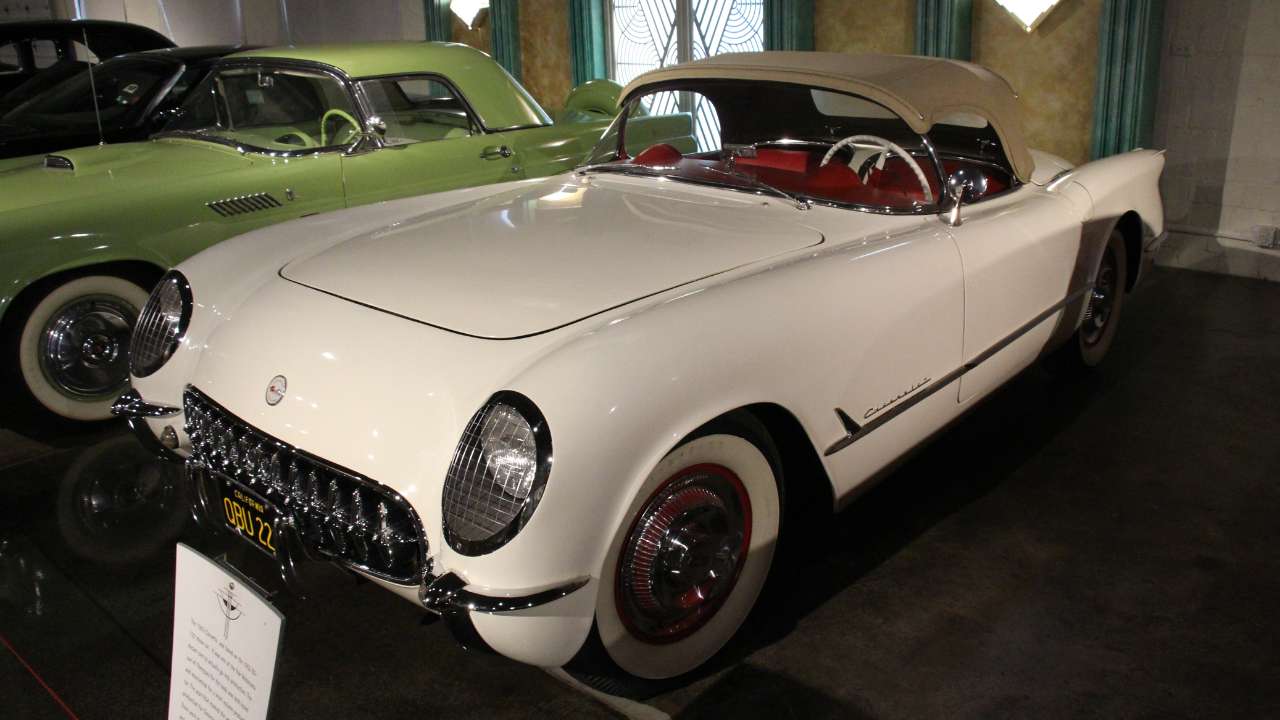
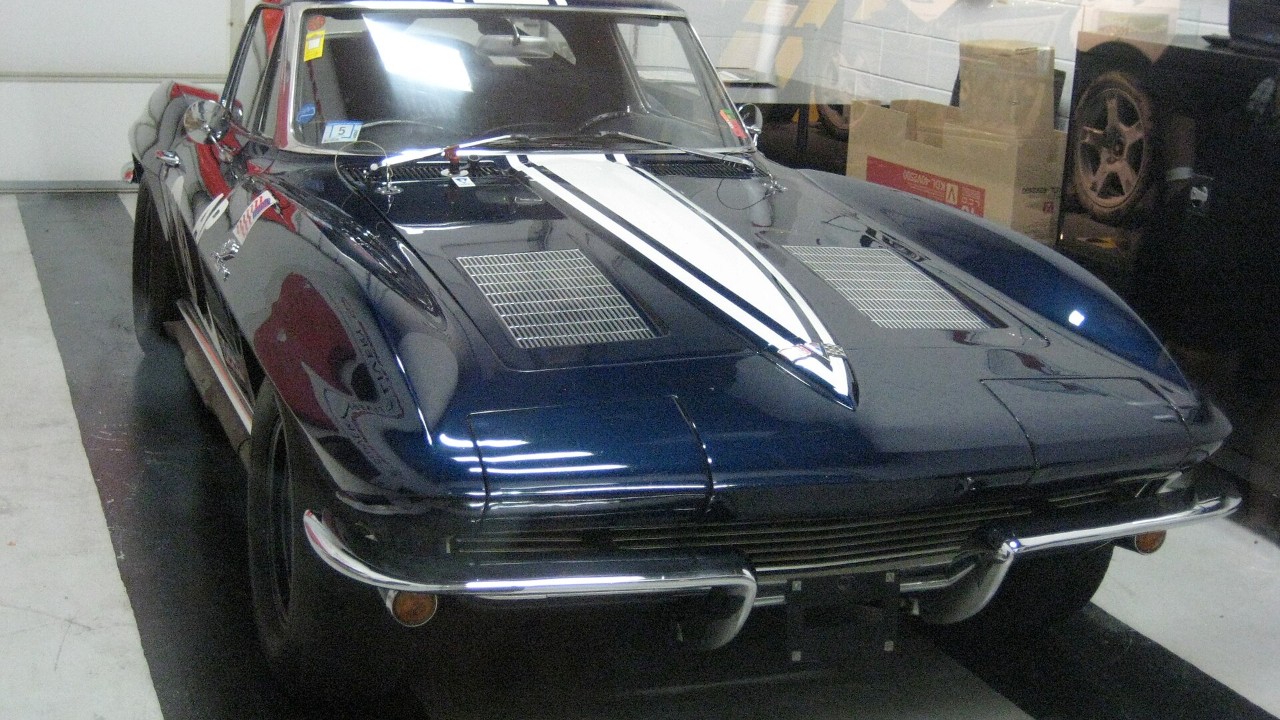
The Chevrolet Corvette made its debut in 1953 as America’s first true sports car. With its sleek design and a powerful 150-horsepower inline-six engine, it could reach a top speed of around 110 mph. The Corvette established itself as a performance icon, blending speed with style. Over the decades, it has evolved through various generations, but the original model set the stage for what a sports car should be in America.
Its affordability and performance made it accessible to a wider audience, and it became a symbol of freedom and American ingenuity, leading the way for future performance cars.
Ferrari 250 GTO (1962)

The Ferrari 250 GTO, produced from 1962 to 1964, is often hailed as one of the most beautiful cars ever made. With a V12 engine that could reach speeds of 160 mph, it combined elegance with raw power. Only 39 units were produced, making it one of the most coveted collector cars in history. The 250 GTO was not just a pretty face; it won numerous races, including the prestigious Tour de France Automobile.
Its significance lies not just in its performance but also in the legacy it created for Ferrari as a brand synonymous with speed, luxury, and racing success.
Lamborghini Miura (1966)
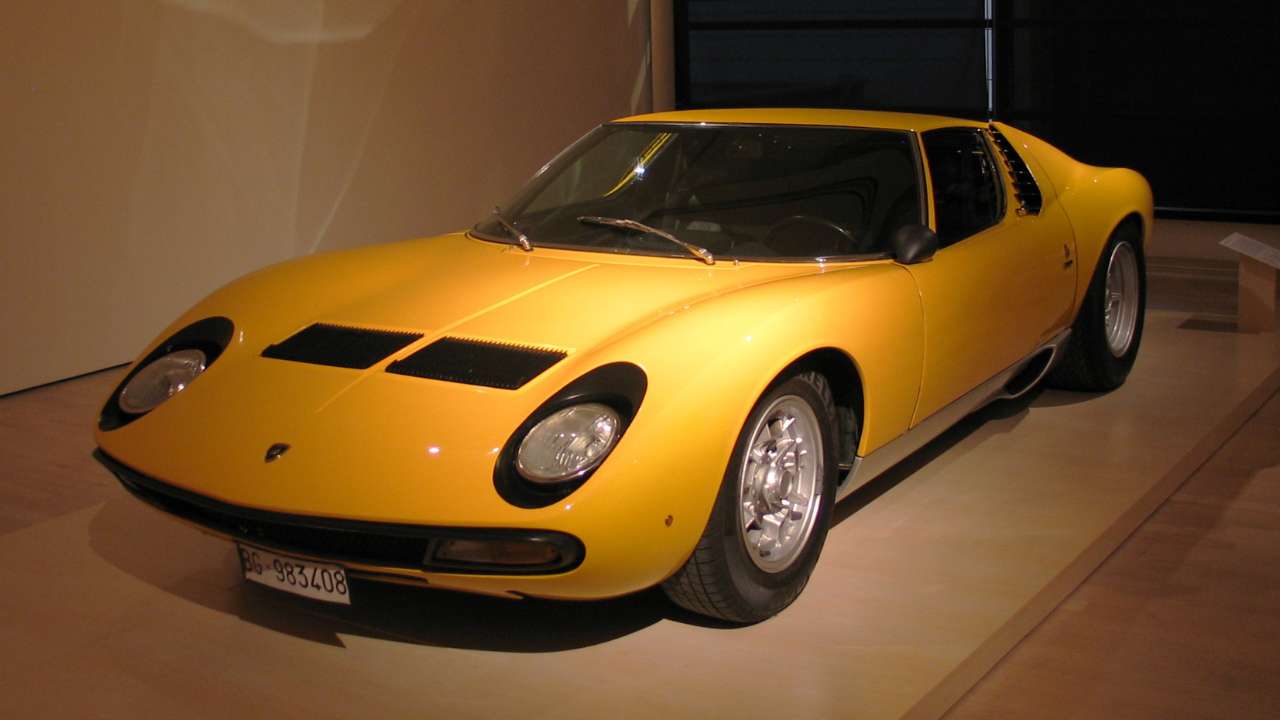
The Lamborghini Miura, unveiled in 1966, is often regarded as the world’s first supercar. With a mid-engine layout and a V12 engine capable of reaching 170 mph, it redefined performance standards. Its stunning design, characterized by flowing lines and aggressive stance, captured the imagination of car enthusiasts worldwide.
The Miura was revolutionary not just in terms of speed but also in its engineering, influencing future supercars for decades. It showcased Lamborghini’s commitment to performance and style, establishing a benchmark for what a high-performance sports car could achieve and remain an icon in automotive history.
Porsche 911 Turbo (1975)
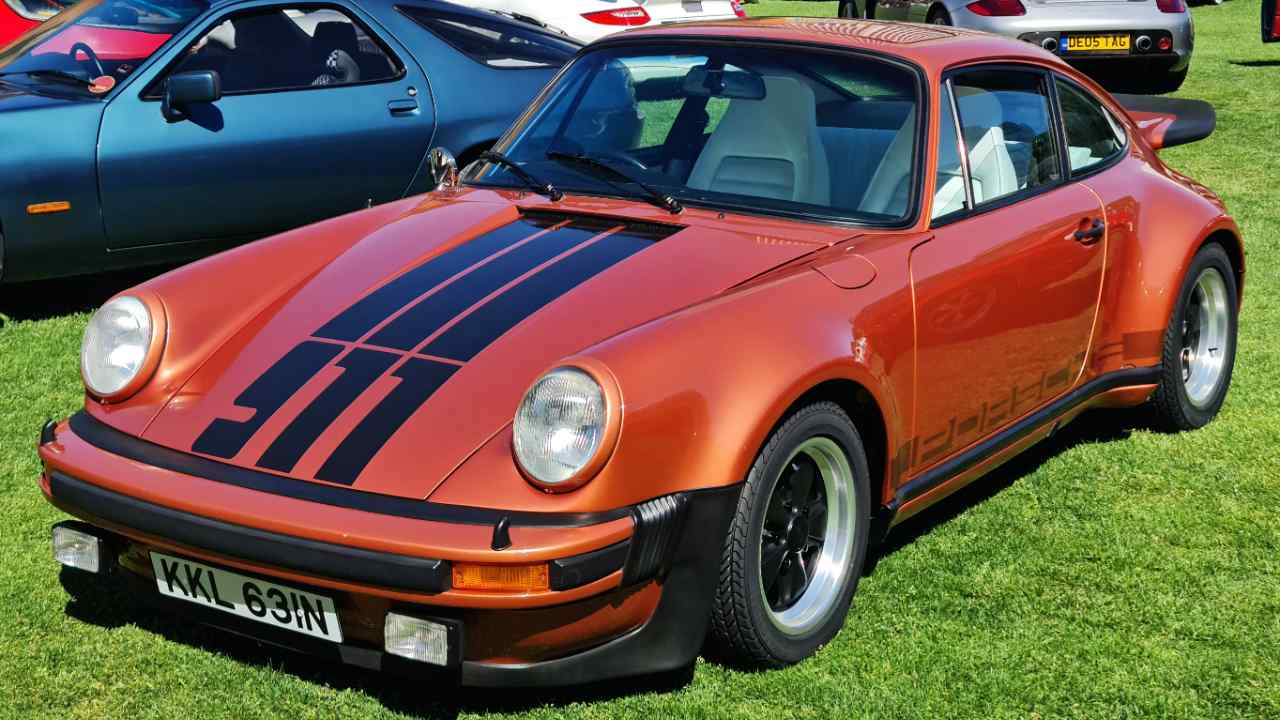
Introduced in 1975, the Porsche 911 Turbo, also known as the 930, was a groundbreaking model that introduced turbocharging to the sports car market. With a 3.0-liter flat-six engine producing 260 horsepower, it could accelerate from 0 to 60 mph in just 5.2 seconds, reaching a top speed of around 155 mph.
The 911 Turbo’s unique blend of performance and practicality made it a favorite among driving enthusiasts. Its distinctive design and engineering excellence have solidified its place in automotive history, influencing not only future Porsche models but setting a standard in the sports car segment for decades to come.
McLaren F1 (1992)
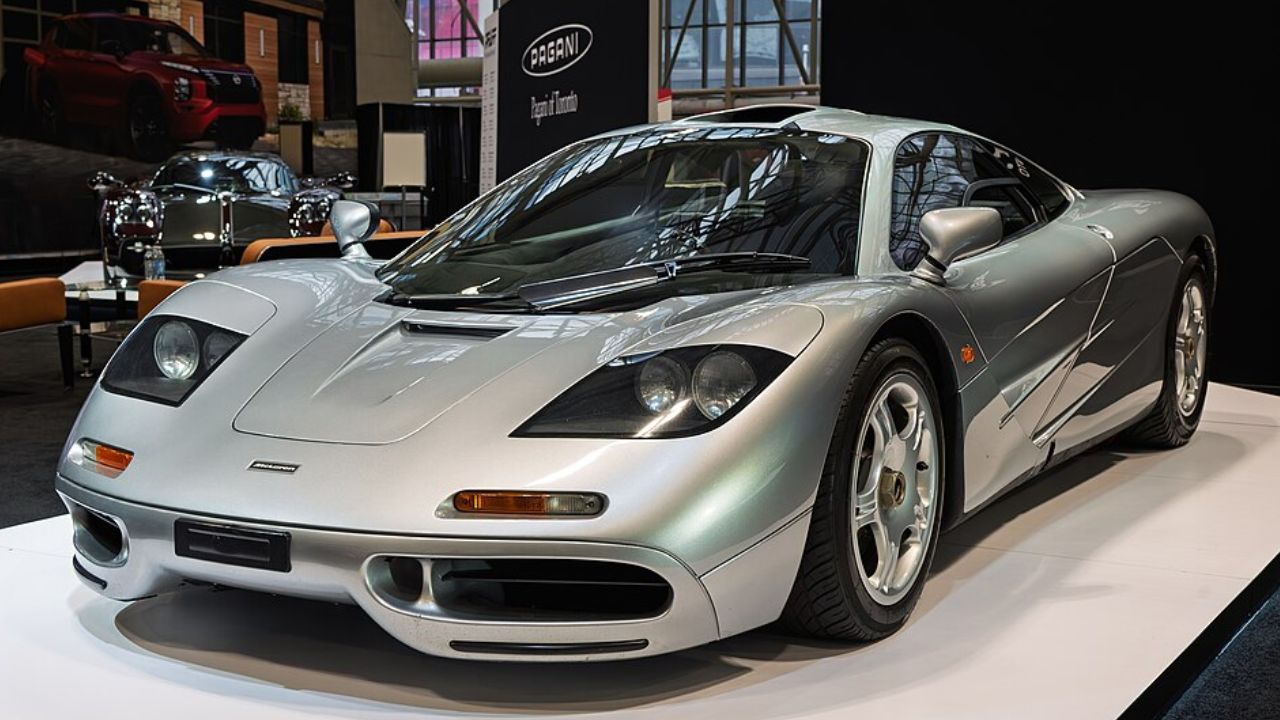
When the McLaren F1 hit the streets in 1992, it was a revelation in the world of performance cars. With a top speed of 240 mph, it held the title of the fastest production car for many years. Its unique design featured a central driving position and a lightweight carbon fiber structure, resulting in exceptional performance and handling.
The F1 was not just about speed; it incorporated advanced technology for its time, including a BMW-sourced V12 engine. Its legacy is profound, influencing the design and engineering of supercars, and it remains a benchmark for high-performance vehicles, captivating enthusiasts even decades after its production.
Bugatti Veyron (2005)
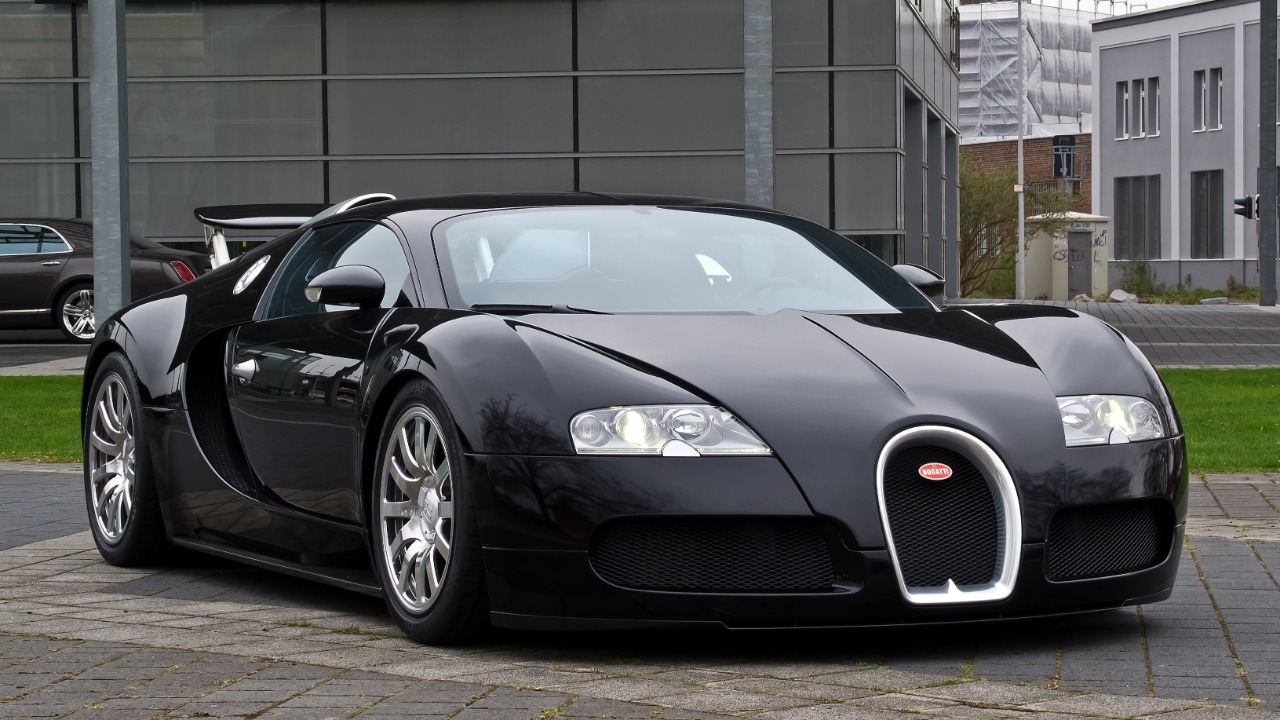
The Bugatti Veyron, launched in 2005, shattered speed records and redefined luxury performance. With an 8.0-liter quad-turbocharged W16 engine producing 1,001 horsepower, it could reach an astonishing top speed of 267 mph. The Veyron combined cutting-edge engineering with opulent design, showcasing what was possible in the realm of hypercars.
It was not just a car; it was an engineering marvel that demonstrated the pinnacle of automotive technology. The Veyron set new standards for performance, luxury, and exclusivity, making it a significant milestone in the evolution of fast cars and a worthy competitor in the realm of automotive excellence.
Tesla Model S (2012)

The Tesla Model S revolutionized the electric vehicle market when it was launched in 2012. With a 0 to 60 mph time of just 2.4 seconds in the Performance model, it redefined expectations for electric cars. Its long range and innovative technology, including over-the-air updates and a minimalist interior, made it a standout in the automotive industry.
The Model S proved that electric vehicles could not only compete with traditional sports cars but could surpass them in terms of performance and efficiency. Its success has significantly influenced the automotive landscape, prompting other manufacturers to accelerate their electric vehicle development.
Rimac C_Two (2018)
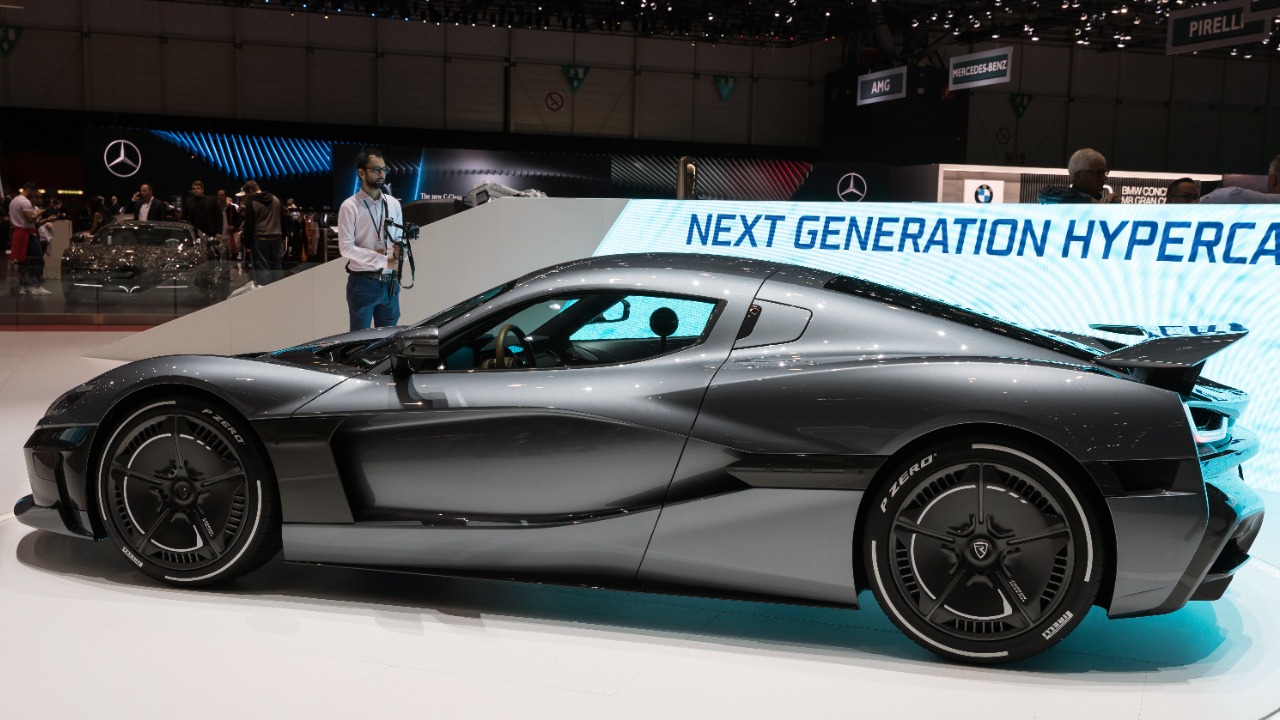
The Rimac C_Two, unveiled in 2018, is a testament to the future of automotive performance, offering an electric powertrain that delivers an astonishing 1,914 horsepower. With a top speed of 258 mph, it challenges the conventional notions of speed and power. The C_Two is not just about raw numbers; it features advanced technology, including a sophisticated all-wheel-drive system and torque vectoring.
This hypercar demonstrates the potential of electric vehicles, showcasing how they can compete with and even outperform traditional combustion engine cars. Rimac is paving the way for the next generation of performance vehicles, making the C_Two a landmark model in automotive history.
More from Fast Lane Only
- Unboxing the WWII Jeep in a Crate
- 15 rare Chevys collectors are quietly buying
- 10 underrated V8s still worth hunting down
- Police notice this before you even roll window down
*Research for this article included AI assistance, with all final content reviewed by human editors.