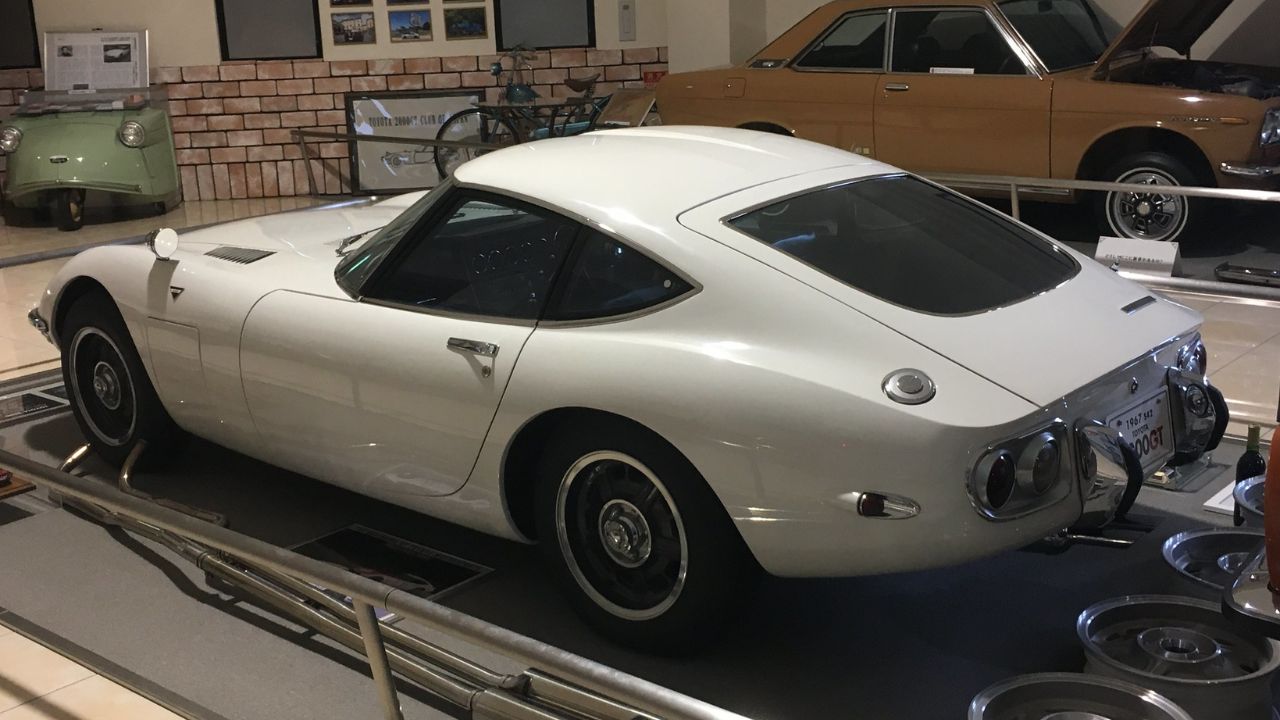
Some performance cars don’t fade with time—they grow in presence. The more the automotive world changes, the more these machines feel extreme, dramatic, and almost unreal by modern standards. Built in eras when engineering restraint wasn’t always the goal, these icons still dominate imagination with sound, style, and raw mechanical energy.
Ferrari F40

The Ferrari F40 remains one of the most intense performance cars ever created, built during a time when Ferrari focused purely on speed and minimal compromise. Its twin-turbo V8 delivers explosive acceleration with very little electronic assistance, making the driving experience feel raw and unpredictable. Mechanics respect its lightweight construction and race-inspired engineering, though it demands careful handling and maintenance. Even today, the F40 feels like a machine built from emotion and urgency rather than comfort or convenience.
Lamborghini Countach LP5000 QV
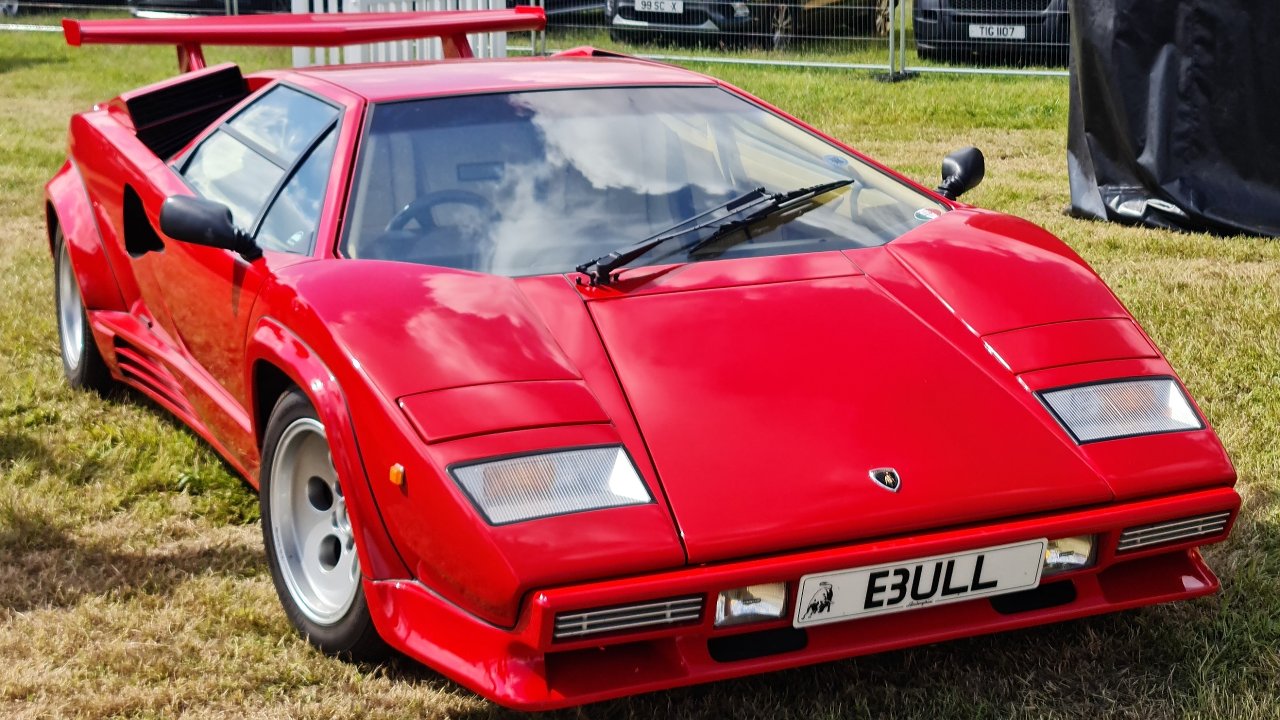
The Lamborghini Countach LP5000 QV defined the idea of a poster car with its sharp wedge design, scissor doors, and massive V12 engine. It delivers a driving experience that feels theatrical even at low speeds due to its loud mechanical presence and aggressive styling. Mechanics often describe it as challenging to work on because of its tight engine packaging. The Countach remains larger than life because it prioritizes visual drama and sensory impact over refinement or practicality.
Porsche 930 Turbo
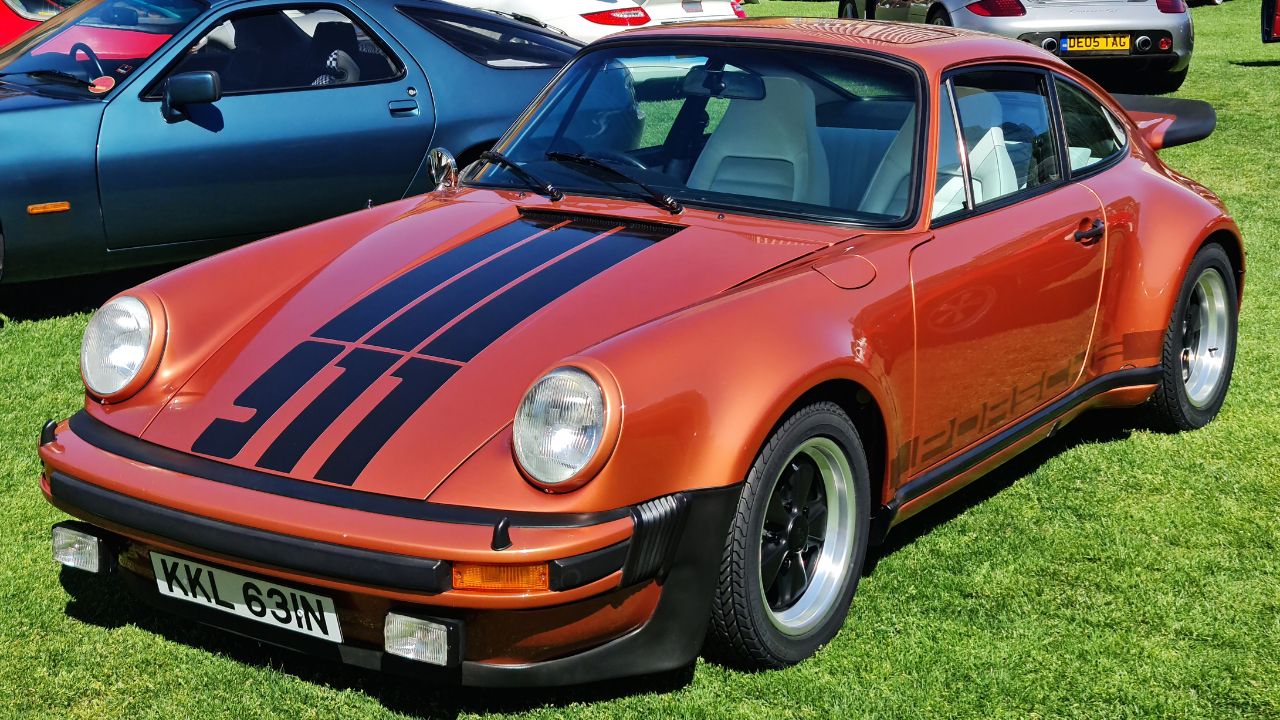
The Porsche 930 Turbo earned its legendary status through brutal turbocharged power delivery and demanding handling characteristics. Known for sudden acceleration and unpredictable behavior when pushed, it requires respect from anyone behind the wheel. Mechanics admire Porsche’s engineering strength but also acknowledge its challenging dynamics. The 930 Turbo still feels larger than life because it represents a raw, unfiltered era of performance before electronic driving aids softened the experience.
Chevrolet Corvette C3 Stingray
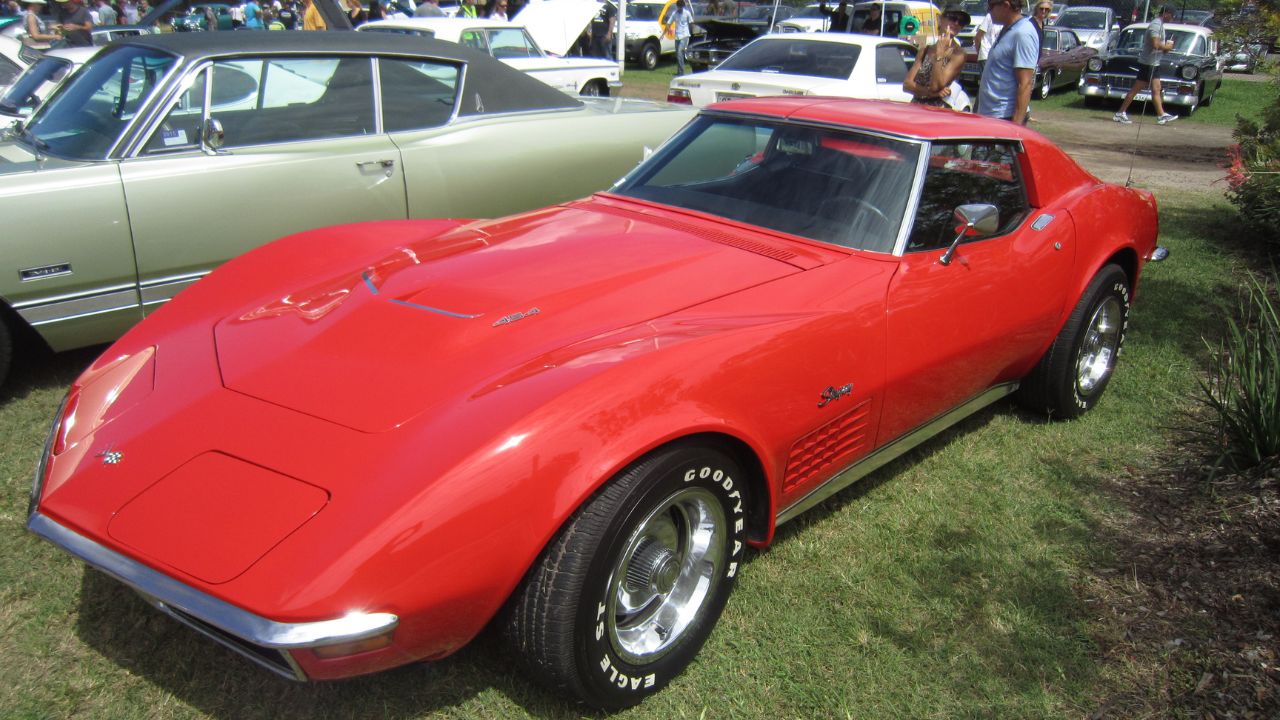
The Chevrolet Corvette C3 Stingray stands out with its long, dramatic body lines and powerful V8 engines that defined American performance in the 1970s. Its loud exhaust note and bold styling make it instantly recognizable and emotionally charged. Mechanics appreciate its relatively straightforward mechanical layout, which allows for easier restoration and tuning. The C3 Stingray still feels larger than life because of its exaggerated proportions and unmistakable muscle car attitude.
Toyota 2000GT
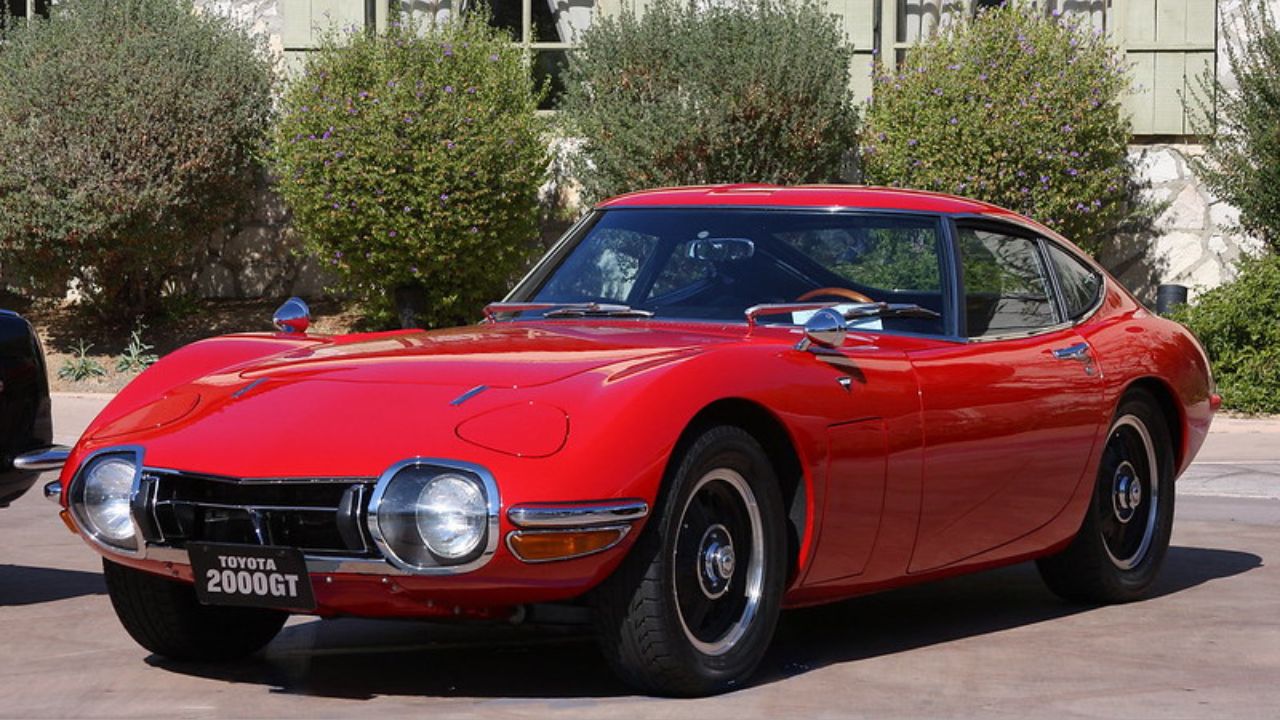
The Toyota 2000GT elevated Japan’s automotive reputation in the 1960s with elegant design and finely tuned performance. Its rare production numbers and sleek styling give it an almost mythical presence among collectors. Mechanics admire its precision engineering and smooth inline-six engine, which delivered refined yet engaging performance. The 2000GT feels larger than life because it marked Japan’s entry into the world of true high-end sports cars.
Dodge Charger Daytona
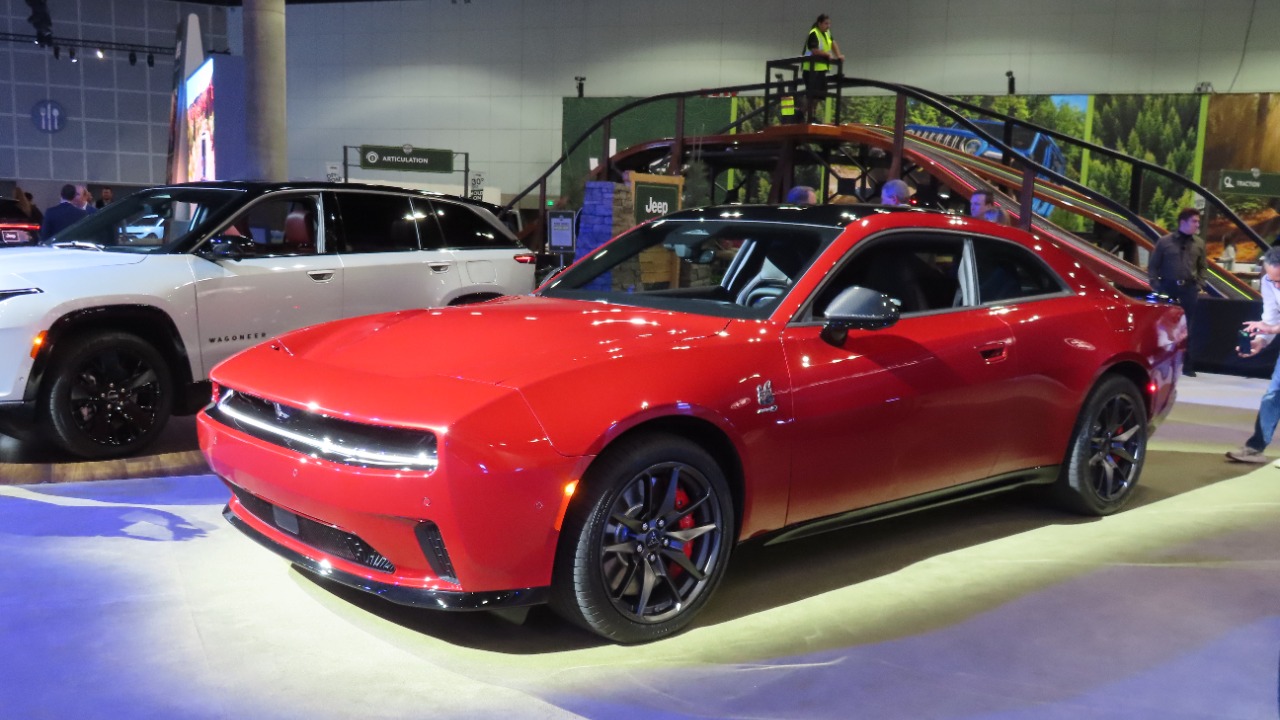
The Dodge Charger Daytona was built with extreme aerodynamic features including a massive rear wing and pointed nose cone designed for high-speed racing dominance. Its big-block V8 power and outrageous styling make it one of the most visually aggressive muscle cars ever produced. Mechanics respect its straightforward but powerful engineering. The Daytona still feels larger than life because it looks like a race car that accidentally escaped onto public roads.
Ford GT40 Mk I
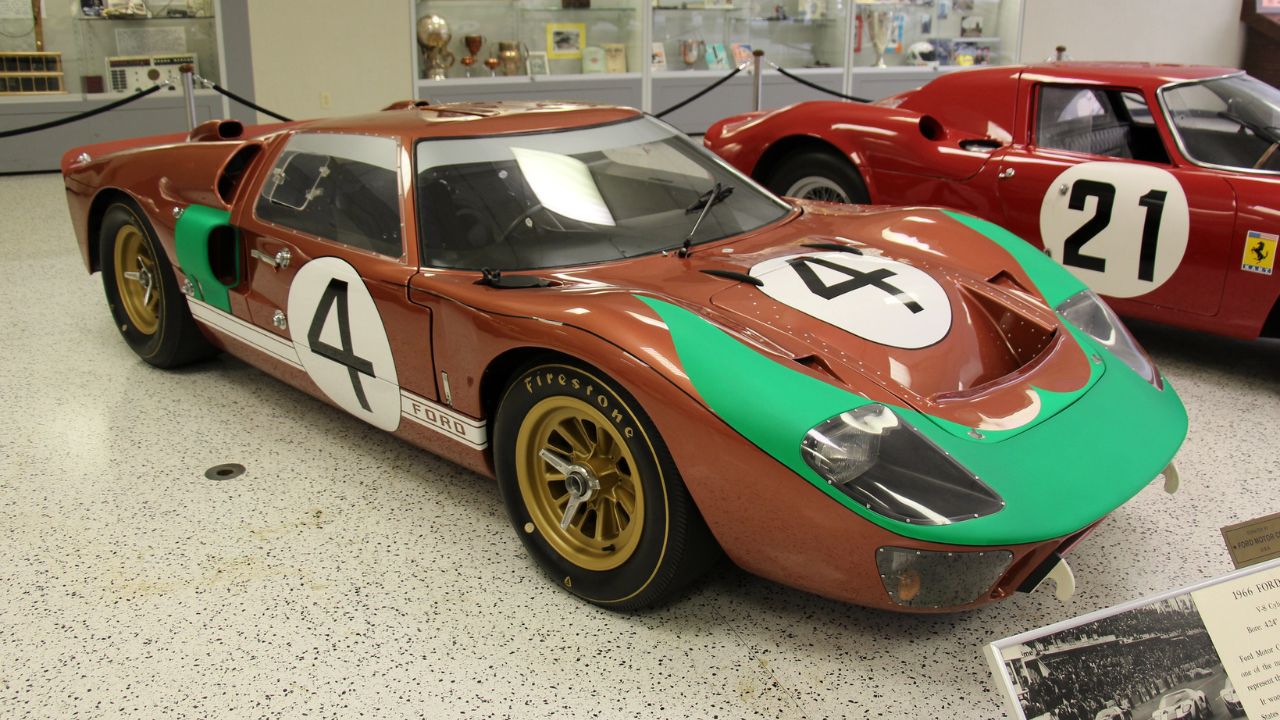
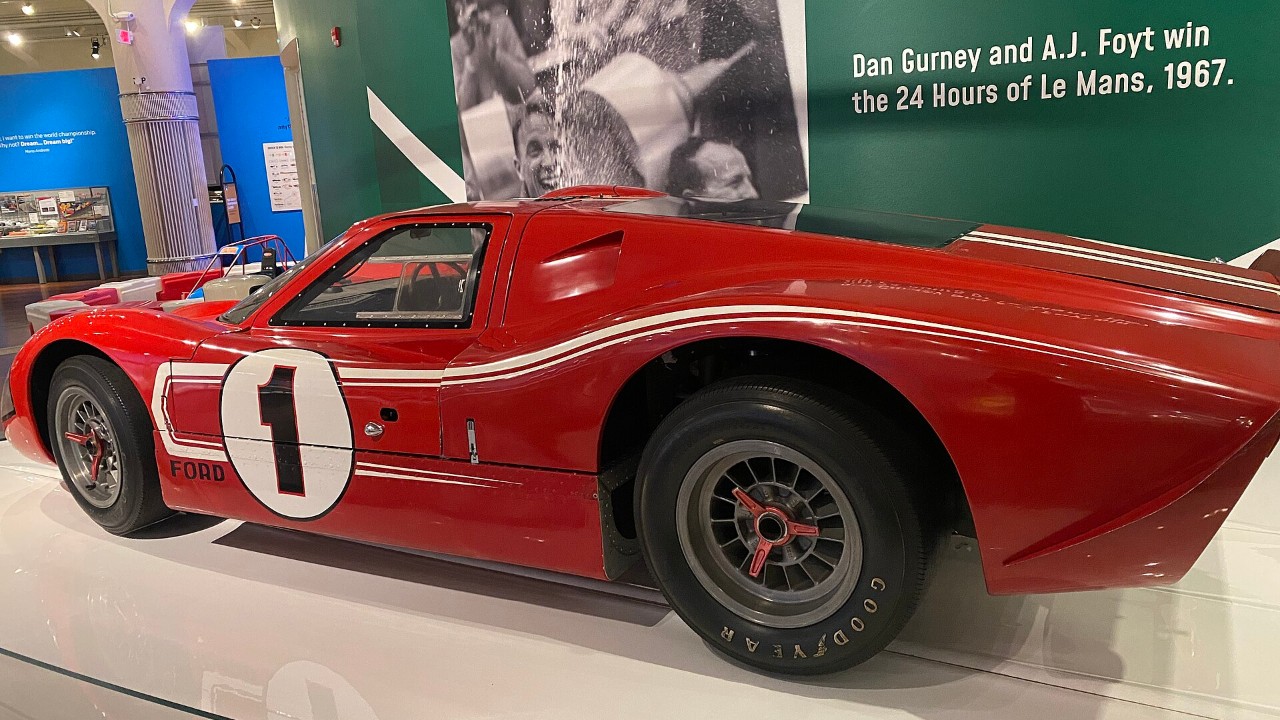
The Ford GT40 Mk I became a legend by defeating Ferrari at Le Mans and establishing itself as one of the most important endurance racing machines ever built. Its low stance, racing V8, and purpose-built chassis give it an unmistakable racing identity. Mechanics admire its durability under extreme endurance conditions. The GT40 still feels larger than life because it represents a historic victory that reshaped motorsports history.
Nissan Skyline GT-R R32
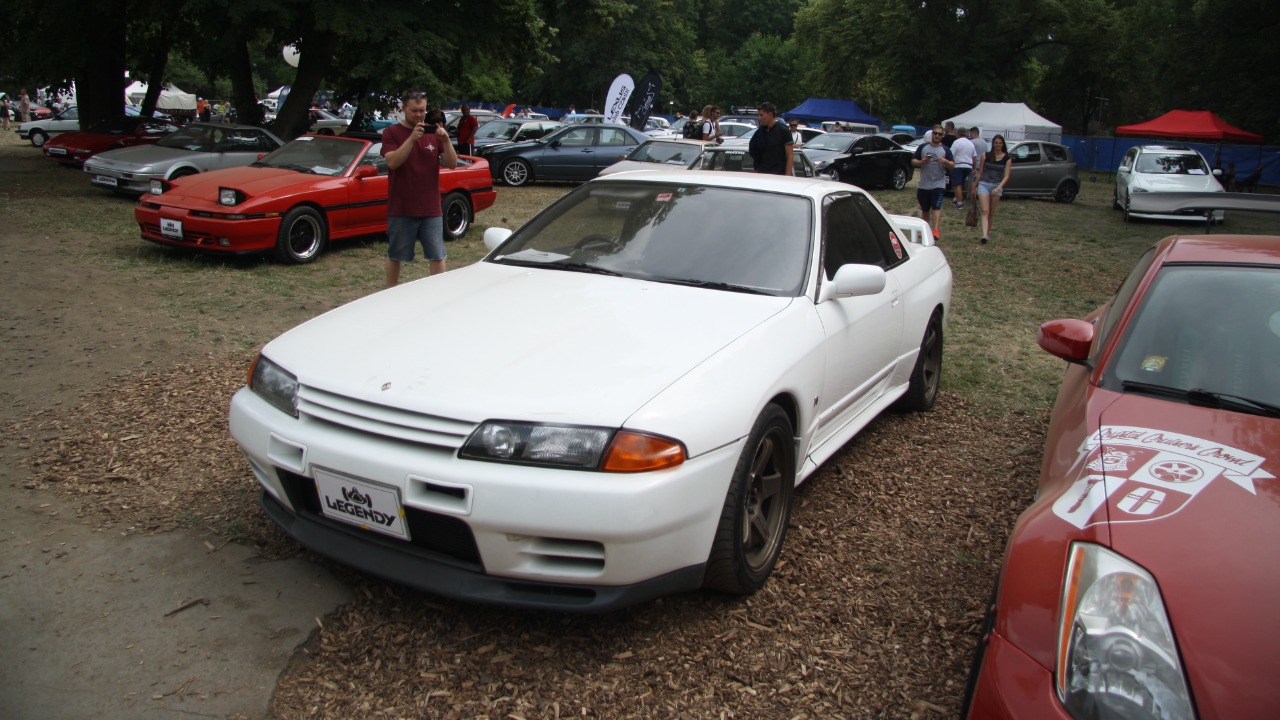
The Nissan Skyline GT-R R32 earned its “Godzilla” nickname through dominance in touring car racing and advanced all-wheel-drive engineering. Its RB26 engine and performance tuning potential made it a favorite among racers and mechanics alike. The R32 still feels larger than life because it combines motorsport credibility with street-car adaptability in a way that reshaped Japanese performance expectations.
Alfa Romeo 33 Stradale
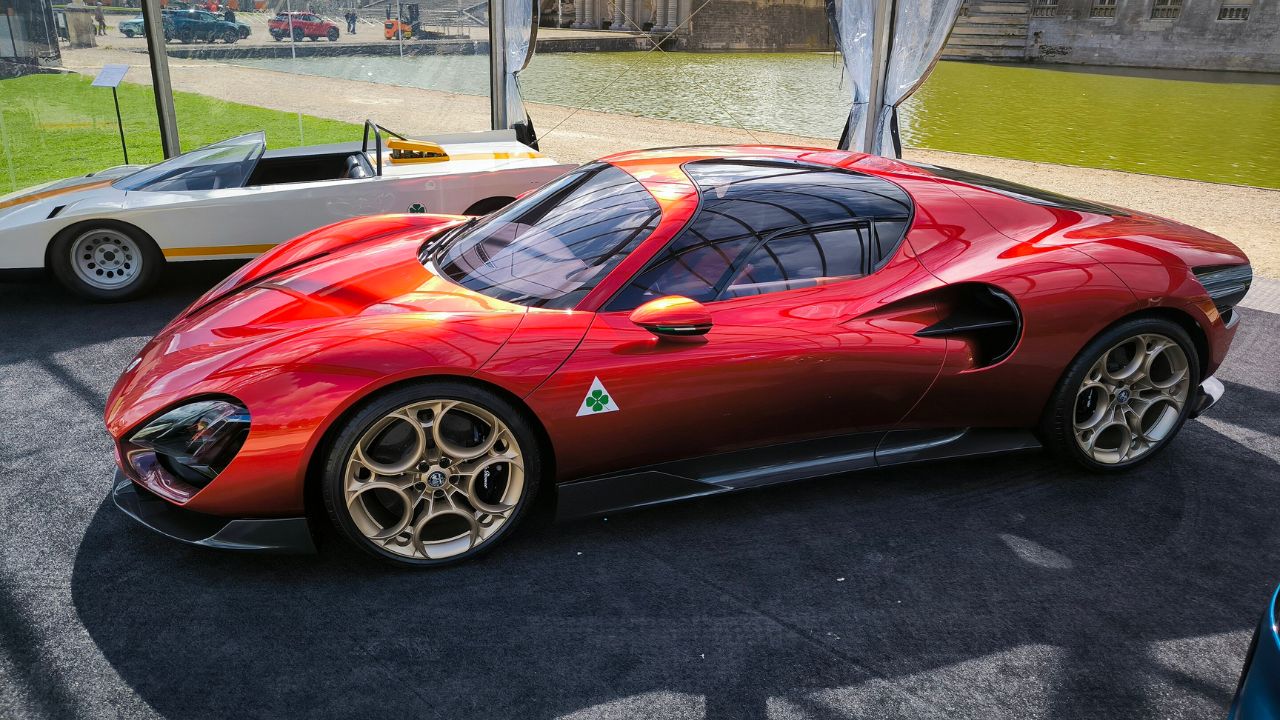
The Alfa Romeo 33 Stradale is often considered one of the most beautiful cars ever made, with extremely limited production and race-derived engineering. Its high-revving engine and lightweight construction give it an almost artistic performance character. Mechanics respect its complexity and rarity, which make it difficult to maintain but highly rewarding to preserve. The 33 Stradale feels larger than life because it exists at the intersection of sculpture and motorsport engineering.
More from Fast Lane Only